GOQii

Blog

  • HOME
  • HEALTHY LIVING
  • FITNESS
  • HEALTHY RECIPES
  • USER STORIES
  • KARMA
  • BUY GOQii

Search Results for: pranayama

June 12, 2026 By GOQii Leave a Comment

Yoga and Hormonal Health: What the Science Says

The Big Question: Can stepping onto a yoga mat truly influence your body’s complex chemical messengers?
Your endocrine system is an intricate biological network of glands responsible for manufacturing and releasing hormones that dictate cellular metabolism, tissue recovery, reproductive function, sleep architecture, mood stability, and daily energy levels. While yoga does not directly “cure” endocrine disorders or mechanically force specific glands to produce more hormones, clinical research demonstrates that it heavily supports the body’s overall hormonal environment. By downregulating chronic stress axes, enhancing sleep depth, optimizing insulin sensitivity through movement, and restoring autonomic nervous system equilibrium, a consistent yoga practice works as a powerful, non-invasive stabilizer for your internal biochemical landscape.

Modern life places relentless, compounding demands on both our minds and bodies. From strict workplace deadlines and financial pressures to family caregiving responsibilities and constant digital hyper-stimulation, psychological stress has transitioned into a daily companion for millions. Over time, this chronic mental fatigue degrades your sleep quality, alters your mood, drops your baseline energy, slows down your metabolic rate, and severely compromises your long-term cellular health.

This is precisely where the clinical application of yoga becomes invaluable. Rather than viewing it purely as an exercise for flexibility, sports science and lifestyle medicine recognize yoga as a multi-modal practice that combines structured physical movement, conscious breathing techniques (pranayama), and mindfulness. Increasingly, neuroscientists and endocrinologists are mapping out the exact pathways through which these practices indirectly optimize endocrine function and help your body maintain internal systemic balance.

Understanding the Human Endocrine System

The endocrine system serves as your body’s primary chemical communications network. It is composed of a specialized cluster of glands that synthesize regulatory hormones and secrete them directly into the bloodstream. These hormones function as molecular messengers, binding to targeted cell receptors to instruct your organs on how to behave.

The major endocrine glands working in tandem include:

  • The Hypothalamus & Pituitary Gland: Located in the brain, this pair acts as the command center, governing global hormone release.
  • The Thyroid & Parathyroid Glands: Found in the throat, they establish your baseline metabolic speed and calcium balance.
  • The Adrenal Glands: Sitting atop the kidneys, they dictate your acute and chronic stress adaptation.
  • The Pancreas: Positioned in the abdomen, it regulates blood sugar via insulin and glucagon.
  • The Ovaries & Testes: The reproductive glands responsible for sex hormone synthesis.

When this complex chemical web functions optimally, your body achieves a state of homeostasis – the ideal internal equilibrium required to defend against disease and slow down premature cellular aging.

The Neuroendocrine Axis: The Stress-Hormone Connection

The primary mechanism through which yoga optimizes your hormonal landscape is its direct, calming impact on your stress pathways. When your brain registers a psychological or physical threat, it activates the Hypothalamic-Pituitary-Adrenal (HPA) axis. This activation triggers an immediate, survival-driven surge of catecholamines and glucocorticoids, specifically adrenaline and cortisol.

[Chronic Modern Stressors] ──► Hyperactive HPA Axis ──► Non-Stop Cortisol Release

│

[Sustained Parasympathetic Mode via Yoga] ──► Vagus Stimulation ──► Hormonal Equilibrium

In short, acute bursts, this fight-or-flight response is an evolutionary marvel that provides the focus and glucose needed to survive immediate danger. However, in our modern environment, stressors do not disappear; they linger for months or years. When the HPA axis is kept permanently turned on, chronically high levels of cortisol begin to damage your tissues, leading to:

  • Fragmented sleep architecture and a lack of deep, restorative rest
  • Persistent daytime fatigue and chronic mental fog
  • Severe disruptions to your hunger-regulating hormones (leptin and ghrelin), sparking intense sugar and processed food cravings
  • Reduced rates of physical muscle and joint recovery
  • An accumulation of visceral lower abdominal fat due to localized insulin resistance

5 Science-Backed Ways Yoga Restores Hormonal Balance

Rather than manipulating an isolated hormone pathway, yoga targets the underlying lifestyle and neurological triggers that disrupt your endocrine health.

  1. Shifts the Nervous System into Parasympathetic Dominance

One of the most clinically verified benefits of yoga is its capacity to downregulate a hyper-reactive sympathetic nervous system and stimulate the parasympathetic nervous system the body’s natural “rest-and-digest” mechanism. Activating this state instantly instructs your adrenal glands to dial back the overproduction of cortisol. Because chronic stress can negatively alter multiple peripheral hormone pathways, learning to master stress management techniques is a foundational requirement for entire endocrine health.

  1. Upgrades Sleep Architecture for Hormonal Repair

Deep, uninterrupted sleep is the primary physiological window during which your body repairs cells and balances hormones. Critical processes, such as human growth hormone (HGH) release and thyroid-stimulating hormone (TSH) regulation, are deeply dependent on your sleep cycles. Clinical research shows that a regular yoga practice dramatically decreases nighttime awakenings, making a major case for why quality sleep matters if you are trying to overcome hormonal exhaustion.

  1. Improves Insulin Sensitivity Through Mindful Movement

Yoga serves as a sustainable, low-impact form of physical activity that builds muscular strength, flexibility, mobility, and balance. From a metabolic perspective, contracting your skeletal muscles during yoga poses encourages your cells to pull glucose from your bloodstream much more efficiently. This mechanical action drastically optimizes your insulin sensitivity, lowers your cardiovascular risk, and supports long-term metabolic health.

  1. Cultivates Mindful Living and Metabolic Awareness

Yoga is inherently an internal practice that builds deep interoceptive awareness the capacity to accurately feel and interpret your body’s inner signals. By teaching you to slow down and observe your breathing patterns and muscle tension, yoga helps you become highly aware of your emotional triggers, sleep deficits, and true hunger cues. This mental clarity directly translates into cleaner dietary choices and supportive daily routines, which are essential for repairing the gut-brain connection.

  1. Supports Critical Hormonal Transitions Across Life Stages

Because yoga systematically lowers systemic inflammation and tones the nervous system, it functions as an exceptional, natural lifestyle aid during major hormonal transitions:

  • Menopause: Yoga helps mitigate the physical and emotional impact of dropping estrogen levels. By emphasizing strength training and balance, it works hand-in-hand with clinical strategies for menopause and bone health to combat premature bone thinning.
  • Polycystic Ovary Syndrome (PCOS): While yoga is not a medical cure for PCOS, the lifestyle improvements it delivers—specifically reducing stress-induced cortisol and lowering insulin resistance—help create a calm internal environment that supports ovarian health.
  • Healthy Ageing: As the body grows older, preserving muscle mass, protective joint stability, and stress resilience is non-negotiable for staying independent. Yoga provides a safe framework for sustaining your vitality through fluid movement.

The Biological Power of Pranayama and Yoga Nidra

To truly maximize your endocrine recovery, you must look past the physical poses and incorporate the deeper breath and meditative elements of yoga.

Pranayama (Conscious Breath Modulation)

Pranayama involves the deliberate, rhythmic modification of your breath. Exercises like deep diaphragmatic breathing, alternate nostril breathing (Nadi Shodhana), and slow-paced exhalations physically stimulate your vagus nerve—the main highway of your parasympathetic nervous system. Vagal stimulation instantly slows down your heart rate, lowers blood pressure, reduces cognitive anxiety, and creates an internal environment where your endocrine glands can safely recalibrate.

Yoga Nidra (Conscious Yogic Sleep)

Yoga Nidra is a highly structured, guided meditation that leads your mind into the deep borderland between wakefulness and sleep. Unlike normal sleep, you maintain crisp, internal awareness while your physical body rests deeply. For individuals battling severe emotional exhaustion or professional burnout, Yoga Nidra allows your brain waves to drop from frantic Beta frequencies into healing Alpha and Theta frequencies, offering an exceptional neurological reset for an overworked hypothalamus.

Postures that Promote Physical Relaxation

While the primary goal of any yoga program is global nervous system regulation rather than stimulating an isolated organ, integrating these specific postures into your weekly routine can help release deep physical tension and improve local blood circulation:

Asana (Pose) Execution Strategy Primary Physiological Target
Balasana (Child’s Pose) Rest forehead on the mat, breathe into the lower back Softens the adrenal region and calms the mind.
Bhujangasana (Cobra Pose) Lift chest gently using upper back strength, keep shoulders down Opens the chest and dynamically stretches the anterior torso.
Setu Bandhasana (Bridge Pose) Press through heels to lift hips, engage glutes and thighs Improves pelvic circulation and builds spinal tracking awareness.
Uttanasana (Forward Fold) Softly bend knees, let head and neck hang completely loose Reverses gravity to increase rich blood flow toward the brain.
Viparita Karani (Legs-Up-The-Wall) Rest hips near a wall, extend legs straight upward, close eyes Drastically accelerates venous lymphatic drainage and restores the heart.

Yoga is not a magical cure for clinical endocrine disorders, nor should it ever replace a necessary, prescribed medical treatment plan. However, when viewed through the lens of modern medicine, yoga is a world-class supportive tool that optimizes the precise lifestyle and neurological factors that dictate your hormone behaviors. By systematically managing your stress, improving sleep architecture, and embedding deep mindfulness into your days, a consistent yoga practice becomes a reliable ally for maintaining long-term resilience and physical vitality.

Pro Tip: Successfully balancing your endocrine system requires consistent lifestyle alignment. Use the GOQii App to log your daily yoga sessions, record your meditation and pranayama minutes, and evaluate your nightly sleep quality. You can seamlessly share this holistic wellness overview with your GOQii Personalised Health Coach to build a practical, customized nutrition and mindfulness plan designed exactly to support your unique metabolic goals!

Frequently Asked Questions (FAQs)

  1. Can yoga help balance hormones naturally?

Yes, but it does so indirectly. Yoga does not physically force a specific gland to secrete more or less of a chemical. Instead, it systematically lowers chronic stress hormones (like cortisol and adrenaline), improves sleep architecture, and boosts insulin sensitivity through movement. Balancing these core lifestyle factors allows your endocrine system to naturally return to homeostasis.

  1. Can yoga cure thyroid disorders like hypothyroidism or hyperthyroidism?

No. Yoga cannot replace thyroid hormone replacement medications or medical therapies for diagnosed clinical conditions. However, it serves as an excellent complementary therapy. The regular practice of stress reduction and physical asanas can help manage common secondary symptoms of thyroid issues, such as chronic fatigue, muscle stiffness, poor circulation, and elevated anxiety.

  1. How often do I need to practice yoga to experience real improvements in my stress hormones?

When it comes to regulating your nervous system, consistency is significantly more important than duration. Practicing yoga mindfully for just 15 to 30 minutes, three to five times per week, is highly effective for maintaining a low baseline cortisol level and supporting metabolic health.

  1. Is Yoga Nidra just a fancy term for taking a nap?

No, they are biologically distinct. During a standard nap, your mind loses consciousness and enters a state of sleep. In contrast, Yoga Nidra is a state of conscious, guided relaxation. Your physical body enters a deeply restful state similar to deep sleep, but your mind remains fully awake and aware, allowing for rapid neurological recovery and stress decompression.

#BeTheForce

Disclaimer: This article is intended for educational and informational purposes only. It is not intended to replace professional medical advice, diagnosis, or treatment. Always consult a qualified endocrinologist or your primary healthcare provider before altering your medical plan or beginning a new physical routine to manage a hormonal condition.
January 29, 2026 By GOQii 71 Comments

Dos and Don’ts of Yoga: Rules to Practicing Yoga Safely

When we asked some of our new players what their interpretation of Yoga is, their response was on the lines of ‘People twisting and turning their bodies like pretzels while chanting and sitting like a statue’. Is that what it really is? We took this question as an opportunity to explain what yoga is and what are its basic dos and don’ts.
What is Yoga?

It is a system- a holistic system of refining the body, the mind and the spirit in unison. Ultimately, it is well-being, peace and bliss. Yogic postures help strengthen the endocrine system and also bring the emotions under control through concentration and relaxation.

The ability to remain in relaxed equilibrium has an important psychological effect. For the basics on yoga and what it is, you can check out this article: Yoga for the beginners: some myths and benefits

Yogis, through their physical training, gradually learn to keep their psychological equilibrium unaltered to preserve a perfect psychological calmness in whatever environment they happen to find themselves in.

Yoga is the only way by which the highest objective in life can be attained. To decipher the great science and the benefits which it claims, it is essential to understand few basic dos and don’ts which we often tend to neglect.

What You Should Do

  • “Early to bed and early to rise makes man healthy, wealthy and wise,” is an universal adage. Yoga practitioners should go to bed early, sleep well and get up early in the morning. Next, attend to their morning routine of freshening up and begin yoga in fasting mode. It can also be practiced 1 hour after a liquid diet, 3 hours after refreshments or 5 hours after full meals.
  • One could practice it before bath but after practice one should wait for some time and then take a bath.
  • It should be practiced on a leveled floor in a room where doors and windows are kept open for air and light.
  • It is helpful in many ways to practice yoga in a place where you can receive the rays of the early morning sun.
  • One should not practice it directly on the ground, on cement or mortar floor. Instead, spread a carpet, a blanket or a clean cloth, sit on it and practice by facing east or north in the morning, west or south in the evening.
  • One should practice yoga calmly without any haste or exhaustion. If one is tired he or she should rest for a while in a comfortable posture.
  • One should try to practice it everyday, preferably at the same time.
  • While practicing yoga, one should concentrate on the practice alone and try to keep away from other thoughts.
  • During the practice of asanas, the dirt in the internal organs of the body is directed towards the urinary bladder. Soon after completion, one should pass out urine.
  • If you feel like attending nature’s call while practicing, go ahead and do it immediately. One should not hold it back forcefully for a long time. One should also not try to suppress sneezing, coughing, etc. If one feels thirsty one can drink a little water as well.
  • If one sweats during practice, he or she should slowly wipe it out either by a cloth or with the palms. It is better if it dries up automatically.
  • Pranayama should follow the asanas and meditation should follow Pranayama.
  • Always lay on your back after finishing postures. 2 to 5 minutes with relaxed breathing.
  • Movements should be slow in every case. Sudden movements should be avoided.

What You Should Avoid

  • Women should refrain from regular practice during their menses or pregnancy. However, for them there are specific set of asanas that can be performed.
  • Don’t have a full tummy while doing yoga, wait until 2 to 3 hours after large meals.
  • Don’t touch (shower) or drink water for 30 minutes after practice.
  • During illness, after operations, when there is a bandage either for sprains or fractures, one should refrain from practice. They can resume after consulting experts.
  • Don’t perform strenuous exercises after yoga.
  • One should avoid practice in unclean/smoky places and in areas with foul smell
  • Yoga should not be practiced in stormy winds either

Just knowing the asanas in its correct form along with the basic knowledge of Dos and Don’ts would add much more value to your yoga practice! If you found this article helpful, let us know your thoughts in the comments below.

To practice yoga the right way, join a live, interactive GOQii PRO class, where you’ll be guided in real time by a certified expert. Book a class from the GOQii App now! You can also find more articles on Yoga here.

#BeTheForce

Disclaimer: The information provided in this blog is for general awareness and educational purposes only. It is not intended to replace professional medical advice, diagnosis, or treatment. Always consult a qualified healthcare provider for personalised medical guidance or concerns related to your health.

November 29, 2025 By Srini Leave a Comment

Breathing – A Forgotten Art

breathingWe eat 3-4 times a day, about 1.5kg of food, but we breathe 20,000 to 25,000 times a day – we intake about 20-25kg of air – We are not fully knowledgeable on breathing. Since it is an autonomous process, we do not – My research with Sleep naturally took me to research about “Breathing” and what I found out, woke me up (pun intended) and I decided to continue my blogs on Breathing.

3 external physical objects are consumed by us regularly. Life critically depends on them. Food, Water and Air. Food and Water can be paused through fasting for some time. But breathing cannot be paused beyond 10 minutes. Life will cease.

Only Free Divers can hold their breath for a maximum time of 10 minutes. We cannot and should not. Unlike eating food or drinking water, which are conscious activities, breathing is an  autonomous process. It is controlled by the medulla oblongata, a part of the brain stem. 

However, Both Indian and Chinese ancient wisdom has clearly found out that “Conscious Breathing” is the only process which can be used by human action to influence the brain functions and hence, the mind.

As evolving human beings, we have forgotten what is the natural and correct way of breathing. 

Our modern lifestyle has robbed us of natural breathing. We have got to relearn 

  • Correct Breathing 
  • Conscious Breathing

Unfortunately, there is little or no focus on breathing from modern medical science. 

Other than just asking you to breathe deep while checking heart/lung function using the stethoscope, I am not aware of any doctor visually observing or inquiring about how the patient is breathing!

My research into sleep took me naturally to breathing. So, I read James Nestor, the author of a recent bestseller on “Breath, the New Science of a Last Art”, Anders Olsson on “Conscious Breathing” and Wim Hof about the Wim Hof Method of breathing. 

I acknowledge the above authors in taking up the cause of breathing and explaining lucidly about the science behind breathing, the anatomy concerning breathing and some breathing techniques which have given me massive improvement in my health and attitude to life over the past few months.

Correct Breathing 

First let us learn about Correct Breathing and then I will talk about Conscious Breathing. So, what exactly is incorrect about breathing? All 3 aspects: 

  1. Breathing through the Nose
  2. Using Abdomen and Diaphragm for breathing
  3. Breathing Rhythmically and Slowly

Breathing through the Nose:
I wonder why I even should talk about this. Is this such a big thing? Then I really started observing the world around me – Shocking when I observed that my wife was breathing through her mouth during sleep (how I worked on it and corrected is a separate story).

We believe that it is ok to breathe through the mouth – this is as correct as eating through your nose! Nose is created to be the sole instrument of breathing! Period. Google it or look around when people are sleeping. Surveys and research says that at least 50% of people are breathing through their mouth during sleep! Add to this the percentage of people who have choked noses, COPD and other breathing issues! 

We are talking about a VERY LARGE proportion of the human population incorrectly breathing.

How do you breathe? Do you know? Ask your partner to observe while you breathe.

If you have a dry mouth when you wake up, if you  have a V-shaped upper palate (as against a U-shaped palate), If your tonsils are removed when you were a child, if you are snoring then IT IS QUITE LIKELY THAT YOU ARE BREATHING THROUGH YOUR MOUTH.

See what you are missing out if you breathe through your mouth?

  • Your nose captures impurities, particles, bacteria and viruses using the hair mucous surface in the nose when the inhaled air is going through.
  • Your nose heats up the air and moistens it using the moist mucous surface. Why is this important? The incredible process of Gas exchange in the lungs happens optimally only when the air is hot and humid (more about Gas exchange and the process/chemistry of breathing later).
  • It also adds the magical element of Nitric Oxide which is secreted in the sinuses. Nitric Oxide dilates the blood vessels as well as the air tubes of lungs, reducing blood pressure.

Tip: When you do Bhramari Pranayam (humming), you are releasing 15 times more Nitric Oxide into the breathed air and hence, practicing Bhramari Pranayama a few times a day during these days of the pandemic, can help you avoid getting infected. 

So, why not simply hum and breathe through your nose?

PS: All of what is stated above is a summary of reading so many research articles and you can google about any of them.

I will be sharing more on breathing in the articles to come! Stay tuned. For more breathing exercises, check out Healthy Reads. To learn breathing techniques with the right guidance from a certified expert, subscribe to Personalised Health Coaching here.

#BeTheForce 

Disclaimer: The information provided in this blog is for general awareness and educational purposes only. It is not intended to replace professional medical advice, diagnosis, or treatment. Always consult a qualified healthcare provider for personalised medical guidance or concerns related to your health. Images shown are for representation purposes only and may not depict the exact recommendations or outcomes.

June 24, 2025 By Palak Mittal 3 Comments

Living well with regular Yoga and good Nutrition


preliminary step to weight loss

Yoga is not simply a set of exercises but a lifestyle. When practising yoga, asanas and nutrition go hand in hand to improve your quality of life. Your digestive system, immunity and energy levels are directly linked to the food you intake. If there is a problem with any of these, yoga asanas can help resolve it.

Digestion: Not all food is easy to digest. Instead of popping laxatives and antacids after every meal, change the food you’re eating. Citrus fruits and leafy vegetables that are rich in fibre aid digestion and prevent constipation. Some foods like yoghurt, buttermilk are probiotics that support the growth of gut bacteria and keep your stomach healthy. Also include carminatives or foods that prevent the formation of gas like cumin, ginger and oatmeal.

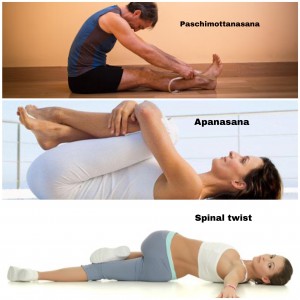
Yogic Asanas such as the Spinal twist, Apanasana and Paschimottanasana can help smoothen the digestive process.


apanasana

Immunity: Eating the right food can help boost your immunity. Citrus fruits are rich sources of vitamin C that directly strengthen the immune system. Herbs like turmeric, ginger and garlic are rich in antioxidants and linked to the prevention of a number of diseases including several types of Cancer. Proteins also help nourish your immune system and hence should not be ignored.

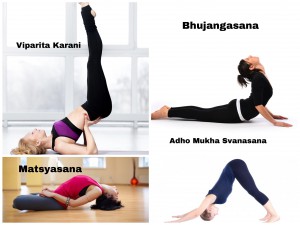
A combination of asanas and yogic breathing techniques can help boost your immunity. Some asanas to try to include Viparita Karani, Bhujangasana, Matsyasana and Adho Mukha Svanasana. These poses help lower stress and boost immunity by pumping rich oxygenated blood to all the parts of the body.

bhujangasana

Energy: The food you eat is turned into glucose to fuel the body and maintain a constant supply of energy. Soy and green leafy vegetables that are rich in iron can effectively boost your energy levels. Fruits like apples, bananas and oranges can also help increase your energy. Yoghurt rich in magnesium does not directly contribute towards the creation of glucose but helps the body release this energy whenever needed.

Yoga asanas help increase blood flow and increase the heart’s capacity to pump blood through the body. A few yoga poses that can boost energy are the camel pose, tree pose and warrior asana.

Relaxation: Sipping on a cup of green tea is a good way to end the day and relax. Other food like honey, milk, celery and oatmeal can also help calm the body and fight off the day’s stress. Apart from being delicious, dark chocolate also releases hormones that ease stress and help relax a person.

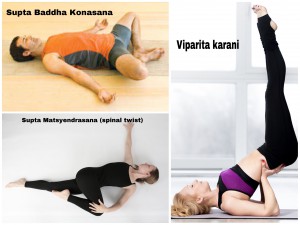
image1

Practising yoga breathing techniques like Pranayama can effectively release tension. Supta Baddha Konasana, Viparita Karani and the Supta Matsyendrasana can also help increase energy levels.

We trust that this holistic approach to living well through yoga and good nutrition resonates with you. If you found these insights beneficial and have your own experiences or tips to share, we invite you to do so in the comments section below. For more articles and resources on enhancing your well-being through yoga and nutrition, explore our Healthy Reads. And, if you’re seeking personalised guidance and support on your journey to optimal health, consider subscribing to GOQii’s Personalised Health Coaching here.

#BeTheForce

Disclaimer: The information provided in this blog is for general awareness and educational purposes only. It is not intended to replace professional medical advice, diagnosis, or treatment. Always consult a qualified healthcare provider for personalised medical guidance or concerns related to your health. Images shown are for representation purposes only and may not depict the exact recommendations or outcomes.

  • « Previous Page
  • 1
  • 2
  • 3
  • 4
  • …
  • 14
  • Next Page »

Search

Recent Posts

  • PCOS: diet, exercise and the myths to stop believing
  • Cholesterol numbers explained: LDL, HDL and triglycerides
  • International Men’s Day 2026: why men’s health is everyone’s business
  • World COPD Day 2026: Short of Breath? Think COPD – Why Early Diagnosis Matters
  • National Epilepsy Day 2026: Seizure First Aid – What to Do (and Not Do) When Someone Has a Seizure

Stay Updated

Archives

  • November 2026 (20)
  • October 2026 (23)
  • September 2026 (5)
  • August 2026 (8)
  • July 2026 (24)
  • June 2026 (22)
  • May 2026 (20)
  • April 2026 (24)
  • March 2026 (18)
  • February 2026 (14)
  • January 2026 (14)
  • December 2025 (19)
  • November 2025 (14)
  • October 2025 (17)
  • September 2025 (6)
  • August 2025 (5)
  • July 2025 (9)
  • June 2025 (18)
  • May 2025 (16)
  • April 2025 (22)
  • March 2025 (25)
  • February 2025 (21)
  • January 2025 (25)
  • December 2024 (21)
  • November 2024 (21)
  • October 2024 (15)
  • September 2024 (22)
  • August 2024 (27)
  • July 2024 (14)
  • June 2024 (23)
  • May 2024 (26)
  • April 2024 (27)
  • March 2024 (27)
  • February 2024 (23)
  • January 2024 (21)
  • December 2023 (14)
  • November 2023 (10)
  • October 2023 (18)
  • September 2023 (20)
  • August 2023 (16)
  • July 2023 (16)
  • June 2023 (21)
  • May 2023 (20)
  • April 2023 (19)
  • March 2023 (23)
  • February 2023 (19)
  • January 2023 (15)
  • December 2022 (11)
  • November 2022 (15)
  • October 2022 (15)
  • September 2022 (12)
  • August 2022 (9)
  • July 2022 (17)
  • June 2022 (11)
  • May 2022 (10)
  • April 2022 (6)
  • March 2022 (6)
  • February 2022 (13)
  • January 2022 (11)
  • December 2021 (7)
  • November 2021 (3)
  • October 2021 (6)
  • September 2021 (3)
  • August 2021 (8)
  • July 2021 (7)
  • June 2021 (15)
  • May 2021 (16)
  • April 2021 (10)
  • March 2021 (7)
  • February 2021 (4)
  • January 2021 (4)
  • December 2020 (3)
  • November 2020 (4)
  • October 2020 (10)
  • September 2020 (3)
  • August 2020 (3)
  • July 2020 (2)
  • June 2020 (4)
  • May 2020 (10)
  • April 2020 (12)
  • March 2020 (10)
  • February 2020 (4)
  • January 2020 (4)
  • December 2019 (3)
  • November 2019 (7)
  • October 2019 (5)
  • September 2019 (4)
  • August 2019 (9)
  • July 2019 (9)
  • June 2019 (11)
  • May 2019 (4)
  • April 2019 (8)
  • March 2019 (8)
  • February 2019 (9)
  • January 2019 (8)
  • December 2018 (9)
  • November 2018 (3)
  • October 2018 (3)
  • September 2018 (5)
  • August 2018 (10)
  • July 2018 (6)
  • June 2018 (13)
  • May 2018 (8)
  • April 2018 (17)
  • March 2018 (9)
  • February 2018 (8)
  • January 2018 (15)
  • December 2017 (12)
  • November 2017 (19)
  • October 2017 (13)
  • September 2017 (15)
  • August 2017 (4)
  • July 2017 (8)
  • June 2017 (7)
  • May 2017 (6)
  • April 2017 (8)
  • March 2017 (6)
  • February 2017 (7)
  • January 2017 (9)
  • December 2016 (10)
  • November 2016 (7)
  • October 2016 (7)
  • September 2016 (7)
  • August 2016 (11)
  • July 2016 (9)
  • June 2016 (9)
  • May 2016 (12)
  • April 2016 (17)
  • March 2016 (17)
  • February 2016 (8)
  • January 2016 (6)
  • December 2015 (2)
  • November 2015 (9)
  • October 2015 (7)
  • September 2015 (9)
  • August 2015 (11)
  • July 2015 (9)
  • June 2015 (11)
  • May 2015 (9)
  • April 2015 (13)
  • March 2015 (8)
  • February 2015 (5)
  • January 2015 (12)
  • December 2014 (14)
  • November 2014 (11)
  • October 2014 (6)
  • September 2014 (13)
  • August 2014 (12)
  • July 2014 (6)
  • June 2014 (2)
  • May 2014 (7)
  • April 2014 (4)

From Burnout to Balance: How Dr. Ranjit Reclaimed His Health

Dr Ranjit Bhatt has spent years tending to others. A practising doctor in Odisha, his days were packed with patients, surgeries, and emergencies. From the outside, it looked like a life lived in service. But on the inside, something wasn’t right. “I had no … [Read More...]

From Shimla’s Slopes to Chandigarh’s Sidewalks: Surinder Kaur Bhalla’s Journey from Chaos to Control

Some journeys start with a plan. Others begin with a stumble literally. Surinder Bhalla, a government professional, born and raised in the scenic hill town of Shimla, had always lived a life of movement. “In Shimla, you walked everywhere,” she reflects. “Walking was never an exercise. It was just life.” But after shifting to Chandigarh, […]

“I’ve Challenged Myself to Live 100 Years” – The Story of Chandubhai Savani’s Second Chance at Life

At 67, most people start slowing down. Not Chandubhai Savani. A resident of Surat, Chandubhai, thought life was on track. “My life was going well till I had my bypass surgery,” he says. That surgery, back in 2021, was a wake-up call.  Medication was routine, but exercise wasn’t. His diet? What he calls ‘normal.’ “I […]

Ananda Mukherjee Health Story

From Terminal Illness To Complete Wellness! Ananda Mukherjee Health Story

As we observe World Cancer Day under the powerful theme ‘United by Unique’ (2025-2027)**, we are reminded that every individual’s journey with cancer is distinct, yet united by shared resilience, hope, and the collective fight against this disease. This theme places people at the centre of care and their stories at the heart of the […]

  • HOME
  • HEALTHY LIVING
  • FITNESS
  • HEALTHY RECIPES
  • USER STORIES
  • KARMA
  • BUY GOQii

Copyright ©2016 GOQii