GOQii

Blog

  • HOME
  • HEALTHY LIVING
  • FITNESS
  • HEALTHY RECIPES
  • USER STORIES
  • KARMA
  • BUY GOQii

Search Results for: pranayama

December 15, 2023 By Mubasheera Chaiwala 2 Comments

Pranayama To Detoxify The Body, Mind And Vital Organs

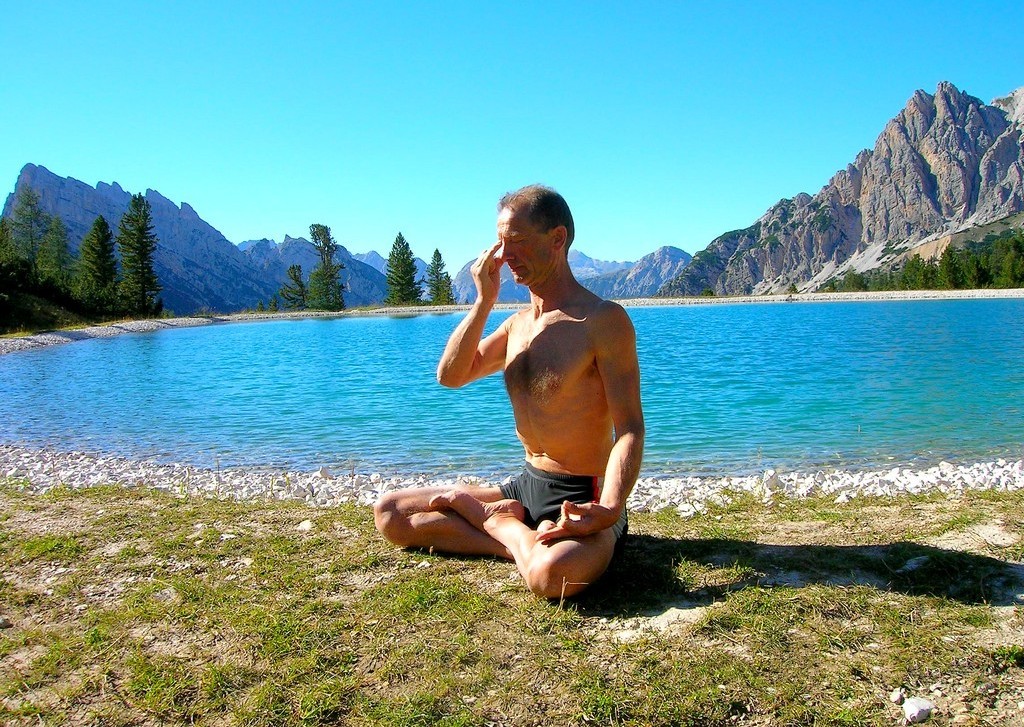
detox your body with pranayama

Pranayama is the yogic practice of breath control. It means the ability to expand our health by controlling the breath. There are various ways and positions to practice yogic breathing.

The combination of pranayama and meditation has positive effects in curing various problems like acidity, stress, anxiety, skin diseases, improved blood circulation, and managing lifestyle disorders such as thyroid, PCOS, controlling blood sugar and blood pressure. 

We breathe daily, right? So what is pranayama? Why Pranayama? 

Pranayama is slow, deep breathing, in a rhythm. The breathing that we do normally is not in rhythm and is non-harmonic. It is in pranayama that gets our mind and organs in sync. There are various pranayama practices which you can do daily. 

1. Kapalbhati Pranayama
This is a famous pranayama practice also known as The Skull Shining Breathing Technique. Kapalbhati has  physiological effects on cardiovascular, digestive and nervous systems.

Benefits of Kapalbhati Pranayama: 

  • It Generates heat in the system to help dissolve toxins and waste matter.
  • Daily practice helps in adding luster to your face and you get glowing skin
  • Improves digestion and can help alleviate gastrointestinal problems like acidity, indigestion and flatulence.
  • Improves the function of kidneys and liver as it provides a gentle massage to the organs.
  • If practiced daily helps in reducing belly fat.
  • Kapalbhati helps reduce stress in the eyes, thus reduces dark circles around the eyes.
  • It triggers your abdominal region, so it’s beneficial for diabetic patients.
  • It improves the blood circulation problem in whole body parts.

2. Anulom Vilom
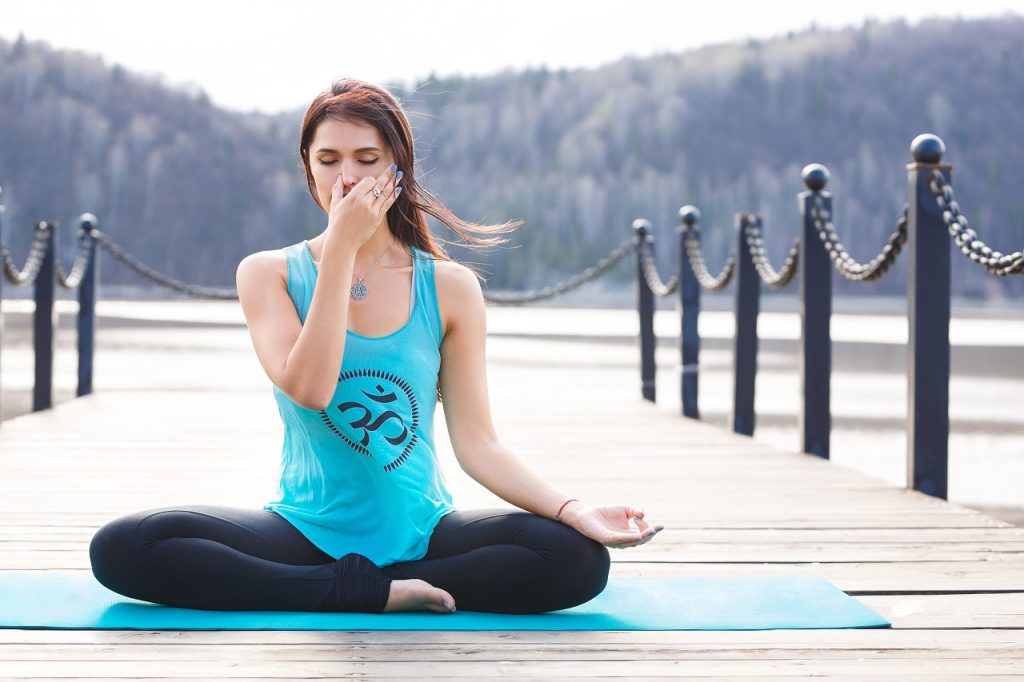
Also known as Alternate nostril breathing, it has various benefits for the body internally and externally. Oxygen is pure and required by the body for every single process to take place and therefore, it is vital for us to breath right and Anulom Vilom serves the purpose. It is the best way of balancing the Tri Dosas (Tri means “three” and the meaning of dosas is impurities) in our body i.e. Vaat, Pitta and Kaffa. All three are the cause of all diseases. So, it is important to balance them. Our body gets ill when Tri Dosas are not in harmony.

Benefits of Anulom Vilom Pranayama

  • It can provide some relief from mental health problems like Depression, Anxiety, Stress, Tension, etc.
  • Improves the working of the lungs, beneficial for  most respiratory problems like (Bronchitis, Asthma), etc.
  • Best breathing technique for boosting your memory – makes your brain sharper, increases concentration and gathers focus.
  • Improves your immune system, so it can cure general issues like cough & cold.
  • Alternate nostril breathing is an ideal breathing technique for maintaining your heart healthy.

3. Sheetali Pranayama
The meaning of the word “Sheetali” is cooling down. This pranayama practice is a process to cool your body down. It gives the feeling of coldness by decreasing the body temperature, thereby having a positive impact on our nervous system and endocrine glands. Extremely helpful during the summer season.

Benefits of Sheetali Pranayama

  • It is useful in managing disorders related to tongue, mouth and throat.
  • It is very beneficial in treating diseases of the spleen.
  • Helpful in fever by cooling the system down.
  • Controls and manages high blood pressure.
  • It purifies the blood.
  • Improves sleep quality and is best for fighting Insomnia.
  • It calms the mind, as it is an effective stress buster. Once our mind is calm, we can easily deal with negative emotions like  anger and anxiety.
  • Effective in hyperacidity. Excellent for people who have GERD and face issues with acidity and indigestion.

There is another breathing practice similar to Sheetali, known as Sheetkari pranayama. 

Both are similar, the only difference is the way of breathing. In Sheetali, we breathe in by folding the tongue and breathe out from the nose. In Sheetkari, we inhale through the teeth and exhale from the nose.

Benefits of Sheetkari Pranayama

  • Effective against dental problems like bad breath, bleeding gums and pyorrhea.
  • Balances body temperature.
  • Calms the mind, reduces emotional excitation and mental tension.
  • Can help you manage depression, anxiety and panic attacks. 

As a yoga instructor, I get these questions a lot of time: What is the best time to do pranayama? Generally, morning is the best time for a breathing exercise as it helps us activate our organs. Plus, on an empty stomach, we achieve optimum benefits. To know why morning yoga is beneficial, you can have a look at my previous article: https://goqii.com/blog/benefits-of-practicing-morning-yoga-at-home. 

We hope this article helps you! For more on yoga, check out Healthy Reads. You can also get tips and learn more about yoga and pranayama from experts by subscribing for GOQii’s Personalised Health Coaching here:

#BeTheForce 
May 9, 2023 By Megha Mahajan 4 Comments

Can Pranayama Techniques Cool Your Body During Summer?

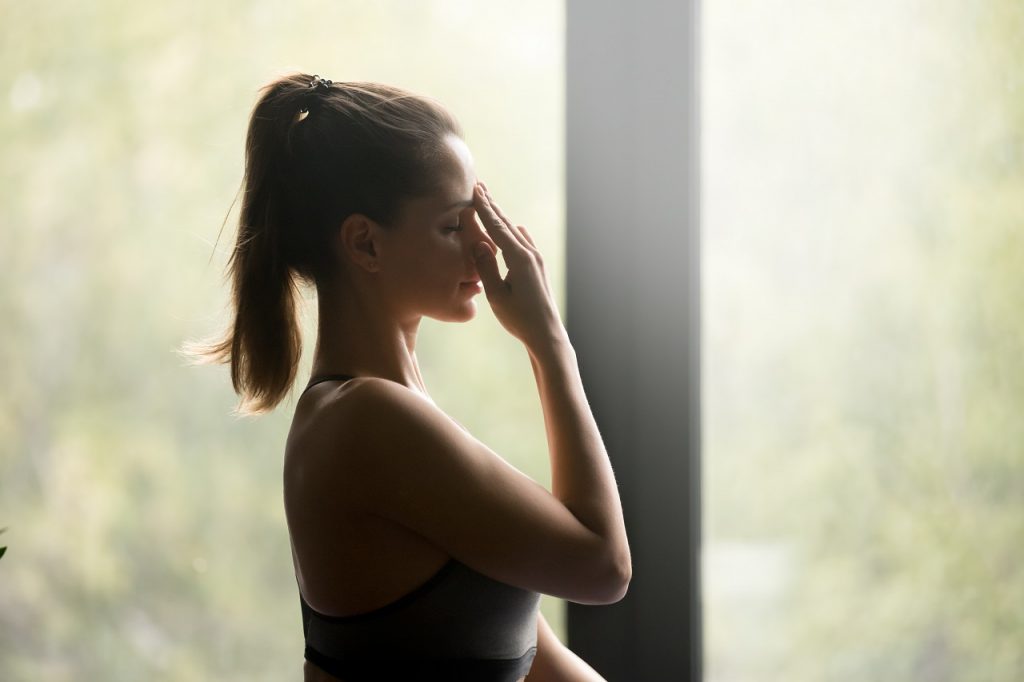
Can pranayama cool your body during summer

Are you using lots of water, cool drinks, air-conditioning or beach parties to beat the heat this summer? Would you be interested to know about an easy and inexpensive way to chill instead? If yes, then read this article to learn three different breathing techniques to cool down your body. Yes! You read it right. All you need to do is breathe! Here’s how Pranayama techniques can cool your body during summer! 

Pranayama Techniques To Cool Your Body 

Try these breathing techniques and beat the heat naturally with Pranayama!

1. Increased Rate & Depth of Breathing

Preferably lie down in Shavasana and practice deep diaphragmatic breathing, allowing the belly to rise with each inhalation. Make sure to increase your breathing rate too. A modified version of doing it is panting like a dog. Just open your mouth and stick out your tongue as far as it can go, then start panting. Make sure that your stomach goes in or contracts immediately with each exhalation. 

Why does it work?
We sweat a lot during the summers. The evaporation of sweat cools down our body. In the same ways, with an increased rate and depth of breathing, we exhale a lot more water vapour. It enhances the cooling effect of the body. Now you know why dogs don’t sweat? They stick out their tongue and release the heat. More breaths and less movement ensures the double advantage of cooling your pace.

2. Sheetali Pranayama

Stick your tongue out and roll it like a straw. Inhale air through this straw as if you were sipping in a cool beverage on a hot summer day. Exhale through the nose. Sheetkari pranayama is a modified version of Sheetali, which can be done if you are unable to roll your tongue. Here you have to open your mouth with clenched teeth to inhale through them and exhale through the nose.

Why does it work?
When we breathe in through the nose, the air gets warmed up on its path to the lungs to match the internal body temperature. While we breathe in through the mouth, this doesn’t happen. On the contrary, the air gets moistened when we inhale through the mouth, enhancing its cooling effects.

3. Left Nostril Breathing

Use your right-hand fingers to block the right nostril and breathe through the left nostril. An easier way to activate the left nostril breathing is to insert a cotton plug in the right ear.

Why does it work?
Our body temperature is maintained by the movement of air through the right and left channels. The right channel is associated with sun, heat and activity. Whereas the left channel is associated with the moon, cool and rest. It is like the accelerator and brake pedals of a car. Applying the brakes gently slows down and cools off the overheated car engines. Similarly, when we deliberately breathe in through the left nostril, the brakes get applied to activate the parasympathetic nervous system to produce a cooling and calming effect on the body.

And there it is! We hope these 3 pranayama techniques will help you cool your body during these hot summer days. Try them and let us know your experience in the comments below.

Get more summer tips here or you can also speak to an expert by subscribing to GOQii’s Personalised Health Coaching here.

#BeTheForce 

October 28, 2022 By GOQii 17 Comments

Pranayama: 6 Variations & Their Benefits

Pranayama and Its BenefitsPranayama is one of the most common Yoga Asanas that people perform because it is easy and provides numerous benefits.
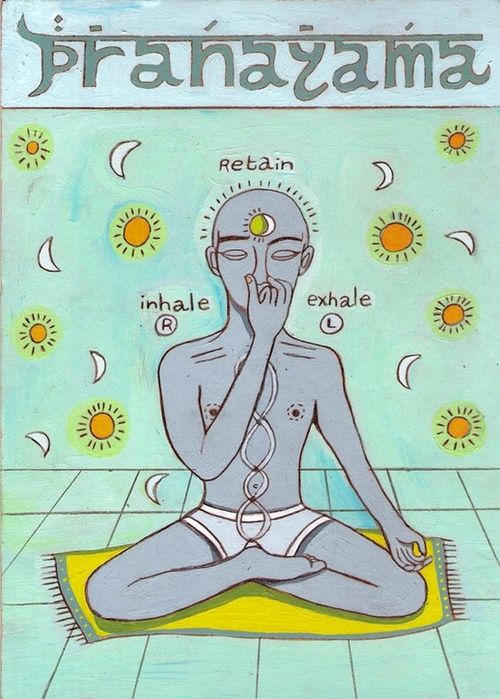
What Is Pranayama?

Pranayama is defined as stretching, lengthening or modifying the breath. Despite being an involuntary process, breathing can be voluntarily controlled and manipulated. Controlled breathing helps you have a better grip on your mind and your body.

To perform Pranayama, you can choose any meditative pose. If a meditative pose is difficult, you can opt for Sukhasana where the head, neck and spine are in a straight line. Focus on your breathing, try to feel each breath that you inhale and exhale from your nostrils. After you have done this, relax and spend some time to observe your entire body. Awareness should be present throughout the session.

Pranayam and its benefits to stay fit
Terminologies You Should Know:

  • Purak –Breathing in
  • Rechak –Breathing Out
  • Kumbhak – Holding the breath.

There are various kinds of Pranayama. Here are a few of them.

1. Bhastrika Pranayama

‘Bhastra’ is the Bellows Pump used to pump fire. ‘Bhastrika’ originates from this term. People with high blood pressure must not perform Bhastrika. They can, however, perform a modified version. In Bhastrika Paranayama, one must breath in and breath out rapidly and forcefully. At the same time, they must flap the stomach in and out. When you breathe in, your stomach will expand and when you breathe out, your stomach will contract.

Benefits : Gases exchange at a very fast pace. Oxygen intake increases as the body throws out more Carbon Dioxide. There’s an increase in the Metabolic Rate as well.

2. Anulom – Vilom

Also known as Alternate Nostril Breathing, follows a slow and deep rhythmic breathing pattern. To perform this variation, close the left nostril and breathe in through the right nostril. Hold your breath for 3-5 seconds. Close the right nostril and breathe in through the left nostril. Hold it for 3-5 seconds to increase the absorption of oxygen.

Benefits: Useful for people suffering from Sinusitis. This Pranayama relaxes the mind and the entire nervous system. It improves lung capacity, strengthens the heart and improves blood circulation.

3. Sheetali Pranayama

This Pranayama is also called Cooling Breathing. Before performing Sheetali Pranayama,  one must ensure that the atmosphere is clean. Roll the tongue and take a slow and deep breathe through the mouth. You will experience a cooling sensation on the surface of your tongue. Close the mouth and breathe out through the nostrils.

Benefits: It is very beneficial for people suffering from digestive disorders and acidity. This Pranayama also relaxes the mind.

4. Bhramari

It can be done towards the end of the session. Bhramari relaxes the mind and helps in blood circulation and circulation of Cerebrospinal fluid. Bhramari is also called Humming Bee Breath. Sitting in a meditation pose, breathe in through the nostrils (deep breath) and breathe out slowly, thereby, producing the humming sound like a Humming Bee. Inhalation and exhalation time will be the same.

5. Suryabhedan

Surya is referred to the right nostril and Bhedan is piercing. Breathing in through the right nostril and breathing out through the left nostril is called Suryabhedan. This energizing Pranayama stimulates the sympathetic nervous system, cleanses the skull and in the Hathapradipika, it is mentioned that the heat generated by this Pranayama will destroy the worms in the stomach.

6. Shitkari Pranayama

Also called the Hissing Breath, this Pranayama is performed by touching the teeth of the upper and lower jaw together and breathing in. You will experience a cooling sensation on the sides of the mouth and tongue. This is also a tranquilizing Pranayama. Regular practice of this will improve digestion and reduce acidity. It is a good practice for people suffering from insomnia. It is especially useful during Summer as it reduces the body’s temperature. While practicing this Pranayama, one must make sure that the atmosphere is clean.

Disclaimer: Please consult your GOQii Doctor before you start Pranayama. For further guidance, you can reach out to an expert by subscribing for Personalised Health Coaching here.

For more on Yoga and meditation, check out Healthy Reads.

We hope this article helps you! Do let us know your thoughts in the comments below.

#BeTheForce

June 12, 2026 By GOQii Leave a Comment

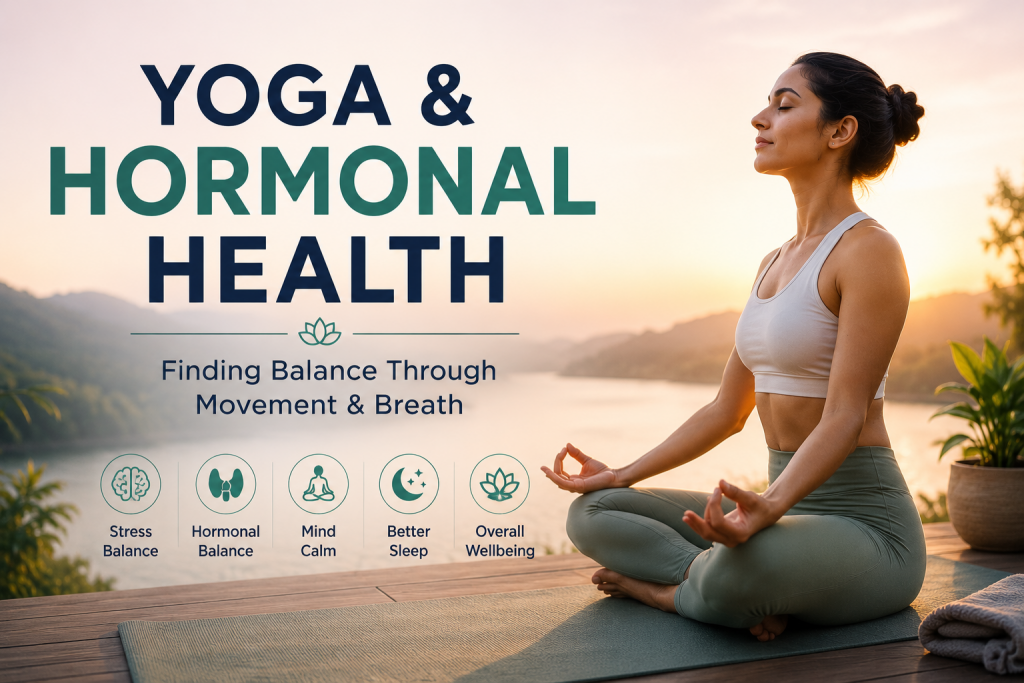
Yoga and Hormonal Health: What the Science Says

The Big Question: Can stepping onto a yoga mat truly influence your body’s complex chemical messengers?


Your endocrine system is an intricate biological network of glands responsible for manufacturing and releasing hormones that dictate cellular metabolism, tissue recovery, reproductive function, sleep architecture, mood stability, and daily energy levels. While yoga does not directly “cure” endocrine disorders or mechanically force specific glands to produce more hormones, clinical research demonstrates that it heavily supports the body’s overall hormonal environment. By downregulating chronic stress axes, enhancing sleep depth, optimizing insulin sensitivity through movement, and restoring autonomic nervous system equilibrium, a consistent yoga practice works as a powerful, non-invasive stabilizer for your internal biochemical landscape.

Modern life places relentless, compounding demands on both our minds and bodies. From strict workplace deadlines and financial pressures to family caregiving responsibilities and constant digital hyper-stimulation, psychological stress has transitioned into a daily companion for millions. Over time, this chronic mental fatigue degrades your sleep quality, alters your mood, drops your baseline energy, slows down your metabolic rate, and severely compromises your long-term cellular health.

This is precisely where the clinical application of yoga becomes invaluable. Rather than viewing it purely as an exercise for flexibility, sports science and lifestyle medicine recognize yoga as a multi-modal practice that combines structured physical movement, conscious breathing techniques (pranayama), and mindfulness. Increasingly, neuroscientists and endocrinologists are mapping out the exact pathways through which these practices indirectly optimize endocrine function and help your body maintain internal systemic balance.

Understanding the Human Endocrine System

The endocrine system serves as your body’s primary chemical communications network. It is composed of a specialized cluster of glands that synthesize regulatory hormones and secrete them directly into the bloodstream. These hormones function as molecular messengers, binding to targeted cell receptors to instruct your organs on how to behave.

The major endocrine glands working in tandem include:

  • The Hypothalamus & Pituitary Gland: Located in the brain, this pair acts as the command center, governing global hormone release.
  • The Thyroid & Parathyroid Glands: Found in the throat, they establish your baseline metabolic speed and calcium balance.
  • The Adrenal Glands: Sitting atop the kidneys, they dictate your acute and chronic stress adaptation.
  • The Pancreas: Positioned in the abdomen, it regulates blood sugar via insulin and glucagon.
  • The Ovaries & Testes: The reproductive glands responsible for sex hormone synthesis.

When this complex chemical web functions optimally, your body achieves a state of homeostasis – the ideal internal equilibrium required to defend against disease and slow down premature cellular aging.

The Neuroendocrine Axis: The Stress-Hormone Connection

The primary mechanism through which yoga optimizes your hormonal landscape is its direct, calming impact on your stress pathways. When your brain registers a psychological or physical threat, it activates the Hypothalamic-Pituitary-Adrenal (HPA) axis. This activation triggers an immediate, survival-driven surge of catecholamines and glucocorticoids, specifically adrenaline and cortisol.

[Chronic Modern Stressors] ──► Hyperactive HPA Axis ──► Non-Stop Cortisol Release

│

[Sustained Parasympathetic Mode via Yoga] ──► Vagus Stimulation ──► Hormonal Equilibrium

In short, acute bursts, this fight-or-flight response is an evolutionary marvel that provides the focus and glucose needed to survive immediate danger. However, in our modern environment, stressors do not disappear; they linger for months or years. When the HPA axis is kept permanently turned on, chronically high levels of cortisol begin to damage your tissues, leading to:

  • Fragmented sleep architecture and a lack of deep, restorative rest
  • Persistent daytime fatigue and chronic mental fog
  • Severe disruptions to your hunger-regulating hormones (leptin and ghrelin), sparking intense sugar and processed food cravings
  • Reduced rates of physical muscle and joint recovery
  • An accumulation of visceral lower abdominal fat due to localized insulin resistance

5 Science-Backed Ways Yoga Restores Hormonal Balance

Rather than manipulating an isolated hormone pathway, yoga targets the underlying lifestyle and neurological triggers that disrupt your endocrine health.

  1. Shifts the Nervous System into Parasympathetic Dominance

One of the most clinically verified benefits of yoga is its capacity to downregulate a hyper-reactive sympathetic nervous system and stimulate the parasympathetic nervous system the body’s natural “rest-and-digest” mechanism. Activating this state instantly instructs your adrenal glands to dial back the overproduction of cortisol. Because chronic stress can negatively alter multiple peripheral hormone pathways, learning to master stress management techniques is a foundational requirement for entire endocrine health.

  1. Upgrades Sleep Architecture for Hormonal Repair

Deep, uninterrupted sleep is the primary physiological window during which your body repairs cells and balances hormones. Critical processes, such as human growth hormone (HGH) release and thyroid-stimulating hormone (TSH) regulation, are deeply dependent on your sleep cycles. Clinical research shows that a regular yoga practice dramatically decreases nighttime awakenings, making a major case for why quality sleep matters if you are trying to overcome hormonal exhaustion.

  1. Improves Insulin Sensitivity Through Mindful Movement

Yoga serves as a sustainable, low-impact form of physical activity that builds muscular strength, flexibility, mobility, and balance. From a metabolic perspective, contracting your skeletal muscles during yoga poses encourages your cells to pull glucose from your bloodstream much more efficiently. This mechanical action drastically optimizes your insulin sensitivity, lowers your cardiovascular risk, and supports long-term metabolic health.

  1. Cultivates Mindful Living and Metabolic Awareness

Yoga is inherently an internal practice that builds deep interoceptive awareness the capacity to accurately feel and interpret your body’s inner signals. By teaching you to slow down and observe your breathing patterns and muscle tension, yoga helps you become highly aware of your emotional triggers, sleep deficits, and true hunger cues. This mental clarity directly translates into cleaner dietary choices and supportive daily routines, which are essential for repairing the gut-brain connection.

  1. Supports Critical Hormonal Transitions Across Life Stages

Because yoga systematically lowers systemic inflammation and tones the nervous system, it functions as an exceptional, natural lifestyle aid during major hormonal transitions:

  • Menopause: Yoga helps mitigate the physical and emotional impact of dropping estrogen levels. By emphasizing strength training and balance, it works hand-in-hand with clinical strategies for menopause and bone health to combat premature bone thinning.
  • Polycystic Ovary Syndrome (PCOS): While yoga is not a medical cure for PCOS, the lifestyle improvements it delivers—specifically reducing stress-induced cortisol and lowering insulin resistance—help create a calm internal environment that supports ovarian health.
  • Healthy Ageing: As the body grows older, preserving muscle mass, protective joint stability, and stress resilience is non-negotiable for staying independent. Yoga provides a safe framework for sustaining your vitality through fluid movement.

The Biological Power of Pranayama and Yoga Nidra

To truly maximize your endocrine recovery, you must look past the physical poses and incorporate the deeper breath and meditative elements of yoga.

Pranayama (Conscious Breath Modulation)

Pranayama involves the deliberate, rhythmic modification of your breath. Exercises like deep diaphragmatic breathing, alternate nostril breathing (Nadi Shodhana), and slow-paced exhalations physically stimulate your vagus nerve—the main highway of your parasympathetic nervous system. Vagal stimulation instantly slows down your heart rate, lowers blood pressure, reduces cognitive anxiety, and creates an internal environment where your endocrine glands can safely recalibrate.

Yoga Nidra (Conscious Yogic Sleep)

Yoga Nidra is a highly structured, guided meditation that leads your mind into the deep borderland between wakefulness and sleep. Unlike normal sleep, you maintain crisp, internal awareness while your physical body rests deeply. For individuals battling severe emotional exhaustion or professional burnout, Yoga Nidra allows your brain waves to drop from frantic Beta frequencies into healing Alpha and Theta frequencies, offering an exceptional neurological reset for an overworked hypothalamus.

Postures that Promote Physical Relaxation

While the primary goal of any yoga program is global nervous system regulation rather than stimulating an isolated organ, integrating these specific postures into your weekly routine can help release deep physical tension and improve local blood circulation:

Asana (Pose) Execution Strategy Primary Physiological Target
Balasana (Child’s Pose) Rest forehead on the mat, breathe into the lower back Softens the adrenal region and calms the mind.
Bhujangasana (Cobra Pose) Lift chest gently using upper back strength, keep shoulders down Opens the chest and dynamically stretches the anterior torso.
Setu Bandhasana (Bridge Pose) Press through heels to lift hips, engage glutes and thighs Improves pelvic circulation and builds spinal tracking awareness.
Uttanasana (Forward Fold) Softly bend knees, let head and neck hang completely loose Reverses gravity to increase rich blood flow toward the brain.
Viparita Karani (Legs-Up-The-Wall) Rest hips near a wall, extend legs straight upward, close eyes Drastically accelerates venous lymphatic drainage and restores the heart.

Yoga is not a magical cure for clinical endocrine disorders, nor should it ever replace a necessary, prescribed medical treatment plan. However, when viewed through the lens of modern medicine, yoga is a world-class supportive tool that optimizes the precise lifestyle and neurological factors that dictate your hormone behaviors. By systematically managing your stress, improving sleep architecture, and embedding deep mindfulness into your days, a consistent yoga practice becomes a reliable ally for maintaining long-term resilience and physical vitality.

Pro Tip: Successfully balancing your endocrine system requires consistent lifestyle alignment. Use the GOQii App to log your daily yoga sessions, record your meditation and pranayama minutes, and evaluate your nightly sleep quality. You can seamlessly share this holistic wellness overview with your GOQii Personalised Health Coach to build a practical, customized nutrition and mindfulness plan designed exactly to support your unique metabolic goals!

Frequently Asked Questions (FAQs)

  1. Can yoga help balance hormones naturally?

Yes, but it does so indirectly. Yoga does not physically force a specific gland to secrete more or less of a chemical. Instead, it systematically lowers chronic stress hormones (like cortisol and adrenaline), improves sleep architecture, and boosts insulin sensitivity through movement. Balancing these core lifestyle factors allows your endocrine system to naturally return to homeostasis.

  1. Can yoga cure thyroid disorders like hypothyroidism or hyperthyroidism?

No. Yoga cannot replace thyroid hormone replacement medications or medical therapies for diagnosed clinical conditions. However, it serves as an excellent complementary therapy. The regular practice of stress reduction and physical asanas can help manage common secondary symptoms of thyroid issues, such as chronic fatigue, muscle stiffness, poor circulation, and elevated anxiety.

  1. How often do I need to practice yoga to experience real improvements in my stress hormones?

When it comes to regulating your nervous system, consistency is significantly more important than duration. Practicing yoga mindfully for just 15 to 30 minutes, three to five times per week, is highly effective for maintaining a low baseline cortisol level and supporting metabolic health.

  1. Is Yoga Nidra just a fancy term for taking a nap?

No, they are biologically distinct. During a standard nap, your mind loses consciousness and enters a state of sleep. In contrast, Yoga Nidra is a state of conscious, guided relaxation. Your physical body enters a deeply restful state similar to deep sleep, but your mind remains fully awake and aware, allowing for rapid neurological recovery and stress decompression.

#BeTheForce

Disclaimer: This article is intended for educational and informational purposes only. It is not intended to replace professional medical advice, diagnosis, or treatment. Always consult a qualified endocrinologist or your primary healthcare provider before altering your medical plan or beginning a new physical routine to manage a hormonal condition.

  • 1
  • 2
  • 3
  • …
  • 14
  • Next Page »

Search

Recent Posts

  • World Population Day 2026: Building Healthier Populations for a Sustainable Future
  • Heal Naturally From Monsoon Illnesses: A Scientific Guide to Seasonal Recovery
  • The Joy of Complaining: How to Use the “Complaint Sandwich” for Relationship Success
  • Your Guide to a Happy Gut: Simple Ways to Beat Bloating, Acidity and Heartburn
  • World Chocolate Day: Dark Chocolate Benefits & Why It’s the Healthier Choice

Stay Updated

Archives

  • July 2026 (10)
  • June 2026 (22)
  • May 2026 (20)
  • April 2026 (24)
  • March 2026 (18)
  • February 2026 (14)
  • January 2026 (14)
  • December 2025 (19)
  • November 2025 (15)
  • October 2025 (20)
  • September 2025 (6)
  • August 2025 (6)
  • July 2025 (11)
  • June 2025 (18)
  • May 2025 (16)
  • April 2025 (22)
  • March 2025 (26)
  • February 2025 (21)
  • January 2025 (25)
  • December 2024 (22)
  • November 2024 (22)
  • October 2024 (20)
  • September 2024 (23)
  • August 2024 (29)
  • July 2024 (18)
  • June 2024 (23)
  • May 2024 (26)
  • April 2024 (27)
  • March 2024 (27)
  • February 2024 (23)
  • January 2024 (21)
  • December 2023 (14)
  • November 2023 (10)
  • October 2023 (19)
  • September 2023 (22)
  • August 2023 (17)
  • July 2023 (19)
  • June 2023 (22)
  • May 2023 (20)
  • April 2023 (19)
  • March 2023 (23)
  • February 2023 (19)
  • January 2023 (15)
  • December 2022 (11)
  • November 2022 (15)
  • October 2022 (15)
  • September 2022 (12)
  • August 2022 (9)
  • July 2022 (17)
  • June 2022 (11)
  • May 2022 (10)
  • April 2022 (6)
  • March 2022 (6)
  • February 2022 (13)
  • January 2022 (11)
  • December 2021 (7)
  • November 2021 (3)
  • October 2021 (6)
  • September 2021 (3)
  • August 2021 (8)
  • July 2021 (7)
  • June 2021 (15)
  • May 2021 (16)
  • April 2021 (10)
  • March 2021 (7)
  • February 2021 (4)
  • January 2021 (4)
  • December 2020 (3)
  • November 2020 (4)
  • October 2020 (10)
  • September 2020 (3)
  • August 2020 (3)
  • July 2020 (2)
  • June 2020 (4)
  • May 2020 (10)
  • April 2020 (12)
  • March 2020 (10)
  • February 2020 (4)
  • January 2020 (4)
  • December 2019 (3)
  • November 2019 (7)
  • October 2019 (5)
  • September 2019 (4)
  • August 2019 (9)
  • July 2019 (9)
  • June 2019 (11)
  • May 2019 (4)
  • April 2019 (8)
  • March 2019 (8)
  • February 2019 (9)
  • January 2019 (8)
  • December 2018 (9)
  • November 2018 (3)
  • October 2018 (3)
  • September 2018 (5)
  • August 2018 (10)
  • July 2018 (6)
  • June 2018 (13)
  • May 2018 (8)
  • April 2018 (18)
  • March 2018 (9)
  • February 2018 (8)
  • January 2018 (15)
  • December 2017 (12)
  • November 2017 (19)
  • October 2017 (13)
  • September 2017 (15)
  • August 2017 (4)
  • July 2017 (8)
  • June 2017 (7)
  • May 2017 (6)
  • April 2017 (8)
  • March 2017 (6)
  • February 2017 (7)
  • January 2017 (9)
  • December 2016 (10)
  • November 2016 (7)
  • October 2016 (7)
  • September 2016 (7)
  • August 2016 (11)
  • July 2016 (9)
  • June 2016 (9)
  • May 2016 (12)
  • April 2016 (17)
  • March 2016 (17)
  • February 2016 (8)
  • January 2016 (6)
  • December 2015 (2)
  • November 2015 (9)
  • October 2015 (7)
  • September 2015 (9)
  • August 2015 (11)
  • July 2015 (9)
  • June 2015 (11)
  • May 2015 (9)
  • April 2015 (13)
  • March 2015 (8)
  • February 2015 (5)
  • January 2015 (12)
  • December 2014 (14)
  • November 2014 (11)
  • October 2014 (6)
  • September 2014 (13)
  • August 2014 (12)
  • July 2014 (6)
  • June 2014 (2)
  • May 2014 (7)
  • April 2014 (4)

From Shimla’s Slopes to Chandigarh’s Sidewalks: Surinder Kaur Bhalla’s Journey from Chaos to Control

Some journeys start with a plan. Others begin with a stumble literally. Surinder Bhalla, a government professional, born and raised in the scenic hill town of Shimla, had always lived a life of movement. “In Shimla, you walked everywhere,” she reflects. … [Read More...]

From “Laddu Nawin” to Fit and Fierce: How a 25-Year-Old Insurance Advisor Shed 20 Kilos and Gained His Life Back

When 25-year-old Nawin Yadav from Hyderabad walked into his office every morning, he carried more than just his files and policy papers. He had the weight of fatigue, sluggish energy, and an ever-growing belly that was becoming the butt of jokes. “People had even started calling me Laddu Nawin,” he says with a laugh, but […]

From Burnout to Balance: How Dr. Ranjit Reclaimed His Health

Dr Ranjit Bhatt has spent years tending to others. A practising doctor in Odisha, his days were packed with patients, surgeries, and emergencies. From the outside, it looked like a life lived in service. But on the inside, something wasn’t right. “I had no control over my schedule. I’d sleep late, eat at odd hours, […]

Ananda Mukherjee Health Story

From Terminal Illness To Complete Wellness! Ananda Mukherjee Health Story

As we observe World Cancer Day under the powerful theme ‘United by Unique’ (2025-2027)**, we are reminded that every individual’s journey with cancer is distinct, yet united by shared resilience, hope, and the collective fight against this disease. This theme places people at the centre of care and their stories at the heart of the […]

  • HOME
  • HEALTHY LIVING
  • FITNESS
  • HEALTHY RECIPES
  • USER STORIES
  • KARMA
  • BUY GOQii

Copyright ©2016 GOQii