GOQii

Blog

  • HOME
  • HEALTHY LIVING
  • FITNESS
  • HEALTHY RECIPES
  • USER STORIES
  • KARMA
  • BUY GOQii

Search Results for: mindful eating

April 6, 2016 By Gagandeep Singh 1 Comment

6 tips for Mindful Drinking

Bar360-drinks_0

Most adults admit they turn to alcohol to help them cope after a stressful day.Even though it might seem like a few drinks can relieve the pressures of the day, in the medium to long term it can actually add to them – whether they’re work, financial or family related. Stress can also be an excuse for people to drink more than they should, especially if they don’t realize the negative impact it can have on their health and well-being. 

Here are 6 tips for mindful drinking :

  1. Eat first and eat enough.

By the time most people get to a happy hour, they’re starving. Ordering a platter or salad is always a great option because it has fiber and protein and won’t lead you to consume tons of fried or junk food.If you are still hungry after an appetizer, order a regular meal. You are likely to be more satisfied and end up eating fewer calories than if you were to just snack on tons of things around you.

  1. Pace yourself with water.

It’s easy to pound two or three drinks quickly, especially after a long day. To limit your alcohol intake, start with a big glass of water and lemon and order a sparkling water in between drinks. This will force you to stay hydrated and limit going overboard on booze.

  1. Skip the mixing and fruity stuff.

Stay away from mixed drinks. They’re high in calories, but not satiating. Don’t switch from beers, to shots, to liquor, to margaritas, to whatever.  Bad idea.  Don’t start with beer and then switch to hard liquor either.  You’re already drunk so you won’t be able to tell how much liquor you’re consuming, which is when things go downhill quickly.  Pick something and stick with it.

  1. Keep count

Drink in moderation, of course. More than four drinks in a sitting for women, or more than five in a sitting for men is considered binge drinking.  Remember tip number 2— sipping water between alcoholic beverages is a great way to slow down the count.

  1. Day-drink wisely.

Weekends can mean prolonged drinking over the course of the day. Choose drinks that are lower in overall alcohol content like beer, wine, and wine spritzers to avoid overconsumption and allow you to stay in the action for the whole day. Don’t forget to get some high quality calories from your meals and consider a break for an hour or two without alcohol throughout the day. 

  1. Rest up, before and after.

Don’t drink after strenuous physical activity or after a night of poor sleep. And be sure to get a good amount of sleep after a night of drinking. Alcohol can lower blood sugar levels, and hitting the bottle on an empty stomach or after a tough workout only depletes those levels further.

July 8, 2026 By Urvi Gohil 1 Comment

Your Guide to a Happy Gut: Simple Ways to Beat Bloating, Acidity and Heartburn

Gut health The Big Question: Why should we view occasional episodes of bloating, acidity, and heartburn not merely as minor temporary inconveniences, but as direct warnings that our metabolic and gut ecosystems are off balance?
Our digestive system works quietly in the background every day breaking down food, absorbing nutrients and supporting countless functions that keep us healthy. So when symptoms like bloating, acidity or heartburn begin to appear, it’s easy to dismiss them as occasional inconveniences. However, recurring digestive discomfort can be your body’s way of telling you that something needs attention.

Your gut is home to trillions of microorganisms that influence digestion, metabolism and even immune function. In fact, a significant portion of the body’s immune cells are located within the Gut-Associated Lymphoid Tissue (GALT), highlighting the critical relationship between gut health and overall well-being. The good news? Small, consistent lifestyle changes can go a long way in supporting digestive health and reducing common gastrointestinal symptoms.

Why Do Bloating, Acidity and Heartburn Happen?

Digestive discomfort doesn’t usually have a single cause. Instead, it often results from a combination of dietary habits, lifestyle factors and underlying structural gut mechanics.

Bloating

Bloating typically occurs when excess gas builds up in the digestive tract. When digestion slows or certain carbohydrates aren’t fully broken down, gut bacteria ferment them, producing gas that leads to abdominal distress. Common contributors include:

  • Eating too quickly or overeating
  • Chronic constipation
  • Carbonated beverages
  • Food intolerances or sudden changes in gut microflora

Acidity and Heartburn

Heartburn occurs when stomach contents flow back into the esophagus, irritating its delicate mucosal lining. This often happens when the Lower Esophageal Sphincter (LES)—the muscle that acts as a structural valve between the stomach and esophagus—relaxes inappropriately or becomes weak under stress. Common triggers include:

  • Large, calorie-dense meals
  • Lying down soon after eating
  • Fatty, deeply fried, or overly spicy foods
  • Excess caffeine, smoking, or chronic stress

⚠️ Clinical Note: If heartburn occurs frequently (more than twice a week), it may indicate Gastroesophageal Reflux Disease (GERD) and should be formally evaluated by a healthcare professional.

9 Natural Ways to Support a Healthy Gut

  1. Fennel Seeds (Saunf)

Fennel seeds have a long history of traditional use to support digestion. They contain anethole, a natural volatile compound with documented antispasmodic properties. Anethole helps relax the smooth digestive muscles of the intestinal tract, helping release trapped gas and ease post-meal bloating.

  • How to use: Chew a teaspoon of raw fennel seeds thoroughly after major meals, or steep them in warm water to make a soothing tea.
  1. Basil Seeds (Sabja)

When soaked, basil seeds absorb water rapidly and form a cooling, gel-like coating exceptionally rich in soluble mucilage fiber. This fiber matrix supports optimal intestinal hydration, improves bowel regularity, and promotes smooth digestive transitions.

  • How to use: Soak basil seeds in water for 2–3 hours before adding them to your drinking water, morning smoothies, or probiotic yogurt.
  1. Fenugreek Seeds (Methi)

Fenugreek seeds are loaded with soluble fiber and natural antioxidants that support regular bowel movements. They form a protective layer over irritated stomach linings, helping to soothe mild digestive discomfort.

  • How to use: Soak one teaspoon of fenugreek seeds in a cup of water overnight, and consume the seeds and the water the following morning.

⚠️ Caution: Individuals who are pregnant or taking medications for diabetes or blood thinning should consult their healthcare provider before consuming fenugreek regularly.

  1. Therapeutic Ginger and Lemon Water

Ginger contains powerful, naturally occurring compounds such as gingerol, which accelerates gastric emptying and supports normal stomach motility, helping to reduce nausea and heaviness. While lemon itself does not directly neutralize stomach acid, a warm dilution works beautifully to refresh the palate and stimulate digestive pathways after heavy meals.

  • The Destructive Autopilot Loop: Overeating / Fast Eating ⇒ Delayed Gastric Emptying ⇒ Bacterial Fermentation ⇒ Trapped Gas & Severe Bloating.
  • The Mindful Alternative Loop: Warm Ginger Lemon Water ⇒ Accelerated Stomach Motility ⇒ Stimulated Salivary Secretions ⇒ Light, Comfortable Digestion.
  • How to use: Add one teaspoon each of fresh ginger juice and lemon juice to a glass of lukewarm water post-meals.
  1. Raw Apple Cider Vinegar (ACV)

Some individuals report noticeable relief from digestive discomfort after consuming diluted apple cider vinegar before meals. Many episodes of mild heartburn are actually caused by low stomach acid rather than excess acid; raw ACV helps optimize the stomach’s pH environment to stimulate proper acid secretion.

  • How to use: If well-tolerated, dilute one tablespoon of raw ACV with “The Mother” in approximately 300 ml of water before your largest meal.

⚠️ Caution: Discontinue use immediately if ACV consistently aggravates your symptoms, and never consume it undiluted, as it can irritate the esophagus and erode tooth enamel.

  1. Stay Well Hydrated

Water is the foundational medium for all human digestion. It plays a vital role by helping dissolve essential nutrients, supporting structural bowel movements, and maintaining a healthy stool consistency. Aim for approximately 2–2.5 liters of clean water daily, adjusting your intake upwards based on local climate fluctuations and physical activity levels.

  1. Fill Half Your Plate with Vegetables

Vegetables and whole fruits provide dietary fiber that acts as a vital prebiotic to nourish beneficial gut bacteria. These microbes ferment the fiber to produce Short-Chain Fatty Acids (SCFAs), such as butyrate, which help maintain the integrity of the intestinal barrier and lower systemic inflammation. Choose a vibrant variety of seasonal vegetables and whole fruits rather than drinking strained juices.

  1. Move Your Body Every Day

Regular physical activity stimulates the enteric nervous system and encourages normal bowel motility (peristalsis), drastically reducing the likelihood of chronic constipation. Aim for at least 30–45 minutes of moderate activity such as brisk walking, cycling, yoga, or swimming on most days of the week.

  1. Cut Back on Ultra-Processed Foods

Diets high in added sugars, refined white flour (maida), and industrial trans-fats have been systematically associated with negative changes in the gut microbiome (dysbiosis) and increased intestinal inflammation. Whenever possible, swap out packaged goods for unrefined whole grains, fresh produce, nuts, seeds, legumes, and healthy fats.

Everyday Habits That Protect Your Gut

Alongside healthy food choices, practicing mindful lifestyle habits can improve your baseline digestion:

  • The Destracted Eating Loop: Digital Screen Scrolling ⇒ Rapid Swallowing ⇒ Air Ingestion ⇒ Bloating.
  • The Mindful Eating Loop: Screen-Free Table ⇒ Thorough Chewing ⇒ Salivary Amylase Mix ⇒ Easy Nutrient Absorption.
  • Protect the Sleep Window: Secure 7–9 hours of quality sleep each night and finish your final meal 2–3 hours before bedtime to allow the gut lining to rest and repair.
  • Manage Stress: High mental stress floods the body with cortisol, which downregulates blood flow to the gut. Dedicate a few minutes daily to deep breathing, yoga, or meditation.

Common Digestive Symptoms and Lifestyle Measures

Symptom Common Contributors Targeted Lifestyle Measure
Bloating Eating quickly, overeating, carbonated drinks, gas-producing foods. Chew thoroughly, stay hydrated, take a light walk after meals.
Heartburn Large meals, lying down post-eating, spicy foods, high chronic stress. Eat smaller portions, keep dinner light, finish meals 3 hours before sleep.
Constipation Low dietary fiber, dehydration, prolonged sitting. Increase fiber gradually, drink 2–2.5L water, move for 30–45 minutes daily.

When Should You See a Doctor?

Occasional digestive discomfort is common. However, you should seek professional medical advice immediately if you experience any of the following warning signs:

  • Heartburn occurring more than twice a week
  • Difficulty or pain when swallowing (dysphagia)
  • Blood in vomit or stool, or persistent black stools
  • Chronic, unexplained weight loss or severe abdominal pain
  • Gastrointestinal symptoms lasting longer than 2 to 3 weeks despite positive lifestyle adjustments

A happy, healthy gut is built through consistent everyday habits rather than quick-fix supplement trends. While occasional bloating, acidity, or heartburn can happen to anyone, persistent symptoms deserve mindful attention. Eating a balanced whole-food diet, staying physically active, protecting your sleep, managing chronic stress, and maintaining good hydration all work seamlessly together to support healthy digestion and a thriving gut microbiome. Listening to your body—and responding with conscious choices—is the simplest investment you can make in your long-term health span!

Pro Tip: Building healthy routines becomes effortless when you can track them consistently. Use the GOQii App to log your meals, water intake, physical activity minutes, and digestive symptoms. Your GOQii Personalised Health Coach can help you identify hidden patterns, recommend practical lifestyle modifications, and guide you toward sustainable habits that support better long-term digestive health!

Frequently Asked Questions (FAQs)

  1. Why is gut health considered so vital for my overall health?

Your gut is responsible for breaking down food, absorbing nutrients, and eliminating metabolic waste. Furthermore, because a vast majority of your body’s immune cells reside in the Gut-Associated Lymphoid Tissue (GALT) along the intestinal walls, a balanced gut microbiome is directly associated with strong immunity, stable metabolic health, reduced systemic inflammation, and positive mental well-being through the gut-brain axis.

  1. Can fennel seeds genuinely help reduce abdominal bloating?

Yes. Fennel seeds contain a primary bioactive compound called anethole, which possesses documented antispasmodic properties. Anethole acts as a natural muscle relaxant for the smooth walls of the digestive tract. By reducing intestinal spasms, it allows trapped gas to dissipate smoothly, relieving immediate bloating and cramping after heavy meals.

  1. Is apple cider vinegar universally effective for treating heartburn?

Scientific evidence supporting the routine use of ACV for heartburn remains limited. While some individuals with low stomach acid find relief by taking diluted ACV before meals to optimize their stomach’s pH, others with active ulcers or high acid levels may find their symptoms worsen. Always dilute ACV extensively and discontinue use immediately if it increases your discomfort.

  1. How does regular exercise actively improve daily digestion?

Engaging in regular physical activity increases blood flow to your internal organs and stimulates the enteric nervous system. This mechanical movement encourages regular, wave-like muscular contractions (peristalsis) within your colon, which naturally moves waste material through the digestive tract smoothly and prevents chronic constipation.

#BeTheForce

Disclaimer: This article is intended for educational and informational purposes only and should not be considered medical advice. It is not a substitute for professional diagnosis, treatment, or personalized healthcare recommendations. If you have persistent digestive symptoms or an existing gastrointestinal condition, consult a qualified healthcare professional before making significant dietary or lifestyle changes.

July 7, 2026 By GOQii Leave a Comment

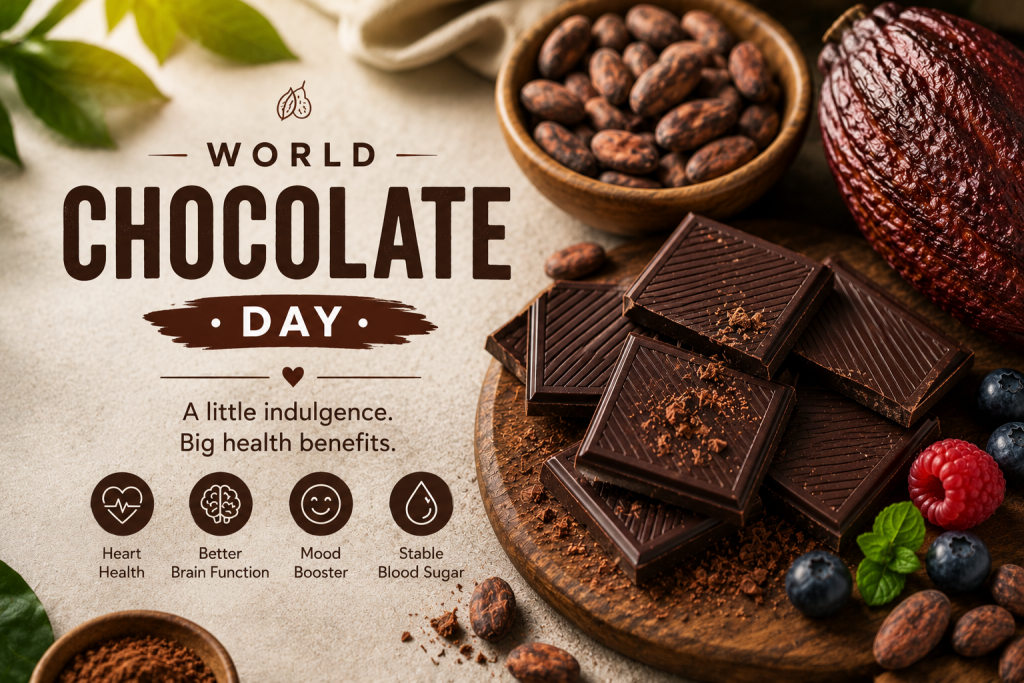
World Chocolate Day: Dark Chocolate Benefits & Why It’s the Healthier Choice

The Big Question: Can one of the world’s most beloved indulgence habits actually be transformed into a powerful tool for cardiovascular, cognitive, and metabolic protection?
Chocolate is one of the world’s most loved treats. Whether it’s a small post-meal indulgence or a festive gift, it’s hard to resist its rich flavor and comforting appeal. But did you know that not all chocolate is created equal? While chocolates loaded with sugar and unhealthy fats should be enjoyed occasionally, high-quality dark chocolate—made with a high percentage of cocoa—offers several health benefits when eaten in moderation.

This World Chocolate Day, celebrate mindfully by learning why dark chocolate can be a smarter choice for your heart, brain, and overall well-being.

What Makes Dark Chocolate Different?

The biggest difference between dark chocolate and regular milk chocolate lies in its core cocoa content. Dark chocolate typically contains 70% or more cocoa solids, making it exceptionally rich in naturally occurring plant compounds called flavanols. These unique antioxidants help protect your cells from oxidative stress and support several important vascular and neurological functions in the body.

  • The Mindful Cacao Loop: ≥ 70% Dark Cacao ⇒ Stimulates Nitric Oxide Production ⇒ Dilates Arteries ⇒ Lowers Blood Pressure naturally.
  • The Destructive Sugar Loop: Refined Sugar Confection ⇒ Spikes Insulin Levels ⇒ Elevates Cortisol Release ⇒ Promotes Visceral Fat Storage.

Milk chocolate, on the other hand, usually contains very low amounts of cocoa and is diluted with high levels of refined sugar, milk solids, and added processed fats. This combination significantly reduces or eliminates many of the structural health benefits found in raw cocoa. The higher the cocoa percentage, the lower the added sugar, and the greater the potential health benefits.

4 Main Health Benefits of Dark Chocolate

  1. Supports Heart Health and Circulation

Dark chocolate is rich in flavanols that help support healthy blood circulation by encouraging blood vessels to relax. Research suggests that regularly consuming small amounts of flavanol-rich dark chocolate as part of a balanced diet can help maintain healthy blood pressure and support general cardiovascular health.

Additionally, these active antioxidants help protect LDL (“bad”) cholesterol from oxidation—a primary chemical factor linked to arterial plaque formation and heart disease.

  1. Improves Blood Flow and Brain Function

Your brain depends on a steady, high-volume supply of oxygen and nutrients to perform at its best. Clinical studies suggest that the flavanols found in cocoa improve blood flow directly to the brain, which supports memory, focus, and overall mental performance.

Dark chocolate also contains small amounts of natural stimulants like caffeine and theobromine. Theobromine acts as a gentle stimulant that expands blood vessels rather than constricting them, providing a smooth, lasting boost in daytime alertness without the sudden jitters or intense energy crashes associated with strong coffee.

  1. Can Help Boost Your Mood Naturally

Ever wondered why a square of chocolate provides instant comfort during a stressful day? Dark chocolate contains naturally occurring compounds that stimulate the release of feel-good neurotransmitters in the brain, including endorphins (the body’s natural pain relievers).

It also serves as an excellent source of magnesium, an essential mineral that regulates normal nerve function, balances cortisol production, and supports muscle relaxation, creating a deeply satisfying and mindful eating experience.

  1. Supports Healthy Blood Sugar and Weight Management

Although chocolate is traditionally associated with weight gain, high-cocoa dark chocolate is vastly different from sugary confectionery items. Because it contains minimal sugar and a surprisingly high amount of dietary fiber, a small serving is highly satiating.

The natural polyphenols in dark cacao help enhance insulin sensitivity, allowing your cells to clear glucose efficiently out of your bloodstream. When enjoyed as part of a balanced lifestyle, dark chocolate satisfies sweet cravings very quickly, preventing the impulsive overeating triggered by blood sugar crashes.

The Cacao vs. Confection Metabolic Matrix

Chocolate Variant Type    Core Cacao Percentage    Primary Endocrine Focus            Long-Term Health Outcome
High-Quality Dark 70% to 90% Cacao Stimulates nitric oxide; enhances cellular insulin sensitivity. Lowers arterial blood pressure and supports cognitive function.
Standard Milk 10% to 30% Cacao Causes steep blood glucose spikes; promotes insulin resistance. Accelerates visceral fat storage and triggers systemic inflammation.
Commercial White 0% Cacao Solids Delivers empty calories from refined sugar and industrial fats. Stalls weight loss efforts and increases tooth decay risks.

How Much Dark Chocolate Is Healthy?

When it comes to dark chocolate, more is not automatically better. For most healthy adults, a daily portion of 20–30 grams (around 2–3 small squares) is the ideal therapeutic dose to enjoy as part of a balanced diet.

When reviewing options, select chocolate bars that feature:

  • At least 70% cocoa solids or higher.
  • Cacao, cocoa mass, or cocoa liquor listed as the very first ingredient on the label.
  • Minimal added sugars and no artificial preservatives or industrial trans-fats.

Simple and Healthy Ways to Use Dark Chocolate

You do not have to eat dark chocolate exclusively on its own. Boost its fiber and protein content by pairing a melted or grated square with these nutritious whole foods:

  • Shaved over high-fiber overnight oats or healthy millets.
  • Swirled into a bowl of probiotic-rich Greek yogurt or fresh curd.
  • Paired with a handful of raw almonds or walnuts for an anti-inflammatory snack.
  • Dipped alongside fresh, antioxidant-dense berries or banana slices.
  • Blended smoothly into your home-cooked breakfast smoothies or chia puddings.

Who Should Limit Chocolate Consumption?

While dark chocolate is safe and health-promoting for the vast majority of people, certain individuals should modify or limit their intake:

  • Migraine Sufferers: Chocolate contains tyramine and beta-phenylethylamine, which can serve as a trigger for specific individual migraines.
  • GERD / Severe Acid Reflux: Cacao can relax the lower esophageal sphincter, potentially worsening nighttime acid reflux symptoms.
  • Caffeine Sensitivity: Those with extreme sensitivities to stimulant compounds should monitor their evening intake to protect their sleep cycles.

Chocolate does not have to be off-limits to live a vibrant, healthy lifestyle. Choosing a small portion of high-quality dark chocolate instead of highly processed sugary treats allows you to enjoy a delicious indulgence while benefiting from naturally occurring antioxidants, magnesium, and active plant flavanols. This World Chocolate Day, celebrate mindfully. Savor every bite, choose quality over quantity, and remember that healthy eating is about smart balance—not total deprivation!

Pro Tip: Successfully incorporating mindfully portioned treats into your health routine is easy when you track your daily choices. Use the GOQii App to log your meals, balance your macronutrient distributions, and monitor your physical activity. You can share this baseline health overview with your GOQii Personalised Health Coach to design a customized lifestyle plan that satisfies your cravings while keeping you cleanly on the path toward your weight loss and longevity goals!

Frequently Asked Questions (FAQs)

  1. Is dark chocolate genuinely healthier than standard milk chocolate?

Yes, absolutely. Dark chocolate contains a much higher percentage of raw cocoa solids, meaning it delivers a dense volume of health-boosting flavanols and magnesium with very little sugar. Milk chocolate is largely made of refined sugars, milk powders, and processed fats, which cause rapid insulin spikes and lack the beneficial plant compounds.

  1. How much dark chocolate can I safely consume on a daily basis?

A serving of 20–30 grams (roughly 2–3 small squares) is generally considered the optimal moderate portion for most healthy adults. Since chocolate is structurally calorie-dense due to its natural cocoa butter fats, keeping your portion controlled allows you to gain the antioxidant benefits without creating a caloric surplus.

  1. What specific percentage of cocoa should I look for on the ingredient label?

Always look for dark chocolate with 70% cocoa or higher. Choosing bars in the 70% to 85% range ensures that you maximize the active plant polyphenols and cardiovascular benefits while keeping the added refined sugar content to an absolute minimum.

  1. Can dark chocolate actively help improve my heart health?

Yes. Clinical evidence indicates that the abundant flavanols in dark chocolate support healthy blood circulation by encouraging the endothelial lining of your blood vessels to relax and dilate. When consumed in moderation as part of an active lifestyle, it helps maintain healthy blood pressure and protects circulating cholesterol from inflammatory oxidation.

#BeTheForce

Disclaimer: This article is intended for educational and informational purposes only. It is not intended to replace professional medical advice, clinical diagnosis, or personalized dietary treatment. Always consult your primary care physician or a registered dietitian before making alterations to your regular nutrition plan, especially if you manage an underlying gastrointestinal issue, severe migraines, or chronic metabolic disorders.

June 7, 2026 By GOQii Leave a Comment

Unmasking the Label: What Hidden Additives May Be Doing to Your Gut

The Big Question: How do highly processed foods and hidden additives affect long-term gut health?



The World Food Safety Day 2026 theme, “From burden to solutions – safe food everywhere,” encourages us to think beyond bacterial food contamination and consider the overall biological quality of the food we eat. While food additives help improve texture, shelf life, and consistency, research suggests that certain chemicals commonly found in ultra-processed foods negatively influence gut health, gut barrier function, and the balance of beneficial bacteria in our digestive system. Understanding food labels and choosing minimally processed foods is the ultimate solution to support long-term digestive health and healthy weight management.

Observed globally on June 7th, World Food Safety Day is led by the World Health Organization (WHO) and the Food and Agriculture Organization (FAO) to raise awareness about safe food practices.

Traditionally, food safety has focused on preventing food-borne illnesses, bacterial contamination, and improper food handling. These remain incredibly important concerns. However, modern food environments present another massive challenge: understanding what is actually inside the packaged foods we consume every day.

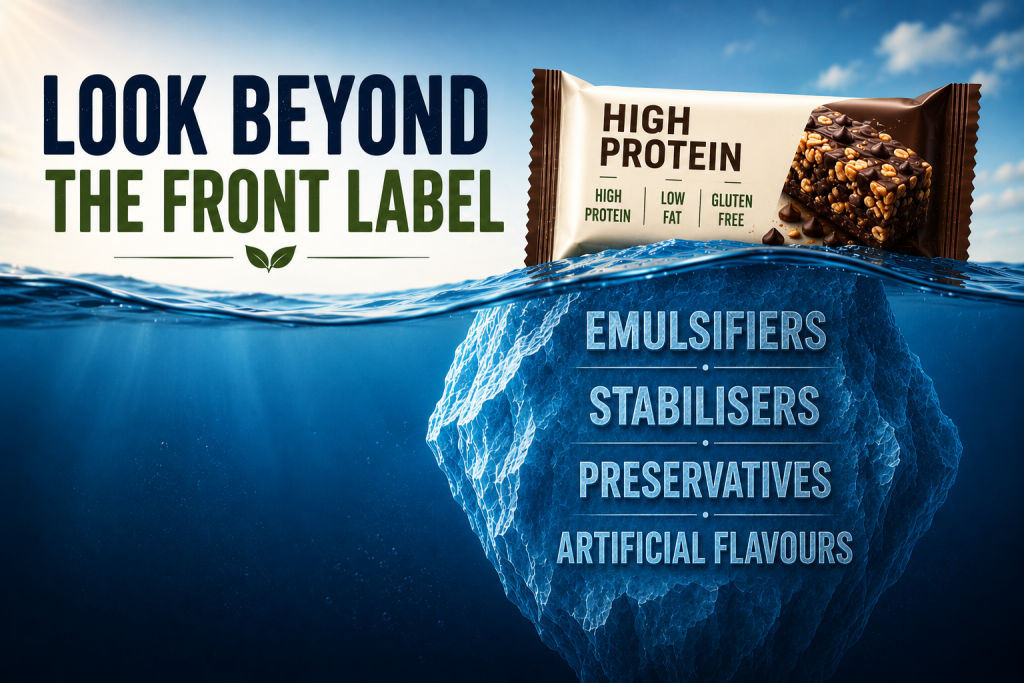
Many products aggressively marketed as “high protein,” “low fat,” “vegan,” “gluten-free,” or simply “healthy” often contain long ingredient lists filled with stabilisers, emulsifiers, sweeteners, preservatives, and flavour enhancers. While this doesn’t automatically make them acutely toxic, it does raise an important biological question regarding how these ultra-processed foods affect our cellular health over decades.

Safe Food Isn’t Just About What You Avoid

Food safety isn’t only about avoiding spoiled or expired food. It is also about proactively choosing foods that support long-term health and wellbeing.

One of the most useful habits you can build is learning to look beyond the slick marketing claims on the front of a package and paying strict attention to the ingredient list on the back. The shorter and more recognisable the ingredient list, the easier it is to understand exactly what you are putting into your body.

Why Reading the Ingredient List Matters

Food manufacturers use various additives to improve texture, appearance, shelf life, and consistency. Some commonly used chemical ingredients include:

  • Polysorbate 80
  • Carboxymethylcellulose (CMC)
  • Carrageenan
  • Xanthan Gum & Guar Gum
  • Maltodextrin

Many of these ingredients have been approved for use within regulatory guidelines. However, researchers continue to study how frequent consumption of certain additives may affect the human microbiome, particularly when they are consumed regularly through highly processed diets. The concern is often not a single ingredient in isolation, but rather the cumulative, compounding effect of consuming large amounts of ultra-processed foods day after day.

Ultra-Processed Foods and Gut Health

Ultra-processed foods (UPFs) are products that typically contain multiple ingredients and chemicals not commonly used in a standard home kitchen. Examples include packaged snacks, flavoured yogurts, ready-to-drink beverages, protein bars, instant meals, and many convenience foods.

Not all packaged foods are unhealthy. The key question is how heavily processed the product is and whether it still biologically resembles real food. Emerging research suggests that diets high in ultra-processed foods may be associated with reduced microbial diversity, increased systemic inflammation, poorer dietary quality, and severe disruptions to normal digestive function.

Supporting your gut becomes increasingly important in a food environment dominated by convenience products.

Understanding Gut Barrier Function

The digestive tract contains a highly protective mucosal lining that acts as a barrier between the contents of the gut and your bloodstream. This barrier helps absorb microscopic nutrients, support immune function, and maintain digestive health.

Researchers are continuing to explore how dietary patterns, chemical food additives, mindful eating habits, and lifestyle factors may influence gut barrier function. When this barrier becomes compromised, people may experience chronic symptoms such as bloating, digestive discomfort, irregular bowel habits, or sudden increased food sensitivities.

Digestive health is rarely influenced by a single food. Instead, it reflects the combined impact of your diet, lifestyle, sleep, stress management, and overall health habits.

The “Healthy” Packaged Food Trap

One of the biggest misconceptions in modern nutrition is assuming that health claims automatically mean a product is nutritious. A food can be high protein, vegan, low fat, or sugar-free while still being heavily, chemically processed.

Rather than focusing solely on marketing labels, ask yourself: How many ingredients are listed? Can I recognise most of them? Does this product still resemble real food?

Packaged Option

What to Watch For (The Additives)   Simpler Alternative
Flavoured Yogurt Added sugars, stabilisers, artificial dyes Plain curd or unsweetened yogurt with fresh fruit
Protein Bars Syrups, maltodextrin, artificial sweeteners Nuts, seeds, fresh fruit, or boiled eggs
Packaged Plant Milks Long ingredient lists, gums, seed oils Unsweetened varieties with minimal ingredients
Ready-Made Dressings Preservatives, emulsifiers, added sugars Olive oil, fresh lemon juice, and herbs

3 Simple Rules for Everyday Food Safety

  1. Prioritise Whole Foods

Foods that look close to their natural form are often easier to evaluate and generally provide far more nutritional value. Examples include fruits, vegetables, legumes, nuts, seeds, eggs, and minimally processed dairy products. Incorporating clean, single-ingredient foods into your healthy meal prep routine is the fastest way to upgrade your health.

  1. Read Beyond the Front Label

Marketing claims tell only part of the story. The ingredient list provides a much clearer, legally accurate picture of what a product actually contains.

  1. Support Your Gut Daily

A healthy gut thrives on fibre-rich foods, diverse plant foods, fermented foods, proper hydration, daily movement, and adequate sleep. Building strong digestive health organically is usually much more effective than chasing quick-fix “detox” solutions.

Food safety is evolving. Today, it isn’t just about avoiding foodborne illness it is also about understanding how modern, ultra-processed food choices influence your long-term cellular health. While research into food additives and gut health continues to develop, one principle remains consistent: the closer food is to its natural form, the easier it is to understand, evaluate, and incorporate into a healthy lifestyle.

This World Food Safety Day, take a closer look at the labels in your kitchen. Because informed food choices are one of the most practical ways to support both your digestive health and natural immunity!

Pro Tip: Use the GOQii App to track your meals and monitor how different foods affect your digestion, energy levels, and overall wellbeing. Your GOQii Personalised Health Coach can help you identify highly processed foods and suggest practical whole-food alternatives that fit seamlessly into your lifestyle.

Frequently Asked Questions (FAQs)

  1. Are all food additives harmful?

No. Many food additives are approved for use and serve important functions such as preserving freshness (like Vitamin C or citric acid) and improving food safety. The concern is generally around the frequent, cumulative consumption of highly synthetic chemicals in ultra-processed foods rather than any single natural additive.

  1. What are ultra-processed foods (UPFs)?

Ultra-processed foods are products that contain multiple ingredients, artificial additives, flavourings, or industrial processing methods not commonly used in home cooking.

  1. Can highly processed foods affect gut health?

Yes. Emerging clinical research suggests that diets high in ultra-processed foods may heavily influence gut microbiome diversity, trigger systemic inflammation, and impair long-term digestive health.

  1. What is the easiest way to improve gut health?

Focus on eating more fibre-rich whole foods, consuming a wide variety of plant foods, staying hydrated, getting enough quality sleep, and actively managing daily stress.

#BeTheForce

Disclaimer: This article is intended for educational purposes only. If you suffer from chronic gastrointestinal issues, severe bloating, or suspect you have a metabolic disorder, please consult a clinical nutritionist or gastroenterologist for personalized dietary intervention.

  • « Previous Page
  • 1
  • …
  • 3
  • 4
  • 5
  • 6
  • 7
  • …
  • 35
  • Next Page »

Search

Recent Posts

  • Foods to Manage Blood Sugar Naturally: A Complete Guide to Better Blood Sugar Control
  • The Lazy Person’s Guide to Staying Healthy: 5 Micro-Habits That Take Less Than 2 Minutes
  • Healthy Eating: Comforting Chilli Bean Soup Recipe for the Monsoon
  • The Truth About the ‘Beer Belly’: What Alcohol Really Does to Your Metabolism
  • Benefits of Meditation: How One Daily Habit Can Transform Your Mental Wellbeing

Stay Updated

Archives

  • August 2026 (7)
  • July 2026 (25)
  • June 2026 (22)
  • May 2026 (20)
  • April 2026 (24)
  • March 2026 (18)
  • February 2026 (14)
  • January 2026 (14)
  • December 2025 (19)
  • November 2025 (15)
  • October 2025 (20)
  • September 2025 (6)
  • August 2025 (6)
  • July 2025 (9)
  • June 2025 (18)
  • May 2025 (16)
  • April 2025 (22)
  • March 2025 (26)
  • February 2025 (21)
  • January 2025 (25)
  • December 2024 (22)
  • November 2024 (22)
  • October 2024 (20)
  • September 2024 (22)
  • August 2024 (28)
  • July 2024 (15)
  • June 2024 (23)
  • May 2024 (26)
  • April 2024 (27)
  • March 2024 (27)
  • February 2024 (23)
  • January 2024 (21)
  • December 2023 (14)
  • November 2023 (10)
  • October 2023 (19)
  • September 2023 (21)
  • August 2023 (16)
  • July 2023 (16)
  • June 2023 (21)
  • May 2023 (20)
  • April 2023 (19)
  • March 2023 (23)
  • February 2023 (19)
  • January 2023 (15)
  • December 2022 (11)
  • November 2022 (15)
  • October 2022 (15)
  • September 2022 (12)
  • August 2022 (9)
  • July 2022 (17)
  • June 2022 (11)
  • May 2022 (10)
  • April 2022 (6)
  • March 2022 (6)
  • February 2022 (13)
  • January 2022 (11)
  • December 2021 (7)
  • November 2021 (3)
  • October 2021 (6)
  • September 2021 (3)
  • August 2021 (8)
  • July 2021 (7)
  • June 2021 (15)
  • May 2021 (16)
  • April 2021 (10)
  • March 2021 (7)
  • February 2021 (4)
  • January 2021 (4)
  • December 2020 (3)
  • November 2020 (4)
  • October 2020 (10)
  • September 2020 (3)
  • August 2020 (3)
  • July 2020 (2)
  • June 2020 (4)
  • May 2020 (10)
  • April 2020 (12)
  • March 2020 (10)
  • February 2020 (4)
  • January 2020 (4)
  • December 2019 (3)
  • November 2019 (7)
  • October 2019 (5)
  • September 2019 (4)
  • August 2019 (9)
  • July 2019 (9)
  • June 2019 (11)
  • May 2019 (4)
  • April 2019 (8)
  • March 2019 (8)
  • February 2019 (9)
  • January 2019 (8)
  • December 2018 (9)
  • November 2018 (3)
  • October 2018 (3)
  • September 2018 (5)
  • August 2018 (10)
  • July 2018 (6)
  • June 2018 (13)
  • May 2018 (8)
  • April 2018 (18)
  • March 2018 (9)
  • February 2018 (8)
  • January 2018 (15)
  • December 2017 (12)
  • November 2017 (19)
  • October 2017 (13)
  • September 2017 (15)
  • August 2017 (4)
  • July 2017 (8)
  • June 2017 (7)
  • May 2017 (6)
  • April 2017 (8)
  • March 2017 (6)
  • February 2017 (7)
  • January 2017 (9)
  • December 2016 (10)
  • November 2016 (7)
  • October 2016 (7)
  • September 2016 (7)
  • August 2016 (11)
  • July 2016 (9)
  • June 2016 (9)
  • May 2016 (12)
  • April 2016 (17)
  • March 2016 (17)
  • February 2016 (8)
  • January 2016 (6)
  • December 2015 (2)
  • November 2015 (9)
  • October 2015 (7)
  • September 2015 (9)
  • August 2015 (11)
  • July 2015 (9)
  • June 2015 (11)
  • May 2015 (9)
  • April 2015 (13)
  • March 2015 (8)
  • February 2015 (5)
  • January 2015 (12)
  • December 2014 (14)
  • November 2014 (11)
  • October 2014 (6)
  • September 2014 (13)
  • August 2014 (12)
  • July 2014 (6)
  • June 2014 (2)
  • May 2014 (7)
  • April 2014 (4)

From Burnout to Balance: How Dr. Ranjit Reclaimed His Health

Dr Ranjit Bhatt has spent years tending to others. A practising doctor in Odisha, his days were packed with patients, surgeries, and emergencies. From the outside, it looked like a life lived in service. But on the inside, something wasn’t right. “I had no … [Read More...]

From Shimla’s Slopes to Chandigarh’s Sidewalks: Surinder Kaur Bhalla’s Journey from Chaos to Control

Some journeys start with a plan. Others begin with a stumble literally. Surinder Bhalla, a government professional, born and raised in the scenic hill town of Shimla, had always lived a life of movement. “In Shimla, you walked everywhere,” she reflects. “Walking was never an exercise. It was just life.” But after shifting to Chandigarh, […]

“I’ve Challenged Myself to Live 100 Years” – The Story of Chandubhai Savani’s Second Chance at Life

At 67, most people start slowing down. Not Chandubhai Savani. A resident of Surat, Chandubhai, thought life was on track. “My life was going well till I had my bypass surgery,” he says. That surgery, back in 2021, was a wake-up call.  Medication was routine, but exercise wasn’t. His diet? What he calls ‘normal.’ “I […]

Ananda Mukherjee Health Story

From Terminal Illness To Complete Wellness! Ananda Mukherjee Health Story

As we observe World Cancer Day under the powerful theme ‘United by Unique’ (2025-2027)**, we are reminded that every individual’s journey with cancer is distinct, yet united by shared resilience, hope, and the collective fight against this disease. This theme places people at the centre of care and their stories at the heart of the […]

  • HOME
  • HEALTHY LIVING
  • FITNESS
  • HEALTHY RECIPES
  • USER STORIES
  • KARMA
  • BUY GOQii

Copyright ©2016 GOQii
