 The Big Question: How do highly processed foods and hidden additives affect long-term gut health?
The World Food Safety Day 2026 theme, “From burden to solutions – safe food everywhere,” encourages us to think beyond bacterial food contamination and consider the overall biological quality of the food we eat. While food additives help improve texture, shelf life, and consistency, research suggests that certain chemicals commonly found in ultra-processed foods negatively influence gut health, gut barrier function, and the balance of beneficial bacteria in our digestive system. Understanding food labels and choosing minimally processed foods is the ultimate solution to support long-term digestive health and healthy weight management.
Observed globally on June 7th, World Food Safety Day is led by the World Health Organization (WHO) and the Food and Agriculture Organization (FAO) to raise awareness about safe food practices.
Traditionally, food safety has focused on preventing food-borne illnesses, bacterial contamination, and improper food handling. These remain incredibly important concerns. However, modern food environments present another massive challenge: understanding what is actually inside the packaged foods we consume every day.
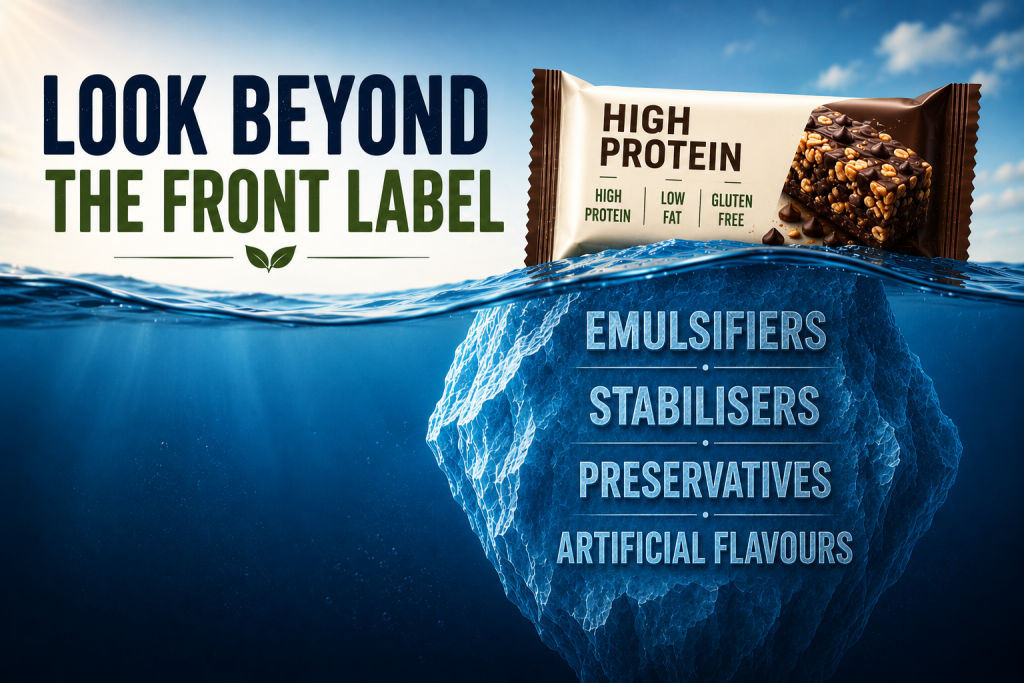
Many products aggressively marketed as “high protein,” “low fat,” “vegan,” “gluten-free,” or simply “healthy” often contain long ingredient lists filled with stabilisers, emulsifiers, sweeteners, preservatives, and flavour enhancers. While this doesn’t automatically make them acutely toxic, it does raise an important biological question regarding how these ultra-processed foods affect our cellular health over decades.
Safe Food Isn’t Just About What You Avoid
Food safety isn’t only about avoiding spoiled or expired food. It is also about proactively choosing foods that support long-term health and wellbeing.
One of the most useful habits you can build is learning to look beyond the slick marketing claims on the front of a package and paying strict attention to the ingredient list on the back. The shorter and more recognisable the ingredient list, the easier it is to understand exactly what you are putting into your body.
Why Reading the Ingredient List Matters
Food manufacturers use various additives to improve texture, appearance, shelf life, and consistency. Some commonly used chemical ingredients include:
- Polysorbate 80
- Carboxymethylcellulose (CMC)
- Carrageenan
- Xanthan Gum & Guar Gum
- Maltodextrin
Many of these ingredients have been approved for use within regulatory guidelines. However, researchers continue to study how frequent consumption of certain additives may affect the human microbiome, particularly when they are consumed regularly through highly processed diets. The concern is often not a single ingredient in isolation, but rather the cumulative, compounding effect of consuming large amounts of ultra-processed foods day after day.
Ultra-Processed Foods and Gut Health
Ultra-processed foods (UPFs) are products that typically contain multiple ingredients and chemicals not commonly used in a standard home kitchen. Examples include packaged snacks, flavoured yogurts, ready-to-drink beverages, protein bars, instant meals, and many convenience foods.
Not all packaged foods are unhealthy. The key question is how heavily processed the product is and whether it still biologically resembles real food. Emerging research suggests that diets high in ultra-processed foods may be associated with reduced microbial diversity, increased systemic inflammation, poorer dietary quality, and severe disruptions to normal digestive function.
Supporting your gut becomes increasingly important in a food environment dominated by convenience products.
Understanding Gut Barrier Function
The digestive tract contains a highly protective mucosal lining that acts as a barrier between the contents of the gut and your bloodstream. This barrier helps absorb microscopic nutrients, support immune function, and maintain digestive health.
Researchers are continuing to explore how dietary patterns, chemical food additives, mindful eating habits, and lifestyle factors may influence gut barrier function. When this barrier becomes compromised, people may experience chronic symptoms such as bloating, digestive discomfort, irregular bowel habits, or sudden increased food sensitivities.
Digestive health is rarely influenced by a single food. Instead, it reflects the combined impact of your diet, lifestyle, sleep, stress management, and overall health habits.
The “Healthy” Packaged Food Trap
One of the biggest misconceptions in modern nutrition is assuming that health claims automatically mean a product is nutritious. A food can be high protein, vegan, low fat, or sugar-free while still being heavily, chemically processed.
Rather than focusing solely on marketing labels, ask yourself: How many ingredients are listed? Can I recognise most of them? Does this product still resemble real food?
|
Packaged Option |
What to Watch For (The Additives) | Simpler Alternative |
| Flavoured Yogurt | Added sugars, stabilisers, artificial dyes | Plain curd or unsweetened yogurt with fresh fruit |
| Protein Bars | Syrups, maltodextrin, artificial sweeteners | Nuts, seeds, fresh fruit, or boiled eggs |
| Packaged Plant Milks | Long ingredient lists, gums, seed oils | Unsweetened varieties with minimal ingredients |
| Ready-Made Dressings | Preservatives, emulsifiers, added sugars | Olive oil, fresh lemon juice, and herbs |
3 Simple Rules for Everyday Food Safety
-
Prioritise Whole Foods
Foods that look close to their natural form are often easier to evaluate and generally provide far more nutritional value. Examples include fruits, vegetables, legumes, nuts, seeds, eggs, and minimally processed dairy products. Incorporating clean, single-ingredient foods into your healthy meal prep routine is the fastest way to upgrade your health.
-
Read Beyond the Front Label
Marketing claims tell only part of the story. The ingredient list provides a much clearer, legally accurate picture of what a product actually contains.
-
Support Your Gut Daily
A healthy gut thrives on fibre-rich foods, diverse plant foods, fermented foods, proper hydration, daily movement, and adequate sleep. Building strong digestive health organically is usually much more effective than chasing quick-fix “detox” solutions.
Food safety is evolving. Today, it isn’t just about avoiding foodborne illness it is also about understanding how modern, ultra-processed food choices influence your long-term cellular health. While research into food additives and gut health continues to develop, one principle remains consistent: the closer food is to its natural form, the easier it is to understand, evaluate, and incorporate into a healthy lifestyle.
This World Food Safety Day, take a closer look at the labels in your kitchen. Because informed food choices are one of the most practical ways to support both your digestive health and natural immunity!
Pro Tip: Use the GOQii App to track your meals and monitor how different foods affect your digestion, energy levels, and overall wellbeing. Your GOQii Personalised Health Coach can help you identify highly processed foods and suggest practical whole-food alternatives that fit seamlessly into your lifestyle.
Frequently Asked Questions (FAQs)
- Are all food additives harmful?
No. Many food additives are approved for use and serve important functions such as preserving freshness (like Vitamin C or citric acid) and improving food safety. The concern is generally around the frequent, cumulative consumption of highly synthetic chemicals in ultra-processed foods rather than any single natural additive.
- What are ultra-processed foods (UPFs)?
Ultra-processed foods are products that contain multiple ingredients, artificial additives, flavourings, or industrial processing methods not commonly used in home cooking.
- Can highly processed foods affect gut health?
Yes. Emerging clinical research suggests that diets high in ultra-processed foods may heavily influence gut microbiome diversity, trigger systemic inflammation, and impair long-term digestive health.
- What is the easiest way to improve gut health?
Focus on eating more fibre-rich whole foods, consuming a wide variety of plant foods, staying hydrated, getting enough quality sleep, and actively managing daily stress.
#BeTheForce
Disclaimer: This article is intended for educational purposes only. If you suffer from chronic gastrointestinal issues, severe bloating, or suspect you have a metabolic disorder, please consult a clinical nutritionist or gastroenterologist for personalized dietary intervention.




Leave a Reply