
GOQii

Blog

  • HOME
  • HEALTHY LIVING
  • FITNESS
  • HEALTHY RECIPES
  • USER STORIES
  • KARMA
  • BUY GOQii

Search Results for: mindful eating

June 24, 2026 By Dr. Pragati Godara Leave a Comment

Why Good Nutrition Matters: Benefits of Healthy Eating for a Healthy Life

importance of Good nutritionWe often hear the saying, “You are what you eat,” and for good reason. The food we eat provides our body with the nutrients it needs to function efficiently, stay active, and protect itself from illness.

Good nutrition and good health go hand in hand. A balanced and nutritious diet strengthens your immune system, provides sustained energy, supports brain function, and helps reduce the risk of many lifestyle diseases. It also plays a key role in maintaining a healthy weight, improving mental wellbeing, and supporting healthy ageing.

The good news? Healthy eating doesn’t have to be complicated. Making small, mindful choices every day can have a lasting impact on your overall health.

Let’s explore why good nutrition is one of the strongest foundations for a healthier, happier life.

The Importance Of Good Nutrition 

1. Provides Essential Nutrients for Everyday Health

Your body relies on a variety of nutrients to perform thousands of essential functions every day.

A balanced diet should include:

  • Carbohydrates for energy
  • Proteins to build and repair muscles and tissues
  • Healthy fats to support brain health, hormone production, and vitamin absorption
  • Vitamins and minerals to strengthen immunity, support bone health, and maintain normal body functions
  • Water to regulate body temperature, aid digestion, and transport nutrients

No single food contains every nutrient your body needs. That’s why eating a variety of wholesome foods is so important.

2. Helps Prevent Lifestyle Diseases

One of the biggest benefits of good nutrition is disease prevention.

A diet rich in fruits, vegetables, whole grains, lean proteins, legumes, nuts, and healthy fats provides antioxidants, fibre, vitamins, and minerals that help your body function efficiently.

Healthy eating can help lower the risk of:

  • Heart disease
  • Type 2 diabetes
  • Obesity
  • High blood pressure
  • Certain types of cancer

Replacing highly processed foods with fresh, nutrient-rich options is one of the simplest steps you can take towards better long-term health.

3. Supports Healthy Weight Management

Maintaining a healthy weight isn’t about crash diets or skipping meals—it’s about creating balanced eating habits you can sustain.

Foods rich in fibre and protein help you stay fuller for longer, making it easier to manage hunger and avoid unnecessary snacking.

Simple habits such as:

  • Choosing whole grains over refined grains
  • Eating more vegetables
  • Including protein with every meal
  • Drinking enough water
  • Limiting sugary drinks and ultra-processed foods

can make a significant difference over time.

Remember, healthy weight management is a journey built on consistency not perfection.

4. Supports Brain Health and Mental Wellbeing

The food you eat doesn’t just affect your body it also influences how you think and feel.

Research shows that healthy eating patterns are associated with better mood, improved concentration, and sustained energy levels throughout the day.

Nutrients such as omega-3 fatty acids, B vitamins, magnesium, and zinc support normal brain function, while fibre-rich foods help nourish a healthy gut microbiome, which is increasingly recognised for its connection to overall wellbeing.

Combined with regular exercise, quality sleep, and stress management, a nutritious diet helps support both physical and mental health.

5. Promotes Healthy Ageing and Better Quality of Life

Good nutrition is an investment in your future.

Over time, healthy eating helps preserve muscle strength, supports bone health, protects your heart, and keeps your body functioning efficiently as you age.

Combined with regular physical activity and other healthy lifestyle habits, a balanced diet can help you stay active, independent, and energetic for years to come.

Healthy ageing isn’t simply about living longer it’s about living better.

What Does a Healthy Plate Look Like?

Building balanced meals doesn’t have to be complicated.

A simple way to plan your plate is:

  • Half your plate: Colourful vegetables and salads
  • One-quarter: Protein-rich foods such as dals, beans, eggs, fish, paneer, tofu, or lean chicken
  • One-quarter: Whole grains like brown rice, whole wheat rotis, millets, oats, or quinoa
  • Add a small serving of healthy fats such as nuts, seeds, or healthy cooking oils.
  • Drink enough water throughout the day to stay hydrated.

Simple Healthy Eating Habits You Can Start Today

Healthy eating is built on small, consistent choices.

Try these simple habits:

  • Eat breakfast every day.
  • Include vegetables in every meal.
  • Eat a variety of seasonal fruits.
  • Choose whole grains instead of refined grains.
  • Include a source of protein with each meal.
  • Drink enough water throughout the day.
  • Limit packaged and highly processed foods.
  • Cook more meals at home whenever possible.
  • Practise mindful eating by slowing down and enjoying your meals.

Remember, every healthy choice counts.

Good nutrition is one of the most powerful investments you can make in your health.

The food you eat influences your energy levels, immunity, weight, heart health, brain function, and overall quality of life. By choosing balanced, wholesome meals and building sustainable eating habits, you give your body the support it needs to thrive today and in the future.

Food is more than fuel it’s the foundation of lifelong health.

Pro Tip: Healthy eating becomes easier when you track your habits. Use the GOQii App to log your meals, monitor your water intake, and receive personalised guidance from your GOQii Coach to build a nutrition plan that suits your lifestyle and health goals.

Frequently Asked Questions (FAQs)

  1. What is good nutrition?

Good nutrition means eating a balanced variety of foods that provide your body with essential nutrients, including carbohydrates, proteins, healthy fats, vitamins, minerals, fibre, and water, to support overall health and wellbeing.

  1. Why is good nutrition important?

Good nutrition provides energy, strengthens the immune system, supports growth and repair, helps maintain a healthy weight, improves mental wellbeing, and lowers the risk of many lifestyle diseases.

  1. What should a balanced meal include?

A balanced meal should include vegetables, whole grains, a source of lean protein, healthy fats, and plenty of water. Eating a variety of foods helps ensure your body receives all the nutrients it needs.

  1. Can healthy eating help prevent diseases?

Yes. A balanced diet, combined with regular exercise, adequate sleep, stress management, and avoiding tobacco, can help reduce the risk of heart disease, Type 2 diabetes, obesity, high blood pressure, and several other chronic conditions.

#BeTheForce

Disclaimer: This article is intended for educational and informational purposes only. It is not intended to replace professional medical advice, clinical nutrition diagnosis, or personalized medical treatment. Always consult your primary care physician or a registered dietitian before making major alterations to your dietary architecture, especially if you have an underlying chronic health condition or metabolic disorder.

March 5, 2025 By GOQii Leave a Comment

The Difference Between Emotional Eating & Binge Eating Disorder

Many people use food as a coping mechanism, but when does it cross the line into something more serious like Binge Eating Disorder (BED)? Let’s explore the key differences.
What is Emotional Eating?

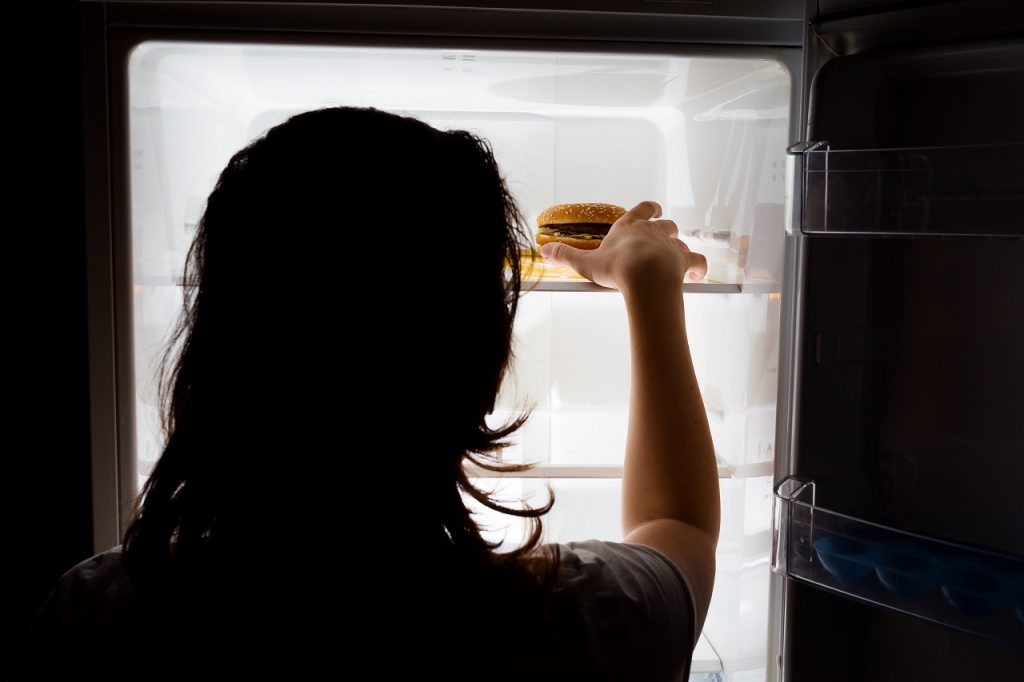
Emotional eating is when we eat in response to feelings rather than physical hunger. It is often triggered by stress, boredom, sadness, or even happiness.

Signs of Emotional Eating:

  • Eating in response to stress, sadness, boredom, or anxiety.
  • Craving specific comfort foods (e.g., sweets, crisps, or junk food).
  • Eating even when not physically hungry.
  • Feeling temporarily better after eating, but then experiencing guilt or regret.
  • Occurs occasionally and in smaller portions.

While emotional eating is a common behaviour, it becomes a concern when it happens frequently and disrupts your relationship with food.

What is Binge Eating Disorder (BED)?

Binge Eating Disorder (BED) is a serious mental health condition characterised by frequent, uncontrollable episodes of eating large quantities of food. Unlike emotional eating, BED involves a sense of loss of control and distress around food.

Signs of Binge Eating Disorder:

  • Frequent episodes of eating large amounts of food within a short time.
  • Eating even when uncomfortably full or not hungry.
  • Feeling out of control during eating episodes.
  • Eating very quickly and secretly, due to shame or embarrassment.
  • Feeling distressed, ashamed, or guilty after binge episodes.
  • Episodes occur at least once a week for three months (as per clinical diagnosis).

Unlike emotional eating, BED is a compulsive disorder that can have serious long-term effects on both physical and mental health.

Key Differences Between Emotional Eating & Binge Eating Disorder

Factor

Emotional Eating

Binge Eating Disorder (BED)

Triggers

Stress, boredom, sadness

Can be emotional or compulsive without a clear trigger

Portion Size

Small to moderate

Large amounts of food in one sitting

Control Over Eating

Some level of control

Complete loss of control

Frequency

Occasional

Recurring (at least once a week for 3+ months)

Aftermath Feelings

Mild guilt or regret

Intense guilt, shame, distress

Eating Speed

Normal

Very fast, often secretive

Physical Consequences

Rare

Can lead to obesity, diabetes, heart issues

How to Manage Emotional Eating & Binge Eating Disorder

Whether you struggle with occasional emotional eating or suspect you may have BED, there are steps you can take to regain control of your eating habits.

  1. Recognise Your Triggers

Keep a food and mood journal to identify what emotions drive your eating habits. Do you eat when you’re stressed? Lonely? Bored? Understanding your triggers is the first step to making changes.

  1. Find Healthier Coping Mechanisms

Instead of turning to food, try activities like:

    • Exercise – A natural mood booster.
    • Journaling – Helps process emotions.
    • Meditation or Deep Breathing – Reduces stress and anxiety.
    • Social Connection – Call a friend or spend time with loved ones.
  1. Eat Mindfully
    • Pay attention to hunger cues – eat when you’re physically hungry, not emotionally hungry.
    • Practise portion control – serve food on a plate rather than eating straight from a packet.
    • Slow down while eating – chew properly and enjoy your food.
  1. Professional Help for BED
    • Cognitive Behavioural Therapy (CBT) – A proven method to change binge-eating behaviours.
    • Mindful Eating Therapy – Helps individuals reconnect with hunger and fullness cues.
    • Support Groups & Counselling – Having a support system makes recovery easier.
    • Medical Interventions – In some cases, doctors may prescribe medication to help manage BED.

Occasionally turning to food for comfort is normal, but when it becomes a frequent coping mechanism or involves loss of control, it’s important to take action. Understanding the difference between emotional eating and Binge Eating Disorder is the first step toward a healthier relationship with food.

Have you ever struggled with emotional eating? What strategies have helped you? Share in the comments!

#BeTheForce

Disclaimer: The information provided in this blog is for general awareness and educational purposes only. It is not intended to replace professional medical advice, diagnosis, or treatment. Always consult a qualified healthcare provider for personalised medical guidance or concerns related to your health.

January 23, 2025 By Akanksha Khullar 2 Comments

5 Easy Ways to Make Eating Healthy!

eating healthyLet’s face it! We all struggle to eat healthy sometimes and after a while, we turn to fad diets or some “miracle food” to help us ease the guilt of having eaten something unhealthy. While a lot of information is available on the internet about eating healthy, it also causes a lot of confusion as most of the content isn’t authentic and could do more harm than good. So what exactly is Eating Healthy comprised of?


Tips to Eating Healthy

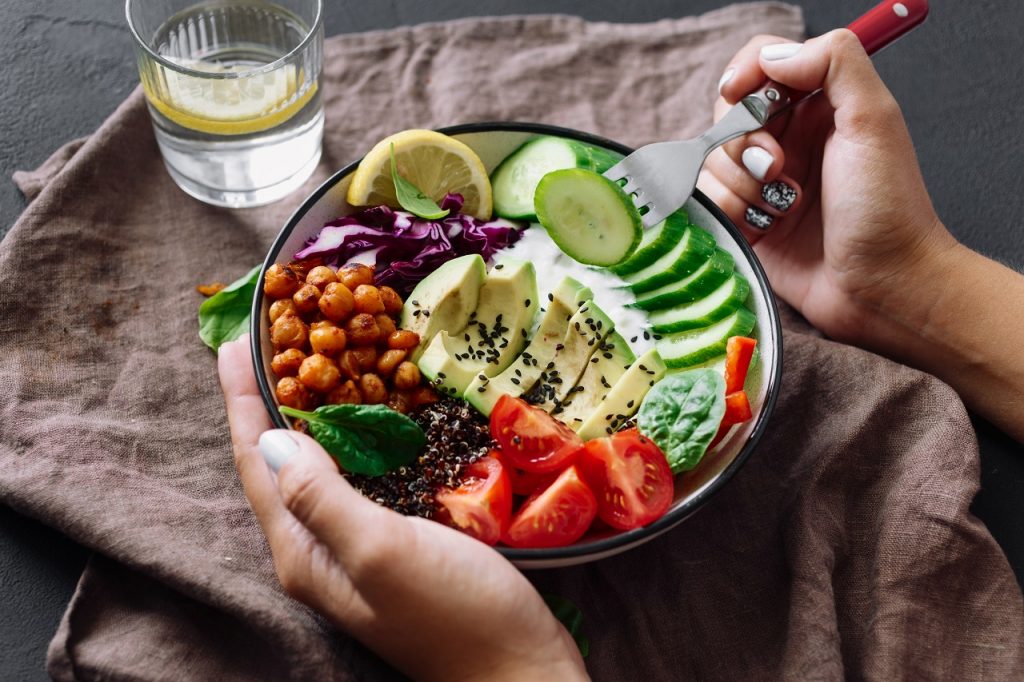
To simplify what eating healthy should consist of, we’re sharing some simple tips which will help you eat healthy, clean and provide you with all the nutrients you need!

  1. Consume Whole Foods: Whole foods are foods that are unprocessed and unrefined, or processed or refined as minimum as possible to retain their nutritional value. They have a lot of fibre, good fats, no added sugar or bad fats or salt. A few examples for whole grains are whole wheat, barley, quinoa, beans, legumes and nuts, seeds, fruits, and vegetables.
  2. Go for Healthy Snacking: Healthy snacking is very important to keep energy constant throughout the day, to decrease hunger pangs and keep one away from overeating during the next meal. Healthy snacking, as per the options suggested, also refrains one from having junk foods which are high in sugars and fats that can lead to various metabolic disorders in the body like diabetes, heart ailments etc. Some healthy foods that can be included are fruits, nuts and seeds, roasted chana, peanuts, coconut water, buttermilk, lemon water, and whole wheat/multigrain sandwich with no butter or cheese.
  3. Never Skip Meals: Always make sure to have meals on time to regulate the metabolic rate of the body and keep hunger pangs away. It also keeps you energized. Hence, a 5 meal pattern should be followed i.e. breakfast, mid meal, lunch, mid meal and dinner. Ideally, try and have meals in intervals of 2-3 hours.
  4. Eat Mindfully: Whenever having a meal, try to enjoy every bite, eating slowly while savouring the taste. It takes about 20 minutes for the brain to realize that the stomach is full. If we eat a lot of food at one time and totally stuff the belly, it leads to digestion issues in the future.
  5. Go for Baked or Roasted Foods When Eating Out: During grilling or frying, several harmful compounds like Polycyclic Aromatic Hydrocarbons (PAHs), Advanced Glycation End Products (AGEs) and Heterocyclic Amines (HCAs) are formed. These compounds have been linked to diseases like cancer and heart ailments. So avoid grilled or fried foods and go for baked and roasted!

Sometimes we set ambitious healthy eating goals and get overwhelmed by it. Eating healthy is certainly not about being perfect. So, take small steps by adding the habits discussed above to your current diet regime and work towards a healthier you!

We hope this article helps. If you want diet plans or want to understand more facets of eating healthy, ask your GOQii Coach directly by subscribing to Personalised Health Coaching here.

Do leave your thoughts in the comments below!

#BeTheForce

May 11, 2023 By Hajra Mithani Leave a Comment

5 Eating Habits To Avoid Before You Sleep

eating habits

Did the lockdown, work from home and everything in between during the pandemic, affect our sleep schedule? The GOQii IndiaFit Report found that there was a drop in the overall sleeping hours we experienced. From an average of 7.6 hours of sleep in 2019, we dropped to 6.8 hours in 2022. This change has led to lots of disturbed sleep or even worse – insomnia.

Lack of quality sleep can contribute to issues such as indigestion, acidity and even mental health issues such as anxiety and depression. Apart from practices like meditation, mindfulness, exercise and deep breathing techniques, even what you eat can impact your sleep. So if you’re aiming for a good night’s rest but are unable to achieve it, here are some eating habits you should avoid for a good night’s rest! 

Avoid These 5 Eating Habits Before You Sleep 

  1. Junk Food: Pizza, burgers and fries, etc. have refined flours and simple sugars which take longer to digest, disturbing your digestive system at night causing disrupted sleep. Because of their high sodium count, they can leave you feeling bloated, causing sleep-stealing discomfort. Also, you might feel thirstier after consuming junk food. Foods high in calories are digested slowly and may cause stomach upset, cramping, bloating or heartburn if eaten before bed.
  2. Sugars: Sugary food gives you an extra dose of unwanted energy, which is not needed at night. When you eat a lot of sugar before bed, your blood sugar climbs high and then falls rapidly as your body releases hormones to bring the levels under control. This swing in hormones and blood sugar levels impairs sleep. The other reason to avoid starchy or sugary food is it gives you immense energy in a very short period making the body highly active.
  3. Spicy food: Eating items like chillies before bedtime can cause indigestion which makes it difficult to sleep well. It is speculated that this may be due to capsaicin, an active ingredient in chili peppers, affecting sleep via changes in body temperature. Eating spicy food too close to bed causes acidity and worsen symptoms of gastroesophageal reflux disease (GERD). Some studies have claimed that spicy food can trigger brain waves that cause nightmares and you end up tossing and turning all night. So it might not be a good idea to gorge on to those peri-peri fries for dinner.
  4. Caffeine: It is a stimulant that increases your heart rate and alertness – the opposite effect you want when you’re trying to sleep. The role of caffeine (found in coffee, tea, chocolate, cocoa) is to make a drowsy soul active and attentive. Caffeine delays and shortens the sleeping duration of individuals. Dark chocolate has polyphenol, but it’s also a surprising source of caffeine. 20gm dark chocolate has about a quarter of the caffeine as a cup of coffee, and about half the caffeine as a cup of green or black tea. It takes 6-10 hours to eliminate caffeine, which means enjoy a dark chocolate treat at around 4 pm if you plan to sleep at 10 pm. 
  5. Alcohol: It suppresses melatonin – the hormone that regulates your internal clock and thus disrupts the circadian rhythm of the body negatively, the reason you wake up in the middle of your sleep. Alcohol also makes you dehydrated and often thirsty in the middle of the night with frequent washroom trips. It interferes with the body’s other sleep-wake regulator – its internal sleep drive. Alcohol increases levels of adenosine, a chemical that regulates sleep by rising naturally in the body. It’s adenosine-boosting effects make you sleep at times other than your natural timings, thus disturbing your natural sleep-wake cycle. 

If this article helped you catch up on your much needed hours of rest, let us know in the comments below! You can learn more about sleep here or you can discuss this topic further with a GOQii Coach by subscribing for Personalised Health Coaching here. 

#BeTheForce 

  • « Previous Page
  • 1
  • 2
  • 3
  • 4
  • 5
  • …
  • 35
  • Next Page »

Search

Recent Posts

  • Foods to Manage Blood Sugar Naturally: A Complete Guide to Better Blood Sugar Control
  • The Lazy Person’s Guide to Staying Healthy: 5 Micro-Habits That Take Less Than 2 Minutes
  • Healthy Eating: Comforting Chilli Bean Soup Recipe for the Monsoon
  • The Truth About the ‘Beer Belly’: What Alcohol Really Does to Your Metabolism
  • Benefits of Meditation: How One Daily Habit Can Transform Your Mental Wellbeing

Stay Updated

Archives

  • August 2026 (7)
  • July 2026 (25)
  • June 2026 (22)
  • May 2026 (20)
  • April 2026 (24)
  • March 2026 (18)
  • February 2026 (14)
  • January 2026 (14)
  • December 2025 (19)
  • November 2025 (15)
  • October 2025 (20)
  • September 2025 (6)
  • August 2025 (6)
  • July 2025 (9)
  • June 2025 (18)
  • May 2025 (16)
  • April 2025 (22)
  • March 2025 (26)
  • February 2025 (21)
  • January 2025 (25)
  • December 2024 (22)
  • November 2024 (22)
  • October 2024 (20)
  • September 2024 (22)
  • August 2024 (28)
  • July 2024 (15)
  • June 2024 (23)
  • May 2024 (26)
  • April 2024 (27)
  • March 2024 (27)
  • February 2024 (23)
  • January 2024 (21)
  • December 2023 (14)
  • November 2023 (10)
  • October 2023 (19)
  • September 2023 (21)
  • August 2023 (16)
  • July 2023 (16)
  • June 2023 (21)
  • May 2023 (20)
  • April 2023 (19)
  • March 2023 (23)
  • February 2023 (19)
  • January 2023 (15)
  • December 2022 (11)
  • November 2022 (15)
  • October 2022 (15)
  • September 2022 (12)
  • August 2022 (9)
  • July 2022 (17)
  • June 2022 (11)
  • May 2022 (10)
  • April 2022 (6)
  • March 2022 (6)
  • February 2022 (13)
  • January 2022 (11)
  • December 2021 (7)
  • November 2021 (3)
  • October 2021 (6)
  • September 2021 (3)
  • August 2021 (8)
  • July 2021 (7)
  • June 2021 (15)
  • May 2021 (16)
  • April 2021 (10)
  • March 2021 (7)
  • February 2021 (4)
  • January 2021 (4)
  • December 2020 (3)
  • November 2020 (4)
  • October 2020 (10)
  • September 2020 (3)
  • August 2020 (3)
  • July 2020 (2)
  • June 2020 (4)
  • May 2020 (10)
  • April 2020 (12)
  • March 2020 (10)
  • February 2020 (4)
  • January 2020 (4)
  • December 2019 (3)
  • November 2019 (7)
  • October 2019 (5)
  • September 2019 (4)
  • August 2019 (9)
  • July 2019 (9)
  • June 2019 (11)
  • May 2019 (4)
  • April 2019 (8)
  • March 2019 (8)
  • February 2019 (9)
  • January 2019 (8)
  • December 2018 (9)
  • November 2018 (3)
  • October 2018 (3)
  • September 2018 (5)
  • August 2018 (10)
  • July 2018 (6)
  • June 2018 (13)
  • May 2018 (8)
  • April 2018 (18)
  • March 2018 (9)
  • February 2018 (8)
  • January 2018 (15)
  • December 2017 (12)
  • November 2017 (19)
  • October 2017 (13)
  • September 2017 (15)
  • August 2017 (4)
  • July 2017 (8)
  • June 2017 (7)
  • May 2017 (6)
  • April 2017 (8)
  • March 2017 (6)
  • February 2017 (7)
  • January 2017 (9)
  • December 2016 (10)
  • November 2016 (7)
  • October 2016 (7)
  • September 2016 (7)
  • August 2016 (11)
  • July 2016 (9)
  • June 2016 (9)
  • May 2016 (12)
  • April 2016 (17)
  • March 2016 (17)
  • February 2016 (8)
  • January 2016 (6)
  • December 2015 (2)
  • November 2015 (9)
  • October 2015 (7)
  • September 2015 (9)
  • August 2015 (11)
  • July 2015 (9)
  • June 2015 (11)
  • May 2015 (9)
  • April 2015 (13)
  • March 2015 (8)
  • February 2015 (5)
  • January 2015 (12)
  • December 2014 (14)
  • November 2014 (11)
  • October 2014 (6)
  • September 2014 (13)
  • August 2014 (12)
  • July 2014 (6)
  • June 2014 (2)
  • May 2014 (7)
  • April 2014 (4)

From Burnout to Balance: How Dr. Ranjit Reclaimed His Health

Dr Ranjit Bhatt has spent years tending to others. A practising doctor in Odisha, his days were packed with patients, surgeries, and emergencies. From the outside, it looked like a life lived in service. But on the inside, something wasn’t right. “I had no … [Read More...]

From Shimla’s Slopes to Chandigarh’s Sidewalks: Surinder Kaur Bhalla’s Journey from Chaos to Control

Some journeys start with a plan. Others begin with a stumble literally. Surinder Bhalla, a government professional, born and raised in the scenic hill town of Shimla, had always lived a life of movement. “In Shimla, you walked everywhere,” she reflects. “Walking was never an exercise. It was just life.” But after shifting to Chandigarh, […]

“I’ve Challenged Myself to Live 100 Years” – The Story of Chandubhai Savani’s Second Chance at Life

At 67, most people start slowing down. Not Chandubhai Savani. A resident of Surat, Chandubhai, thought life was on track. “My life was going well till I had my bypass surgery,” he says. That surgery, back in 2021, was a wake-up call.  Medication was routine, but exercise wasn’t. His diet? What he calls ‘normal.’ “I […]

Ananda Mukherjee Health Story

From Terminal Illness To Complete Wellness! Ananda Mukherjee Health Story

As we observe World Cancer Day under the powerful theme ‘United by Unique’ (2025-2027)**, we are reminded that every individual’s journey with cancer is distinct, yet united by shared resilience, hope, and the collective fight against this disease. This theme places people at the centre of care and their stories at the heart of the […]

  • HOME
  • HEALTHY LIVING
  • FITNESS
  • HEALTHY RECIPES
  • USER STORIES
  • KARMA
  • BUY GOQii

Copyright ©2016 GOQii

