GOQii

Blog

  • HOME
  • HEALTHY LIVING
  • FITNESS
  • HEALTHY RECIPES
  • USER STORIES
  • KARMA
  • BUY GOQii

Search Results for: metabolism

November 4, 2022 By Komal Jethmalani 1 Comment

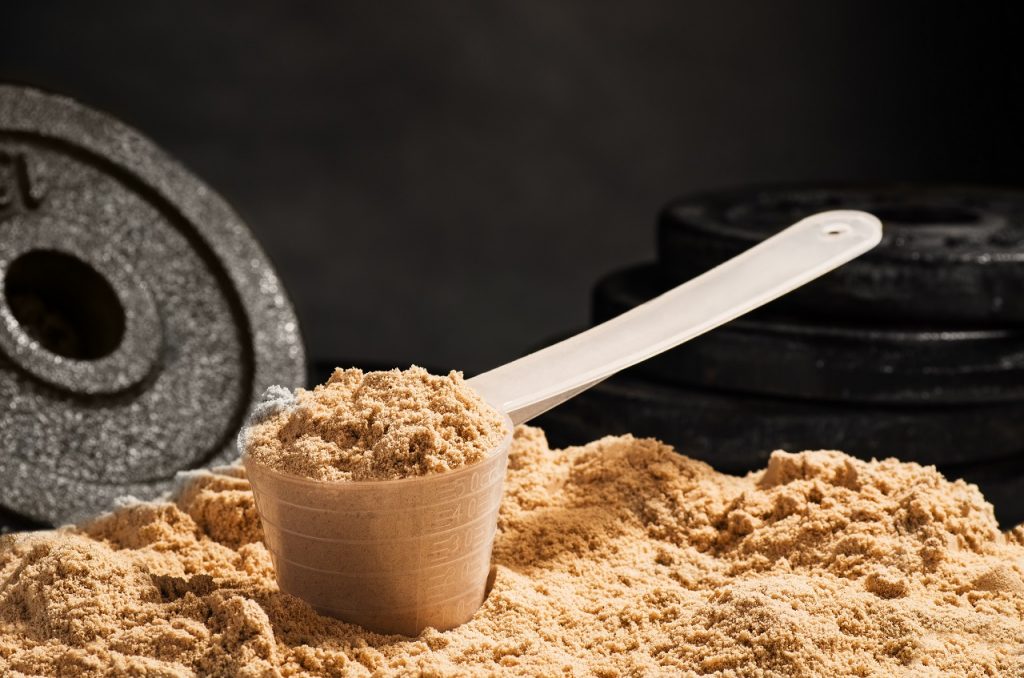
Busting Myths About Protein Supplements

protein supplements

A few decades back, protein supplements didn’t exist at all. Food was the source of all protein and people used to consume food to remain healthy. But in the current scenario, various lifestyle changes such as indulging in excessive gym workouts, having no time to eat due to work, deteriorating food quality, etc. have created a demand for supplements.

What are Protein Supplements?

Protein supplements are concentrated sources of protein from animal or plant foods such as dairy, eggs, rice ,peas, hemp or brown rice. Some supplements are also fortified with vitamins and minerals, especially calcium. People use them to increase muscle mass, improve overall body composition and help meet their protein needs. 

Whey protein, the most vital supplement among all, is a must-have protein supplement whether you are a beginner or a pro in your fitness journey. Although, not everyone needs protein powder supplements, they can assist you if you do strength training or cannot meet your protein needs with diet alone.

Let’s Bust Some Myths! 

Myth #1: Protein Supplements Are Only For Bodybuilders
Fact: You can have a protein supplement if you are doing any form of exercise because it helps your muscles recover. Protein alone does not make your muscles big.

Myth #2: Whey Protein Is Not A Natural Form Of Protein
Fact: Whey protein is the natural protein derived from cow milk which constitutes two main protein components, namely casein and whey. Both components have Protein Digestibility Corrected Amino Acid score of 1.0 which is the highest score for a protein source.

Myth #3: Women Will Get Bulky From Protein Supplements
Fact: Due to women having lower levels of testosterone and higher levels of estrogen, they won’t bulk up as men. A diet rich in lean protein will help women build muscle, but not at the same rate as men. For both genders, it still takes weeks/months of consistent training and good nutrition to build visible muscle.

Myth #4: I Don’t Exercise Enough To Need A Protein Shake
Fact: Protein will help your muscles recover, whether you are working out six days a week or if you are a casual class goer – the results are the same.

Myth #5: Plant Based Protein Is Less Effective Than Whey Protein
Fact: For Vegan protein, a blend of whole pea and hemp sources is used to ensure an amino acid profile like whey with high levels of essential amino acids. Pea protein is allergen friendly, low fat and contains more protein per serving than whey. Hemp protein is also allergen friendly but is also rich in essential fatty acids and contains all nine essential amino acids.

Myth #6: Heating Protein Denatures It, Ruining The Effects
Fact: The only thing that changes when you heat protein is its structure, so it may become slightly less soluble. The protein itself is generally not affected by its yield.

Myth #7: You Need To Eat Very High Levels Of Protein To Get Results
Fact: The average person actually needs an adequate balance of carbs and fats alongside protein in their diet and probably needs no more than around 1.2 to 1.7gm of protein per kilo of bodyweight to build and maintain muscle.

Myth #8: Protein Shakes Will Make My Muscles Grow Quickly
Fact: Unfortunately, this is not true. Muscle building takes time, consistent training and good nutrition. Although having a post-workout, protein-rich meal/shake boosts protein synthesis and limits muscle breakdown. This simply means that your body recovers faster from aches and pains after training.

Myth #9: Pea Or Plant Protein Isn’t As good As Whey Protein
Fact: For vegans and people with digestive issues, plant-based protein powder is the way to go. It is digested differently than whey but still gives you the benefits of traditional powdered protein.

Myth #10: Protein Powder Equals Gas
Fact: That’s because most protein powders are derivatives of dairy products. But eating a balanced meal, which includes healthy fats, complex carbohydrates and water, along with a regular exercise routine, takes care of unpleasant digestive issues. The recommended dosage of protein shake is 1-2 scoops or 25-30 gm per day.

Myth #11: Whey Protein Leads To boils, Acidity, Poor Digestion
Fact: It is not whey protein but unabsorbed whey protein in the body that causes such issues. Insufficient water intake may lead to undigested protein resulting in boils, acidity, etc.

Myth #12: There’s No Such Thing As Too Much Protein
Fact: Eating excessive protein could lead to excessive nitrogen your body can’t excrete. If you’re a long-time high-protein dieter, you could be increasing your risk for kidney damage.

Myth #13: Powders Can Substitute Complete Protein Sources
Fact: While powders are a great protein source, they shouldn’t act as a substitute for whole food sources, both animal and plant alike. They’re an easy and convenient way to include extra protein in your diet.

Myth #14: Everyone Should Take Protein Supplement
Fact: It all depends on your fitness goals. The daily reference intake is 0.8g of protein per kg of body weight. Most people get enough protein through their daily diet with protein-rich food. You don’t need to include bodybuilding supplements or protein shakes. Having a bowl of Greek yogurt, or chicken salad with veggies and sprouts will suffice.

Myth #15: Cutting Down Protein Is A Great Way To Lose Weight
Fact: On the contrary, insufficient protein in your diet can make it difficult to get rid of excess fat. The feeling of being fuller for longer will keep you away from cravings and hunger pangs and a heightened metabolism will add to your workout routine and show positive results.

We hope these facts about protein supplements help you reach your goal! Consume protein, but don’t let it overpower other nutrients. Also, don’t cut it out completely from your diet. Balance is the key to complete health! If you’d like to know more about protein and protein supplements, speak to an expert by subscribing for Personalised Health Coaching here: https://goqiiapp.page.link/bsr

To read more about fitness and bodybuilding, check out Healthy Reads. Have you heard of any of these myths? Were any of these facts helpful? Let us know in the comments below.  

#BeTheForce 

October 16, 2022 By Vandana Juneja 1 Comment

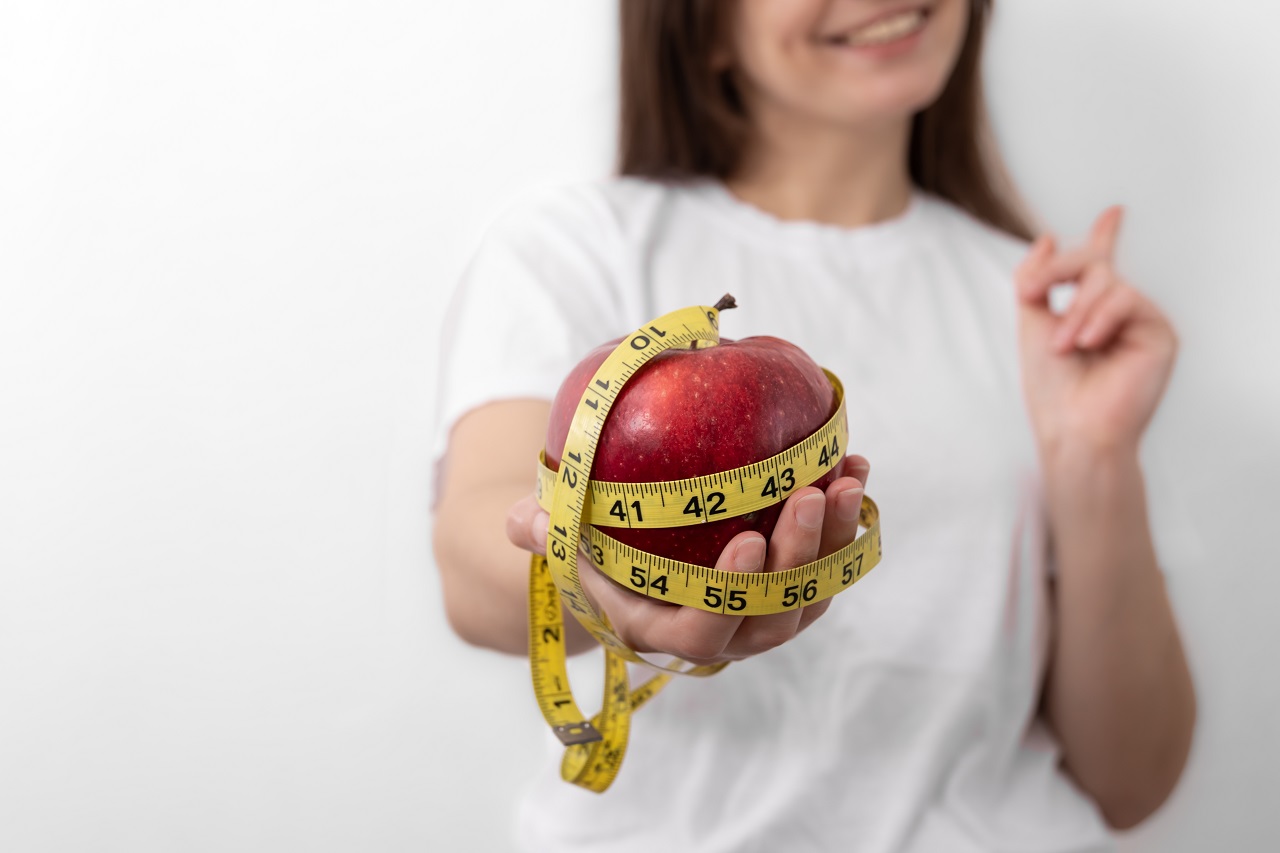
5 Reasons Why You Need To Focus On Nutrition Over Calorie Counting

Nutrition over calorie counting

It’s funny how in an attempt to lose or gain weight, we begin counting every minute calorie intake, diligently doing the math, when we hated the subject in school. But the math isn’t too complicated, right? To lose weight, you go into a deficit where calories out > calories in, and the exact opposite if you want to bulk up. 

While we’re doing all this math, reading up articles on the internet, browsing through YouTube channels and relying on self-taught nutritionists and dietitians, are we really asking the right questions? Are we using food to only fill in whatever we can in our given calorie budgets? Are we using food to provide the right nutrition to our body? Are we even choosing the right foods while we’re at it?

Why You Shouldn’t Rely On Calorie Counting 

While counting calories to lose/gain weight might be the most popular and followed method, overdoing it may not be the correct one. It’s quite dangerous as it can lead to many nutritional deficiencies. 500 calories could look like 2 big slices of pizza or a plate with rice/roti, a bowl of vegetables or pulses with curd and salad. The goal can be attained with both, but are we making the right choice that’ll help us stay healthier in the long run? So, rather than counting calories, it would make more sense to look at the nutrients on your meal plate.

Why You Need To Choose Nutrition Over Calorie Counting  

Let’s look at a few reasons why the focus should be on nutrition over calorie counting

  1. Food Quality Matters: Calories do not look into the quality of food you are eating. A low-calorie food with well-balanced macro and micronutrients is considered healthier than a high calorie, nutritionally poor food. For instance, an apple may have the same calories as a cookie, but we know which one is healthier.
  2. Nutrient Dense Foods: When you follow calorie counting, one tends to avoid the natural calorie dense foods like nuts, seeds, ghee, oils, and avocados, etc. which are very healthy and important for good metabolism and maintaining healthy weight.
  3. Thermic Effect of Food: The number of calories used to digest our food is different for various food groups, so this can alter the effects of calorie counting to some extent. Food items made of processed and refined products are digested faster and are likely to spike up our sugar levels, than those made of natural and unrefined forms, which will take up more energy to break down and get digested and keep the sugar levels stabilized.
  4. Bioavailable Calories: Recent studies have indicated that many foods have less bioavailable calories than originally thought of. For instance, almonds, peanuts and pistachios all seem to be less completely digested, providing fewer calories, almost 20% less than what is mentioned on the label. This may be true for other foods with tough cell walls. So, calorie counting may not actually be accurate here.
  5. Effect of Food on our Satiety: Different foods have a different effect on our satiety levels, some give us a feeling of fullness for longer than others. So all foods are measured on a scale called the satiety index, which is basically the measure of the ability of the foods to reduce hunger, increase feeling of fullness and reduce calorie intake for the next few hours. Eating foods with a low satiety index will make you hungry faster than foods with a high satiety index. 500 calories from an ice cream/doughnut will make you hungry sooner than 500 calories from sprouts/beans and vegetable salad.

So, the bottom line is to make smart choices with your food and focus more on the nutritional aspect rather than calorie counting. Once you pick nutrition over calorie counting, you will notice more satiety, improved energy levels, reduced inflammation, you’ll be able to maintain healthy weight and witness an overall improvement in your health! 

We hope this article helps you make healthier choices. For more on nutrition, check out Healthy Reads. If you want to know more about what kind of food you should incorporate, based on your weight loss or weight gain goals, speak to an expert by subscribing for GOQii’s Personalised Health Coaching here: https://goqiiapp.page.link/bsr

Do leave your thoughts in the comments below! 

#BeTheForce 

September 17, 2022 By Sunita Arora 6 Comments

The Magic of Indian Masala Chai

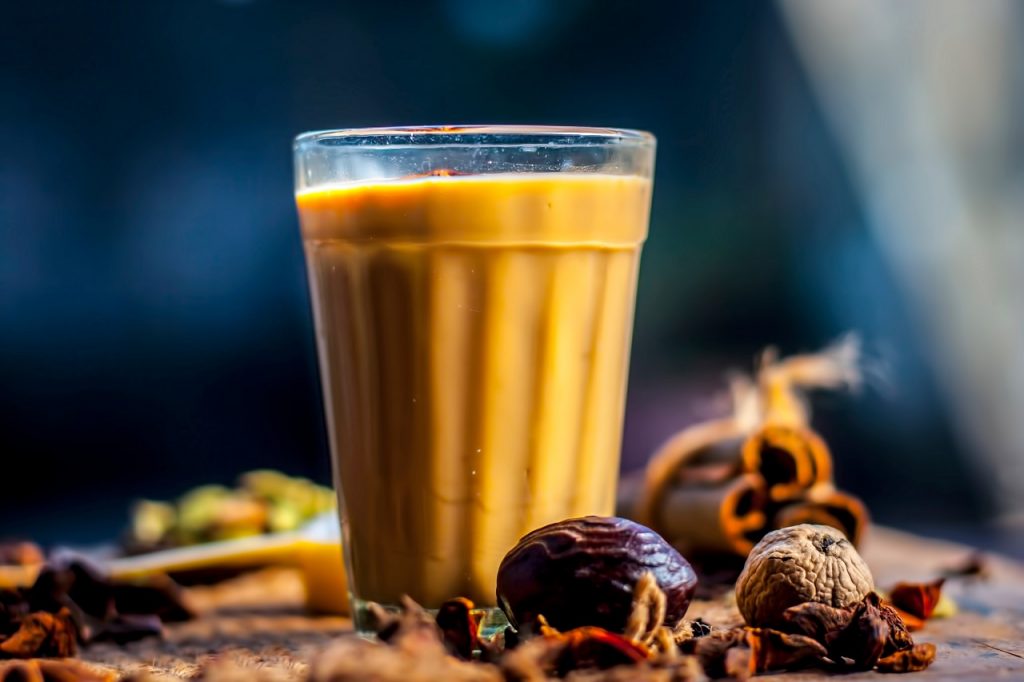
masala chaiThe word Chai actually means tea in English and Russian. In India, it is also known as Masala Chai. More appropriately, it means spice blend. Tea has become a daily part of Indian life. It is now a key element of our culture which has spread throughout the world. Masala Chai is an everyday drink in most parts of India. It is common for Indians to delight themselves with 2 cups of it per day.



In almost every street corner and even office spaces, you will find a Chai Wallah (tea vendors) who prepares this traditional beverage. They prepare this rich Masala Chai over an open fire in small stands and stalls and serve it in clay tea cups called Kullarhs.

Well, you can prepare it yourself! This may be the right tea for you, to give you the strength and energy during the day and to take you on an amazing ride through the world of Indian tea. Let’s prepare it together! Have a look at our Masala Chai benefits, recipe and get your ingredients ready.

Some amazing Benefits of the Indian Masala Chai

  1. Improves Digestion: The spices used in Masala Chai help in regulating the digestive system. It also helps in keeping your gut healthy. A spice like Ginger aids digestion by improving circulation and delivering oxygen to organs so they can perform optimally.
  2. Supports the Immune System: It is known to strengthen the immune system and keeps common infection at bay. It helps provide relief when infected with common cold and cough.
  3. Improves Heart Health: Cinnamon, one of the main ingredients in Masala Chai, helps lower bad cholesterol and blood pressure. Drinking Masala Chai can prevent cardiovascular disease when consumed regularly over long periods of time.
  4. Relieves Aches and Pains: The spices found in Masala Chai can alleviate common aches and pains. These health benefits derive from the anti-inflammatory properties of many of the ingredients in it, specifically ginger and clove.
  5. Reduces Nausea: Spices like Ginger and Cardamom are well known for their ability to reduce nausea and seasickness. Masala Chai soothes an upset stomach and alleviates stomach pain associated with nausea.
  6. Boosts Energy: It is a wonderful experience having a hot cup of ‘Masala Chai’ after a hard day’s work. Caffeine is a natural stimulant in Masala Chai which boosts energy and gives you the kick which you need to start your day.
  7. Boosts Metabolism: Tea is known as a heat generating food in Ayurveda. It helps speed up metabolism. Ingredients like ginger, clove, black pepper and cardamom helpincreaset loss and increases the metabolism of the body in a short period.
  8. Contributes to Reduce Sugar Levels: Ingredients used in Masala Chai such as clove, cinnamon, and cardamom helps in preventing diabetes by increasing the insulin sensitivity of the body and lowering one’s blood sugar levels.
  9. Relieves PMS: It can be your best friend to fight the symptoms of PMS the natural way. Ingredients like ginger, clove, and cardamom work as natural painkillers when you are experiencing period pains. It calms your nerves, keeps you in a good mood and relaxes your muscles.

Authentic Masala Chai Recipe (Serves 2 cups)

Masala Chai ingredients

Ingredients

  • Water: 1 cup
  • Milk: 1 cup (organic whole milk, almond milk, oat milk)
  • Black tea/ loose leaf: 1 ½ teaspoon
  • Jaggery Powder: 2-3 teaspoons (more or less) or maple syrup, honey, brown sugar
  • Clove: 2-3
  • Cardamom: 2
  • Cinnamon: ½ stick
  • Peppercorns: 3-4 (optional)
  • Ginger: 2 slices or crushed
  • Star Anise: 1 (optional)

How to prepare

  • Lightly crush cardamom, cinnamon, clove, ginger, star anise, and peppercorn and add in boiling water
  • Add black tea/leaf and boil it for 2-3 minutes
  • Add sugar and milk
  • Bring it to simmer twice or more
  • Turn off the heat and strain it into your favorite mug
  • Your Masala Chai is ready!

A common myth is that green tea has more health benefit than black tea.  This is simply not true. It is because all tea (Black, Green, and White) comes from the same plant, Camellia Sinensis, they offer the same benefits. The spices which we have used in our Masala Chai are well known in Ayurveda for many health benefits.

  • Ginger is anti-inflammatory and improves digestion, prevents and manages stomach ulcers, protects against symptoms of cold and flu, and stimulates blood circulation. It also reduces blood cholesterol by improving liver function
  • Cinnamon has Anti-fungal, Anti-bacterial properties. It helps in lowering LDL cholesterol and has a regulatory effect on blood sugar, making it especially beneficial for people with Type 2 diabetes
  • Cardamom is considered as a kidney cleanser. It is known to enhance appetite, improve digestion and provide relief from acidity in the stomach. It is also considered beneficial to the urinary tract system
  • Cloves are well-known for its anti-bacterial, anti-viral, anti-fungal and antiseptic properties. They’re also known to heal ailments of the digestive system and promote good digestion as well as metabolism
  • Black Pepper is a powerful anti-oxidant. It improves digestion and promotes intestinal health. It is an effective remedy for respiratory conditions including colds, coughs, and flu
  • Star Anise aids digestion, alleviates cramps and reduces nausea. It also helps in preventing constipation, supports good sleep, promotes bone and skin health.

So, add the ingredients mentioned above in your regular tea to make it a complete Indian Masala chai. Do share your experience in the comments below!

For more on tea, check out Healthy Reads. You can get more valuable insights on the food you consume directly from your GOQii Coach by subscribing for personalised health coaching here: https://goqiiapp.page.link/bsr

#BeTheForce

July 28, 2022 By GOQii 7 Comments

Lemon Water and Weight Loss: Are They Really Connected?

lemon water and weight lossThere’s no doubt that this bright yellow, all season fruit has innumerable advantages. If I were to list down the benefits, it would be endless. The foremost advantage of lemon is its power to enhance the flavor of our kitchen. Packed with vitamin C, calcium, potassium, phosphorous, magnesium, pectin fiber and citric acid, this fruit has been known to boost immunity and take it to another level.

It is anti-bacterial in nature, thus protecting you from the clutches of most infections. It’s also a blood purifier and known to rejuvenate the skin by taking away acne and wrinkles. It’s a perfect morning drink as it aids in the elimination of waste products from the body and promotes quick bursts of energy.

I have seen many people using lemon water as a way to lose weight, but does it really help in weight loss? The good news is that it does! Lemon water has shown to have real weight loss powers. It actually helps accelerate the process of weight loss.

Let’s understand the Mechanism of Lemon Water and Weight Loss

  • Drinking lemon water in the morning helps activate the detoxifying process. It clears out toxins and some internal waste from the body. Once the toxins are out, it accelerates our sluggish metabolism, increasing our calorie burning capacity.
  • It has diuretic and laxative effect, enabling smooth bowels and cleansing of colon. Lingering waste in the colon also adds on to the weight and results in bloating. Removal of the lingering waste helps drop some kilos then and there itself.
  • Lemon water helps cleanse the liver. Some components of lemon stimulate the liver to produce more bile. Bile is a chemical that helps in fat digestion. This process helps metabolize fat faster.
  • Having lemon water with a meal also stimulates the production of gastric juices that enhance digestion.
  • Lemon is packed with Vitamin C. According to an article published in the “Journal of the American College of Nutrition” in 2005, vitamin C is inversely related to our body mass. Reports suggest that having enough vitamin C can stimulate a series of chemical reactions that breakdown body fat and use it as energy.
  • It creates an alkaline atmosphere in the stomach which is conducive to weight loss and helps shed off the kilos faster.
  • It contains a fiber called pectin (especially the lemon peel). Pectin is known to cut down hunger cravings and provide satiety effects, thus, exerting control on overeating.
  • Last but not the least – substituting other drinks (colas/sugary fruit juices, etc.) with lemon water certainly reduces the caloric consumption, as lemon water adds ZERO calories to your body compared to other drinks.  If you choose to replace the other drinks with lemon water every day for months or even a year, it will help you lose weight!

This simple and tiny fruit is the perfect example of how “Big Surprises Come in Small Packages!” Make it a point to begin the day with a glass of lemon water daily. Enjoy its positive effects on your health and weight in the long run.

We hope this article helps you! For more on weight loss, check out Healthy Reads. You can also reach out to a GOQii Coach who will help you form healthy habits for sustainable weight loss, by subscribing for personalized health coaching here: https://goqiiapp.page.link/bsr

#BeTheForce

  • « Previous Page
  • 1
  • …
  • 41
  • 42
  • 43
  • 44
  • 45
  • …
  • 65
  • Next Page »

Search

Recent Posts

  • Foods to Manage Blood Sugar Naturally: A Complete Guide to Better Blood Sugar Control
  • The Lazy Person’s Guide to Staying Healthy: 5 Micro-Habits That Take Less Than 2 Minutes
  • Healthy Eating: Comforting Chilli Bean Soup Recipe for the Monsoon
  • The Truth About the ‘Beer Belly’: What Alcohol Really Does to Your Metabolism
  • Benefits of Meditation: How One Daily Habit Can Transform Your Mental Wellbeing

Stay Updated

Archives

  • August 2026 (7)
  • July 2026 (25)
  • June 2026 (22)
  • May 2026 (20)
  • April 2026 (24)
  • March 2026 (18)
  • February 2026 (14)
  • January 2026 (14)
  • December 2025 (19)
  • November 2025 (15)
  • October 2025 (20)
  • September 2025 (6)
  • August 2025 (6)
  • July 2025 (9)
  • June 2025 (18)
  • May 2025 (16)
  • April 2025 (22)
  • March 2025 (26)
  • February 2025 (21)
  • January 2025 (25)
  • December 2024 (22)
  • November 2024 (22)
  • October 2024 (20)
  • September 2024 (22)
  • August 2024 (28)
  • July 2024 (15)
  • June 2024 (23)
  • May 2024 (26)
  • April 2024 (27)
  • March 2024 (27)
  • February 2024 (23)
  • January 2024 (21)
  • December 2023 (14)
  • November 2023 (10)
  • October 2023 (19)
  • September 2023 (21)
  • August 2023 (16)
  • July 2023 (16)
  • June 2023 (21)
  • May 2023 (20)
  • April 2023 (19)
  • March 2023 (23)
  • February 2023 (19)
  • January 2023 (15)
  • December 2022 (11)
  • November 2022 (15)
  • October 2022 (15)
  • September 2022 (12)
  • August 2022 (9)
  • July 2022 (17)
  • June 2022 (11)
  • May 2022 (10)
  • April 2022 (6)
  • March 2022 (6)
  • February 2022 (13)
  • January 2022 (11)
  • December 2021 (7)
  • November 2021 (3)
  • October 2021 (6)
  • September 2021 (3)
  • August 2021 (8)
  • July 2021 (7)
  • June 2021 (15)
  • May 2021 (16)
  • April 2021 (10)
  • March 2021 (7)
  • February 2021 (4)
  • January 2021 (4)
  • December 2020 (3)
  • November 2020 (4)
  • October 2020 (10)
  • September 2020 (3)
  • August 2020 (3)
  • July 2020 (2)
  • June 2020 (4)
  • May 2020 (10)
  • April 2020 (12)
  • March 2020 (10)
  • February 2020 (4)
  • January 2020 (4)
  • December 2019 (3)
  • November 2019 (7)
  • October 2019 (5)
  • September 2019 (4)
  • August 2019 (9)
  • July 2019 (9)
  • June 2019 (11)
  • May 2019 (4)
  • April 2019 (8)
  • March 2019 (8)
  • February 2019 (9)
  • January 2019 (8)
  • December 2018 (9)
  • November 2018 (3)
  • October 2018 (3)
  • September 2018 (5)
  • August 2018 (10)
  • July 2018 (6)
  • June 2018 (13)
  • May 2018 (8)
  • April 2018 (18)
  • March 2018 (9)
  • February 2018 (8)
  • January 2018 (15)
  • December 2017 (12)
  • November 2017 (19)
  • October 2017 (13)
  • September 2017 (15)
  • August 2017 (4)
  • July 2017 (8)
  • June 2017 (7)
  • May 2017 (6)
  • April 2017 (8)
  • March 2017 (6)
  • February 2017 (7)
  • January 2017 (9)
  • December 2016 (10)
  • November 2016 (7)
  • October 2016 (7)
  • September 2016 (7)
  • August 2016 (11)
  • July 2016 (9)
  • June 2016 (9)
  • May 2016 (12)
  • April 2016 (17)
  • March 2016 (17)
  • February 2016 (8)
  • January 2016 (6)
  • December 2015 (2)
  • November 2015 (9)
  • October 2015 (7)
  • September 2015 (9)
  • August 2015 (11)
  • July 2015 (9)
  • June 2015 (11)
  • May 2015 (9)
  • April 2015 (13)
  • March 2015 (8)
  • February 2015 (5)
  • January 2015 (12)
  • December 2014 (14)
  • November 2014 (11)
  • October 2014 (6)
  • September 2014 (13)
  • August 2014 (12)
  • July 2014 (6)
  • June 2014 (2)
  • May 2014 (7)
  • April 2014 (4)

From Burnout to Balance: How Dr. Ranjit Reclaimed His Health

Dr Ranjit Bhatt has spent years tending to others. A practising doctor in Odisha, his days were packed with patients, surgeries, and emergencies. From the outside, it looked like a life lived in service. But on the inside, something wasn’t right. “I had no … [Read More...]

From Shimla’s Slopes to Chandigarh’s Sidewalks: Surinder Kaur Bhalla’s Journey from Chaos to Control

Some journeys start with a plan. Others begin with a stumble literally. Surinder Bhalla, a government professional, born and raised in the scenic hill town of Shimla, had always lived a life of movement. “In Shimla, you walked everywhere,” she reflects. “Walking was never an exercise. It was just life.” But after shifting to Chandigarh, […]

“I’ve Challenged Myself to Live 100 Years” – The Story of Chandubhai Savani’s Second Chance at Life

At 67, most people start slowing down. Not Chandubhai Savani. A resident of Surat, Chandubhai, thought life was on track. “My life was going well till I had my bypass surgery,” he says. That surgery, back in 2021, was a wake-up call.  Medication was routine, but exercise wasn’t. His diet? What he calls ‘normal.’ “I […]

Ananda Mukherjee Health Story

From Terminal Illness To Complete Wellness! Ananda Mukherjee Health Story

As we observe World Cancer Day under the powerful theme ‘United by Unique’ (2025-2027)**, we are reminded that every individual’s journey with cancer is distinct, yet united by shared resilience, hope, and the collective fight against this disease. This theme places people at the centre of care and their stories at the heart of the […]

  • HOME
  • HEALTHY LIVING
  • FITNESS
  • HEALTHY RECIPES
  • USER STORIES
  • KARMA
  • BUY GOQii

Copyright ©2016 GOQii