GOQii

Blog

  • HOME
  • HEALTHY LIVING
  • FITNESS
  • HEALTHY RECIPES
  • USER STORIES
  • KARMA
  • BUY GOQii

Search Results for: liver

July 4, 2026 By GOQii 3 Comments

Why High-Fibre Foods Are Essential for Better Health

high fiber mealsThe Big Question: Why should we view dietary fibre not merely as an optional remedy for constipation, but as a crucial biological manager that regulates our metabolic, cardiovascular, and immune health?

When you think of dietary fibre, constipation relief is probably the first thing that comes to mind. While fibre certainly supports healthy digestion, its benefits go far beyond keeping your bowel movements regular. A fibre-rich diet can help maintain healthy blood sugar levels, support heart health, improve gut health, aid weight management, and even strengthen your immune system.

Unfortunately, modern diets filled with refined grains, sugary snacks, and ultra-processed foods often fall short of the fibre our bodies need. The good news? Adding more fibre-rich foods to your meals doesn’t require a complete diet overhaul. A few simple changes can make a significant difference to your overall health. Let’s explore why fibre deserves a place on every plate.

What Is Dietary Fibre?

Dietary fibre is a type of carbohydrate found naturally in plant-based foods. Unlike other carbohydrates, fibre isn’t completely digested by the body. Instead, it passes through the digestive system, supporting several important functions along the way.

There are two main types of fibre:

Soluble Fibre

Soluble fibre dissolves in water to form a thick, gel-like substance that slows digestion. This helps regulate blood sugar levels, lowers bad cholesterol, and keeps you feeling full for longer.

  • Good sources include: Oats, apples, citrus fruits, barley, beans, lentils, flaxseeds, and chia seeds.

Insoluble Fibre

Insoluble fibre does not dissolve in water. Instead, it adds physical bulk to your stool and helps food move more efficiently through the digestive tract, promoting regular bowel movements.

  • Good sources include: Whole wheat, brown rice, wheat bran, broccoli, cauliflower, carrots, green beans, and nuts.

Both types of fibre are essential, and eating a colorful variety of plant-based foods helps ensure your body receives the right biological balance.

5 Critical Benefits of Eating High-Fibre Foods

  1. Supports Healthy Digestion and Peristalsis

One of fibre’s most well-known benefits is keeping your digestive system functioning smoothly. Insoluble fibre acts as a natural bulking agent, drawing moisture into the large intestine to soften and add structure to the stool. This mechanical action stimulates regular contraction waves (peristalsis), making bowel movements easier and helping prevent chronic constipation. A healthy digestive system also creates the ideal environment for optimal nutrient absorption.

  1. Helps Manage Blood Sugar Levels and Prevents Insulin Spikes

When you consume refined, stripped carbohydrates, your digestive system breaks them down almost instantly. This rapid absorption floods your bloodstream with glucose, forcing your pancreas to release massive amounts of insulin.

  • The Destructive Autopilot Loop: Refined Grains ⇒ Rapid Glucose Surge ⇒ Insulin Spike ⇒ Fat Storage & Energy Crash.
  • The Mindful Alternative Loop: High-Fibre Whole Foods ⇒ Gel Matrix Formation ⇒ Delayed Glucose Release ⇒ Stable Energy & Metabolic Protection.

Soluble fibre creates a gel-like barrier in the intestines that slows the digestion and absorption of carbohydrates, helping prevent sudden spikes in blood sugar after meals. This is especially helpful for people living with diabetes or those looking to reduce their risk of developing Type 2 diabetes.

  1. Supports Healthy Weight Management and Natural Satiety

Achieving a balanced body composition is much easier when you work with your body’s natural fullness signals. It takes your digestive tract roughly 20 minutes to synthesize and send chemical satiety signals to the brain’s hypothalamus.

Because high-fibre foods require significant mechanical chewing and take longer to digest, they naturally slow your eating pace, giving your brain enough time to register that you are full. This can naturally reduce unnecessary snacking and overeating without making you feel deprived.

  1. Promotes Heart Health and Lowers LDL Cholesterol

Soluble fibre plays a direct, protective role in your cardiovascular system. As it moves through your small intestine, it binds to cholesterol-rich bile acids, trapping them within its gel matrix so they can be eliminated from the body through the stool.

To replace these lost bile acids, your liver pulls circulating LDL (“bad”) cholesterol out of your bloodstream, naturally lowering your total cholesterol profile. A diet rich in fibre has also been associated with better blood pressure management, significantly lowering long-term cardiovascular risks.

  1. Nourishes Your Gut Microbiome and Boosts Immunity

Your digestive system is home to trillions of beneficial bacteria that play an important role in digestion, immunity, and overall health. Many fibre-rich foods act as prebiotics, providing mandatory nourishment for these beneficial gut bacteria.

When these friendly microbes ferment soluble fibre in your colon, they produce health-boosting metabolites called Short-Chain Fatty Acids (SCFAs), like butyrate. These SCFAs help maintain the structural integrity of the intestinal barrier, prevent harmful pathogens from entering the bloodstream, and contribute to overall immune system resilience.

The High-Fibre Nutrient Synergy Matrix

Food Group Component Primary Fiber Type Key Biological Target Preventative Health Outcome
Beans & Lentils Soluble Fibre Intestinal Lining & Liver Lowers circulating LDL cholesterol and supports muscle repair.
Millets & Oats Soluble & Insoluble Blood Glucose Curves Slows down carbohydrate digestion and provides steady energy.
Cruciferous Vegetables Insoluble Fibre Digestive Motility & Colon Softens stool structure to naturally prevent chronic constipation.
Flax & Chia Seeds Soluble (Mucilage) Gut Microbiome & Vascular Feeds beneficial bacteria to synthesize anti-inflammatory SCFAs.

How Much Fibre Do You Need?

Most adults living in urban environments consume less than half of their recommended daily fibre needs. As a general clinical guide:

  • Women: Around 25 grams of fibre per day
  • Men: Around 30–38 grams of fibre per day

Rather than focusing on strict numbers alone, aim to build a colorful, varied plate that naturally includes whole grains, legumes, fruits, vegetables, nuts, and seeds throughout the day.

Simple Ways to Eat More Fibre Every Day

Increasing your daily fibre intake should be a gradual, consistent process to allow your digestive tract time to adapt comfortably. Try these practical lifestyle tips:

  • Start your day with whole oats, millets, or whole-grain breakfast cereals.
  • Replace white rice with brown rice, red rice, or ancient grains occasionally.
  • Include a generous serving of lightly cooked or steamed vegetables with lunch and dinner.
  • Snack on whole seasonal fruits, raw nuts, or roasted chana (chickpeas) instead of packaged, processed snacks.
  • Add beans, sprouts, or lentils to your daily soups, salads, and curries.
  • Sprinkle ground flaxseeds or chia seeds over yogurt or healthy smoothies.
  • Choose whole fruits instead of drinking strained fruit juices, as juicing strips away the essential fiber matrix.

Dietary fibre is one of the most important nutrients for long-term health, yet it’s often overlooked in modern, convenience-driven diets. From supporting healthy digestion and maintaining stable blood sugar levels to promoting heart health, weight management, and a thriving gut microbiome, fibre plays a vital role in keeping your body functioning at its best.

The best part? Getting more fibre doesn’t require expensive supplements or complicated diets. By choosing more unrefined whole grains, fruits, vegetables, legumes, nuts, and seeds, you can naturally increase your fibre intake and enjoy lasting health benefits. Every fibre-rich meal is a step towards better health!

Pro Tip: Building healthier eating habits becomes easier when you monitor your daily nutrition. Use the GOQii App to track your meals, macro balance, and daily water intake. You can seamlessly share this health data with your GOQii Personalised Health Coach to receive customized meal plans, fiber-rich recipes, and expert lifestyle guidance tailored perfectly to help you include more whole foods in your everyday diet!

Frequently Asked Questions (FAQs)

  1. What are the best high-fibre foods to add to my daily diet?

Some of the most nutrient-dense high-fibre foods include steel-cut oats, black beans, lentils, chickpeas, apples, pears, guavas, broccoli, carrots, flaxseeds, chia seeds, raw almonds, walnuts, brown rice, and ancient millets.

  1. How exactly does dietary fibre help with weight management?

Fibre slows down the physical rate of digestion and expands within your stomach, which triggers mechanical stretch receptors that signal fullness to your brain. This naturally prolongs satiety, stabilizes blood glucose curves, and reduces unnecessary snacking and overeating without making you feel restricted.

  1. Can eating more fibre improve chronic digestion and bloating issues?

Yes. Fibre adds necessary bulk and softness to the stool, promoting regular bowel movements and preventing constipation. However, to avoid temporary gas or bloating when increasing your intake, you must add fibre to your diet gradually and accompany it with adequate fluid intake.

  1. Should I explicitly drink more water when increasing my daily fibre intake?

Yes, absolutely. Fibre acts like a natural sponge inside your digestive tract. Insoluble fibre requires water to soften stool structure, while soluble fibre needs fluids to form its protective, gel-like matrix. Increasing your fibre intake without drinking enough water can cause the waste to harden in your colon, leading to bloating, gas, and worsening constipation. Aim for 2 to 3 liters of water daily.

#BeTheForce

Disclaimer: This article is intended for educational and informational purposes only. It is not intended to replace professional medical advice, clinical nutrition diagnosis, or personalized dietary treatment. Always consult your primary care physician or a registered dietitian before making major changes to your eating habits, especially if you manage an underlying gastrointestinal condition or chronic metabolic disorder.

July 1, 2026 By GOQii Leave a Comment

National Doctor’s Day: Celebrating Doctors and the Power of Preventive Healthcare

The Big Question: In an era dominated by rapid lifestyle changes and rising chronic health conditions, how can we transform our partnership with medical professionals from reactive treatment to proactive prevention?

Every year on July 1, India celebrates National Doctor’s Day to honour the unwavering dedication, compassion, and service of medical professionals who work tirelessly to protect and improve our health. From diagnosing illnesses and performing life-saving procedures to providing reassurance during difficult times, doctors play an indispensable role in our lives. Whether it’s a routine consultation or a medical emergency, they are often the first people we turn to when our health is at risk.

National Doctor’s Day is not only an opportunity to thank doctors for their commitment but also a reminder that good health is a shared responsibility. While doctors guide us with their expertise, each of us has a role to play by making healthier lifestyle choices and embracing preventive healthcare.

Why is National Doctor’s Day Celebrated in India?

National Doctor’s Day is observed every year on July 1 to commemorate the birth and death anniversary of Dr. Bidhan Chandra Roy (Dr. B.C. Roy) one of India’s most respected physicians, educators, freedom fighters, and former Chief Minister of West Bengal.

Dr. Roy devoted his life to advancing healthcare in India and played a pivotal role in establishing several renowned medical institutions, including Chittaranjan Seva Sadan, Jadavpur TB Hospital, and the Indian Medical Association (IMA). His remarkable service to medicine and society earned him India’s highest civilian honour, the Bharat Ratna, in 1961. His legacy continues to inspire generations of healthcare professionals who dedicate their lives to healing others.

Doctors Do More Than Treat Illness

The role of a doctor extends far beyond prescribing medicines or treating acute diseases. Modern clinical professionals act as complete guardians of public health.

Doctors help us:

  • Detect Health Issues Early: Catching silent metabolic markers through structured, routine screenings.
  • Manage Chronic Conditions: Keeping lifestyle disorders such as diabetes, hypertension, and heart disease well-regulated.
  • Guide Preventive Healthcare: Providing a biological framework to block diseases before they manifest.
  • Support Complete Well-being: Balancing physical, emotional, and mental health targets.
  • Encourage Healthier Choices: Offering evidence-based counseling on daily nutrition and activity.

Every single medical consultation is a valuable opportunity not only to treat current illness but also to prevent future health problems.

The Growing Importance of Preventive Healthcare

Today’s healthcare challenges are rapidly changing. Lifestyle-related conditions such as Type 2 diabetes, obesity, hypertension, fatty liver disease, and cardiovascular conditions are becoming increasingly common. Many of these conditions develop gradually over time and are heavily influenced by cumulative everyday habits such as poor nutrition, lack of physical activity, inadequate sleep, and chronic stress.

While doctors play a critical role in clinical diagnosis and treatment, the initial line of prevention begins with us. Simple daily choices can significantly reduce the risk of many chronic illnesses and improve our overall quality of life.

5 Ways You Can Support Your Health and Your Doctor’s Efforts

One of the most meaningful ways to honour our doctors is by taking our own health seriously and practicing proactive preventive lifestyle habits.

  1. Schedule Regular Health Check-ups

Don’t wait until you’re feeling deeply unwell to visit your doctor. Routine health screenings can help detect silent conditions such as high blood pressure, elevated fasting blood glucose, thyroid disorders, and high cholesterol long before external symptoms appear. Early detection often leads to much better health outcomes and lighter treatment protocols.

  1. Follow Medical Advice Consistently

Prescribed medicines and lifestyle treatment plans work best when followed exactly as directed. If you have questions or concerns about your treatment, speak openly with your doctor instead of discontinuing medications abruptly on your own. Healthcare works most efficiently when doctors and patients operate with complete alignment.

  1. Adopt Healthy Lifestyle Habits

Many chronic diseases can be prevented—or their progression drastically slowed—through healthier daily choices.

  • The Destructive Autopilot Loop: Unbalanced Processing à Insulin Resistance à High Cortisol à Metabolic Strain.
  • The Mindful Alternative Loop: Nutrient-Dense Whole Foods à Balanced Glucose à Regular Activity à Lasting Vitality.

Incorporate simple, non-negotiable habits like eating a balanced, nutrient-rich diet, staying physically active hourly, sleeping 7–9 hours every night, and managing chronic stress through mindfulness.

  1. Be Honest During Consultations

Your physician can only make the best clinical decisions when they have complete, accurate biological information. During your next routine consultation, share transparent details about your symptoms, current supplements or self-prescribed medications, sleep patterns, stress levels, and family medical history. Open communication leads to highly personalized, effective care.

  1. Take Ownership of Your Health

Doctors provide the expert medical roadmap—but your everyday personal choices determine much of your long-term healthspan. Monitor your blood pressure numbers, log your post-meal blood sugar levels (if advised), and keep an eye on your physical activity and nutrition. Building healthy habits today is your best defense against lifestyle diseases tomorrow. Prevention will always be superior to a cure.

The Preventive Partnership Matrix

The Clinical Marker The Traditional Reactive Approach The Proactive Preventative Solution
Elevated Fasting Glucose Continuous clinical pharmaceutical management. Nutritional Shift: Prioritize high-protein, low-GI whole foods and complex fibers.
Endothelial Hypertension Long-term blood pressure control medications. Vascular Care: Maintain a low-salt diet, keep hydration high, and log active steps.
Chronic Neuro-Stress Clinical treatment for insomnia and secondary anxiety. Mindfulness Routine: Protect 7-9 hours of sleep and introduce box breathing.

A Partnership for Better Health

Healthcare is most effective when doctors and patients work together as a cohesive team. Doctors bring years of rigorous medical knowledge, clinical expertise, and compassionate care to the table. Patients contribute by following treatment plans, attending regular check-ups, and making healthier lifestyle choices every single day. Together, this mutual partnership creates stronger, more resilient communities.

This National Doctor’s Day, let’s go beyond simply saying “Thank you.” Let’s honor our doctors by taking better care of ourselves. By eating nutritious food, staying active, managing stress, getting regular health check-ups, and following evidence-based medical advice, we not only improve our own well-being but also support a healthier society. Every healthy choice you make today is the highest tribute to the medical professionals who dedicate their lives to keeping us healthy!

Pro Tip: Maintaining consistent wellness choices is effortless when you track your daily parameters accurately. Use the GOQii App to log your daily activity, track your meals, monitor hydration, and record your sleep stages. You can seamlessly share this health data with your GOQii Personalised Health Coach to build a customized wellness plan that complements your doctor’s medical advice and helps you stay cleanly on the path to better health!

Frequently Asked Questions (FAQs)

  1. Why is National Doctor’s Day celebrated on July 1 in India?

National Doctor’s Day is observed on July 1 across India to commemorate the birth and death anniversary of Dr. Bidhan Chandra Roy, one of the country’s most respected physicians, visionary educators, and a Bharat Ratna awardee who made pioneering contributions to public healthcare and medical infrastructure.

  1. How can I meaningfully celebrate National Doctor’s Day?

While sending a message of appreciation to your doctor is a wonderful gesture, the most impactful way to celebrate is by scheduling any overdue health check-ups, committing to healthier daily eating and hydration habits, and encouraging preventive healthcare awareness within your family.

  1. Why is preventive healthcare considered so important for long-term well-being?

Preventive healthcare focuses on lowering the baseline risk of chronic disease before it can physically develop. Practicing nutrient-dense eating, consistent physical activity, quality sleep, stress management, and receiving regular screenings all work together to reduce systemic inflammation and optimize metabolic function.

  1. How often should I realistically get a routine health check-up?

The frequency of your health check-ups depends entirely on your current age, personal medical history, family history, and existing risk factors. As a general clinical guideline, most healthy adults benefit from comprehensive annual health check-ups as advised by their primary healthcare provider to monitor shifts in metabolic markers.

#BeTheForce

Disclaimer: This article is intended for educational and informational purposes only. It is not intended to replace professional medical advice, clinical diagnosis, or personalized treatment plans from a qualified healthcare provider. Always consult your physician before making major alterations to your diet, supplement intake, or exercise routine, especially if you have an underlying chronic health condition.

June 23, 2026 By GOQii Leave a Comment

Monsoon Health Tips: How to Boost Your Immunity During Seasonal Changes

The Big Question: Why do so many people fall sick during the initial, patchy onset of the monsoon, when the weather transitions between dry heat and sudden showers?
The onset of the rainy season is one of the most volatile windows for human health. As regions transition from intense summer heat to humid, scattered showers, our bodies are subjected to rapid temperature and humidity swings. This damp, shifting climate creates a thriving environment for airborne and foodborne pathogens to multiply. If your immune system is caught off guard by these sudden seasonal changes, you become highly vulnerable to seasonal flu, respiratory infections, and sudden digestive distress.

Preparing your body for this erratic seasonal shift requires a proactive approach to your daily lifestyle. By making conscious, nutrition-focused adjustments to your plate right now, you can strengthen your cellular defenses and protect your health during this unpredictable monsoon transition.

Why Do We Fall Sick During Seasonal Weather Shifts?

The weeks overlapping the pre-monsoon and early monsoon phases bring rapid fluctuations in temperature and humidity. These environmental shifts force our bodies to work overtime to regulate internal temperature, which can subtly lower our baseline immune response.

At the same time:

  • Accelerated Food Spoilage: Rising humidity causes food to spoil much faster, encouraging swift bacterial growth on exposed meals.
  • Respiratory Irritation: Dusty transition winds, pollen, and sudden humidity changes can irritate the respiratory tract, making it easier for viruses to take hold.
  • Early Water Contamination: Initial rains often wash contaminants into local water systems long before the heavy, continuous downpours arrive, spiking the risk of waterborne illnesses.
  • Gastrointestinal Sensitivity: Digestion naturally slows down and becomes more sensitive as ambient heat shifts into heavy humidity.

Supporting your immune system during this seasonal change doesn’t require expensive supplements—it starts with your everyday habits.

10 Simple Ways to Strengthen Your Immunity Naturally

  1. Stay Well Hydrated

With the sticky humidity making you sweat constantly, your body loses fluids rapidly even if the day feels slightly cooler than peak summer. Aim for 8–10 glasses of clean, filtered water each day to support vital metabolic and detoxification functions. If you are traveling or out during sudden showers, strictly choose filtered, boiled, or packaged drinking water to keep waterborne pathogens at bay.

  1. Include Protein in Every Meal

Your immune system relies on protein to build antibodies and repair body tissues. A protein-deficient diet severely compromises your body’s ability to mount a timely defense against seasonal infections. Ensure every meal contains a clean protein source, such as:

  • Organic eggs or lean chicken
  • Paneer, organic soy, or tofu
  • Sprouts and mixed pulses
  • Lentils, dals, chickpeas, and beans
  1. Add Gut-Friendly Foods

Your gut microbiome houses roughly 70% of your body’s immune cells. Keeping your digestive system functioning well is critical right now, as fluctuating seasonal weather can easily cause indigestion.

Include fermented foods rich in probiotics like fresh curd, unsweetened yogurt, or homemade buttermilk. These foods contain beneficial bacteria that strengthen your intestinal barrier, improve nutrient absorption, and directly help your body fight off early seasonal stomach bugs.

  1. Drink Warm Herbal Beverages

Instead of choosing sugary soft drinks or iced beverages to beat the humidity, opt for warm herbal infusions. A simple cup of ginger and tulsi (Holy Basil) tea introduces natural compounds that help soothe throat irritations caused by seasonal dust storms. If desired, you can add a small amount of raw honey after the tea has cooled slightly for its natural antibacterial properties.

  1. Make Spices Your Everyday Allies

Traditional Indian kitchens already contain several ingredients that serve as potent, natural medicine to keep your digestive and respiratory systems firing efficiently through seasonal shifts. Intentionally include spices such as:

  • Turmeric: Packed with curcumin, which helps regulate immune responses.
  • Ginger & Black Pepper: Stimulates digestive enzymes and clears excess mucus.
  • Cinnamon, Cloves, & Fenugreek: Deliver robust antimicrobial and anti-inflammatory properties.
  1. Eat Plenty of Seasonal Fruits

Fresh fruits provide vitamins, minerals, fiber, and antioxidants that support overall health. Prioritize whole options like amla (Indian gooseberry), guava, apples, pomegranates, oranges, and pears. Amla and citrus fruits are exceptionally rich in Vitamin C, which supports white blood cell production and significantly enhances your body’s ability to absorb iron from plant-based meals. Always choose whole fruits instead of packaged fruit juices.

  1. Cook Vegetables Thoroughly

As humidity and sporadic rains increase, dust, mud, and micro-pests easily cling to raw leaves. Green leafy vegetables like spinach and cabbage are incredible sources of vitamins, but during this seasonal transition, they require careful preparation. Wash vegetables thoroughly and cook them well before eating. Steamed, sautéed, or lightly cooked vegetables are a much safer choice right now than raw salads.

  1. Get Enough Vitamin D

Overcast or hazy skies during seasonal shifts often mean less consistent sunlight, which can cause personal Vitamin D levels to drop. Vitamin D is a crucial micronutrient that modulates your frontline immune responses. Whenever possible, spend a few minutes outdoors during clear daylight hours, and include Vitamin D-rich foods in your meals like egg yolks, mushrooms, fortified dairy products, and fatty fish.

  1. Choose Healthy Fats

Incorporate a steady supply of monounsaturated (MUFAs) and polyunsaturated (PUFAs) healthy fats into your daily diet. These fats are essential for building strong, flexible cell membranes that can resist pathogen entry while lowering systemic inflammation. Include foods like:

  • Almonds and walnuts
  • Flaxseeds and chia seeds
  • Pumpkin and sesame seeds
  • Fatty fish and avocados
  1. Prioritise Sleep and Regular Activity

Nutrition is only one part of a strong immune system; your immune cells require a balanced approach to your wider lifestyle to handle changing weather:

  • Quality Sleep: Aim for 7–8 hours of uninterrupted sleep each night to allow your body to generate fresh T-cells and release protective cytokines.
  • Regular Physical Activity: Engaging in regular, moderate indoor workouts boosts blood circulation, helping your immune cells patrol your body more efficiently.
  • Stress Management: High mental stress floods your bloodstream with cortisol, which suppresses immune function over time. Dedicate a few minutes daily to yoga, meditation, or deep breathing.

Foods and Habits to Avoid

During this patchy monsoon transition, it’s equally important to be mindful of what you avoid to prevent overwhelming your natural defenses.

Limit Sugary Foods and Drinks

Consuming refined sugar triggers a temporary but severe drop in the ability of your white blood cells to actively engulf and destroy harmful bacteria. Excess sugar also adds empty calories and may displace more nutritious foods from your diet. Satisfy your sweet cravings with fresh fruit or naturally sweet foods in moderation.

Avoid Street Food

Open food stalls are highly susceptible to dust from high winds, flies, and changing temperatures, creating a perfect breeding ground for bacteria during partial rainy weather. To avoid acute gastroenteritis and indigestion, choose freshly prepared, home-cooked meals whenever possible.

Skip Pre-Cut Fruits

Pre-cut fruits or unpasteurized raw juices from street vendors can become rapidly contaminated if left exposed to humid air for long periods. Exposed fruit slices quickly attract airborne germs, which can lead to sudden food poisoning. Wash fresh fruits thoroughly and cut them yourself just before eating.

The Seasonal Transition Immunity Matrix

The Immune Pillars The Weather Transition Disruptor The Scientific Lifestyle Solution
Microbiome Integrity Heavy humidity encourages food spoilage and indigestion. Probiotic Defense: Prioritize fresh curd and yogurt to strengthen your gut barrier.
Cellular Activation Erratic, dusty winds and dampness irritate the respiratory lining. Herbal Infusions: Drink Tulsi and ginger tea with honey to soothe mucous membranes.
Vascular Health Dehydration from sticky, changing weather strains circulation. Potable Hydration: Maintain a strict 8-10 glasses of clean, filtered water daily.

Beyond Nutrition: Build Everyday Immunity

Good immunity isn’t built overnight through quick-fix supplements. It develops through consistent, healthy daily choices:

✔ Stay hydrated with clean water

✔ Eat balanced, protein-rich meals

✔ Sleep 7–8 hours nightly

✔ Stay physically active indoors

✔ Manage stress intentionally

✔ Maintain good hand hygiene

Small daily choices make the biggest difference when navigating patchy seasonal transitions.

Seasonal changes are unavoidable, but frequent illness doesn’t have to be. By eating nutritious meals, staying hydrated, practicing good food hygiene, and maintaining healthy lifestyle habits, you can help your body adapt to changing weather and reduce your risk of seasonal infections. This monsoon transition, think of immunity not as a quick fix, but as something you build every day—one healthy choice at a time.

Pro Tip: Preparing for seasonal changes is easier when you track your daily habits. Use the GOQii App to monitor your water intake, meals, activity levels, sleep, and stress patterns. You can seamlessly share this health data with your GOQii Personalised Health Coach to receive a customized seasonal transition plan, immune-boosting recipes, and lifestyle guidance tailored perfectly to your goals!

Frequently Asked Questions (FAQs)

  1. Why do people tend to fall sick during the initial monsoon transition?

Changes in temperature and rising humidity can affect the way our body regulates its internal temperature, which can temporarily lower the baseline immune response. Additionally, early humidity accelerates food spoilage, dusty transition winds carry respiratory irritants, and micro-pathogens thrive in damp conditions, making infections common during this patchy weather shift.

  1. Which foods help support immunity during seasonal shifts?

A macro and micronutrient-balanced diet is highly effective. Include clean plant or animal proteins (like eggs, sprouts, and pulses) to build antibodies, probiotic foods (like fresh curd and yogurt) to support your gut defense, fiber-rich whole fruits (like amla and guava) for Vitamin C, healthy fats (like nuts and seeds), and anti-inflammatory spices like turmeric and ginger.

  1. Is it safe to eat salads during this seasonal change?

If you choose to eat raw vegetables, you must wash them exceptionally thoroughly under running water. However, during periods of high humidity and dusty winds, microorganisms can easily cling to the intricate folds of raw leaves. For optimal digestive safety, many health professionals prefer lightly cooked, blanched, or sautéed vegetables over raw salads during this season.

  1. Can Vitamin C prevent colds during the rains?

Vitamin C supports normal immune function and helps optimize white blood cell activity, but it does not act as an impenetrable shield that guarantees you will avoid catching a cold. Consuming Vitamin C helps shorten the duration and lessen the severity of seasonal flu symptoms, but a balanced diet, quality sleep, and consistent hygiene remain the most effective approach.

#BeTheForce

Disclaimer: This article is intended for educational and informational purposes only. It is not intended to replace professional medical advice, clinical diagnosis, or personalized healthcare treatment. Always consult your primary care physician or a qualified healthcare provider before making major alterations to your diet or lifestyle, especially if you have an underlying gastrointestinal condition or chronic metabolic disorder.

June 14, 2026 By GOQii Leave a Comment

World Blood Donor Day: The Lifesaving Gift That Science Still Cannot Create

The Big Question: In an era of artificial intelligence and organ transplants, why can’t scientists manufacture a single drop of human blood?
Every year, millions of patients around the world rely on blood transfusions to survive catastrophic accidents, invasive surgeries, cancer treatments, childbirth complications, and chronic illnesses. Despite breathtaking breakthroughs in modern medicine, a complete functional substitute for human blood does not exist. On World Blood Donor Day, we honor the extraordinary individuals whose simple act of voluntary donation keeps the global healthcare system from collapsing.

Imagine a patient being rushed into emergency surgery after a major road accident. A child undergoing intensive chemotherapy for leukemia. A mother experiencing sudden, severe postpartum hemorrhaging during childbirth. Or a patient with thalassemia whose entire life depends on regular, lifelong blood transfusions.

Now, imagine that the one resource all of these individuals urgently need to stay alive cannot be manufactured in a laboratory. It cannot be bio-printed using advanced technology, and it cannot be mass-produced in a pharmaceutical factory. That resource is human blood.

In a world driven by rapid scientific innovation, human blood remains one of the few medical resources that cannot be artificially replicated. Every drop used in hospitals comes from one source alone: another human being. This is why World Blood Donor Day, observed globally on June 14, remains one of the most critical healthcare awareness initiatives on the planet.

Why Blood Donation Matters

Blood is the ultimate fluid of life. It acts as a highly specialized transport system, delivering oxygen, essential nutrients, hormones, and immune cells to every tissue in the body while carrying away cellular waste products. When severe blood loss occurs due to trauma, or when a chronic medical condition impairs the bone marrow’s ability to produce healthy cells, a transfusion is the only viable solution.

Donated blood is a structural pillar for patients who:

  • Experience severe physical trauma or major accidents
  • Undergo complex cardiothoracic, orthopedic, or neurological surgeries
  • Receive chemotherapy treatments that temporarily suppress bone marrow function
  • Live with genetic blood disorders such as thalassemia and sickle cell disease
  • Require organ transplants, which inherently involve significant blood loss
  • Face unexpected acute complications during pregnancy and childbirth

For these individuals, a steady supply of blood is not simply beneficial—it is the thin line between life and death.

The One Resource Science Still Cannot Create

Medical science has transformed human longevity in remarkable ways. Today, surgeons can replace failing joints with titanium implants, transplant hearts and kidneys, utilize robotic-assisted surgical fields, and develop highly targeted immunotherapies.

Yet, despite decades of heavily funded international research, scientists have not been able to engineer a complete synthetic replacement for human blood that safely performs all of its vital biological functions. Blood is too chemically complex. It requires a perfect balance of fluid dynamics, oxygen-binding capacities, immune defenses, and clotting mechanisms.

This means every emergency room, trauma center, intensive care unit, and operating theater depends entirely on the goodwill of voluntary blood donors. Without them, there is no blood supply. And without a stable blood supply, modern life-saving treatments simply cannot happen.

One Donation, Multiple Saved Lives

A common misconception among first-time donors is that their single unit of donated blood (about 350ml to 450ml) helps only one person. In reality, modern blood banking utilizes a process where a single donation is separated into three distinct, highly potent components:

  • Red Blood Cells (Packed RBCs): Primarily used for patients experiencing acute blood loss from trauma, major surgeries, or individuals suffering from severe anemia.
  • Platelets: Frequently administered to cancer patients undergoing chemotherapy, whose platelet counts drop dangerously low, and individuals with severe blood clotting disorders.
  • Plasma: The liquid portion of the blood, packed with proteins and clotting factors, used in emergency trauma care, severe burn treatments, and the management of complex bleeding conditions.

Because these components can be distributed to entirely different wards, your single act of generosity can save up to three separate lives.

Demolishing Common Blood Donation Myths

Fear and misinformation are the primary reasons why eligible adults hesitate to donate. Let’s look directly at what clinical science says:

  • Myth 1: Donating blood permanently weakens your body.
    • The Reality: Most healthy adults can donate without a single long-term side effect. While you may feel temporarily tired immediately afterward, your body replaces the lost fluid volume within 24 to 48 hours, provided you drink enough fluids. Your red blood cells are fully replenished within a few weeks.
  • Myth 2: Blood donation is incredibly painful.
    • The Reality: Aside from a brief, minor needle prick when the sterile line is inserted, the actual process of blood collection causes zero pain or major discomfort.
  • Myth 3: My blood type is common, so it isn’t needed.
    • The Reality: Common blood types (like O+ or A+) are precisely the ones in the highest demand because the majority of patients requiring transfusions share those exact blood groups. Hospitals require a non-stop, steady stream of all blood types to prevent critical shortages.
  • Myth 4: A single donation doesn’t make a dent.
    • The Reality: Every single unit counts. Blood banking relies on a steady accumulation of individual donations. Because blood products have a limited shelf life, a steady, daily influx of donors is the only way to maintain a safe public net.

What to Expect: The Simple Step-by-Step Process

If you are stepping up to donate for the first time, you will find that the entire medical protocol is incredibly straightforward and efficient:

[1. Registration] ──►[2. Health Screening] ──►[3. Safe Donation] ──►[4. Rest & Refreshments]

(Info Check)                     (Mini-Physical)                  (Takes 8-10 Mins)              (Fluid Rebalancing)

  1. Registration: You will fill out a basic questionnaire regarding your personal details, recent travel history, and overall lifestyle habits.
  2. The Mini Health Check: A healthcare professional will perform a brief clinical screening. They will check your blood pressure, pulse rate, body temperature, and test a tiny drop of blood to verify your hemoglobin levels. This ensures that donating is completely safe for your body.
  3. The Donation: You will relax in a comfortable chair. The actual collection of a single unit of blood takes a mere 8 to 10 minutes.
  4. Recovery & Refreshment: After the needle is safely removed, you will rest for 10 to 15 minutes while enjoying a light snack and a hydrating beverage to instantly kickstart your fluid rebalancing.

An Unexpected Personal Benefit

While altruism is the driving force behind World Blood Donor Day, the process serves as an excellent tool for preventative health awareness. The standardized screening acts as a free, mini-physical that catches undiagnosed issues like high blood pressure or low hemoglobin early.

Furthermore, your blood sample undergoes strict laboratory testing for infectious diseases (including Hepatitis, HIV, and malaria) before it can ever be cleared for hospital use, offering you an extra layer of personal health security.

How to Prepare for a Perfect Donation Experience

To ensure your body transitions smoothly and recovers rapidly on the day of your donation, implement these simple preparatory steps:

  • Secure a full 7 to 8 hours of high-quality sleep the night before.
  • Stay exceptionally well-hydrated by drinking water or coconut water leading up to your appointment.
  • Eat a clean, balanced meal containing complex carbohydrates and iron within 2 to 3 hours of donating; never donate on an empty stomach.
  • Avoid drinking alcohol for 24 hours prior to your session.
  • Post-donation, avoid strenuous physical exercise or heavy weight-lifting for the remainder of the day to protect your blood volume, focusing instead on restful recovery.

World Blood Donor Day highlights a humbling medical truth: the most advanced hospital treatments in the world still depend entirely on a simple, timeless human act of compassion. Blood cannot be synthesized in a lab, nor can it be ordered from a factory when supplies run low. It can only be given from one human heart to another.

If you meet the medical eligibility criteria, choosing to donate blood is one of the most powerful contributions you can make to community wellness. Your choice can grant a second chance at life, a future, and hope to a patient you may never meet. When it comes to saving lives, every single drop truly counts.

Pro Tip: Maintaining a vibrant, healthy body is the best way to ensure you are always eligible to give the gift of life. Use the GOQii App to log your daily water intake, track your nutrient-dense meals, and log your sleep habits. You can consult with your GOQii Personalised Health Coach to optimize your baseline nutrition and wellness metrics, helping you build a strong foundation for long-term health and vitality!

Frequently Asked Questions (FAQs)

  1. How often can an individual safely donate blood?

The safe medical interval for whole blood donations is typically every 56 days (8 weeks) for men and every 90 days (12 weeks) for women. This window allows your bone marrow ample time to completely regenerate your red blood cell count and safely rebuild your iron stores.

  1. Is the blood donation process completely safe?

Yes, absolutely. Blood donation is conducted under strict clinical protocols at licensed blood banks. Every single needle, bag, and tube used during the extraction is 100% sterile and completely disposable. It is physically impossible to contract any bloodborne virus or infection by donating blood.

  1. How long does it take for my body to replace the donated blood volume?

Your blood volume (the liquid plasma portion) is completely restored within 24 to 48 hours through adequate fluid intake. However, it takes your bone marrow approximately 4 to 6 weeks to fully synthesize and replace the actual red blood cell count.

  1. Can individuals taking regular medications donate blood?

It depends entirely on the specific medication. Individuals taking standard medications for controlled high blood pressure or thyroid conditions are typically cleared to donate. However, if you are taking blood thinners, antibiotics for an active infection, or certain acne medications, you will face a temporary deferral period. Always disclose your full medication list to the screening staff.

  1. Why does blood have such a critical, non-stop demand?

Unlike frozen plasma, whole blood and packed red blood cells have a very strict, fragile shelf life—they can only be stored safely for up to 42 days. Platelets are even more volatile, expiring within just 5 days of collection. Because blood components degrade quickly, continuous daily donations are mandatory to prevent bank shortages.

#BeTheForce

Disclaimer: This article is intended for educational and informational purposes only. It is not intended to replace professional medical advice, diagnosis, or treatment. Always consult the medical personnel at a certified blood donation center to verify your specific personal eligibility before donating blood.

  • « Previous Page
  • 1
  • …
  • 3
  • 4
  • 5
  • 6
  • 7
  • …
  • 68
  • Next Page »

Search

Recent Posts

  • World Hepatitis Day 2026: “Let’s Break It Down” – 6 Habits to Protect Your Liver
  • How to Improve Sleep Quality Naturally: 12 Science-Backed Tips for Better Sleep
  • Immunity-Boosting Kadhas: Why Natural Defense Matters During the Monsoon
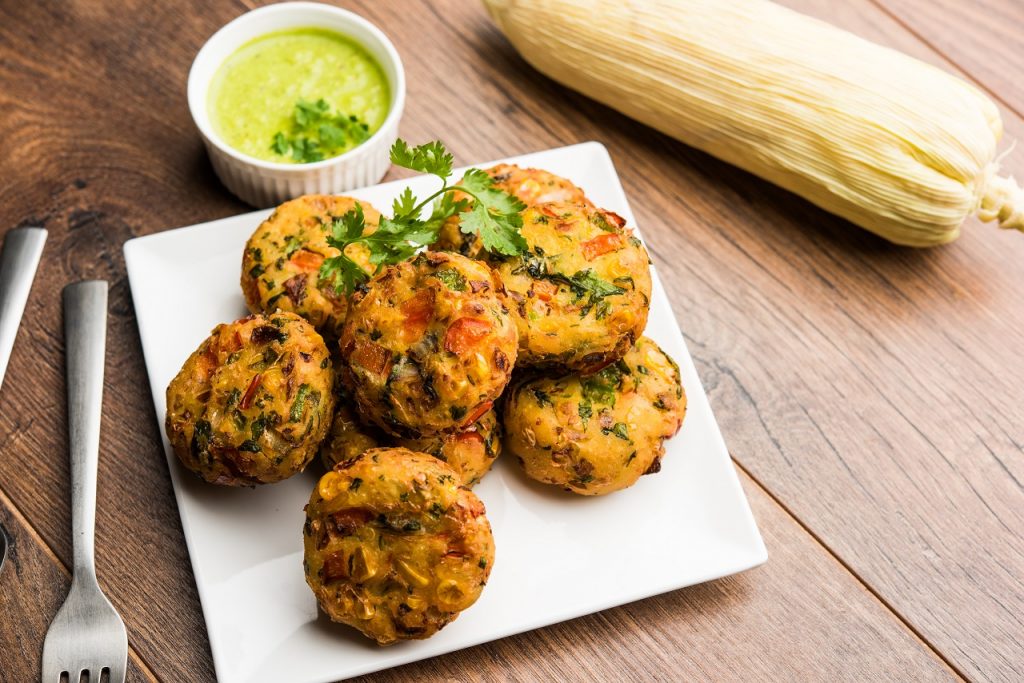
  • Healthy Eating: Crispy Monsoon Corn Tikkis
  • Antenatal Exercises: Your Guide to a Fit and Healthy Pregnancy

Stay Updated

Archives

  • July 2026 (24)
  • June 2026 (22)
  • May 2026 (20)
  • April 2026 (24)
  • March 2026 (18)
  • February 2026 (14)
  • January 2026 (14)
  • December 2025 (19)
  • November 2025 (15)
  • October 2025 (20)
  • September 2025 (6)
  • August 2025 (6)
  • July 2025 (10)
  • June 2025 (18)
  • May 2025 (16)
  • April 2025 (22)
  • March 2025 (26)
  • February 2025 (21)
  • January 2025 (25)
  • December 2024 (22)
  • November 2024 (22)
  • October 2024 (20)
  • September 2024 (22)
  • August 2024 (28)
  • July 2024 (16)
  • June 2024 (23)
  • May 2024 (26)
  • April 2024 (27)
  • March 2024 (27)
  • February 2024 (23)
  • January 2024 (21)
  • December 2023 (14)
  • November 2023 (10)
  • October 2023 (19)
  • September 2023 (22)
  • August 2023 (16)
  • July 2023 (18)
  • June 2023 (21)
  • May 2023 (20)
  • April 2023 (19)
  • March 2023 (23)
  • February 2023 (19)
  • January 2023 (15)
  • December 2022 (11)
  • November 2022 (15)
  • October 2022 (15)
  • September 2022 (12)
  • August 2022 (9)
  • July 2022 (17)
  • June 2022 (11)
  • May 2022 (10)
  • April 2022 (6)
  • March 2022 (6)
  • February 2022 (13)
  • January 2022 (11)
  • December 2021 (7)
  • November 2021 (3)
  • October 2021 (6)
  • September 2021 (3)
  • August 2021 (8)
  • July 2021 (7)
  • June 2021 (15)
  • May 2021 (16)
  • April 2021 (10)
  • March 2021 (7)
  • February 2021 (4)
  • January 2021 (4)
  • December 2020 (3)
  • November 2020 (4)
  • October 2020 (10)
  • September 2020 (3)
  • August 2020 (3)
  • July 2020 (2)
  • June 2020 (4)
  • May 2020 (10)
  • April 2020 (12)
  • March 2020 (10)
  • February 2020 (4)
  • January 2020 (4)
  • December 2019 (3)
  • November 2019 (7)
  • October 2019 (5)
  • September 2019 (4)
  • August 2019 (9)
  • July 2019 (9)
  • June 2019 (11)
  • May 2019 (4)
  • April 2019 (8)
  • March 2019 (8)
  • February 2019 (9)
  • January 2019 (8)
  • December 2018 (9)
  • November 2018 (3)
  • October 2018 (3)
  • September 2018 (5)
  • August 2018 (10)
  • July 2018 (6)
  • June 2018 (13)
  • May 2018 (8)
  • April 2018 (18)
  • March 2018 (9)
  • February 2018 (8)
  • January 2018 (15)
  • December 2017 (12)
  • November 2017 (19)
  • October 2017 (13)
  • September 2017 (15)
  • August 2017 (4)
  • July 2017 (8)
  • June 2017 (7)
  • May 2017 (6)
  • April 2017 (8)
  • March 2017 (6)
  • February 2017 (7)
  • January 2017 (9)
  • December 2016 (10)
  • November 2016 (7)
  • October 2016 (7)
  • September 2016 (7)
  • August 2016 (11)
  • July 2016 (9)
  • June 2016 (9)
  • May 2016 (12)
  • April 2016 (17)
  • March 2016 (17)
  • February 2016 (8)
  • January 2016 (6)
  • December 2015 (2)
  • November 2015 (9)
  • October 2015 (7)
  • September 2015 (9)
  • August 2015 (11)
  • July 2015 (9)
  • June 2015 (11)
  • May 2015 (9)
  • April 2015 (13)
  • March 2015 (8)
  • February 2015 (5)
  • January 2015 (12)
  • December 2014 (14)
  • November 2014 (11)
  • October 2014 (6)
  • September 2014 (13)
  • August 2014 (12)
  • July 2014 (6)
  • June 2014 (2)
  • May 2014 (7)
  • April 2014 (4)

From Burnout to Balance: How Dr. Ranjit Reclaimed His Health

Dr Ranjit Bhatt has spent years tending to others. A practising doctor in Odisha, his days were packed with patients, surgeries, and emergencies. From the outside, it looked like a life lived in service. But on the inside, something wasn’t right. “I had no … [Read More...]

From Shimla’s Slopes to Chandigarh’s Sidewalks: Surinder Kaur Bhalla’s Journey from Chaos to Control

Some journeys start with a plan. Others begin with a stumble literally. Surinder Bhalla, a government professional, born and raised in the scenic hill town of Shimla, had always lived a life of movement. “In Shimla, you walked everywhere,” she reflects. “Walking was never an exercise. It was just life.” But after shifting to Chandigarh, […]

“I’ve Challenged Myself to Live 100 Years” – The Story of Chandubhai Savani’s Second Chance at Life

At 67, most people start slowing down. Not Chandubhai Savani. A resident of Surat, Chandubhai, thought life was on track. “My life was going well till I had my bypass surgery,” he says. That surgery, back in 2021, was a wake-up call.  Medication was routine, but exercise wasn’t. His diet? What he calls ‘normal.’ “I […]

Ananda Mukherjee Health Story

From Terminal Illness To Complete Wellness! Ananda Mukherjee Health Story

As we observe World Cancer Day under the powerful theme ‘United by Unique’ (2025-2027)**, we are reminded that every individual’s journey with cancer is distinct, yet united by shared resilience, hope, and the collective fight against this disease. This theme places people at the centre of care and their stories at the heart of the […]

  • HOME
  • HEALTHY LIVING
  • FITNESS
  • HEALTHY RECIPES
  • USER STORIES
  • KARMA
  • BUY GOQii

Copyright ©2016 GOQii