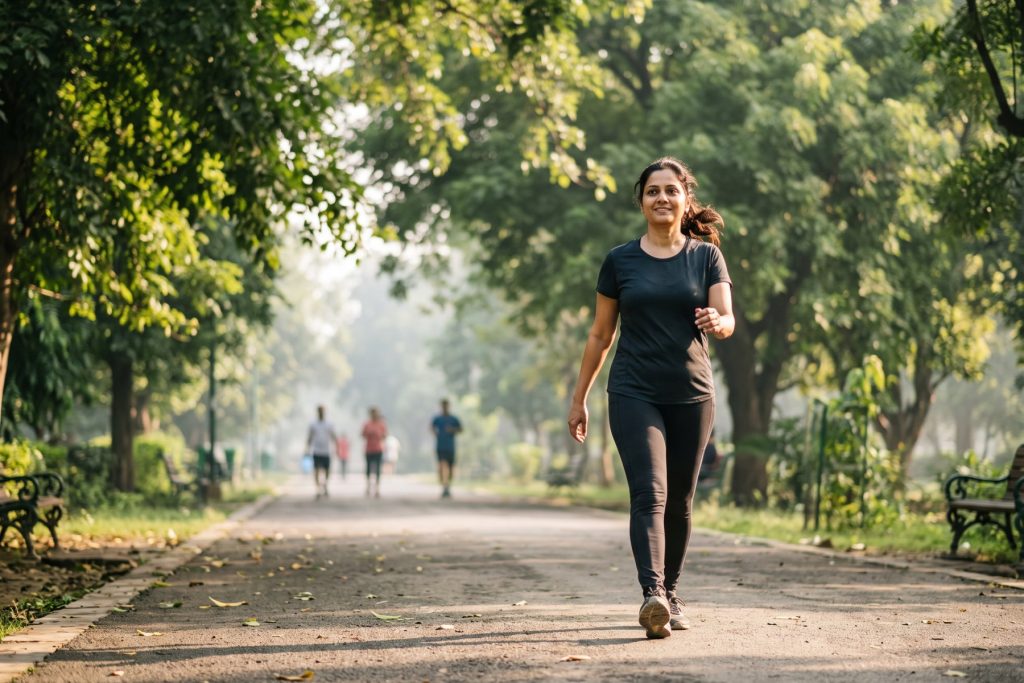
 Fatty liver can be reversed in its early stages, and diet and exercise are the first-line treatment. Losing as little as 5% of your body weight can start to shrink the fat in your liver.
Fatty liver is far more common than most people think. A 2026 study in The Lancet Regional Health – Southeast Asia found it in nearly 4 in 10 urban Indian adults, and most of them didn’t know. It usually causes no symptoms until the liver is already scarred.
The good news is that your liver responds quickly to the right changes. Here is what the evidence says about how much weight to lose, what to eat, and how to move.
Fatty liver at a glance
- It is reversible early on. Simple fat build-up and even early inflammation can clear with weight loss.
- Small losses count. About 5% of body weight reduces liver fat; 7–10% can clear inflammation and help scarring.
- Lean people need a smaller target. If you are not overweight, losing 3–5% can still help.
- What you eat matters most. Cut sugary drinks, refined carbs and processed meat; eat more vegetables, pulses, whole grains and nuts.
- Move most days. Aim for 150–300 minutes of brisk activity a week, plus strength training.
- Stop or cut alcohol. Even moderate drinking adds to the damage.
What fatty liver is, and how far it can be reversed
Fatty liver means extra fat has built up inside your liver cells. When it is linked to excess weight, high blood sugar, high blood pressure or abnormal cholesterol, doctors now call it MASLD (metabolic dysfunction-associated steatotic liver disease). Its older name was NAFLD.
MASLD can move through four stages. The earlier you act, the more of it you can undo.
| Stage | What is happening | Can it be reversed? |
| 1. Simple fatty liver (steatosis) | Fat builds up in liver cells, with little or no damage | Yes, often within months |
| 2. MASH (steatohepatitis) | The fat causes inflammation and injures liver cells | Often, with enough weight loss |
| 3. Fibrosis | Ongoing injury leaves scar tissue | Partly; it can improve or stop progressing |
| 4. Cirrhosis | Scarring is severe and the liver’s structure changes | Rarely; the aim is to stop it getting worse |
Fibrosis is what matters most for your long-term health. In the Phenome India study, 6.3% of people with fatty liver already had significant scarring, compared with 1.7% of those without it. Scarring raises the risk of cirrhosis, liver cancer and heart disease.
How much weight do you need to lose?
Less than most people expect. The American Gastroenterological Association gives clear targets, measured as a share of your current weight.
| Weight lost | What it can do | For someone weighing 80 kg |
| 3–5% (if you are lean) | Similar benefits for fat and inflammation as in heavier people | 2.4–4 kg |
| 5% or more | Reduces liver fat | 4 kg |
| 7% or more | Can clear liver inflammation (MASH) | 5.6 kg |
| 10% or more | Can reverse or halt scarring (fibrosis) | 8 kg |
The evidence behind these numbers is strong. In a one-year study of 293 people with MASH who changed only their diet and exercise, 90% of those who lost 10% or more of their weight cleared the inflammation. Scarring improved in 45% of them.
To lose weight at this pace, the same guidance suggests eating about 500–1,000 fewer calories a day than you do now. Aim for steady loss you can keep up, not a crash diet. Breaking a few of the everyday habits that lead to weight gain is a good place to start.
Diet: what to eat for a healthier liver
The best-studied eating pattern for fatty liver is the Mediterranean diet. Guidelines recommend it, along with cutting saturated fat, red and processed meat, and added fructose from sugary drinks and sweets.
You don’t need to eat Mediterranean food to follow it. The same principles fit a home-cooked Indian plate: plenty of vegetables and pulses, whole grains, nuts and seeds, unsaturated oils, and fish or lean protein, with few sweets and fried snacks. Indian liver specialists are now testing an “Indianised” Mediterranean diet for exactly this reason.
Cut back on
- Sugary drinks. Packaged juices, colas, sweetened lassi, and tea or coffee with lots of sugar. Fructose from added sugar is turned into fat by the liver.
- Refined carbs. White rice in large portions, maida (bread, biscuits, naan) and sweets.
- Fried and ultra-processed foods. Namkeen, chips, pakoras, instant noodles and bakery snacks.
- Red and processed meat. Sausages, salami and frequent mutton.
- Ghee, vanaspati and butter in large amounts. These are high in saturated fat.
Eat more of
- Vegetables: half your plate at lunch and dinner.
- Pulses and legumes: dal, chana, rajma and sprouts, for protein and fibre.
- Whole grains: millets (jowar, bajra, ragi), brown or hand-pounded rice, whole wheat atta and oats.
- Healthy fats: nuts, seeds, and oils such as mustard, groundnut or olive in modest amounts.
- Lean protein: fish, eggs, chicken, paneer, curd and tofu.
Simple Indian swaps
| Instead of | Try |
| Sweetened chai, three times a day | Less sugar each week, or unsweetened tea or coffee |
| Packaged fruit juice | A whole fruit |
| A big plate of white rice | Half rice, half vegetables, plus dal |
| Maida roti, naan or bread | Whole wheat, jowar or bajra roti |
| Namkeen or biscuits at tea time | Roasted chana, a handful of nuts or sprouts chaat |
| Fried snacks | Steamed, grilled or air-fried versions |
Other diets such as low-carb, intermittent fasting or meal replacements may help you lose weight. But the AGA notes they haven’t been studied enough to recommend for fatty liver specifically. The best diet is one you can keep up.
Exercise: how much and what kind
Exercise cuts liver fat even if the scale barely moves. In a review of 14 trials, people who exercised were 3.5 times more likely to reduce their liver fat meaningfully than those who didn’t. Their average weight loss was under 3%.
The amount that made the difference was about 150 minutes a week of brisk walking, or 75 minutes of vigorous activity such as jogging or cycling. The AGA recommends 150–300 minutes of moderate or 75–150 minutes of vigorous aerobic exercise a week, with strength training on top.
A simple weekly plan
| Type | How much | Examples |
| Moderate aerobic | 30–45 minutes, 5 days a week | Brisk walking, cycling, swimming, dancing |
| Strength training | 2–3 sessions a week | Squats, lunges, push-ups, resistance bands, weights, surya namaskar |
| Less sitting | Every 30–60 minutes | Stand up, walk during calls, take the stairs |
Tips to make it stick
- Start where you are. If you are inactive now, begin with 10-minute walks after meals and build up.
- Walk after meals. A short walk after lunch and dinner is easy to fit into an Indian routine.
- Pick something you enjoy. Yoga, badminton, dance or a walking group all count if they raise your heart rate.
- Combine exercise with diet. Exercise alone helps, but the AGA notes it works best alongside eating fewer calories.
Other things that help
If you are not overweight
Many Indians get fatty liver at a normal weight. This “lean” fatty liver is often linked to insulin resistance and hidden belly fat, and Indians tend to store fat around the abdomen even at lower body weights. The same diet and exercise advice applies, with a smaller target: losing 3–5% of your weight brings similar benefits. Track your waist size as well as your weight.
Alcohol
If you have fatty liver, the AGA advises that alcohol should be restricted or stopped. Alcohol and metabolic fat damage the liver together, so cutting it out gives your diet and exercise the best chance of working.
Coffee
Regular coffee drinking is linked to a lower risk of liver scarring in people with fatty liver. In one study that followed people for 15 years, coffee drinkers with fatty liver were less likely to develop advanced fibrosis. This is an association, not proof, and it applies to coffee without much sugar.
Blood sugar, blood pressure and cholesterol
Fatty liver usually comes with other metabolic problems. Guidelines say diabetes, high blood pressure and abnormal cholesterol should be managed actively. Keep taking any medicines you have been prescribed for them.
Skip the shortcuts
Liver detox teas, cleanses and herbal capsules won’t reverse fatty liver, and some supplements can harm the liver. Ask your doctor before taking any of them.
Tracking your progress
You can’t feel fat leaving your liver, so track it with numbers. Weigh yourself weekly, measure your waist monthly, and follow up with your doctor on these tests:
- Liver function test (LFT). Enzymes such as SGPT (ALT) often fall as liver fat drops. Normal results don’t rule out fatty liver, though.
- Shows whether fat is present, but is less precise for small changes.
- A quick, painless scan that measures liver fat and stiffness. It can pick up scarring long before symptoms appear.
- HbA1c, cholesterol and blood pressure. These usually improve along with your liver.
When to see a doctor
See a doctor if you have diabetes, obesity or abnormal liver tests, or if a scan shows fatty liver. They can check for scarring and plan follow-up. Get urgent care for yellow eyes or skin, a swollen belly or legs, vomiting blood, black stools, or confusion. These can be signs of advanced liver disease.
What about medicines?
Lifestyle change remains the first treatment for everyone. For people whose fatty liver has already caused inflammation and moderate to advanced scarring, there are now medicines too. In July 2026, India’s drug regulator approved semaglutide (Wegovy) for this group, to be used alongside a reduced-calorie diet and more physical activity. These medicines need a prescription and a specialist’s assessment.
The bottom line
Fatty liver is common, silent and, caught early, reversible. You don’t need a special diet or supplement. Lose 5–10% of your weight, or 3–5% if you are lean. Eat more vegetables, pulses and whole grains and fewer sugary and fried foods. Move for at least 150 minutes a week, and cut out alcohol. As our World Liver Day guide puts it, solid everyday habits build a strong liver.
Pro Tip: Reversing fatty liver is about small habits kept up for months. Use the GOQii App to track your meals, weight, steps, activity and sleep in one place. Your GOQii Personalised Health Coach can turn your weight-loss target into a weekly plan that fits your food and routine, and keep you on track.
Frequently Asked Questions (FAQs)
- Can fatty liver be completely reversed?
In the early stages, yes. Simple fatty liver and the inflammation stage (MASH) can clear with enough weight loss. Scarring (fibrosis) can improve or stop progressing. Cirrhosis is rarely reversible, so acting early matters.
- How long does it take to reverse fatty liver?
Liver fat responds fairly quickly once you start eating less and moving more, often within a few months. Clearing inflammation and scarring takes longer. In the key study on this, people made lifestyle changes for a full year.
- How much weight do I need to lose?
Losing 5% of your body weight reduces liver fat. Losing 7–10% can clear inflammation and help reverse scarring. If you are not overweight, 3–5% can bring similar benefits.
- What is the best diet for fatty liver?
A Mediterranean-style diet has the strongest evidence. In Indian terms, that means plenty of vegetables, dal and other pulses, whole grains and millets, nuts and modest amounts of healthy oils, with few sweets, sugary drinks, fried snacks and processed meat.
- What kind of exercise is best for fatty liver?
Any regular exercise helps. Aim for at least 150 minutes a week of brisk walking or similar activity, plus strength training two or three times a week. Exercise reduces liver fat even before you lose much weight.
- Can I have fatty liver if I am thin?
Yes. Many Indians develop fatty liver at a normal weight, often because of insulin resistance and fat stored around the belly. The same diet and exercise advice applies, with a weight-loss target of 3–5%.
- Is there a medicine for fatty liver?
Lifestyle change is the first treatment for everyone. In July 2026, India approved semaglutide (Wegovy) for people whose fatty liver has caused inflammation and moderate to advanced scarring, used alongside diet and exercise. It needs a prescription and a specialist’s assessment.
#BeTheForce
Disclaimer: The information provided in this blog is for general awareness and educational purposes only. It is not intended to replace professional medical advice, diagnosis, or treatment. Always consult a qualified healthcare provider for personalised medical guidance or concerns related to your health.
 Your liver is one of the most hardworking organs in your body, performing over 500 essential functions, from detoxifying harmful substances to aiding digestion and metabolism. But with today’s lifestyle—highly processed diets, excessive alcohol, and sedentary habits—the liver often bears the brunt, leading to issues like fatty liver disease.
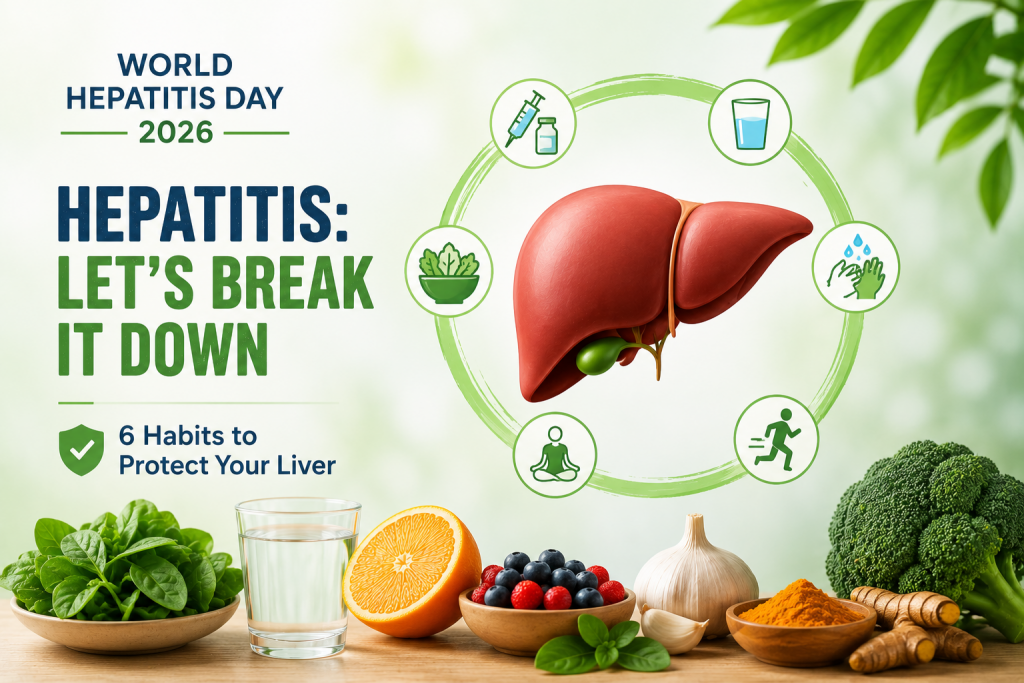 The Big Question – Your liver works around the clock to keep you healthy but how often do you think about protecting it?
 Your liver is the ultimate multitasker. It performs over 500 vital functions every single day—from filtering out toxins to breaking down food and storing energy. But because it is so resilient, it rarely complains when things go wrong, which means liver health is often ignored until a serious issue arises.


