GOQii

Blog

  • HOME
  • HEALTHY LIVING
  • FITNESS
  • HEALTHY RECIPES
  • USER STORIES
  • KARMA
  • BUY GOQii

Search Results for: kidney

February 20, 2025 By Sindhu Ashwin 4 Comments

Interesting facts about Salt you should know

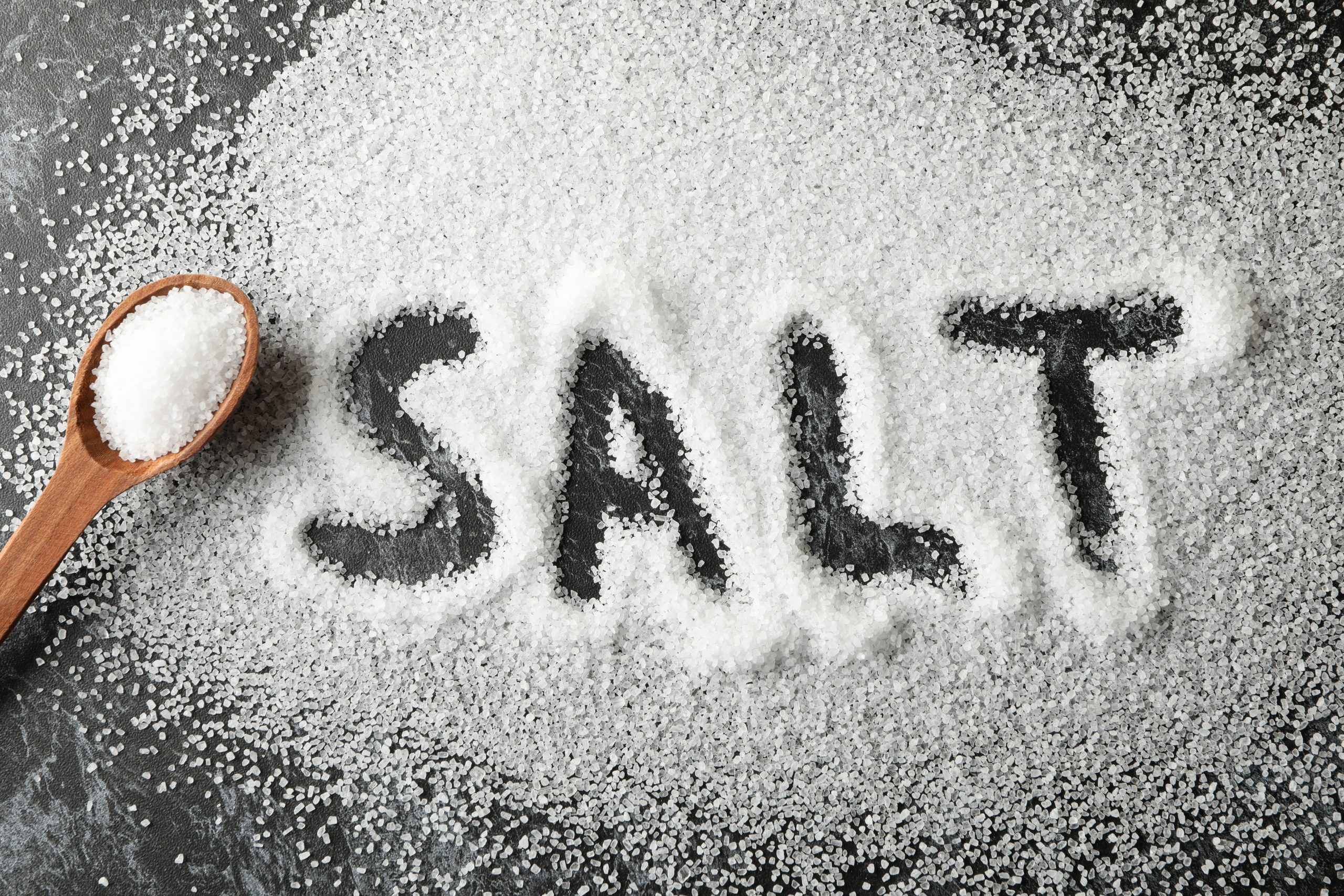
SaltWe all know that salt is an essential ingredient in our food. It’s hard to imagine a meal without it! But what exactly is salt, and why is it so important? While most of us are familiar with table salt, there are some fascinating facts about salt that you might not know. Let’s dive into the world of salt and uncover its role in our lives.

What is Salt?

Salt is made from sodium, a naturally occurring mineral, and is a major ingredient used worldwide. Most of the sodium we consume is in the form of sodium chloride, commonly known as table salt. But salt is more than just a seasoning—it plays a vital role in our health and daily lives.

Interesting facts about Salt

  1. Widely used Additive
    • Salt is one of the first food additives and seasonings used by humans. Today, it’s one of the most widely used additives, second only to sugar in the amount added to food.
  2. Too much salt is harmful
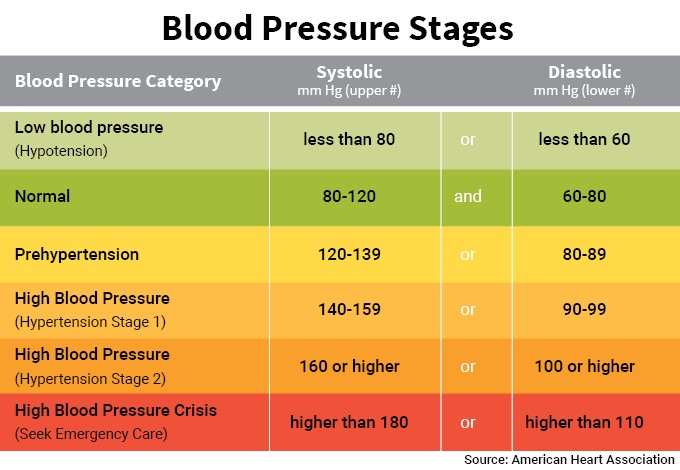
    • While salt is necessary for human life, over consumption can lead to health issues like high blood pressure, hypertension, and heart disease. On the other hand, consuming too little salt can cause hypotension.
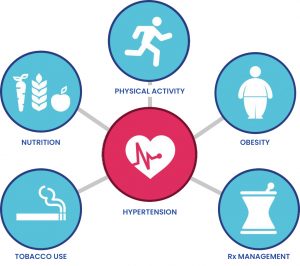
    • High blood pressure is a major risk factor for heart disease, stroke, and kidney disease. However, sodium intake alone isn’t the sole cause—factors like family history, weight, race, physical fitness, and smoking also play a role.
  3. How Much Salt Should You Consume?
    • Under normal conditions, a person needs about 2500 milligrams of sodium daily, which is roughly half a teaspoon of salt.
  4. Replenishing Salt
    • During conditions like excessive sweating (from workouts, sports, or trekking), diarrhea, or vomiting, sodium is lost, and the body’s need for it increases. This increased need can usually be met through diet, as the average diet already contains more sodium than required.

Sources of Sodium

  1. Table salt and seasoning:
    • Sodium is often added to foods during preparation in the form of table salt, monosodium glutamate (MSG), sea salt, black salt, or rock salt. One level teaspoon of salt contains about 2000 milligrams of sodium.
  2. Processed foods:
    • Salt and sodium-containing additives are commonly found in processed foods like chips, salted nuts, pickles, sauces, and ketchup. These additives also help preserve food.
  3. Natural sources:
    • All animal-based foods naturally contain sodium. Most fresh fruits and vegetables also have small amounts of sodium.
  4. Medicines:
    • Some over-the-counter drugs and medications contain sodium, so it’s important to check labels if you’re monitoring your sodium intake.

The Role of Salt in Health

Experts believe that while cutting down on salt may not prevent high blood pressure, it can help lower blood pressure for people who are “salt-sensitive.” A low-salt diet, combined with weight loss, medication, or other lifestyle changes, can effectively control high blood pressure.

Salt is a tasty and essential ingredient in our daily cooking, but moderation is key. Use it wisely to stay healthy. For instance, switching to rock salt can help keep blood pressure in check.

We hope this article equips you with valuable insights into the role of salt in your life. If you found this information helpful, we’d love to hear your thoughts in the comments below.

#BeTheForce

Disclaimer: The information provided in this blog is for general awareness and educational purposes only. It is not intended to replace professional medical advice, diagnosis, or treatment. Always consult a qualified healthcare provider for personalised medical guidance or concerns related to your health.

February 6, 2025 By GOQii Leave a Comment

Revolutionizing Post-Transplant Care: How GrafCare is Changing Lives with AI and Genomics

Receiving an organ transplant is often described as a second chance at life. But what happens after the surgery is just as crucial as the procedure itself. The journey doesn’t end in the operating room; it begins there.



Post-transplant care is a lifelong commitment—one that involves constant monitoring, medication management, and the looming risk of organ rejection. Patients often face a multitude of challenges, including the financial burden of long-term medication, emotional stress, and the need for regular diagnostic tests. Unfortunately, traditional healthcare systems are not always equipped to provide the proactive, personalized support that transplant recipients need to ensure the success of their grafts.

Recognizing these challenges, GOQii and Acrannolife Genomics have joined forces to launch GrafCare, a revolutionary AI-powered program designed to redefine post-transplant care.

GrafCare: AI & Genomics for Smarter Health Monitoring

The GrafCare Program combines cutting-edge genomic diagnostics, artificial intelligence (AI), and personalized health tracking to improve patient outcomes and quality of life.

Unlike traditional methods that react to complications after they occur, GrafCare predicts and prevents issues before they become life-threatening. Here’s how:

1. Early Detection with the Trunome Test

At the heart of GrafCare is Acrannolife’s US-patented Trunome test, a non-invasive blood test that detects early signs of organ rejection or infection. This AI-powered genomic diagnostic tool provides precise, real-time insights, allowing doctors to intervene before complications arise.

2. AI-Powered Health Monitoring

Every patient enrolled in GrafCare receives a GOQii Smart Vital Device—a wearable that continuously tracks heart rate, blood pressure, oxygen levels, and more. AI-driven analytics process this data to detect anomalies and send early alerts, ensuring that healthcare providers can step in proactively.

3. Personalized Recovery Plans & Expert Coaching

GrafCare goes beyond technology—it focuses on holistic patient well-being. The program offers:
*  Access to expert nutritionists and counsellors to design personalized recovery plans based on the patient’s genetic profile.
*  Preventive care strategies to minimize long-term health risks and dependency on emergency interventions.

4. Financial Support for Patients

One of the biggest barriers to successful post-transplant care is cost. GrafCare tackles this by offering:
* Interest-free loans for up to one year
*  Discounts on immunosuppressants (lifesaving medications that prevent organ rejection)
* Free diagnostic tests (Tacrolimus monitoring, kidney/liver function tests)

These benefits ease the financial burden on patients, allowing them to focus on what truly matters—healing and thriving.

Shaping the Future of Preventive Medicine

The GrafCare Program marks a paradigm shift in healthcare, moving from a reactive to a predictive and preventive model. This is not just a healthcare initiative—it’s a lifeline for transplant recipients.

Vishal Gondal, Founder & CEO of GOQii, emphasized the significance of this approach:

“With GrafCare, we’re harnessing the power of AI and genomics to empower patients and clinicians alike, offering a new level of care that was previously unattainable.”

Similarly, Agragesh Ramani, Co-founder of Acrannolife Genomics, highlighted the personal inspiration behind this initiative:

“Having personally experienced the transplant journey within my own family, I understand the emotional and physical challenges patients face. The GrafCare Program offers early and accurate detection of organ rejection, giving patients the best chance to protect their graft.”

A Vision for Global Healthcare

With over 20,000 transplants performed annually in India alone, and a rising global demand for advanced post-transplant care, GrafCare is poised to transform patient outcomes worldwide. Plans include expanding into Southeast Asia and the Middle East, ensuring more transplant recipients benefit from AI-driven, precision medicine.

By integrating genomics, AI, and preventive care, GrafCare is not just redefining post-transplant healthcare—it is setting a new global standard.

For those who have undergone an organ transplant, the future just got a little brighter.

Watch this video on GrafCare: Click here

#BeTheForce

February 3, 2025 By GOQii 5 Comments

Why You Need To Consume More Water During Winter

consume more water during winterWinter can be a dreadful experience if you don’t have the resistance to withstand cold. While searching for things to keep us warm from the outside and within, consuming water is quite low on our winter checklist. But there are many reasons why you need to consume more water during winter – one of them being that we get more dehydrated during winter.

Why Do We Feel More Dehydrated During Winter? 

It’s a fact that we get more dehydrated in winter when compared to summer. This is because when the surrounding temperature drops, we cling to the heater or cover ourselves with layers of clothing to keep us warm. This artificial heat causes dehydration.

Though we do not sweat during this season, water vapor is still lost from our body through our breath. Winter can even accelerate dehydration because of the lifesaving mechanism that’s functional in our body which constricts our blood vessels in cold weather, in turn conserving heat and maintaining body temperature.

Shrinking blood vessels increase blood pressure, making our kidneys produce more urine which means less blood to fill in the veins and arteries and frequent visits to the loo, hence, increasing the risk of dehydration. Dehydration causes muscle fatigue, cramps, loss of coordination and even a stroke. A dehydrated body is easily prone to flu and winter cold.

Basically, during winters we refrain from having enough water. With the days being short, it makes us exercise less and our food intake grows. When our body is well hydrated, its efficiency to break down fat for energy increases so that we have better control of our appetite.

The other concern is that of water retention due to the body not being well hydrated during winter. This takes place when our body starts feeling the scarcity of water and it starts holding back water leading to water retention.

How do I know if I am dehydrated? – Thirst is our body’s way of saying “I am on the verge of dehydration”. You can even be watchful of how clear or light colored your urine is. If it is dark, hydrate immediately.

How Do I Consume More Water During Winter?

  1. Drink Warm Water: 90% of the excuses that we give for not having water in winter is that it makes us feel cold. The best solution here is to drink lukewarm water, which would not only soothe your throat but will also replenish your water stores while boosting your metabolism
  2. Balance Tea and Coffee With Water: Caffeine and alcohol are diuretics (they cause us to lose more water through urine), so try to have a glass of water before having your evening tea/coffee. Have another glass after a few mins of after having your tea/coffee This way, we can replenish our body’s water store.
  3. Include Water Based Food In Your Menu: Vegetables and fruits are naturally rich in water, which also provide vital minerals and vitamins. Soups are the best way to go! Try this Chilli Bean Soup to keep you warm.
  4. Drink Water Throughout Your Exercise: Make it a point to have water before, during and after your exercise. Due to the cold climate, there are very fewer chances of sweating too much or feeling too thirsty, mind it your body needs it!
  5. Make Water Interesting: Many find drinking plain water very boring. If you are one of them, then you can add natural flavors to water (not free calories though) by adding some fruits or herbs which give the water some mild taste and make it delicious to sip on.

In conclusion, I would say be it summer, monsoon or winter, our body remains same through the year. So keep sipping and always stay hydrated! If you have difficulty keeping track of your water intake, you can log and track your daily water intake via the GOQii App as well as set reminders to drink water.

We hope this article helps you consume more water. For more on staying healthy during winter, check out Healthy Reads or ask a GOQii Coach by subscribing for Personalised Health Coaching here.

#BeTheForce 

Disclaimer: The information provided in this blog is for general awareness and educational purposes only. It is not intended to replace professional medical advice, diagnosis, or treatment. Always consult a qualified healthcare provider for personalised medical guidance or concerns related to your health.

January 24, 2025 By Soni Thakur 5 Comments

Top 10 Foods Which Will Help You Gain Muscles Naturally

too much sugarIf you are looking to build muscles, overtraining is not the way to go! Instead, try foods which will help you gain muscles naturally as well as help you shed excess fat. In order to maximize your results from a workout, you must focus on your diet as both nutrition and physical activities are critical if you want to gain muscles.

Why Do You Need Muscles? 

Muscles are not only important for being in shape but it has other functions and benefits too. For instance: 

  • Muscles increase metabolic rate
  • They make everyday chores easier
  • Muscles reduce the risk of many chronic diseases
  • Muscle gain builds and strengthens your bones and tendons, which can help prevent broken bones, tendon sprain and tears

Top 10 Foods Which Will Help You Gain Muscles Naturally 

These foods will make your fitness journey more adaptable and diverse in terms of choices:

  1. Eggs: High Protein foods are very important for gaining muscles and eggs are grade one quality protein with essential vitamins.
  2. Chicken Breast: The lean protein in chicken is an excellent source of amino acids. Each 3-ounce (85 gram) contains about 26 grams of high quality protein. They are also packed with Vitamin B, which may be particularly important, if you are active.
  3. Salmon and Tuna: are great choices for muscle building and overall health. They provide large amounts of Omega- 3 fatty acids, which support muscle gain.
  4. Soyabean: Numerous studies have demonstrated the effectiveness of Soyabean for promoting fat loss while preserving muscle mass and supporting body mass gain. It is a complete source of protein for vegetarians and a particularly good source of Vitamin K, Iron and Phosphorus. Make sure you buy non-GMO Soyabeans as they are dense in nutrients, have not encountered pesticides and do not contain antibiotics.  
  5. Lentils and Beans: are the secret weapons you need when you want to gain muscles naturally. They are rich in protein and low in fat. They are affordable, widely available and are loaded with Fiber, Vitamin B, Magnesium and Iron – all of which are perfect for muscle gain. Black Lentils, Green Lentils, Split Peas, Navy Beans, Chickpeas, Black Beans, Kidney Beans are some high protein varieties of lentils and beans. You can try soaking and sprouting your lentils and beans as it neutralizes phytic acid and facilitates the bioavailability of nutrients like VitaminB, Vitamin C and the Fiber along with enhancing it’s flavour.
  6. Bengal Gram Flour (Sattu): is the flour of roasted Bengal Gram Dal. It is very rich in protein, dietary fiber and minerals like Calcium, Iron and Manganese. It can be an excellent replacement for market protein powders to fulfil the requirement of protein after an intense workout session. You can mix it in a glass of water, buttermilk, milk and can even blend it with your smoothies.
  7. Nuts: are high in protein and essential fats. They make the perfect snack option for muscle gain. Try a fistful mix trail of Almonds, Walnuts, Cashews, Pistachios and Peanuts for building and maintaining muscles.
  8. Quinoa: Not only is it rich in Protein and Fiber, it is also high in Magnesium and Iron – which helps promote protein synthesis. It contains all nine amino acids essential for building muscle and it is gluten-free as well. It’s the perfect food to rely on during your muscle building program.
  9. Healthy Fats: In general, fats make up 20-35% of our total calories for overall health and muscle gain. We need to focus on healthy sources of fats, including Canola oil, Cold Pressed Extra Virgin Olive oil, Cold Pressed Coconut oil, Avocados, Groundnut oil and oil from nuts and seeds. We know that the very thought of consuming fat makes some of you shudder, but good fats are essential for muscle growth.
  10. A2 Milk and Milk Products: A2 Milk may be a smart choice for those who want to build muscle mass. It contains high quality and easily absorbable Protein, Carbohydrates and Micronutrients (Calcium, Phosphorus and Vitamin B) which are crucial for gaining muscles. You can include products made of A2 milk like Paneer/Curd/Ghee/Butter, but remember that moderation is the key, so don’t over do it.

To reach your goal of gaining muscles, focus on the right sets of exercise and eat more protein-packed foods as listed above. However, it is also important to consume Carbohydrates (Complex) and Fats (Healthy Fats) to provide fuel for exercise and physical activity.

We hope this articles helps you gain muscles naturally with nutrition! Do leave your thoughts in the comments below. For more on fitness and muscle building, check out Healthy Reads or workout with our experts through a live, interactive session on GOQii Pro within the GOQii App. Book a class now! 

#BeTheForce 

  • « Previous Page
  • 1
  • …
  • 9
  • 10
  • 11
  • 12
  • 13
  • …
  • 40
  • Next Page »

Search

Recent Posts

  • Foods to Manage Blood Sugar Naturally: A Complete Guide to Better Blood Sugar Control
  • The Lazy Person’s Guide to Staying Healthy: 5 Micro-Habits That Take Less Than 2 Minutes
  • Healthy Eating: Comforting Chilli Bean Soup Recipe for the Monsoon
  • The Truth About the ‘Beer Belly’: What Alcohol Really Does to Your Metabolism
  • Benefits of Meditation: How One Daily Habit Can Transform Your Mental Wellbeing

Stay Updated

Archives

  • August 2026 (7)
  • July 2026 (25)
  • June 2026 (22)
  • May 2026 (20)
  • April 2026 (24)
  • March 2026 (18)
  • February 2026 (14)
  • January 2026 (14)
  • December 2025 (19)
  • November 2025 (15)
  • October 2025 (20)
  • September 2025 (6)
  • August 2025 (6)
  • July 2025 (9)
  • June 2025 (18)
  • May 2025 (16)
  • April 2025 (22)
  • March 2025 (26)
  • February 2025 (21)
  • January 2025 (25)
  • December 2024 (22)
  • November 2024 (22)
  • October 2024 (20)
  • September 2024 (22)
  • August 2024 (28)
  • July 2024 (15)
  • June 2024 (23)
  • May 2024 (26)
  • April 2024 (27)
  • March 2024 (27)
  • February 2024 (23)
  • January 2024 (21)
  • December 2023 (14)
  • November 2023 (10)
  • October 2023 (19)
  • September 2023 (21)
  • August 2023 (16)
  • July 2023 (16)
  • June 2023 (21)
  • May 2023 (20)
  • April 2023 (19)
  • March 2023 (23)
  • February 2023 (19)
  • January 2023 (15)
  • December 2022 (11)
  • November 2022 (15)
  • October 2022 (15)
  • September 2022 (12)
  • August 2022 (9)
  • July 2022 (17)
  • June 2022 (11)
  • May 2022 (10)
  • April 2022 (6)
  • March 2022 (6)
  • February 2022 (13)
  • January 2022 (11)
  • December 2021 (7)
  • November 2021 (3)
  • October 2021 (6)
  • September 2021 (3)
  • August 2021 (8)
  • July 2021 (7)
  • June 2021 (15)
  • May 2021 (16)
  • April 2021 (10)
  • March 2021 (7)
  • February 2021 (4)
  • January 2021 (4)
  • December 2020 (3)
  • November 2020 (4)
  • October 2020 (10)
  • September 2020 (3)
  • August 2020 (3)
  • July 2020 (2)
  • June 2020 (4)
  • May 2020 (10)
  • April 2020 (12)
  • March 2020 (10)
  • February 2020 (4)
  • January 2020 (4)
  • December 2019 (3)
  • November 2019 (7)
  • October 2019 (5)
  • September 2019 (4)
  • August 2019 (9)
  • July 2019 (9)
  • June 2019 (11)
  • May 2019 (4)
  • April 2019 (8)
  • March 2019 (8)
  • February 2019 (9)
  • January 2019 (8)
  • December 2018 (9)
  • November 2018 (3)
  • October 2018 (3)
  • September 2018 (5)
  • August 2018 (10)
  • July 2018 (6)
  • June 2018 (13)
  • May 2018 (8)
  • April 2018 (18)
  • March 2018 (9)
  • February 2018 (8)
  • January 2018 (15)
  • December 2017 (12)
  • November 2017 (19)
  • October 2017 (13)
  • September 2017 (15)
  • August 2017 (4)
  • July 2017 (8)
  • June 2017 (7)
  • May 2017 (6)
  • April 2017 (8)
  • March 2017 (6)
  • February 2017 (7)
  • January 2017 (9)
  • December 2016 (10)
  • November 2016 (7)
  • October 2016 (7)
  • September 2016 (7)
  • August 2016 (11)
  • July 2016 (9)
  • June 2016 (9)
  • May 2016 (12)
  • April 2016 (17)
  • March 2016 (17)
  • February 2016 (8)
  • January 2016 (6)
  • December 2015 (2)
  • November 2015 (9)
  • October 2015 (7)
  • September 2015 (9)
  • August 2015 (11)
  • July 2015 (9)
  • June 2015 (11)
  • May 2015 (9)
  • April 2015 (13)
  • March 2015 (8)
  • February 2015 (5)
  • January 2015 (12)
  • December 2014 (14)
  • November 2014 (11)
  • October 2014 (6)
  • September 2014 (13)
  • August 2014 (12)
  • July 2014 (6)
  • June 2014 (2)
  • May 2014 (7)
  • April 2014 (4)

From Burnout to Balance: How Dr. Ranjit Reclaimed His Health

Dr Ranjit Bhatt has spent years tending to others. A practising doctor in Odisha, his days were packed with patients, surgeries, and emergencies. From the outside, it looked like a life lived in service. But on the inside, something wasn’t right. “I had no … [Read More...]

From Shimla’s Slopes to Chandigarh’s Sidewalks: Surinder Kaur Bhalla’s Journey from Chaos to Control

Some journeys start with a plan. Others begin with a stumble literally. Surinder Bhalla, a government professional, born and raised in the scenic hill town of Shimla, had always lived a life of movement. “In Shimla, you walked everywhere,” she reflects. “Walking was never an exercise. It was just life.” But after shifting to Chandigarh, […]

“I’ve Challenged Myself to Live 100 Years” – The Story of Chandubhai Savani’s Second Chance at Life

At 67, most people start slowing down. Not Chandubhai Savani. A resident of Surat, Chandubhai, thought life was on track. “My life was going well till I had my bypass surgery,” he says. That surgery, back in 2021, was a wake-up call.  Medication was routine, but exercise wasn’t. His diet? What he calls ‘normal.’ “I […]

Ananda Mukherjee Health Story

From Terminal Illness To Complete Wellness! Ananda Mukherjee Health Story

As we observe World Cancer Day under the powerful theme ‘United by Unique’ (2025-2027)**, we are reminded that every individual’s journey with cancer is distinct, yet united by shared resilience, hope, and the collective fight against this disease. This theme places people at the centre of care and their stories at the heart of the […]

  • HOME
  • HEALTHY LIVING
  • FITNESS
  • HEALTHY RECIPES
  • USER STORIES
  • KARMA
  • BUY GOQii

Copyright ©2016 GOQii