GOQii

Blog

  • HOME
  • HEALTHY LIVING
  • FITNESS
  • HEALTHY RECIPES
  • USER STORIES
  • KARMA
  • BUY GOQii

Search Results for: hormone

April 8, 2021 By Srini Leave a Comment

Sleep Series: The Chemistry of Sleep

sleep series: chemistry of sleepDifficult to believe? Yes it is true. The perfect sleep is the result of a complex reaction from 2 main chemicals. Adenosine is a neurochemical which accumulates during “wake” and drains during “sleep”. Imagine a specially made hourglass, but one which builds up for approx. 16 hours of our wake cycle and drains within 8 hours of our sleep cycle. The receptors of Adenosine inform the brain that “stock levels are up” and it is time to relax and sleep. As sleep kicks in, stock levels of Adenosine goes down and receptors send a “wake up” signal to the brain.

Adenosine is the primary inducer of sleep-wake cycle. It reduces neural activity and sets you to start sleep. Interestingly, Caffeine blocks the Adenosine receptors and creates the opposite effect.  There we go – as to why we feel a bit fresh and brisk after a cup of coffee – it is an illusion we create by confusing the brain! The body’s excretion system works hard to flush Caffeine. It takes 5-6 hours to flush out just 50% of this possessive chemical.

I’ve mentioned Adenosine over Melatonin as the primary sleep chemical because I wanted to impress upon the impact of Caffeine. We take Caffeine in many forms – Coffee, Cola, energy drinks, etc. Caffeine also impacts the Dopamine and Serotonin chemical reaction, thereby causing a significant disruption of the normal neural activity. 

Do let Adenosine do its job naturally, you will sleep on time and naturally! Caffeine interferes with several hormonal/neurochemical reactions related to sleep. Do not consume Caffeine beyond lunchtime and in any case, beyond 4pm. 

The Magical Darkness Hormone – Melatonin

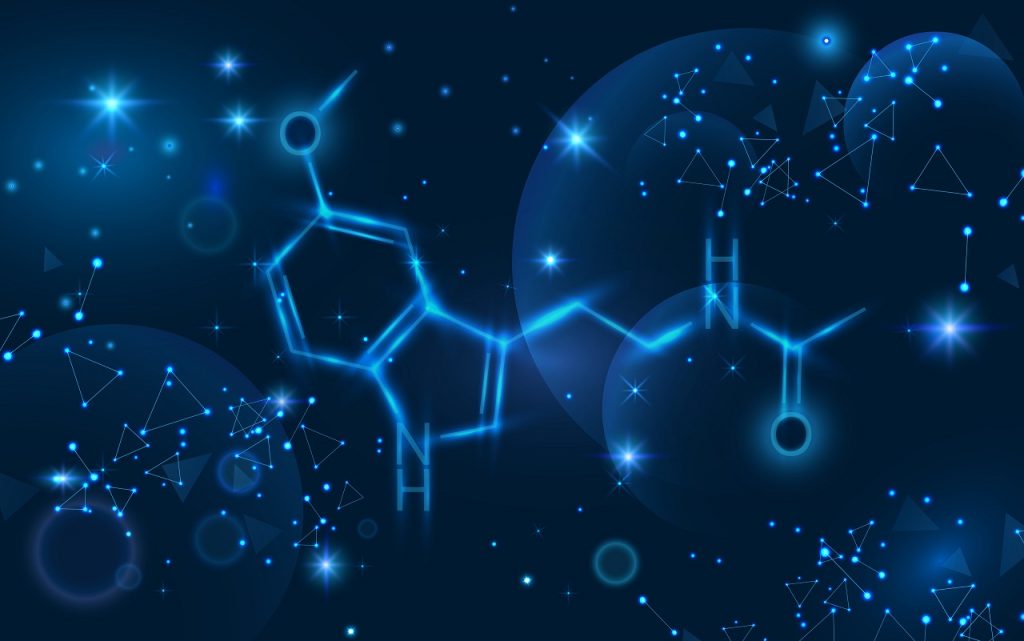
Melatonin is the second chemical responsible for enabling “onset” of sleep. It detoxifies the body of free radicals and other toxins. It starts secretion as soon as darkness sets in and it peaks by midnight. The synthesis of melatonin occurs through a multistep complex chemical process:

  • It all starts with food – food contains an amino acid called tryptophan. Foods like Milk, oats, nuts contain more tryptophan. 
  • Tryptophan is absorbed from the bloodstream to the pineal gland in the brain.
  • First, tryptophan is converted to another amino acid and then to a brain chemical called Serotonin. 2 Enzymes are involved here!
  • Serotonin’s conversion to melatonin involves two more enzymes.
  • All chemicals discussed here follow complex routines and they are part of a chain which is amazingly responsible for the onset of sleep. On top of it all, there is a closely coordinated play of the “Brain-Gut complex” to get this right!

How Can You Aid This Natural Process For Good Sleep? 

DON’T intervene in the natural process! Supplements can’t get you anywhere near the good quality sleep offered by this natural process.  

  • Beware of Caffeine! – Stop post lunch consumption
  • Consume foods high in tryptophan – consult your GOQii coach
  • Gut (Serotonin storage) has its role in sleep, so keep it clean and healthy
  • Get used to darkness after dinner to catalyze natural Melatonin 

Adenosine has other functions such as certain cardiac functions as well. This article does not deal with them. An enzyme is a biological catalyst that speeds up the rate of a chemical reaction and an amino acid is an organic acid used to make proteins usually obtained from food. OTC Melatonin – a small dose is usually fine to get over jet lag. 

We hope this article on the Chemistry of Sleep helps you!  Stay tuned for more from the Sleep Series by Srini! To read more about sleep and sleeping techniques, check out Healthy Reads or tune in to LIVE sessions by experts on GOQii Play. 

#BeTheForce 

March 17, 2021 By Srini 2 Comments

Sleep Series: In Praise Of Darkness!

sleep series

In the beginning there was only darkness and then, light came out of darkness! Light and darkness are not two different and opposing things. Society has made a villain out of darkness. Darkness is used as a synonym of all things sinister. We are trained from childhood to look at darkness with fear.

In Hindu religion, darkness is deified – we have “Maha Kaal” and “Maha Kaali” – in religion this could either mean “darkness” or “time” – there is close relationship between them, but that is for another day. 

There is darkness everywhere – interstellar, intergalactic is just darkness.

Modern living has opted for lights of high luminescence. The poor old incandescent light of 60 watt (tungsten filament bulb) has a luminosity of 400-800 lumens whereas the modern day LED lamps can produce the same lumens at just 5 Watts. Where we had one incandescent light, now we have at least 4 LED! Which means we are consuming 5 times more light! 

Light has to be light ( Pun intended)

Since we fear darkness, we have created a social necessity (business necessity?) for bright light, whereas the number 1 villain for good sleep is LIGHT! Many of us know of the bad impact of blue light emitted from phones, laptops and tablets. Evenings are intended to be a journey to acclimatize to emerging darkness and night time is intended to be pitch-dark by nature.

So, for a good night’s sleep, the gradual reducing of lighting and luminosity is a must. Which means after 7:30pm, you should: 

  • Slowly switch off lights and send a signal of reducing light to the eyes
  • Make the bedroom pitch-dark for sleeping
  • Immediately activate “night mode” in Laptops and Phones

This could easily be the first step towards good sleep! Remember that you are meant to sleep in darkness. The sleep hormone Melatonin (more about this later) is highly impacted by luminosity. Darkness is key to sleep. Light is an inhibitor of sleep. Embrace the darkness, start falling in love with it! Darkness is the source of all light, time and space and is a good first step to a good sleep.

We hope you enjoyed reading this article so far. Stay tuned for more from the Sleep Series! To read more about sleep and sleeping techniques, check out Healthy Reads or tune in to LIVE sessions by experts on GOQii Play. 

#BeTheForce  

January 12, 2021 By Roopa Tandur Leave a Comment

Tips To Support Your Immunity During Winter

support your immunityWith the onset of winter, there’s always that one person at home who catches a cold and spreads it to the rest of the family members due to the close proximity. Infections spread easily during winter and given the ongoing pandemic, it has become quite important to support your immunity and avoid cough, cold and flu. But, is there a way to support your immunity naturally? Let’s take a look! 
Support Your Immunity Naturally 

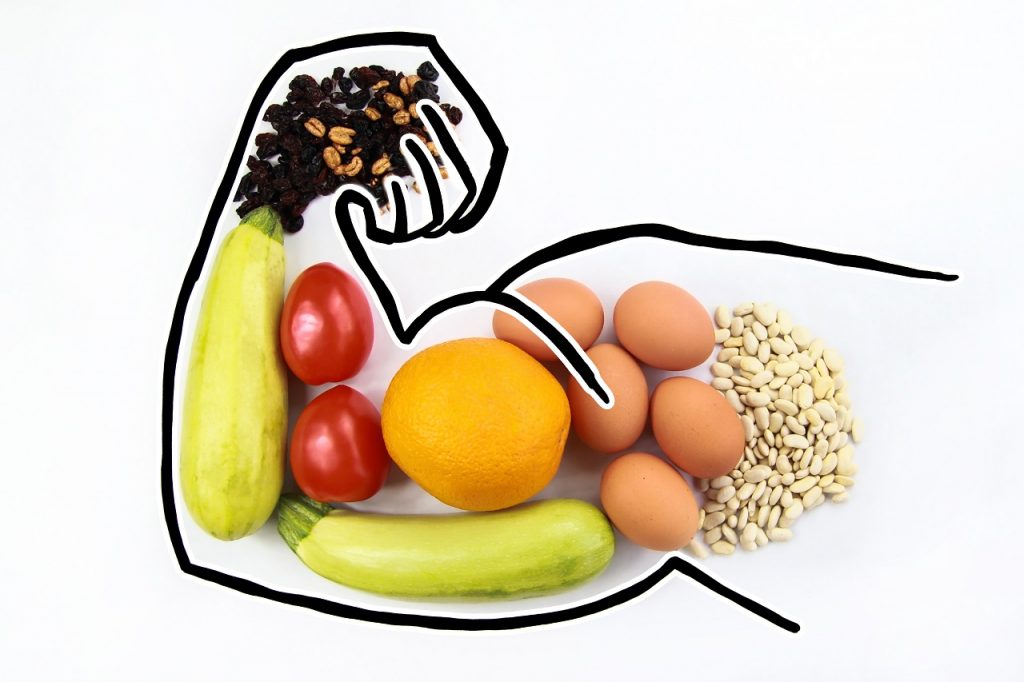
  1. Improve gut health as your gut is your second brain. Any disturbance in gut health will affect your immune system. Prebiotics and probiotics together help keep the gut healthy. Prebiotics in simple terms is the food that feeds the friendly bacteria in the gut. Garlic, onion, leeks, asparagus, bananas, barley, oats and flax seeds all help increase gut friendly bacteria and improve the immune system. On the other hand, probiotics are living microorganisms which give health benefits when taken orally. Probiotic foods include sauerkraut, yogurt, Kimchi and tempeh.
  2. Eat Seasonal and dark coloured fruits and vegetables which are rich in antioxidants and vitamin C like oranges, sweet lime, amla, guava, apple, sweet potato, ginger, carrot and beetroot. You can also have sea buckthorn juice which is the best known source of vitamin C having 12 times more vitamin C than an orange. These foods help us keep our moisture levels and prevent dryness due to seasonal changes.
  3. Get your daily dose of Vitamin D: As there are less food sources of vitamin D, getting a good amount of sunlight, at least 20 minutes during the day, between 9am to 3pm or including supplements to maintain your vitamin D levels is very important, especially if you are living in an area with severe cold. Low levels of vitamin D can lead to low levels of mood boosting hormone, mood swings and depression.
  4. Supplement your regular diet with immune boosting herbs like ashwagandha, tulsi, turmeric, cinnamon, cardamom, methi seeds and ginger. The list is endless! These foods help us keep warm, improve gut health, reduce inflammation and also manage stress – all of which keeps our immunity at optimum levels.
  5. Get adequate sleep of 7-8 hours: When we sleep, we give our body a chance to repair and restore itself to optimal levels. It helps you gear up for the next day’s activities. Good sleep also means fewer cravings for unhealthy food, better management of stress, less hormonal variations and weight gain.
  6. Have well-balanced meals and avoid junk and unhealthy sweets in large quantities as they cause inflammation and increase your risk of infection. Including a lot of sugar in your diet also reduces the white blood cells ability to attack invaders. Having a lot of sweets also leads to more production of free radicals, which increases inflammation and lowers immunity.
  7. Exercise regularly: Aim for 30 minutes of exercise at least 5 days a week as it improves metabolism and blood circulation. This makes it easy for the body to digest food and improved blood circulation makes it easy for cells to absorb nutrients from it. Exercising regularly also helps improve cardiovascular health, manage BP and avoid many lifestyle diseases. Exercise helps us manage our weight as being overweight impairs immunity.
  8. Quit smoking and keep a check on alcohol intake: Nicotine is known to suppress neutrophil’s ability to kill pathogens, leading to tissue damage and inflammation. Research also proves that the brains of smokers have weaker neuro-immune response to infection and inflammation. Alcohol intake kills the healthy bacteria in the gut, triggering inflammation by altering the microbiome of the gut. It also destroys the cells of the immune system which leads to increased risk of serious infection. Alcohol also disrupts the body’s critical functions as the body does not have the ability to store alcohol as it does with other nutrients like carbohydrates or fats. So the moment one consumes alcohol, all the body’s energy is concentrated in breaking down the alcohol and sending it to the liver for further metabolism. 

We hope this article helps you support your immunity and stay strong during winter. Do leave your thoughts in the comments below! For more on immunity, check out Healthy Reads or tune in to LIVE sessions by experts on GOQii Play. 

#BeTheForce 

November 2, 2020 By Sunita Arora Leave a Comment

Boost Testosterone Naturally With These 10 Foods

Boost testosterone naturally

Testosterone is an androgen, a male sex hormone, though females need it too. After the age of 30, most men experience a gradual decline in testosterone. In an attempt to boost testosterone levels, some men switch to T-Booster Supplements. While 90% of the T-Booster supplements in the market claimed to boost testosterone, researchers found that less than 25% of the supplements had data to support their claims. Many of the T-Boosters also contained high doses of vitamins and minerals which is more than the tolerable limit and not good for health at all. As per the FDA, unlike drugs, supplements are not intended to treat, diagnose, prevent or cure diseases. The safest and most effective way to boost testosterone levels naturally is through Nutrition. Good levels of magnesium, zinc, omega-3 and vitamin D in diet can all help to sustain your healthy testosterone levels.

10 Foods To Boost Testosterone Naturally 

If you have low levels of testosterone, then start including the foods listed below to boost testosterone levels. 

  1. Garlic: is called a cortisol reducer because it contains allicin which is very helpful in lowering cortisol levels. Cortisol is produced in the adrenal gland, where testosterone is produced as well. By reducing cortisol in your system adrenal gland, it helps to produce more testosterone effectively. Have 1-2 cloves of crushed garlic in the morning with water or honey and use garlic in cooking food regularly to improve your testosterone levels. 
  2. Pomegranate: is an old aged symbol for fertility, supporting heart health and is used to boost testosterone levels as well. Studies have shown consumption of pure pomegranate juice, around 300ml, increased testosterone levels significantly while lowering blood pressure and reducing stress with improved mood.
  3. Almonds: A nutritional powerhouse for men’s health, almonds are loaded with healthy fats, vitamins and minerals that help support testosterone production. It contains high levels of minerals like Zinc, which is known to raise testosterone levels in people who are Zinc deficient. Have 5-6 soaked almonds daily to see changes. 
  4. Bananas: are the food factory of important vitamins and minerals that aid in the production of testosterone. They are rich in an enzyme called bromelain which boost testosterone levels and are excellent for maintaining energy levels. You can add Bananas in your diet in the form of shakes, smoothies, mix with oat’s porridge or curd, etc.
  5. Spinach: is one of the most popular superfoods, which is rich in iron, magnesium and is an excellent testosterone booster. It has been known as one of the best testosterone boosting foods which is easily available during all the seasons. You can make spinach soup, smoothies or you can add spinach in your curries, sandwiches, etc. 
  6. Honey: contains boron which is kind of a natural mineral associated with helping testosterone levels, building strong bones and muscles. You can replace white sugar in your tea/milk/smoothie with honey. You can also add it to your porridge but make sure it is raw, organic honey and not the processed one.
  7. Lemon: is a citrus fruit which is a great source for boosting testosterone levels. It also has vitamin A, which is required for the production of testosterone. You can have lemon water, add lemon in your salad, soups, etc. to improve testosterone more fruitfully.
  8. Eggs: are packed with testosterone boosting nutrients because they provide a generous amount of high quality protein which is essential for maintaining adequate levels of testosterone. Eggs are also rich in good cholesterol, Vitamin D and omega-3 which boost testosterone levels and help in building muscle. Have 1-2 eggs with yolk in your diet daily to improve your testosterone levels.
  9. Fish: Good quality of Salmon and Tuna work well to boost testosterone levels by 90%. They are super-rich in Vitamin D – which helps maintain sperm count and due to the good amount of omega-3, it boosts testosterone levels effectively. You can include these fatty fishes in your diet 2-3 times a week.
  10. Ashwagandha: is a popular Ayurvedic herb, also called Indian Ginseng or Winter Cherry, It is a natural T-Booster that also helps men who are struggling with infertility. Studies have shown significant improvement in semen quality and also a drop in stress levels in the men taking Ashwagandha. Daily doses of 125mg of ashwagandha all the way up to 5g have shown benefits in clinical trials. But it may interact with your thyroid, blood sugar and blood pressure medications. So you should always consult a medical professional before starting it.

Before beginning to consume any of the foods listed here, please consult a doctor to check for allergies or any other issues these foods may cause. Changing your diet is one of the most effective ways to maintain healthy testosterone levels but physical activity, sleep quality and weight management are equally important. 

If you lack sleep, you find it harder to exercise and easier to gain fat and if you gain weight, your testosterone production drops. If your weight is healthy you find it easier to exercise and get good sleep and if you lose weight, your testosterone levels can jump right back up to normal! 

We hope this article helps you! For more information or guidance, check out LIVE sessions by our experts on GOQii Play. 

#BeTheForce 

  • « Previous Page
  • 1
  • …
  • 53
  • 54
  • 55
  • 56
  • 57
  • …
  • 72
  • Next Page »

Search

Recent Posts

  • Foods to Manage Blood Sugar Naturally: A Complete Guide to Better Blood Sugar Control
  • The Lazy Person’s Guide to Staying Healthy: 5 Micro-Habits That Take Less Than 2 Minutes
  • Healthy Eating: Comforting Chilli Bean Soup Recipe for the Monsoon
  • The Truth About the ‘Beer Belly’: What Alcohol Really Does to Your Metabolism
  • Benefits of Meditation: How One Daily Habit Can Transform Your Mental Wellbeing

Stay Updated

Archives

  • August 2026 (7)
  • July 2026 (25)
  • June 2026 (22)
  • May 2026 (20)
  • April 2026 (24)
  • March 2026 (18)
  • February 2026 (14)
  • January 2026 (14)
  • December 2025 (19)
  • November 2025 (15)
  • October 2025 (20)
  • September 2025 (6)
  • August 2025 (6)
  • July 2025 (9)
  • June 2025 (18)
  • May 2025 (16)
  • April 2025 (22)
  • March 2025 (26)
  • February 2025 (21)
  • January 2025 (25)
  • December 2024 (22)
  • November 2024 (22)
  • October 2024 (20)
  • September 2024 (22)
  • August 2024 (28)
  • July 2024 (15)
  • June 2024 (23)
  • May 2024 (26)
  • April 2024 (27)
  • March 2024 (27)
  • February 2024 (23)
  • January 2024 (21)
  • December 2023 (14)
  • November 2023 (10)
  • October 2023 (19)
  • September 2023 (21)
  • August 2023 (16)
  • July 2023 (16)
  • June 2023 (21)
  • May 2023 (20)
  • April 2023 (19)
  • March 2023 (23)
  • February 2023 (19)
  • January 2023 (15)
  • December 2022 (11)
  • November 2022 (15)
  • October 2022 (15)
  • September 2022 (12)
  • August 2022 (9)
  • July 2022 (17)
  • June 2022 (11)
  • May 2022 (10)
  • April 2022 (6)
  • March 2022 (6)
  • February 2022 (13)
  • January 2022 (11)
  • December 2021 (7)
  • November 2021 (3)
  • October 2021 (6)
  • September 2021 (3)
  • August 2021 (8)
  • July 2021 (7)
  • June 2021 (15)
  • May 2021 (16)
  • April 2021 (10)
  • March 2021 (7)
  • February 2021 (4)
  • January 2021 (4)
  • December 2020 (3)
  • November 2020 (4)
  • October 2020 (10)
  • September 2020 (3)
  • August 2020 (3)
  • July 2020 (2)
  • June 2020 (4)
  • May 2020 (10)
  • April 2020 (12)
  • March 2020 (10)
  • February 2020 (4)
  • January 2020 (4)
  • December 2019 (3)
  • November 2019 (7)
  • October 2019 (5)
  • September 2019 (4)
  • August 2019 (9)
  • July 2019 (9)
  • June 2019 (11)
  • May 2019 (4)
  • April 2019 (8)
  • March 2019 (8)
  • February 2019 (9)
  • January 2019 (8)
  • December 2018 (9)
  • November 2018 (3)
  • October 2018 (3)
  • September 2018 (5)
  • August 2018 (10)
  • July 2018 (6)
  • June 2018 (13)
  • May 2018 (8)
  • April 2018 (18)
  • March 2018 (9)
  • February 2018 (8)
  • January 2018 (15)
  • December 2017 (12)
  • November 2017 (19)
  • October 2017 (13)
  • September 2017 (15)
  • August 2017 (4)
  • July 2017 (8)
  • June 2017 (7)
  • May 2017 (6)
  • April 2017 (8)
  • March 2017 (6)
  • February 2017 (7)
  • January 2017 (9)
  • December 2016 (10)
  • November 2016 (7)
  • October 2016 (7)
  • September 2016 (7)
  • August 2016 (11)
  • July 2016 (9)
  • June 2016 (9)
  • May 2016 (12)
  • April 2016 (17)
  • March 2016 (17)
  • February 2016 (8)
  • January 2016 (6)
  • December 2015 (2)
  • November 2015 (9)
  • October 2015 (7)
  • September 2015 (9)
  • August 2015 (11)
  • July 2015 (9)
  • June 2015 (11)
  • May 2015 (9)
  • April 2015 (13)
  • March 2015 (8)
  • February 2015 (5)
  • January 2015 (12)
  • December 2014 (14)
  • November 2014 (11)
  • October 2014 (6)
  • September 2014 (13)
  • August 2014 (12)
  • July 2014 (6)
  • June 2014 (2)
  • May 2014 (7)
  • April 2014 (4)

From Burnout to Balance: How Dr. Ranjit Reclaimed His Health

Dr Ranjit Bhatt has spent years tending to others. A practising doctor in Odisha, his days were packed with patients, surgeries, and emergencies. From the outside, it looked like a life lived in service. But on the inside, something wasn’t right. “I had no … [Read More...]

From Shimla’s Slopes to Chandigarh’s Sidewalks: Surinder Kaur Bhalla’s Journey from Chaos to Control

Some journeys start with a plan. Others begin with a stumble literally. Surinder Bhalla, a government professional, born and raised in the scenic hill town of Shimla, had always lived a life of movement. “In Shimla, you walked everywhere,” she reflects. “Walking was never an exercise. It was just life.” But after shifting to Chandigarh, […]

“I’ve Challenged Myself to Live 100 Years” – The Story of Chandubhai Savani’s Second Chance at Life

At 67, most people start slowing down. Not Chandubhai Savani. A resident of Surat, Chandubhai, thought life was on track. “My life was going well till I had my bypass surgery,” he says. That surgery, back in 2021, was a wake-up call.  Medication was routine, but exercise wasn’t. His diet? What he calls ‘normal.’ “I […]

Ananda Mukherjee Health Story

From Terminal Illness To Complete Wellness! Ananda Mukherjee Health Story

As we observe World Cancer Day under the powerful theme ‘United by Unique’ (2025-2027)**, we are reminded that every individual’s journey with cancer is distinct, yet united by shared resilience, hope, and the collective fight against this disease. This theme places people at the centre of care and their stories at the heart of the […]

  • HOME
  • HEALTHY LIVING
  • FITNESS
  • HEALTHY RECIPES
  • USER STORIES
  • KARMA
  • BUY GOQii

Copyright ©2016 GOQii



