GOQii

Blog

  • HOME
  • HEALTHY LIVING
  • FITNESS
  • HEALTHY RECIPES
  • USER STORIES
  • KARMA
  • BUY GOQii

Search Results for: hormone

January 12, 2022 By Mohammed Tufail Qureshi 1 Comment

Manage Stress By Managing Your Cortisol Levels!

Manage Stress By Managing Cortisol LevelsHow often do we hear people say, “I am so stressed”? Given the current pandemic scenario, the lockdown and the threat of new variants, we’re sure you might have heard a lot of people say this. While the stress is reasonable, do you know what causes it? Is it the pressure of working from home thwarting your work-life balance, is it the news or could it be the excessive release of stress hormones? If you weren’t aware, just as there are hormones that make you feel good, there’s a stress hormone called Cortisol but it’s not all bad.

The cortisol stress hormone management system is released by the adrenal cortex glands in order to regulate blood sugar, blood pressure and the immune system. While it does regulate blood sugar, blood pressure and the immune system, if it is released at a wrong time, it can be harmful. What triggers the rise of this crucial hormone is mental and physical stress, insulin spikes, too many stimulants, overindulgence of processed food and toxicity build up.

Sources Of Chronic Stress Include: 

  • Lack of sleep and insomnia
  • Negative thoughts and emotions
  • Sugar cravings and low serotonin levels
  • Caffeine and stimulant abuse (more than 2 coffees per day)
  • Acidity and Toxicity
  • Lethargy and lack of energy

Burning stubborn belly fat has to be one of the most popular stresses that people have and most have a problem dealing with this issue. What we fail to identify is that losing body fat, especially on the lower abdomen, is a hormonal issue.

It’s NOT overeating!

It’s NOT sugar or carbohydrates!

It’s NOT lack of exercise!

The one culprit that can quash your fat burning efforts and leave you with stubborn belly fat is your cortisol and adrenaline hormones. Stress leads to adrenals burning out, and excess cortisol and adrenalin lead to a number of health problems. If prolonged, it can lead to:

  • Excess abdomen fat
  • A serious drop in testosterone, and rise in estrogen
  • Hypertension and anxiety
  • Bone, mineral and muscle loss (cortisol is a catabolic hormone and is often elevated)
  • High blood sugar and insulin resistance

How Can You Bring Cortisol Levels Under Control? 
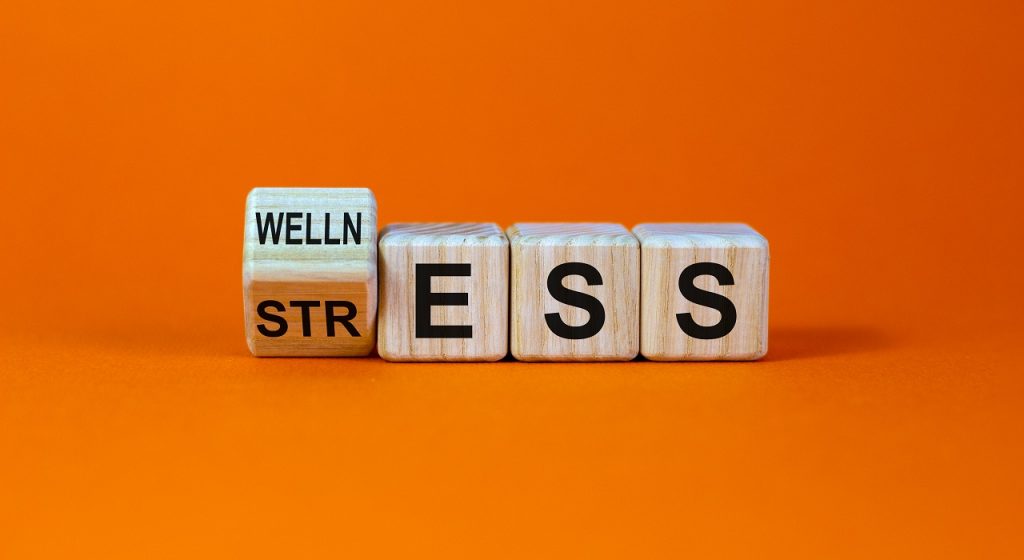
stress managementGiven how high stress levels have been lately due to the pandemic, it is important to manage stress by managing spiking cortisol levels. Dealing with Cortisol can be tricky. If dealt with proper techniques and supplements, one can get the Cortisol levels under control. Here are a few tips to help you out:

  • Reduce physical and mental stress by becoming more calm and relaxed. Meditation and pranayama are your allies.
  • Exclude sugar and processed foods from your regular diet and replace them with whole organic foods that will help improve digestion and in turn, reward you with a healthier GUT!
  • Lower toxicity and acidity which adds stress to the body internally by making the simple shifts in the food choices, thoughts and emotions.
  • To take control of Cortisol levels, one needs to learn how to unwind and relax every single day for at least 20 – 30 minutes and learn to take deep breaths and clear the mind. You can also indulge in a hobby you like!
  • Meditation and yoga are some excellent ways to relax and bring down cortisol levels effectively.
  • Exercise is a true savior and has been shown to reduce cortisol effectively. But a word of caution – don’t overdo it and do it correctly or else it could have the opposite effect.
  • Cortisol is at its lowest during sleep. So, make sure you get adequate and good quality sleep. This Sleep Series could help you understand your sleep better.

Additionally, it’s best to steer clear of news and social media updates that stress you out. You can check it once a day to just get an update but there’s no point in indulging in every news article that comes your way, especially if it paints a grim picture. So zone out, take care of your health, keep calm and be stress-free!

We hope this article helps you during these precarious times. For more on stress management, check out Healthy Reads. To learn how to manage stress effectively, ask a GOQii Coach by subscribing for personalized health coaching here: https://goqiiapp.page.link/bsr

Stay home, keep calm and #BeTheForce! 
December 17, 2021 By Parveen Nake Leave a Comment

Should You Consider the Keto Diet?

keto diet

Lately, a lot of my patients have been asking me about the Keto Diet – if it is safe or if I would recommend it. Despite the recent hype, a Keto Diet isn’t something new. In medicine, we have been using it for around a 100 years to treat drug resistant epilepsy, especially in children.

The Keto Diet is a very low carbohydrate, high fat, adequate protein diet which had originally developed in the 1920s for managing intractable epilepsy. Later, it had been indicated in many other conditions such as obesity, diabetes, cancer, Parkinson’s disease. In recent days, Keto Diet has become increasingly popular among people trying to lose weight.

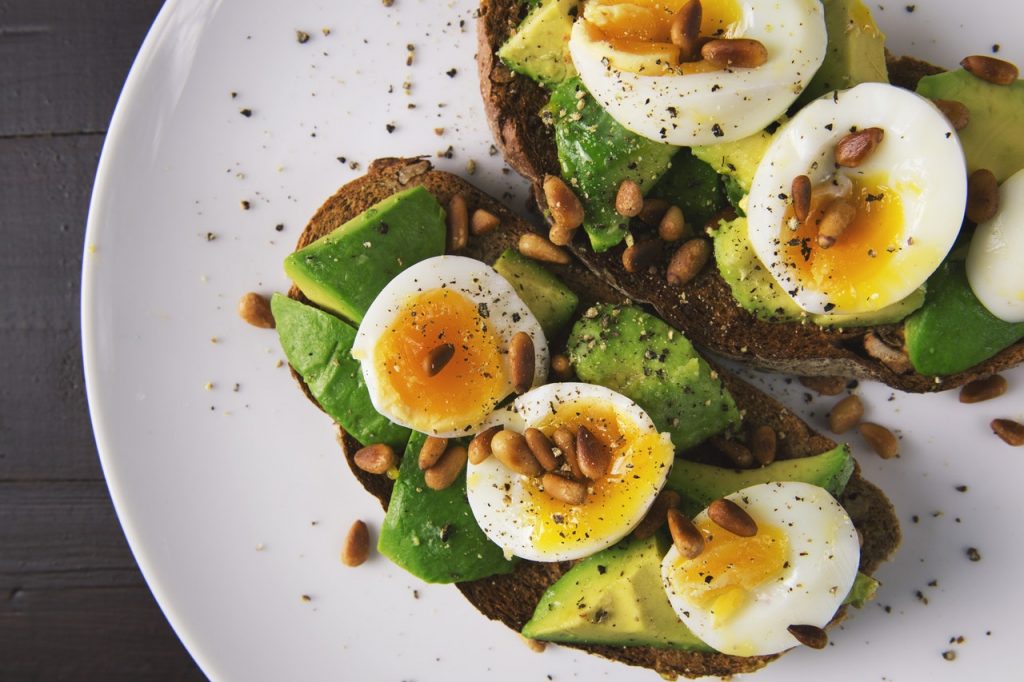
The diet primarily aims at depriving the body of glucose and putting it in a metabolic state (ketosis), in which fats are burned to produce ketone bodies. These ketones are utilized as fuel for energy production instead of glucose. In order to create this state, the dietary carbohydrates are restricted to as low as 20-25g per day and the fat to carbohydrate ratio is typically kept at 4:1 or 3:1 ratio by weight. Because it lacks carbohydrates, it is rich in protein and fats. It typically includes plenty of meats, eggs, processed meats, sausages, cheese, fish, nuts, butter, oils, seeds and fibrous vegetables.

What is Ketosis?

Glucose is the preferred fuel, especially for the brain. Glucose is also required for the complete oxidation of the fats in TCA Cycle. In conditions of starvation or drastic carbohydrates restriction (below 20g/day), i.e. when glucose is not available, fats are broken down in an alternate pathway to produce ketone bodies. These ketone bodies are utilized by the brain and other tissues for energy production instead of glucose. This condition is known as Ketosis.

What Are The Effects of a Keto Diet on Weight Loss?

The effect of Keto Diet on weight loss has been attributed to several possible factors:

  • The appetite suppressing the action of ketone bodies by modification of hormones.
  • Reduction in the accumulation of fat (lipogenesis) and breakdown of fat (lipolysis).
  • Increased metabolic cost of gluconeogenesis (breakdown of fat or protein for glucose) and thermic effect of protein.
  • High satiating effect of fats which provides the feeling of fullness for longer hours. 

Benefits of a Ketogenic Diet Beyond Weight Loss

Due to obesity, excess body fat is closely associated with insulin resistance. The metabolic disturbances associated with insulin resistance due to inefficient utilization of glucose are improved with low carbohydrate high-fat diets. These changes beneficially affect gene expression, improved resistant states, attenuate oxidative stress and inflammatory conditions.

Significant reductions in serum triglycerides, marked increase in HDL cholesterol and decrease in inflammatory markers have been observed with this diet.

Potential Risk of Following This Diet

Despite the metabolic benefits of Keto Diets, the severe carbohydrate restriction and huge fat content of the diet raises question regarding safety. The severe restriction in diet calls for inadequacies of several nutrients.

  • Selenium deficiency is noted which leads to abnormal cardiac rhythm and impaired myocardial functions.
  • Arterial stiffness, increase in LDL cholesterol occurs in about half the individuals on Keto Diet.
  • Although it might show improvements in certain cardiovascular parameters like increased HDL and lowered TGLs, this mostly in the short term. In the long term, it has been shown to cause Hepatic Steatosis (accumulation of fat in the liver), Dyslipidaemia and glucose intolerance in mice.
  • It affects calcium balance and bone health. Prolonged exposure to the acidic environment caused by the ketones in blood can lead to progressive loss of bone minerals.
  • In fact, Nephrolithiasis, a very commonly noted complication of the Keto Diet, can be attributed to increased urinary calcium which leads to stone formation.
  • High amount of fat in the diet gives rise to gastrointestinal tolerance issues which include nausea, diarrhoea, constipation and GERD(Gastro Esophageal Reflux Disease).
  • Other side effects include dehydration, Hypoglycaemia, Hyperuricemia, Pancreatitis, Ketoacidosis, low serum sodium and magnesium have been reported.

Practical Considerations To Be Taken

It is important to consider the total calorie intake, especially in context of weight loss. Reduction in total calorie intake is always important and not just replacing carbohydrate calories with fats.

With the above considerations, a modified Keto Diet can serve as an effective tool for weight loss with certain added metabolic advantage and can be advised to obese individuals having no other metabolic disorder for a limited period of time. This should, however, be followed up with a healthy and more balanced eating plan on the long term.

Please note that we do not advocate, advise or recommend fad diets to our players. Please reach out or consult your doctor, dietician or nutritionist before making changes to your diet.

For more topics on diets, nutrition and health, check out Healthy Reads or ask a GOQii Coach by subscribing for personalized coaching here: https://goqiiapp.page.link/bsr

#BeTheForce 

December 9, 2021 By Trishala Chopra 1 Comment

Why Does Sweat Smell Bad After Certain Activities?

sweat

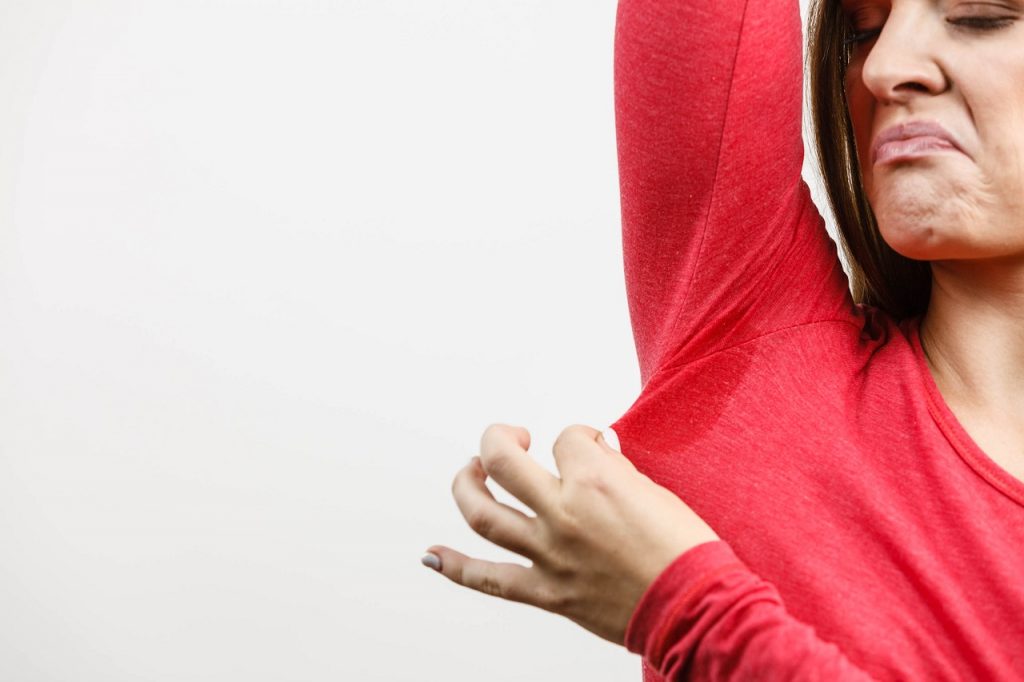
We all sweat. Sometimes, your sweat has a horrific stench post-workout as compared to your sweat during normal hours. Have you ever experienced this and wondered why? Truth be told, your sweat has no smell. So where does the smell come from? Well, there is a scientific reason behind it!

The horrific stench after a workout comes from bacteria that live on your skin. These bacteria break down the components of sweat resulting in smell.

What is the Smell About?

Your sweat comprises of water in large amounts along with trace minerals, fatty acids and skin cells that your body sheds. Your bacteria break these down further causing odour.

There is an endorphin (This is a hormone which is produced during exercise to ease your pain and make you calm and happy!) rush when you exercise which leads to a lot of perspiration or sweating. When you work out, your body produces cortisol along with endorphins which are hormones that affect the sweat glands on our skin.

There are two types of sweat glands which are eccrine glands and apocrine glands. Sweat glands in the armpits, groin and other smelly areas are called apocrine glands which produces a pheromone-like substance that provides energy for skin bacteria and leads to the horrific stench. Whereas eccrine glands are all over the body and don’t cause extreme sweating as compared to apocrine glands.

Why Does Everybody Sweat Differently?

You might have noticed that sweating levels are different for everybody. Why does this happen?

Factors which affect the rate of sweating:

  1. Environment/Weather/Climate: Our body needs to maintain the normal temperature irrespective of climatic conditions. Body, has its own thermostat and how much you sweat completely depends on how your body is trying to cope with the weather change.
  2. Your Fitness Levels Matter: The more you workout, the more you sweat. Your body tries to cool your body temperature so that you are ready to make the workout more intense!
  3. Genes: Apart from the temperature regulation, some people tend to sweat more than others due to their genetics (somethings cannot be changed).
  4. Could be a Medical Condition: Hyperhidrosis is a medical condition in which a person sweats excessively. Body tends to work hard to maintain the usual thermostat

5 Ways to Deal with Smelly Sweat: 

  1. Maintain Hygiene: It is important to wash the smelly areas frequently especially post-exercise. Washing these areas will help you in removing the dead cells from the skin, keep the skin healthy and reduce the smell eventually.
  2. Use deodorants and antiperspirants to keep underarms stench free!
  3. Wear Proper Clothes During Workout: Prefer sweat-absorbing workout clothes. Go for material which lets the body breathe rather than trapping the sweat instead leading to excessive sweat
  4. If the sweating is excessive, see a dermatologist.
  5. Work on your Diet: Certain food items are responsible for smelly sweat. Onions, garlic, cauliflower, alcohol, and coffee can lead to excessive sweating. Cutting back on these can help you with the reduced smell from the sweat

Home Remedies to Manage Smelly Sweat 

  1. Wheatgrass Juice: It works as an excellent detoxifier. Try 1 tbsp of wheatgrass juice with water early in the morning on an empty stomach for 2 weeks and then once every alternate day for 3 months.
  2. Baking Soda: It works as a natural water-absorbing agent. Mix 2 tbsp of baking soda with water and apply it on the underarms for 30 minutes. Please do not keep it beyond 30 mins. It might act as an irritant for your skin. Wash it with ice cold water and apply 2 drops of glycerin as a natural toner.
  3. Potato/Potato Juice: It acts as a quick water-absorbing agent which works as an antiperspirant. Cut Potato into thin slices, keep it in the refrigerator for 10 minutes and rub it on armpits. This will work as a quick antiperspirant.
  4. Apple Cider Vinegar: It has astringent properties. If you suffer from excessive sweating, take 1 tsp of apple cider vinegar with mother culture early in the morning on an empty stomach.
  5. Lemon: Citrus fruits work as natural deodorants. You can apply fresh lemon juice on your armpits and wash it after 45 minutes. You can try doing this every day to get best results.
  6. Black Cohosh: Research has shown that supplementing your diet with 80mg of Black Cohosh helps in reducing overall excessive sweating and hot flashes.

Now that you know everything you need to about sweat and body odour, you can take the necessary measures and be odour-free!

Was this article helpful? Would you like to know more? Let us know in the comments below! For more articles like this, check out Healthy Reads or get advice from certified GOQii experts by subscribing for personalized coaching here: https://goqiiapp.page.link/bsr

#BeTheForce 

September 2, 2021 By Kusum Soni 1 Comment

The Power Of Black Tea For Immunity

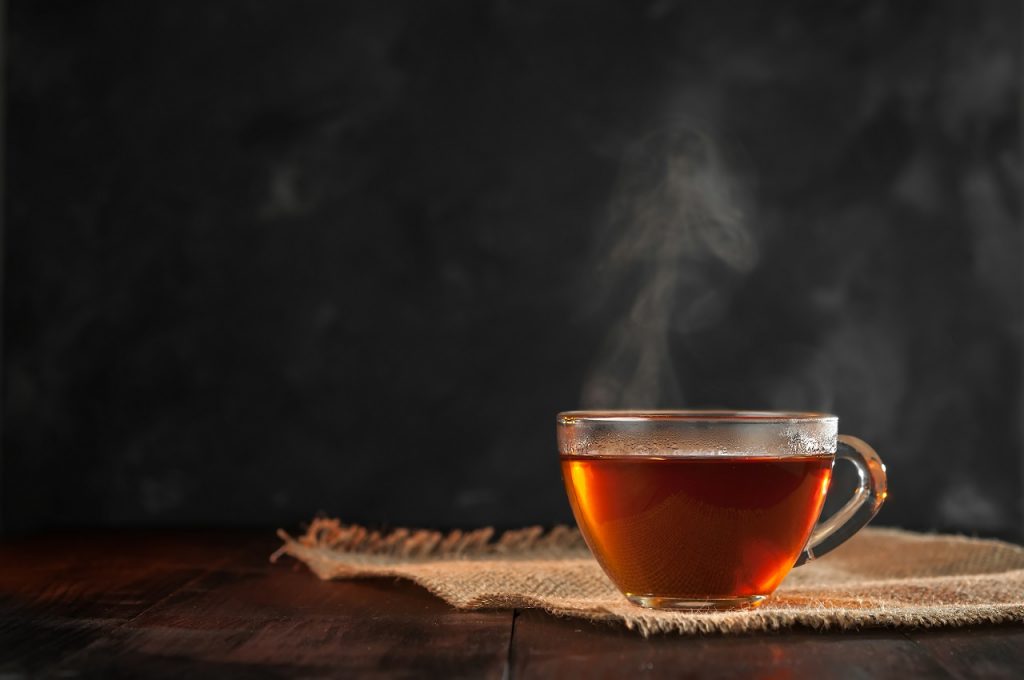
A powerful immune system not only prevents the attack of any foreign invaders like bacteria, fungi, viruses, parasites but also can protect against degenerative diseases like cancer, heart disease. There are many beverages that can support a healthy immune system and black tea is one of them. The health benefits of black tea have been attributed to it’s decent amount of polyphenols and a wide range of flavonoids—particularly thearubigins, theaflavins, flavonols and flavones. These phytochemicals have shown antimicrobial, anti-viral, antioxidant, anti-carcinogenic, anti-mutagenic and anti-inflammatory activities.

Black tea has beneficial physiological effects like the prevention of atherosclerosis and coronary heart disease by easing inflammation and supporting the flexibility of blood vessels, which can reduce risk of high blood pressure, heart attack, stroke. Researchers at Harvard University have found 10 times more virus-fighting interferons in the blood of people who drank black tea in comparison to people who drank placebo beverages. The researchers attributed this to an amino-acid, L-theanine found in ordinary black tea.

Various studies over the years have also linked drinking Black Tea to reduced risk of certain types of cancers, and increased number of immune cells, antioxidants that protect cells against free radical damage. The antimutagenic effect is well documented for the black tea polyphenols, namely theaflavins and thearubigins and attributed both to the inhibition of the oxidative DNA damage as well as, considerable literature demonstrates their inhibitory effect on the tumor cell proliferation. Latest research also suggests that these polyphenols even affect the balance of gut bacteria that enhances immune functions, encouraging short-chain fatty acids formation that support liver’s function.

Tea drinkers have shown lower levels of the stress hormone, cortisol, after an exposure to a stressful situation. Stress can suppress the immune response of the body. Thus, indirectly by managing stress, tea again improves the effectiveness of the immune system.

Tips To Include Black Tea In Your Diet  

  1. Infused Tea: Add 3-5g or one black tea bag into a cup. Fill to the top with 85-90c boiling water and steep for 3-5 minutes. Remove the tea bag or strain and serve hot or over ice.
    Optional: You can add half a cup of fruit pieces into a one-quart Mason jar with tea and, later cover and let the fruit steep for another ten minutes in hot infused tea, after removing the tea bags.
  2. You can add some lemon juice or crushed ginger or a pinch of cinnamon to infused black tea for additional antioxidant activity and flavour.
  3. Japanese researchers have found that even gargling with black tea extract twice a day was less likely to catch flu by flushing microbes trapped in the throat area.
  4. Inhaling boiling water mixed with Black Tea can facilitate the clearing of the passages towards the lung and facilitate the removal of bacteria/viruses trapped around the nasal area and opens a pathway for the Theaflavins to reach the lungs and protect it from infection.

 Word of Caution 

  • Adding milk may diminish the disease-fighting potential of the tea as various studies have not observed the beneficial effect of black tea consumption on the risk of coronary heart disease in subjects consuming tea with milk.
  • Avoid having tea with meals due to the presence of Tannins, an anti-nutritional compound, which has inhibitory effects on absorption of protein and certain minerals from food like, Iron, copper, sodium and aluminium.
  • Do not drink tea close to bedtime as another compound in tea called Caffeine could keep you from falling asleep.

Don’t miss on physical activity, adequate sleep and Dietary Diversification, that is, include a variety of food in your diet ranging from whole grain/pulses to coloured fruits/vegetables, nuts and seeds, lean meats, to add a wide spectrum of vitamins and minerals and antioxidants in diet, to enhance body’s disease-fighting capabilities. 

Enjoy your cup of tea 1-2 times a day in snack time away from meals. We hope this article helps you. Do leave your thoughts in the comments below. For more immunity-boosting tips, check out Healthy Reads or tune in to our experts on GOQii Play. 

To get these tips directly from your GOQii Coach, subscribe to personalized coaching here: https://goqiiapp.page.link/bsr

Stay safe, boost your immunity and #BeTheForce! 

  • « Previous Page
  • 1
  • …
  • 43
  • 44
  • 45
  • 46
  • 47
  • …
  • 64
  • Next Page »

Search

Recent Posts

  • Water Intake Pre, During and Post Workout
  • India Leads in Longevity: GOQii Sanjeevini Named Top 40 in $101M XPRIZE
  • The Importance Of Knowing If You’re Thirsty Or Hungry
  • Best Foods To Alleviate Irritable Bowel Syndrome
  • ALL ABOUT VERTIGO!

Stay Updated

Archives

  • December 2025 (9)
  • November 2025 (15)
  • October 2025 (20)
  • September 2025 (6)
  • August 2025 (6)
  • July 2025 (12)
  • June 2025 (18)
  • May 2025 (16)
  • April 2025 (23)
  • March 2025 (23)
  • February 2025 (22)
  • January 2025 (26)
  • December 2024 (26)
  • November 2024 (25)
  • October 2024 (22)
  • September 2024 (24)
  • August 2024 (31)
  • July 2024 (21)
  • June 2024 (26)
  • May 2024 (31)
  • April 2024 (27)
  • March 2024 (29)
  • February 2024 (26)
  • January 2024 (25)
  • December 2023 (15)
  • November 2023 (11)
  • October 2023 (20)
  • September 2023 (22)
  • August 2023 (20)
  • July 2023 (22)
  • June 2023 (24)
  • May 2023 (24)
  • April 2023 (24)
  • March 2023 (23)
  • February 2023 (20)
  • January 2023 (16)
  • December 2022 (12)
  • November 2022 (15)
  • October 2022 (15)
  • September 2022 (12)
  • August 2022 (10)
  • July 2022 (17)
  • June 2022 (11)
  • May 2022 (10)
  • April 2022 (6)
  • March 2022 (6)
  • February 2022 (13)
  • January 2022 (12)
  • December 2021 (7)
  • November 2021 (3)
  • October 2021 (6)
  • September 2021 (3)
  • August 2021 (8)
  • July 2021 (7)
  • June 2021 (15)
  • May 2021 (16)
  • April 2021 (10)
  • March 2021 (7)
  • February 2021 (4)
  • January 2021 (4)
  • December 2020 (3)
  • November 2020 (4)
  • October 2020 (10)
  • September 2020 (3)
  • August 2020 (3)
  • July 2020 (2)
  • June 2020 (4)
  • May 2020 (10)
  • April 2020 (12)
  • March 2020 (10)
  • February 2020 (4)
  • January 2020 (4)
  • December 2019 (3)
  • November 2019 (7)
  • October 2019 (5)
  • September 2019 (4)
  • August 2019 (9)
  • July 2019 (9)
  • June 2019 (11)
  • May 2019 (4)
  • April 2019 (9)
  • March 2019 (8)
  • February 2019 (9)
  • January 2019 (8)
  • December 2018 (9)
  • November 2018 (3)
  • October 2018 (3)
  • September 2018 (5)
  • August 2018 (10)
  • July 2018 (6)
  • June 2018 (13)
  • May 2018 (8)
  • April 2018 (18)
  • March 2018 (9)
  • February 2018 (8)
  • January 2018 (15)
  • December 2017 (12)
  • November 2017 (19)
  • October 2017 (13)
  • September 2017 (15)
  • August 2017 (4)
  • July 2017 (8)
  • June 2017 (7)
  • May 2017 (6)
  • April 2017 (8)
  • March 2017 (6)
  • February 2017 (7)
  • January 2017 (9)
  • December 2016 (10)
  • November 2016 (7)
  • October 2016 (7)
  • September 2016 (7)
  • August 2016 (11)
  • July 2016 (9)
  • June 2016 (9)
  • May 2016 (12)
  • April 2016 (17)
  • March 2016 (17)
  • February 2016 (8)
  • January 2016 (6)
  • December 2015 (2)
  • November 2015 (9)
  • October 2015 (7)
  • September 2015 (9)
  • August 2015 (11)
  • July 2015 (9)
  • June 2015 (12)
  • May 2015 (9)
  • April 2015 (13)
  • March 2015 (8)
  • February 2015 (5)
  • January 2015 (12)
  • December 2014 (14)
  • November 2014 (11)
  • October 2014 (6)
  • September 2014 (13)
  • August 2014 (12)
  • July 2014 (6)
  • June 2014 (2)
  • May 2014 (7)
  • April 2014 (5)

From “Laddu Nawin” to Fit and Fierce: How a 25-Year-Old Insurance Advisor Shed 20 Kilos and Gained His Life Back

When 25-year-old Nawin Yadav from Hyderabad walked into his office every morning, he carried more than just his files and policy papers. He had the weight of fatigue, sluggish energy, and an ever-growing belly that was becoming the butt of jokes. “People … [Read More...]

“I’ve Challenged Myself to Live 100 Years” – The Story of Chandubhai Savani’s Second Chance at Life

At 67, most people start slowing down. Not Chandubhai Savani. A resident of Surat, Chandubhai, thought life was on track. “My life was going well till I had my bypass surgery,” he says. That surgery, back in 2021, was a wake-up call.  Medication was routine, but exercise wasn’t. His diet? What he calls ‘normal.’ “I […]

From Shimla’s Slopes to Chandigarh’s Sidewalks: Surinder Kaur Bhalla’s Journey from Chaos to Control

Some journeys start with a plan. Others begin with a stumble literally. Surinder Bhalla, a government professional, born and raised in the scenic hill town of Shimla, had always lived a life of movement. “In Shimla, you walked everywhere,” she reflects. “Walking was never an exercise. It was just life.” But after shifting to Chandigarh, […]

Ananda Mukherjee Health Story

From Terminal Illness To Complete Wellness! Ananda Mukherjee Health Story

As we observe World Cancer Day under the powerful theme ‘United by Unique’ (2025-2027)**, we are reminded that every individual’s journey with cancer is distinct, yet united by shared resilience, hope, and the collective fight against this disease. This theme places people at the centre of care and their stories at the heart of the […]

  • HOME
  • HEALTHY LIVING
  • FITNESS
  • HEALTHY RECIPES
  • USER STORIES
  • KARMA
  • BUY GOQii

Copyright ©2016 GOQii