GOQii

Blog

  • HOME
  • HEALTHY LIVING
  • FITNESS
  • HEALTHY RECIPES
  • USER STORIES
  • KARMA
  • BUY GOQii

Search Results for: hormone

April 2, 2024 By Mamta Joshi 2 Comments

Is it Safe to Include Grains in Your Diet?

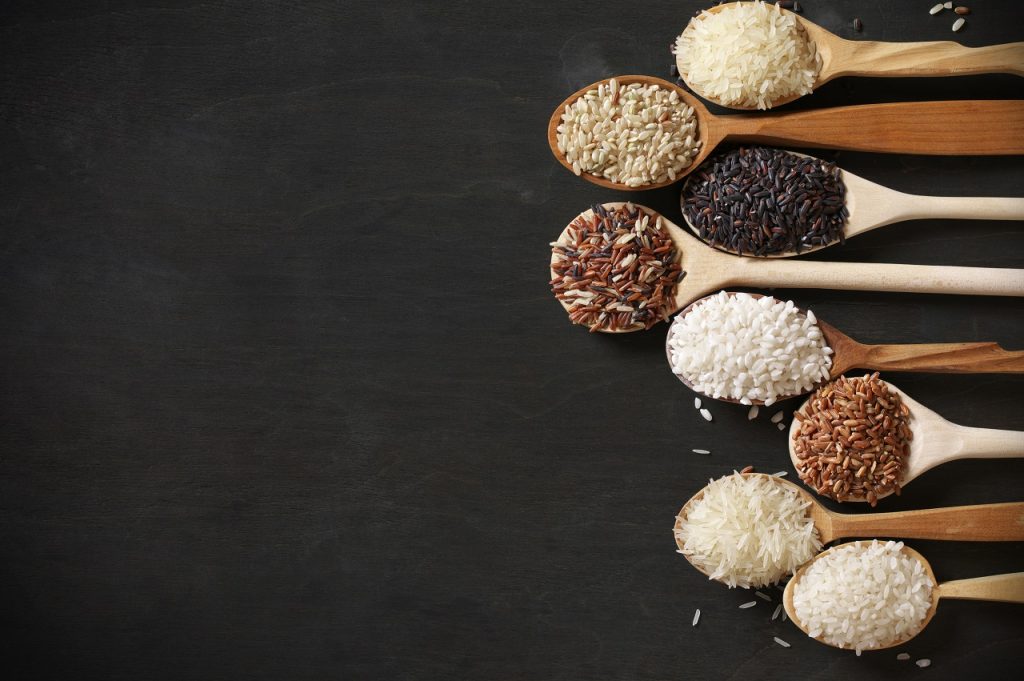
grainsCan you imagine a plate of food without grains? It has been a staple for us since forever! There’s always that crushing sense of dissatisfaction if grain-based foods are missing from our plates even for a single day. As a large component of our diet for the longest time, why is it that most people are now moving towards a ‘no grains’ diet or keeping it to a minimum? One of the reasons people avoid grains is due to digestive issues – common ones being acid reflux, bloating, gas, abdominal cramps, flatulence, etc.

Are Grain Really Hard to Digest?  

Studies and various researches have revealed that there are some factors listed here which make grains hard to digest.

  • Fiber: Insoluble Fiber is that part of the grain that the body can’t break down and digest into a simpler form. Instead, it passes through the body undigested. On one hand, insoluble fibers are good for us as they work as cleaning agents of our digestive system and on the other, they may cause gastrointestinal discomfort in some with weak digestive health.
  • Anti-Nutrients: Grains also contain anti-nutrients like Phytic acid and lectins which reduce the absorption of minerals like calcium, iron, magnesium, copper and zinc from a meal and may cause mineral deficiency. Humans need minerals to perform various functions, from building bones to transmitting nerve impulses, to make hormones and maintain a normal heartbeat.
  • Enzyme Inhibitors: Various types of enzyme inhibitors are found in grains including protease inhibitors and amylase inhibitors. Enzyme inhibitors can block enzymes action. Enzymes kick-start the digestion process. Presence of enzyme inhibitors confines the digestion process to act properly and timely. This results in rotting of such food which further leads to situations such as bloating, gas trouble and cramps.
  • Disaccharides: Simple sugars or monosaccharides are directly absorbed into the bloodstream, while disaccharides are two single sugars that are linked together. Grains contain disaccharide that needs to be broken down first before being absorbed in the bloodstream. Disaccharide is broken down into monosaccharide by enzymes called disaccharidases which are present in the brush like border called villi of the small intestine wall. Any kind of inflammatory damage to the cells in the small intestine lead to disaccharidase enzyme not being produced and lead to disaccharide intolerance. Disaccharide intolerance is the inability to break apart the disaccharide into two single sugars and absorb them. This often leads to uncomfortable digestive symptoms.
  • Complex Protein: Grains contain the complex protein Gluten that the body can’t easily break down. The human body needs food to be in the simplest form in order to absorb and use it. While most people won’t have much difficulty digesting whole grains, some with conditions such as gluten intolerance may experience adverse effects when eating gluten-containing grains. Gluten intolerance causes digestive issues such as bloating, gas and diarrhoea. Celiac disease is a more serious condition in which gluten causes the immune system to attack the small intestine. Gluten is also known to cause Leaky Gut. Gluten is present in barley, rye and wheat.

Tips to Make Grains Digestion Friendly

  1. Fiber absorbs water. One should drink plenty of liquids to ensure that the fiber absorbs enough water to pass through the system easily.
  2. Most of the anti-nutrients are found in the skin and anti-nutrients are water-soluble. Hence, soaking grains reduces the anti-nutrients effect. It’s recommended that grains must be soaked in water and should be washed before cooking (e.g. rice) so that the anti-nutrients are separated.
  3. Sprouting or germination reduces phytate in grains and degrades lectins and protease inhibitors.
  4. Fermentation of grains leads to a significant reduction in phytate and lectins (idli, sourdough bread). Fermenting helps break down the tough outer cover of a grain, making it easier to digest and reinforce the gut flora with pro-digestive microbes.
  5. Incorporate probiotics like yogurt, kimchi, kombucha and kefir along with grain-based foods to improve overall digestion and heal the gut.
  6. Chewing is the first step of digestion. The more you chew, the more saliva gets secreted that has digestive enzyme amylase present in it which makes digestion easier. Chewing makes food small enough for the digestive juices in the stomach to further digest it effectively.
  7. In case of gluten sensitivity, avoid gluten-containing grains such as wheat, barley and rye. Go for gluten-free grains like oats, quinoa, rice and sorghum to subside the symptoms. When the gut heals, the symptoms subside. 

While you may experience issues with some grains, that doesn’t mean you should avoid the entire food group. Maintaining a diet diary can help find the trigger and then you can consult a medical professional, dietician, a nutritionist for changes or speak to a certified expert by subscribing to GOQii’s Personalised Health Coaching here.

We hope this article helps you make a positive change in your eating habits.

#BeTheForce 
March 14, 2024 By GOQii Leave a Comment

Empowering Lives on World Kidney Day: A Global Call for Equitable Kidney Care

Priya and Maya, two sisters deeply connected by laughter and shared experiences, lived together in the bustling suburbs of Mumbai. Priya was battling kidney failure, her life entwined with the rhythm of dialysis machines. Despite her fading hope, she hoped for a transplant to restore her vitality.

Maya, observing her sister’s suffering, decided to offer her kidney if she was a match. This act of courage led them through anxious days of tests until they received the news: Maya was a compatible donor.

The surgery that followed was a testament to their bond, as Maya’s kidney was successfully transplanted into Priya. The sisters recovered, their lives enriched by this profound act of love and sacrifice. They returned to their daily routines, their bond now encompassing the shared beat of a single kidney.

Their story, resounding with the spirit of World Kidney Day 2024, illuminates the transformative power of organ donation—a gift that transcends the physical to touch the essence of human connection.

March 14, 2024, marks a significant milestone as the world unites under the banner of World Kidney Day. This year’s theme, “Kidney Health for All – Advancing Equitable Access to Care and Optimal Medication Practice,” champions a universal crusade against disparities in kidney care. It’s a clarion call for collective action, aiming to bridge the gap and ensure comprehensive access to preventative measures and treatments for kidney disease, irrespective of geographical or socio-economic barriers.

The Unsung Heroes: Our Kidneys

Our kidneys, the vigilant custodians of our health, perform crucial roles that extend far beyond waste elimination. These remarkable organs regulate blood pressure, produce vital hormones, and maintain our body’s electrolyte balance. World Kidney Day 2024 serves as a reminder of our kidneys’ indispensable role in our well-being, emphasizing the importance of safeguarding these vital organs through proactive health practices and education.

Bridging the Healthcare Divide: A Journey Towards Kidney Health for All

In India, a nation marked by its rich tapestry of cultures and histories, the challenge of kidney health emerges as a critical concern. The “Kidney Health for All” campaign illuminates the stark disparities that punctuate the landscape of kidney care in the country. Despite the strides made in medical technology and treatment methods, a significant portion of India’s population confronts kidney diseases from the shadows, encumbered by the lack of access to essential diagnostics, treatments, and the financial resources necessary for managing their conditions.

Access and Education

In the quest for optimal kidney health management, the role of appropriate medication cannot be overstated. Medications are pivotal in decelerating the progression of kidney diseases and enhancing the quality of life for those affected. However, in India, the path to optimal medication practice is fraught with obstacles—chief among them being the disparities in access and education. There is a pressing need for improvements in prescription practices and patient education, emphasizing the imperative of policies that bolster medication affordability and accessibility for all citizens.

World Kidney Day 2024 serves as a beacon, highlighting the urgent requirement for a comprehensive approach that addresses these disparities head-on. It advocates for an inclusive healthcare system where every individual, regardless of their socio-economic status or geographical location, has access to the screenings, treatments, and support essential in combating kidney disease.

A Unified Effort for Kidney Health in India

The call for awareness, education, and advocacy grows louder on World Kidney Day 2020. It is a clarion call here to the healthcare professionals, policymakers, patients, and the public—to unite in a shared mission to champion kidney health equity. This is an opportune moment to enrich our collective understanding of the challenges besetting kidney health in India and to actively participate in the global movement advocating for equitable kidney care.

From policy advocacy aimed at eliminating barriers to kidney care to supporting research that pioneers new treatment modalities, every action contributes to sculpting a future where kidney health is prioritized, and equitable care is a reality for everyone. It underscores the collective responsibility we hold to foster an environment where the advancements in kidney health are accessible to all, bridging the healthcare divide that has long affected the Indian populace.

As we mark World Kidney Day 2024, let us rally together to advance kidney health for all in India. Inspired by the global theme, our focus remains steadfast on ensuring that every Indian has access to the care and knowledge needed to combat kidney disease. In embracing the pillars of awareness, education, and advocacy, we pave the way for a future where disparities in kidney care are a thing of the past, and optimal kidney health is within the reach of every individual across the nation.

Inspired by stories like Priya and Maya’s, we are reminded of the life-altering impact of organ donation and the collective responsibility to advance kidney health globally. Let us stand together to champion kidney health for all, fostering a world where health equity is not just an aspiration but a reality.

#BeTheForce

March 9, 2024 By Disha Jhamb 8 Comments

Beyond Counting: Unraveling the Real Story Behind Calories

timthumb

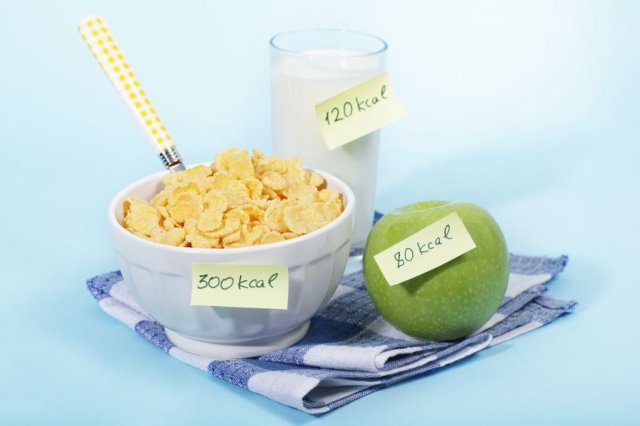
CALORIE- a term that haunts many of us …And Counting Calories was one such thing that drove me crazy in the last 2 years. Somehow I always felt and many of you will agree, that, all the tasty and delicious food of the world has tons of calories, whereas the ones which we don’t find tasty, has fewer..

Two years back when I started my weight loss journey, my greatest difficulty was keeping a count of calories all the time. But then, it seemed to be the only option to lose weight. I was told that my calorie intake should be between 1200 cal- 1500 cal. Left with no choice, I did that for quite some time. Opting for low calorie food, staying hungry, doing cardio but sadly, the result was minor weight loss with pain in my knees, low energy levels and pale skin.

I was unable to understand the reason for so many health problems.  I was eating a healthy low cal diet (which seemed to be healthy then), was doing 45 min of cardio followed by strength training. Hence, I started reading about calories and weight loss. But, all my reading led to more confusion and I finally decided to do a course in nutrition. And that is when my understanding about being fit and healthy started to evolve. My studies made me identify  the areas where I was lacking. I was so conscious of calories but was not paying any attention to food and its quality.

Calorie is just a unit of measurement for energy content. It tells us how much energy we get by burning the food. And I realized that I should keep the definition of it as it is in my mind, and not make it  the focal point of my fitness journey. Carbohydrates contain between 3 and 4 kcal per gram; proteins are about the same; fats contain approximately 9 kcal per gram. I was of the mindset that for weight loss to happen, I have to decrease the intake of calories and increase the output by staying physically active. But, things are not as simple as they appear.  There is much more needed for correct weight loss to happen and to have a lean and fit body. And that much more is NUTRITION. From where these calories are coming is something that matters the most. For example – if a person consumes 1200 calories from processed food and the other consumes 1200 calories from  balanced diet which has carbs, proteins , fats and fiber … which one do you think will experience weight gain ? The answer is known to all of us- obviously the one consuming  calories from  processed food. So yes, 1200 calories matters but, what matters the most is- what these calories do in and to our bodies and from where these calories are coming i.e. the quality of the food. Eating fewer and fewer calories does not result in better weight loss. When our body senses an energy deficit, it slows its metabolism by reducing the output of important hormones.

 I have stopped counting calories now.  My eating pattern has totally changed. My focus is in making my every meal more nutritious and balanced with the right combination of carbohydrates , fats , proteins and fiber..  I have been focusing on what my body tells me. I eat if I feel hungry because my body needs food then. I still want to look a certain way. I want to be healthy, lean and fit. But, at the same time, I do not want to harm myself in any way by not taking care of the nutrition part of food. I am confident about myself now, I know the weight loss is going to be slow but that does not matter to me anymore.  Weight is just a number and no weighing scale can judge or tell me my fitness in terms of numbers.  It’s me who can feel it. I know that what I am eating now is certainly having more number of calories  than earlier but now, these calories are coming from the food that my body needs.

Thanks to my diet, I feel energetic throughout the day, my stamina for running has improved. I don’t feel any joint pain and I am sure I will soon be running a marathon, (something that I have always wanted to do)

The journey from calorie counting to nutrition-focused eating is a transformative one. Discovering the true significance of food quality over mere numbers has reshaped the approach to fitness for many. As we celebrate the realization that health is not just about counting calories but nourishing our bodies, let’s embrace a holistic understanding of nutrition for a sustainable and vibrant life. Share your own journey in the comments below and inspire others on their path to well-being. For further information or guidance, reach out to our certified experts by subscribing to GOQii’s Personalised Health Coaching here.

#BeTheForce

March 2, 2024 By Sunita Arora 4 Comments

How Your Microwave Could Be Damaging Your Health

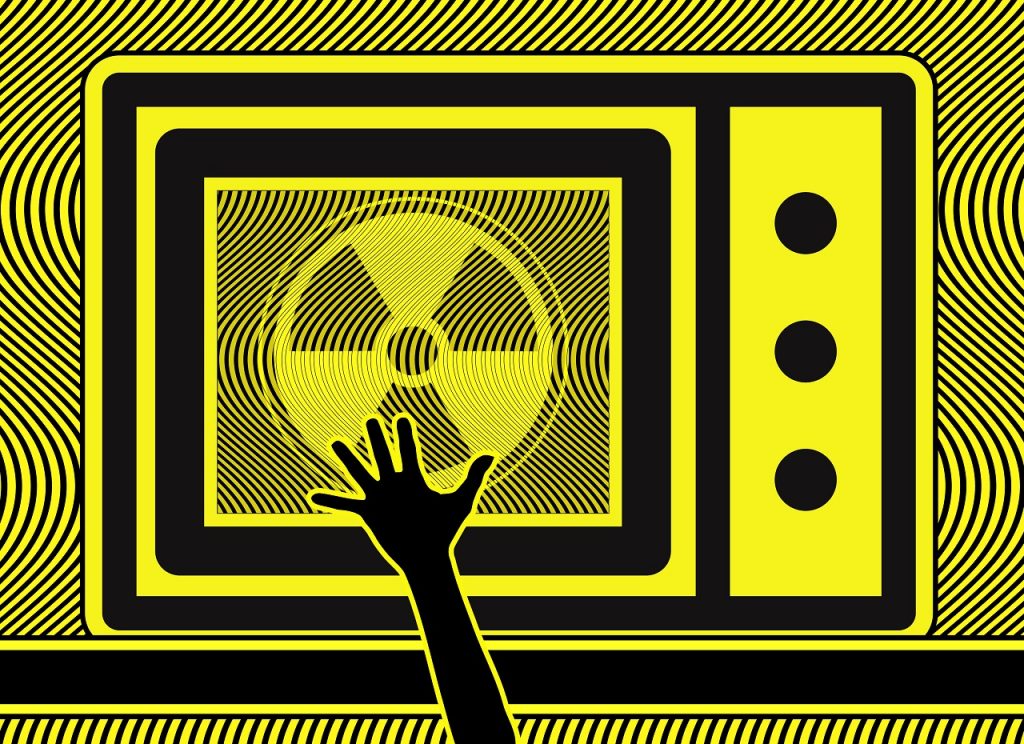
microwaveHow many times have you pulled out food from the fridge and pushed it directly in the microwave? It’s convenient, it’s easy and saves a lot of time. Apart from reheating, microwaves are used for cooking and baking – all without burning or creating any mess. But with great convenience, comes even greater risks. Studies have concluded that microwaves can make our food radioactive! This increases the risk of cancer along with other health hazards.



Repeatedly cooking or reheating food using a microwave with plastic containers can cause some harmful chemicals to leach into the food and destroy its nutrients. More than 70% households have microwaves and most hotels and restaurants also use them to reheat and cook food faster. Want to know what your microwave can do to your health?

How Your Microwave Can Damage Your Health

  1. Increased Risk of Cancer: Foods that are microwaved cause different types of stomach and intestinal cancer. The prolonged use of microwaves in cooking causes the growth of cancerous cells in the human blood. Plastic containers used to heat the food have been found to release carcinogens along with other harmful toxins into food which is then absorbed by the human body.
  2. Loss of Nutrients: Water molecules rotate rapidly in the microwave. High frequencies create molecular friction. This causes the molecular structure in food to change and diminishes the nutrients present in food. When food is cooked or reheated in the microwave there is a loss of minerals, vitamins, micro nutrients, and the human body gets little to no benefit from that food.
  3. Affects the Immune System: Eating microwaved food excessively can impact blood serum levels and lymph glands which affect immune system functions and leads to immune system deficiencies. If you are falling sick frequently and are using the microwave for cooking or reheating the food, you should stop using the microwave and check if there’s any improvement in your health. Don’t compromise your health to save a few minutes.
  4. Causes Loss of Memory: The central nervous system, especially the hippocampus is highly sensitive to microwave radiation. Eating microwave cooked food consistently causes loss of memory, loss of ability to concentrate, emotional stability and brain damage in the long run. This is because it causes electrical impulses in the brain to ‘short out’. So ask yourself if cooking food in the microwave is better than memory loss.
  5. Effects hormonal imbalance: Microwaved food can alter the production of male and female hormones in the human body. Eating microwaved food excessively can contribute to PCOD and infertility. It also affects the maintenance of hormonal balance in males and females.
  6. Irregular Heartbeat: A study shows that radiation emitted by the microwave affects heart rate.  If you are facing regular chest pain and/or irregular heartbeat, you should stop using the microwave in your kitchen. It can also affect your blood pressure, pulse rate, and other cardiovascular functions.

What Can We Do To Reduce The Damage?

  • Avoid using plastic cookware to cook or heat food. Also avoid pouring hot food (especially liquid) into a plastic container. Even if it says “microwave safe” on it, it’s still going to leach chemicals. It simply means the container won’t warp in the heat.
  • If you wish to use the microwave urgently, use glass or ceramic cookware.
  • Don’t use plastic storage bags from the grocery store. Don’t let plastic wrap touch your food during microwaving because it may melt.
  • Old, scratched, cracked or even containers which have been microwaved too many times may leach out more plasticizers.
  • If you experience any health issue like a headache, dizziness, eye pain, sleeplessness, hair loss, anxiety, stomach pain, etc. you need to stop using your microwave and consult a doctor immediately. 

Using a microwave all the time isn’t a compulsion. Keep its use to a minimum. It’s always better to use a gas stove for reheating food using a stainless steel utensil. We hope this article helps you. Do leave your thoughts in the comments below!

For more facts such as these, check out Healthy Reads or connect with your GOQii Coach by subscribing for Personalised Health Coaching here.

#BeTheForce 

  • « Previous Page
  • 1
  • …
  • 34
  • 35
  • 36
  • 37
  • 38
  • …
  • 72
  • Next Page »

Search

Recent Posts

  • Foods to Manage Blood Sugar Naturally: A Complete Guide to Better Blood Sugar Control
  • The Lazy Person’s Guide to Staying Healthy: 5 Micro-Habits That Take Less Than 2 Minutes
  • Healthy Eating: Comforting Chilli Bean Soup Recipe for the Monsoon
  • The Truth About the ‘Beer Belly’: What Alcohol Really Does to Your Metabolism
  • Benefits of Meditation: How One Daily Habit Can Transform Your Mental Wellbeing

Stay Updated

Archives

  • August 2026 (7)
  • July 2026 (25)
  • June 2026 (22)
  • May 2026 (20)
  • April 2026 (24)
  • March 2026 (18)
  • February 2026 (14)
  • January 2026 (14)
  • December 2025 (19)
  • November 2025 (15)
  • October 2025 (20)
  • September 2025 (6)
  • August 2025 (6)
  • July 2025 (9)
  • June 2025 (18)
  • May 2025 (16)
  • April 2025 (22)
  • March 2025 (26)
  • February 2025 (21)
  • January 2025 (25)
  • December 2024 (22)
  • November 2024 (22)
  • October 2024 (20)
  • September 2024 (22)
  • August 2024 (28)
  • July 2024 (15)
  • June 2024 (23)
  • May 2024 (26)
  • April 2024 (27)
  • March 2024 (27)
  • February 2024 (23)
  • January 2024 (21)
  • December 2023 (14)
  • November 2023 (10)
  • October 2023 (19)
  • September 2023 (21)
  • August 2023 (16)
  • July 2023 (16)
  • June 2023 (21)
  • May 2023 (20)
  • April 2023 (19)
  • March 2023 (23)
  • February 2023 (19)
  • January 2023 (15)
  • December 2022 (11)
  • November 2022 (15)
  • October 2022 (15)
  • September 2022 (12)
  • August 2022 (9)
  • July 2022 (17)
  • June 2022 (11)
  • May 2022 (10)
  • April 2022 (6)
  • March 2022 (6)
  • February 2022 (13)
  • January 2022 (11)
  • December 2021 (7)
  • November 2021 (3)
  • October 2021 (6)
  • September 2021 (3)
  • August 2021 (8)
  • July 2021 (7)
  • June 2021 (15)
  • May 2021 (16)
  • April 2021 (10)
  • March 2021 (7)
  • February 2021 (4)
  • January 2021 (4)
  • December 2020 (3)
  • November 2020 (4)
  • October 2020 (10)
  • September 2020 (3)
  • August 2020 (3)
  • July 2020 (2)
  • June 2020 (4)
  • May 2020 (10)
  • April 2020 (12)
  • March 2020 (10)
  • February 2020 (4)
  • January 2020 (4)
  • December 2019 (3)
  • November 2019 (7)
  • October 2019 (5)
  • September 2019 (4)
  • August 2019 (9)
  • July 2019 (9)
  • June 2019 (11)
  • May 2019 (4)
  • April 2019 (8)
  • March 2019 (8)
  • February 2019 (9)
  • January 2019 (8)
  • December 2018 (9)
  • November 2018 (3)
  • October 2018 (3)
  • September 2018 (5)
  • August 2018 (10)
  • July 2018 (6)
  • June 2018 (13)
  • May 2018 (8)
  • April 2018 (18)
  • March 2018 (9)
  • February 2018 (8)
  • January 2018 (15)
  • December 2017 (12)
  • November 2017 (19)
  • October 2017 (13)
  • September 2017 (15)
  • August 2017 (4)
  • July 2017 (8)
  • June 2017 (7)
  • May 2017 (6)
  • April 2017 (8)
  • March 2017 (6)
  • February 2017 (7)
  • January 2017 (9)
  • December 2016 (10)
  • November 2016 (7)
  • October 2016 (7)
  • September 2016 (7)
  • August 2016 (11)
  • July 2016 (9)
  • June 2016 (9)
  • May 2016 (12)
  • April 2016 (17)
  • March 2016 (17)
  • February 2016 (8)
  • January 2016 (6)
  • December 2015 (2)
  • November 2015 (9)
  • October 2015 (7)
  • September 2015 (9)
  • August 2015 (11)
  • July 2015 (9)
  • June 2015 (11)
  • May 2015 (9)
  • April 2015 (13)
  • March 2015 (8)
  • February 2015 (5)
  • January 2015 (12)
  • December 2014 (14)
  • November 2014 (11)
  • October 2014 (6)
  • September 2014 (13)
  • August 2014 (12)
  • July 2014 (6)
  • June 2014 (2)
  • May 2014 (7)
  • April 2014 (4)

From Burnout to Balance: How Dr. Ranjit Reclaimed His Health

Dr Ranjit Bhatt has spent years tending to others. A practising doctor in Odisha, his days were packed with patients, surgeries, and emergencies. From the outside, it looked like a life lived in service. But on the inside, something wasn’t right. “I had no … [Read More...]

From Shimla’s Slopes to Chandigarh’s Sidewalks: Surinder Kaur Bhalla’s Journey from Chaos to Control

Some journeys start with a plan. Others begin with a stumble literally. Surinder Bhalla, a government professional, born and raised in the scenic hill town of Shimla, had always lived a life of movement. “In Shimla, you walked everywhere,” she reflects. “Walking was never an exercise. It was just life.” But after shifting to Chandigarh, […]

“I’ve Challenged Myself to Live 100 Years” – The Story of Chandubhai Savani’s Second Chance at Life

At 67, most people start slowing down. Not Chandubhai Savani. A resident of Surat, Chandubhai, thought life was on track. “My life was going well till I had my bypass surgery,” he says. That surgery, back in 2021, was a wake-up call.  Medication was routine, but exercise wasn’t. His diet? What he calls ‘normal.’ “I […]

Ananda Mukherjee Health Story

From Terminal Illness To Complete Wellness! Ananda Mukherjee Health Story

As we observe World Cancer Day under the powerful theme ‘United by Unique’ (2025-2027)**, we are reminded that every individual’s journey with cancer is distinct, yet united by shared resilience, hope, and the collective fight against this disease. This theme places people at the centre of care and their stories at the heart of the […]

  • HOME
  • HEALTHY LIVING
  • FITNESS
  • HEALTHY RECIPES
  • USER STORIES
  • KARMA
  • BUY GOQii

Copyright ©2016 GOQii