GOQii

Blog

  • HOME
  • HEALTHY LIVING
  • FITNESS
  • HEALTHY RECIPES
  • USER STORIES
  • KARMA
  • BUY GOQii

Search Results for: hormone

May 18, 2024 By Vaishali Vibhute Leave a Comment

What Happens To Your Body When You Eat Too Much Sugar

too much sugar

“You are what you eat, so eat something sweet” is a very sweet quote but has a bittersweet reputation when it comes to health! Did you know that carbohydrate, an essential micro nutrient, is a producer of sugar? Sugars, in fact, are simple carbohydrates which are easily absorbed and digested by the body. It is an empty calorie food, has zero nutritional value and provides only energy. It is naturally found in lots of foods. For instance, as fructose in fruits, as lactose in dairy and dairy products and different cereals and grains. 

Is It Really A Villain Of Good Health? 

Along with negatives, sugar has many positives: 

  • It makes anything taste better
  • Provides immediate energy to your body 
  • Naturally found sugars in foods like fruits and vegetables have little effect on blood sugar and are considered healthy
  • It increases happy hormones

Adverse Effects Of Eating Too Much Sugar 

Too much of anything is bad, and the same goes for sugar! Here are some ill-effects it can have on your body: 

  • Weight Gain or Obesity: Too much consumption of white sugar can contribute to weight gain or obesity, due to it’s high calorie content. When eaten in excess, it gets dumped into cells and gets stored as fat and results in weight gain.
  • Type 2 Diabetes: Excessive intake creates problems for pancreas. Body monitors blood glucose levels and produces insulin to help control it. When blood glucose level is high and has more glucose than your body needs, cells become insulin resistant, the control breaks down, blood sugar rises to dangerous levels and leads to Type 2 Diabetes.
  • Hurt your Heart: There is a clear relation between sugar consumption and high BP. Eating too much can harden the arteries and damage heart tissues, which is a major risk factor for heart disease and stroke.
  • Tooth Decay: It is the primary food source for bacteria that can grow in your mouth and cause tooth decay.
  • Non Alcoholic Fatty Liver Disease (NAFLD): is a metabolic stress related liver disease. A diet high in sugar and specially fructose, can trigger your liver to store fat which can lead to NALFD.
  • Hampers Immune Function: It can interfere with the immune system as bacteria and yeast feed on sugar. So excessive glucose in the body causes these organisms to build and cause infections.
  • Accelerates Ageing: When it enters your bloodstream, it attaches to protein. The mix of these proteins with sugar causes loss of elasticity and increases premature ageing. Thus, it can mess with your skin by contributing to wrinkles and sagging.
  • Increases Risk of Developing Gout: Gout is an inflammatory condition that causes pain in the joints. Added sugars raise uric acid levels in the blood and increases risk of developing and worsening gout.
  • Damages Kidneys: When blood sugar is too high, the kidneys spill it into urine, which can cause permanent damage.
  • Fertility: High blood sugar impairs reproduction function in both men and women. Excessive consumption can rob essential vitamins and minerals.

How Can You Cut Down The Intake? 

Daily recommended limit of sugar for women is 6 tsp (30gms), men 7tsp (35gms) and for children 3tsp(15gms). Apart from this recommended limit, you can also do the following:  

  • Avoid sugary drinks such as sodas, energy/sports drinks, etc. That will reduce sugar intake and could help you lose weight. Homemade sherbet’s like lemon, kokum or amla, etc. can be a better alternative to sugary drinks.
  • Avoid packaged or processed food in favour of whole foods like fresh fruits, vegetables, seeds, whole grains, legumes and nuts.
  • When you buy ready to eat foods, read nutrition labels. If you know how much sugar is in a product, you can limit the intake of that food. Some of the common names of hidden sugars on packaged food labels are corn syrup, cane sugar, dextrose, agave, high fructose corn syrup, coconut palm sugar, etc. Food manufacturers add sugars in foods like ice-cream, cookies, candy, soda, ketchup, sauces, bread, yogurt, etc.
  • Instead of adding sugar in cereals or oats, try fresh fruits like banana, strawberry, sapota and apple, etc.
  • Avoid protein/granola bars which contain lots of added sugar. Eat low sugar snacks such as nuts and fruits.
  • Don’t store desserts like ice cream, cakes, different sauces in the fridge and biscuits and cookies on shelves to reduce cravings. 
  • Natural sweeteners such as stevia and xylitol can be healthy alternatives to sweet sugar.

Sugary or sweet products are sweet to the tongue but not for the body. Consuming small quantities is the key to healthy eating. For least harm to the body and fullest enjoyment, eat it in moderation. 

We hope this article helps you make healthy eating choices. Do leave your thoughts in the comments below! For more on nutrition, check out Healthy Reads or ask a GOQii Coach by subscribing for personalized health coaching here: https://goqiiapp.page.link/bsr

#BeTheForce 

May 4, 2024 By Trupti Hingad 45 Comments

Body Massage: A luxurious way to healthy life

body massage

After a strenuous, hectic week at work, do you feel the need to relax your body and mind on weekends? There are various options to relax like you sleep for more hours, you take a hot shower after a hectic day, Meditation, and many more, but nothing is as comfortable as lying on a massage table.

Yes! The conversation between your skin and therapist fingers is the most important discussion you can ever have.

Let me start with explaining what is body massage and why you should take it?

Body massage is a process of massaging the body by using hands, fingers, knees, elbows, forearm, feet or any massage device. It is generally working on the body with pressure by using structured or unstructured motion.

The word comes from the French massage “friction of kneading”, or from the Arabic word – massage meaning “to touch, feel”

In today’s fast-paced life, physical and mental stress leads to a fatigued body. A masseur or a massage therapist has the art of massaging away the pain, stress, fatigue and tension from the body. Massage involves the rubbing and manipulating of muscles, tendons, skin and ligaments. Massaging rubs away fatigue and stress. It improves blood circulation. It creates a pleasant sensation on the skin and works on the soft tissue like muscles, tendons and ligaments hence improves muscle tone. Its benefits reach the deeper layers of muscle and even the internal organs. It relaxes muscle spasm and relieves tension. It helps to eliminate waste and toxins from the body.

There are various types of massage available on the market now. I am listing few of them.

1. Reflexology: is a special type of massage which includes the application of pressure to the feet and hands with specific movements and pressure. Oil or creams are not used in this technique. The pressure applied in these areas stimulates the effective functioning of those organs.

2. Active Release Technique: ART is used as a treatment for various conditions like pains caused by overuse of muscles. When muscles are subjected to tear, pull or undergo injury, they produce a tough and dense scar tissue at the site. So, this technique helps.

3. Acupressure: This was originated in China. In this, physical pressure is applied to the acupressure points with hand, elbow, palm, wrist, knees or using machines. Acupressure technique of body massage is believed to restore the balance of energies throughout the body.

4. Swedish Massage: This technique involves five styles of strokes, namely sliding, kneading, rhythmic tapping, friction and vibration or shaking. It helps in alleviating pain and joint stiffness.

5. Aromatherapy Massage: It is one of the most common types of massage. It is a body massage using highly effective essential oils and essential oil blends mixed with a carrier oil to massage the body.

6. Balinese Massage: This type of massage adopts gentle skin folding, kneading, stroking. It improves the flow of blood, oxygen and energy throughout the body.

7. Craniosacral Therapy: The technique involves applying gentle strokes and touches to the skull, face, spine and pelvis. This regulates the flow of cerebrospinal fluid.

8. Stone Massage: Using stones that may be cold or hot to apply pressure and heat to the body. The stones may be heated with water, oil and are usually Basalt stones or lava rocks that are smooth and polished.

9. Lymphatic Drainage: This is a type of gentle massage that facilitates the natural production and drainage of the lymph.

10. Thai Massage: It involves deep, full body massage that progresses from feet towards upper body and concentrates on stroking the energy lines of the body. It is effective in managing musculoskeletal pain and fatigue, improves flexibility and movement of joints and improves blood flow in the body.  A very popular form of massage now, mostly in metros.

BENEFITS OF BODY MASSAGE:

Everyday stress is unavoidable in today’s fast-paced world. Tension headaches, tightness in your shoulders, stomachaches and assorted pains are signs of built-up stress. This is a case where you don’t need to do anything other than relaxing and feel your body ease a sigh of relief. The confident hands of an expert massage therapist help melt all that stress and tension like sun bringing energy to each part of your body.

Regular massage improves blood circulation: The manipulation of the soft tissues and the chemicals and hormones relaxed during massage also improve the blood flow to the body.

It keeps skin rejuvenating– A full body massage helps remove dead skin cells over the entire body for improved skin tone. The stimulated blood flow benefits the appearance and health of the skin. Massage can also encourage tissue regeneration, which may help reduce the appearance of scars and stretch marks

It loosens your stiff muscles, reduces cramps,  reduces back pain, Gives pain relief post-surgery, releases good hormones into the body and reduce the migrane issues.

For Medical conditions like tennis elbow, fibromyalgia, obesity, sleep disorders, frozen shoulder, sciatica, carpal tunnel syndrome massage therapy have shown good results.

Some tips to follow while you go for body massage:

Drink enough water for an hour before the massage session to help remove the toxins easily. Drink enough water post massage too

Breathe deeply when the stroke is painful.

Stay calm and do not encourage any thoughts in your mind during a massage session. Just enjoy and feel it.

NOTE: Consult a physician before having a massage if you have medical conditions, such as cancer, fractures, blood clots, rheumatoid arthritis, osteoporosis or if you are pregnant.

So, get to a Spa and relax the Mind, Renew the Body and Revive the Soul.

#BeTheForce

April 30, 2024 By Hetal Chheda Leave a Comment

Why and how much should your child sleep?

toddler-sleep-routine

More often than not people do not consider sleep as an o important activity for good health. But, in reality sleep is a powerful tool that keeps your mind alert and calm. This is true for both elders as well as kids. Sleep should be considered as important as food.

Did you know that if you sleep well you can increase/build your brainpower just as you build muscles when you are weightlifting.

In this blog however, I am talking of how important is sleep for kids and how much they should sleep to be healthy.

Good sleep habits in kids help in;

  • Good health
  • Growth
  • Mental function.

BENEFITS OF SLEEP FOR KIDS

  • Increases concentration: Well slept kids are more receptive and interactive. These kids have good attention span and learn the most. Overall they become calmer, attentive, observant and also socially active.
  • Reduces behaviour problems: Sleep lets your entire body rest. Lack of rest makes kids hyperactive, fatigued, physically impulsive and agitated.
  • Reduces childhood obesity risk: Kids who don’t sleep enough are at higher risk for childhood obesity. Some researches prove that kids who slept only for an hour (Yes, Just an hour) they had increased their risk of obesity by 80 percent. This happens because the hormones that control hunger are directly related to sleep quality; with too little rest the appetite turns itself on and remains on.
  • Releases growth hormone: Quality sleep releases growth hormones. This hormone helps in normal growth and other bodily and brain development.
  • Increases Immunity: Kids who sleep well do not fall sick very often

HOW MUCH SLEEP IS NORMAL?

  • Toddlers – 12 hours till the age of three
  • Four to six – 10½ to 11½ hours
  • Six to Twelve – 10 hours
  • Teenagers – 8 to 9 hours

FOODS THAT WILL HELP YOUR CHILD SLEEP BETTER

  • Dairy products: Dairy products produce the hormone serotonin that makes you feel sleepy. So foods like milk, cottage cheese, yogurt and cheese helps kids sleep better.
  • Bananas: Bananas are another easy bedtime snack option. Researchers conclude that bananas contain melatonin, as well as serotonin, which helps to calm you and regulate your sleep cycles. They also contain magnesium and potassium, both of which are muscle relaxers.
  • Oatmeal: Oats have an extremely high concentration of melatonin. A warm serving of oatmeal may help your toddler feel full and enjoy a longer duration of sleep.

SLEEP TIPS FOR CHILDREN

  • Introduce good sleep habits right from the start
  • Create an environment that helps the child to sleep. Keep the lights minimum, room cool and quit.
  • Make sure that there is no TV or computer switched on which will distract sleep
  • Avoid caffeine
  • Put your child to bed at the same time on all days

Encourage importance of sleep in your children at an early age. This will help your child be happy, social and intelligent. The best part is you yourself might get some good deep sleep.

If you found this information helpful, we’d love to hear your thoughts in the comments below. To explore more insights on children’s health, check out Healthy Reads or for further information or guidance, reach out to our certified experts by subscribing to GOQii’s Personalised Health Coaching here.

#BeTheForce

April 22, 2024 By Arooshi Garg 2 Comments

Plastics in food and its health hazards

feature_food_packaging_mainHave you ever given a thought to all the plastic in your home/kitchen? What could be the reason for alarming concern over usage of plastics in storing/serving/eating food?
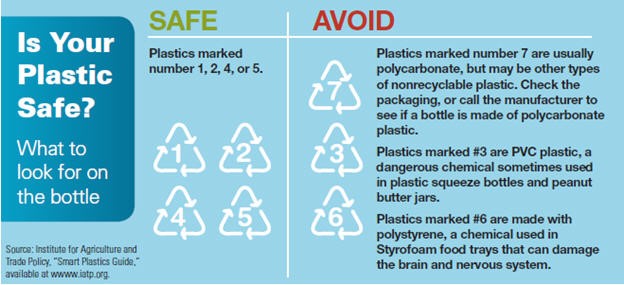

You probably have an entire cupboard full of stuff, including reusable plastic containers that you use to store and reheat leftovers. After all, plastics are handy, lightweight, they store easily, and they’re cheap. We have been enslaved to plastic usage for the last few decades, and it is a useful material with many important uses. But, food storage, reheating, and serving is not among these uses. To reduce the risk that plastic chemicals will leach into food avoid cooking, eating, storing in plastic containers, even if the label says ‘microwave safe,’ or ‘oven safe’.

When it comes to plastic food containers, some are safer than others. You can tell what kind of plastic you have by looking at the ‘resin identification number’ located in a triangle on the product (check details in pic). Note that the triangle by itself does not mean that the plastic is recyclable. You need to look at the number in the triangle and check whether that plastic grade is safe for using or not.

  plastics in food

What is PLASTIC?

There’s no single substance called ‘plastic’. That term covers many materials made from an array of organic and inorganic compounds. Substances are often added to plastic to help shape or stabilize it. Two of these plasticizers are:

Bisphenol-A (BPA), added to make clear, hard plastic

Phthalates added to make plastic soft and flexible

BPA and phthalates are believed to be Endocrine disrupters. These are substances that mimic human hormones, and not for the good. When food is wrapped in plastic or placed in a plastic container and microwaved, BPA and phthalates may leak into the food. Any migration is likely to be greater with fatty foods such as meats and oils than with other foods. Whenever hot food or liquid is packed in a plastic bag there is an exchange of toxic chemicals into the food. Many restaurants, small food kiosks, food delivery systems still use plastic boxes, covers and cups unsuited for keeping food as it may lead to food poisoning. These should be avoided at all costs.

The toxins and chemicals that leach from plastics into our food have shown to mimic hormones and cause diseases like – hormonal imbalances, infertility, early onset of diabetes, hypertension, cancers, especially breast cancer. Thus, it’s important to try to make reasonable efforts to replace plastic in our kitchens.

As we know plastic does not last forever. The more it’s heated and cooled, the more the chemicals in that container begin to break down. And when they start to break down, they break down into the food inside. As a result, detrimental and expensive health issues can arise.

fast-food-74324_640

Realistically speaking, eating hot food from a plastic bag one time will probably have no effect on a person’s health, but those who make a habit out of it may be putting themselves at risk. There is no set rule on how many times a person can eat food that has touched hot plastic without getting sick. The safest solution is to avoid eating this food whenever possible. The price of a ceramic/steel plate may higher than that of a plastic plate, but compared to the long-term financial and emotional costs associated with conditions like diabetes and infertility, it’s a small price to pay.

How to Create a Safer Kitchen

It’s almost impossible to have a 100% plastic-free kitchen. It wraps our bread, it stores our oils, bread, groceries, packaged foods etc. After all, plastic is everywhere. But we can surely try to remove it from wherever possible!

However, there are steps you can take to create a safer, plastic-free kitchen.

  1. If you do use plastic, never heat it – When plastic is heated, it leaches chemicals 55 times faster than normal. So, never ever heat food in a plastic container in the microwave, or pour hot food (especially liquid) into a plastic container. Even if it says “microwave safe” on it, it’s still going to leach chemicals. Microwave Safe simply means the container won’t warp in the heat. Also for baby foods/milk – always use designated glass bottles/steel containers for storing food/feeding the baby.

If you still plan to use plastic, stick to numbers 1, 2, 4, and 5. Those are safest.

  1. Use glass or stainless steel containers – The best step you can take to cut down on your use of plastic is to recycle all the plastic storage containers you have and use glass or stainless steel instead.
  2. Buy Fresh foods – BPA is in the lining of almost all canned food because it helps prevent corrosion and food contamination. Whenever you can, buy fresh or frozen food rather than canned food. For us Indians, most of the canned food consumption is limited to Cherries, Pineapple, Corn, Condensed Milk and some other stuff. Always try to buy fresh fruit/veggies over can stuff.
  3. Use a stainless steel water bottle/glass jars – Many plastic bottles available are not safe to use. Always check for the mark under the bottle and see if it is safe for storing water on a daily basis. If you can best avoid using plastic bottles and stick to stainless steel bottles available in various sizes. For storing water in fridges – good quality glass bottles or jugs can be used.

Only bottles specifically made to be reused should be refilled. Wear and tear on the bottle can form cracks that could harbour bacteria. An additional concern is that harmful chemicals can leach out of single-use plastic bottles and into your drinking water.

  1. Also leaving water bottles in cars for extended periods of time can raise the BPA levels. Do not drink bottled water that has been left in a car. The heat reacts with the chemicals in the plastic of the bottle which releases dioxin into the water. Dioxin is a toxin increasingly found in breast cancer tissue. So please be careful and do not drink bottled water that has been left in a car. Use glass, stainless steel, and copper bottles for storing and carrying water.
  2. Ditch the plastic wrap/cling film – Do you know the plastic that wraps your paneer, meats, cakes, bread and other bakery stuff equally harmful? Avoid that and instead, ask your bakery stuff to be wrapped in food wrapping paper.
  3. Plastic tiffin boxes – If possible do check the plastic grade of boxes, containers that you use to store/put hot food into. Replace all plastic tiffin boxes with the good old time stainless steel tiffins for kids, for adults as well. Also for adults, a lot of Borosil/glass tiffins are available. To prevent the glass from breaking they have good silicone/foam coverings!

Tupperware/Silicone and similar plastics

While the vast majority of Tupperware products are considered safe, for example, some of its food storage containers use polycarbonate (plastic #7), which has been shown to leach the harmful hormone-disrupting chemical Bisphenol A (BPA) into food items after repeated uses.

However, as a safety precaution: Don’t ever heat, or microwave food in plastic or Tupperware, don’t even pour hot liquid. Wear, tear and repeated washings may lead harmful chemicals leaching into the food.

Silicone: Silicone, a synthetic rubber made of bonded silicon. Food-grade silicone is a non-toxic polymer mostly made from silica (sand). It can withstand heating and freezing without leaching or off-gassing, hazardous chemicals – unlike plastics, which contaminate food in these environments.

According to food regulatory authorities, silicone appears to be safe. It is an inert material – nothing used in its manufacture will leach into foods. Also, Silicone bakeware is tolerant of both heat and cold. However, reports of dyes or silicone oil oozing out of overheated silicone cookware keep on coming on internet posts, as do reports of odours lingering after repeated washings. So while most of us will probably not have a problem with silicone cookware, those with chemical sensitivities might want to stay away until more definitive research has been conducted. In the meantime, cast iron and stainless steel cookware remain top choices for those concerned about harmful elements leaching into their cooked foods.

All this information will help you make better choices for storing, serving and cooking food and replacing plastics from our kitchens and our lives! Implement the suggested alternatives and safety measures to create a healthier environment in your kitchen. For further information or guidance, reach out to our certified experts by subscribing to GOQii’s Personalised Health Coaching here.

#BeTheForce

  • « Previous Page
  • 1
  • …
  • 32
  • 33
  • 34
  • 35
  • 36
  • …
  • 72
  • Next Page »

Search

Recent Posts

  • Foods to Manage Blood Sugar Naturally: A Complete Guide to Better Blood Sugar Control
  • The Lazy Person’s Guide to Staying Healthy: 5 Micro-Habits That Take Less Than 2 Minutes
  • Healthy Eating: Comforting Chilli Bean Soup Recipe for the Monsoon
  • The Truth About the ‘Beer Belly’: What Alcohol Really Does to Your Metabolism
  • Benefits of Meditation: How One Daily Habit Can Transform Your Mental Wellbeing

Stay Updated

Archives

  • August 2026 (7)
  • July 2026 (25)
  • June 2026 (22)
  • May 2026 (20)
  • April 2026 (24)
  • March 2026 (18)
  • February 2026 (14)
  • January 2026 (14)
  • December 2025 (19)
  • November 2025 (15)
  • October 2025 (20)
  • September 2025 (6)
  • August 2025 (6)
  • July 2025 (9)
  • June 2025 (18)
  • May 2025 (16)
  • April 2025 (22)
  • March 2025 (26)
  • February 2025 (21)
  • January 2025 (25)
  • December 2024 (22)
  • November 2024 (22)
  • October 2024 (20)
  • September 2024 (22)
  • August 2024 (28)
  • July 2024 (15)
  • June 2024 (23)
  • May 2024 (26)
  • April 2024 (27)
  • March 2024 (27)
  • February 2024 (23)
  • January 2024 (21)
  • December 2023 (14)
  • November 2023 (10)
  • October 2023 (19)
  • September 2023 (21)
  • August 2023 (16)
  • July 2023 (16)
  • June 2023 (21)
  • May 2023 (20)
  • April 2023 (19)
  • March 2023 (23)
  • February 2023 (19)
  • January 2023 (15)
  • December 2022 (11)
  • November 2022 (15)
  • October 2022 (15)
  • September 2022 (12)
  • August 2022 (9)
  • July 2022 (17)
  • June 2022 (11)
  • May 2022 (10)
  • April 2022 (6)
  • March 2022 (6)
  • February 2022 (13)
  • January 2022 (11)
  • December 2021 (7)
  • November 2021 (3)
  • October 2021 (6)
  • September 2021 (3)
  • August 2021 (8)
  • July 2021 (7)
  • June 2021 (15)
  • May 2021 (16)
  • April 2021 (10)
  • March 2021 (7)
  • February 2021 (4)
  • January 2021 (4)
  • December 2020 (3)
  • November 2020 (4)
  • October 2020 (10)
  • September 2020 (3)
  • August 2020 (3)
  • July 2020 (2)
  • June 2020 (4)
  • May 2020 (10)
  • April 2020 (12)
  • March 2020 (10)
  • February 2020 (4)
  • January 2020 (4)
  • December 2019 (3)
  • November 2019 (7)
  • October 2019 (5)
  • September 2019 (4)
  • August 2019 (9)
  • July 2019 (9)
  • June 2019 (11)
  • May 2019 (4)
  • April 2019 (8)
  • March 2019 (8)
  • February 2019 (9)
  • January 2019 (8)
  • December 2018 (9)
  • November 2018 (3)
  • October 2018 (3)
  • September 2018 (5)
  • August 2018 (10)
  • July 2018 (6)
  • June 2018 (13)
  • May 2018 (8)
  • April 2018 (18)
  • March 2018 (9)
  • February 2018 (8)
  • January 2018 (15)
  • December 2017 (12)
  • November 2017 (19)
  • October 2017 (13)
  • September 2017 (15)
  • August 2017 (4)
  • July 2017 (8)
  • June 2017 (7)
  • May 2017 (6)
  • April 2017 (8)
  • March 2017 (6)
  • February 2017 (7)
  • January 2017 (9)
  • December 2016 (10)
  • November 2016 (7)
  • October 2016 (7)
  • September 2016 (7)
  • August 2016 (11)
  • July 2016 (9)
  • June 2016 (9)
  • May 2016 (12)
  • April 2016 (17)
  • March 2016 (17)
  • February 2016 (8)
  • January 2016 (6)
  • December 2015 (2)
  • November 2015 (9)
  • October 2015 (7)
  • September 2015 (9)
  • August 2015 (11)
  • July 2015 (9)
  • June 2015 (11)
  • May 2015 (9)
  • April 2015 (13)
  • March 2015 (8)
  • February 2015 (5)
  • January 2015 (12)
  • December 2014 (14)
  • November 2014 (11)
  • October 2014 (6)
  • September 2014 (13)
  • August 2014 (12)
  • July 2014 (6)
  • June 2014 (2)
  • May 2014 (7)
  • April 2014 (4)

From Burnout to Balance: How Dr. Ranjit Reclaimed His Health

Dr Ranjit Bhatt has spent years tending to others. A practising doctor in Odisha, his days were packed with patients, surgeries, and emergencies. From the outside, it looked like a life lived in service. But on the inside, something wasn’t right. “I had no … [Read More...]

From Shimla’s Slopes to Chandigarh’s Sidewalks: Surinder Kaur Bhalla’s Journey from Chaos to Control

Some journeys start with a plan. Others begin with a stumble literally. Surinder Bhalla, a government professional, born and raised in the scenic hill town of Shimla, had always lived a life of movement. “In Shimla, you walked everywhere,” she reflects. “Walking was never an exercise. It was just life.” But after shifting to Chandigarh, […]

“I’ve Challenged Myself to Live 100 Years” – The Story of Chandubhai Savani’s Second Chance at Life

At 67, most people start slowing down. Not Chandubhai Savani. A resident of Surat, Chandubhai, thought life was on track. “My life was going well till I had my bypass surgery,” he says. That surgery, back in 2021, was a wake-up call.  Medication was routine, but exercise wasn’t. His diet? What he calls ‘normal.’ “I […]

Ananda Mukherjee Health Story

From Terminal Illness To Complete Wellness! Ananda Mukherjee Health Story

As we observe World Cancer Day under the powerful theme ‘United by Unique’ (2025-2027)**, we are reminded that every individual’s journey with cancer is distinct, yet united by shared resilience, hope, and the collective fight against this disease. This theme places people at the centre of care and their stories at the heart of the […]

  • HOME
  • HEALTHY LIVING
  • FITNESS
  • HEALTHY RECIPES
  • USER STORIES
  • KARMA
  • BUY GOQii

Copyright ©2016 GOQii