GOQii

Blog

  • HOME
  • HEALTHY LIVING
  • FITNESS
  • HEALTHY RECIPES
  • USER STORIES
  • KARMA
  • BUY GOQii

Search Results for: hormone

February 2, 2024 By CHARMI GOGRI 2 Comments

Healing power of herbs and spices – Part 2

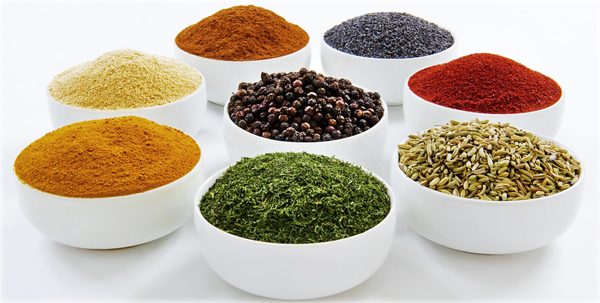
spice_palette1 copy

I hope you found the first part of the blog interesting enough for you to come back and read Part 2. Herbs and spices have always been used by our ancestors and grandmothers as home remedies. They have found cure for any ailment purely through herbs and spices. Today, slowly and steadily we are getting back to our roots. This is one of the reasons why I got down to researching on herbs and spices. In this Part two we will talk of herbs and spices such as Mint, Himalayan Salts, Parsley, Paprika to name a few…

    1. Dill: Dill has much more to offer than just serving the ornamental purpose in the gardens. Due to its anti-bacterial nature, helps in killing harmful intestinal bacteria, E.coli. The seeds also contain substantial amounts of calcium, and regular intake of dill seeds may help to boost bone strength. One outstanding use of dill is in treating hiccups. Hiccups occur for various reasons, but most likely, they occur due to trapped gas and repeated upward movement of gases through the food pipe. It can also be caused due to certain allergies, hypersensitivity, hyperactivity and nervous malfunctioning. Dill helps the expulsion of gases and also reduces gas formation at the same time it helps to calm down hiccups due to allergies, hyperactivity, or nervous disorders.
    2. Fennel Seeds : It’s most popularly used as a breath freshener but has many health benefits attached to it. They are highly beneficial in relieving digestive problems such as indigestion, bloating, flatulence, constipation, colic, intestinal gas, heartburn, and even irritable bowel. Also, Fennel is excellent for combating obesity as it suppresses the appetite and creates a feeling of fullness. Phytoestrogens present in fennel seeds helps to deal premenstrual syndrome, menstrual pain and menopausal disorders. Apart from these, fennel is traditionally used as a galactagogue to promote lactation in nursing mothers.
    3. Himalayan Salt : Gorgeous pink colored salt is much more beneficial over regular table salt. These light pink crystals are full of minerals. In fact, they come packed with over 80 minerals and elements that have shown to create an electrolyte balance within your body, strengthen bones, lower blood pressure, prevent muscle cramping, and improve circulation. On the other hand common table salts are stripped of any extra minerals. Adding to other crucial benefit, Himalayan salt is also lower in sodium than regular table salt which is one of the deadly nutrients when it comes to heart disease.
    4. Mint: Mint, the well known mouth and breath freshener, is an herb that has been used for hundreds of years for its remarkable medicinal properties. The menthol present in it activates digestive system, helps to calm stomach cramps, beat acidity and flatulence. Mint has a very strong smell that has ability to open up nasal passages and airways to allow relaxed breathing. It is also an expectorant and helps the expulsion of phlegm. Its anti-bacterial and anti-inflammatory properties help relieve inflammation along the respiratory tract. Since mint leaves purify the blood and have an anti-spasmodic effect on the soothe muscles of our body, it is a great remedy to relieve the pain of menstrual cramps.
    5. Mustard Seeds: Mustard seeds have been valued for their therapeutic effects in curing cold and sinus It is a wonderful decongestant and expectorant which helps in clearing the mucus in the air passages. A decoction made with mustard seeds helps in cleansing the body especially in the poisoning caused by narcotics and excess intake of alcohol.
    6. Nutmeg: It has been considered to be a useful medicine in a number of Asian societies. It induces the secretion of various gastric and intestinal juices that ease the digestive process. The fiber content of nutmeg can bulk up the bowel movement; it reduces the frequency and discomfort of constipation and other intestinal issues. Since olden days, nutmeg has been recommended as a home remedy for sleeplessness and insomnia. A pinch of nutmeg in warm milk before sleeping always seemed to help in better sleep quality. Nutmeg has a high content of magnesium which stimulates the release of serotonin and hormone responsible for relaxation. This serotonin is changed to melatonin in the brain, which is a sleep inducer.
    7. Oregano: This warm aromatic herb boasts several medicinal qualities. This marvelous herb is an excellent source of minerals like potassium, calcium, manganese, iron, and magnesium. Potassium is an important component of cell and helps control heart rate and blood pressure caused by high sodium. Magnesium and calcium are important minerals for bone metabolism. Oregano also being a rich source of dietary fiber helps to control blood cholesterol levels. The major components of oregano, carvacrol and thymol, are wonderfully anti-viral, anti-bacterial, anti-parasitic, and anti-fungal. Presence of powerful antioxidants in this herb makes it great for immune system. Also, Consuming 2 tsp of oregano daily during menses reduces cramps this is because carvacrol and thymol present in the herb relaxes uterine muscles and prevents painful contractions.
    8. Parsley: Most people are familiar with parsley as a food garnish and often discard the herb used for decoration without realizing the health benefits. Myricetin, a flavonol found in parsley and other plants, has been shown to have chemopreventive effects on skin cancer. A natural chemical found in parsley (apigenin ) has been found to decrease tumor size in an aggressive form of breast cancer and will play a promising role in treating cancer in future. Parsley also acts as a natural diuretic and helps in body cleansing.
    9. Paprika: Warm and spicy flavor of this herb has much more to offer apart fro imparting color to the meals. Capsanthin present in Paprika promoted increased activity of an enzyme involved in production of HDL (good) cholesterol. The presence of capsaicin has also attributed to lower blood pressure levels in the body. Vitamin B6 present in it stimulates the production of melanin, a pigment that lends hair its colour hence it’s a boon for spice lovers as it helps prevent premature greying of hair.
    10. Rosemary: This herb packs a powerful punch in the form of rosmarinic acid, carnosic acid and carnosol. It’s incredibly anti-carcinogenic, and has been found to significantly decrease levels of dangerous heterocyclic amines when cooked with meats at high temperatures. It’s also been shown to be effective in improving dermatitis, cognitive stimulant, enhancing memory and focus, protecting the liver (detoxification) and alleviating arthritis pain. The Eucalyptol present in this herb helps to loosen the chest congestion making phlegm easier to expel plus Rosemary is rich in anti-inflammatory tannin which helps to soothe a sore throat.
    11. Saffron : This is the world’s most expensive spice. Active components of Saffron i.e. crocin and safranal, helps preserve levels of dopamine, serotonin, and norepinephrine in the brain thereby helping in treating depression. Saffron may help protect against Alzheimer’s disease, anxiety, insomnia, multiple sclerosis and Parkinson’s disease. Saffron can function as an effective energy booster and can increase body’s metabolism by increasing blood circulation. Consuming a pinch of saffron with a spoonful of honey can be an effective remedy for heavy periods. It’s also known for it’s ability to beautify your skin. Wearing a saffron face mask can help clear up acne and blemishes, brighten dull skin, and give you a glow.
    12. Sage: Sage is an herb native to the Mediterranean. Sage has a long history of medicinal use for ailments ranging from mental disorders to gastrointestinal discomfort. It boosts brain function, improves memory and concentration, helps in easing alzheimer’s symptoms. Also, Sage helps prevents arteries from hardening and thereby reducing risk of heart attack. Another promising role which is heart healthy, Sage helps in maintaining the healthy lipid profile.
    13. Turmeric: Turmeric was once called a poor man’s saffron, but now we know how incredibly healing and powerful this spice truly is. Curcumin is the active compound in turmeric that is powerfully anti-inflammatory as well as rich in antioxidants. I have written a blog focusing on health benefits of turmeric, it would be worthwhile to read that, it’s accessible on http://goqii.com/blog/why-should-we-all-eat-more-turmeric
    14. Thyme: Thyme is an herb more native to Mediterranean and French cuisine. It has a long history of use in natural medicine in connection with chest and respiratory problems including coughs, bronchitis, and chest congestion. The volatile oil present in thyme are believed to increase the content of omega 3 fatty acids in brain. Thyme has decent number of flavonoids and is proven to posses’ cancer preventing properties. Thyme is also believed to relieve pain of difficult menstruation better than ibruprofen. An ounce (28g) of the herb is steeped in two cups water is consumed after straining and sweetening (optional) for optimal benefits.

Phew !! Now that was pretty exhaustive list. Isn’t it amazing that these sparingly required ingredients can have such a huge impact on our health?? Now that you know about some of these amazing key benefits, go ahead, spread the word and try out a new recipe using one of the spices above.

Be sure to comment below and letting me know what you’re going to cook up !

We hope this article helps you. For further information or guidance, reach out to our certified experts by subscribing to GOQii’s Personalised Health Coaching here.

#BeTheForce
January 21, 2024 By Vandana Juneja 6 Comments

Remedies For Leg Pain During Winter

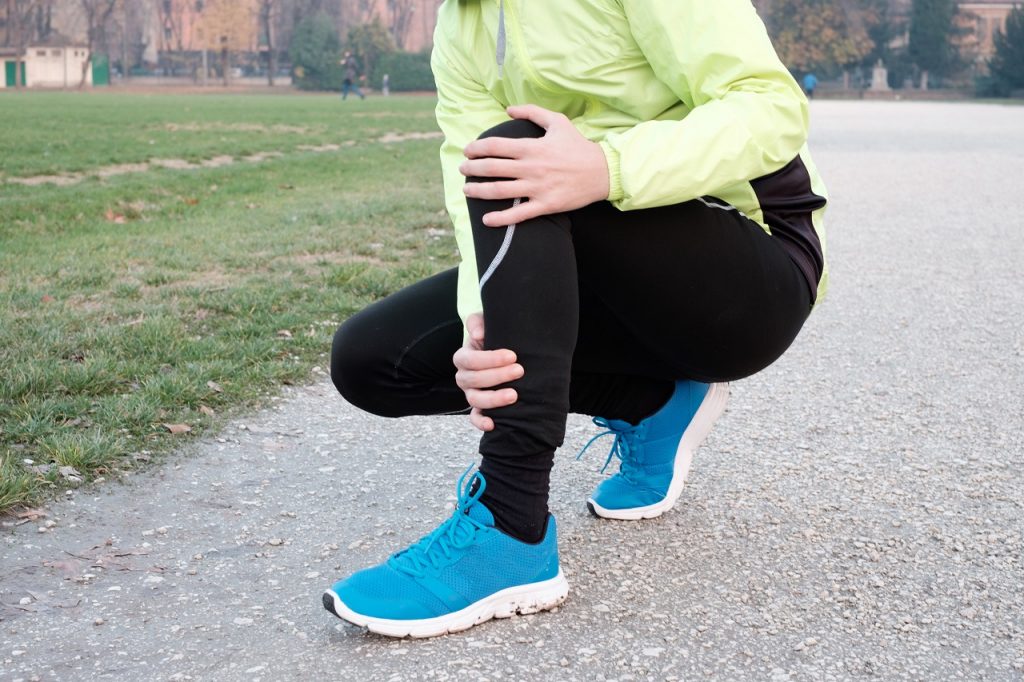
leg pain during winterAs winter sets in, there are many health issues that some people face, and one of them is feeling immense stiffness and soreness in the legs leading to being less active. Is it normal to feel these aches and pain? or is it a serious health concern? Let’s find out the reason for leg pain during winter. 

Why do we feel pain and stiffness in Winter?

According to various studies, the cold causes your muscles to lose heat and contract, this makes you feel tight especially around the joints, and eventually you tend to lose range of motion and your nerves can also be easily pinched.

Another theory says a drop in barometric pressure in winters, cause the tendons, muscles and surrounding tissues to expand. Because of the confined space within the body, this can cause pain, especially in joints affected by arthritis.

In general, during winters, we limit our movement due to the cold weather, don’t exercise much, and keep ourselves wrapped up in blankets to stay warm, eat calorie dense food and put on a few extra kilos! All these factors also attribute to increased sensation of pain and stiffness in the legs.

Whatever the reason, it is a fact that many people have “flare ups” or aggravated symptoms of aches and pains in their body especially the lower limbs. Though you may not take it as a serious health concern, one should work towards preventing and dealing with it, so that the aches and pain do not aggravate and restrict your mobility in winters.

Tips to Reduce Leg Pain During Winter

1. Keep Yourself Warm with Proper Clothing
Use cotton, wool or fleece long-sleeved clothing since these materials work the best at maintaining body heat. Wear slim-fitting clothes for your underlayer, so that you don’t look bulky and can easily move your limbs. Don’t forget to wear your woolen cap, gloves, scarf and overcoat (if really cold); with a warm pair of socks and shoes while going out for a walk or even for an outing. Long woolen socks are advised to keep your legs warm. There are woolen thermals available that cover your legs from mid thigh to ankle and are very comfortable. Keeping your muscles warm is important to feel good and comfortable. The right kind of shoe will prevent any kind of injury from a fall or slip.

2. Stay Active
It is important to stay active and exercise your joints and muscles to reduce pain and stiffness during winters. Exercise increases blood circulation, boosts production of your body’s synovial fluid, which lubricates your joints and makes movement easy and comfortable. Plus, a good workout releases your body’s natural feel-good compounds (happy hormones: endorphins, dopamine and serotonin), resulting in reduced perception of pain and boosting your mood and overall sense of well-being. Walking and stationary cycling are good low-impact options to improve blood flow and leg strength. Just remember to warm-up a bit first and skip high-impact exercises if they bother your joints.

Some exercises you should be doing at regular intervals are:

  • Ankle Circles: This exercise is great to warm the muscles in the lower legs before starting a full exercise routine. Ankle circles also increase joint flexibility. The technique can easily be performed while sitting or standing and holding a chair or railing for support.
  • Leg Raises While Sitting: This exercise will improve your quadriceps strength and can be easily done while watching T.V. or sitting with friends/ family. Sit with your thighs well placed on a chair, back touching the backrest and then raise your foot up till it is in line with the thigh. Repeat both sides, 10 times each, twice a day.
  • Calf Raises: By strengthening the calf muscles, you can comfortably climb up and down stairs or walk on elevated terrain. Use a chair for support, and stand on a large book or small stool. Rise up on the toes and hold for five seconds, then lower, repeat five to ten times. Drop the heels to the floor to stretch the calves. Hold for five seconds and relax.
  • Standing Leg Raises: This exercise strengthens the muscles in the lower back, buttocks, hips, and thighs. Stand sideways behind a chair while holding the chair back for support. Lift the outer leg to the side while keeping it straight from the hip to the heel. Keeping the back straightened, hold for five seconds, and lower. With the same leg, stand straight and move the leg back while keeping it straightened. Hold for five seconds and relax. Repeat the process with the other leg. Perform 10 repetitions with each leg, then repeat.
  • Knee Ups: High Knees are a cardio-intensive exercise performed at a fast pace. It engages your core, strengthens all the muscles in your legs, gets your heart rate up and improves momentum, coordination and flexibility. Stand with your feet hip-width apart. Lift up your left knee to your chest. Switch to lift your right knee to your chest. Continue the movement, alternating legs and moving at a sprinting or walking pace for 4-5 minutes.

Similarly there are many other exercises that you can do at home to avoid leg pain during winter, depending upon your current physical health. For instance, squats/wall squats, straight leg raises, prone leg raises, lunges, etc.

3. Add Anti-Inflammatory Components to your Daily Diet
It is important to include anti-inflammatory foods in your daily diet, to reduce inflammation, pain and stiffness in the joints and muscles. You can include super foods such as Ginger, Turmeric, Chilly Peppers, Mint and Virgin Olive Oil. Choose colourful foods like blueberries, blackberries, cherries, spinach, kale and broccoli. Opt for Salmon, Tuna, Sardines, nuts and seeds. Avoid processed foods, excess sugar and salt; high intake of alcohol.

4. Get Enough Vitamin D
During winter, Vitamin D levels naturally dip as we get less exposure to sunlight. Low levels of Vitamin D increase sensitivity to pain. Vitamin D-rich foods such as salmon, tuna, mackerel, cheese and egg yolks are important since Vitamin D helps your body absorb calcium from food, which is another important mineral for bone health that can help reduce pain. Get your levels checked and ask your doctor about supplements if your levels are low.

5. Hydrate Well
We tend to drink less water during winter, leading to dehydration and even the slightest of dehydration can cause increased sensitivity to pain. Drink at least 2-2.5 litres of water daily. You can have lukewarm water if not comfortable with water at room temperature.

6. Treat Yourself to a Massage
Massaging the legs increases the blood and lymphatic circulation, relaxes and normalises the soft tissues (muscle, connective tissue, tendons, ligaments), which releases nerves and deeper connective tissues; hence reducing spasm in the muscles and overall pain sensation. There are many essential oils that you can use to massage gently on your muscles as they have anti-inflammatory and analgesic properties, like lavender oil, eucalyptus oil, peppermint oil, rosemary oil. Other commonly used oils for massage include – coconut oil, sesame oil, mustard oil, almond oil and olive oil.

The mentioned tips, should keep the leg pain during winter away! So leave the quilts and start moving! Eat right, hydrate well, stay active, enjoy and level up this beautiful winter weather! But if your symptoms aggravate, despite all precautions, do consult your doctor.

Do you have a special remedy you use for aches and pains during winter? Share them with us in the comments below. For more winter tips, check out Healthy Reads or ask a GOQii Coach by subscribing for Personalised Health Coaching here.

#BeTheForce 

January 20, 2024 By Aaishwarya Haldule 2 Comments

Meditation and it’s healing powers

meditation-pose

Meditation as we all know is one of the most ancient stress relieving and healing techniques used in India and now even in the Western world. It however has its roots buried in the centuries old science of medicine in India. Now one may think, meditation is only to sit with eyes closed and breathe, to be practiced by saints and yogis.

MEDITATION- the true meaning is to make peace with oneself mentally and physically.But, this is not easy as one may think and needs practice or even training for some period.

The term meditation refers to a variety of practices, such as techniques designed to promote relaxation and build internal energy or life force which is also PRANA in Sanskrit. This enables the individuals to develop love, compassion, patience, effortless single pointed concentration, thus enabling the person to enjoy the well being while engaging in any life activity.

In the recent times meditation is often suggested as a treatment to ease health concerns such as hypertension/ blood pressure, depression, anxiety, insomnia, fear and phobias, control emotions such as anger or hatred. Meditation has a calming effect on the body as well as mind. It directs awareness inward until pure awareness is achieved which is rightly described as “Being awake inside without being aware of anything except awareness itself”

Now one may ask how to achieve the state of awareness and peace? Here is how you can.

  • Sit comfortably wearing comfortable clothes.
  • Starting with your head working downwards feel the vibrations in your body.
  • Focus on your breath; follow the sensation of inhaling and exhaling. With each inhalation the tummy will blow out and with each exhalation the tummy will go back in.
  • Once you achieve this state, you will face thoughts, the key here is to not hold on to any thought. Instead make it a slide show, let all the thoughts come and go as if it is a photo gallery.
  • Once you are able to achieve this, you can begin with mantra repetition such as OM for 5- 6 times.

It has been proven that practicing meditation; has numerous benefits and accelerates the process of healing of many health conditions, as well as delay the ageing.

To highlight a few prominent benefits, let’s look further.

  • Increase immunity:

Relaxation appears to boost the immunity in recovering cancer patients. Progressive muscular relaxation when practiced daily has shown to reduce the risk of breast cancer and its recurrence. A study at Ohio state university has shown that practicing meditation and relaxation for a month boosted the immunity cells in the elderly giving them more resistance to viruses.

  • Emotional Balance:

As we discussed earlier, meditation helps to achieve control over emotions such as anger, hatred.

Emotional balance means to be free of ego. Though this is very difficult to achieve fully, meditation does help to lessen the outbursts due to ego. As the consciousness is cleansed of emotions and memories, one not only achieves a full freedom but also great balance in actions and words.

  • Increases Fertility:

It has been found that women are more likely to conceive when emotionally balanced and stress free. Being stress free also helps improve male fertility in many ways.

  • Relieves Digestive Ailments:

People who suffer anxiety related acidity, or other digestive complaints get great relief with regular meditation and breathing exercises.

Hence, it is widely recommended as an effective treatment.

  • Lowers Blood Pressure:

Similar to exercise meditation also helps to secrete “happiness hormones such as endorphins”, making the body less responsive to stress hormones. These effects are also seen with regular cardio exercise and blood pressure lowering medications as well.

  • Inflammation:

Stress; of all kinds’ leads to inflammation, which is widely related to heart disease, arthritis, asthma and many skin conditions. Practicing regular meditation can prevent and help in treating these conditions by reducing the stress response.

  • Calmness and Sleep:

The simple difference between the people who meditate and those who do not, is that for a meditative mind the thought occurs is witnessed, while for an ordinary mind, the thought occurs and is governed by ego. In case in both minds, an upsetting thought occurs, but for those who meditate it is just another thought which is seen, allowed to blossom, and let go, while in a non meditating mind, such thoughts can instigates a storm which rages on and on. This can lead to sleep disturbances. Hence meditation helps to improve sleep.

In short, Meditation is a way to celebrate being at peace with oneself and celebrating it with silence.

We hope this article helps you. For further information or guidance, reach out to our certified experts by subscribing to GOQii’s Personalised Health Coaching here.

Happy Meditating!

#BeTheForce 

January 11, 2024 By Farhat Khan 2 Comments

What is Resting Heart Rate & How Can You Improve It?

Resting Heart Rate

If you want to know more about heart health, your Resting Heart Rate can tell you a lot! As we all know, our heart is responsible for providing blood and oxygen to each and every organ in the body and if there is any trouble in the heart, automatically the rest of the body will be impacted too.

What is Resting Heart Rate?

Resting heart rate (RHR) is known as your base or lowest heart rate. It can be defined as the number of times your heart beats per minute while you’re resting or not active. The normal resting heart rate reading should be in between 60 to 100 beats per minute (BPM). The term use for a heart rate below 60 bpm is called Bradycardia while a heart rate above 100 bpm is called Tachycardia. Usually, children tend to have a higher heart rate than adults. It is because of their faster metabolism. For a newborn, resting heart rate around 100 to 150 bpm is considered normal.

How Can You Measure It? 

Measuring heart rate is the same as checking your pulse. Currently, there are different ways to measure it – you can even measure it using your fitness tracker or band. You can also use the ancient method wherein, you place your index and middle finger on your wrist just below the thumb, or along either side of your neck, so you can feel your pulse. Remember not to use your thumb to take this measurement as it has its own pulse so you might not get the accurate measurement. Use a watch to count the number of beats for 30 seconds and double it so you will get the reading for per minute. Repeat it twice or thrice to make sure you get the accurate measurements. 

To get the proper readings, it is advised to check your resting heart rate as soon as you wake up before carrying out any other work or activity. 

Factors That Affect RHR 

Daily activities such as walking or drinking a cup of coffee, medications, hormones, body size, stress and activity level can change your resting heart rate. Some major factors include: 

  • Age
  • Lack of sleep
  • Dehydration
  • Stress
  • Obesity
  • Health conditions, lung disease and diabetes
  • Some medications like Beta blockers & calcium channels
  • Temperature
  • Exercise

Generally, lower heart rates are considered better as it shows your heart is working well with no extra effort. On the other side, a higher resting heart rate shows your heart has to work extra hard to pump blood.

Ways to Improve or Lower Heart Rate

  1. One of the reasons for increased RHR as one ages, is the lack of or less physical activity. As aging is a natural process, we can improve its impact on heart health by adding 30 minutes of walking or any other low impact exercise like cycling, swimming and dancing. Of course, your heart will beat fast during the activity and for a short time after that, but practicing it every day will automatically help in reducing your elevated resting heart rate.
  2. Guided breathing practices, yoga, tai chi, meditation, long walks and reading are all great ways to calm your mind and body, which will help in controlling your heart rate.
  3. Always try to get at least seven hours of sleep every night so your body gets sufficient time to recover from stress.
  4. Keeping yourself well hydrated helps blood flow through the body and makes the functioning of the heart easy as well. 
  5. Those who smoke have a higher RHR. Quitting brings it back down. 
  6. Keep a watch on body weight. The larger the body, the more the heart has to work to supply it with blood. Losing body weight helps in lowering elevated RHR.

It’s important to maintain an active lifestyle with regular aerobic exercise, a balanced diet, quality sleep and hydration. By measuring your resting heart rate regularly, you can see both your long-term progress and daily fluctuations in it. When your resting heart rate decreases as a result of training, it’s a sign that your cardiovascular health is improving.

We hope this article helps you make heart-healthy choices! Do let us know your thoughts in the comments below. For more on heart health, check out Healthy Reads or reach out to our certified experts by subscribing to GOQii’s Personalised Health Coaching here.

#BeTheForce 

  • « Previous Page
  • 1
  • …
  • 36
  • 37
  • 38
  • 39
  • 40
  • …
  • 72
  • Next Page »

Search

Recent Posts

  • Foods to Manage Blood Sugar Naturally: A Complete Guide to Better Blood Sugar Control
  • The Lazy Person’s Guide to Staying Healthy: 5 Micro-Habits That Take Less Than 2 Minutes
  • Healthy Eating: Comforting Chilli Bean Soup Recipe for the Monsoon
  • The Truth About the ‘Beer Belly’: What Alcohol Really Does to Your Metabolism
  • Benefits of Meditation: How One Daily Habit Can Transform Your Mental Wellbeing

Stay Updated

Archives

  • August 2026 (7)
  • July 2026 (25)
  • June 2026 (22)
  • May 2026 (20)
  • April 2026 (24)
  • March 2026 (18)
  • February 2026 (14)
  • January 2026 (14)
  • December 2025 (19)
  • November 2025 (15)
  • October 2025 (20)
  • September 2025 (6)
  • August 2025 (6)
  • July 2025 (9)
  • June 2025 (18)
  • May 2025 (16)
  • April 2025 (22)
  • March 2025 (26)
  • February 2025 (21)
  • January 2025 (25)
  • December 2024 (22)
  • November 2024 (22)
  • October 2024 (20)
  • September 2024 (22)
  • August 2024 (28)
  • July 2024 (15)
  • June 2024 (23)
  • May 2024 (26)
  • April 2024 (27)
  • March 2024 (27)
  • February 2024 (23)
  • January 2024 (21)
  • December 2023 (14)
  • November 2023 (10)
  • October 2023 (19)
  • September 2023 (21)
  • August 2023 (16)
  • July 2023 (16)
  • June 2023 (21)
  • May 2023 (20)
  • April 2023 (19)
  • March 2023 (23)
  • February 2023 (19)
  • January 2023 (15)
  • December 2022 (11)
  • November 2022 (15)
  • October 2022 (15)
  • September 2022 (12)
  • August 2022 (9)
  • July 2022 (17)
  • June 2022 (11)
  • May 2022 (10)
  • April 2022 (6)
  • March 2022 (6)
  • February 2022 (13)
  • January 2022 (11)
  • December 2021 (7)
  • November 2021 (3)
  • October 2021 (6)
  • September 2021 (3)
  • August 2021 (8)
  • July 2021 (7)
  • June 2021 (15)
  • May 2021 (16)
  • April 2021 (10)
  • March 2021 (7)
  • February 2021 (4)
  • January 2021 (4)
  • December 2020 (3)
  • November 2020 (4)
  • October 2020 (10)
  • September 2020 (3)
  • August 2020 (3)
  • July 2020 (2)
  • June 2020 (4)
  • May 2020 (10)
  • April 2020 (12)
  • March 2020 (10)
  • February 2020 (4)
  • January 2020 (4)
  • December 2019 (3)
  • November 2019 (7)
  • October 2019 (5)
  • September 2019 (4)
  • August 2019 (9)
  • July 2019 (9)
  • June 2019 (11)
  • May 2019 (4)
  • April 2019 (8)
  • March 2019 (8)
  • February 2019 (9)
  • January 2019 (8)
  • December 2018 (9)
  • November 2018 (3)
  • October 2018 (3)
  • September 2018 (5)
  • August 2018 (10)
  • July 2018 (6)
  • June 2018 (13)
  • May 2018 (8)
  • April 2018 (18)
  • March 2018 (9)
  • February 2018 (8)
  • January 2018 (15)
  • December 2017 (12)
  • November 2017 (19)
  • October 2017 (13)
  • September 2017 (15)
  • August 2017 (4)
  • July 2017 (8)
  • June 2017 (7)
  • May 2017 (6)
  • April 2017 (8)
  • March 2017 (6)
  • February 2017 (7)
  • January 2017 (9)
  • December 2016 (10)
  • November 2016 (7)
  • October 2016 (7)
  • September 2016 (7)
  • August 2016 (11)
  • July 2016 (9)
  • June 2016 (9)
  • May 2016 (12)
  • April 2016 (17)
  • March 2016 (17)
  • February 2016 (8)
  • January 2016 (6)
  • December 2015 (2)
  • November 2015 (9)
  • October 2015 (7)
  • September 2015 (9)
  • August 2015 (11)
  • July 2015 (9)
  • June 2015 (11)
  • May 2015 (9)
  • April 2015 (13)
  • March 2015 (8)
  • February 2015 (5)
  • January 2015 (12)
  • December 2014 (14)
  • November 2014 (11)
  • October 2014 (6)
  • September 2014 (13)
  • August 2014 (12)
  • July 2014 (6)
  • June 2014 (2)
  • May 2014 (7)
  • April 2014 (4)

From Burnout to Balance: How Dr. Ranjit Reclaimed His Health

Dr Ranjit Bhatt has spent years tending to others. A practising doctor in Odisha, his days were packed with patients, surgeries, and emergencies. From the outside, it looked like a life lived in service. But on the inside, something wasn’t right. “I had no … [Read More...]

From Shimla’s Slopes to Chandigarh’s Sidewalks: Surinder Kaur Bhalla’s Journey from Chaos to Control

Some journeys start with a plan. Others begin with a stumble literally. Surinder Bhalla, a government professional, born and raised in the scenic hill town of Shimla, had always lived a life of movement. “In Shimla, you walked everywhere,” she reflects. “Walking was never an exercise. It was just life.” But after shifting to Chandigarh, […]

“I’ve Challenged Myself to Live 100 Years” – The Story of Chandubhai Savani’s Second Chance at Life

At 67, most people start slowing down. Not Chandubhai Savani. A resident of Surat, Chandubhai, thought life was on track. “My life was going well till I had my bypass surgery,” he says. That surgery, back in 2021, was a wake-up call.  Medication was routine, but exercise wasn’t. His diet? What he calls ‘normal.’ “I […]

Ananda Mukherjee Health Story

From Terminal Illness To Complete Wellness! Ananda Mukherjee Health Story

As we observe World Cancer Day under the powerful theme ‘United by Unique’ (2025-2027)**, we are reminded that every individual’s journey with cancer is distinct, yet united by shared resilience, hope, and the collective fight against this disease. This theme places people at the centre of care and their stories at the heart of the […]

  • HOME
  • HEALTHY LIVING
  • FITNESS
  • HEALTHY RECIPES
  • USER STORIES
  • KARMA
  • BUY GOQii

Copyright ©2016 GOQii