GOQii

Blog

  • HOME
  • HEALTHY LIVING
  • FITNESS
  • HEALTHY RECIPES
  • USER STORIES
  • KARMA
  • BUY GOQii

Search Results for: home workout

June 15, 2026 By GOQii Leave a Comment

Train Hard, Sleep Well: The Recovery Secret Most People Ignore

The Big Question: Why is skimping on a good night’s rest the absolute fastest way to destroy your strength, fitness, and weight-loss progress?
When working to improve fitness, build lean muscle, or manage weight, the vast majority of people focus entirely on two metrics: workout intensity and strict nutrition. However, the foundational pillar that dictates the success of those efforts is sleep. While target resistance training and cardiovascular movement provide the necessary stress stimulus for physical improvement, actual physiological adaptation, cellular repair, and tissue rebuilding occur while you rest. Consistently missing your sleep windows shifts your body into a chronic catabolic state, making recovery highly difficult and undermining your hard work in the gym.

When it comes to building a vibrant, high-performing body, mainstream fitness culture teaches us that success rests on a simple, two-part formula: training hard and eating well. Both elements are undeniably critical. Yet, a silent epidemic of under-recovery persists because people routinely neglect the third, equally important pillar of health: high-quality sleep.

In today’s fast-paced world, many individuals treat sleep as an optional luxury. They willingly sacrifice their rest windows to squeeze in early morning high-intensity workouts, finish late-night professional commitments, keep up with social activities, or indulge in endless screen time.

However, poor sleep quality will quietly stall your physical progress, no matter how heavy you lift or how cleanly you eat. The biological reality is straightforward: exercise challenges the body, but sleep is where the body adapts and grows.

The Biological Reality: Why Sleep Matters for Recovery

Sleep is far more than a period of cellular inactivity. While your mind rests, your brain signals your endocrine and immune networks to perform intense, essential maintenance that supports your long-term physical longevity.

  1. Accelerated Muscle Tissue Repair

Intense physical activity creates localized inflammation, metabolic waste accumulation, and microscopic structural tears in your skeletal muscle fibers. Deep sleep is the primary physiological window during which your body accelerates protein synthesis, utilizing circulating amino acids to patch these micro-tears. This recovery process thickens muscle fibers, preserves lean mass, and prepares your connective tissues for future workouts.

  1. Neurological Energy Restoration

Physical movement and cognitive focus rapidly deplete your body’s cellular energy reserves and central nervous system glycogen. Sleep allows your brain to execute a vital metabolic cleanup, restoring neural pathways and clearing away waste products. This ensures that you wake up with the raw physical power and mental stamina required to perform at your peak.

  1. Precision Hormonal Balancing

Your endocrine system is deeply bound to your natural circadian rhythm. Essential hormones that dictate your rate of muscle recovery, metabolic speed, tissue repair, and appetite regulation—such as testosterone, human growth hormone (HGH), leptin, and ghrelin are directly modulated by the quantity and depth of your sleep cycles.

  1. Immune System Maintenance

A resilient immune system requires the restorative downtime of slow-wave sleep to synthesize protective cytokines and white blood cells. Experiencing chronic sleep deficits lowers your baseline immunity, making your tissues highly vulnerable to systemic inflammation, frequent colds, and persistent joint soreness.

  1. Enhanced Cognitive Focus and Reaction Time

Sleep is the primary vehicle for memory consolidation, motor-skill learning, and executive decision-making. Whether you are navigating a high-stakes professional presentation or executing a complex, heavy compound lift on the gym floor, mental sharpness, spatial awareness, and fast reaction times are non-negotiable for avoiding injury.

Can Better Sleep Directly Support Muscle Growth?

A very common question among active individuals is whether sleep directly influences muscle hypertrophy. The answer is a definitive yes but not because spending time in bed magically builds muscle mass overnight.

Muscle hypertrophy is a multi-step biological journey. It begins with progressive training stress loading the frame, which must then be paired with a precise intake of macronutrients. However, these steps are only the preparation. The actual transition into muscle growth requires a dedicated sleep window. Once your brain enters deep, slow-wave sleep states, it activates a natural surge of growth hormones, maximizing muscle protein synthesis and repairing the tissue micro-tears.

Clinical research demonstrates that chronic sleep restriction suppresses muscle protein synthesis pathways and spikes catabolic stress hormones. You can execute the perfect training program and log pristine nutritional macros, but if you are chronically sleep-deprived, you are forcing your body to work in a muscle-wasting environment.

The Compounding Costs of Chronic Sleep Deficits

Missing a few hours of rest on an occasional busy night will not derail your long-term fitness goals. However, allowing chronic sleep restriction to become a lifestyle habit triggers a series of destructive physical consequences:

  • Stagnant Exercise Performance: You will experience a noticeable drop in raw muscular strength, lower cardiovascular endurance, poor spatial coordination, and a total lack of workout motivation.
  • Delayed Recovery Windows: Your muscles and joints will remain sore and tender for several days, indicating that your body is struggling to repair tissue damage between scheduled sessions. This makes recognizing the why recovery matters: signs you’re training too hard guidelines an absolute necessity.
  • Hormonal Hunger Shifts: Sleep deprivation directly disrupts your satiety hormones, blunting leptin (which signals fullness) and spiking ghrelin (which signals hunger). This hormonal imbalance triggers intense, unmanageable cravings for highly processed, calorie-dense foods, which directly complicates long-term weight management.
  • Elevated Systemic Stress: Chronic exhaustion places your body into a perpetual “fight-or-flight” state, causing baseline cortisol to hover at abnormal levels. Understanding how cortisol and chronic stress: what your body is trying to tell you works is vital if you want to protect your metabolism from burning out.

Determining Your Optimal Sleep Window

Most physically active adults require between 7 to 9 hours of high-quality sleep per night to fully counter the cellular stress of daily life and intense training.

Individual recovery needs naturally vary based on your age, baseline health status, and daily exercise volume. If you are engaging in heavy weight training, running long distances, or managing an intense professional schedule, you will experience the greatest health benefits by targeting the upper end of that 9-hour range.

Remember, the ultimate goal is not just spending generic time lying down in bed; it is securing uninterrupted, high-quality sleep cycles.

The Science of the 20-Minute Power Nap

When an unpredictable schedule disrupts your nighttime rest, a strategic daytime power nap can serve as an exceptional recovery tool.

To maximize alertness and lower mental fatigue without disrupting your evening schedule, keep your nap strictly between 20 to 30 minutes. Waking up within this window prevents you from entering the deeper stages of slow-wave sleep. If you cross into deep sleep during the day, you will experience severe sleep inertia, leaving you feeling incredibly groggy, weak, and disoriented upon waking.

5 Practical Habits for Superior Sleep Architecture

To help your central nervous system transition smoothly into deep, slow-wave rest, optimize your evening routine with these five science-backed habits:

  1. Lock In a Consistent Sleep Schedule: Go to bed and wake up at the exact same time every day, including weekends. This consistency anchors your internal circadian clock, optimizing natural hormone release windows.
  2. Set a Hard Digital Curfew: The blue light emitted from smartphones, tablets, and laptops mimics sunlight, tricking your brain into suppressing melatonin production. Turn off all non-essential screens at least one hour before bedtime.
  3. Decompress with an Evening Relaxation Routine: Signal your body that it is safe to unwind by dedicating the final hour of your evening to gentle reading, warm showers, or light mobility work. Utilizing the benefits of mindfulness for better sleep can help calm an overactive nervous system.
  4. Transform Your Bedroom into a Sleep Chamber: Keep your sleeping environment exceptionally cool, dark, and quiet. Use blackout curtains or eye masks to eliminate disruptive light pollution, as your physical environment dictates sleep depth far more than most people realize.
  5. Manage Your Late-Day Caffeine Timing: Caffeine is a powerful stimulant with a long half-life that blocks your brain’s natural sleep-pressure receptors. To protect your sleep architecture, cut off all coffee, tea, and pre-workout drinks at least 6 to 8 hours before bed.

Core Sleep Disruptors to Eliminate Immediately

  • Late-Night Alcohol Consumption: While a drink may help you fall asleep initially, alcohol fragments your sleep architecture, elevates your resting heart rate, and drastically reduces your time spent in REM and deep slow-wave sleep stages.
  • Heavy, Calorie-Dense Dinners: Eating large meals close to bedtime forces your digestive system to work overtime. This elevates your core body temperature and causes nighttime indigestion, leading to a highly restless night.
  • Vigorous Late-Night Workouts: Performing high-intensity interval training or heavy lifting within 2 hours of bedtime floods your bloodstream with adrenaline and raises systemic core heat, making it incredibly difficult for your body to wind down.
  • Bringing Professional Work into Bed: Using your mattress as a home office degrades the psychological association between your bed and rest. Keep your work and sleep spaces completely separate.

The Sleep Optimization Checklist

The Recovery Pillar High-Performance Strategy Physiological Outcome
Nutritional Support Prioritize protein to assist protein and muscle recovery Supplies bone marrow and muscles with repair blocks.
Hydration Discipline Balance evening fluids to optimize hydration and exercise performance Clears metabolic waste without disrupting sleep cycles.
Restorative Movement Integrate low-impact healthy ageing through movement Lowers daily cortisol and relieves joint stiffness.

Sleep is never time lost; it is a fundamental investment in your longevity and physical performance. Whether your personal goal is building lean muscle, maximizing athletic endurance, managing weight, or supporting a lifetime of vibrant health, quality sleep provides the biological foundation that makes all of your other healthy habits work more effectively.

Training hard provides the physical challenge, but recovery is where progress actually happens. Before searching for the next exotic supplement or trend, take a serious look at your sleep habits. Your physical transformation starts long before you ever step foot inside the gym.

Pro Tip: Managing your exercise and recovery balance requires consistent habit tracking. Use the GOQii App to log your daily physical movement, record your nutritional data, and maintain a clear log of your sleep habits. You can seamlessly share this comprehensive data overview with your GOQii Personalised Health Coach to identify hidden lifestyle triggers, eliminate patterns of under-recovery, and create a highly sustainable routine tailored perfectly to your metabolic goals!

Frequently Asked Questions (FAQs)

  1. Can a chronic lack of sleep directly stall my muscle growth progress?

Yes, absolutely. Sleep is the primary physiological window during which your endocrine system releases essential anabolic hormones like human growth hormone and testosterone to repair tissue damage. Consistently missing your sleep windows elevates the catabolic hormone cortisol, which actively accelerates muscle tissue breakdown and suppresses protein synthesis, halting long-term muscle gains.

  1. How much sleep do active adults genuinely need every night?

While sleep needs are highly individualized, the clear clinical recommendation for physically active adults is to secure between 7 to 9 hours of sleep per night. Individuals who participate in regular intense training routines or carry high daily stress loads recover most efficiently when they target the upper end of that range.

  1. Are short daytime naps beneficial for muscle recovery?

Yes. If you have experienced an unavoidable deficit in your nighttime rest, a brief daytime nap of 20 to 30 minutes is excellent for lowering central nervous system fatigue, sharpening mental concentration, and reducing daytime cortisol. However, naps should serve as a helpful complement to, rather than a permanent replacement for, a consistent nighttime sleep schedule.

  1. Is getting high-quality sleep more important than working out?

They are interdependent components of a functional fitness equation. Exercise acts as the necessary physical stimulus that challenges your muscles and bones, while sleep serves as the mandatory recovery window during which your body executes cellular repair and growth. Exercising heavily on a chronically sleep-deprived body is counterproductive and heavily increases your risk of injury.

  1. Can sleeping longer immediately improve my workout performance?

Consistently prioritizing adequate, high-quality sleep directly maximizes your daily cellular energy stores, sharpens mental concentration, stabilizes mood, speeds up tissue healing, and restores neuromuscular coordination. This comprehensive physiological reset directly results in greater power output, endurance, and safety during your workouts.

#BeTheForce

Disclaimer: This article is intended for educational and informational purposes only. It is not intended to replace professional medical advice, clinical diagnosis, or treatment. Always consult a qualified healthcare provider or sports medicine physician before starting an intense exercise regimen or making drastic changes to your therapeutic lifestyle routines.

June 6, 2026 By GOQii 14 Comments

5 Healthy Smoothies to Support Weight Loss: The Power of Fiber

Juices for weight lossThe Big Question: Are liquid blends actually effective for weight loss?

While no single drink can directly cause weight loss, nutrient-dense smoothies are a highly effective tool when used correctly. The key is to blend whole fruits and vegetables rather than juicing them. Blending retains the essential dietary fiber, which prevents rapid blood sugar spikes, promotes early satiety, and supports healthy digestion. When combined with a balanced diet and regular movement, these high-fiber smoothies provide vital hydration and micronutrients while safely supporting a caloric deficit.

One of the absolute simplest ways to increase your daily intake of fresh fruits and vegetables is through homemade smoothies.

However, a common pitfall in many weight-loss journeys is relying heavily on commercially extracted fruit juices. Traditional juicing strips away the fibrous pulp, leaving you with a highly concentrated glass of fructose that can spike your blood sugar and stall your progress.

Smoothies, on the other hand, retain the whole plant. This means you consume all the gut-friendly fiber, keeping you full and stabilizing your energy levels. Here are five nutrient-rich, healthy smoothie recipes that perfectly complement an active lifestyle and support sustainable weight management.

The Smoothie Quick Guide

Smoothie Key Ingredients Primary Health Benefit
1. Clean & Green Kale, Celery, Apple, Basil High fiber; excellent for daily hydration and antioxidants.
2. The Red Engine Beetroot, Carrot, Strawberry Vitamin C boost; provides natural energy for active days.
3. Hydration Station Watermelon, Mint, Kale Highly hydrating; mint adds a refreshing, light finish.
4. Green Lemon Spinach, Lemon, Apple Lemon provides a low-calorie flavor boost alongside essential iron.
5. Kiwi Cooler Kiwi, Cucumber, Lemon High water content; helps you feel fuller for longer.

5 Nutrient-Rich Blends for Your Journey

1. Clean & Green Smoothie

juices for weight lossThis smoothie is packed with fiber, antioxidants, and hydration-supporting ingredients. The apple adds a touch of natural sweetness, while the kale and basil contribute valuable, leafy micronutrients.

Ingredients:

  • 1 Apple
  • 1 cup Kale
  • 1 Celery stalk
  • 1/2 Cucumber
  • A handful of fresh Basil leaves
  • 1/4 cup Water

Method:

  1. Wash and roughly chop the produce.
  2. Add all ingredients to a blender.
  3. Blend on high until completely smooth. Add extra water or ice to adjust the consistency to your liking.

2. Beetroot, Carrot & Strawberry Smoothie

Beetroot and carrots provide excellent dietary fiber and earthy antioxidants, while the strawberries add a burst of Vitamin C and natural sweetness. This brightly colored smoothie is a fantastic, energizing addition to an active lifestyle.

Ingredients:

  • 1 small Beetroot
  • 2 Carrots
  • 5 to 6 Strawberries
  • 1/4 cup Water

Method:

  1. Peel and chop the beetroot and carrots into small pieces to help them blend easily.
  2. Add the chopped root vegetables, strawberries, and water to a blender.
  3. Blend until smooth, adding ice if you prefer a chilled drink.

3. Mint, Watermelon and Kale Smoothie

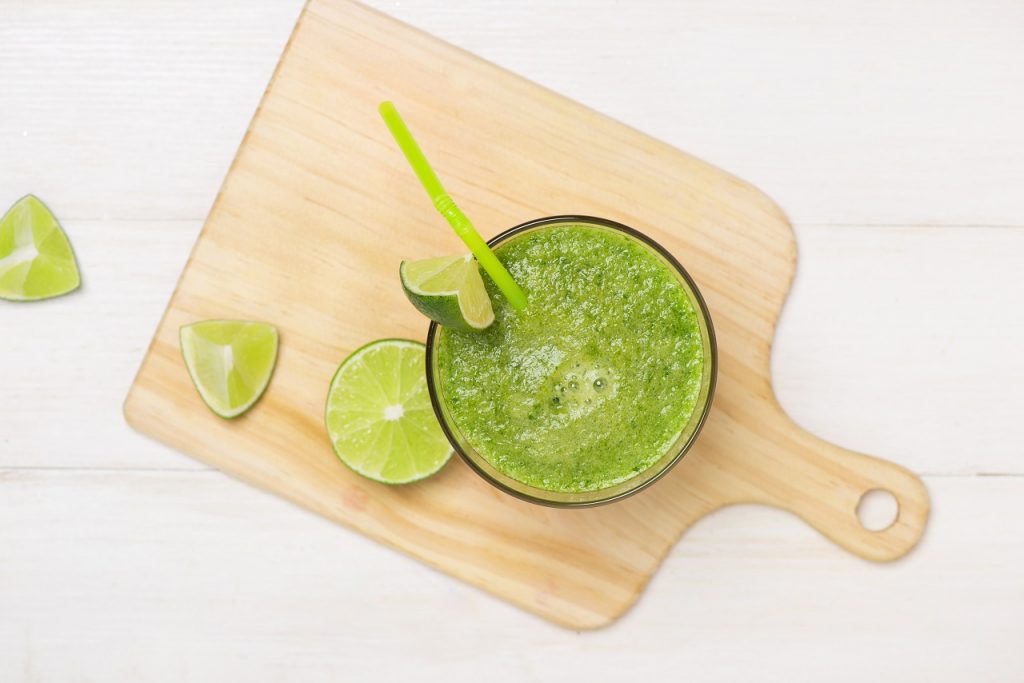
Watermelon is naturally hydrating and serves as a fantastic, low-calorie liquid base. The mint adds a crisp freshness, while the kale ensures you are sneaking in a serving of dark leafy greens. It is a brilliant, light option for warmer days.
Ingredients:

  • 1.5 to 2 cups Watermelon
  • A handful of fresh Mint leaves
  • 3 Kale leaves
  • 1/4 cup Water

Method:

  1. Wash the kale and mint thoroughly.
  2. Chop the watermelon and remove any hard black seeds.
  3. Blend all ingredients together until perfectly smooth.

4. Green Spinach Lemonade Smoothie

Spinach provides a massive dose of essential nutrients, while the apple (keep the skin on!) adds pectin fiber and natural sweetness. The lemon juice adds a zesty, refreshing flavor without adding any excess calories.

Ingredients:

  • Juice of 1/2 Lemon
  • 1 cup Spinach
  • 1 Apple (with skin)
  • 1/2 cup Water

Method:

  1. Core and chop the apple.
  2. Add the spinach, freshly squeezed lemon juice, apple, and water to the blender.
  3. Blend until smooth, adding extra water if the mixture is too thick.

5. Cucumber Kiwi Smoothie

This smoothie is incredibly light, hydrating, and rich in Vitamin C. Because cucumbers have such a high water content, this blend helps physically fill your stomach, signaling early satiety without breaking your caloric goals.

Ingredients:

  • 2 Kiwis
  • 1 Cucumber
  • Juice of 1/2 Lemon
  • 1/4 cup Water

Method:

  1. Peel and chop both the kiwis and the cucumber.
  2. Place them in a blender along with the fresh lemon juice and water.
  3. Blend until smooth and serve chilled over ice.

Smoothies are a highly convenient way to increase your intake of plant foods, but they work best when combined with a balanced diet, regular exercise, adequate sleep, and healthy stress management. Remember, sustainable weight loss is not about quick fixes or liquid diets, it is about building foundational habits that you can maintain for the long term.

Pro Tip: To make your smoothies more filling and balance your blood sugar, consider adding a source of protein and healthy fats! Dropping in a scoop of Greek yogurt, unsweetened curd, tofu, or a handful of chia seeds and walnuts will drastically improve satiety and support your weight management goals.

Which recipe did you like the most? Leave your thoughts in the comments below! Get more healthy recipes here. To get more tips and guidance on your weight loss journey, speak with a GOQii Coach by subscribing for Personalised Health Coaching here.

Frequently Asked Questions (FAQs)

  1. Is it better to juice or blend my fruits and vegetables?

For weight management and metabolic health, blending is superior. Juicing removes the fibrous pulp, leaving you with concentrated natural sugars that can spike your blood glucose. Blending keeps the whole food intact, providing the dietary fiber necessary to keep you full and support digestion.

  1. When is the best time to drink these smoothies?

These blends are fantastic as a mid-morning snack or an hour before a workout. The natural carbohydrates provide an excellent energy boost, while the fiber keeps you satiated until your next full meal.

  1. Can I use these smoothies as a complete meal replacement?

No. While these specific recipes are highly nutritious, they lack the adequate protein and complex carbohydrates required to constitute a full, balanced meal. If you want to use them as a meal, you must add a substantial protein source (like whey, tofu, or Greek yogurt) and a healthy fat (like almonds or flaxseeds).

#BeTheForce

Disclaimer: This article is intended for educational purposes only. If you have any food allergies, irritable bowel syndrome (IBS), or are managing a metabolic condition like diabetes, please consult your physician or a clinical nutritionist before altering your diet.

May 4, 2026 By GOQii Leave a Comment

5 Smart Ways to Avoid Weight Gain on Vacation

You have been looking forward to your trip for months. The flights are booked, the itinerary is set, and it is finally time to unwind.


However, for many individuals on a health journey, travel brings a lingering concern: How do I enjoy my vacation without undoing my fitness progress?

The truth is, maintaining your health on holiday does not require extreme restriction. You do not need to pack a food scale, nor do you need to spend hours in a hotel gym while your family explores the city. Health is about consistency, not perfection.

By adopting a practical, mindful travel strategy, you can enjoy local cuisines and relax fully without bringing home unwanted weight. Here are five professional strategies to help you stay balanced on your next trip.

  1. Make Mindful Choices at the Buffet

Hotel breakfast buffets offer incredible variety, but they are often filled with refined carbohydrates that can spike your blood sugar early in the day, leading to mid-morning crashes and cravings.

The Strategy: Adopt a “protein-first” approach. Start your breakfast with eggs, paneer, Greek yogurt, or lean meats to ensure you get high-quality nutrients, because protein is not just about quantity, it is also about quality. Protein acts as a biological anchor; it stabilizes your blood sugar and promotes satiety. By eating your protein and fiber first, you can still enjoy a pastry or waffle afterward, but you will naturally consume a more controlled portion.

  1. Incorporate Active Sightseeing

You do not need a formal workout routine to burn calories on vacation. Instead, take advantage of NEAT (Non-Exercise Activity Thermogenesis), which accounts for the energy expended during daily movements.

The Strategy: Make physical activity a natural part of your itinerary.

  • Rent bicycles to navigate the city instead of relying on taxis.
  • Book a walking tour to learn about local history.
  • Choose the stairs when visiting monuments or museums.
  • Swim a few laps in the ocean or hotel pool.

By prioritizing movement and walking after your meals, you will easily hit your daily step goals without feeling like you are forcing a workout.

  1. Plan Ahead for Transit Days

Travel days are often the biggest hurdle for healthy eating. Airports and train stations primarily offer highly processed, high-sodium foods that leave you feeling bloated and lethargic before you even reach your destination.

The Strategy: Eat a nutrient-dense, balanced meal at home before heading to the airport. Additionally, pack a personalized kit of healthy travel snacks in your carry-on luggage. Options like roasted makhana, a handful of almonds, or a high-quality protein bar will keep you satiated and prevent impulse purchases during unexpected flight delays.

  1. Balance Your Beverages

Vacations often include relaxing by the pool with a cocktail or enjoying wine with dinner. While you should absolutely enjoy yourself, alcohol can lead to dehydration and lowered inhibitions, which often trigger late-night overeating.

The Strategy: Practice mindful consumption by alternating your beverages. For every alcoholic drink you consume, follow it immediately with a full glass of water. This simple habit paces your drinking, mitigates severe dehydration, and ensures you are hydrating the right way so you can wake up feeling refreshed the next morning.

  1. Prioritize Restorative Sleep

It is easy to let your sleep schedule slip while traveling due to late dinners and changing time zones. However, poor sleep disrupts your metabolism and elevates cortisol levels, making your body more prone to storing fat and craving sugar the following day.

The Strategy: Treat your hotel room as a restorative environment to maintain your healthy sleep rituals. Keep the room temperature cool, use blackout curtains to block street lights, and aim to wake up reasonably close to your normal routine. A well-rested body digests food efficiently and regulates appetite hormones effectively.

A truly successful vacation leaves you feeling rejuvenated, not restricted. By prioritizing high-quality protein, integrating active movement into your sightseeing, and managing your sleep and hydration, you can fully embrace the travel experience without compromising your health goals.

Need guidance resetting your routine once you return home? Subscribe for Personalised Health Coaching directly from a GOQii Coach in the GOQii App for expert, one-on-one support.

Frequently Asked Questions (FAQs)

  1. How can I eat healthy at a hotel buffet?
    The most effective method is the “protein-first” approach. Fill your plate with eggs, paneer, or Greek yogurt and consume those before moving on to carbohydrates like breads, cereals, or pastries. This helps keep your blood sugar stable, prevents energy crashes, and promotes early satiety so you naturally eat smaller portions.
  2. How do I stay active on vacation without a gym?
    You can easily stay active by incorporating Non-Exercise Activity Thermogenesis (NEAT) through active sightseeing. Rent bicycles, book walking tours, swim in the ocean, or take the stairs at historical monuments to burn calories naturally without needing formal exercise equipment.
  1. What are the best healthy snacks for airplane travel?
    To avoid highly processed and overpriced airport food, pack nutrient-dense, non-perishable items in your carry-on bag. Excellent options include roasted makhana (fox nuts), almonds, walnuts, homemade trail mix, or a high-quality protein bar.

#BeTheForce

Disclaimer: This article is intended for educational and informational purposes only and should not be considered a substitute for professional medical advice, diagnosis, or treatment. Always consult with your doctor, nutritionist, or a qualified healthcare provider before making any significant changes to your diet, exercise routine, or lifestyle, especially if you have pre-existing metabolic or medical conditions.

January 30, 2026 By Roopa Tandur 2 Comments

Why Do We Gain Weight During Winter?

gain weight during winterHave you noticed that you tend to gain weight during winter? While there are many factors at play here, is it true for everybody? If you’re one of those who gain weight during winter, it is best to know why it happens and take necessary measures to prevent it!

Let’s Analyse Why We Gain Weight During Winter

  1. Less Water Intake: As we aren’t thirsty and neither do we sweat as much as we do during summer, we tend to drink very little water which makes us lethargic and fatigued. The usual signs like dry and flaky skin is an indicator that one is not having enough water. We use moisturisers instead and not increase water intake which gives more room for frequent infection and dehydration leading to headache and dry cough
  2. Not Exercising Enough: With the pleasant winter chills, it is a little difficult to get off the couch or bed. This leads to fewer calories being burned and as a result, weight gain!
  3. Increased Production of Melatonin: Less sunlight and shorter days affect our hormones and some people tend to produce more of the hormone melatonin which controls our sleep-wake cycle. This increased production of melatonin induces sleep when it is not the time to sleep, making one lazy, lacking motivation and energy. It also increases appetite and leads to eating more.
  4. Increase in Metabolism: While this sounds great, it doesn’t really support your weight loss goals during winter. The sudden increase in metabolism will burn more calories to keep you warm but it will also make you hungrier.
  5. Staying Indoors: makes us lazy and bored. When bored, we begin binge-watching followed by binge-eating comfort or fried food which is high in sugar and salt. It doesn’t take a genius to figure that this contributes to weight gain as well.  

How Do We Prevent Gaining Weight This Season?

There is an effective way to break the vicious cycle of more sleep, less healthy food and little to no exercise! Here’s how you can avoid gaining weight during winter.

  1. Choose Foods Wisely: Choose healthy, home-cooked meals such as soups. Opt for green tea. You can even add natural spices to your meals which are warm and benefit your health. Choose foods which can be paired with others or can be eaten any time of the day. Swap options like sauces available in markets to homemade hummus or dips.
  2. Pick a Hobby: Concentrate on other things like hobbies, sports, painting or reading books. You can even clean your house if you’ve been postponing it. Do something that engages you instead of finding comfort in food.
  3. Time Your Sleep: Maintain sleep timings which will set your circadian rhythm and help you stay active through the day or take power naps in the afternoon instead of sleeping for long hours
  4. Exercise: Plan indoor activities and exercises like yoga, skipping, stair activities which will help you be active more regularly. In fact, you can tune in to GOQii Play and browse some indoor workouts by fitness experts or yoga and meditation by yoga specialists. You can even opt for making group plans which have less chances of failure. If you can’t find a group, join our LIVE, interactive, GOQii PRO sessions conducted by experts within the GOQii App. 

That’s all! Mind what you eat, sleep on time and exercise regularly to not gain weight during winter. We hope you found this article useful! Please leave your thoughts in the comments below.

For more on weight loss, fitness and being healthy, check out Healthy Reads or ask a GOQii Coach by subscribing for Personalised Health Coaching here.

#BeTheForce 

Disclaimer: The information provided in this blog is for general awareness and educational purposes only. It is not intended to replace professional medical advice, diagnosis, or treatment. Always consult a qualified healthcare provider for personalised medical guidance or concerns related to your health.

  • « Previous Page
  • 1
  • …
  • 11
  • 12
  • 13
  • 14
  • 15
  • …
  • 37
  • Next Page »

Search

Recent Posts

  • Healthy Eating: Vegetable and Paneer Kathi Roll
  • The Science of Power Naps: How Long is Too Long?
  • 7 Reasons Why Pulses Are Good For You!
  • How Exercise Impacts Mental Health
  • Dussehra 2026: 10 Unhealthy Habits to Leave Behind

Stay Updated

Archives

  • October 2026 (17)
  • September 2026 (5)
  • August 2026 (8)
  • July 2026 (25)
  • June 2026 (22)
  • May 2026 (20)
  • April 2026 (24)
  • March 2026 (18)
  • February 2026 (14)
  • January 2026 (14)
  • December 2025 (19)
  • November 2025 (15)
  • October 2025 (20)
  • September 2025 (6)
  • August 2025 (5)
  • July 2025 (9)
  • June 2025 (18)
  • May 2025 (16)
  • April 2025 (22)
  • March 2025 (25)
  • February 2025 (21)
  • January 2025 (25)
  • December 2024 (21)
  • November 2024 (21)
  • October 2024 (15)
  • September 2024 (22)
  • August 2024 (27)
  • July 2024 (15)
  • June 2024 (23)
  • May 2024 (26)
  • April 2024 (27)
  • March 2024 (27)
  • February 2024 (23)
  • January 2024 (21)
  • December 2023 (14)
  • November 2023 (10)
  • October 2023 (18)
  • September 2023 (20)
  • August 2023 (16)
  • July 2023 (16)
  • June 2023 (21)
  • May 2023 (20)
  • April 2023 (19)
  • March 2023 (23)
  • February 2023 (19)
  • January 2023 (15)
  • December 2022 (11)
  • November 2022 (15)
  • October 2022 (15)
  • September 2022 (12)
  • August 2022 (9)
  • July 2022 (17)
  • June 2022 (11)
  • May 2022 (10)
  • April 2022 (6)
  • March 2022 (6)
  • February 2022 (13)
  • January 2022 (11)
  • December 2021 (7)
  • November 2021 (3)
  • October 2021 (6)
  • September 2021 (3)
  • August 2021 (8)
  • July 2021 (7)
  • June 2021 (15)
  • May 2021 (16)
  • April 2021 (10)
  • March 2021 (7)
  • February 2021 (4)
  • January 2021 (4)
  • December 2020 (3)
  • November 2020 (4)
  • October 2020 (10)
  • September 2020 (3)
  • August 2020 (3)
  • July 2020 (2)
  • June 2020 (4)
  • May 2020 (10)
  • April 2020 (12)
  • March 2020 (10)
  • February 2020 (4)
  • January 2020 (4)
  • December 2019 (3)
  • November 2019 (7)
  • October 2019 (5)
  • September 2019 (4)
  • August 2019 (9)
  • July 2019 (9)
  • June 2019 (11)
  • May 2019 (4)
  • April 2019 (8)
  • March 2019 (8)
  • February 2019 (9)
  • January 2019 (8)
  • December 2018 (9)
  • November 2018 (3)
  • October 2018 (3)
  • September 2018 (5)
  • August 2018 (10)
  • July 2018 (6)
  • June 2018 (13)
  • May 2018 (8)
  • April 2018 (17)
  • March 2018 (9)
  • February 2018 (8)
  • January 2018 (15)
  • December 2017 (12)
  • November 2017 (19)
  • October 2017 (13)
  • September 2017 (15)
  • August 2017 (4)
  • July 2017 (8)
  • June 2017 (7)
  • May 2017 (6)
  • April 2017 (8)
  • March 2017 (6)
  • February 2017 (7)
  • January 2017 (9)
  • December 2016 (10)
  • November 2016 (7)
  • October 2016 (7)
  • September 2016 (7)
  • August 2016 (11)
  • July 2016 (9)
  • June 2016 (9)
  • May 2016 (12)
  • April 2016 (17)
  • March 2016 (17)
  • February 2016 (8)
  • January 2016 (6)
  • December 2015 (2)
  • November 2015 (9)
  • October 2015 (7)
  • September 2015 (9)
  • August 2015 (11)
  • July 2015 (9)
  • June 2015 (11)
  • May 2015 (9)
  • April 2015 (13)
  • March 2015 (8)
  • February 2015 (5)
  • January 2015 (12)
  • December 2014 (14)
  • November 2014 (11)
  • October 2014 (6)
  • September 2014 (13)
  • August 2014 (12)
  • July 2014 (6)
  • June 2014 (2)
  • May 2014 (7)
  • April 2014 (4)

From Burnout to Balance: How Dr. Ranjit Reclaimed His Health

Dr Ranjit Bhatt has spent years tending to others. A practising doctor in Odisha, his days were packed with patients, surgeries, and emergencies. From the outside, it looked like a life lived in service. But on the inside, something wasn’t right. “I had no … [Read More...]

From Shimla’s Slopes to Chandigarh’s Sidewalks: Surinder Kaur Bhalla’s Journey from Chaos to Control

Some journeys start with a plan. Others begin with a stumble literally. Surinder Bhalla, a government professional, born and raised in the scenic hill town of Shimla, had always lived a life of movement. “In Shimla, you walked everywhere,” she reflects. “Walking was never an exercise. It was just life.” But after shifting to Chandigarh, […]

“I’ve Challenged Myself to Live 100 Years” – The Story of Chandubhai Savani’s Second Chance at Life

At 67, most people start slowing down. Not Chandubhai Savani. A resident of Surat, Chandubhai, thought life was on track. “My life was going well till I had my bypass surgery,” he says. That surgery, back in 2021, was a wake-up call.  Medication was routine, but exercise wasn’t. His diet? What he calls ‘normal.’ “I […]

Ananda Mukherjee Health Story

From Terminal Illness To Complete Wellness! Ananda Mukherjee Health Story

As we observe World Cancer Day under the powerful theme ‘United by Unique’ (2025-2027)**, we are reminded that every individual’s journey with cancer is distinct, yet united by shared resilience, hope, and the collective fight against this disease. This theme places people at the centre of care and their stories at the heart of the […]

  • HOME
  • HEALTHY LIVING
  • FITNESS
  • HEALTHY RECIPES
  • USER STORIES
  • KARMA
  • BUY GOQii

Copyright ©2016 GOQii


