GOQii

Blog

  • HOME
  • HEALTHY LIVING
  • FITNESS
  • HEALTHY RECIPES
  • USER STORIES
  • KARMA
  • BUY GOQii

Search Results for: green tea

October 9, 2014 By Neha Morche Leave a Comment

Tea……How much is good for you?

Drinking-teaWhether it is after a hard day’s work, or it is raining outside or it’s just a conversation … a cup of tea has to be there for company. Without tea it just seems so incomplete and one feels not so refreshed.

We have every possible reason to drink tea. There are various types of Tea like black tea, green tea, oolong tea, yellow tea, white tea, herbal tea and many more…

The effects of Tea when consumed in excess :

1.Tea contains fluorids which leads to osteofluorosis (breaking of bone/fracture)

2. Increases toxicity in body as contains tannins, caffeine, aluminium

3. Tannins upsets the digestive system

4. Insomnia due to caffeine

5. Affects urinary track as acts like diuretic

6. Stains teeth and gums as acidic in nature

7. Kidney disorders due to oxalates

Tea is not bad at all if consumed in a limited quantity -say 2 cups a day. There are many who cannot resist tea ….and then they face the above mentioned problems. I have also observed that people do eat their breakfast along with tea…which is not a good way because, tannins and caffeine from tea will hinder the absorption of iron from the food you eat along with it. So the best way to have tea/coffee is 15 mins before meal or 2 hours after meal. I would also suggest to include 1 glass of water after every 1 cup of tea has the tendency to dehydrate your system.

There are some types of tea which helps to relax like Chamommile tea, for stress Ginseng peach, herbal tea is for medicine purpose, green tea being rich in antioxidants, polyphenols acts as anti-inflammatory also helps to increase immunity.

Basically people prefer drinking tea first thing in the morning to kick-start their day…as caffeine stimulates brain and makes you more alert. It just doesn’t stop here but, many keep drinking tea throughout the day for no reason (that’s addiction)…and then cutting down becomes difficult. For such people who are addicted to tea and need tea at odd hours they should swap to green tea, white tea (if available) but, that too in limited quantity , though white and green tea are good for health they are  still diuretic, and has tannins (in less amount)..

So I strongly recommend to kick-start your day with either fruits or handful of nuts over a cup of Tea ….for a kinetic day !!

November 10, 2026 By GOQii 1 Comment

How to Improve Sleep Quality Naturally: 12 Science-Backed Tips for Better Sleep

sleep

Do you spend enough hours in bed but still wake up tired? Or feel exhausted at night and then lie awake? After a festive season of late dinners, card parties, early pujas and noisy nights, many of us are running on less sleep than we’d like, and it isn’t only festival weeks. In a 2025 LocalCircles survey of more than 43,000 people across India, up to 59% said they got less than six hours of uninterrupted sleep a night.

Sleep is often the first thing we give up when life gets busy, yet it matters as much as diet, exercise and managing stress. While you sleep, your body repairs tissue, supports your immune system, consolidates memory and restores energy. The American Academy of Sleep Medicine and the Sleep Research Society recommend that adults get at least seven hours of sleep a night, and say regularly sleeping six hours or less isn’t enough to sustain health and safety.

The good news is that simple, consistent habits often help. Here are 12 that are backed by evidence, plus an honest look at which “sleep foods” are worth it and when poor sleep needs a doctor.

At a glance

  • Keep the same sleep and wake times every day, including weekends. It’s the single most useful habit.
  • Get morning daylight and keep evenings dim.
  • Cut off caffeine by early afternoon. Even caffeine taken six hours before bed can shorten sleep.
  • Go easy on alcohol. It helps you drop off but disrupts sleep later in the night.
  • Keep your bedroom dark, quiet and cool, and finish dinner two to three hours before bed.
  • Exercise regularly, ideally earlier in the day.
  • Wind down for 30–60 minutes before bed, with fewer screens.
  • Keep naps short: 10–20 minutes, before mid-afternoon.
  • If you can’t sleep after about 20 minutes, get up and do something calm until you feel sleepy.
  • No single food is a sleep cure. A balanced diet and good timing matter more than kiwi or cherries.
  • See a doctor if poor sleep lasts more than three months, or if you snore loudly, gasp at night or are very sleepy in the day.

12 evidence-based ways to sleep better

1. Keep a consistent sleep schedule

Go to bed and wake up at about the same time every day, including weekends and holidays. Your body clock runs on a roughly 24-hour cycle, and regular timing keeps it in step, so you feel sleepy and alert at the right times. Sleeping until noon on Sunday to “catch up” shifts that clock and makes Sunday night and Monday morning harder. If you’ve had a run of late nights, return to your usual wake-up time and let an earlier bedtime follow naturally. Our guide to circadian rhythm and sleep explains the body clock in more detail.

2. Get daylight in the morning, and keep evenings dim

Light is the strongest signal to your body clock. Step outside or sit by a window for some time soon after waking, ideally with a morning walk. In the evening, switch to softer, warmer lighting and avoid bright overhead lights in the last hour before bed.

3. Build a wind-down routine

Give yourself 30–60 minutes to switch off before bed. Read a book, stretch gently, listen to calm music or write down tomorrow’s to-do list so it isn’t running through your head. Slow breathing can help too; try one of these breathing exercises for five to ten minutes. Some people find the scent of lavender relaxing, but the evidence for aromatherapy is mixed, so treat it as a pleasant extra rather than a fix.

4. Put screens away earlier

Phones, tablets and laptops keep your brain engaged with messages, news and endless scrolling, and their light may delay melatonin, the hormone that signals night-time. Try to stop using screens at least 30–60 minutes before bed, keep your phone out of reach and switch on night mode if you do use it. In India, though, phones aren’t the main reason people wake at night: in the LocalCircles survey, the most common reasons were waking to use the washroom, poor schedules, and noise and mosquitoes.

5. Make your bedroom dark, quiet and cool

  • Dark: use blackout curtains or an eye mask, and cover standby lights.
  • Quiet: try earplugs or a fan for steady background sound if traffic or neighbours are a problem.
  • Cool: most people sleep better in a slightly cool room. Use a fan or set the AC to a comfortable temperature rather than very cold.
  • Comfortable: a supportive mattress and pillow, and a mosquito net or repellent where needed.
  • For sleep only: where you can, keep work, TV and eating out of the bed, so your brain links it with sleep.

6. Cut off caffeine by early afternoon

Caffeine stays in your system for hours. In a study reported by the American Academy of Sleep Medicine, a large dose of caffeine taken six hours before bed cut sleep by more than an hour, even though participants didn’t notice. Remember that chai, coffee, green tea, colas, energy drinks and dark chocolate all contain caffeine. If you’re sensitive, stop by about 2 pm.

7. Go easy on alcohol and avoid nicotine

Alcohol can make you drowsy, but it disrupts sleep later in the night, causing lighter, more broken sleep and more trips to the washroom. Nicotine is a stimulant and can make it harder to fall asleep. If you drink, keep it moderate and finish a few hours before bed.

8. Time your meals and drinks

Finish dinner two to three hours before bed, and keep it lighter than lunch where you can. Large, rich or very spicy meals late at night can cause indigestion and acid reflux when you lie down. If waking to use the washroom is a problem, drink plenty earlier in the day and less in the last hour or two before bed. If it happens often, it’s worth mentioning to your doctor.

9. Move during the day

Regular physical activity is linked to better sleep. Aim for at least 150 minutes of moderate activity a week, such as brisk walking, cycling or dancing. Morning or afternoon exercise suits most people; if a vigorous evening workout leaves you wired, move it earlier. Our post on sleep and muscle recovery explains why sleep matters if you train.

10. Try a warm bath or shower 1–2 hours before bed

It sounds backwards, but warming up helps you cool down. A warm bath or shower draws heat to your hands and feet, and your core temperature then drops, which is a natural cue for sleep. A meta-analysis of 17 studies found that bathing in water at about 40–43°C one to two hours before bed helped people fall asleep around 10 minutes faster. A shower just before bed is too soon for the effect.

11. Keep naps short and early

A short nap can boost alertness, but a long or late one can make it harder to sleep at night. Aim for 10–20 minutes, before about 3 pm. Our guide to power naps explains how long is too long. If you’re struggling with insomnia, it’s usually better to skip naps altogether.

12. If you can’t sleep, get up

Lying in bed, watching the clock and worrying makes your brain link bed with being awake. If you haven’t fallen asleep after about 20 minutes, or you wake and can’t get back to sleep, get up and go to another dim room. Do something calm, such as reading or breathing exercises, without screens, and return to bed when you feel sleepy. This technique, called stimulus control, is one of the core parts of cognitive behavioural therapy for insomnia (more below).

Food and sleep: what the evidence really says

You’ll often see lists of “foods that help you sleep”. Some have small studies behind them, but none is a cure, and the amounts of sleep-related compounds they contain are usually small.

Food The claim What we know
Kiwi Helps you fall asleep faster One small Taiwanese study found people who ate two kiwis an hour before bed for four weeks reported better sleep. It had only 24 participants, no control group and was funded by a kiwi marketer, so the results are encouraging but far from proven.
Tart cherries Contain melatonin They contain a little melatonin, and a few small trials of tart cherry juice suggest a modest benefit. The evidence is limited.
Almonds, walnuts and seeds Contain magnesium and melatonin They’re nutritious, but the melatonin content is tiny. There’s no good evidence that eating them improves sleep in people who aren’t deficient in magnesium.
Warm milk Tryptophan makes you sleepy Milk contains tryptophan, but not in amounts that act like a sleeping pill. A warm, caffeine-free drink can still be a comforting part of a bedtime routine.
Bananas Prevent night cramps Bananas provide potassium and some magnesium, but there’s little evidence they prevent cramps or improve sleep.

What matters more:

  • Overall diet. A balanced diet with plenty of vegetables, fruit, whole grains, pulses and protein supports good health, including sleep.
  • A heavy meal late at night is more likely to disturb sleep than any single food is to improve it.
  • What you leave out. Cutting back on caffeine, alcohol and very rich or spicy food at night usually makes a bigger difference.
  • Steady blood sugar. Long gaps between meals followed by a large dinner can leave you hungry or uncomfortable at night.

The link runs both ways: short sleep tends to increase appetite and cravings the next day. Our post on sleep and weight gain explains more, and if you’re getting back on track after the festive season, see our post-Diwali reset.

A note on melatonin supplements: melatonin can help with specific problems such as jet lag or some circadian rhythm disorders, but it isn’t a general sleeping pill and it’s not right for everyone. Speak to your doctor before taking it, especially if you take other medicines, are pregnant or want to give it to a child.

When poor sleep needs a doctor

Everyone has the odd bad night, especially around festivals, travel or stressful times. Speak to a doctor if:

  • you’ve struggled to fall asleep or stay asleep at least three nights a week for three months or more, and it’s affecting your days
  • you feel very sleepy during the day, or nod off while reading, watching TV or driving
  • you snore loudly, or someone has noticed you stop breathing, gasp or choke in your sleep
  • you wake up with headaches, a dry mouth or still feel unrefreshed despite enough hours in bed
  • you have uncomfortable, restless legs in the evening that make it hard to settle
  • poor sleep comes with low mood, anxiety or worry that won’t switch off

Sleep apnoea is common, and often missed

In obstructive sleep apnoea, the airway repeatedly narrows or closes during sleep, causing pauses in breathing and broken sleep. A meta-analysis by AIIMS doctors estimated that about 11% of Indian adults have obstructive sleep apnoea, around 104 million people, with men more often affected than women. Many don’t know they have it. Untreated, it’s linked to high blood pressure, heart disease and daytime accidents, and it’s treatable, so loud snoring with daytime sleepiness is worth getting checked.

Insomnia has an effective, drug-free treatment

For chronic insomnia, the American College of Physicians recommends cognitive behavioural therapy for insomnia (CBT-I) as the first-line treatment, ahead of sleeping pills. CBT-I combines techniques such as stimulus control (tip 12), carefully planned sleep schedules, and changing unhelpful thoughts about sleep. It can be delivered one-to-one, in groups, online or through guided self-help. Ask your doctor about it, and avoid starting over-the-counter sleep aids or someone else’s sleeping pills on your own.

The bottom line

Better sleep rarely comes from one trick. It comes from steady habits: the same wake-up time every day, morning light, an earlier cut-off for caffeine, a lighter and earlier dinner, a calm wind-down and a bedroom that’s set up for sleep. Give changes two to three weeks to work, and don’t worry about the odd bad night. If poor sleep lasts for months, or you snore loudly and feel exhausted in the day, talk to a doctor. Effective help is available.

Pro Tip: Use the GOQii App to track your sleep alongside your steps, meals and caffeine for two weeks, and look for patterns, such as late dinners or afternoon chai, on your worst nights. Your GOQii Personalised Health Coach can help you build a realistic wind-down routine and stick to a regular sleep schedule.

Frequently asked questions

How many hours of sleep do adults need?

Adults should aim for at least seven hours a night, according to the American Academy of Sleep Medicine. Most people need seven to nine hours. Regularly sleeping six hours or less isn’t enough to sustain health and safety.

How can I fall asleep faster naturally?

Keep a regular sleep and wake time, get morning daylight, avoid caffeine after early afternoon, finish dinner two to three hours before bed, wind down without screens and keep your bedroom dark, quiet and cool. A warm bath or shower one to two hours before bed can also help you fall asleep a little faster.

Why do I wake up at night and can’t go back to sleep?

Common causes include needing the washroom, noise, stress, alcohol, caffeine, an irregular schedule and medical conditions such as sleep apnoea. If you can’t get back to sleep after about 20 minutes, get up and do something calm in dim light until you feel sleepy. See a doctor if it happens often.

Are daytime naps good or bad?

Short naps of 10 to 20 minutes taken before mid-afternoon can boost alertness without affecting night-time sleep. Long or late naps can make it harder to fall asleep at night. If you have insomnia, it’s usually best to avoid napping.

Do foods like kiwi, cherries or warm milk help you sleep?

Some small studies suggest kiwi and tart cherry juice may help a little, but the evidence is limited, and no food is a cure for poor sleep. Overall diet, meal timing and cutting back on caffeine and alcohol make a bigger difference.

Is it safe to take melatonin for sleep?

Melatonin can help with specific problems such as jet lag, but it isn’t a general sleeping pill and isn’t right for everyone. Speak to a doctor before taking it, especially if you take other medicines, are pregnant or want to give it to a child.

When should I see a doctor about sleep?

See a doctor if you’ve had trouble sleeping at least three nights a week for three months, feel very sleepy during the day, snore loudly or stop breathing in your sleep, or if poor sleep comes with low mood or anxiety. Cognitive behavioural therapy for insomnia is the recommended first treatment for chronic insomnia.

#BeTheForce

Disclaimer: The information provided in this blog is for general awareness and educational purposes only. It is not intended to replace professional medical advice, diagnosis, or treatment. Always consult a qualified healthcare provider for personalised medical guidance or concerns related to your health.

September 30, 2026 By GOQii Leave a Comment

Best Foods to Support Liver Health & Reduce Fatty Liver Risk

Your liver is one of the most hardworking organs in your body, performing over 500 essential functions, from detoxifying harmful substances to aiding digestion and metabolism. But with today’s lifestyle—highly processed diets, excessive alcohol, and sedentary habits—the liver often bears the brunt, leading to issues like fatty liver disease.

The good news? Your diet plays a huge role in keeping your liver healthy! By making the right food choices, you can protect your liver, reduce fat accumulation, and support overall detoxification. Here’s a guide to the best foods that will help you maintain a healthy liver and reduce fatty liver risk naturally.

1. Leafy Greens 🥬

Spinach, kale, and collard greens are powerhouses of antioxidants and chlorophyll, which help flush toxins from the liver. They also contain nitrate compounds that can improve liver function and prevent fat accumulation.

💡 How to Add: Toss greens into salads, blend them into smoothies, or sauté them with garlic for a nutritious side dish.

2. Cruciferous Vegetables 🥦

Broccoli, cauliflower, Brussels sprouts, and cabbage are loaded with sulphur compounds, which enhance liver detoxification and reduce inflammation. These veggies also boost glutathione levels, an antioxidant critical for liver health.

💡 How to Add: Lightly steam them or stir-fry with olive oil for a delicious and liver-friendly meal.

3. Fatty Fish 🐟

Salmon, sardines, and mackerel are rich in omega-3 fatty acids, which help reduce liver inflammation and prevent excess fat buildup. Omega-3s also support overall heart health, reducing the risk of metabolic issues that impact liver function.

💡 How to Add: Grill or bake fatty fish with lemon and herbs for a tasty, nutritious meal.

4. Turmeric 🫚

This golden spice contains curcumin, a powerful anti-inflammatory and antioxidant compound that supports liver detoxification and improves bile production.

💡 How to Add: Mix turmeric into warm milk, sprinkle it over roasted vegetables, or add it to soups and curries.

5. Nuts & Seeds 🌰

Almonds, walnuts, chia seeds, and flaxseeds are packed with healthy fats, vitamin E, and antioxidants, all of which protect liver cells and reduce fat accumulation.

💡 How to Add: Snack on a handful of nuts or sprinkle seeds over yoghurt, oatmeal, or smoothies.

6. Green Tea 🍵

Rich in catechins and polyphenols, green tea helps reduce oxidative stress on the liver and supports fat metabolism. Studies suggest that regular green tea consumption can help prevent liver disease.

💡 How to Add: Enjoy 1-2 cups daily for the best benefits, but avoid excessive intake, as too much can strain the liver.

7. Garlic 🧄

Garlic contains allicin, a compound that activates liver detox enzymes and helps flush out toxins. It also has anti-inflammatory properties that support liver function.

💡 How to Add: Add minced garlic to stir-fries, soups, or roasted veggies.

8. Berries 🍓

Blueberries, strawberries, and raspberries are loaded with anthocyanins, which help protect the liver from damage and reduce fat buildup.

💡 How to Add: Toss berries into your breakfast bowls, smoothies, or eat them fresh as a snack.

9. Oats & Whole Grains 🌾

High in fibre and complex carbohydrates, oats and whole grains help regulate blood sugar levels, reducing the risk of non-alcoholic fatty liver disease (NAFLD).

💡 How to Add: Have oat porridge, whole grain bread, or quinoa-based meals for a fibre boost.

10. Beetroot Juice 🥤

Beetroot is high in nitrates and antioxidants, which help reduce liver inflammation and support natural detox processes.

💡 How to Add: Drink fresh beetroot juice or add it to salads for extra nutrition.

Foods to Avoid for Liver Health

❌ Processed foods – High in unhealthy fats and preservatives that stress the liver.
❌ Excessive alcohol – A major cause of liver damage and fatty liver disease.
❌ Refined sugars – Can contribute to insulin resistance and liver fat accumulation.
❌ Fried foods – High in trans fats that promote inflammation and liver dysfunction.

Your liver works tirelessly to keep you healthy—so why not return the favour? Making small dietary changes can go a long way in improving liver function, preventing fatty liver disease, and boosting overall well-being.

💡 Start incorporating these liver-friendly foods into your diet today!

💬 Have you tried any of these foods for liver health? Share your thoughts in the comments!

#BeTheForce

Disclaimer: The information provided in this blog is for general awareness and educational purposes only. It is not intended to replace professional medical advice, diagnosis, or treatment. Always consult a qualified healthcare provider for personalised medical guidance or concerns related to your health.

February 24, 2026 By Meenal Khandelwal Leave a Comment

5 Foods To Help You Prevent Wrinkles Naturally!

prevent wrinklesWrinkles! Those fine lines which tell you, “You’re getting old!” If you’re worried about them, you’re in the right place. Here, we’ll guide you on how you can prevent wrinkles naturally with food! 
Aging gracefully is a sign of maturity but wrinkles can mess with our confidence. When the skin begins losing its elasticity, wrinkles appear. Weak collagen (protein) can cause wrinkles and loss of elasticity in the skin. Collagen can lead to skin dryness which leads to wrinkles. This is a very natural process but with the help of healthy foods, we can postpone it naturally. 

5 Foods To Help Prevent Wrinkles 

  1. Aloe Vera: is rich in Malic acid which helps in improving skin elasticity. Just apply Aloe Vera gel on the face, leave it for 15-20 mins, let it dry and wash it off. Aloe Vera is also a natural sunscreen. One can consume Aloe Vera juice too.
  2. Green Leafy Vegetables (GLV): help the skin stay hydrated and healthy. Consuming GLV smoothies are a quick and easy way to absorb nutrients. Smoothies are another great way to incorporate GLVs in good quantities in our diet. Include spinach, kale, fenugreek leaves, coriander leaves, etc. daily
  3. Berries: Dark and bright, they give you loads of antioxidants which help in reducing free radicals formed by exposure to the sun, pollution and consumption of junk food. It’s always advisable to mix your berries and then eat them. Mixing berries will give you different kinds of antioxidants like anthocyanins, ellagic acids, resveratrol, etc. Example- Blueberry, Strawberry, and Blackberry mixed together.
  4. Fish: is rich in protein, omega 3 and potassium. Potassium prevents sodium retention. Sodium retention means the body just can’t let go of sodium, which holds on water. So we carry more water weight and many times get swelling. The dark circle under your eyes can be genetic or due to excess of sodium in the diet. Fish will help repair the damages which happen in the body and skin. Include fishes like Tuna, Rockfish, Cod, Halibut etc. in your diet. For vegetarians, you can have 1 mini banana instead of a fish.
  5. Rooibos Tea: or red bush tea is a native of Africa. It is a kind of herbal tea and a very good caffeine-free alternative for green tea or coffee. Polyphenols (antioxidants) are present in Rooibos tea which help protect premature aging of the skin and hydrate it as well! 

Apart from all of this, Water plays a very important role in hydrating the body. Water helps in maintaining ph. balance in our body, which is very important for your skin. Try to form a habit of sipping on water throughout the day. Even restricting alcohol (30ml to 90 ml/week), Caffeine (not more than 3cups/day), acidic foods, avoiding processed foods and stress will definitely help you increase collagen for that lovely, hydrated glowing skin.

We hope this article helps you. For more healthy tips, check out Healthy Reads or speak to your GOQii Coach directly by subscribing for Personalised Health Coaching here.

#BeTheForce 

Disclaimer: The information provided in this blog is for general awareness and educational purposes only. It is not intended to replace professional medical advice, diagnosis, or treatment. Always consult a qualified healthcare provider for personalised medical guidance or concerns related to your health.

  • « Previous Page
  • 1
  • …
  • 3
  • 4
  • 5
  • 6
  • 7
  • …
  • 65
  • Next Page »

Search

Recent Posts

  • PCOS: diet, exercise and the myths to stop believing
  • Cholesterol numbers explained: LDL, HDL and triglycerides
  • International Men’s Day 2026: why men’s health is everyone’s business
  • World COPD Day 2026: Short of Breath? Think COPD – Why Early Diagnosis Matters
  • National Epilepsy Day 2026: Seizure First Aid – What to Do (and Not Do) When Someone Has a Seizure

Stay Updated

Archives

  • November 2026 (20)
  • October 2026 (23)
  • September 2026 (5)
  • August 2026 (8)
  • July 2026 (24)
  • June 2026 (22)
  • May 2026 (20)
  • April 2026 (24)
  • March 2026 (18)
  • February 2026 (14)
  • January 2026 (14)
  • December 2025 (19)
  • November 2025 (14)
  • October 2025 (17)
  • September 2025 (6)
  • August 2025 (5)
  • July 2025 (9)
  • June 2025 (18)
  • May 2025 (16)
  • April 2025 (22)
  • March 2025 (25)
  • February 2025 (21)
  • January 2025 (25)
  • December 2024 (21)
  • November 2024 (21)
  • October 2024 (15)
  • September 2024 (22)
  • August 2024 (27)
  • July 2024 (14)
  • June 2024 (23)
  • May 2024 (26)
  • April 2024 (27)
  • March 2024 (27)
  • February 2024 (23)
  • January 2024 (21)
  • December 2023 (14)
  • November 2023 (10)
  • October 2023 (18)
  • September 2023 (20)
  • August 2023 (16)
  • July 2023 (16)
  • June 2023 (21)
  • May 2023 (20)
  • April 2023 (19)
  • March 2023 (23)
  • February 2023 (19)
  • January 2023 (15)
  • December 2022 (11)
  • November 2022 (15)
  • October 2022 (15)
  • September 2022 (12)
  • August 2022 (9)
  • July 2022 (17)
  • June 2022 (11)
  • May 2022 (10)
  • April 2022 (6)
  • March 2022 (6)
  • February 2022 (13)
  • January 2022 (11)
  • December 2021 (7)
  • November 2021 (3)
  • October 2021 (6)
  • September 2021 (3)
  • August 2021 (8)
  • July 2021 (7)
  • June 2021 (15)
  • May 2021 (16)
  • April 2021 (10)
  • March 2021 (7)
  • February 2021 (4)
  • January 2021 (4)
  • December 2020 (3)
  • November 2020 (4)
  • October 2020 (10)
  • September 2020 (3)
  • August 2020 (3)
  • July 2020 (2)
  • June 2020 (4)
  • May 2020 (10)
  • April 2020 (12)
  • March 2020 (10)
  • February 2020 (4)
  • January 2020 (4)
  • December 2019 (3)
  • November 2019 (7)
  • October 2019 (5)
  • September 2019 (4)
  • August 2019 (9)
  • July 2019 (9)
  • June 2019 (11)
  • May 2019 (4)
  • April 2019 (8)
  • March 2019 (8)
  • February 2019 (9)
  • January 2019 (8)
  • December 2018 (9)
  • November 2018 (3)
  • October 2018 (3)
  • September 2018 (5)
  • August 2018 (10)
  • July 2018 (6)
  • June 2018 (13)
  • May 2018 (8)
  • April 2018 (17)
  • March 2018 (9)
  • February 2018 (8)
  • January 2018 (15)
  • December 2017 (12)
  • November 2017 (19)
  • October 2017 (13)
  • September 2017 (15)
  • August 2017 (4)
  • July 2017 (8)
  • June 2017 (7)
  • May 2017 (6)
  • April 2017 (8)
  • March 2017 (6)
  • February 2017 (7)
  • January 2017 (9)
  • December 2016 (10)
  • November 2016 (7)
  • October 2016 (7)
  • September 2016 (7)
  • August 2016 (11)
  • July 2016 (9)
  • June 2016 (9)
  • May 2016 (12)
  • April 2016 (17)
  • March 2016 (17)
  • February 2016 (8)
  • January 2016 (6)
  • December 2015 (2)
  • November 2015 (9)
  • October 2015 (7)
  • September 2015 (9)
  • August 2015 (11)
  • July 2015 (9)
  • June 2015 (11)
  • May 2015 (9)
  • April 2015 (13)
  • March 2015 (8)
  • February 2015 (5)
  • January 2015 (12)
  • December 2014 (14)
  • November 2014 (11)
  • October 2014 (6)
  • September 2014 (13)
  • August 2014 (12)
  • July 2014 (6)
  • June 2014 (2)
  • May 2014 (7)
  • April 2014 (4)

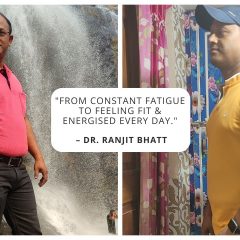
From Burnout to Balance: How Dr. Ranjit Reclaimed His Health

Dr Ranjit Bhatt has spent years tending to others. A practising doctor in Odisha, his days were packed with patients, surgeries, and emergencies. From the outside, it looked like a life lived in service. But on the inside, something wasn’t right. “I had no … [Read More...]

From Shimla’s Slopes to Chandigarh’s Sidewalks: Surinder Kaur Bhalla’s Journey from Chaos to Control

Some journeys start with a plan. Others begin with a stumble literally. Surinder Bhalla, a government professional, born and raised in the scenic hill town of Shimla, had always lived a life of movement. “In Shimla, you walked everywhere,” she reflects. “Walking was never an exercise. It was just life.” But after shifting to Chandigarh, […]

“I’ve Challenged Myself to Live 100 Years” – The Story of Chandubhai Savani’s Second Chance at Life

At 67, most people start slowing down. Not Chandubhai Savani. A resident of Surat, Chandubhai, thought life was on track. “My life was going well till I had my bypass surgery,” he says. That surgery, back in 2021, was a wake-up call.  Medication was routine, but exercise wasn’t. His diet? What he calls ‘normal.’ “I […]

Ananda Mukherjee Health Story

From Terminal Illness To Complete Wellness! Ananda Mukherjee Health Story

As we observe World Cancer Day under the powerful theme ‘United by Unique’ (2025-2027)**, we are reminded that every individual’s journey with cancer is distinct, yet united by shared resilience, hope, and the collective fight against this disease. This theme places people at the centre of care and their stories at the heart of the […]

  • HOME
  • HEALTHY LIVING
  • FITNESS
  • HEALTHY RECIPES
  • USER STORIES
  • KARMA
  • BUY GOQii

Copyright ©2016 GOQii