GOQii

Blog

  • HOME
  • HEALTHY LIVING
  • FITNESS
  • HEALTHY RECIPES
  • USER STORIES
  • KARMA
  • BUY GOQii

Search Results for: fat

August 6, 2024 By Trupti Hingad 2 Comments

Learn about your Poop and Gut Health

bowel-health

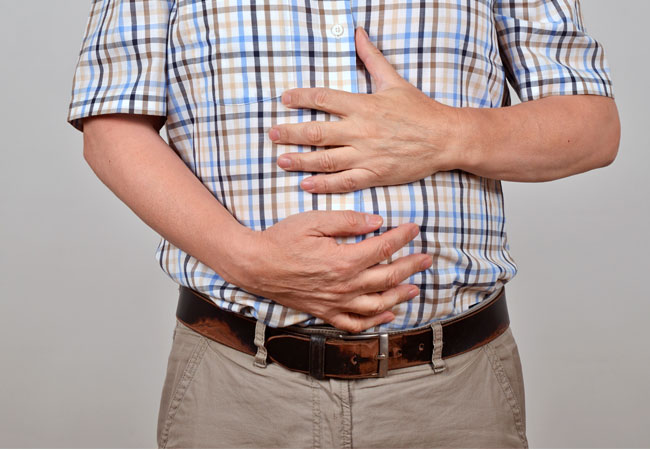
Most of us wake up and proceed to the loo. Over a period of time, this becomes a habit and we just do it blindly!

Have you ever noticed or given a thought about how is your bowel movement?

What does your poop say about your health? This may sound like a joke, but you can actually learn a lot about your health from your daily poop.

Hippocrates says…ALL DISEASE BEGINS IN THE GUT. So, we want to be sure that what’s coming out of the gut looks good.

Let’s understand more about it.

Three things to look for:

  1. FREQUENCY
  2. FORM
  3. COLOR

Frequency: Best bowel movement: It’s best to have at least one complete bowel movement a day. This should leave you feeling like you’ve fully emptied your bowels.

If you are having 2-3 bowel movements in the day then you may have a faster metabolism or good robust bacteria or it depends on the quantity of food you eat.

Going to the bathroom more than three times a day may suggest you’re approaching the diarrhoea zone.

So, having a clear bowel movement once a day daily is must as it’s one of our body’s greatest ways to eliminate toxins, acids and other stuff.

FORM: When our poops are properly formed, it ensures that we have digested and assimilated the nutrients from our food and are eliminating acids and toxins properly.

The BRISTOL CHART helps to categorize and gauge our bowel movements well:
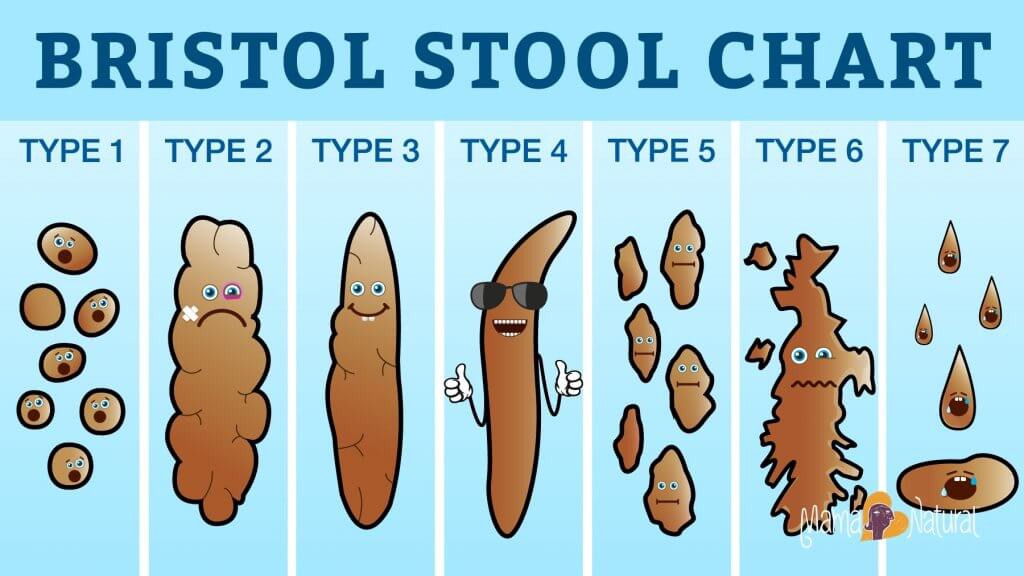
Bristol-Stool-Chart-What-Your-Poop-Says-About-Your-Health-Mama-Natural-1024x576

Image Credit: mamanatural-mamanatural.netdna-ssl.com

Type 1: Separate hard lumps, like little balls (hard to pass)

Type 2: Sausage-shaped, but lumpy (lack of fibre and hydration)

Type 3: Like a sausage but with cracks on its surface

Type 4: Like a sausage or snake, smooth and soft

Type 5: Soft blobs with clear cut edges (passed easily)

Type 6: Fluffy pieces with ragged edges, a mushy stool

Type 7: Watery, no solid pieces. Entirely liquid

Where do you fall on this chart?

If you are between 1-3 then it shows that your diet lacks the right amount of fibre, bacteria are missing and there is nothing to retain water. This is a sign of constipation. The lumps are hard and abrasive and may sometimes lead to anorectal bleeding.

If you are at Type 4, then you are right, It’s nice tubular shape. Think long bananas that don’t break apart when you flush. The Perfect poop comes out with ease, smells more like super-ripe fruit than something terrible and you barely need to wipe.

If you are between 5-7—then you have diarrhoea. This may also give rise to malabsorption as there is no proper assimilation of nutrients.

If your stool is too LOOSE, SOFT, watery, MUSHY then – it indicates a lack of fibre and thus you can go for BRAT Diet.(Banana, rice, apple and toast). These foods have qualities like tannins that can actually help firm up a stool for better bowel movements.

If you find your stool is TOO HARD or infrequent, add more of soluble fibre and add magnesium-rich foods to your diet. Magnesium draws water into the bowel, making the stool softer and easier to eliminate. It also relaxes the muscles in the intestinal wall, which helps with constipation.

Apples and Pears are also wonderful – two a day will keep things moving. Yoga and abdominal massage are great tools. Another trick you can try is to drop 1 drop of Peppermint essential oil into your toilet and sit down. It will stimulate your bowels and often result in a movement.

If your poop…Floats instead of sinks- You have excess gas in your digestive tract. “If you’ve been eating lots of beans, sprouts, cabbage, or very large meals, it’s perfectly normal for stool to float because of gas, and it’s not a cause for concern. However, if floaters become more common for you or you spot an oil-slick appearance, it could mean something is preventing your body’s ability to absorb fats from food. For instance, inflammation or an infection in your pancreas could prevent you from producing enough digestive enzymes. A food allergy or infection could be damaging the lining of your intestines that’s affecting absorption, too.

What does Colour indicate?

Believe it or not, colour matters!  We want our stool to be a nice medium – to dark-brown colour (Think milk chocolate). Poop is normally brown. The colour is the result of what you eat and how much bile is in your stool. Bile is a fluid your liver makes to digest fats. It starts out as a yellowish green colour. But as the pigments that give bile its colour travel through your digestive system, they go through chemical changes and turn brown.

Black Poop: If your stool is black, it could be a sign of blood in your upper GI tract.

Yellow poop: This shade is also normal for many people. It’s common for babies, especially those who breastfeed. But if you have yellow poop that looks greasy and smells very bad, it may have too much fat. That could be a sign your body isn’t digesting food properly.

Green poop: If you have green poop for many days, the colour of your food may not be to blame. It’s likely that your meal moved through your gut too quickly, so the fat digesting bile didn’t have time to turn brown. It could be from fat malabsorption or liver or gallbladder stress.

PS NOTE: Keep in mind if you eat certain foods or food dyes your stool colour may change. For example, if you eat lots of beets, your stools could take on a reddish hue. And eating tonnes of leafy greens may explain why your poop is green but this colour change is temporary.

White Poop: Medicines for diarrhoea like bismuth sub-salicylate can sometimes cause pale or clay coloured poop. A more serious cause is a lack of bile in your stool. As bile gives its brown colour

Bright red: If it’s bright red, the blood likely comes from the lower part of your digestive tract. It could be due to inflammation in the colon, haemorrhoids, diverticular disease or tumour.

So, where do your poops fall on the Bristol Stool Chart? Do you have an to oy tips or practices to optimise your daily poop? Share them in the comments below. For more health-related content, explore Healthy Reads or for further guidance speak to a certified expert by subscribing to GOQii’s Personalised Health Coaching here.

#BeTheForce

Disclaimer: The information provided in this blog is for general awareness and educational purposes only. It is not intended to replace professional medical advice, diagnosis, or treatment. Always consult a qualified healthcare provider for personalised medical guidance or concerns related to your health.

August 2, 2024 By Aqsa Shaikh 3 Comments

Effects of ALCOHOL on your health..?

Effects of alcohol

Today, most of are used to late night parties – whether it’s an office party, a birthday celebration, a marriage anniversary or similar events. Partying is often seen as a way to relieve stress and enjoy ourselves.

One of the most common beverage at parties is ALCOHOL. Any celebration is often marked by the presence of beer, vodka, champagne, tequila, rum, whisky, etc., flowing like water. Some people enjoy drinking alcohol, whether it’s hard liquor or beer, while others are social drinkers who drink to enjoy and celebrate. Many drink under the guise of being stressed or overworked, which can lead to become an alcoholic.

The harmful effects of alcohol on our body and immune system are well-known, but there is still a constant desire to drink at every opportunity.

The real fact is that many people are not completely aware of the dangerous side effects of alcohol and how it can lead to addiction, which is harmful to one’s immune system and the liver.

A good immune system helps our body fight diseases and virus that enter our body. However, excessive alcohol consumption deprives the body of valuable immune-boosting nutrients, such as Vitamin A, and can impair white blood cells, which are our body’s defense against illness and disease, making them less able to kill germs.

Damage to the immune system increases with the level of alcohol consumed. For those who are addicted to alcohol, there are several immediate issues such as:

  • Slurred speech
  • Drowsiness
  • Vomiting
  • Diarrhea
  • Upset stomach
  • Headaches
  • Breathing difficulties
  • Distorted vision and hearing
  • Impaired judgment
  • Decreased perception and coordination
  • Unconsciousness
  • Anemia (loss of red blood cells)
  • Coma
  • Blackouts (memory lapses, where the drinker cannot remember events that occurred while under the influence)

LONG-TERM EFFECTS OF ALCOHOL

Binge drinking and continued alcohol use in large amounts are associated with numerous health issues and heart problems, including:

  • Unintentional injuries such as car crashes, falls, burns, drowning
  • Intentional injuries such as firearm injuries, domestic violence
  • Increased on-the-job injuries and loss of productivity
  • Increased family problems, broken relationships
  • Alcohol poisoning
  • High blood pressure, stroke, and other heart-related diseases
  • Liver disease
  • Nerve damage
  • Sexual problems
  • Permanent damage to the brain
  • Vitamin B1 deficiency, which can lead to a disorder characterized by amnesia, apathy, and disorientation
  • Ulcers
  • Gastritis (inflammation of stomach walls)
  • Malnutrition
  • Cancer of the mouth and throat

Alcohol is not just harmful to your body and its systems; it can also lead to weight gain. Research shows that calories from alcohol are “empty calories,” meaning they have no nutritional value. Most alcoholic drinks contain traces of vitamins and minerals, but not usually in amounts that significantly contribute to our diet.

Drinking alcohol also reduces the amount of fat your body burns for energy. While we can store nutrients, protein, carbohydrates, and fat in our bodies, we can’t store alcohol. So our systems want to get rid of it, and doing so takes priority. All of the other processes that should be taking place (including absorbing nutrients and burning fat) are thus interrupted due to alcohol.

Here are some common alcoholic beverage and the alcohol content:

  • Beer: 2-6% alcohol
  • Wine: 8-20% alcohol
  • Tequila: 40% alcohol
  • Rum: 40% or more alcohol
  • Brandy: 40% or more alcohol
  • Gin: 40–47% alcohol
  • Whiskey: 40–50% alcohol
  • Vodka: 40–50% alcohol 

These are some calories counts for various drinks:

  1. Beer contains 43 calories per 100 ml
  2. Wine contain 83 calories per 100 ml
  3. Tequila contains 96 calories in one jigger (shot)
  4. Rum contains 231 calories per 100 ml
  5. Brandy contains 104 calories in one jigger (shot)
  6. Gin contains 222 calories per 100grams
  7. Whisky contains 700 calories per 100 ml
  8. Vodka contains 231 calories per 100 ml

Having said all this, would you still want to consume alcohol? Think twice.

We hope this article helps you understand the effects of alcohol on your health. If you have any tips or experiences to share about managing alcohol consumption, let us know in the comments below. For more health tips and information, check out Healthy Reads or speak to a certified expert by subscribing to GOQii’s Personalised Health Coaching here.

#BeTheForce

Disclaimer: The information provided in this blog is for general awareness and educational purposes only. It is not intended to replace professional medical advice, diagnosis, or treatment. Always consult a qualified healthcare provider for personalised medical guidance or concerns related to your health.

July 28, 2024 By Vrushali Athavle 8 Comments

All You Need to Know About Flaxseeds

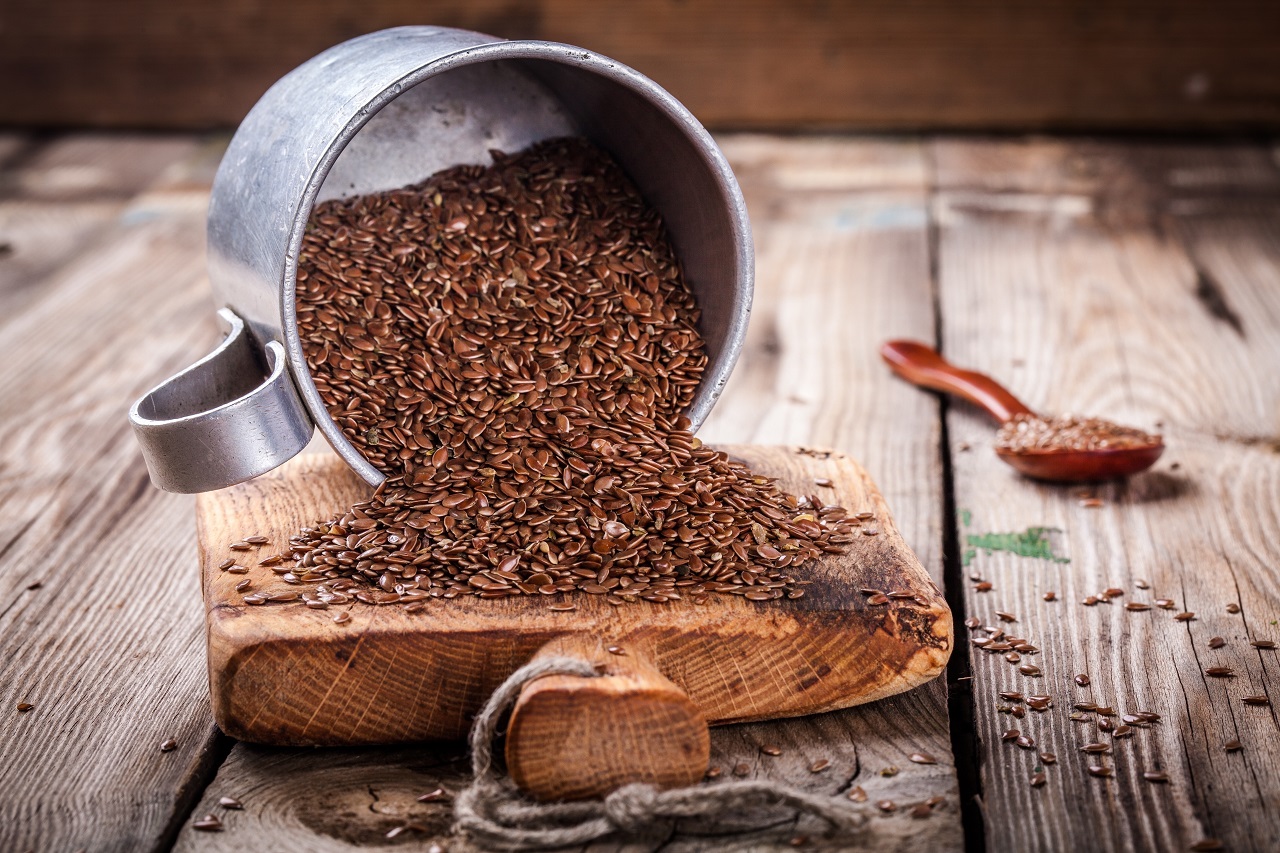
everything about flaxseedsWhen it comes to nutrition and fitness, Flaxseeds (Lineseeds/Alsi) is the most commonly heard terms these days. The way fashion trends keep pouring in, you will see food ingredients also hitting the market as and when research finds out something important.
Flaxseed is one of the important ingredients in the market right now. You will see Flaxseed Oil on the shelves of most grocery stores, Ground Flaxseeds used in various recipes and Whole Flaxseeds tempered beautifully on cookies and bread.

People are talking about Flaxseeds a lot as doctors and dietitians are recommending it to people who want to lose weight. It is being recommended to those who are suffering from cancer, heart problems, diabetes and various other diseases.

Everyone is wondering what magical powers do these tiny oval-shaped, flat, glossy and pointed at one end ingredient have?

It has magical powers in the form of three magical nutrients.

  1. Omega-3 essential fatty acids, “good” fats that have been shown to have heart-healthy effects
  2. Lignans, which has both, plant estrogen and antioxidant qualities
  3. Fiber: Flaxseed contains both the soluble and insoluble types

Yes, these three magical nutrients are capable of fighting so many deadly diseases. Let’s have a look into it.

Health Benefits of Flaxseeds

Cancer: Omega 3 fatty acids and lignans present in Flaxseeds have a protective effect against breast, prostate and colon cancer. They block the enzymes which are involved in hormone metabolism by interfering with the growth and spread of tumor cells, thus, preventing cancer.

Cardiovascular Health: Omega-3s present in Flaxseeds reduce the hardening of arteries, which keeps plaque from being deposited in them. This automatically helps in keeping the heartbeat normal. As a result, blood pressure is kept under control and it takes care of the overall cardiovascular system.

Cholesterol-lowering effects of Flaxseeds are the result of the combined benefits of the Omega-3 ALA, fiber, and lignans.

Inflammation: Omega 3 and lignans present in Flaxseeds are known to block the release of certain pro-inflammatory agents which help in reducing the inflammation that accompanies certain illnesses such as Parkinson’s and Asthma.

Diabetes: Daily intake of Flaxseeds improve the blood sugar of people suffering from diabetes.

Relieves Constipation: Flaxseeds and Flaxseed Oil act as natural laxatives and give you relief from constipation.

Some Facts on Flaxseeds

  1. Whether you have it in the whole form or ground form, what we need to know is that just swallowing Flaxseeds like a medicine with water won’t give you the desired results. The seeds need to be broken to get the Omega 3 nutrients which are present in it. If you are eating whole Flaxseeds, chew them properly. If you are grinding it, grind it fresh every time you want to consume it.
  2. The best place to store Ground Flaxseeds is in the freezer. The freezer will help maintain the nutritional content of Grounded Flaxseeds by preventing oxidation.
  3. If you are not grinding Flaxseeds, then the outside shell in the whole Flaxseeds acts as the protective shield of itself which keeps the fatty acids inside well protected. As long as whole Flaxseeds are dry and of good quality, it can be stored at room temperature for up to a year.

Creative Ways to Eat Flaxseeds

  1. You can start your day by adding Ground Flaxseeds in lukewarm lemon water. Drink this early in the morning to detox your body.
  2. Addition of Flaxseed to your regular breakfast cereal will give your boring bowl a fresh, nutty flavor. You can also add them to smoothie bowls, or yoghurt.
  3. Prepare a nice evening snack with fruits, Yoghurt and add this tint of nutty flavor to it.
  4. Adding it to milkshakes will also change the flavor of the shakes giving it an exotic nutty flavor.
  5. Add it to your regular veg curries as they won’t get noticed when added to soups, enchilada casserole, chicken parmesan, chicken meatballs, etc.
  6. Lastly substitute a part of flour with Ground Flaxseed in recipes like cakes, muffins, breads, pancake, etc.

In conclusion, these small and nutty seeds which are highly rich in Omega 3 are extremely beneficial for our general health.

Did we miss out on any benefits of Flaxseeds? Would you like to know more? Drop us a comment below! For further information or guidance, reach out to our certified experts by subscribing to GOQii’s Personalised Health Coaching here.

#BeTheForce

Disclaimer: The information provided in this blog is for general awareness and educational purposes only. It is not intended to replace professional medical advice, diagnosis, or treatment. Always consult a qualified healthcare provider for personalised medical guidance or concerns related to your health.

July 23, 2024 By Disti Shah 7 Comments

Why You Should Exercise To Manage Diabetes

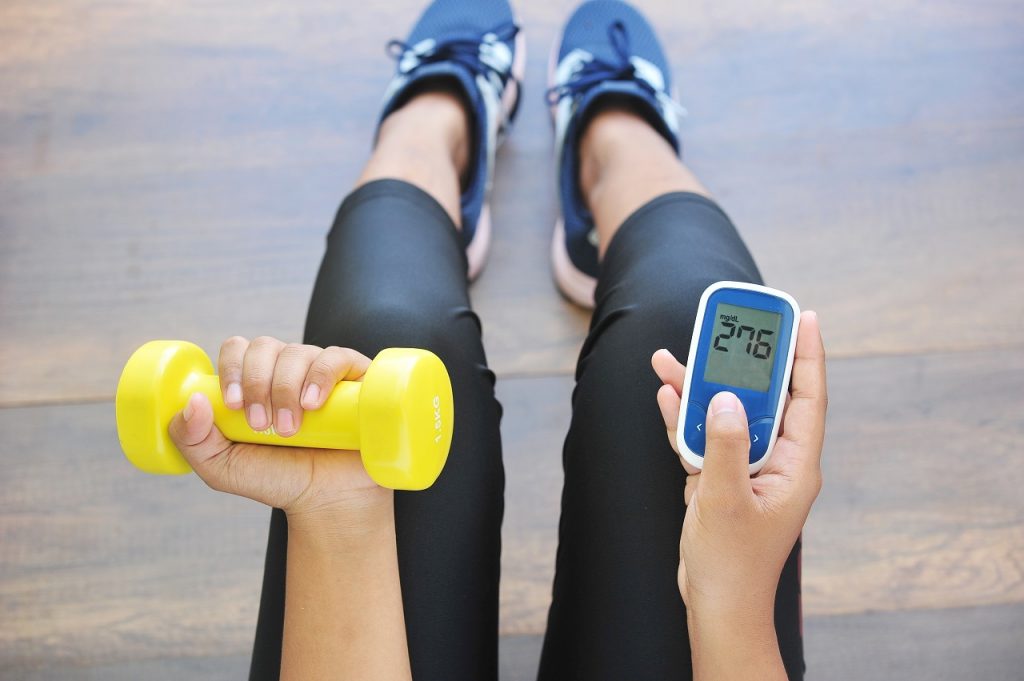
exercise to manage diabetesThe facts and myths about diabetes are plenty, especially on the kind of foods one should have or not have, whether one should exercise to manage diabetes, etc. But, it’s when I saw my dad exercising one day, a thought struck me – is it not important to test a diabetic before exercise? Is diet all that one needs to focus on?

What if he exercises vigorously and his sugar levels drop down? At what sugar levels should we allow or not allow a person to exercise? What should be the intensity and frequency of the exercise? What type of exercise should a diabetic do?

These questions obviously led me to explore and research more about diabetes and exercise. I would like to share some information about what Diabetes is, what are its types and how regular exercise can control your Diabetes.

What is Diabetes?

Diabetes is a chronic disease where there’s a high level of sugar in the blood, either due to less insulin sensitivity or because of low insulin secretion or no insulin levels in the body.

There are three major types of diabetes. The causes and risk factors are different for each type:

  • Type 1 diabetes: can occur at any age, but it is most often diagnosed in children, teens, or young adults. In this type, the body makes little or no insulin. Daily injections of insulin are needed. The exact cause is unknown.
  • Type 2 diabetes: makes up for most of the diabetes cases. It often occurs in adulthood, but teens and young adults are now being diagnosed because of high obesity rates. In such cases, either the body becomes less sensitive to insulin or insulin secretion decreases.
  • Gestational diabetes: is high blood sugar that develops at any time during pregnancy in a woman who does not have diabetes, and disappears once the pregnancy is over.

Can You Exercise To Manage Diabetes? 

We all know that exercise provides multiple benefits but does it help diabetics as well? In fact, it does! Here are some of the changes you can experience if you exercise to manage diabetes:

  • Exercise helps lower blood sugar levels
  • It helps you feel better
  • Helps maintain proper body weight
  • Keeps the heart rate and blood pressure lower
  • Keeps blood fat levels normal
  • Improves insulin sensitivity
  • Helps in maintaining normal blood circulation in the feet

Now that we know a few of many reasons why exercise is important for a person with diabetes, let’s see which exercises can benefit diabetics.

Which kinds Of Exercise Are Best For Diabetics?

To help manage diabetes, you can try:

  1. 30 minutes of “moderate intensity” aerobic activity – 5 days a week.
  2. “Vigorous intense” aerobic activity for 20 minutes or more a day – 3-5 days a week.

In addition, you should add flexibility and strength training to your routine.

  1. Flexibility activities 5-7 days a week.
  2. Strength training 8-10 exercises, 10-15 repetitions of each exercise, 2-3 days a week.

Calories Per hour and the types of moderate and vigorous exercises

Moderate physical activity for one hour Calorie burnt per hour
Hiking 370
Light gardening / Yard work 330
Dancing 330
Golf (walking and carrying clubs) 330
Bicycling (<10mph) 290
Walking  (3.5mph) 280
Weight lifting (light workout) 220
Stretching 180
Vigorous physical activity for one hour 
Running / Jogging (5mph) 590
Bicycling (>10mph) 590
Swimming (Slow freestyle laps) 510
Aerobics 480
Walking (4-5 mph) 460
Heavy Yard work (chopping wood) 440
Weight lifting (vigorous effort) 440
Basket ball (vigorous) 440

Source – Dietary Guidelines for Americans – 2005 *(These values are derived from American journals and may not be specific to other populations).

When Should One Exercise?

The best time to exercise will vary with the schedule. Preferably, one should pick the same time for exercise each day so that if one is on insulin, the adjustment of insulin dosage is manageable.

  1. Morning exercise may cause your blood glucose to drop less than if you exercised later.
  2. If you are on insulin or taking pills that work by making more insulin, evening exercise may result in low blood glucose while you sleep.

Remember – Your Diabetes Management can be adjusted to suit your lifestyle. Your lifestyle does not have to be adjusted to fit your diabetes.

After knowing what kind of exercise and at what time we should do them, let’s see what precautions should be taken while doing them.

Safety Tips for Active Diabetics

1. Get your doctor’s okay before you start exercising.
This is especially important if you are older than age 35, have had diabetes for more than 10 years, have any complications of diabetes, have not exercised in a long time, or have heart disease. Exercise has the same effect on blood glucose as insulin. It lowers blood glucose, making you more sensitive to insulin. This is a benefit of exercise that can also pose a problem if it lowers your blood glucose too much.

2. Avoid low blood sugar levels
Low blood sugar levels are when the glucose levels dip below <70mg/dl. Common symptoms include shakiness, weakness, abnormal sweating, and anxiety, tingling of mouth and hunger, headache, visual disturbance, confusion, seizures, coma. Monitor your blood glucose before and after working out, especially when beginning or modifying the exercise program. Always keep a 15g of fast-acting carbohydrate (powdered sugar/Glucose tablets 3-4) with you to treat Hypoglycemia.

3. Check your blood glucose levels pre and post workout
If you blood glucose is below 70 –

  1. Take 5g of carbohydrate right away
  2. Wait for 15 minutes
  3. Check again – if still below 70, then have another 15 grams.

It should work now.

If the blood glucose is high – Fasting is>250 and ketosis is present.

Or >300 with or without ketosis. Avoid exercise with such high blood sugar levels.

4. Eat before heavy exercise
If you’re going to exercise around mealtime, you should eat the meal first. When possible, allow half an hour for digestion. Solid foods, such as whole grains, vegetables, etc. are digested slowly than liquids. They provide protection for at least 2-3 hours. When it is possible to choose the exercise time, try to begin the exercise 30-60 minutes after a meal or snack.

Remember – Nothing works better than experience and frequent blood glucose testing. 

5. Diabetic complications 

  • Retinopathy: Patients with retinopathy are at risk for retinal detachment and vitreous hemorrhage associated with vigorous-intensity exercise. For those with retinopathy, vigorous aerobic and resistance, weight-bearing exercises should be avoided.
  • Nephropathy: Should not indulge in vigorous-intensity exercise as protein excretion increases post-exercise.
  • Peripheral Neuropathy: Should take proper care of feet to prevent foot ulcers. Feet should be kept dry. Avoid the wrong type of socks and shoes. Avoid tight elastic bands and ill-fitted shoes (they reduce circulation). Avoid wearing thick or bulky socks (they can fit poorly and irritate the skin). Rather wear light colored cotton socks that dissipate heat faster. Moisturize your feet – but not between your toes- that could encourage a fungal infection. Use a moisturizer daily to keep dry skin from itching or cracking. Consider non-weight bearing activities as they may be better tolerated and aid healing.

6. Stay hydrated
Proper hydration is essential during exercise. Exercising during hot weather requires special attention. Drinking extra fluids should begin an hour or two before you begin exercise to manage diabetes. A general rule is to drink 8 ounces of fluid for every 30 minutes of vigorous activity. 

7. Check your pulse rate
It’s important to check the pulse periodically to see if you are exercising within your target zone. Right after you exercise, take your pulse – count your pulse for 10 secs and multiply the no by 6.

Compare the numbers on the right grouping in the table below.

Age Target Heart range zone
20 years 100-150 beats/min
25 years 98-146 beats/min
30 years 95-142 beats / min
35 years 93-138 beats/ min
40 years 90-135 beats/min
45 years 88-131 beats/min
50 years 85-127 beats/ min
55 years 83-123 beats/min
60 years 80-120 beats/min
65 years 78-116 beats/ min
70 years 75-113 beats / min

Source: Exercise and Your Heart, National Heart, Lung, and Blood Institute/American Heart Association, NIH Publication No. 93-1677.

The good news is that if someone regularly exercises, these benefits can be permanent, and for someone with diabetes, it can mean reducing medication. If younger members of families with a predisposition to diabetes exercise regularly, they could avoid diabetes altogether.

A single bout of exercise can benefit the body’s sensitivity to insulin for 16-18 hours and have positive effects on blood glucose control (glucose absorption) for 24-48hours.

But these effects wear off between 60-72 hours. Hence, staying active most of the time is imperative.

I just want to convey that Diabetes cannot take your hope, faith, attitude, courage and happiness away from you. We are the authors of our own health. Let’s overcome it, no matter what type or what level of disease it is.

Now that you know why you should exercise to manage diabetes, get out there and begin your journey! To read more on Diabetes, check out Healthy Reads.

For further guidance and motivation by certified experts, join the GOQii Diabetes Care program. It’s India’s only diabetes program that is driven by Smart Science and Personal Coaching to improve Fasting Blood Sugar (FBS), Postprandial Blood Sugar (PP), reduce HbA1c levels and let you win gold! You can subscribe here: https://store.goqii.com/diabetescare.

#BeTheForce

  • « Previous Page
  • 1
  • …
  • 73
  • 74
  • 75
  • 76
  • 77
  • …
  • 215
  • Next Page »

Search

Recent Posts

  • Foods to Manage Blood Sugar Naturally: A Complete Guide to Better Blood Sugar Control
  • The Lazy Person’s Guide to Staying Healthy: 5 Micro-Habits That Take Less Than 2 Minutes
  • Healthy Eating: Comforting Chilli Bean Soup Recipe for the Monsoon
  • The Truth About the ‘Beer Belly’: What Alcohol Really Does to Your Metabolism
  • Benefits of Meditation: How One Daily Habit Can Transform Your Mental Wellbeing

Stay Updated

Archives

  • August 2026 (7)
  • July 2026 (25)
  • June 2026 (22)
  • May 2026 (20)
  • April 2026 (24)
  • March 2026 (18)
  • February 2026 (14)
  • January 2026 (14)
  • December 2025 (19)
  • November 2025 (15)
  • October 2025 (20)
  • September 2025 (6)
  • August 2025 (6)
  • July 2025 (9)
  • June 2025 (18)
  • May 2025 (16)
  • April 2025 (22)
  • March 2025 (26)
  • February 2025 (21)
  • January 2025 (25)
  • December 2024 (22)
  • November 2024 (22)
  • October 2024 (20)
  • September 2024 (22)
  • August 2024 (28)
  • July 2024 (15)
  • June 2024 (23)
  • May 2024 (26)
  • April 2024 (27)
  • March 2024 (27)
  • February 2024 (23)
  • January 2024 (21)
  • December 2023 (14)
  • November 2023 (10)
  • October 2023 (19)
  • September 2023 (21)
  • August 2023 (16)
  • July 2023 (16)
  • June 2023 (21)
  • May 2023 (20)
  • April 2023 (19)
  • March 2023 (23)
  • February 2023 (19)
  • January 2023 (15)
  • December 2022 (11)
  • November 2022 (15)
  • October 2022 (15)
  • September 2022 (12)
  • August 2022 (9)
  • July 2022 (17)
  • June 2022 (11)
  • May 2022 (10)
  • April 2022 (6)
  • March 2022 (6)
  • February 2022 (13)
  • January 2022 (11)
  • December 2021 (7)
  • November 2021 (3)
  • October 2021 (6)
  • September 2021 (3)
  • August 2021 (8)
  • July 2021 (7)
  • June 2021 (15)
  • May 2021 (16)
  • April 2021 (10)
  • March 2021 (7)
  • February 2021 (4)
  • January 2021 (4)
  • December 2020 (3)
  • November 2020 (4)
  • October 2020 (10)
  • September 2020 (3)
  • August 2020 (3)
  • July 2020 (2)
  • June 2020 (4)
  • May 2020 (10)
  • April 2020 (12)
  • March 2020 (10)
  • February 2020 (4)
  • January 2020 (4)
  • December 2019 (3)
  • November 2019 (7)
  • October 2019 (5)
  • September 2019 (4)
  • August 2019 (9)
  • July 2019 (9)
  • June 2019 (11)
  • May 2019 (4)
  • April 2019 (8)
  • March 2019 (8)
  • February 2019 (9)
  • January 2019 (8)
  • December 2018 (9)
  • November 2018 (3)
  • October 2018 (3)
  • September 2018 (5)
  • August 2018 (10)
  • July 2018 (6)
  • June 2018 (13)
  • May 2018 (8)
  • April 2018 (18)
  • March 2018 (9)
  • February 2018 (8)
  • January 2018 (15)
  • December 2017 (12)
  • November 2017 (19)
  • October 2017 (13)
  • September 2017 (15)
  • August 2017 (4)
  • July 2017 (8)
  • June 2017 (7)
  • May 2017 (6)
  • April 2017 (8)
  • March 2017 (6)
  • February 2017 (7)
  • January 2017 (9)
  • December 2016 (10)
  • November 2016 (7)
  • October 2016 (7)
  • September 2016 (7)
  • August 2016 (11)
  • July 2016 (9)
  • June 2016 (9)
  • May 2016 (12)
  • April 2016 (17)
  • March 2016 (17)
  • February 2016 (8)
  • January 2016 (6)
  • December 2015 (2)
  • November 2015 (9)
  • October 2015 (7)
  • September 2015 (9)
  • August 2015 (11)
  • July 2015 (9)
  • June 2015 (11)
  • May 2015 (9)
  • April 2015 (13)
  • March 2015 (8)
  • February 2015 (5)
  • January 2015 (12)
  • December 2014 (14)
  • November 2014 (11)
  • October 2014 (6)
  • September 2014 (13)
  • August 2014 (12)
  • July 2014 (6)
  • June 2014 (2)
  • May 2014 (7)
  • April 2014 (4)

From Burnout to Balance: How Dr. Ranjit Reclaimed His Health

Dr Ranjit Bhatt has spent years tending to others. A practising doctor in Odisha, his days were packed with patients, surgeries, and emergencies. From the outside, it looked like a life lived in service. But on the inside, something wasn’t right. “I had no … [Read More...]

From Shimla’s Slopes to Chandigarh’s Sidewalks: Surinder Kaur Bhalla’s Journey from Chaos to Control

Some journeys start with a plan. Others begin with a stumble literally. Surinder Bhalla, a government professional, born and raised in the scenic hill town of Shimla, had always lived a life of movement. “In Shimla, you walked everywhere,” she reflects. “Walking was never an exercise. It was just life.” But after shifting to Chandigarh, […]

“I’ve Challenged Myself to Live 100 Years” – The Story of Chandubhai Savani’s Second Chance at Life

At 67, most people start slowing down. Not Chandubhai Savani. A resident of Surat, Chandubhai, thought life was on track. “My life was going well till I had my bypass surgery,” he says. That surgery, back in 2021, was a wake-up call.  Medication was routine, but exercise wasn’t. His diet? What he calls ‘normal.’ “I […]

Ananda Mukherjee Health Story

From Terminal Illness To Complete Wellness! Ananda Mukherjee Health Story

As we observe World Cancer Day under the powerful theme ‘United by Unique’ (2025-2027)**, we are reminded that every individual’s journey with cancer is distinct, yet united by shared resilience, hope, and the collective fight against this disease. This theme places people at the centre of care and their stories at the heart of the […]

  • HOME
  • HEALTHY LIVING
  • FITNESS
  • HEALTHY RECIPES
  • USER STORIES
  • KARMA
  • BUY GOQii

Copyright ©2016 GOQii


