GOQii

Blog

  • HOME
  • HEALTHY LIVING
  • FITNESS
  • HEALTHY RECIPES
  • USER STORIES
  • KARMA
  • BUY GOQii

Search Results for: fat

April 18, 2026 By GOQii 1 Comment

Prebiotics and Probiotics: What’s the Difference?

Prebiotics and Probiotics - what's the difference You may have heard of prebiotics and probiotics, but do you know the difference between the two? While they sound similar, prebiotics and probiotics have different roles in promoting gut health. In this article, we’ll break down the key differences between prebiotics and probiotics, and how they work together to support your digestive system.

What Are Prebiotics?

Prebiotics are a type of dietary fiber that the human body can’t digest. Instead, they serve as food for the beneficial bacteria that live in your gut, helping to promote the growth and activity of these microbes. When prebiotics are fermented by the bacteria in your gut, they produce short-chain fatty acids (SCFAs), which are important for maintaining gut health and supporting immune function.

Some examples of common prebiotics include inulin, fructooligosaccharides (FOS), and galactooligosaccharides (GOS). These are found in a variety of foods such as bananas, onions, garlic, asparagus, artichokes, whole grains, and legumes. Prebiotics are often used in conjunction with probiotics to promote a healthy balance of gut bacteria.

What Are Probiotics?

Probiotics are live bacteria and yeasts that are beneficial to your gut health. These microbes can be found in certain foods or supplements, and are also naturally present in your gut. Probiotics help to promote the growth and activity of beneficial bacteria in your gut, while also inhibiting the growth of harmful bacteria.

Some examples of common probiotics include Lactobacillus acidophilus, Bifidobacterium Lactis, and Saccharomyces Boulardii. Probiotics are often added to foods such as yogurt, kefir, and fermented vegetables, or can be taken in supplement form.

How Do Prebiotics and Probiotics Work Together?

Prebiotics and Probiotics work together to promote a healthy gut microbiome. Prebiotics provide the food that Probiotics need to thrive and multiply, while Probiotics help to balance the ratio of beneficial and harmful bacteria in your gut. By consuming both Prebiotics and Probiotics, you can support the growth of beneficial bacteria, improve digestion, and enhance immune function.

It’s worth noting that not all Probiotics and Prebiotics are created equal. Different strains of Probiotics and types of Prebiotics can have different effects on the gut microbiome, so it’s important to choose high-quality supplements such as these to improve your gut constitution.

If this article helped you, let us know your thoughts in the comments below! You can find more articles on nutrition and improving gut health here. 

You can also get this information and a lot more directly from a GOQii Coach by subscribing for Personalised Health Coaching here. 

#BeTheForce 

April 17, 2026 By GOQii Leave a Comment

Social Health and Longevity: Why Relationships Matter as Much as Diet

When we think about living longer, the focus usually falls on diet, exercise and medical tests. However, one of the most important predictors of long-term health is often overlooked, our relationships. Over the past two decades, research has consistently shown that loneliness and social isolation are linked to higher risks of heart disease, stroke, depression and premature death. In some cases, the impact of chronic loneliness has been found to be comparable to smoking.

In simple terms, connection is not just a social need. It is a health requirement.

Loneliness and the Heart

Humans are biologically wired for connection. When that connection is missing, the body experiences it as stress. Over time, this leads to measurable physiological changes such as:

  • Elevated cortisol (stress hormone) levels
  • Increased blood pressure
  • Higher levels of systemic inflammation

These changes significantly increase the risk of cardiovascular disease.

Loneliness also affects daily behaviour. People who feel disconnected are more likely to:

  • Sleep poorly
  • Exercise less
  • Eat irregularly

This means the impact of loneliness is not just emotional it directly affects physical health. On the other hand, strong relationships act as a buffer. They help regulate stress, improve recovery, and support overall resilience.

Community as Protection

In regions where people tend to live longer, one common factor stands out strong social networks. Regular interaction through shared meals, gatherings and routines creates a sense of belonging and stability.

Being part of a community encourages consistency in daily habits. For example:

  • You are more likely to go for a walk when someone is waiting for you.
  • You are more likely to stick to routines when they are shared.
  • You are more likely to stay motivated when others are involved.

Social support also improves resilience, helping individuals cope better with illness, stress and life transitions.

The Power of Group Movement

Physical activity becomes easier to maintain when it is social. Activities such as:

  • Walking groups
  • Yoga classes
  • Cycling communities
  • Outdoor treks

…offer more than just exercise. They create shared experiences, making routines more enjoyable and sustainable.

Studies show that people who exercise in groups are more likely to stay consistent compared to those who work out alone.

Even digital communities can help through:

  • Regular check-ins
  • Shared challenges
  • Coaching support

Shared Habits Build Consistency

Health behaviours are easier to maintain when they are reinforced socially. Some common examples include:

  • Family meals improving dietary consistency
  • Friends checking in on activity levels
  • Group challenges increasing accountability

Shared routines reduce decision fatigue and make healthy habits easier to sustain over time.

Building Your Health Circle

You do not need a large social network. A few meaningful connections are enough. Simple ways to strengthen your social health include:

  • Scheduling regular time with friends
  • Joining a fitness or walking group
  • Participating in community events
  • Volunteering for a cause
  • Staying connected with family
  • Engaging in group-based health challenges

Consistency in connection matters more than frequency.

The Bigger Picture

Diet, exercise and sleep are all essential for long-term health. However, relationships influence how consistently we follow through on these behaviours.

Social health helps:

  • Reduce stress
  • Improve emotional balance
  • Strengthen adherence to healthy routines

It supports both mental and physical wellbeing.

Longevity is not built in isolation. It is shaped not just by what you do, but also by who you share your life with.

If you want to invest in long-term health, do not focus only on your habits. Pay attention to your relationships as well. Because sometimes, the strongest predictor of health is not what’s on your plate but who is sitting across from you.

Frequently Asked Questions (FAQs)

  1. How does loneliness actually affect physical health?
    When humans feel chronically isolated, the body registers it as a state of threat. This triggers a constant release of stress hormones like cortisol, which leads to higher blood pressure, increased inflammation, and a significantly higher risk of cardiovascular diseases over time.
  2. Is a digital or online community as effective as an in-person one?
    Yes! While in-person connection is wonderful, active digital communities where members share goals, participate in challenges, and check in on each other’s progress provide high levels of accountability, emotional support, and motivation that effectively boost social health.
  3. Do I need a large group of friends to be socially healthy?
    Not at all. Social health is about the quality of your connections, not the quantity. Having just two or three deep, meaningful relationships where you feel truly seen and supported is enough to provide the health-boosting benefits of social connection.

To better manage your lifestyle with the right guidance, community support, and daily motivation from certified experts, subscribe to GOQii’s Personalised Health Coaching here.

#BeTheForce 

Disclaimer: The information provided in this article is for educational and general informational purposes only. It is not intended to serve as professional medical or psychological advice. Always consult with your physician, mental health professional, or a certified GOQii health coach before making any significant changes to your lifestyle or health routine. If you are experiencing severe isolation, chronic stress, or depression, please reach out to a qualified healthcare provider.

April 15, 2026 By Sunita Arora Leave a Comment

Top 10 Foods For Diabetics: What to Eat to Manage Blood Sugar

Foods For DiabeticsYour food choices matter a lot when you are managing diabetes. While it is difficult to find single foods that completely prevent diabetes complications like heart disease, kidney issues, or sudden sugar spikes, there are powerful, nutrient-dense foods that can help you reduce your overall carbohydrate intake and keep your blood sugar in check.

Let’s take a look at the top 10 dietary additions that can make a massive difference in your daily diabetes management.

Top 10 Foods For Diabetics 

  1. Cinnamon
    This fragrant golden spice helps in controlling sugar, cholesterol, and triglyceride levels in Type 2 Diabetes. It adds a natural, warm flavour to food and can easily be sprinkled on tea, coffee, oatmeal, and smoothies. Studies have shown that just ¼ teaspoon of cinnamon daily can improve fasting blood sugar and boost insulin sensitivity.
  2. Extra Virgin Olive OilExtra-virgin olive oil contains antioxidants called polyphenols which are extremely beneficial for heart health. Olive oil is one of the best sources of MUFA (Monounsaturated Fatty Acids) when it comes to managing diabetes. Several studies have shown that MUFAs help keep blood sugar in check by lowering insulin resistance. It also keeps you full, minimizes spikes, and aids in the absorption of vital nutrients. A healthy daily intake is about 1-2 tsp (5ml-10 ml).
  3. Nuts
    Nuts are the ultimate snacking food for managing diabetes because they are delicious, satisfying, and highly nutritious. Nuts like walnuts, almonds, cashews, and pistachios are a boon because they are low in digestible carbohydrates but high in protein and healthy fats. This unique macronutrient profile helps stabilize blood sugar and reduce LDL (bad) cholesterol. Aim for a small handful (approx. 20-30 gm) daily, but be sure to avoid heavily salted or roasted-in-oil varieties.
  4. Beans
    Beans are complex carbohydrates loaded with fiber and rich in protein, which gives you a prolonged feeling of satiety. They are inexpensive, easily available, and incredibly versatile. Having beans in your diet regularly can control blood sugar and lower blood pressure. You can add approximately one bowl (25-30 gm raw) daily to your salads, soups, or vegetable curries to help regulate your levels.
  5. Quinoa
    Quinoa is considered a complete protein because it contains all nine essential amino acids needed to build muscle, and it is rich in minerals such as iron and magnesium. This protein-rich whole grain is a fantastic substitute for white rice. Because it is rich in fiber, it digests slowly, preventing sudden blood sugar spikes. Taking 20-30 gm of quinoa daily whether in a salad or mixed with vegetables is highly effective for both sugar control and weight loss.
  6. Fenugreek Seeds
    Fenugreek seeds are widely known for their effectiveness in traditional diabetes management. They are incredibly rich in soluble fiber, which lowers blood sugar levels by slowing down the digestion and absorption of carbohydrates. Studies suggest a daily dose of about 10 gm of fenugreek seeds, soaked overnight in water, helps significantly in controlling Type 2 Diabetes.
  7. Oatmeal
    Oatmeal is one of the best breakfast foods as it easily fits into any healthy meal plan. Oats have a low glycemic index and are packed with fiber, doing a miraculous job of regulating blood sugar while providing steady energy. Steel-cut or rolled oats (approx. 20-30 gm daily) made with low-fat milk or cooked with vegetables are the best choice, as they are the least processed.
  8. Garlic
    Garlic is a potent herb that helps reduce inflammation, blood sugar, and LDL cholesterol in people living with Type 2 Diabetes. It is also known to reduce blood pressure and boost overall immunity. You can crush 1-2 cloves of raw garlic and consume them with water early in the morning, or simply use them generously in your daily cooking.
  9. Turmeric
    Turmeric is a powerful spice with numerous health benefits. It contains an active compound called curcumin, which lowers inflammation, reduces blood sugar, and specifically benefits kidney and heart health in diabetics. As a staple in Indian cuisine, it is easy to include. Adding ¼ to ½ tsp in warm water or milk can boost immunity and help regulate your levels.
  10. Chia seeds
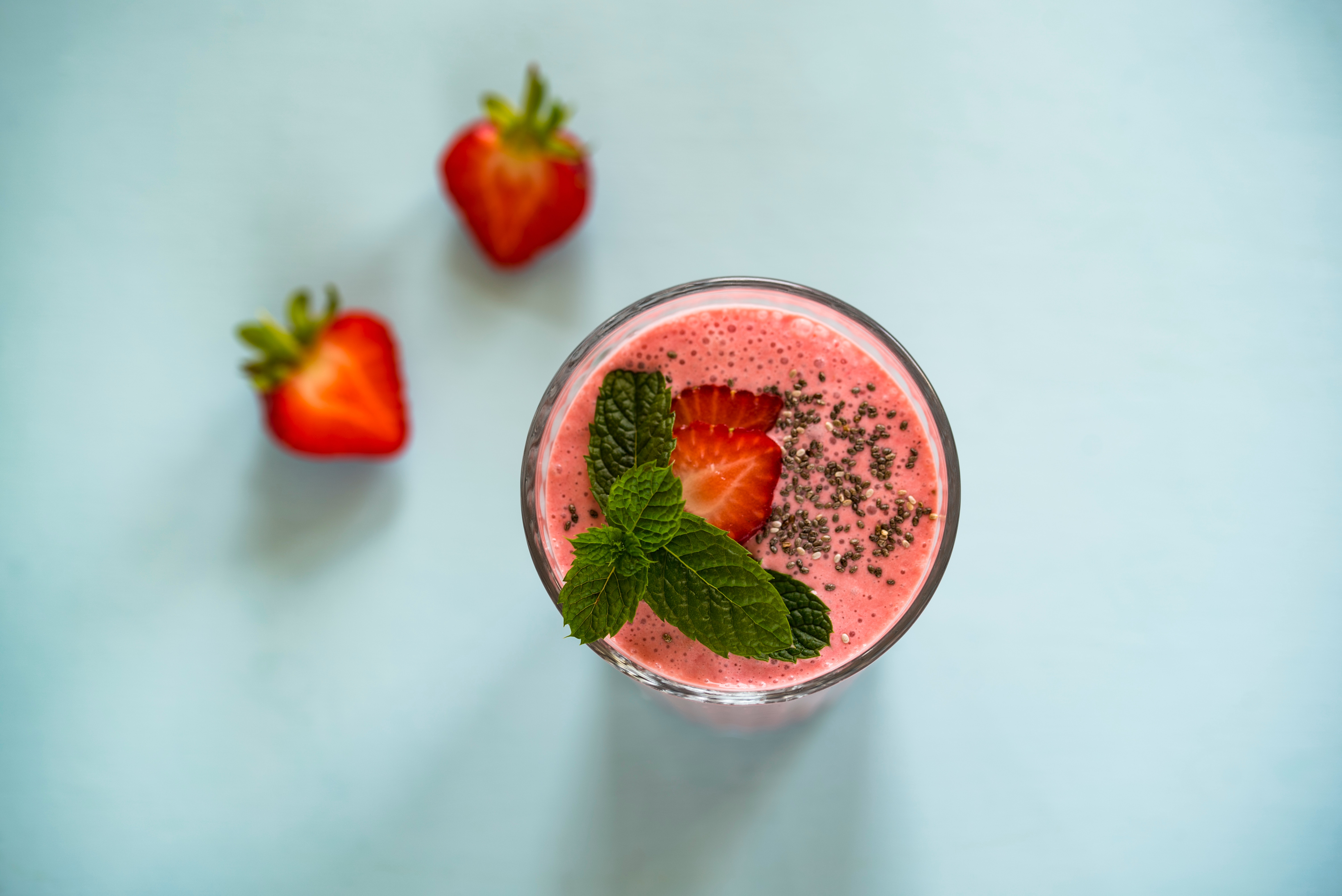
    Chia seeds are a powerhouse of nutrients and an absolutely wonderful food for managing diabetes. They are exceptionally high in viscous fiber, which lowers blood sugar and helps maintain a healthy weight by keeping you full for hours. They also decrease blood pressure and systemic inflammation. Try adding 10 gm of soaked chia seeds daily to your smoothies, shakes, or a bowl of fresh curd.

Frequently Asked Questions (FAQs)

1. Can I eat all 10 of these foods every day?
While all these foods are excellent for managing diabetes, portion control is key. You don’t need to eat all 10 every single day. Instead, focus on incorporating a variety of them into a balanced weekly diet plan to get a wide range of nutrients without exceeding your daily caloric limits.

2. Are oats good for diabetes, and does the type of oat matter?
Yes, oats are great for diabetes, but the type matters significantly. Steel-cut oats and rolled oats are complex carbohydrates that digest slowly. Avoid highly processed, sugary instant oatmeal packets, as these will cause rapid spikes in your blood sugar.

3. Should I consult a doctor before adding supplements like fenugreek or cinnamon?
Absolutely. If you are already on diabetes medication or insulin, adding potent natural remedies like fenugreek or high doses of cinnamon can sometimes cause your blood sugar to drop too low (hypoglycemia). Always consult your doctor or health coach before making concentrated dietary changes.

We hope incorporating these 10 foods helps you make a wonderful and positive shift toward a healthier life. (Note: Always consult with your doctor, nutritionist, or dietitian before drastically altering your diet.)

For more articles on managing your health, check out our Healthy Reads on Diabetes.

Managing diabetes is easier when you don’t have to do it alone. For the right guidance and daily motivation from certified experts, subscribe to GOQii’s Personalised Health Coaching here.

#BeTheForce 

Disclaimer: The information provided in this article is for educational and general informational purposes only. It is not intended to serve as professional medical advice, diagnosis, or treatment. Always consult with your physician or a certified GOQii health professional before making any drastic changes to your diet, especially if you are on diabetes medication.

April 11, 2026 By GOQii Leave a Comment

World Parkinson’s Day 2026: Bridging the Care Gap & Supporting Caregivers

Every year on April 11th, the world pauses to recognise Parkinson’s disease.

But for millions of individuals and families, this is not a one-day reality.
It is a daily negotiation with movement, independence, and uncertainty.

As we mark World Parkinson’s Day 2026, the global theme “Bridge the Care Gap” highlights a deeper truth:

👉 The challenge is not just awareness.
👉 It is access, continuity, and support for both patients and caregivers.

Understanding the Condition: More Than Just Tremors

Parkinson’s is often reduced to a single image shaking hands.

In reality, it is far more complex.

It is a progressive neurodegenerative condition caused by the loss of dopamine-producing cells in the brain, particularly in the substantia nigra. Dopamine plays a critical role in regulating movement, coordination, and balance.

As levels decline, control over the body gradually weakens.

Core motor symptoms include:

  • Tremors: Involuntary shaking, often starting in the hands at rest
  • Bradykinesia: Slowness of movement that affects everyday tasks
  • Muscle rigidity: Stiffness that restricts motion and causes discomfort
  • Postural instability: Impaired balance, increasing fall risk

Early non-motor symptoms may include:

  • Sleep disturbances
  • Loss of smell
  • Chronic constipation
  • Anxiety or mood changes

These symptoms often appear years before diagnosis making early awareness critical.

Bridging the Gap: From Awareness to Action

Despite advances in treatment, a significant gap remains:

  • delayed diagnosis
  • limited access to therapy
  • inconsistent long-term care

Bridging this gap requires moving beyond episodic care to continuous, holistic support.

What this looks like in practice:

  • Movement as therapy: Regular, targeted exercise helps maintain mobility and improves how the brain utilises dopamine.
  • Nutritional consistency: Anti-inflammatory, balanced nutrition supports neurological and metabolic health.
  • Mental and emotional support: Living with Parkinson’s impacts identity, confidence, and independence not just physical function.

The Overlooked Reality: Caregiver Health

One of the most under-discussed aspects of Parkinson’s care is the caregiver.

Behind every patient is someone:

  • managing routines
  • navigating appointments
  • absorbing emotional stress

Over time, this leads to:

  • fatigue
  • burnout
  • neglected personal health

And yet, caregiver health is rarely prioritised.

To truly bridge the care gap, this must change.

Preventive Health for Caregivers: Why It Matters

Caregiving is not sustainable without resilience.

Maintaining personal health is not optional it is essential.

Key areas include:

  • Sleep: Chronic sleep deprivation accelerates physical and mental fatigue
  • Stress management: Ongoing stress impacts immunity and energy levels
  • Physical activity: Movement improves both mental clarity and stamina

This is where structured support becomes valuable.

Using a preventive health ecosystem like GOQii allows caregivers to:

  • track daily habits
  • monitor sleep and activity
  • receive guidance from a personalised health coach

Not as an add-on but as a way to protect their own baseline health while caring for someone else.

How You Can Make a Difference This World Parkinson’s Day

You don’t need to be a clinician to contribute meaningfully.

  • Recognise early signs in ageing family members
  • Start conversations using the red tulip symbol
  • Practice patience in public spaces
  • Support caregivers, not just patients

Small actions create real impact.

Frequently Asked Questions (FAQs)

  1. What is the main goal of World Parkinson’s Day?

To raise awareness, improve access to care, accelerate research, and highlight the need for better support systems for both patients and caregivers.

  1. Why is the red tulip the symbol?

It was developed by a Dutch horticulturist living with Parkinson’s and later adopted globally as a symbol of awareness and resilience.

  1. Who is most at risk?

Age is the primary factor (typically 60+), with men slightly more affected. Genetics play a role in a minority of cases.

  1. Why is caregiver health critical?

Without physical and emotional resilience, caregivers cannot sustain long-term support making preventive health essential for effective care.

Parkinson’s care is not just about managing symptoms.

It is about sustaining quality of life for both the individual and the person standing beside them.

Bridging the care gap begins when we recognise both.

#BeTheForce

Disclaimer: This article is intended for general awareness and educational purposes only and should not be considered medical advice. Parkinson’s disease is a complex neurological condition that requires individualised diagnosis and treatment by qualified healthcare professionals. Always consult a neurologist or licensed medical practitioner for medical concerns or treatment decisions. GOQii provides preventive health and lifestyle coaching support and does not offer clinical diagnosis or treatment for Parkinson’s disease.

  • « Previous Page
  • 1
  • …
  • 20
  • 21
  • 22
  • 23
  • 24
  • …
  • 212
  • Next Page »

Search

Recent Posts

  • 10 Everyday Habits That Could Be Hurting Your Health
  • Why Good Nutrition Matters: Benefits of Healthy Eating for a Healthy Life
  • Monsoon Health Tips: How to Boost Your Immunity During Seasonal Changes
  • Yoga for Healthy Ageing: Simple Practices to Add Life to Your Years
  • Calming Your Mind: Breathing Techniques for ADHD

Stay Updated

Archives

  • June 2026 (22)
  • May 2026 (20)
  • April 2026 (24)
  • March 2026 (18)
  • February 2026 (14)
  • January 2026 (14)
  • December 2025 (19)
  • November 2025 (15)
  • October 2025 (20)
  • September 2025 (6)
  • August 2025 (6)
  • July 2025 (11)
  • June 2025 (18)
  • May 2025 (16)
  • April 2025 (22)
  • March 2025 (27)
  • February 2025 (21)
  • January 2025 (25)
  • December 2024 (22)
  • November 2024 (23)
  • October 2024 (20)
  • September 2024 (23)
  • August 2024 (29)
  • July 2024 (20)
  • June 2024 (25)
  • May 2024 (26)
  • April 2024 (27)
  • March 2024 (27)
  • February 2024 (23)
  • January 2024 (21)
  • December 2023 (14)
  • November 2023 (10)
  • October 2023 (19)
  • September 2023 (22)
  • August 2023 (18)
  • July 2023 (21)
  • June 2023 (23)
  • May 2023 (20)
  • April 2023 (19)
  • March 2023 (23)
  • February 2023 (19)
  • January 2023 (15)
  • December 2022 (11)
  • November 2022 (15)
  • October 2022 (15)
  • September 2022 (12)
  • August 2022 (10)
  • July 2022 (17)
  • June 2022 (11)
  • May 2022 (10)
  • April 2022 (6)
  • March 2022 (6)
  • February 2022 (13)
  • January 2022 (11)
  • December 2021 (7)
  • November 2021 (3)
  • October 2021 (6)
  • September 2021 (3)
  • August 2021 (8)
  • July 2021 (7)
  • June 2021 (15)
  • May 2021 (16)
  • April 2021 (10)
  • March 2021 (7)
  • February 2021 (4)
  • January 2021 (4)
  • December 2020 (3)
  • November 2020 (4)
  • October 2020 (10)
  • September 2020 (3)
  • August 2020 (3)
  • July 2020 (2)
  • June 2020 (4)
  • May 2020 (10)
  • April 2020 (12)
  • March 2020 (10)
  • February 2020 (4)
  • January 2020 (4)
  • December 2019 (3)
  • November 2019 (7)
  • October 2019 (5)
  • September 2019 (4)
  • August 2019 (9)
  • July 2019 (9)
  • June 2019 (11)
  • May 2019 (4)
  • April 2019 (8)
  • March 2019 (8)
  • February 2019 (9)
  • January 2019 (8)
  • December 2018 (9)
  • November 2018 (3)
  • October 2018 (3)
  • September 2018 (5)
  • August 2018 (10)
  • July 2018 (6)
  • June 2018 (13)
  • May 2018 (8)
  • April 2018 (18)
  • March 2018 (9)
  • February 2018 (8)
  • January 2018 (15)
  • December 2017 (12)
  • November 2017 (19)
  • October 2017 (13)
  • September 2017 (15)
  • August 2017 (4)
  • July 2017 (8)
  • June 2017 (7)
  • May 2017 (6)
  • April 2017 (8)
  • March 2017 (6)
  • February 2017 (7)
  • January 2017 (9)
  • December 2016 (10)
  • November 2016 (7)
  • October 2016 (7)
  • September 2016 (7)
  • August 2016 (11)
  • July 2016 (9)
  • June 2016 (9)
  • May 2016 (12)
  • April 2016 (17)
  • March 2016 (17)
  • February 2016 (8)
  • January 2016 (6)
  • December 2015 (2)
  • November 2015 (9)
  • October 2015 (7)
  • September 2015 (9)
  • August 2015 (11)
  • July 2015 (9)
  • June 2015 (11)
  • May 2015 (9)
  • April 2015 (13)
  • March 2015 (8)
  • February 2015 (5)
  • January 2015 (12)
  • December 2014 (14)
  • November 2014 (11)
  • October 2014 (6)
  • September 2014 (13)
  • August 2014 (12)
  • July 2014 (6)
  • June 2014 (2)
  • May 2014 (7)
  • April 2014 (4)

From Shimla’s Slopes to Chandigarh’s Sidewalks: Surinder Kaur Bhalla’s Journey from Chaos to Control

Some journeys start with a plan. Others begin with a stumble literally. Surinder Bhalla, a government professional, born and raised in the scenic hill town of Shimla, had always lived a life of movement. “In Shimla, you walked everywhere,” she reflects. … [Read More...]

From “Laddu Nawin” to Fit and Fierce: How a 25-Year-Old Insurance Advisor Shed 20 Kilos and Gained His Life Back

When 25-year-old Nawin Yadav from Hyderabad walked into his office every morning, he carried more than just his files and policy papers. He had the weight of fatigue, sluggish energy, and an ever-growing belly that was becoming the butt of jokes. “People had even started calling me Laddu Nawin,” he says with a laugh, but […]

From Burnout to Balance: How Dr. Ranjit Reclaimed His Health

Dr Ranjit Bhatt has spent years tending to others. A practising doctor in Odisha, his days were packed with patients, surgeries, and emergencies. From the outside, it looked like a life lived in service. But on the inside, something wasn’t right. “I had no control over my schedule. I’d sleep late, eat at odd hours, […]

Ananda Mukherjee Health Story

From Terminal Illness To Complete Wellness! Ananda Mukherjee Health Story

As we observe World Cancer Day under the powerful theme ‘United by Unique’ (2025-2027)**, we are reminded that every individual’s journey with cancer is distinct, yet united by shared resilience, hope, and the collective fight against this disease. This theme places people at the centre of care and their stories at the heart of the […]

  • HOME
  • HEALTHY LIVING
  • FITNESS
  • HEALTHY RECIPES
  • USER STORIES
  • KARMA
  • BUY GOQii

Copyright ©2016 GOQii