GOQii

Blog

  • HOME
  • HEALTHY LIVING
  • FITNESS
  • HEALTHY RECIPES
  • USER STORIES
  • KARMA
  • BUY GOQii

Search Results for: doctor

July 27, 2026 By GOQii 1 Comment

How to Improve Sleep Quality Naturally: 12 Science-Backed Tips for Better Sleep

sleepThe Big Question Are you sleeping enough but still waking up tired? Or do you struggle to fall asleep despite feeling exhausted?

Sleep is often the first thing we sacrifice when life gets busy. Between work deadlines, family responsibilities, and endless screen time, many of us don’t get the quality sleep our bodies need. Yet sleep is just as important as eating nutritious food, exercising regularly, and managing stress. It is during sleep that your body repairs tissues, strengthens the immune system, consolidates memories, and restores energy for the day ahead.

If you’re consistently getting poor-quality sleep, it can affect your mood, productivity, metabolism, and long-term health. The good news is that improving your sleep often starts with a few simple lifestyle changes.

How can I improve my sleep quality naturally?

To improve your sleep quality naturally, maintain a consistent sleep schedule (even on weekends), reduce blue light exposure an hour before bed, limit evening caffeine and alcohol, and practice relaxation techniques like deep breathing. Optimising your bedroom for cool, dark, and quiet conditions will also help regulate your body’s natural sleep-wake cycle.

What Is Good Sleep Quality?

Getting enough hours of sleep is important but sleep quality matters just as much. Good sleep generally means:

  • Falling asleep within 20–30 minutes
  • Sleeping through most of the night
  • Waking up feeling refreshed
  • Feeling alert and energetic during the day
  • Sleeping for the recommended duration (7–9 hours for most healthy adults)

Why Quality Sleep Matters

Sleep supports nearly every system in the body. Here are some of its most important benefits:

  • Improves Brain Function: While you sleep, your brain processes and stores new information. Good sleep helps improve learning, memory, concentration, problem-solving, and decision-making.
  • Supports Emotional Wellbeing: Consistently getting enough quality sleep helps improve mood, reduce irritability, lower stress levels, and improve emotional resilience.
  • Strengthens the Immune System: Your immune system performs many important repair and defence functions while you sleep. Especially during seasonal changes, pairing quality rest with natural immunity-boosting kadhas can help your body respond more effectively to infections and support faster recovery.
  • Supports Heart Health: Good sleep helps regulate blood pressure, heart rate, and inflammation.
  • Helps Maintain a Healthy Weight: Sleep influences appetite-regulating hormones. When you lack sleep, ghrelin (the hunger hormone) increases, leptin (the fullness hormone) decreases, and cortisol (the stress hormone) rises increasing cravings for high-calorie foods. Maintaining this hormonal balance is not just vital for sleep, but it is one of the biggest factors in midlife health and longevity as we age.
  • Supports Muscle Recovery: During deep sleep, your body repairs tissues, builds muscle, and releases growth hormone.

12 Science-Backed Ways to Improve Sleep Quality

  1. Follow a Consistent Sleep Schedule Go to bed and wake up at the same time every day—even on weekends. A consistent routine helps regulate your body’s internal clock (circadian rhythm), making it easier to fall asleep naturally.
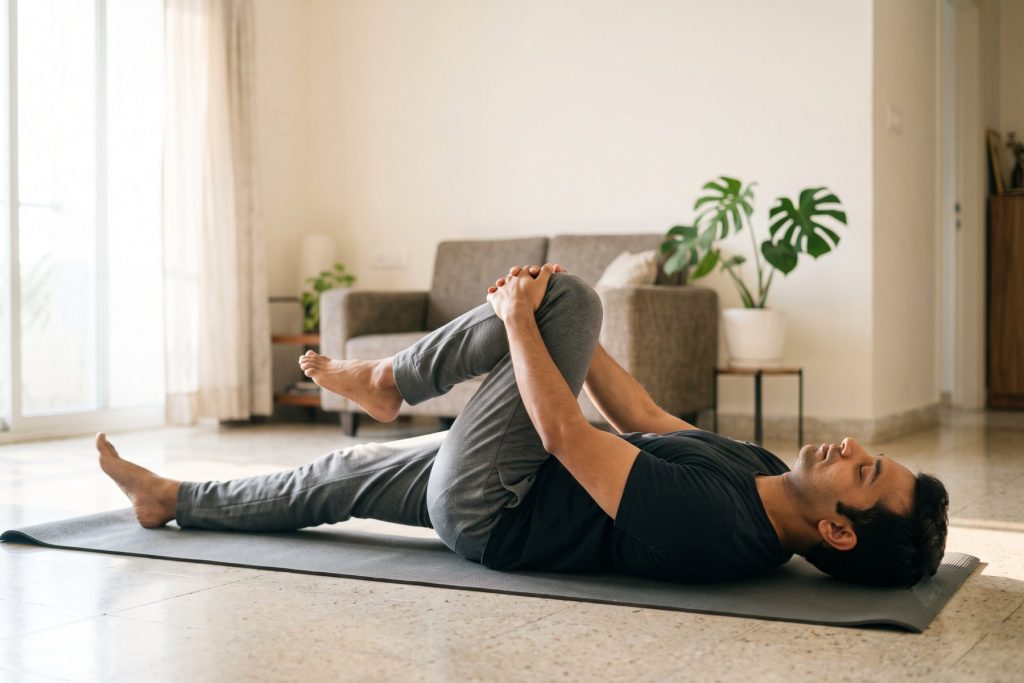
  2. Create a Relaxing Bedtime Routine Spend the last 30–60 minutes before bed winding down. Try activities like reading a book, gentle stretching, meditation, journaling, or listening to calming music. A predictable routine signals to your brain that it’s time to sleep.
  3. Reduce Screen Time Before Bed Phones, tablets, and televisions emit blue light, which can suppress melatonin—the hormone that helps regulate sleep. Aim to stop using electronic devices at least one hour before bedtime, or use blue-light filters.
  4. Optimise Your Sleep Environment Your bedroom should promote relaxation. Aim for a room that is dark, quiet, cool, and comfortable. Blackout curtains, comfortable bedding, and reducing unnecessary noise can all contribute to better sleep.
  5. Be Mindful of Food and Drinks Heavy meals close to bedtime may interfere with sleep. Try to finish dinner 2–3 hours before bed, limit spicy or very rich meals at night, and stay hydrated without drinking excessive fluids immediately before bedtime.
  6. Limit Caffeine, Alcohol and Nicotine These substances can interfere with sleep quality. Limit caffeine later in the day, and avoid alcohol and nicotine close to bedtime. Even if alcohol initially makes you sleepy, it disrupts sleep later in the night.
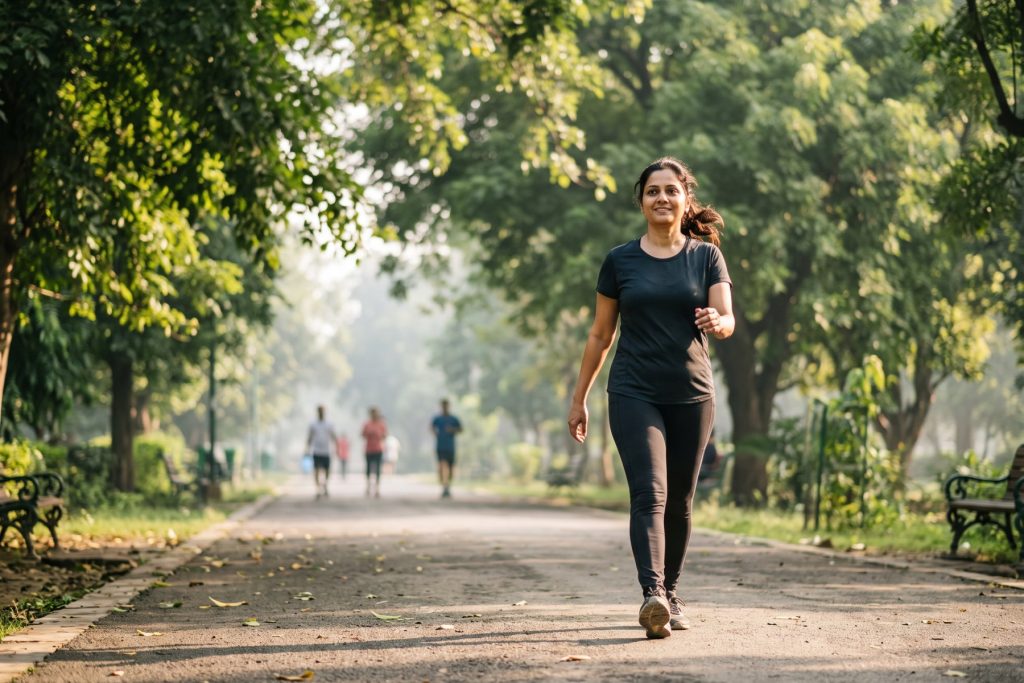
  7. Exercise Regularly Regular physical activity can help improve both sleep quality and sleep duration. Aim for at least 150 minutes of moderate-intensity exercise each week. However, avoid vigorous exercise immediately before bedtime if it makes you feel energised.
  8. Practice Deep Breathing or Relaxation Techniques Relaxation exercises help calm the nervous system before sleep. Try deep breathing, progressive muscle relaxation, guided meditation, or gentle, restorative yoga practices. Even 5–10 minutes can make a difference in helping you unwind.
  9. Consider a Warm Shower A warm shower or bath about 1–2 hours before bedtime may help promote relaxation and support better sleep by allowing your body temperature to gradually cool afterwards.
  10. Try Calming Aromatherapy Some people find lavender essential oil relaxing as part of their bedtime routine. While research is mixed, aromatherapy may help create a calming sleep environment for certain individuals.
  11. Include Sleep-Friendly Foods Some foods may support healthy sleep when included as part of an overall balanced diet. Examples include:
    • Tart cherries: Naturally high in melatonin (the sleep hormone).
    • Almonds and Walnuts: Packed with magnesium and melatonin to relax muscles.
    • Kiwi: Rich in serotonin, a brain chemical that helps initiate sleep.
    • Bananas: Contain magnesium and potassium to prevent night-time muscle cramps.
    • Oats: Provide complex carbohydrates that help sleep-inducing amino acids enter the brain.
    • Milk: Contains tryptophan, an amino acid that promotes relaxation.
  1. Don’t Try to “Catch Up” on Sleep Sleeping until noon on weekends might seem tempting after a busy week, but large changes to your sleep schedule can disrupt your body clock. Focus on maintaining a consistent routine throughout the week instead.

When Should You See a Doctor?

Occasional sleepless nights are common. However, consult a healthcare professional if you:

  • Struggle to fall asleep or stay asleep for more than three months
  • Feel excessively sleepy during the day
  • Snore loudly or gasp during sleep
  • Wake up choking or short of breath
  • Experience restless legs that disturb your sleep
  • Feel tired despite getting enough hours of sleep

These symptoms may indicate an underlying sleep disorder such as insomnia or obstructive sleep apnoea that requires medical evaluation.

Quality sleep is one of the most powerful investments you can make in your health. Simple habits—like maintaining a consistent sleep schedule, reducing evening screen time, exercising regularly, and creating a calming bedtime routine—can significantly improve both the quantity and quality of your sleep. Better sleep doesn’t happen overnight, but small, consistent changes can lead to lasting improvements in your energy, mood, and overall wellbeing.

Pro Tip: Want to understand how your daily habits affect your sleep? Use the GOQii App to track your sleep patterns, physical activity, and nutrition. Your GOQii Personalised Health Coach can help you identify lifestyle factors that may be affecting your sleep and create a personalised plan to improve your nightly rest.

Frequently Asked Questions (FAQs)

  1. How many hours of sleep do adults need?
    Most healthy adults need 7–9 hours of sleep each night, although individual needs can vary.
  2. Is taking naps during the day okay?
    Short naps of 20–30 minutes can improve alertness without interfering with nighttime sleep. Long or late-afternoon naps may make it harder to fall asleep at night.
  3. Why do I wake up in the middle of the night?
    Night-time awakenings can be caused by stress, noise, caffeine, alcohol, medical conditions, or an inconsistent sleep schedule. If they become frequent or persistent, consult your healthcare provider.
  4. Does exercise improve sleep?
    Yes. Regular physical activity is associated with better sleep quality, although vigorous exercise immediately before bedtime may not suit everyone.
  5. Is melatonin safe for everyone?
    Melatonin supplements may help certain people with specific sleep problems, but they are not appropriate for everyone. Consult a healthcare professional before taking melatonin or any sleep supplement.

#BeTheForce  

Disclaimer: This article is intended for educational purposes only and should not replace professional medical advice, diagnosis, or treatment. If you have persistent sleep difficulties, excessive daytime sleepiness, or symptoms suggestive of a sleep disorder, consult a qualified healthcare professional for personalised evaluation and treatment.

July 25, 2026 By Prachi Aggarwal 2 Comments

Immunity-Boosting Kadhas: Why Natural Defense Matters During the Monsoon

Immunity Boosting KadhasThe Big Question: Why do we suddenly fall prey to sniffles, coughs, and digestive sluggishness the moment the rainy season arrives?

Perhaps you’re eating well and exercising, but the sudden drop in temperature and rise in humidity leave you feeling lethargic. While the monsoon brings much-needed relief from the summer heat, another important factor is at work: the rapid multiplication of seasonal bacteria and viruses.

Your immune system is your body’s internal defense force. As we move through the monsoon season, environmental changes begin to challenge how our bodies function. Understanding these seasonal shifts and adapting your diet accordingly can help you stay healthier, stronger, and more resilient against common illnesses.

Why Your First Line of Defense Matters

Your immune system works like an intricate shield. When it is strong, your body can effectively fight off pathogens, regulate energy, and respond appropriately to environmental stressors. As the monsoon alters our surroundings, you may notice:

  • Increased susceptibility to colds and flu
  • Sluggish digestion and bloating
  • Slower recovery from minor illnesses
  • Lethargy and lower energy levels
  • Throat irritation

These changes are a normal response to seasonal transitions, but natural, healthy dietary additions can help you adapt and maintain strong metabolic health.

Four Powerful Kadhas That Support Immune Health

Natural immunity-boosting herbs are easily available right in your kitchen, convenient to incorporate into your daily routine, and highly effective. Here are four herbal decoctions (kadhas) to rely on:

  1. Tulsi & Black Pepper Kadha

Unlike standard teas, this potent mix provides immediate warmth to combat sudden temperature drops.

Ingredients:

  • Water – 2 cups
  • Crushed black pepper – 1 tsp
  • Finely chopped ginger – 1 tsp
  • Desi ghee – ½ tsp
  • Cloves – 2 pc
  • Few tulsi leaves

Method:

  1. Heat the ghee in a saucepan. Add cloves, black pepper, ginger, and tulsi leaves.
  2. Once the crackling of the spices stops, add water.
  3. For the next 15-20 minutes, cook the mixture on a medium flame and stir it occasionally.
  4. Have the kadha while it is hot.

Benefits: This immunity-boosting kadha improves the energy levels in the body. Tulsi and pepper are used to treat the common cold and flu. It also helps reduce the inflammation of the chest and helps to expel mucus.

  1. Turmeric and Cinnamon Kadha

For soothing a scratchy throat, this antioxidant-rich blend acts as an internal healer.

Ingredients:

  • Black cardamom (badi elaichi) – 2 pc (you may use green elaichi if you don’t have black elaichi)
  • Kacchi haldi (raw turmeric) – 1 inch
  • Cloves – 2 pc
  • Kali Mirch (black pepper) – according to taste
  • Tulsi – few leaves
  • Cinnamon – 1 inch
  • Ginger – ½ inch
  • Small piece of jaggery (optional)

Method:

  1. Peel the turmeric and ginger and crush them.
  2. Bring the water to a boil and add all the spices.
  3. Let it boil for 20-30 minutes till you get a nice yellow-coloured and aromatic drink.
  4. Jaggery can be added for a sweet taste.

Benefits: This kadha is packed with antioxidants and anti-inflammatory properties, thus, it helps in relieving a sore throat and cold.

  1. Triphala Kadha

When discussing immunity, gut health is often overlooked, yet it plays a central role in your body’s defense.

Ingredients:

  • Triphala powder – ½ tsp
  • Lemon – few drops
  • Honey – ½ tsp
  • Water – 1 cup

Method:

  1. In a pan, add 1 cup of water and triphala powder.
  2. Bring it to a boil and simmer for 5 minutes.
  3. Let it cool down for a few minutes and add a few drops of lemon and honey to it.

Benefits: The antioxidative properties of three fruits i.e., haritaki, bibhitaki, and amla are present in this kadha, and the presence of vitamins like Vitamin A and Vitamin C are helpful for boosting immunity and resetting digestion.

  1. Minty Herbal Kadha

This acts as an internal purifier when you’ve been exposed to the monsoon elements.

Ingredients:

  • Fresh neem leaves – 5-6
  • Mint leaves – ½ bunch
  • Methi leaves – 4-5
  • Fresh turmeric – 2 inch
  • Cumin powder – ½ tsp
  • Jaggery powder – ¼ tsp
  • Water – 1 cup

Method:

  1. Pour water into a pan. Then add the neem leaves, mint leaves, methi leaves, raw turmeric, and cumin powder to it and keep it on medium flame.
  2. Let it cook for about 10 minutes, till some liquid vaporizes and the concentrate is formed.
  3. Turn off the cooktop and allow the decoction to cool down a bit.
  4. Strain the brew, blend jaggery powder, and consume it warm.

Benefits: Neem is renowned for its antimicrobial traits and also purifies the blood. The herbs present in this kadha are good for immunity as they guard against a host of bacteria and other viral ailments.

When Should You Seek Medical Advice?

While catching a mild cold is a normal part of the monsoon season, some symptoms deserve professional evaluation. Speak with your healthcare provider if you experience:

  • Persistent high fever
  • A severe cough that lasts longer than a week
  • Unexplained body aches and extreme fatigue
  • Difficulty breathing
  • Digestive distress that doesn’t subside

Your doctor can determine whether blood testing or other medical treatments are appropriate.

Seasonal changes are a natural part of life not a guarantee that your body will fall ill. The habits that kept you healthy in the summer need to evolve as the weather changes. By prioritising warm fluids, nourishing your body with natural herbs, and protecting your digestion, you can support a strong immune system and maintain your energy and resilience throughout the monsoon.

Pro Tip: The monsoon is the perfect time to become more intentional about your internal health. Use the GOQii App to monitor your hydration, physical activity, nutrition, and recovery. Your GOQii Personalised Health Coach can help you build a sustainable lifestyle plan that supports seasonal immunity through personalised guidance on nutrition, exercise, and stress management.

Frequently Asked Questions (FAQs)

  1. When is the best time to consume a kadha?
    The most effective time to drink a kadha is usually on an empty stomach in the morning or early evening. This allows your body to absorb the active compounds and antioxidants without interference from heavy meals.
  2. Can I drink kadha every day during the monsoon?
    Yes, but moderation is key. Drinking one cup daily supports overall immune health. However, overconsuming heat-generating spices like black pepper and ginger can sometimes cause acidity, so stick to balanced portions.
  3. Are these kadhas safe for children?
    Yes, but they should be modified. Children’s digestive systems are more sensitive, so dilute the kadha with extra warm water and add a natural sweetener like jaggery or honey to make the spice levels milder.
  4. Why is gut health connected to monsoon immunity?
    A significant portion of your immune system resides in your gut. Sluggish digestion during the humid monsoon months can lower your body’s defenses, which is why remedies like the Triphala Kadha are crucial for maintaining both metabolic and immune health.

#BeTheForce 

Disclaimer: This article is intended for educational purposes only and should not replace professional medical advice, diagnosis, or treatment. Dietary reactions and immune responses vary from person to person. If you have persistent symptoms, allergies to specific herbs, or concerns about your health, consult a qualified healthcare professional for personalised evaluation and guidance.

July 23, 2026 By Apurwa Agrawal 3 Comments

Antenatal Exercises: Your Guide to a Fit and Healthy Pregnancy

safe-pregnancy-exercisesThe Big Question: Is it safe to exercise during pregnancy, and can staying active help ease the aches, pains and challenges that come with expecting a baby?

Pregnancy is one of the most transformative journeys in a woman’s life. Along with the excitement of welcoming a new life, it brings significant physical and emotional changes. For many expectant mothers especially first-time mothers it also raises an important question: Is it safe to exercise during pregnancy?

For most women with an uncomplicated pregnancy, the answer is yes. Regular, moderate physical activity can help reduce common pregnancy discomforts, improve overall fitness, prepare your body for labour, and support both maternal and fetal health. The key is choosing safe activities, exercising at an appropriate intensity, and following your healthcare provider’s advice.

Always consult your obstetrician or healthcare provider before starting or continuing any exercise programme during pregnancy.

Why Does Pregnancy Affect Your Body So Much?

Pregnancy triggers remarkable hormonal and physical changes. One important hormone is relaxin, which helps prepare your body for childbirth by relaxing the ligaments and connective tissues around the pelvis.

While this increased flexibility is essential for delivery, it can also contribute to:

  • Pelvic discomfort
  • Lower back pain
  • Joint instability
  • Changes in posture and balance

As your baby grows, your centre of gravity shifts, placing additional strain on your back, hips, and knees. A well-planned antenatal exercise routine can help your body adapt to these changes more comfortably.

The Benefits of Antenatal Exercise

Current health guidelines recommend that women with an uncomplicated pregnancy aim for at least 150 minutes of moderate-intensity physical activity each week, spread across several days. Here are some of the benefits of staying active during pregnancy:

  • Reduces Aches and Pains: Gentle strengthening and stretching exercises support your muscles and joints, helping reduce back pain, pelvic discomfort, and stiffness.
  • Boosts Energy: Regular movement improves circulation and cardiovascular fitness, helping combat pregnancy-related fatigue.
  • Improves Sleep and Posture: Exercise can help relieve muscle tension, improve posture, and promote better sleep quality.
  • Supports Healthy Weight Gain: Combined with a balanced diet, physical activity helps support healthy weight gain throughout pregnancy.
  • Prepares Your Body for Labour: Maintaining muscular strength, flexibility, and endurance may help prepare your body for the physical demands of labour and recovery after childbirth.
  • May Reduce the Risk of Certain Pregnancy Complications: Regular physical activity has been associated with a lower risk of gestational diabetes, gestational hypertension, and excessive pregnancy weight gain in women with uncomplicated pregnancies.
  • Supports Mental Wellbeing: Exercise stimulates the release of endorphins, which can improve mood and help reduce stress and anxiety during pregnancy.

Safe Exercises During Pregnancy

The safest exercises are generally low-impact and easy to modify as your pregnancy progresses. Good options include:

  • Walking
  • Swimming
  • Water aerobics
  • Stationary cycling
  • Prenatal yoga
  • Prenatal Pilates
  • Light resistance training under professional guidance

Aim for an intensity where you can comfortably carry on a conversation while exercising.

Exercise Through Each Trimester

First Trimester Fatigue and nausea are common. Focus on gentle walks, stretching, breathing exercises, and staying hydrated. If you feel unusually tired, reduce the intensity and listen to your body.

Second Trimester Many women experience improved energy levels. This is often a good time to continue moderate aerobic exercise, improve posture, strengthen your back and hips, and begin pelvic floor exercises if advised. Avoid lying flat on your back for prolonged periods after the first trimester.

Third Trimester As your baby’s weight increases, choose activities that prioritise comfort and mobility. Walking, gentle stretching, pelvic floor exercises, and relaxation techniques can help prepare your body for labour.

Don’t Forget Your Pelvic Floor

Your pelvic floor muscles support the bladder, uterus, and bowel. Pregnancy places additional pressure on these muscles. Regular pelvic floor (Kegel) exercises may help:

  • Support bladder control
  • Improve pelvic stability
  • Prepare for childbirth
  • Aid postpartum recovery

Ask your healthcare provider or physiotherapist how to perform these exercises correctly.

Essential Safety Tips

If your doctor has cleared you for exercise, remember these important guidelines:

  • Always warm up before exercising and cool down afterwards.
  • Drink plenty of water before, during, and after exercise.
  • Avoid exercising in very hot or humid weather.
  • Wear comfortable clothing and supportive footwear.
  • Avoid exercising until exhaustion.
  • Avoid holding your breath during strength exercises.
  • Exercise in a well-ventilated environment.

If you attend prenatal yoga or Pilates classes, make sure your instructor is certified in prenatal fitness and knows which trimester you’re in.

When Should You Seek Medical Advice Before Exercising?

Some pregnancies require additional precautions. Speak to your obstetrician before exercising if you have:

  • Placenta previa after 26 weeks
  • Cervical insufficiency
  • Severe anaemia
  • Significant heart or lung disease
  • Persistent vaginal bleeding
  • Pregnancy-induced hypertension requiring close monitoring
  • A high-risk multiple pregnancy
  • A history of preterm labour

Your healthcare provider will advise which activities are appropriate for you.

Stop Exercising Immediately If You Experience:

Exercise should feel comfortable not distressing. Stop immediately and contact your healthcare provider if you notice:

  • Vaginal bleeding or spotting
  • Leakage of amniotic fluid
  • Painful uterine contractions
  • Chest pain or severe shortness of breath
  • Dizziness or fainting
  • Persistent headache
  • Severe abdominal or pelvic pain
  • Calf pain or swelling
  • Reduced fetal movement (once movements have been established)

Exercise during pregnancy isn’t about maintaining your pre-pregnancy fitness level or trying to lose weight. It’s about supporting your changing body, improving comfort, preparing for labour, and promoting a healthier pregnancy for both you and your baby. With your healthcare provider’s approval, regular antenatal exercise can help you move through pregnancy with greater confidence, strength, and wellbeing.

Pro Tip: Every pregnancy is unique, which is why your exercise routine should be too. Use the Women’s Care feature on the GOQii App to track your pregnancy milestones, activity levels, and overall wellbeing. Your GOQii Personalised Health Coach can work alongside your healthcare provider to help you build safe exercise routines, healthy eating habits, and sustainable lifestyle practices throughout every trimester.

Frequently Asked Questions (FAQs)

  1. Is it safe to start exercising if I wasn’t active before pregnancy?

Yes. After receiving approval from your obstetrician, begin gradually with low-impact activities such as walking or prenatal yoga. Increase activity slowly based on your comfort and fitness level.

  1. What are the safest exercises during pregnancy?

Walking, swimming, stationary cycling, prenatal yoga, prenatal Pilates and supervised light resistance training are generally considered safe for women with uncomplicated pregnancies.

  1. Why do my joints feel looser during pregnancy?

Pregnancy hormones particularly relaxin increase ligament flexibility to prepare your body for childbirth. This may also make your joints feel less stable and contribute to aches and pains.

  1. Can I continue strength training during pregnancy?

Many women can safely continue modified strength training after medical clearance. Avoid heavy lifting that requires breath-holding, and work with a qualified trainer experienced in prenatal exercise.

  1. Which exercises should I avoid during pregnancy?

Avoid contact sports, activities with a high risk of falling, scuba diving, hot yoga and prolonged exercises lying flat on your back after the first trimester unless specifically advised by your healthcare provider.

#BeTheForce 

Disclaimer: The information provided in this article is intended for educational purposes only and should not replace professional medical advice, diagnosis or treatment. Every pregnancy is different. Always consult your obstetrician or qualified healthcare provider before starting, modifying or continuing any exercise programme during pregnancy.

July 21, 2026 By GOQii Leave a Comment

Hormones and Longevity: Why Midlife Health Depends on Hormonal Balance

The Big Question: Why do the habits that worked effortlessly in your twenties suddenly seem less effective after 40?

Perhaps you’re exercising as much as before, but the weight won’t budge. You’re eating well, yet your energy levels fluctuate. Sleep isn’t as refreshing, recovery takes longer, and stress feels harder to shake off. While lifestyle certainly plays a role, another important factor is often at work your hormones.

Hormones are chemical messengers that regulate nearly every function in your body, including metabolism, sleep, appetite, muscle maintenance, mood, and reproduction. As we move through midlife, natural hormonal changes begin to influence how our bodies function. Understanding these changes and adapting your lifestyle accordingly can help you stay healthier, stronger, and more energetic for years to come.

Why Hormonal Balance Matters for Healthy Ageing

Hormones work together like an orchestra. When they’re in balance, your body can regulate energy, repair tissues, maintain muscle, support bone health, and respond appropriately to stress.

As hormone levels naturally change with age, you may notice:

  • Reduced energy
  • Changes in body composition
  • Slower recovery after exercise
  • Poorer sleep quality
  • Mood changes
  • Reduced muscle strength
  • Increased abdominal fat

These changes are a normal part of ageing, but healthy lifestyle habits can help you adapt and maintain good metabolic health.

Testosterone and Men: A Gradual Transition

Unlike the abrupt hormonal changes experienced by women during menopause, testosterone levels in men generally decline gradually with age. Testosterone contributes to muscle mass, bone health, red blood cell production, libido, and physical performance.

Some men may notice:

  • Reduced muscle strength
  • Slower recovery
  • Increased body fat
  • Lower motivation for exercise

While ageing is inevitable, healthy habits can support overall hormonal health.

What Helps?

  • Resistance training
  • Adequate protein intake
  • Maintaining a healthy body weight
  • Prioritising quality sleep
  • Managing chronic stress

These habits support healthy testosterone levels within your body’s normal physiological range but should not be viewed as replacements for medical evaluation if symptoms are significant.

Perimenopause and Menopause: A Time of Transition

For women, hormonal changes often begin several years before menopause during a phase known as perimenopause. During this transition, levels of oestrogen and progesterone fluctuate, leading to symptoms that vary considerably from person to person.

Some women experience:

  • Irregular menstrual cycles
  • Hot flushes and night sweats
  • Sleep disturbances
  • Mood changes
  • Increased abdominal fat
  • Reduced muscle mass

Every woman’s experience is different. Some notice only mild symptoms, while others experience significant changes that may affect their quality of life. Rather than focusing solely on calorie restriction, midlife nutrition should prioritise preserving muscle, supporting bone health, and maintaining metabolic wellbeing.

Don’t Forget Insulin

When discussing hormones, insulin is often overlooked, yet it plays a central role in healthy ageing. Insulin helps move glucose from your bloodstream into your cells for energy.

Over time, poor sleep, physical inactivity, excess body fat, and chronic stress can reduce insulin sensitivity. Supporting insulin sensitivity through regular exercise, balanced meals, and maintaining a healthy weight contributes to healthier ageing and reduces the risk of developing metabolic diseases.

Cortisol: When Stress Doesn’t Switch Off

Cortisol is your body’s primary stress hormone. It plays an essential role in helping you respond to physical and emotional challenges. Problems arise when stress becomes chronic.

Long working hours, inadequate sleep, constant notifications, and insufficient recovery can contribute to persistently elevated cortisol levels in some individuals. Over time, chronic stress may contribute to:

  • Poor sleep quality
  • Increased appetite
  • Abdominal fat accumulation
  • Reduced exercise recovery
  • Lower energy levels

Managing stress is therefore just as important as maintaining a healthy diet and exercise routine.

Four Daily Habits That Support Hormonal Health

  1. Prioritise Strength Training

Muscle naturally declines with age. Aim to include strength training at least two to three times per week. Resistance training helps maintain:

  • Lean muscle mass
  • Bone strength
  • Functional independence
  • Insulin sensitivity
  1. Protect Your Sleep

Sleep is when many important repair processes occur. Good sleep supports the healthy regulation of cortisol, appetite-related hormones, and overall recovery. To improve sleep quality:

  • Keep a regular sleep schedule.
  • Reduce screen exposure before bedtime.
  • Limit caffeine later in the day.
  • Create a cool, dark sleeping environment.
  1. Eat for Long-Term Health

Your diet provides the nutrients needed for normal hormone production and metabolic health. Rather than following restrictive diets, focus on consistency and overall dietary quality. Build meals around:

  • High-quality protein
  • Whole grains
  • Healthy fats
  • Fruits and vegetables
  • Nuts and seeds
  1. Manage Stress Every Day

Stress management isn’t a luxury it’s part of healthy ageing. Even a few minutes of intentional relaxation each day can support overall wellbeing. Helpful strategies include:

  • Walking outdoors
  • Yoga or meditation
  • Deep breathing exercises
  • Spending time with family and friends
  • Engaging in enjoyable hobbies

When Should You Seek Medical Advice?

While hormonal changes are a normal part of ageing, some symptoms deserve professional evaluation. Speak with your healthcare provider if you experience:

  • Persistent fatigue
  • Unexplained weight changes
  • Erectile dysfunction or significant loss of libido
  • Severe hot flushes or irregular menstrual bleeding
  • Persistent mood changes
  • Difficulty sleeping despite healthy habits

Your doctor can determine whether hormone testing or other investigations are appropriate.

Hormonal changes are a natural part of ageing not a sign that your body is failing. The habits that served you in your twenties may need to evolve as your body changes, but that doesn’t mean your best years are behind you.

By prioritising strength training, nourishing your body with balanced nutrition, managing stress, and protecting your sleep, you can support healthy ageing and maintain your energy, mobility, and resilience throughout midlife and beyond. Longevity isn’t simply about living longer it’s about living well.

Pro Tip: Midlife is the perfect time to become more intentional about your health. Use the GOQii App to monitor your sleep, physical activity, nutrition, and recovery. Your GOQii Personalised Health Coach can help you build a sustainable lifestyle plan that supports healthy ageing through personalised guidance on exercise, stress management, and nutrition.

Frequently Asked Questions (FAQs)

  1. Is it normal to gain belly fat during midlife?

Changes in hormone levels, reduced muscle mass, lower physical activity, and lifestyle factors can all influence body composition during midlife. Strength training, balanced nutrition, and regular exercise can help support a healthy body composition.

  1. Can lifestyle changes improve hormonal health?

Healthy habits such as regular exercise, quality sleep, stress management, and a balanced diet support overall hormonal health. However, they do not replace medical treatment when a clinically significant hormonal disorder is present.

  1. Why is strength training especially important after 40?

Strength training helps preserve muscle mass, maintain bone density, improve insulin sensitivity, and support functional independence as we age.

  1. Does poor sleep affect hormones?

Yes. Inadequate sleep can influence hormones involved in appetite regulation, stress response, and recovery. Improving sleep quality is an important part of maintaining overall health.

  1. Should I have my hormone levels tested?

Routine hormone testing isn’t necessary for everyone. If you’re experiencing persistent symptoms such as severe fatigue, erectile dysfunction, hot flushes, irregular menstrual cycles, or unexplained weight changes, consult your healthcare provider. They can determine whether testing is appropriate.

#BeTheForce

Disclaimer: This article is intended for educational purposes only and should not replace professional medical advice, diagnosis, or treatment. Hormonal changes vary from person to person. If you have persistent symptoms or concerns about your hormonal health, consult a qualified healthcare professional or endocrinologist for personalised evaluation and guidance.

  • « Previous Page
  • 1
  • 2
  • 3
  • 4
  • 5
  • …
  • 92
  • Next Page »

Search

Recent Posts

  • Foods to Manage Blood Sugar Naturally: A Complete Guide to Better Blood Sugar Control
  • The Lazy Person’s Guide to Staying Healthy: 5 Micro-Habits That Take Less Than 2 Minutes
  • Healthy Eating: Comforting Chilli Bean Soup Recipe for the Monsoon
  • The Truth About the ‘Beer Belly’: What Alcohol Really Does to Your Metabolism
  • Benefits of Meditation: How One Daily Habit Can Transform Your Mental Wellbeing

Stay Updated

Archives

  • August 2026 (7)
  • July 2026 (25)
  • June 2026 (22)
  • May 2026 (20)
  • April 2026 (24)
  • March 2026 (18)
  • February 2026 (14)
  • January 2026 (14)
  • December 2025 (19)
  • November 2025 (15)
  • October 2025 (20)
  • September 2025 (6)
  • August 2025 (6)
  • July 2025 (9)
  • June 2025 (18)
  • May 2025 (16)
  • April 2025 (22)
  • March 2025 (26)
  • February 2025 (21)
  • January 2025 (25)
  • December 2024 (22)
  • November 2024 (22)
  • October 2024 (20)
  • September 2024 (22)
  • August 2024 (28)
  • July 2024 (15)
  • June 2024 (23)
  • May 2024 (26)
  • April 2024 (27)
  • March 2024 (27)
  • February 2024 (23)
  • January 2024 (21)
  • December 2023 (14)
  • November 2023 (10)
  • October 2023 (19)
  • September 2023 (21)
  • August 2023 (16)
  • July 2023 (16)
  • June 2023 (21)
  • May 2023 (20)
  • April 2023 (19)
  • March 2023 (23)
  • February 2023 (19)
  • January 2023 (15)
  • December 2022 (11)
  • November 2022 (15)
  • October 2022 (15)
  • September 2022 (12)
  • August 2022 (9)
  • July 2022 (17)
  • June 2022 (11)
  • May 2022 (10)
  • April 2022 (6)
  • March 2022 (6)
  • February 2022 (13)
  • January 2022 (11)
  • December 2021 (7)
  • November 2021 (3)
  • October 2021 (6)
  • September 2021 (3)
  • August 2021 (8)
  • July 2021 (7)
  • June 2021 (15)
  • May 2021 (16)
  • April 2021 (10)
  • March 2021 (7)
  • February 2021 (4)
  • January 2021 (4)
  • December 2020 (3)
  • November 2020 (4)
  • October 2020 (10)
  • September 2020 (3)
  • August 2020 (3)
  • July 2020 (2)
  • June 2020 (4)
  • May 2020 (10)
  • April 2020 (12)
  • March 2020 (10)
  • February 2020 (4)
  • January 2020 (4)
  • December 2019 (3)
  • November 2019 (7)
  • October 2019 (5)
  • September 2019 (4)
  • August 2019 (9)
  • July 2019 (9)
  • June 2019 (11)
  • May 2019 (4)
  • April 2019 (8)
  • March 2019 (8)
  • February 2019 (9)
  • January 2019 (8)
  • December 2018 (9)
  • November 2018 (3)
  • October 2018 (3)
  • September 2018 (5)
  • August 2018 (10)
  • July 2018 (6)
  • June 2018 (13)
  • May 2018 (8)
  • April 2018 (18)
  • March 2018 (9)
  • February 2018 (8)
  • January 2018 (15)
  • December 2017 (12)
  • November 2017 (19)
  • October 2017 (13)
  • September 2017 (15)
  • August 2017 (4)
  • July 2017 (8)
  • June 2017 (7)
  • May 2017 (6)
  • April 2017 (8)
  • March 2017 (6)
  • February 2017 (7)
  • January 2017 (9)
  • December 2016 (10)
  • November 2016 (7)
  • October 2016 (7)
  • September 2016 (7)
  • August 2016 (11)
  • July 2016 (9)
  • June 2016 (9)
  • May 2016 (12)
  • April 2016 (17)
  • March 2016 (17)
  • February 2016 (8)
  • January 2016 (6)
  • December 2015 (2)
  • November 2015 (9)
  • October 2015 (7)
  • September 2015 (9)
  • August 2015 (11)
  • July 2015 (9)
  • June 2015 (11)
  • May 2015 (9)
  • April 2015 (13)
  • March 2015 (8)
  • February 2015 (5)
  • January 2015 (12)
  • December 2014 (14)
  • November 2014 (11)
  • October 2014 (6)
  • September 2014 (13)
  • August 2014 (12)
  • July 2014 (6)
  • June 2014 (2)
  • May 2014 (7)
  • April 2014 (4)

From Burnout to Balance: How Dr. Ranjit Reclaimed His Health

Dr Ranjit Bhatt has spent years tending to others. A practising doctor in Odisha, his days were packed with patients, surgeries, and emergencies. From the outside, it looked like a life lived in service. But on the inside, something wasn’t right. “I had no … [Read More...]

From Shimla’s Slopes to Chandigarh’s Sidewalks: Surinder Kaur Bhalla’s Journey from Chaos to Control

Some journeys start with a plan. Others begin with a stumble literally. Surinder Bhalla, a government professional, born and raised in the scenic hill town of Shimla, had always lived a life of movement. “In Shimla, you walked everywhere,” she reflects. “Walking was never an exercise. It was just life.” But after shifting to Chandigarh, […]

“I’ve Challenged Myself to Live 100 Years” – The Story of Chandubhai Savani’s Second Chance at Life

At 67, most people start slowing down. Not Chandubhai Savani. A resident of Surat, Chandubhai, thought life was on track. “My life was going well till I had my bypass surgery,” he says. That surgery, back in 2021, was a wake-up call.  Medication was routine, but exercise wasn’t. His diet? What he calls ‘normal.’ “I […]

Ananda Mukherjee Health Story

From Terminal Illness To Complete Wellness! Ananda Mukherjee Health Story

As we observe World Cancer Day under the powerful theme ‘United by Unique’ (2025-2027)**, we are reminded that every individual’s journey with cancer is distinct, yet united by shared resilience, hope, and the collective fight against this disease. This theme places people at the centre of care and their stories at the heart of the […]

  • HOME
  • HEALTHY LIVING
  • FITNESS
  • HEALTHY RECIPES
  • USER STORIES
  • KARMA
  • BUY GOQii

Copyright ©2016 GOQii