GOQii

Blog

  • HOME
  • HEALTHY LIVING
  • FITNESS
  • HEALTHY RECIPES
  • USER STORIES
  • KARMA
  • BUY GOQii

Search Results for: disease

July 23, 2026 By Apurwa Agrawal 3 Comments

Antenatal Exercises: Your Guide to a Fit and Healthy Pregnancy

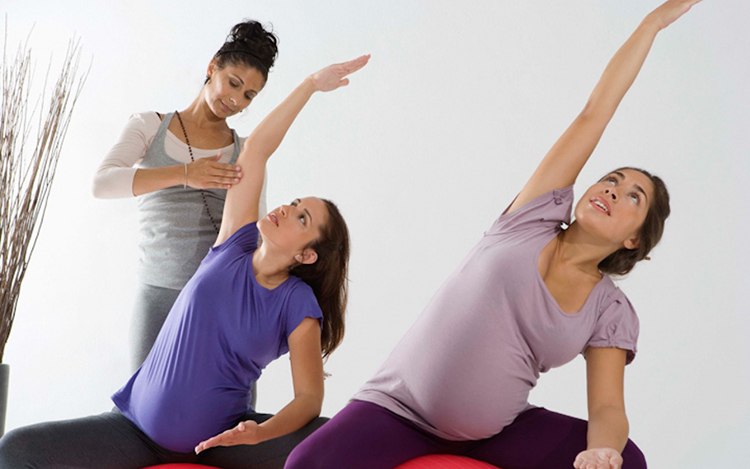
safe-pregnancy-exercisesThe Big Question: Is it safe to exercise during pregnancy, and can staying active help ease the aches, pains and challenges that come with expecting a baby?

Pregnancy is one of the most transformative journeys in a woman’s life. Along with the excitement of welcoming a new life, it brings significant physical and emotional changes. For many expectant mothers especially first-time mothers it also raises an important question: Is it safe to exercise during pregnancy?

For most women with an uncomplicated pregnancy, the answer is yes. Regular, moderate physical activity can help reduce common pregnancy discomforts, improve overall fitness, prepare your body for labour, and support both maternal and fetal health. The key is choosing safe activities, exercising at an appropriate intensity, and following your healthcare provider’s advice.

Always consult your obstetrician or healthcare provider before starting or continuing any exercise programme during pregnancy.

Why Does Pregnancy Affect Your Body So Much?

Pregnancy triggers remarkable hormonal and physical changes. One important hormone is relaxin, which helps prepare your body for childbirth by relaxing the ligaments and connective tissues around the pelvis.

While this increased flexibility is essential for delivery, it can also contribute to:

  • Pelvic discomfort
  • Lower back pain
  • Joint instability
  • Changes in posture and balance

As your baby grows, your centre of gravity shifts, placing additional strain on your back, hips, and knees. A well-planned antenatal exercise routine can help your body adapt to these changes more comfortably.

The Benefits of Antenatal Exercise

Current health guidelines recommend that women with an uncomplicated pregnancy aim for at least 150 minutes of moderate-intensity physical activity each week, spread across several days. Here are some of the benefits of staying active during pregnancy:

  • Reduces Aches and Pains: Gentle strengthening and stretching exercises support your muscles and joints, helping reduce back pain, pelvic discomfort, and stiffness.
  • Boosts Energy: Regular movement improves circulation and cardiovascular fitness, helping combat pregnancy-related fatigue.
  • Improves Sleep and Posture: Exercise can help relieve muscle tension, improve posture, and promote better sleep quality.
  • Supports Healthy Weight Gain: Combined with a balanced diet, physical activity helps support healthy weight gain throughout pregnancy.
  • Prepares Your Body for Labour: Maintaining muscular strength, flexibility, and endurance may help prepare your body for the physical demands of labour and recovery after childbirth.
  • May Reduce the Risk of Certain Pregnancy Complications: Regular physical activity has been associated with a lower risk of gestational diabetes, gestational hypertension, and excessive pregnancy weight gain in women with uncomplicated pregnancies.
  • Supports Mental Wellbeing: Exercise stimulates the release of endorphins, which can improve mood and help reduce stress and anxiety during pregnancy.

Safe Exercises During Pregnancy

The safest exercises are generally low-impact and easy to modify as your pregnancy progresses. Good options include:

  • Walking
  • Swimming
  • Water aerobics
  • Stationary cycling
  • Prenatal yoga
  • Prenatal Pilates
  • Light resistance training under professional guidance

Aim for an intensity where you can comfortably carry on a conversation while exercising.

Exercise Through Each Trimester

First Trimester Fatigue and nausea are common. Focus on gentle walks, stretching, breathing exercises, and staying hydrated. If you feel unusually tired, reduce the intensity and listen to your body.

Second Trimester Many women experience improved energy levels. This is often a good time to continue moderate aerobic exercise, improve posture, strengthen your back and hips, and begin pelvic floor exercises if advised. Avoid lying flat on your back for prolonged periods after the first trimester.

Third Trimester As your baby’s weight increases, choose activities that prioritise comfort and mobility. Walking, gentle stretching, pelvic floor exercises, and relaxation techniques can help prepare your body for labour.

Don’t Forget Your Pelvic Floor

Your pelvic floor muscles support the bladder, uterus, and bowel. Pregnancy places additional pressure on these muscles. Regular pelvic floor (Kegel) exercises may help:

  • Support bladder control
  • Improve pelvic stability
  • Prepare for childbirth
  • Aid postpartum recovery

Ask your healthcare provider or physiotherapist how to perform these exercises correctly.

Essential Safety Tips

If your doctor has cleared you for exercise, remember these important guidelines:

  • Always warm up before exercising and cool down afterwards.
  • Drink plenty of water before, during, and after exercise.
  • Avoid exercising in very hot or humid weather.
  • Wear comfortable clothing and supportive footwear.
  • Avoid exercising until exhaustion.
  • Avoid holding your breath during strength exercises.
  • Exercise in a well-ventilated environment.

If you attend prenatal yoga or Pilates classes, make sure your instructor is certified in prenatal fitness and knows which trimester you’re in.

When Should You Seek Medical Advice Before Exercising?

Some pregnancies require additional precautions. Speak to your obstetrician before exercising if you have:

  • Placenta previa after 26 weeks
  • Cervical insufficiency
  • Severe anaemia
  • Significant heart or lung disease
  • Persistent vaginal bleeding
  • Pregnancy-induced hypertension requiring close monitoring
  • A high-risk multiple pregnancy
  • A history of preterm labour

Your healthcare provider will advise which activities are appropriate for you.

Stop Exercising Immediately If You Experience:

Exercise should feel comfortable not distressing. Stop immediately and contact your healthcare provider if you notice:

  • Vaginal bleeding or spotting
  • Leakage of amniotic fluid
  • Painful uterine contractions
  • Chest pain or severe shortness of breath
  • Dizziness or fainting
  • Persistent headache
  • Severe abdominal or pelvic pain
  • Calf pain or swelling
  • Reduced fetal movement (once movements have been established)

Exercise during pregnancy isn’t about maintaining your pre-pregnancy fitness level or trying to lose weight. It’s about supporting your changing body, improving comfort, preparing for labour, and promoting a healthier pregnancy for both you and your baby. With your healthcare provider’s approval, regular antenatal exercise can help you move through pregnancy with greater confidence, strength, and wellbeing.

Pro Tip: Every pregnancy is unique, which is why your exercise routine should be too. Use the Women’s Care feature on the GOQii App to track your pregnancy milestones, activity levels, and overall wellbeing. Your GOQii Personalised Health Coach can work alongside your healthcare provider to help you build safe exercise routines, healthy eating habits, and sustainable lifestyle practices throughout every trimester.

Frequently Asked Questions (FAQs)

  1. Is it safe to start exercising if I wasn’t active before pregnancy?

Yes. After receiving approval from your obstetrician, begin gradually with low-impact activities such as walking or prenatal yoga. Increase activity slowly based on your comfort and fitness level.

  1. What are the safest exercises during pregnancy?

Walking, swimming, stationary cycling, prenatal yoga, prenatal Pilates and supervised light resistance training are generally considered safe for women with uncomplicated pregnancies.

  1. Why do my joints feel looser during pregnancy?

Pregnancy hormones particularly relaxin increase ligament flexibility to prepare your body for childbirth. This may also make your joints feel less stable and contribute to aches and pains.

  1. Can I continue strength training during pregnancy?

Many women can safely continue modified strength training after medical clearance. Avoid heavy lifting that requires breath-holding, and work with a qualified trainer experienced in prenatal exercise.

  1. Which exercises should I avoid during pregnancy?

Avoid contact sports, activities with a high risk of falling, scuba diving, hot yoga and prolonged exercises lying flat on your back after the first trimester unless specifically advised by your healthcare provider.

#BeTheForce 

Disclaimer: The information provided in this article is intended for educational purposes only and should not replace professional medical advice, diagnosis or treatment. Every pregnancy is different. Always consult your obstetrician or qualified healthcare provider before starting, modifying or continuing any exercise programme during pregnancy.
July 21, 2026 By GOQii Leave a Comment

Hormones and Longevity: Why Midlife Health Depends on Hormonal Balance

The Big Question: Why do the habits that worked effortlessly in your twenties suddenly seem less effective after 40?
Perhaps you’re exercising as much as before, but the weight won’t budge. You’re eating well, yet your energy levels fluctuate. Sleep isn’t as refreshing, recovery takes longer, and stress feels harder to shake off. While lifestyle certainly plays a role, another important factor is often at work your hormones.

Hormones are chemical messengers that regulate nearly every function in your body, including metabolism, sleep, appetite, muscle maintenance, mood, and reproduction. As we move through midlife, natural hormonal changes begin to influence how our bodies function. Understanding these changes and adapting your lifestyle accordingly can help you stay healthier, stronger, and more energetic for years to come.

Why Hormonal Balance Matters for Healthy Ageing

Hormones work together like an orchestra. When they’re in balance, your body can regulate energy, repair tissues, maintain muscle, support bone health, and respond appropriately to stress.

As hormone levels naturally change with age, you may notice:

  • Reduced energy
  • Changes in body composition
  • Slower recovery after exercise
  • Poorer sleep quality
  • Mood changes
  • Reduced muscle strength
  • Increased abdominal fat

These changes are a normal part of ageing, but healthy lifestyle habits can help you adapt and maintain good metabolic health.

Testosterone and Men: A Gradual Transition

Unlike the abrupt hormonal changes experienced by women during menopause, testosterone levels in men generally decline gradually with age. Testosterone contributes to muscle mass, bone health, red blood cell production, libido, and physical performance.

Some men may notice:

  • Reduced muscle strength
  • Slower recovery
  • Increased body fat
  • Lower motivation for exercise

While ageing is inevitable, healthy habits can support overall hormonal health.

What Helps?

  • Resistance training
  • Adequate protein intake
  • Maintaining a healthy body weight
  • Prioritising quality sleep
  • Managing chronic stress

These habits support healthy testosterone levels within your body’s normal physiological range but should not be viewed as replacements for medical evaluation if symptoms are significant.

Perimenopause and Menopause: A Time of Transition

For women, hormonal changes often begin several years before menopause during a phase known as perimenopause. During this transition, levels of oestrogen and progesterone fluctuate, leading to symptoms that vary considerably from person to person.

Some women experience:

  • Irregular menstrual cycles
  • Hot flushes and night sweats
  • Sleep disturbances
  • Mood changes
  • Increased abdominal fat
  • Reduced muscle mass

Every woman’s experience is different. Some notice only mild symptoms, while others experience significant changes that may affect their quality of life. Rather than focusing solely on calorie restriction, midlife nutrition should prioritise preserving muscle, supporting bone health, and maintaining metabolic wellbeing.

Don’t Forget Insulin

When discussing hormones, insulin is often overlooked, yet it plays a central role in healthy ageing. Insulin helps move glucose from your bloodstream into your cells for energy.

Over time, poor sleep, physical inactivity, excess body fat, and chronic stress can reduce insulin sensitivity. Supporting insulin sensitivity through regular exercise, balanced meals, and maintaining a healthy weight contributes to healthier ageing and reduces the risk of developing metabolic diseases.

Cortisol: When Stress Doesn’t Switch Off

Cortisol is your body’s primary stress hormone. It plays an essential role in helping you respond to physical and emotional challenges. Problems arise when stress becomes chronic.

Long working hours, inadequate sleep, constant notifications, and insufficient recovery can contribute to persistently elevated cortisol levels in some individuals. Over time, chronic stress may contribute to:

  • Poor sleep quality
  • Increased appetite
  • Abdominal fat accumulation
  • Reduced exercise recovery
  • Lower energy levels

Managing stress is therefore just as important as maintaining a healthy diet and exercise routine.

Four Daily Habits That Support Hormonal Health

  1. Prioritise Strength Training

Muscle naturally declines with age. Aim to include strength training at least two to three times per week. Resistance training helps maintain:

  • Lean muscle mass
  • Bone strength
  • Functional independence
  • Insulin sensitivity
  1. Protect Your Sleep

Sleep is when many important repair processes occur. Good sleep supports the healthy regulation of cortisol, appetite-related hormones, and overall recovery. To improve sleep quality:

  • Keep a regular sleep schedule.
  • Reduce screen exposure before bedtime.
  • Limit caffeine later in the day.
  • Create a cool, dark sleeping environment.
  1. Eat for Long-Term Health

Your diet provides the nutrients needed for normal hormone production and metabolic health. Rather than following restrictive diets, focus on consistency and overall dietary quality. Build meals around:

  • High-quality protein
  • Whole grains
  • Healthy fats
  • Fruits and vegetables
  • Nuts and seeds
  1. Manage Stress Every Day

Stress management isn’t a luxury it’s part of healthy ageing. Even a few minutes of intentional relaxation each day can support overall wellbeing. Helpful strategies include:

  • Walking outdoors
  • Yoga or meditation
  • Deep breathing exercises
  • Spending time with family and friends
  • Engaging in enjoyable hobbies

When Should You Seek Medical Advice?

While hormonal changes are a normal part of ageing, some symptoms deserve professional evaluation. Speak with your healthcare provider if you experience:

  • Persistent fatigue
  • Unexplained weight changes
  • Erectile dysfunction or significant loss of libido
  • Severe hot flushes or irregular menstrual bleeding
  • Persistent mood changes
  • Difficulty sleeping despite healthy habits

Your doctor can determine whether hormone testing or other investigations are appropriate.

Hormonal changes are a natural part of ageing not a sign that your body is failing. The habits that served you in your twenties may need to evolve as your body changes, but that doesn’t mean your best years are behind you.

By prioritising strength training, nourishing your body with balanced nutrition, managing stress, and protecting your sleep, you can support healthy ageing and maintain your energy, mobility, and resilience throughout midlife and beyond. Longevity isn’t simply about living longer it’s about living well.

Pro Tip: Midlife is the perfect time to become more intentional about your health. Use the GOQii App to monitor your sleep, physical activity, nutrition, and recovery. Your GOQii Personalised Health Coach can help you build a sustainable lifestyle plan that supports healthy ageing through personalised guidance on exercise, stress management, and nutrition.

Frequently Asked Questions (FAQs)

  1. Is it normal to gain belly fat during midlife?

Changes in hormone levels, reduced muscle mass, lower physical activity, and lifestyle factors can all influence body composition during midlife. Strength training, balanced nutrition, and regular exercise can help support a healthy body composition.

  1. Can lifestyle changes improve hormonal health?

Healthy habits such as regular exercise, quality sleep, stress management, and a balanced diet support overall hormonal health. However, they do not replace medical treatment when a clinically significant hormonal disorder is present.

  1. Why is strength training especially important after 40?

Strength training helps preserve muscle mass, maintain bone density, improve insulin sensitivity, and support functional independence as we age.

  1. Does poor sleep affect hormones?

Yes. Inadequate sleep can influence hormones involved in appetite regulation, stress response, and recovery. Improving sleep quality is an important part of maintaining overall health.

  1. Should I have my hormone levels tested?

Routine hormone testing isn’t necessary for everyone. If you’re experiencing persistent symptoms such as severe fatigue, erectile dysfunction, hot flushes, irregular menstrual cycles, or unexplained weight changes, consult your healthcare provider. They can determine whether testing is appropriate.

#BeTheForce

Disclaimer: This article is intended for educational purposes only and should not replace professional medical advice, diagnosis, or treatment. Hormonal changes vary from person to person. If you have persistent symptoms or concerns about your hormonal health, consult a qualified healthcare professional or endocrinologist for personalised evaluation and guidance.

July 16, 2026 By Neha Goyal 1 Comment

Healthy Eating: The Power-Packed Quinoa Chickpea Salad

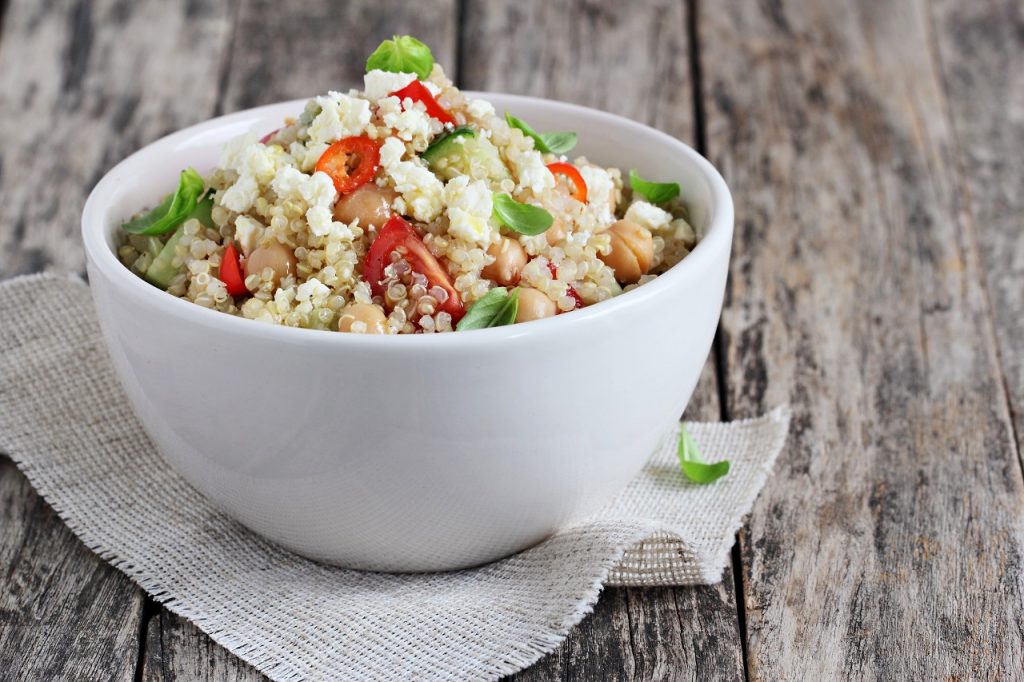
quinoa chickpea saladThe Big Question: Have you ever eaten a salad for lunch, only to feel hungry again a couple of hours later?

Not all salads are created equal. While bowls filled with leafy greens and vegetables are rich in vitamins and minerals, they may not always provide enough protein, fibre and complex carbohydrates to keep you satisfied for long.

The key to a truly nourishing salad is balance. This Quinoa Chickpea Salad combines whole grains, legumes and colourful vegetables to create a wholesome meal that’s rich in plant-based protein, dietary fibre and essential nutrients. Whether you’re looking for a healthy lunch, a post-workout meal or a quick dinner, this recipe delivers sustained energy without feeling heavy.

Why This Salad Works

A balanced meal should nourish your body, keep you satisfied and provide steady energy throughout the day. This recipe combines ingredients that complement each other nutritionally.

Ingredient Nutritional Benefit
Quinoa Provides complex carbohydrates, fibre and all nine essential amino acids.
Chickpeas Rich in plant protein, fibre and iron.
Fresh Vegetables    Add vitamins, minerals, antioxidants and crunch.
Lemon Juice Adds freshness and may help improve iron absorption from plant foods.
Ghee or Olive Oil Provides healthy fats that support the absorption of fat-soluble vitamins.

The combination of protein, fibre and healthy fats helps slow digestion, supporting satiety and more stable energy levels.

Why You’ll Love This Recipe

  • Rich in plant-based protein
  • High in dietary fibre
  • Naturally gluten-free (when prepared with certified gluten-free quinoa)
  • Meal-prep friendly
  • Colourful, fresh and satisfying
  • Ready in around 30 minutes

Recipe Overview

Category Details
Preparation Time    15 minutes
Cooking Time 15 minutes
Total Time 30 minutes
Serves 2
Difficulty Level Easy

Ingredients

Ingredient Quantity
Quinoa ⅓ cup
Chickpeas (Kabuli Chana) ½ cup (boiled)
Garlic 1 tsp (finely chopped)
Capsicum ¼ cup (finely chopped)
Onion ¼ cup (finely chopped)
Cucumber 1 medium (diced)
Tomato 1 medium (diced)
Green chilli 1 tsp (finely chopped, optional)
Fresh coriander 4 tbsp (chopped)
Ghee (or Extra Virgin Olive Oil) 1 tsp
Cumin seeds ¼ tsp
Turmeric powder ¼ tsp
Asafoetida (Hing) A pinch
Water ½ cup
Lemon juice 1 tsp
Salt To taste

How to Prepare

  1. Prepare the Quinoa: Rinse the quinoa thoroughly under running water to remove its natural coating (called saponin), which can leave a slightly bitter taste. Soak it for 30–60 minutes before cooking.
  2. Temper the Spices: Heat the ghee (or olive oil) in a deep pan. Add cumin seeds. Once they begin to crackle, add hing and chopped garlic. Sauté for about 30 seconds until fragrant.
  3. Cook the Quinoa: Add water and bring it to a boil. Stir in the salt, turmeric, and quinoa. Cover and cook over medium-low heat for about 10–12 minutes until the water is absorbed and the grains become fluffy. Allow it to cool.
  4. Assemble the Salad: In a large bowl, combine the cooked quinoa, boiled chickpeas, onion, capsicum, cucumber, tomato, green chilli, and fresh coriander. Add lemon juice and gently toss until everything is evenly mixed. Serve immediately.

Approximate Nutrition (Per Serving)

Nutrient Approximate Amount
Calories 300 kcal
Protein 12 g
Carbohydrates 40 g
Dietary Fibre 10 g
Fat 9 g

Values are approximate and may vary depending on ingredient brands and serving sizes.

Make It Your Own

This salad is easy to customise. Try adding:

  • Grilled paneer for extra protein
  • Tofu for a vegan version
  • Avocado for healthy fats
  • Pumpkin or sunflower seeds for crunch
  • Baby spinach or rocket leaves
  • Roasted sweet potato
  • Pomegranate seeds for natural sweetness

Meal Prep & Storage Tips

This salad is ideal for meal prep:

  • Store in an airtight container in the refrigerator for up to 2 days.
  • Keep the lemon juice separate if preparing ahead to maintain freshness.
  • Allow refrigerated quinoa to return to room temperature before serving for the best texture.

Pro Tips

  • Rinse the Quinoa Well: Removing saponins helps eliminate bitterness.
  • Use Leftover Chickpeas: Cooking chickpeas in batches makes weekday meal preparation much faster.
  • Add Fresh Herbs Just Before Serving: Fresh coriander and lemon juice brighten the flavours and maintain freshness.
  • Don’t Overcook the Quinoa: Perfectly cooked quinoa should be fluffy rather than mushy.

Who Can Enjoy This Salad?

This recipe is suitable for:

  • Busy professionals
  • Students
  • Fitness enthusiasts
  • Vegetarians
  • People looking to increase fibre intake
  • Meal-prep lovers

Individuals with kidney disease or specific dietary restrictions should consult their healthcare provider or dietitian regarding portion sizes and protein intake.

Healthy eating doesn’t have to be complicated. A balanced salad should leave you feeling nourished, satisfied and energised—not searching for snacks an hour later.

By combining quinoa, chickpeas and fresh vegetables, this recipe provides a wholesome mix of plant-based protein, dietary fibre and complex carbohydrates that can support sustained energy and overall wellbeing. Simple ingredients, prepared thoughtfully, can transform an ordinary salad into a complete meal.

Pro Tip: Looking for personalised nutrition guidance? Track your meals, water intake and daily habits on the GOQii App. Your GOQii Personalised Health Coach can recommend meal plans based on your health goals, activity levels and dietary preferences. Explore even more healthy recipes and practical nutrition tips—all in one place.

Frequently Asked Questions (FAQs)

  1. Is quinoa healthier than rice?

Both can be part of a healthy diet. Quinoa contains more protein and fibre than white rice, making it a nutrient-dense option for many meals.

  1. Can I make this salad ahead of time?

Yes. Store it in an airtight container in the refrigerator for up to two days. Add lemon juice just before serving for the freshest flavour.

  1. Is this recipe suitable for weight management?

This salad is rich in protein and fibre, which may help improve satiety as part of a balanced eating pattern. Weight management depends on your overall diet, physical activity and lifestyle.

  1. Can I add other vegetables?

Absolutely. Carrots, spinach, roasted sweet potato, avocado, beetroot and broccoli all work well in this recipe.

#BeTheForce 

Disclaimer: This recipe is intended for educational purposes only and should not be considered personalised nutrition advice. Nutritional requirements vary from person to person. Consult a qualified healthcare professional or registered dietitian for dietary guidance tailored to your individual health needs.

July 15, 2026 By Asmita Maredia 4 Comments

Sitting for Hours? Try These Simple Office Workouts to Stay Active!

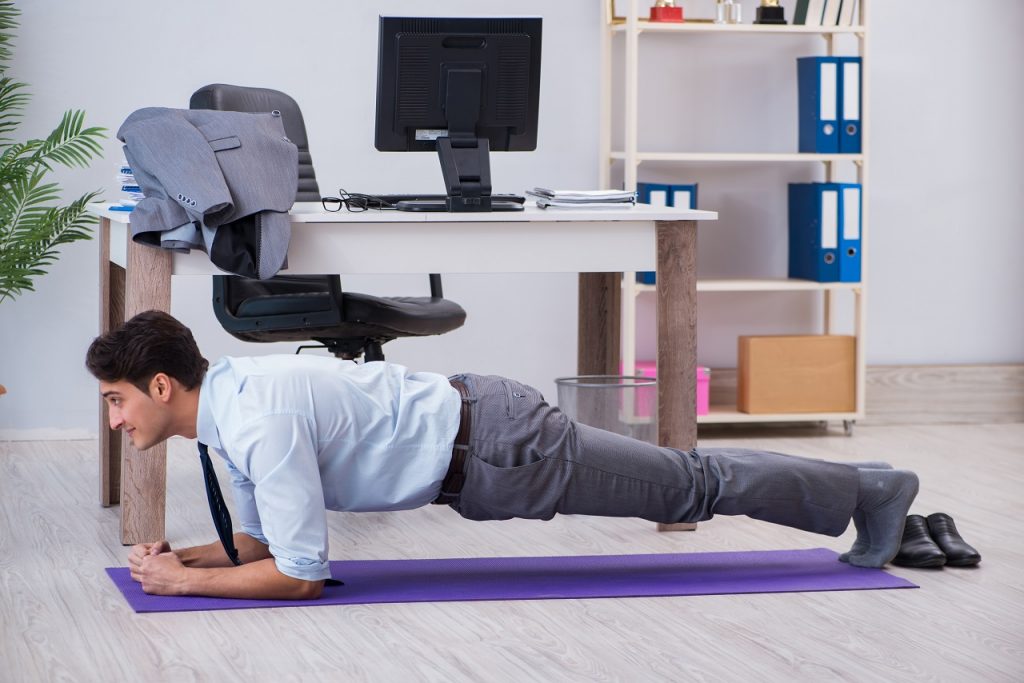
office workoutHow many hours do you spend sitting each day? If you work a desk job, the answer is probably too many! The average office worker sits for 6-10 hours daily, which can lead to back pain, fatigue, poor posture, and increased health risks such as obesity and heart disease. But don’t worry—staying active at your desk is easier than you think!



Even if you go to the gym, prolonged sitting can still take a toll on your body. These simple office workouts will help you keep your body moving and your mind refreshed without leaving your desk.

Office Workouts You Can Do at Your Desk

1.Walk & Move More

  • Set an alarm every 45 minutes to stand up and move. Aim for at least 1-2 minutes of movement during each break.
  • Walk to fill your water bottle, use the printer, or take a quick break.
  • Take the stairs instead of the lift – two at a time for extra burn!
  • If possible, pace around while on phone calls.

2. Neck & Shoulder Stretches

  • Neck Stretch: Tilt your head to one side and hold for 5 seconds. Repeat 5 times on each side.
  • Head Rotation: Slowly roll your head clockwise and anti-clockwise 5 times.
  • Shoulder Shrug: Raise your shoulders as high as possible, hold for 5 seconds, then relax.

3. Arm & Wrist Exercises

  • Arm Stretch: Cross one arm over your body and pull it towards you with the other hand.
  • Triceps Stretch: Place one hand behind your neck and pull your elbow with the other hand.
  • Wrist Rotations: Roll your wrists 10 times clockwise and anti-clockwise.
  • Finger Stretch: Extend fingers as far as possible, hold for 5 seconds, then make a tight fist and hold for another 5 seconds. Repeat 5 times.

4. Back & Posture Fixers

  • Seated Back Stretch: Place your hands on the edge of your desk and push your chair back until your head is between your arms, looking at the floor. Hold for 10 seconds and repeat 5 times.
  • Overhead Stretch: Interlock your fingers, stretch your arms towards the ceiling, and hold for 5 seconds. Repeat 5 times.

5.  Leg & Lower Body Movements

  • Seated Leg Raises: Straighten one leg, hold for 5 seconds, lower halfway and hold again, then relax. Repeat with the other leg 5 times each.
  • Thigh Stretch: Stand, grab your ankle and pull it towards your buttocks. Keep your back straight and hold for 10 seconds. Repeat 5 times on each leg.
  • Calf Stretch: Place one foot on a chair and bend forward until you feel the stretch. Hold for 5 seconds and switch legs.

More Office Workout Tips To Keep You Active! 

  • Use a standing desk if available to reduce prolonged sitting.
  • Maintain good posture—sit with your back straight and feet flat on the floor.
  • Consider an exercise ball instead of a chair for better core engagement.
  • Park further away from the office entrance to increase your walking time.
  • When you can—stand rather than sit, and walk rather than stand!

These simple office workouts help reduce muscular stress, improve posture, and keep you active throughout the day. Even small movements can make a big difference to your health and productivity.

💡 Try to avoid long sitting hours by taking short breaks and staying active! If you experience any pain, here’s what you can do to prevent further injuries.

💬 How do you stay active at work? Share your tips in the comments!

#BeTheForce 

Disclaimer: The information provided in this blog is for general awareness and educational purposes only. It is not intended to replace professional medical advice, diagnosis, or treatment. Always consult a qualified healthcare provider for personalised medical guidance or concerns related to your health. Images shown are for representation purposes only and may not depict the exact recommendations or outcomes.

  • « Previous Page
  • 1
  • …
  • 4
  • 5
  • 6
  • 7
  • 8
  • …
  • 139
  • Next Page »

Search

Recent Posts

  • Foods to Manage Blood Sugar Naturally: A Complete Guide to Better Blood Sugar Control
  • The Lazy Person’s Guide to Staying Healthy: 5 Micro-Habits That Take Less Than 2 Minutes
  • Healthy Eating: Comforting Chilli Bean Soup Recipe for the Monsoon
  • The Truth About the ‘Beer Belly’: What Alcohol Really Does to Your Metabolism
  • Benefits of Meditation: How One Daily Habit Can Transform Your Mental Wellbeing

Stay Updated

Archives

  • August 2026 (7)
  • July 2026 (25)
  • June 2026 (22)
  • May 2026 (20)
  • April 2026 (24)
  • March 2026 (18)
  • February 2026 (14)
  • January 2026 (14)
  • December 2025 (19)
  • November 2025 (15)
  • October 2025 (20)
  • September 2025 (6)
  • August 2025 (6)
  • July 2025 (9)
  • June 2025 (18)
  • May 2025 (16)
  • April 2025 (22)
  • March 2025 (26)
  • February 2025 (21)
  • January 2025 (25)
  • December 2024 (22)
  • November 2024 (22)
  • October 2024 (20)
  • September 2024 (22)
  • August 2024 (28)
  • July 2024 (15)
  • June 2024 (23)
  • May 2024 (26)
  • April 2024 (27)
  • March 2024 (27)
  • February 2024 (23)
  • January 2024 (21)
  • December 2023 (14)
  • November 2023 (10)
  • October 2023 (19)
  • September 2023 (21)
  • August 2023 (16)
  • July 2023 (16)
  • June 2023 (21)
  • May 2023 (20)
  • April 2023 (19)
  • March 2023 (23)
  • February 2023 (19)
  • January 2023 (15)
  • December 2022 (11)
  • November 2022 (15)
  • October 2022 (15)
  • September 2022 (12)
  • August 2022 (9)
  • July 2022 (17)
  • June 2022 (11)
  • May 2022 (10)
  • April 2022 (6)
  • March 2022 (6)
  • February 2022 (13)
  • January 2022 (11)
  • December 2021 (7)
  • November 2021 (3)
  • October 2021 (6)
  • September 2021 (3)
  • August 2021 (8)
  • July 2021 (7)
  • June 2021 (15)
  • May 2021 (16)
  • April 2021 (10)
  • March 2021 (7)
  • February 2021 (4)
  • January 2021 (4)
  • December 2020 (3)
  • November 2020 (4)
  • October 2020 (10)
  • September 2020 (3)
  • August 2020 (3)
  • July 2020 (2)
  • June 2020 (4)
  • May 2020 (10)
  • April 2020 (12)
  • March 2020 (10)
  • February 2020 (4)
  • January 2020 (4)
  • December 2019 (3)
  • November 2019 (7)
  • October 2019 (5)
  • September 2019 (4)
  • August 2019 (9)
  • July 2019 (9)
  • June 2019 (11)
  • May 2019 (4)
  • April 2019 (8)
  • March 2019 (8)
  • February 2019 (9)
  • January 2019 (8)
  • December 2018 (9)
  • November 2018 (3)
  • October 2018 (3)
  • September 2018 (5)
  • August 2018 (10)
  • July 2018 (6)
  • June 2018 (13)
  • May 2018 (8)
  • April 2018 (18)
  • March 2018 (9)
  • February 2018 (8)
  • January 2018 (15)
  • December 2017 (12)
  • November 2017 (19)
  • October 2017 (13)
  • September 2017 (15)
  • August 2017 (4)
  • July 2017 (8)
  • June 2017 (7)
  • May 2017 (6)
  • April 2017 (8)
  • March 2017 (6)
  • February 2017 (7)
  • January 2017 (9)
  • December 2016 (10)
  • November 2016 (7)
  • October 2016 (7)
  • September 2016 (7)
  • August 2016 (11)
  • July 2016 (9)
  • June 2016 (9)
  • May 2016 (12)
  • April 2016 (17)
  • March 2016 (17)
  • February 2016 (8)
  • January 2016 (6)
  • December 2015 (2)
  • November 2015 (9)
  • October 2015 (7)
  • September 2015 (9)
  • August 2015 (11)
  • July 2015 (9)
  • June 2015 (11)
  • May 2015 (9)
  • April 2015 (13)
  • March 2015 (8)
  • February 2015 (5)
  • January 2015 (12)
  • December 2014 (14)
  • November 2014 (11)
  • October 2014 (6)
  • September 2014 (13)
  • August 2014 (12)
  • July 2014 (6)
  • June 2014 (2)
  • May 2014 (7)
  • April 2014 (4)

From Burnout to Balance: How Dr. Ranjit Reclaimed His Health

Dr Ranjit Bhatt has spent years tending to others. A practising doctor in Odisha, his days were packed with patients, surgeries, and emergencies. From the outside, it looked like a life lived in service. But on the inside, something wasn’t right. “I had no … [Read More...]

From Shimla’s Slopes to Chandigarh’s Sidewalks: Surinder Kaur Bhalla’s Journey from Chaos to Control

Some journeys start with a plan. Others begin with a stumble literally. Surinder Bhalla, a government professional, born and raised in the scenic hill town of Shimla, had always lived a life of movement. “In Shimla, you walked everywhere,” she reflects. “Walking was never an exercise. It was just life.” But after shifting to Chandigarh, […]

“I’ve Challenged Myself to Live 100 Years” – The Story of Chandubhai Savani’s Second Chance at Life

At 67, most people start slowing down. Not Chandubhai Savani. A resident of Surat, Chandubhai, thought life was on track. “My life was going well till I had my bypass surgery,” he says. That surgery, back in 2021, was a wake-up call.  Medication was routine, but exercise wasn’t. His diet? What he calls ‘normal.’ “I […]

Ananda Mukherjee Health Story

From Terminal Illness To Complete Wellness! Ananda Mukherjee Health Story

As we observe World Cancer Day under the powerful theme ‘United by Unique’ (2025-2027)**, we are reminded that every individual’s journey with cancer is distinct, yet united by shared resilience, hope, and the collective fight against this disease. This theme places people at the centre of care and their stories at the heart of the […]

  • HOME
  • HEALTHY LIVING
  • FITNESS
  • HEALTHY RECIPES
  • USER STORIES
  • KARMA
  • BUY GOQii

Copyright ©2016 GOQii
