GOQii

Blog

  • HOME
  • HEALTHY LIVING
  • FITNESS
  • HEALTHY RECIPES
  • USER STORIES
  • KARMA
  • BUY GOQii

Search Results for: disease

May 19, 2026 By GOQii Leave a Comment

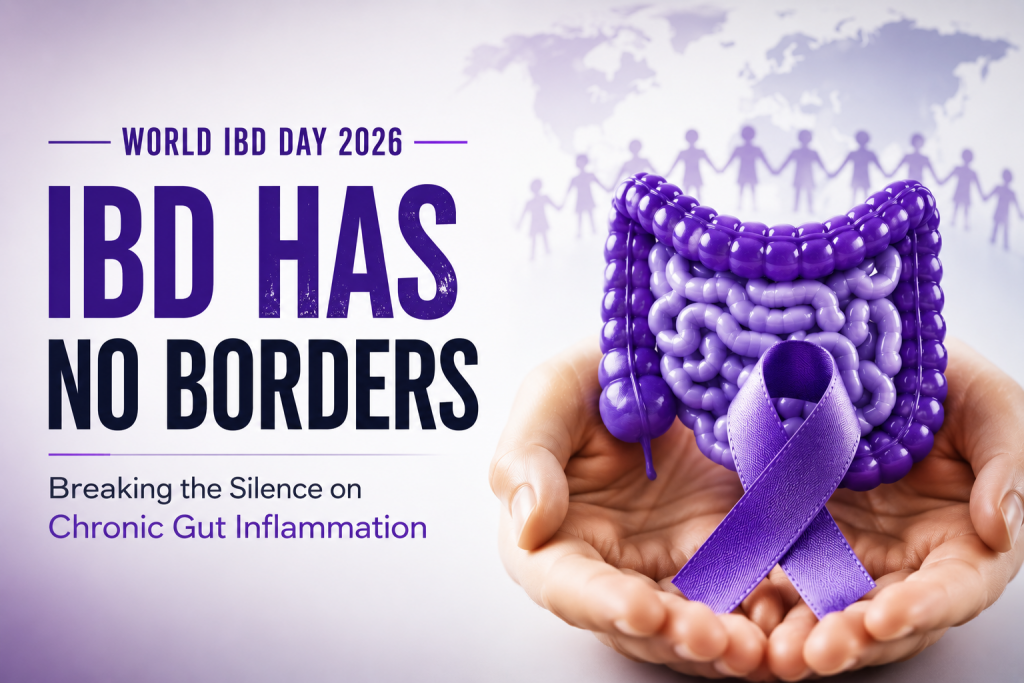
World IBD Day 2026: Why IBD Is More Than Just a Gut Problem

We often hear conversations around “gut health” today – probiotics, digestion, bloating, and healthy eating have become part of mainstream wellness culture. But for millions of people living with Inflammatory Bowel Disease (IBD), gut health is not a trend. It is a lifelong medical condition that affects nearly every aspect of daily life.

Observed every year on May 19th, World IBD Day aims to raise awareness about chronic inflammatory bowel diseases like Crohn’s disease and Ulcerative Colitis, conditions that are often misunderstood, misdiagnosed, or ignored because their symptoms are largely invisible to others.

The official World IBD Day 2026 theme, “IBD Has No Borders: Access to IBD Care,” highlights an important global reality: everyone deserves timely diagnosis, quality treatment, and long-term support regardless of where they live.

And while medical care remains the foundation of IBD treatment, managing the condition daily also depends heavily on lifestyle, stress management, recovery, movement, and sustainable health habits.

What Exactly Is IBD?

Inflammatory Bowel Disease (IBD) is a chronic autoimmune condition in which the immune system mistakenly attacks healthy tissue in the digestive tract, causing ongoing inflammation and damage.

The two most common forms of IBD are:

  • Crohn’s Disease: Can affect any part of the digestive tract, from the mouth to the intestines.
  • Ulcerative Colitis: Primarily affects the lining of the large intestine (colon) and rectum.

Unlike occasional digestive discomfort, IBD involves chronic inflammation that can significantly impact nutrient absorption, energy levels, immunity, and overall quality of life.

Common symptoms may include:

  • Persistent diarrhoea
  • Abdominal pain or cramping
  • Fatigue
  • Unexplained weight loss
  • Rectal bleeding
  • Reduced appetite
  • Nutritional deficiencies

For many individuals, flare-ups can be unpredictable and physically exhausting.

IBD vs IBS: Understanding the Difference

IBD and IBS (Irritable Bowel Syndrome) are often confused, but they are not the same condition.

IBS is a functional digestive disorder, meaning the digestive system does not function optimally despite there being no visible inflammation or structural damage.

IBD, however, is a structural inflammatory disease. It causes visible damage to the digestive tract, including ulcers and tissue inflammation, and requires specialised medical care and long-term monitoring.

Understanding this difference is important because symptoms may overlap, but the long-term health implications are very different.

IBD Is More Than a Digestive Condition

One of the biggest misconceptions about IBD is that it only affects the stomach or intestines.

In reality, chronic inflammation can affect the entire body.

Many people living with IBD also experience:

  • Severe fatigue
  • Joint pain
  • Sleep disturbances
  • Anxiety and emotional stress
  • Nutrient deficiencies
  • Reduced immunity
  • Skin or eye inflammation

This is why managing IBD requires a more holistic approach that supports both physical and mental wellbeing—not just symptom control.

5 Lifestyle Habits That Can Support IBD Management

While IBD requires medical treatment and professional supervision, daily habits can play a major role in reducing flare triggers, supporting recovery, and improving overall quality of life.

  1. Identify Personal Food Triggers

There is no universal “IBD diet.”

Foods that work well for one person may worsen symptoms for another. Common triggers may include spicy foods, high-fat meals, dairy, caffeine, excessive processed foods, or artificial sweeteners.

The Action Step:

Keep a detailed food and symptom journal. Tracking meals alongside symptoms can help identify patterns and trigger foods more effectively over time.

During remission phases, focusing on balanced nutrition and overall gut health may help support microbiome diversity and digestive recovery.

  1. Support the Gut-Brain Connection

The gut and brain are deeply connected through the gut-brain axis. Chronic stress can directly influence inflammation, digestion, bowel sensitivity, and flare severity.

According to the GOQii India Fit Report 2026, 21% of women and 10% of men reported feeling chronic stress “always or very often.” Persistent stress keeps the body in a prolonged fight-or-flight state, which may aggravate inflammatory conditions over time.

The Action Step:

Prioritise nervous system recovery daily. Deep breathing, meditation, restorative yoga, journaling, nature walks, or simply disconnecting from screens can help calm the body and support digestive health.

Managing stress is not optional in chronic inflammatory conditions—it is part of the treatment ecosystem. Learn more about effective stress management techniques that can support long-term wellbeing.

  1. Stay Hydrated During Flare-Ups

IBD-related diarrhoea can increase the risk of dehydration and electrolyte imbalance, especially during active flare periods.

The Action Step:

Sip fluids consistently throughout the day instead of consuming large amounts at once. Coconut water, homemade oral rehydration solutions (ORS), and electrolyte-rich fluids may help replenish sodium and potassium levels more effectively.

  1. Avoid a Completely Sedentary Lifestyle

Movement plays an important role in circulation, digestion, mood, insulin sensitivity, and inflammation management.

The GOQii India Fit Report 2026 revealed that nearly 50% of Indians spend 5–8 hours sitting daily, while another 26% remain sedentary for even longer durations. Prolonged inactivity may worsen fatigue, digestive sluggishness, and systemic inflammation.

The Action Step:

Focus on gentle, sustainable movement. Walking, stretching, cycling, swimming, or light yoga can help support recovery without placing excessive physical stress on the body.

During flare-ups, the goal is not intense performance—it is maintaining mobility and supporting overall wellbeing.

  1. Prioritise Sleep and Recovery

Sleep is one of the most overlooked pillars of inflammatory health.

Poor sleep increases stress hormones, disrupts immune regulation, and may worsen inflammatory responses throughout the body. Many people living with IBD already struggle with interrupted sleep due to pain, discomfort, or fatigue.

The Action Step:

Create a consistent sleep routine. Reduce screen exposure before bed, avoid heavy late-night meals, and prioritise recovery habits that allow the body to rest and repair more effectively.

The Bigger Goal: Protecting Your Healthspan

Living with IBD can feel physically exhausting, emotionally isolating, and unpredictable. But awareness, support, and proactive management can significantly improve long-term quality of life.

The GOQii India Fit Report 2026 highlighted a growing concern: while average life expectancy in India has increased to 70.4 years, Healthy Life Expectancy (HALE) remains only 59 years. This means many people spend over a decade managing chronic health conditions that affect daily functioning and wellbeing.

World IBD Day is not just about awareness. It is about recognising that chronic inflammation, stress, sedentary lifestyles, poor recovery, and delayed diagnosis all influence long-term healthspan.

Supporting gut health is not simply about digestion—it is about protecting energy, immunity, resilience, and quality of life for the future.

Pro Tip: Use the GOQii App to track meals, hydration, symptoms, movement, sleep, and stress levels. Sharing this data with your GOQii Personalised Health Coach can help identify flare triggers faster and support more personalised lifestyle management.

Frequently Asked Questions (FAQs)

  1. Is there a cure for IBD?

Currently, there is no cure for Crohn’s disease or Ulcerative Colitis. However, many individuals successfully manage symptoms and achieve long-term remission through a combination of medical treatment, nutrition, stress management, and lifestyle support.

  1. Can stress worsen IBD symptoms?

Yes. While stress does not directly cause IBD, chronic stress may aggravate inflammation and trigger flare-ups through the gut-brain connection.

  1. What foods should people with IBD avoid?

Triggers vary from person to person. Common trigger foods may include spicy foods, high-fat meals, caffeine, alcohol, dairy, processed foods, or high-fibre foods during active flare-ups.

  1. Why is fatigue so common in IBD?

Ongoing inflammation, poor nutrient absorption, disrupted sleep, and immune system stress can all contribute to severe fatigue in people living with IBD.

#BeTheForce

Disclaimer: This article is intended for educational purposes only. IBD is a serious chronic medical condition. Always consult your gastroenterologist or healthcare provider before making changes to your diet, medication, or exercise routine.
May 15, 2026 By Jyoti Sawant 4 Comments

Eat Healthy At Work: Quick & Easy Snacks You Can Eat In The Office

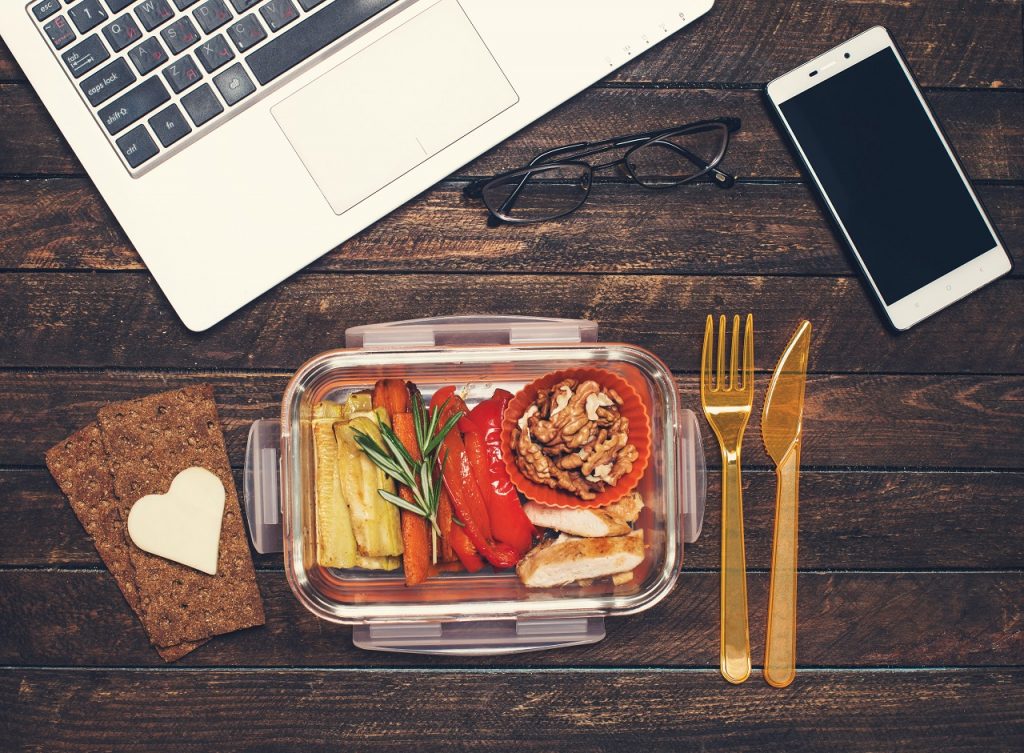
eat healthy at workSnacking is an important part of a balanced diet. However, when it comes to snacking at work, many of us find ourselves staring at a vending machine or scrolling through food delivery apps, unsure of what to eat. One of the main reasons people struggle to maintain healthy eating habits in the office is a lack of time. In today’s fast-paced world, fast food seems like the easiest solution. Fortunately, there are plenty of quick, easy, and affordable healthy snacks that can keep you on track.
How to Eat Healthy At Work 

Swap fast food and unhealthy snacks with these healthier alternatives while at work:

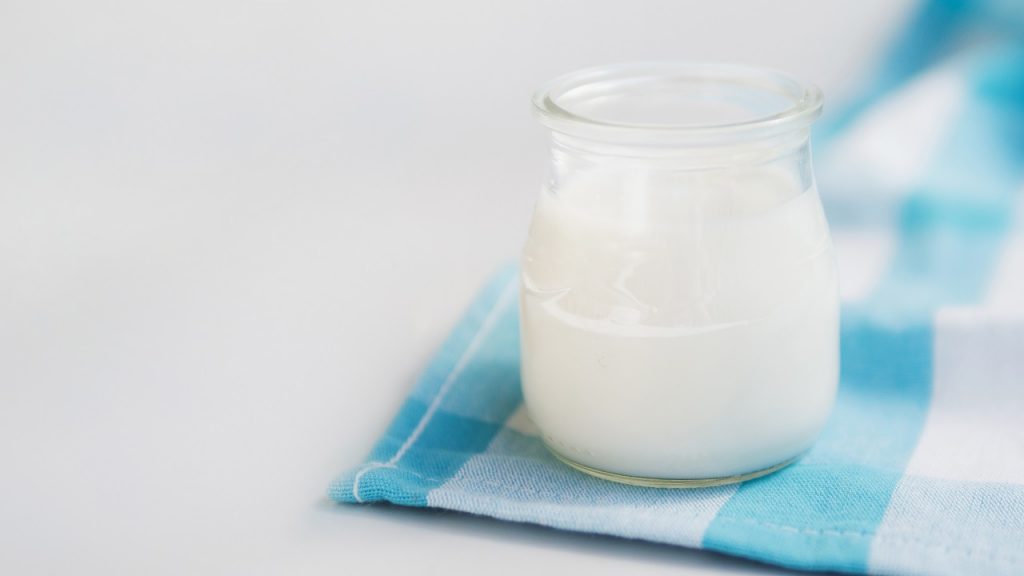
1. Fat-Free Yogurt

Greek yoghurt is a nutritious and satisfying option. Opt for low-fat or skimmed milk versions for a healthier choice. You can enhance the flavour with a drizzle of honey or a sprinkle of jaggery. Adding fresh berries, apple slices, or bananas makes it even more nutritious!
2. Wholewheat Crackers & Peanut Butter

Pair multigrain wheat crackers with natural peanut butter for a filling and nutrient-dense snack. This combination provides complex carbohydrates and protein, keeping you energised and full for longer.

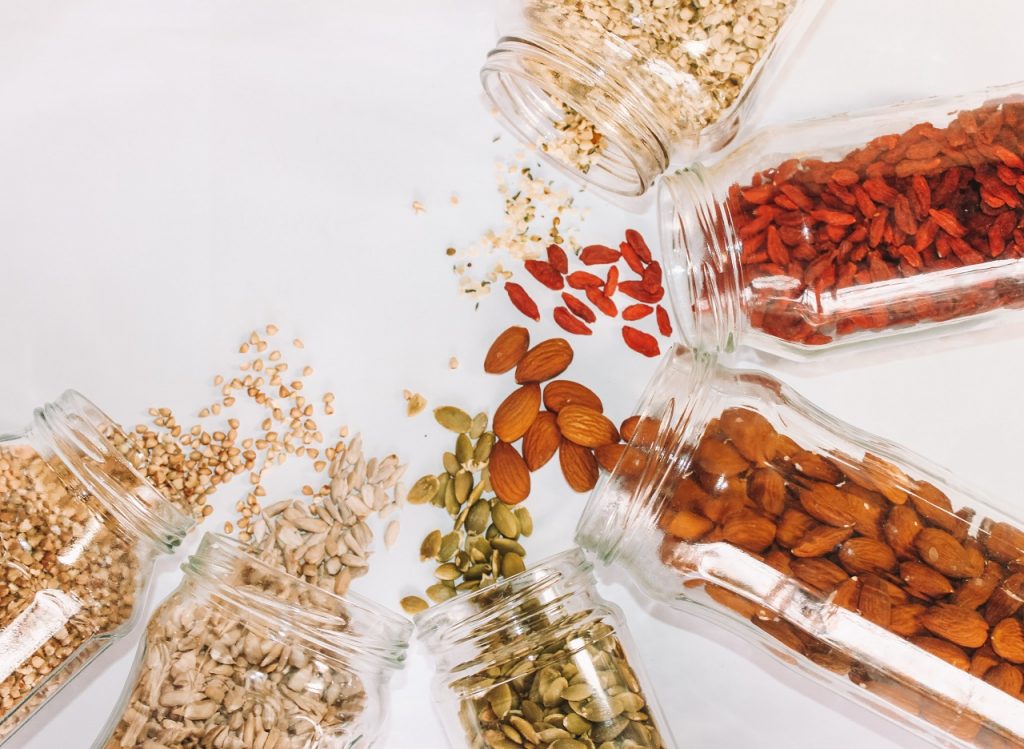
3. Nuts and Seeds

Instead of reaching for crisps or chocolate bars, opt for nuts and seeds. These are packed with protein, fibre, and healthy fats, making them a far better choice than snacks high in refined sugars and empty calories.
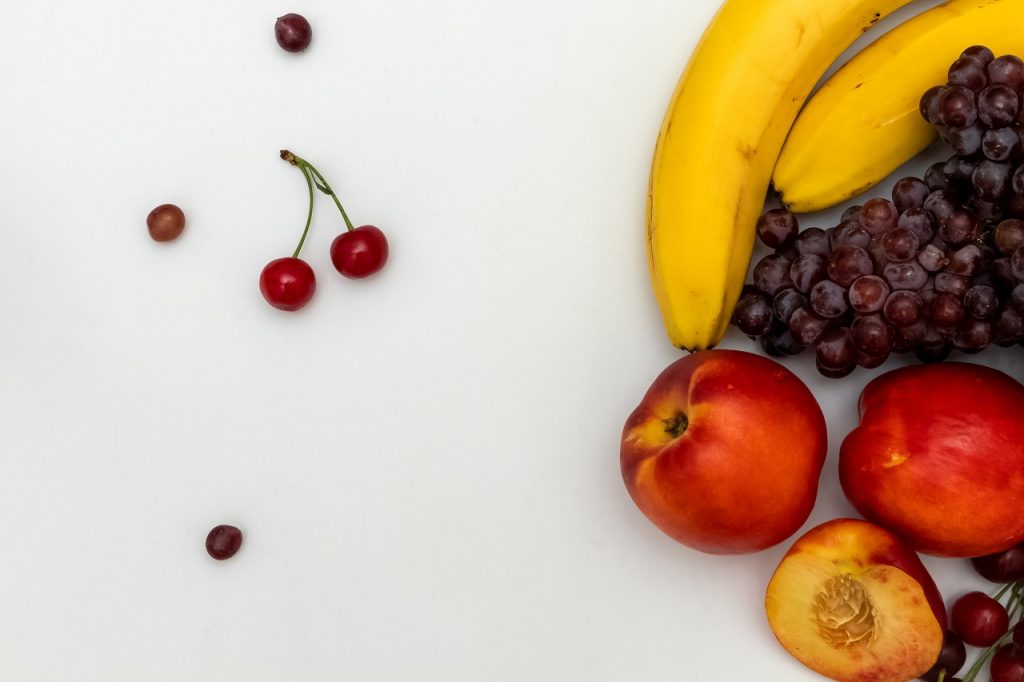
4. Fresh Fruits

Fruits offer natural sugars that provide a quick energy boost. Options like strawberries, oranges, apples, bananas, and melons are packed with antioxidants, vitamins, and fibre—perfect for keeping you refreshed and focused.
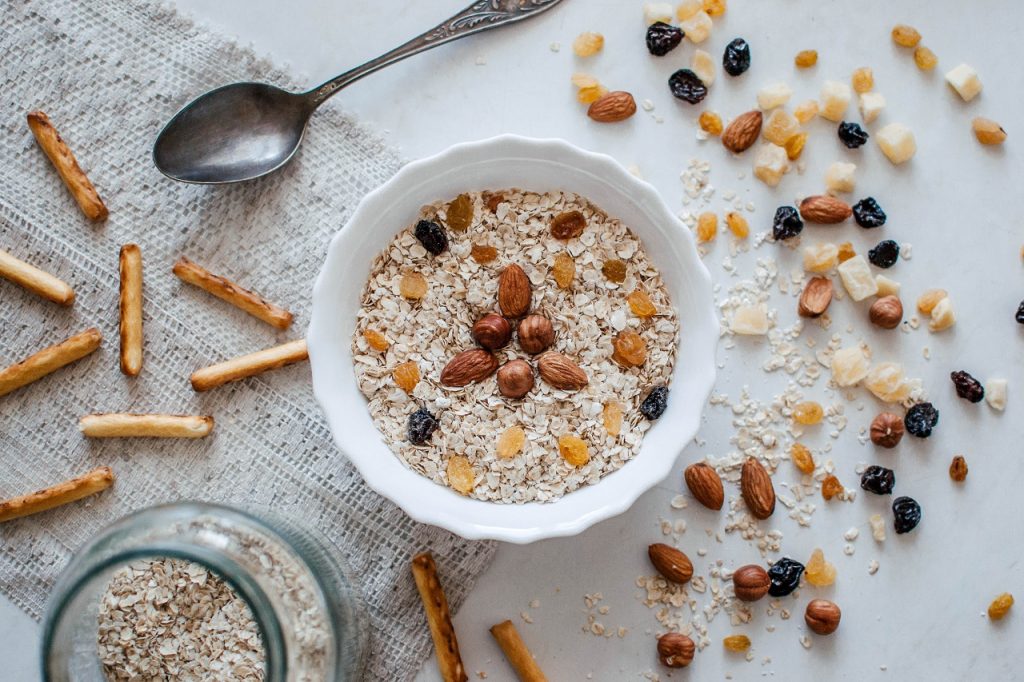
5. Instant Oatmeal

A plain instant oatmeal packet makes for a comforting yet healthy snack. Add your own raisins, cinnamon, or nutmeg to enhance the flavour while keeping sugar levels in check. Oats are known to reduce the risk of heart disease and provide long-lasting energy.
6. Stir-Fried Veggies

Pack a portion of stir-fried fresh vegetables like cherry tomatoes, celery, carrots, and green beans. These are rich in vitamins, minerals, and fibre, keeping you full and nourished throughout the day.

7. Boiled Egg With Seasoning

Hard-boiled eggs are an excellent source of protein and help stabilise blood sugar levels. Simply slice a boiled egg in half, sprinkle some salt, pepper, or a pinch of smoked paprika, and enjoy a flavourful, protein-rich snack.

8. Low-Fat Popcorn

Popcorn isn’t just for movies! This low-calorie, high-fibre snack can satisfy cravings for something crunchy and salty—just be sure to choose a low-fat version without excessive butter or salt.

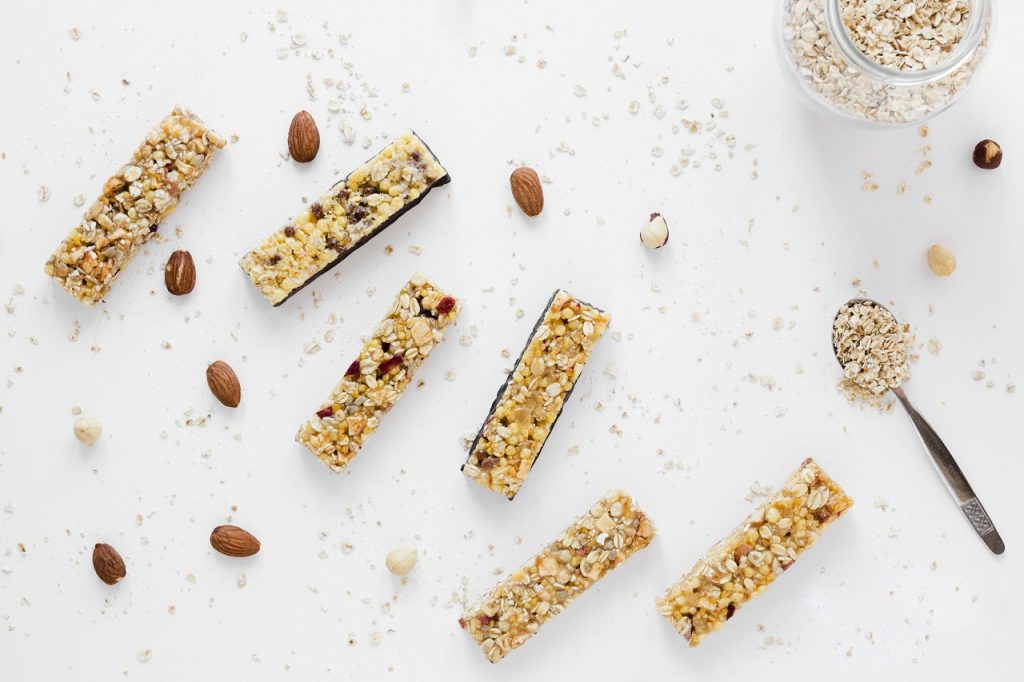
9. Protein Bars

Not all protein bars are created equal—some are packed with sugar and calories. Look for bars that contain fruit, nuts, and fewer than 200 calories. You can also make homemade protein bars using healthy ingredients like oats, nuts, and seeds.

It’s time to ditch vending machines and food delivery apps in favour of healthier choices. By preparing quick, easy, and nutritious snacks, you can stay energised, focused, and productive at work.

Which healthy office snack is your favourite? Let us know in the comments!

#BeTheForce

May 6, 2026 By Trishala Chopra 11 Comments

Hot vs. Cold Shower After a Workout: Which is Better?

Man ShowerWhat is the first thing you want to do after getting home from a grueling gym session, a long run, or an intense home workout?
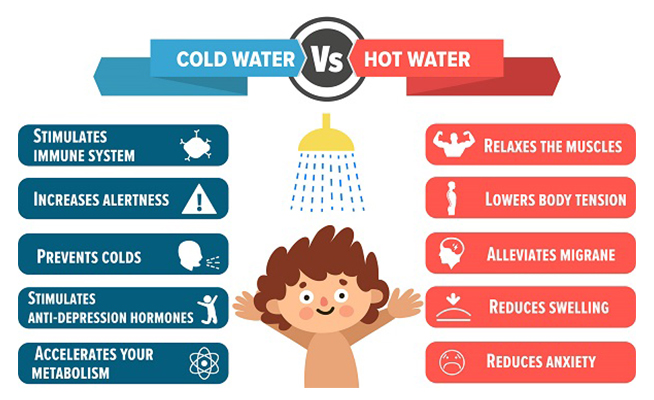
Your mind might scream, “Drink water!” while your body begs, “Please, go take a shower!” Nobody likes sitting around in their own sweat, but when you step into the bathroom, a common dilemma arises: should you turn the dial to hot or cold? Many fitness enthusiasts swear by an ice-cold plunge, while others prefer the soothing comfort of a hot shower.

Does the temperature of your bathing water actually impact your health and recovery? Yes, it does. Let’s break down the science behind what happens to your body when you choose a hot versus a cold shower post-workout.

The Case for the Cold Shower

Taking a cold shower after a hot, sweaty workout is a shock to the system, but it is a shock with highly specific benefits.

When cold water hits your skin, it causes vasoconstriction, the rapid constriction (narrowing) of your blood vessels. This immediate drop in surface temperature directs blood flow inward toward your vital organs.

The Benefits:

  • Acts Like a Full-Body Ice Pack: Cold water prevents severe swelling and numbs the typical pain associated with strenuous, high-impact workouts.
  • Reduces Inflammation: If you suspect you have slightly tweaked a muscle or are dealing with a minor post-workout injury, cold water helps cool down the damaged tissue and mitigate acute inflammation.

⚠️ Important Precautions for Cold Showers:

  • High Blood Pressure Caution: Because vasoconstriction naturally increases blood pressure, individuals with hypertension should generally avoid extreme post-workout cold showers.
  • Keep it Reasonable: You do not need freezing water to get the benefits; room temperature or comfortably cool water is often enough to aid recovery without shocking your heart.

The Case for the Hot Shower

If cold water causes vasoconstriction, warm water does the exact opposite: vasodilation. This means the warm temperatures cause your blood vessels to dilate (widen), which decreases blood pressure and invites blood to rush back toward your skin and muscles.

The Benefits:

  • Soothes Muscle Tension: Hot water stimulates rich, oxygenated blood flow directly to your fatigued muscles.
  • Flushes Metabolic Waste: This increased blood circulation helps disperse metabolic waste (like lactic acid) that accumulates during exercise, significantly reducing general post-workout soreness and physical uneasiness.
  • Promotes Relaxation: A warm shower acts as a natural muscle relaxant, easing the nervous system after a highly stimulating workout.

⚠️ Important Precautions for Hot Showers:

  • Not for Acute Injuries: If you have pulled a muscle, sprained a joint, or damaged tissue during your workout, do not use hot water. Heat will increase inflammation and swelling in the damaged area. Go for cold water and an ice pack instead.
  • Keep it Warm, Not Boiling: Scalding hot water will strip your skin of its natural oils and can cause dizziness after a workout. Stick to a soothing, warm temperature just above room level.

The Verdict: Which Should You Choose?

Hotvs ColdThe debate between hot and cold will always exist, but the right choice depends entirely on your current physical condition.
  • Choose COLD if you want to reduce inflammation, soothe a potential minor injury, or quickly bring your core temperature down after a very sweaty, high-intensity session.
  • Choose HOT if you want to relax stiff, tense muscles, reduce general delayed onset muscle soreness (DOMS), and wind down.

Listen to your body, choose what suits your specific recovery needs for the day, and enjoy that well-deserved post-workout cleanse!

Need help optimizing your fitness and recovery routine? Reach out to our certified experts by subscribing to GOQii’s Personalised Health Coaching in the GOQii App today.

Frequently Asked Questions (FAQs)

  1. Can I switch between hot and cold water?
    Yes! This is known as “contrast therapy.” Alternating between hot water (to open blood vessels and clear out waste) and cold water (to flush the blood back out) can be an excellent way to speed up muscle recovery.
  1. Should people with high blood pressure take cold showers?
    No, it is generally advised that individuals with high blood pressure avoid sudden cold showers, especially after a workout, as the sudden constriction of blood vessels can temporarily spike blood pressure levels. 
  1. How soon after a workout should I shower?
    It is best to wait about 15 to 20 minutes after your workout before jumping into the shower. This gives your body time to naturally lower its heart rate and stop the active sweating process.

#BeTheForce 

Disclaimer: This article is intended for educational and informational purposes only and should not be considered a substitute for professional medical advice, diagnosis, or treatment. Always consult with your doctor or a qualified healthcare provider regarding recovery protocols, especially if you have pre-existing conditions like hypertension or cardiovascular disease.

May 2, 2026 By GOQii Leave a Comment

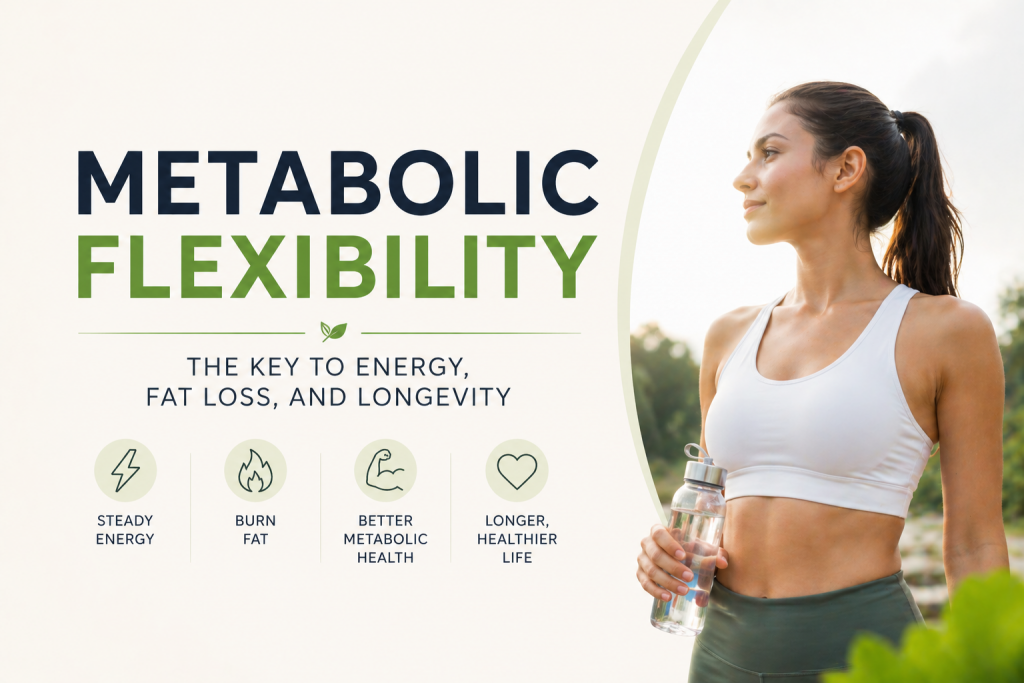
Metabolic Flexibility: The Key to Energy, Fat Loss, and Longevity

The human body is built like a hybrid engine, perfectly designed to run efficiently on two very different fuels. After a meal, your body burns carbohydrates (glucose) for immediate energy. However, between meals or during exercise, it is supposed to seamlessly switch gears and start burning stored fat.



This vital ability to shift between fuel sources is known as metabolic flexibility.

When this internal system works properly, your energy remains steady throughout the day, hunger becomes predictable, and healthy weight regulation happens naturally. Unfortunately, when this system gets “stuck,” the results are constant fatigue, stubborn fat gain, and relentless sugar cravings. If you are struggling with these symptoms, your body isn’t broken it is simply stuck in one mode.

Here is exactly how this fuel-switching system works, why it breaks down, and how you can fix it.

What Is Metabolic Flexibility?

Think of metabolic flexibility as your body’s internal energy thermostat.

After you eat, your body releases insulin to help your cells absorb and use glucose. A few hours later, as that food energy runs out, your insulin levels drop. This drop is the crucial signal that tells your body to tap into its fat stores to keep you going. That switch is everything.

People with high metabolic flexibility do not experience severe afternoon crashes, nor do they feel the need to constantly snack or battle “hanger” every few hours. Because their bodies can effortlessly access stored energy, they aren’t solely reliant on the food they just ate. If you are constantly exhausted, you aren’t necessarily low on energy; your body just cannot access the energy it has stored.

The Problem: Why We Get Stuck in “Sugar Mode”

Modern eating habits have largely broken this natural switch. Frequent snacking, sugary drinks, and constant daily grazing keep our insulin levels elevated from morning until night.

The biological rule here is simple: If insulin is high, your body is locked out of fat-burning mode. With no ability to flip the switch, you lose access to your stored fuel. Over time, this constant barrage of glucose causes your cells to stop responding properly to insulin. This condition, known as insulin resistance, is the foundation of most metabolic diseases. Globally, over 537 million adults live with diabetes much of it driven by this exact dysfunction. (Learn more about managing blood sugar naturally here).

Constant eating keeps your body from ever switching gears, leaving you running on a state of pure glucose dependency. Right now, your body might be like a car stuck in first gear revving hard, but going nowhere.

5 Signs of Poor Metabolic Flexibility

If your body is stuck in glucose dependency, it will send you loud, uncomfortable signals. You likely lack metabolic flexibility if you experience:

  • Frequent Energy Crashes: Feeling completely drained or shaky just two hours after eating a meal.
  • Intense Sugar Cravings: Needing quick energy fixes, like a sugary treat or caffeine, just to get through the afternoon.
  • Difficulty Losing Weight: Finding that fat loss feels disproportionately hard, even when you are trying to eat healthy.
  • Increased Abdominal Fat: Noticeably storing excess weight predominantly around your belly and internal organs.
  • Elevated Blood Markers: Receiving higher than normal fasting glucose or HbA1c levels on your routine lab tests.

How to Fix It: Teaching Your Body to Switch Gears

The good news is that you don’t need extreme diets to fix this. You simply need to give your body strategic gaps between meals and better biological signals.

  1. Stop Grazing and Create Fasting Windows

Give your digestive system the space it needs to reset. Aim for 3 to 4 solid hours between your meals without snacking. Additionally, practicing a simple 12-hour overnight fast (for example, finishing dinner at 8 PM and not eating again until 8 AM) allows your insulin levels to drop significantly so that overnight fat-burning can finally begin.

  1. Build Metabolic Sinks Through Strength Training

Your muscles act like massive “sinks” that drain excess glucose from your bloodstream. The more muscle mass you have, the more glucose you can efficiently use. Regular strength training not only improves your metabolic flexibility and reduces insulin resistance, but it directly increases your overall fat-burning capacity.

  1. Eat for Stable Blood Sugar

To prevent the sharp blood sugar spikes and crashes that keep insulin elevated, focus on building balanced meals. Prioritize high-quality protein, healthy fats, and dietary fibre. This combination slows down digestion and provides a steady, slow release of energy.

Your body is designed to run beautifully on both glucose and fat, but modern habits keep it locked into just one. You’re not tired because you lack energy; you’re tired because your body has forgotten how to access it.

By taking small steps to fix the switch like cutting out the constant snacking and building a little muscle everything changes. Your energy will stabilise, your cravings will reduce, and fat loss will become a natural byproduct of a healthy, flexible metabolism.

Stop eating around the clock. Give your body the space and time it needs to switch from burning sugar to burning fat. That is where real, sustained energy and long-term health truly comes from.

Frequently Asked Questions (FAQs)

  1. What is metabolic flexibility?
    Metabolic flexibility refers to your body’s ability to efficiently switch between burning carbohydrates (glucose) for energy after a meal, and burning stored fat for energy during periods of fasting or exercise.
  2. Why does snacking prevent fat loss?
    Constant snacking keeps your blood sugar and insulin levels chronically elevated. When insulin levels are high, the biological switch that allows your body to burn stored fat is locked, forcing your body to rely only on the food you just ate.
  3. How do I know if my metabolism is flexible?
    If you can comfortably go 4 to 5 hours between meals without feeling shaky, “hangry,” or exhausted, and your energy levels remain relatively stable throughout the day, you likely have good metabolic flexibility.

#BeTheForce

Disclaimer: This content is for educational purposes only and is not medical advice. If you are dealing with chronic fatigue, metabolic syndrome, or diabetes, consult a qualified healthcare professional before significantly changing your diet or fasting routine.

  • « Previous Page
  • 1
  • …
  • 9
  • 10
  • 11
  • 12
  • 13
  • …
  • 139
  • Next Page »

Search

Recent Posts

  • Foods to Manage Blood Sugar Naturally: A Complete Guide to Better Blood Sugar Control
  • The Lazy Person’s Guide to Staying Healthy: 5 Micro-Habits That Take Less Than 2 Minutes
  • Healthy Eating: Comforting Chilli Bean Soup Recipe for the Monsoon
  • The Truth About the ‘Beer Belly’: What Alcohol Really Does to Your Metabolism
  • Benefits of Meditation: How One Daily Habit Can Transform Your Mental Wellbeing

Stay Updated

Archives

  • August 2026 (7)
  • July 2026 (25)
  • June 2026 (22)
  • May 2026 (20)
  • April 2026 (24)
  • March 2026 (18)
  • February 2026 (14)
  • January 2026 (14)
  • December 2025 (19)
  • November 2025 (15)
  • October 2025 (20)
  • September 2025 (6)
  • August 2025 (6)
  • July 2025 (9)
  • June 2025 (18)
  • May 2025 (16)
  • April 2025 (22)
  • March 2025 (26)
  • February 2025 (21)
  • January 2025 (25)
  • December 2024 (22)
  • November 2024 (22)
  • October 2024 (20)
  • September 2024 (22)
  • August 2024 (28)
  • July 2024 (15)
  • June 2024 (23)
  • May 2024 (26)
  • April 2024 (27)
  • March 2024 (27)
  • February 2024 (23)
  • January 2024 (21)
  • December 2023 (14)
  • November 2023 (10)
  • October 2023 (19)
  • September 2023 (21)
  • August 2023 (16)
  • July 2023 (16)
  • June 2023 (21)
  • May 2023 (20)
  • April 2023 (19)
  • March 2023 (23)
  • February 2023 (19)
  • January 2023 (15)
  • December 2022 (11)
  • November 2022 (15)
  • October 2022 (15)
  • September 2022 (12)
  • August 2022 (9)
  • July 2022 (17)
  • June 2022 (11)
  • May 2022 (10)
  • April 2022 (6)
  • March 2022 (6)
  • February 2022 (13)
  • January 2022 (11)
  • December 2021 (7)
  • November 2021 (3)
  • October 2021 (6)
  • September 2021 (3)
  • August 2021 (8)
  • July 2021 (7)
  • June 2021 (15)
  • May 2021 (16)
  • April 2021 (10)
  • March 2021 (7)
  • February 2021 (4)
  • January 2021 (4)
  • December 2020 (3)
  • November 2020 (4)
  • October 2020 (10)
  • September 2020 (3)
  • August 2020 (3)
  • July 2020 (2)
  • June 2020 (4)
  • May 2020 (10)
  • April 2020 (12)
  • March 2020 (10)
  • February 2020 (4)
  • January 2020 (4)
  • December 2019 (3)
  • November 2019 (7)
  • October 2019 (5)
  • September 2019 (4)
  • August 2019 (9)
  • July 2019 (9)
  • June 2019 (11)
  • May 2019 (4)
  • April 2019 (8)
  • March 2019 (8)
  • February 2019 (9)
  • January 2019 (8)
  • December 2018 (9)
  • November 2018 (3)
  • October 2018 (3)
  • September 2018 (5)
  • August 2018 (10)
  • July 2018 (6)
  • June 2018 (13)
  • May 2018 (8)
  • April 2018 (18)
  • March 2018 (9)
  • February 2018 (8)
  • January 2018 (15)
  • December 2017 (12)
  • November 2017 (19)
  • October 2017 (13)
  • September 2017 (15)
  • August 2017 (4)
  • July 2017 (8)
  • June 2017 (7)
  • May 2017 (6)
  • April 2017 (8)
  • March 2017 (6)
  • February 2017 (7)
  • January 2017 (9)
  • December 2016 (10)
  • November 2016 (7)
  • October 2016 (7)
  • September 2016 (7)
  • August 2016 (11)
  • July 2016 (9)
  • June 2016 (9)
  • May 2016 (12)
  • April 2016 (17)
  • March 2016 (17)
  • February 2016 (8)
  • January 2016 (6)
  • December 2015 (2)
  • November 2015 (9)
  • October 2015 (7)
  • September 2015 (9)
  • August 2015 (11)
  • July 2015 (9)
  • June 2015 (11)
  • May 2015 (9)
  • April 2015 (13)
  • March 2015 (8)
  • February 2015 (5)
  • January 2015 (12)
  • December 2014 (14)
  • November 2014 (11)
  • October 2014 (6)
  • September 2014 (13)
  • August 2014 (12)
  • July 2014 (6)
  • June 2014 (2)
  • May 2014 (7)
  • April 2014 (4)

From Burnout to Balance: How Dr. Ranjit Reclaimed His Health

Dr Ranjit Bhatt has spent years tending to others. A practising doctor in Odisha, his days were packed with patients, surgeries, and emergencies. From the outside, it looked like a life lived in service. But on the inside, something wasn’t right. “I had no … [Read More...]

From Shimla’s Slopes to Chandigarh’s Sidewalks: Surinder Kaur Bhalla’s Journey from Chaos to Control

Some journeys start with a plan. Others begin with a stumble literally. Surinder Bhalla, a government professional, born and raised in the scenic hill town of Shimla, had always lived a life of movement. “In Shimla, you walked everywhere,” she reflects. “Walking was never an exercise. It was just life.” But after shifting to Chandigarh, […]

“I’ve Challenged Myself to Live 100 Years” – The Story of Chandubhai Savani’s Second Chance at Life

At 67, most people start slowing down. Not Chandubhai Savani. A resident of Surat, Chandubhai, thought life was on track. “My life was going well till I had my bypass surgery,” he says. That surgery, back in 2021, was a wake-up call.  Medication was routine, but exercise wasn’t. His diet? What he calls ‘normal.’ “I […]

Ananda Mukherjee Health Story

From Terminal Illness To Complete Wellness! Ananda Mukherjee Health Story

As we observe World Cancer Day under the powerful theme ‘United by Unique’ (2025-2027)**, we are reminded that every individual’s journey with cancer is distinct, yet united by shared resilience, hope, and the collective fight against this disease. This theme places people at the centre of care and their stories at the heart of the […]

  • HOME
  • HEALTHY LIVING
  • FITNESS
  • HEALTHY RECIPES
  • USER STORIES
  • KARMA
  • BUY GOQii

Copyright ©2016 GOQii
