GOQii

Blog

  • HOME
  • HEALTHY LIVING
  • FITNESS
  • HEALTHY RECIPES
  • USER STORIES
  • KARMA
  • BUY GOQii

Search Results for: disease

November 19, 2019 By Akanksha Khullar 1 Comment

Nutrition Tips For Traveling Athletes

Nutrition Tips For Traveling Athletes

Traveling is enthralling for anyone who loves indulging in new experiences, different cuisines and sightseeing. But when you’re an athlete, traveling can be quite challenging because you need to follow a specific eating pattern and routine to meet the nutrient needs for training and competition. This involves carbs in ample quantities, proteins in moderation, fat in low quantities and adequate hydration – all of which can go haywire in a new place!

Some Challenges that Athletes Face Include:

  • Availability of healthy food options
  • Unknown food options available
  • Contaminated food and water
  • Unfavourable weather conditions
  • Jet lag

Ways to Overcome Challenges While Travelling

1. On Road Travel

  • The meals should be pre-purchased and carried for the team from reliable restaurants or stores. Foods include packaged meals, energy bars, fruits, roasted grams or peanuts, nuts, sandwiches, etc. to avoid eating food from roadside stalls.
  • Carry sufficient water to avoid dehydration and to avoid having water from outside which may be contaminated.
  • Look out for restaurants or food outlets which provide healthy food options.
  • Always practice Portion Control while on the move to avoid accumulation of excess calories in the body.

 2. Inflight Meal Planning

  • Avoid eating flight food as its high on fats and sugars leading to intake of unwanted excess calories. Rather eat healthy food which you can carry with you.
  • Hydrate yourself well by drinking adequate water and unsweetened fruit juices as jet lag can cause digestion issues.
  • Make sure to replenish stocked water once it’s over.

 3. On Arriving at the Destination

  • Get to know the place well and the food options available there. In case some foods are unknown, get to know about them in terms of the nutritional values and ingredients to make sure the food is appropriate enough to be eaten.
  • Upon reaching the destination, the coach or the team manager should do a detailed research for suitable restaurants and grocery stores.
  • Athletes should include healthy foods such as whole grains, pulses, vegetables, fruits and lean meat for optimum nutrition.
  • Ask how many times you might be eating out during the stay.
  • Eat only when hungry and stop when full. In other words practise mindful eating.
  • Check for availability of sports supplementing foods in the stores around.
  • Try and have only bottled water to avoid water borne diseases like typhoid or diarrhoea and use the same for drinking and washing fruits or vegetables before consumption and if possible, even for brushing teeth. Also try and avoid ice cubes.
  • Always consume whole fruits and vegetables that can be peeled. Avoid consuming fruit juices as contaminated water and ice cubes may be used.

 4. Before the Competition Begins

  • Make sure to have a good pre-workout snack 30 minutes before the competition starts. Include carbohydrates, proteins and low fats.
  • Try and have a good post workout meal within 30 minutes of the competition like whey protein.
  • Space your meals accordingly and appropriately before the competition starts. Don’t stuff your stomach before the competition starts.
  • Consume branded bottled water before the competition.

Athletes may stay in a normal hotel or even fully equipped suites. They may face challenges as optimum nutrition supports their performance. Hence, pre-planning or an intelligent strategy to overcome the above mentioned challenges may prevent hindrances faced by an athlete and help them perform at their best!

For more tips, you can check out fitness and nutrition classes by experts for athletes on GOQii Play!

#BeTheForce

October 23, 2019 By Vickel Dubey Leave a Comment

Understanding Patient Behaviour Towards Digital Therapeutics

Are we, as patients ready to pay for an app which is intended for Therapeutic Purpose & Helping us manage our lifestyle better?

Digital Therapeutics

What a Patient Thinks

Ideation of this whole article took a shape while having a discussion with my father who is a Type 2 Diabetes patient. I was actually insisting him to install an app to better manage his lifestyle specifically the dietary recommendation (Since he is a banker by profession and also manages family business, day to day life is a complete mess) given by his doctor. Initially he was in agreement but when he asked me if there is any cost associated, I nodded yes. His decision changed immediately. According to him, he knows what to eat, what not to eat and on top of it, he is taking his medication (which he often forgets) so there is no need of a digital intervention. I tried to explain to him multiple times thereafter but all in vain. According to him, it’s just a waste of money.

Patient Compliance Behaviour: Medication vs Lifestyle Recommendation

This is the story of most Chronic Disease patients for whom managing their lifestyle is a crucial need. But it’s really sad to see the poor grades when it comes to be compliant of various lifestyle aspects. According to a study conducted among Indian diabetes patients, only 24.1% were aware and have been following self-blood glucose monitoring appropriately. Similarly, only 37% of the patients are adhered to the dietary prescription made by their physicians and only 35% follow up the physical exercise recommendations.

Why is it important to talk about “Patient’s Compliance Behaviour” before getting into the “Patient’s Commercial Behaviour”? The reason is that patients need a push specifically in case of chronic diseases because it’s all about care, whether it’s done by the patient himself or by a caregiver. In case of medication, the weightage is higher since it’s coming from doctors (with serious words) while in case of lifestyle, it comes as a recommendation rather than a prescription which defines the seriousness.

So, if a patient is serious enough about his disease condition and strictly follows the testing, medication and lifestyle modification, he/she doesn’t need any intervention, traditional or digital to manage his/her lifestyle but the statistics don’t reflect the same. Hence, it becomes important for patients who are not serious or moderately serious to keep engaged and motivated to adhere with the doctor’s recommendation via a push. Digital gives that push.

Now comes the commercial behaviour. There are hundreds of apps available in the market to manage your disease conditions. Some are freely available; some are coming complementary with the devices/treatment and for some, you have to lighten your pockets. Definitely the skewness is higher towards the free ones. Most of us preferred the free apps and uninstall any paid app when it asks for a payment after the trial period. But free apps have their own limitation and for better services/attributes or features, you have to pay. Same goes with the apps which are offering lifestyle management solutions for patients.

A Preliminary Investigation

To get a deeper understanding of patient’s behaviour, I conducted a small survey among diabetes patients. The survey designed on SurveyMonkey consists of 10 questions (5 open ended, 5 close ended) and shared on a few social media & chatting platforms such as Facebook, WhatsApp etc. The key questions are:

  1. Patient’s Name
  2. Age
  3. Is he a diabetic patient?
  4. If yes, is he using any online application to manage his Lifestyle?
  5. Name of the app he is currently using
  6. Is it a paid app?
  7. Approximate cost of the app.
  8. Will he pay for an app which promises to better manage lifestyle (in case the answer of Q6 is no)?
  9. If yes, what is the approximate cost he will pay?
  10. If no, why?

There were 43 responses received in total out of which 32 were diabetics. The outcome of the survey are as follows:

  • ~80% of the total respondents are within the age group of 30 to 60 years
  • Out of total diabetes patients, only 36% are using one or another app to manage their lifestyle
  • Majority of the patients are using MySugar (45%) followed by Apollo Sugar (27%), GOQii (18%) and Wellthy (9%).
  • Only 2 out of the total patients with diabetes who are using an app have paid some amount
  • The approximate cost which they have paid is ~INR 2500
  • 77% of the patients who are using an app (and answered no for Q6) are not ready to pay even if it provides a better solution, while only 23% are ready to pay.
  • The approximate cost which most of the patients feel comfortable to pay is INR 100-200 per month.
  • Free availability, YouTube videos, Advice by friends and family, waste of money etc. are some of the major reasons why people don’t want to pay for an app.

So, if we look closely, patients are quite ignorant when it comes to pay for an app. Reason, they consider it as a waste of money. This outlook needs to be changed. This perception needs to be changed. And it can only be changed when it comes as a prescription and not just a simple recommendation.

Conclusion

If a patient can spend ~INR 9,000 (from an analysis conducted by Lady Hardinge Medical College) annually for his diabetes treatment, he can definitely spend few hundred bucks to manage his lifestyle for better outcomes. But the patient also needs support from other industry stakeholders such as Pharma, Devices and payers so that the cost can be shared and patient will have to bear minimum cost burden.

August 28, 2019 By Pradnya Shinde Leave a Comment

Should You Go Grain-Free?

grain-free

In the past few years, imperical evidence emerged, coaxing us to stay away from all the foods we enjoyed so much in order to live a strong, healthy and disease-free life. Now, along with sugar, fats and diary, you even have grains joining the list of dietary outcasts. How did this happen? Is it necessary? Let’s find out if you should go grain-free!

What is Grain-Free?

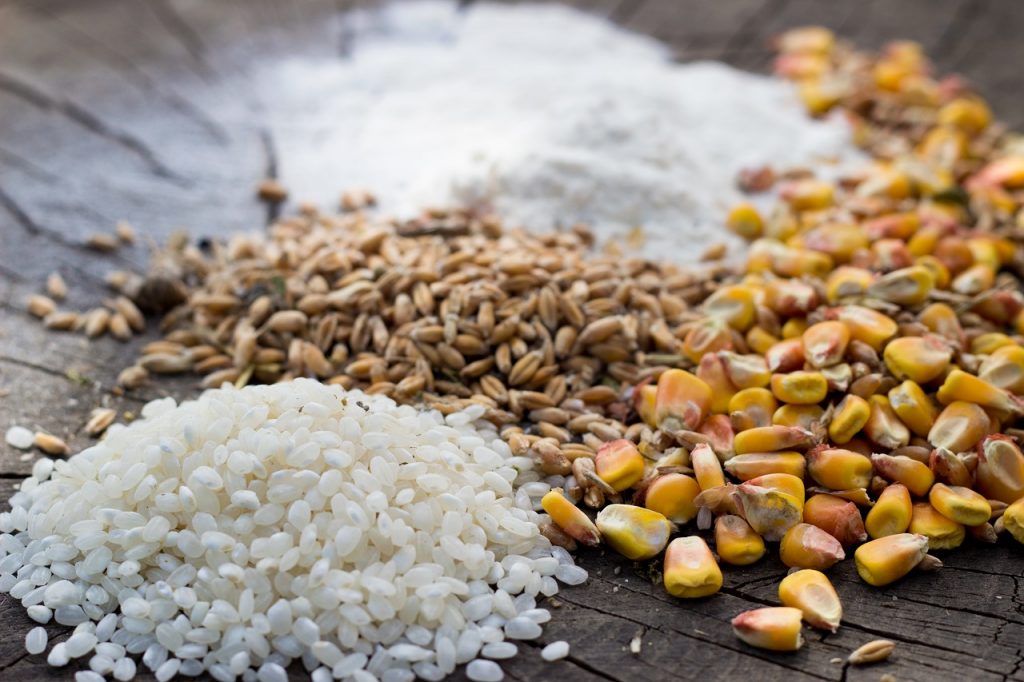
Have you ever thought about skipping rice, chapati or your favorite rotis for losing weight quickly? Ever skipped all grains which includes wheat and its products, corn, rice, jowar, ragi, and bajra? That is called going grain-free. It is when you eliminate all grains from your diet.

If you have followed a specific diet like Keto or Paleo, you know that they involve skipping grains. Another reason people avoid grains is the discomfort in digesting them. The specific known culprit is Wheat! But there is hardly any reason enough that suggests grains are unhealthy or promote weight gain.

Are There Any Benefits of Going Grain-Free?

The immediate benefit of going grain-free is that you will notice some weight loss and reduction in bloating. 80% of dry matter of grains is carbohydrates. Reduced intake of excess carbohydrates helps in reducing weight quickly as it also reduces water retention. Hence, skipping grains makes you feel light. It works for short-term weight loss.

However, if you want to go for long-term weight loss, skipping grains might not be such a great idea as it may lead to nutritional deficiency. Whole grains are a major source of Vitamin B in our diet. Restricting it for a long time may lead to deficiency and cause problems. Going grain-free is not for every person. You can get the same benefits by skipping sugar and processed foods. For long term weight loss, go for grains!

What to Watch Out For!

If you are insistent on going grain-free, then plan your diet in such a way that you can cope with the vitamin loss. For instasnce, include green vegetables in your diet. You can go grain-free for a specific period but avoid going long term. Remember that eating whole grains is good for your heart and it reduces the risk of cancer as well.

If you are skipping grains due to digestive discomfort, then take the IgA anti-gliadin antibodies test to see if you have gluten sensitivity followed by endoscopy to check for celiac disease.

Gluten is a protein present in wheat and it will cause you discomfort if you have gluten sensitivity or celiac disease. If you have either of these conditions, avoid wheat, rye and barley. You can safely eat other grains.

To sum it up, you can enjoy eating rice, idli and parathas in moderation. Avoid refined cereal!

We hope this article helps you come to a conclusion on whether you should go grain-free or not! Do let us know your thoughts in the comments below!

#BeTheForce

August 12, 2019 By Anu Acharya 1 Comment

Nutrigenomics and You!

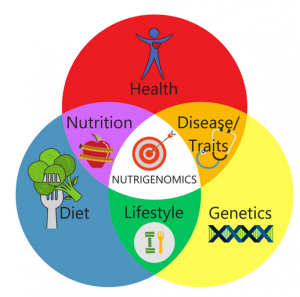
NutrigenomicsThere are many people who feel that they are not able to achieve their health goals in spite of a conscientious diet and fitness routine. Even regular health checks do not seem to help. Is there any method to identify and bridge the gap? Nutrigenomics is the science that looks at the interaction between our diet and lifestyle habits and how they affect our DNA in terms of regulating genes responsible for metabolism, development, and overall wellness.

Why is it Important to Understand Nutrigenomics?

  • Common dietary elements can act on our DNA, either directly or indirectly, to alter gene expression or structure. For example, dietary fat/carbohydrate intake affects genetic activity, metabolism rates, adiposity and thereby, a likelihood of weight gain (obesity).
  • Sometimes, for some of us, diet can be a serious risk factor for many diseases. For example, carriers of MTHFR gene variants may have lower enzyme activity and hence a higher risk for developing folate deficiency. In such instances, a reduced intake of Vitamin B6-containing foods may trigger clinical manifestation — screening can help implement dietary changes to manage health better.
  • The impact of diet on the balance between healthy and diseased states depends on our DNA. For example, variation in the SOD2 gene can alter the the antioxidant activity and increase the risk for excessive oxidative damage. Individuals who carry such variants need to ensure richer portions of antioxidants in their diet. Exercise routines can be planned with adequate rest between heavy workouts for repair/recovery.
  • Some diet-regulated genes (and their common variants) can affect the onset, incidence, progression, and/or severity of chronic diseases.
  • Chronic diseases can be prevented, mitigated, or addressed through dietary intervention based on the knowledge of nutritional requirement, nutritional status, and genotype. For example, certain gene variants can increase the likelihood of developing gluten intolerance. Genetic screening can help identify such risk factors for dietary intervention if required. This can have a positive impact on health, overall wellness, as well as athletic performance.

What Can You Learn From Nutrigenomics?

  • Your power to absorb vital nutrients required for a healthy body and mind
  • The impact of nutrients on various organs and pathways
  • Nutritional factors that can protect your genome from damage
  • Impact of genes on your lifestyle, diet, fitness, habits, etc.

When Is The Best Time To Get A Test?

The answer is NOW! Nutrigenomics are once-in-a-lifetime tests that are noninvasive. From newborns to nonagenarians, anyone can take this test. Whether you are starting your wellness journey or a veteran health and fitness expert, these tests can help you get to know yourself better.

How Can You Use It To Improve Quality Of Life?

Nutrigenomics can be the game-changer that empowers you on your wellness journey or enables you to achieve your fitness goals. Here’s how it works:

  1. Genetic tests are available online — you order one and receive the sample collection kit, along with a health history questionnaire.
  2. Once you send the sample, your DNA is extracted and analyzed for several key markers associated with diet, fitness, well-being, disease risk, and more.
  3. The genetic counselor correlates genetic findings with health history to offer personalized nutrition, fitness, and wellness advice.
  4. Your nutritionists and personal trainers can also be part of the genetic counseling session in order to design diet plans and fitness routines that work for you.

Sharing her views on the importance of Nutrigenomics, Pooja Ramachandran, India’s pioneering genetic counselor says, “The need for personalizing nutrition was seen soon after the conclusion of the Human Genome Project and the ensuing impact of personalized medicine. Nutrigenomics is poised to be a powerful tool for nutritionists, dietitians, doctors as well as any healthcare professional in using nutrition therapy for the treatment of disease. More importantly, Nutrigenomics may facilitate the prevention of diet-related diseases, and help design individualized nutritional strategies based on anticipated adverse or beneficial impacts of specific food or nutrients for a particular individual.”

  • « Previous Page
  • 1
  • …
  • 101
  • 102
  • 103
  • 104
  • 105
  • …
  • 139
  • Next Page »

Search

Recent Posts

  • Foods to Manage Blood Sugar Naturally: A Complete Guide to Better Blood Sugar Control
  • The Lazy Person’s Guide to Staying Healthy: 5 Micro-Habits That Take Less Than 2 Minutes
  • Healthy Eating: Comforting Chilli Bean Soup Recipe for the Monsoon
  • The Truth About the ‘Beer Belly’: What Alcohol Really Does to Your Metabolism
  • Benefits of Meditation: How One Daily Habit Can Transform Your Mental Wellbeing

Stay Updated

Archives

  • August 2026 (7)
  • July 2026 (25)
  • June 2026 (22)
  • May 2026 (20)
  • April 2026 (24)
  • March 2026 (18)
  • February 2026 (14)
  • January 2026 (14)
  • December 2025 (19)
  • November 2025 (15)
  • October 2025 (20)
  • September 2025 (6)
  • August 2025 (6)
  • July 2025 (9)
  • June 2025 (18)
  • May 2025 (16)
  • April 2025 (22)
  • March 2025 (26)
  • February 2025 (21)
  • January 2025 (25)
  • December 2024 (22)
  • November 2024 (22)
  • October 2024 (20)
  • September 2024 (22)
  • August 2024 (28)
  • July 2024 (15)
  • June 2024 (23)
  • May 2024 (26)
  • April 2024 (27)
  • March 2024 (27)
  • February 2024 (23)
  • January 2024 (21)
  • December 2023 (14)
  • November 2023 (10)
  • October 2023 (19)
  • September 2023 (21)
  • August 2023 (16)
  • July 2023 (16)
  • June 2023 (21)
  • May 2023 (20)
  • April 2023 (19)
  • March 2023 (23)
  • February 2023 (19)
  • January 2023 (15)
  • December 2022 (11)
  • November 2022 (15)
  • October 2022 (15)
  • September 2022 (12)
  • August 2022 (9)
  • July 2022 (17)
  • June 2022 (11)
  • May 2022 (10)
  • April 2022 (6)
  • March 2022 (6)
  • February 2022 (13)
  • January 2022 (11)
  • December 2021 (7)
  • November 2021 (3)
  • October 2021 (6)
  • September 2021 (3)
  • August 2021 (8)
  • July 2021 (7)
  • June 2021 (15)
  • May 2021 (16)
  • April 2021 (10)
  • March 2021 (7)
  • February 2021 (4)
  • January 2021 (4)
  • December 2020 (3)
  • November 2020 (4)
  • October 2020 (10)
  • September 2020 (3)
  • August 2020 (3)
  • July 2020 (2)
  • June 2020 (4)
  • May 2020 (10)
  • April 2020 (12)
  • March 2020 (10)
  • February 2020 (4)
  • January 2020 (4)
  • December 2019 (3)
  • November 2019 (7)
  • October 2019 (5)
  • September 2019 (4)
  • August 2019 (9)
  • July 2019 (9)
  • June 2019 (11)
  • May 2019 (4)
  • April 2019 (8)
  • March 2019 (8)
  • February 2019 (9)
  • January 2019 (8)
  • December 2018 (9)
  • November 2018 (3)
  • October 2018 (3)
  • September 2018 (5)
  • August 2018 (10)
  • July 2018 (6)
  • June 2018 (13)
  • May 2018 (8)
  • April 2018 (18)
  • March 2018 (9)
  • February 2018 (8)
  • January 2018 (15)
  • December 2017 (12)
  • November 2017 (19)
  • October 2017 (13)
  • September 2017 (15)
  • August 2017 (4)
  • July 2017 (8)
  • June 2017 (7)
  • May 2017 (6)
  • April 2017 (8)
  • March 2017 (6)
  • February 2017 (7)
  • January 2017 (9)
  • December 2016 (10)
  • November 2016 (7)
  • October 2016 (7)
  • September 2016 (7)
  • August 2016 (11)
  • July 2016 (9)
  • June 2016 (9)
  • May 2016 (12)
  • April 2016 (17)
  • March 2016 (17)
  • February 2016 (8)
  • January 2016 (6)
  • December 2015 (2)
  • November 2015 (9)
  • October 2015 (7)
  • September 2015 (9)
  • August 2015 (11)
  • July 2015 (9)
  • June 2015 (11)
  • May 2015 (9)
  • April 2015 (13)
  • March 2015 (8)
  • February 2015 (5)
  • January 2015 (12)
  • December 2014 (14)
  • November 2014 (11)
  • October 2014 (6)
  • September 2014 (13)
  • August 2014 (12)
  • July 2014 (6)
  • June 2014 (2)
  • May 2014 (7)
  • April 2014 (4)

From Burnout to Balance: How Dr. Ranjit Reclaimed His Health

Dr Ranjit Bhatt has spent years tending to others. A practising doctor in Odisha, his days were packed with patients, surgeries, and emergencies. From the outside, it looked like a life lived in service. But on the inside, something wasn’t right. “I had no … [Read More...]

From Shimla’s Slopes to Chandigarh’s Sidewalks: Surinder Kaur Bhalla’s Journey from Chaos to Control

Some journeys start with a plan. Others begin with a stumble literally. Surinder Bhalla, a government professional, born and raised in the scenic hill town of Shimla, had always lived a life of movement. “In Shimla, you walked everywhere,” she reflects. “Walking was never an exercise. It was just life.” But after shifting to Chandigarh, […]

“I’ve Challenged Myself to Live 100 Years” – The Story of Chandubhai Savani’s Second Chance at Life

At 67, most people start slowing down. Not Chandubhai Savani. A resident of Surat, Chandubhai, thought life was on track. “My life was going well till I had my bypass surgery,” he says. That surgery, back in 2021, was a wake-up call.  Medication was routine, but exercise wasn’t. His diet? What he calls ‘normal.’ “I […]

Ananda Mukherjee Health Story

From Terminal Illness To Complete Wellness! Ananda Mukherjee Health Story

As we observe World Cancer Day under the powerful theme ‘United by Unique’ (2025-2027)**, we are reminded that every individual’s journey with cancer is distinct, yet united by shared resilience, hope, and the collective fight against this disease. This theme places people at the centre of care and their stories at the heart of the […]

  • HOME
  • HEALTHY LIVING
  • FITNESS
  • HEALTHY RECIPES
  • USER STORIES
  • KARMA
  • BUY GOQii

Copyright ©2016 GOQii