GOQii

Blog

  • HOME
  • HEALTHY LIVING
  • FITNESS
  • HEALTHY RECIPES
  • USER STORIES
  • KARMA
  • BUY GOQii

Search Results for: diabetes

December 13, 2018 By Dr Darshana Salve 8 Comments

Nail matters!

How-to-Whiten-Legs-Fast-2

1

Every second person is eagerly waiting for rains so that we get relief from this scorching heat. But, as we welcome monsoon, it brings along with it hub of infections too. Monsoons play a perfect breeding ground for all vector- borne, viruses, fungus and parasites.

Humidity in air and excessive sweating tends to favor fungus to grow and multiply at a rapid rate. Fungus needs moisture and warmth, and monsoon provides it a conducive atmosphere to thrive and multiply.

Types of fungal infection:

  1. Tinea Cruris / Ringworm
  2. Candidiasis
  3. Fungal Infection of Nails (Onychomycosis)
  4. Tinea Alba (Pityriasis Alba)
  5. Tinea Versicolor (Pityriasis Versicolor)
  6. Pityriiasis Rosea

Out of the above list, fungal infection of nails aka Onychomycosisis the most neglected one.

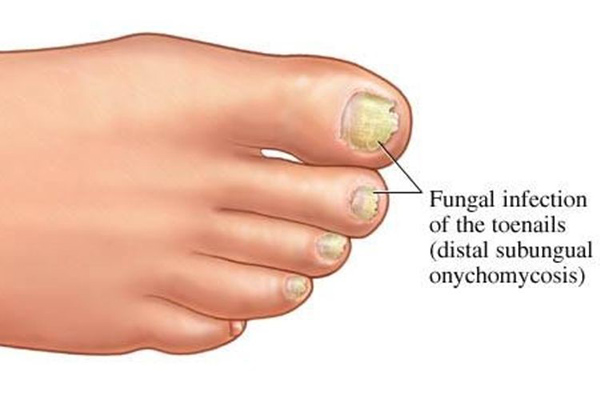
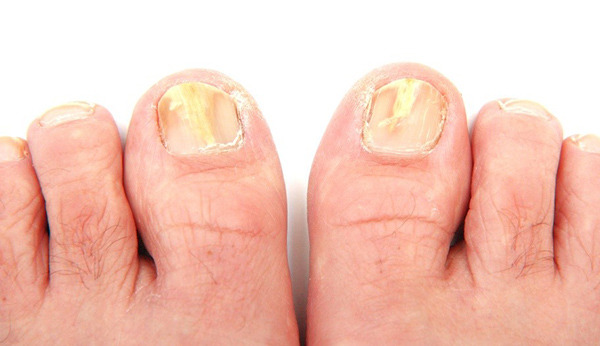
Onychomycosis is a fungal infection of the nails that causes discoloration, thickening, and separation from the nail bed with/without foul smell. Onychomycosis occurs in 10% of the general population, 20% of persons older than 60 years. It is caused by a variety of organisms, but most cases are caused by dermatophytes. The risk of onychomycosis is 1.9 to 2.8 times higher in persons with diabetes compared with the general population. Onychomycosis affects toenails more often than fingernails because of their slower growth, reduced blood supply, and frequent confinement in dark, moist environments (eg- shoes).
2

Treatment:

  • Antifungals medicines are widely used for the treatment of onychomycosis. Treatment of Onychomycosis is widely believed to be only a cosmetic problem, but it can be uncomfortable and can lead to cellulitis (bacterial infection involving the inner layers of the skin) in older adults and foot ulcers in patients with diabetes. Eradication of the infection is a key to improving appearance and avoiding these complications, but it is not easily accomplished because nails are made of keratin, which is nonvascular and impermeable to many agents. Because of poor drug delivery to nails, results of treatment may not be apparent for a year.
  • Tea tree oil is a natural disinfectant, possessing fungicidal and anti-bacterial properties that make it popular in treating toenail fungus. 1 teaspoon of tea tree oil + 1/2 teaspoon of olive oil. Apply this mixture with the help of the cotton ball to the affected nail 2 times daily or add 4-5 drops of tea tree oil in enough water to soak your feet for 15-20 minutes.
  • Rub Coconut oil onto the area and let it absorb and dry naturally.  Repeat 2-3 times daily. Wear gloves or wash your hands between applications (if you have more than one affected nail.
  • Topical Mentholated ointment (Vicks Vaporub) is also used to treat onychomycosis. Apply it regularly to the affected nail at night.
3

But all said and done, Prevention is better than cure!

The best way to avoid fungal infections is to maintain a high level of hygiene.

  1. Always keep your fingernails and toenails trimmed. Cut them straight and file down the thickened areas. Also make sure that they are dry and clean. After having bath, dry the toenails and even the area between the toes.
  2. Avoid putting your hands or feet in water constantly.
  3. Watch out for your manicures and pedicures. If the manicure or pedicure is done in a wrong way or with using contaminated instruments then you are at risk for developing onychomycosis.
  4. Too much nail polish and or wearing artificial nails tends to trap moisture, which will allow the fungi to thrive.
  5. Do not tear the skin around the nails or trim it. The slightest injury or cut allows the fungi to enter the nail.
  6. Wear clean dry cotton socks, which will absorb the moisture and keep your feet dry. It is a good habit to remove your shoes occasionally especially after exercising.

7) Always wash your legs with soap and water after coming from out especially during the rainy season where we tend to step into dirty puddles.

Happy Feet = Happy Monsoon…..Enjoy!
November 13, 2018 By Samar Hafeez 9 Comments

Link between Vitamin D Deficiency & Depression

Vitamin-D- deficiency

Depression has been called the world’s number one public health problem. The American psychological association states that it is the most commonly occurring mental disorder. In India statistics show a shocking rise in the number of depression cases every single year and it affects almost every age group irrespective of gender.

Most of us know depression is a heterogeneous illness and has many different triggers. Let’s try to identify if VITAMIN D deficiency is one among them.

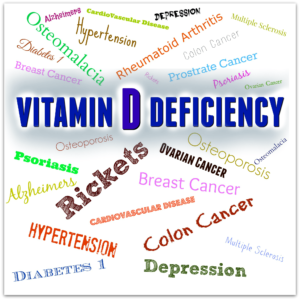
Vitamin D also was known as the “Sunshine” vitamin is a steroid hormone precursor. It was originally thought to play a role in mineralization of bones for keeping them strong and healthy, but over time research has linked low levels of Vitamin D levels to obesity, heart disease, diabetes, cancer, anxiety and DEPRESSION!

Limited sun exposure, darker skin tone, higher altitudes, poor diet, liver and kidney diseases, age etc., are few risk factors for Vitamin D deficiency.

Diagnosis:  The most accurate way to measure how much Vitamin D is in your body is the 25- hydroxylated blood test (25(OH)D). In my practice, I have observed not many have enough or optimal Vitamin D levels which should be over 35 ng/ml

I personally feel that it’s the most underrated and undervalued vitamin of all

Symptomology:  If you have a Vit D deficiency you may experience following physical symptoms

  • Aching bones, joint pains
  • Poor muscle endurance
  • Muscle cramps and weakness
  • Fatigue and generalized weakness
  • DIFFICULTY LOSING WEIGHT
  • Low immunity
  • Decreased stamina and endurance

You may also experience symptoms of Depression that include:

  • Overwhelming sadness, hopelessness, feeling empty
  • Diminished interest or pleasure in activities
  • Loss of appetite
  • Significant weight loss(when not on diet) or weight gain
  • Insomnia or Hypersomnia(excessive sleep) nearly every day
  • Lethargy
  • Problems concentrating
  • Headaches, back and neck pains
  • Psychomotor agitation/retardation(restlessness or sluggishness)
  • Recurrent suicidal ideations.

A link between Vitamin D deficiency and Depression

Many research studies have concluded that Vitamin D receptors have been found in the areas of brain that are linked to the onset of depression, It has also been found that Vitamin D affects the number of chemicals called Monoamines such as serotonin, dopamine (also known as ‘happy hormones’) and how they work in brain. Many anti-depressants medications work by increasing the number of monoamines in the brain.

A review of an international research shows Over 31,000 people participated in 13 studies that efficiently studied this area and the results showed a significant relationship between low levels of Vitamin D and depression.

According to a study in the Netherlands involving 1,702 people found that significant low levels of Vitamin D cause the developing of depressive symptoms in individuals. A 2 year follow up suggested that Vitamin D could be a cost-effective part of prevention and treatment interventions for depression.

One type of depression that appears to be even more strongly associated with Vitamin D is Seasonal Affective Disorder (SAD), a mood disorder characterized by depressive symptoms during times of year when there is relatively less sunshine. It occurs majorly during winter seasons. Symptoms of SAD coincide with a reduction in Vitamin D which in turn effects serotonin levels in the brain, thereby causing depressive symptoms.

Food sources of Vitamin D:

  • Fatty fish like tuna, mackerel, salmon, sardines and herring
  • Cod liver oil contains 450 IU of Vitamin D per teaspoon(5ml)
  • Oysters, shrimp
  • Egg yolks
  • Mushrooms: Like humans, mushrooms synthesize D when exposed to UV light
  • Vitamin D fortified cereals, milk, orange juice or soy milk.

Other helpful options are to get enough sun (at the least for around 15 mints daily) around midday which can be between 11 am to 1 pm. At this time sunlight is at its highest point and your body may manufacture it more efficiently in less time.

Also, get Vitamin D supplements if your D levels are at extremely low levels, recommended daily allowance (RDA) would be of 600 IU daily, plus a 60,000 IU Vitamin D sachet in milk/curd once every month for 4-6 months(see your physician for more information)

Of course, Vitamin D supplementation is only a part of a comprehensive treatment plan. A plan whether based on pharmaceuticals or natural methods should include psychotherapy. However, low levels of Vitamin D can impair and prolong recovery from depression. Hence, it’s always best to treat a problem holistically!

NOTE:

  • Healing properties of natural sunlight cannot penetrate glass, you cannot sit inside your home or car and reap its benefits
  • If you have darker skin, you will need about 25 times more exposure than a light-skinned individual to produce the same amount of D
  • You are looking at months of sunlight/supplements before levels return to normal
  • Kidneys and liver activates Vitamin D, having a kidney disease or damaged liver will hinder the activation of Vitamin D
  • SUNSCREENS- From strongest to weakest prohibit the body from making vitamin D by 95%. Your body needs sunlight without sunscreens to produce vitamin D. Even SPF 8 creams can prevent the production of vitamin D

September 15, 2018 By Neha Morche Leave a Comment

The Biological clock- Is it ticking?

18wzhzqjnqvpyjpg

You must have heard many say ‘biological clock is ticking’. Did you ever know what is the phenomenon behind biological clock is? Biological clock is nothing but an internal mechanism which controls the rhythm of the activities and rest within 24 hours.

Why do we sleep, eat, and wake up, clear bowels at the same time daily? We call it a routine. Basically, it is a Biological clock that has been set to our body over the years. That’s how our body reacts or starts giving us signal at a specific time. A “master clock” in the brain coordinates all the body clocks so that they are in synch. It is nothing but a group of   nerve cells in the brain located in the hypothalamus.

Two internal systems interact to regulate when we sleep and when we are awake. These systems monitor our need for sleep based on how long we have been awake that’s how it counterbalances with each other. However, because they operate independently, they can become misaligned by external factors as light and temperature, suggesting that they are somehow caused by the external changes. Disruption to daily rhythms usually has a negative effect in the short term.

Studies have also shown that light has a direct effect on human health because of the way it influences the circadian rhythms. Research has been finding that the body’s clock is responsible for more than just sleep and wakefulness. Other systems, like hunger, mental alertness, and mood, stress, heart function, and immunity also operate on a daily rhythm.

Why the biological clock becomes disrupted in certain people, or naturally with age, is not completely clear. There are many reasons for our body clocks to go out of sync, which probably involves a combination of genetic predisposition and lifestyle choices, such as alcohol consumption.

Environmental disruptions to the body’s clock

Jet Lag

‘Living out of your suitcase’ is a phrase we often use for people who travel a lot.  Constant travelling outside of the country is a prime example of how we can disrupt our own body clock. When jet lag sets in, we feel disoriented, foggy, and sleepy at the wrong times of the day because, after changing time zones, our body clock tells us it’s one time and the outside environment tells us it’s another. In fact, jet lag can be considered one type of circadian rhythm disorder. It can be treated simply by allowing the body to adjust to the new time, although it may take several days for external cues (light) to help the internal clock catch up or fall back with its new cycle.

Working in Shifts

Working in shifts is another example of how we can get ourselves off-routine, and this too can develop into a circadian rhythm disorder over the long term. People who work the night shift not only have a hard time with their sleep patterns (feeling sleepy at work or experiencing insomnia during the day), but other systems in their bodies can also feel the effects and they can be chronic. It’s not clear exactly why this connection exists, but weight gain or metabolic changes may be involved.

Biological and genetic disruptions and their implications on health

The Rhythm of the Heart

The heart is one organ that, although it can keep time by itself to some degree, it relies a lot on the brain’s biological clock for cues. For years doctors and researchers have noticed that heart problems like fatal arrhythmias are more likely to occur at certain times of the day. It can occur wither in the early morning and to a lesser degree or in the evening hours. Taking blood pressure medication in the evening seems to improve its effectiveness because it works with the body’s circadian rhythms.

Immunity and Vaccinations

Most of us have experienced being more susceptible to getting sick when sleep-deprived. The reason for this appears to be that certain chemicals responsible for immune function, like cytokines, wax and wane throughout the day and sleep deprivation deprives us of their best effects. Body rhythms don’t just enhance vaccine’s ability to provide immunity; they can affect the body’s ability to battle infection on its own.

Rhythm and Moods

Our internal clocks controls whether we feel up or down emotionally. People with mood disorders like depression, bipolar disorder, and seasonal affective disorder (SAD) have altered circadian rhythms. In fact, sleep disturbances, both sleeping too much and too little, are one of the key symptoms of depression and other mood disorders.

The relationship between body rhythms and mood is an intricate one, and it has to do with how the brain chemical serotonin fluctuates in relation to the light-dark cycle and throughout the year as the days become longer and shorter.

The circadian rhythm-mental health connection has also been linked to disease states like Alzheimer’s, Parkinson’s, and Huntington’s, and even autism spectrum disorder. Researchers are finding that disrupted daily rhythms can be good predictors for the development of mild cognitive impairment that comes with age, and even for dementia.

Keeping Time

Paying attention to the body’s natural rhythms is probably more important to our health than we realize. It’s not just sleep deprivation that affects our well-being, but it’s also the alteration of our biological rhythms that can interfere with so many body functions, making us more prone to health problems like infection, mood problems, and even heart disease. But keeping your schedule on track as much as possible is probably the best advice.

Avoid disruptions to your eat-sleep cycles. Practice good sleep hygiene, and stick to a sleep schedule that works well for your body to keep the system in its natural rhythm. Turning in a little earlier, cutting back on caffeine late in the day, and saving that last bit of work for the morning rather than staying late up to finish it, can make a big difference in how your internal clock functions and in how you feel.

Our clocks influence alertness, hunger, metabolism, fertility, mood and other physiological conditions. For this reason, clock dysfunction is associated with various disorders, including insomnia, diabetes and depression. There’s only so much we can do until our body and its clock are in equilibrium again.

So, watch your clock and maintain the rhythm!!


July 3, 2018 By Urvashi Malhotra - GOQii Coach 1 Comment

Role of social media / internet on our kid’s lifestyle and habits

social-media

Recently a girl came to me for consultation, asking specifically for a weight reduction diet. You will be surprised to know that the girl is just about 15 years old and yet to appear for her 10th-grade examination and can easily pass off as being on the heavier side (obese). While I was talking to her, she casually happened to mention that she has a habit of “munching snacks late at night while surfing the internet”. My observation says that this has become a common trend in today’s times.

Social media is now used for a host of different reasons and gone beyond just social interaction. It’s extended to information and even to seek entertainment. A life without internet seems next to impossible and unimaginable, but an excess of anything is bad and that is quite visible in the society in the recent times.

Social networking sites like Facebook, Instagram, Twitter are increasingly becoming popular among adolescents. Numerous studies have shown that Internet addiction has an adverse effect on several lifestyle-related factors in adolescents. Some important ill effects of the same are:-

  • Irregular dietary habits
  • Physical inactivity
  • Increased use of alcohol and tobacco
  • Adverse impact on the growth and development
  • Indirect negative effects through sleep deprivation
  • Obesity

Studies have shown that people are more likely to have meals while sitting at the computer than at the dining table. Majority of people are multitasking by working on different things at the same time such as eating food while surfing on internet, chatting with friends (Facebook) and writing emails etc. This multitasking is making us less efficient and productive.

Children are socializing through media channels and direct communication has now become limited. I know of a boy who is a champion in some of the online games while he simply hates to play anything in its physical form. He can almost be termed as a “couch potato” at the age of 8, which is very harmful for his overall development. Today, there is an increase in Child, Teenage and adult obesity than ever before. Excess weight issues or Obesity increases the risk of many other chronic diseases such as diabetes and cardiovascular diseases.

Research indicates that the light from the screens of TV/computer affects melatonin production, a key hormone in the body’s clock, or circadian system. This causes sleep deprivation as it interrupts deep, restorative sleep eventually causing an increase in stress and depressive symptoms. Thus, teaching adolescents to develop healthy eating habits is of critical importance.

Parents should act as a role model for their children by adopting a healthy lifestyle themselves. Providing nutritious meals and snacks, daily physical activity, and nutrition education can prevent many a life style disorders. Also meal time should be the family time as it provides children great opportunity to learn about healthy foods, balanced meals, and table manners and offers good time to spend with family. Parents should be vigilant on the use of internet by their children. To avoid the conflicts clear guidelines should be set regarding the time of the day your child is allowed to be online and for how long.

  • « Previous Page
  • 1
  • …
  • 70
  • 71
  • 72
  • 73
  • 74
  • …
  • 91
  • Next Page »

Search

Recent Posts

  • World Mental Health Day: Simple Daily Habits to Protect Your Peace of Mind
  • World Egg Day 2026: The Protein That Powers and Protects
  • When Not Eating Becomes a Disease: Understanding Anorexia Nervosa
  • 5 Common Habits That Cause Obesity (And How to Break Them)
  • 9 Hidden Benefits of Coffee You May Not Know

Stay Updated

Archives

  • October 2026 (5)
  • September 2026 (5)
  • August 2026 (8)
  • July 2026 (25)
  • June 2026 (22)
  • May 2026 (20)
  • April 2026 (24)
  • March 2026 (18)
  • February 2026 (14)
  • January 2026 (14)
  • December 2025 (19)
  • November 2025 (15)
  • October 2025 (20)
  • September 2025 (6)
  • August 2025 (5)
  • July 2025 (9)
  • June 2025 (18)
  • May 2025 (16)
  • April 2025 (22)
  • March 2025 (25)
  • February 2025 (21)
  • January 2025 (25)
  • December 2024 (22)
  • November 2024 (22)
  • October 2024 (16)
  • September 2024 (22)
  • August 2024 (27)
  • July 2024 (15)
  • June 2024 (23)
  • May 2024 (26)
  • April 2024 (27)
  • March 2024 (27)
  • February 2024 (23)
  • January 2024 (21)
  • December 2023 (14)
  • November 2023 (10)
  • October 2023 (18)
  • September 2023 (20)
  • August 2023 (16)
  • July 2023 (16)
  • June 2023 (21)
  • May 2023 (20)
  • April 2023 (19)
  • March 2023 (23)
  • February 2023 (19)
  • January 2023 (15)
  • December 2022 (11)
  • November 2022 (15)
  • October 2022 (15)
  • September 2022 (12)
  • August 2022 (9)
  • July 2022 (17)
  • June 2022 (11)
  • May 2022 (10)
  • April 2022 (6)
  • March 2022 (6)
  • February 2022 (13)
  • January 2022 (11)
  • December 2021 (7)
  • November 2021 (3)
  • October 2021 (6)
  • September 2021 (3)
  • August 2021 (8)
  • July 2021 (7)
  • June 2021 (15)
  • May 2021 (16)
  • April 2021 (10)
  • March 2021 (7)
  • February 2021 (4)
  • January 2021 (4)
  • December 2020 (3)
  • November 2020 (4)
  • October 2020 (10)
  • September 2020 (3)
  • August 2020 (3)
  • July 2020 (2)
  • June 2020 (4)
  • May 2020 (10)
  • April 2020 (12)
  • March 2020 (10)
  • February 2020 (4)
  • January 2020 (4)
  • December 2019 (3)
  • November 2019 (7)
  • October 2019 (5)
  • September 2019 (4)
  • August 2019 (9)
  • July 2019 (9)
  • June 2019 (11)
  • May 2019 (4)
  • April 2019 (8)
  • March 2019 (8)
  • February 2019 (9)
  • January 2019 (8)
  • December 2018 (9)
  • November 2018 (3)
  • October 2018 (3)
  • September 2018 (5)
  • August 2018 (10)
  • July 2018 (6)
  • June 2018 (13)
  • May 2018 (8)
  • April 2018 (17)
  • March 2018 (9)
  • February 2018 (8)
  • January 2018 (15)
  • December 2017 (12)
  • November 2017 (19)
  • October 2017 (13)
  • September 2017 (15)
  • August 2017 (4)
  • July 2017 (8)
  • June 2017 (7)
  • May 2017 (6)
  • April 2017 (8)
  • March 2017 (6)
  • February 2017 (7)
  • January 2017 (9)
  • December 2016 (10)
  • November 2016 (7)
  • October 2016 (7)
  • September 2016 (7)
  • August 2016 (11)
  • July 2016 (9)
  • June 2016 (9)
  • May 2016 (12)
  • April 2016 (17)
  • March 2016 (17)
  • February 2016 (8)
  • January 2016 (6)
  • December 2015 (2)
  • November 2015 (9)
  • October 2015 (7)
  • September 2015 (9)
  • August 2015 (11)
  • July 2015 (9)
  • June 2015 (11)
  • May 2015 (9)
  • April 2015 (13)
  • March 2015 (8)
  • February 2015 (5)
  • January 2015 (12)
  • December 2014 (14)
  • November 2014 (11)
  • October 2014 (6)
  • September 2014 (13)
  • August 2014 (12)
  • July 2014 (6)
  • June 2014 (2)
  • May 2014 (7)
  • April 2014 (4)

From Burnout to Balance: How Dr. Ranjit Reclaimed His Health

Dr Ranjit Bhatt has spent years tending to others. A practising doctor in Odisha, his days were packed with patients, surgeries, and emergencies. From the outside, it looked like a life lived in service. But on the inside, something wasn’t right. “I had no … [Read More...]

From Shimla’s Slopes to Chandigarh’s Sidewalks: Surinder Kaur Bhalla’s Journey from Chaos to Control

Some journeys start with a plan. Others begin with a stumble literally. Surinder Bhalla, a government professional, born and raised in the scenic hill town of Shimla, had always lived a life of movement. “In Shimla, you walked everywhere,” she reflects. “Walking was never an exercise. It was just life.” But after shifting to Chandigarh, […]

“I’ve Challenged Myself to Live 100 Years” – The Story of Chandubhai Savani’s Second Chance at Life

At 67, most people start slowing down. Not Chandubhai Savani. A resident of Surat, Chandubhai, thought life was on track. “My life was going well till I had my bypass surgery,” he says. That surgery, back in 2021, was a wake-up call.  Medication was routine, but exercise wasn’t. His diet? What he calls ‘normal.’ “I […]

Ananda Mukherjee Health Story

From Terminal Illness To Complete Wellness! Ananda Mukherjee Health Story

As we observe World Cancer Day under the powerful theme ‘United by Unique’ (2025-2027)**, we are reminded that every individual’s journey with cancer is distinct, yet united by shared resilience, hope, and the collective fight against this disease. This theme places people at the centre of care and their stories at the heart of the […]

  • HOME
  • HEALTHY LIVING
  • FITNESS
  • HEALTHY RECIPES
  • USER STORIES
  • KARMA
  • BUY GOQii

Copyright ©2016 GOQii