GOQii

Blog

  • HOME
  • HEALTHY LIVING
  • FITNESS
  • HEALTHY RECIPES
  • USER STORIES
  • KARMA
  • BUY GOQii

Search Results for: carb

June 26, 2022 By GOQii Leave a Comment

Rice and Pasta Substitutes For A Healthier You!

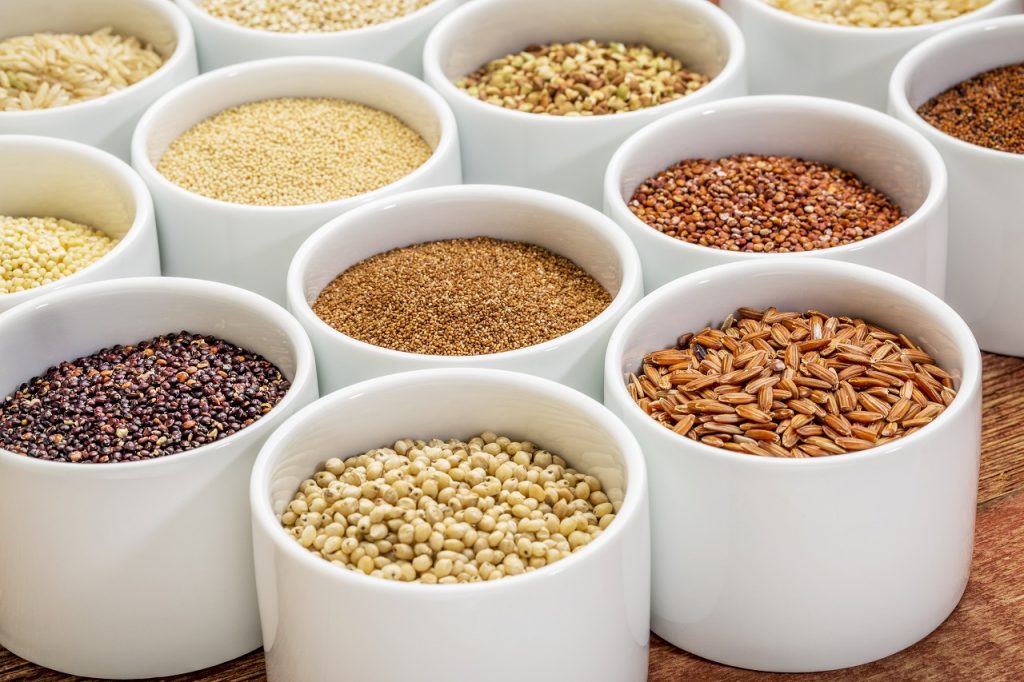
rice and pasta substitutesRice and pasta play a big role in building our body weight. They are known to cause a sudden increase in our blood sugar levels, which may trigger insulin resistance in the future leading to diabetes. To help you out, we’re suggesting some rice and pasta substitutes. These substitutes can help us get healthier and provide added nutrients which is the need of the hour given the current pandemic situation where immunity and maintaining good health is everything! 

8 Rice and Pasta Substitutes 

  1. Quinoa: It is gluten free and a good source of protein. It contains nine amino acids, is high in fibre, magnesium, B vitamins, iron, potassium, vitamin E and various beneficial antioxidants. There are three main types of quinoa – red, black and white. You can opt for either one and they are readily available. You can pick up Quinoa from the GOQii Health Store for a discount using your GOQii Cash as well! 
  2. Riced Broccoli: It is a good alternative for people on a low carb diet. It has the same nutrient content as riced cauliflower. It is a good carb, high in fiber – which means it aids digestion, prevents constipation and helps maintain blood sugar levels. It is also an excellent source of vitamin C. It is a powerful antioxidant that helps prevent cellular damage and boosts the immune system. 
  3. Bulgur Wheat: This is another healthy substitute for rice. It is similar in size, but whereas pasta is made from wheat flour, Bulgur wheat are small pieces of whole wheat grains. This is used in tabbouleh, which is a Mediterranean salad with tomatoes, cucumbers and fresh herbs. With the amount of vegetable-based alternatives on the list, bulgur wheat is the lowest in calories. It contains 76 calories in ½ cup i.e. 91g, about 25% fewer calories than an equal serving of white rice. It is great for people who are trying to cut calories.
  4. Barley: It is a grain that is related to wheat and rye. It looks the same as oats and has a chewy texture. It is rich in many nutrients. It reduces hunger and helps you to lose weight. It improves digestion. With about one calorie a half cup – 81g serving as cooked barley gives you the same number of calories as of white rice. Yet, it contains more protein and fibre. It prevents gallstones and reduces your risk of Gallbladder surgery. It may help lower cholesterol and reduce the risk of heart disease. 
  5. Whole wheat couscous: It is a type of pasta that is used in Mediterranean and eastern cuisines which is made with small portions of flour. Whole wheat couscous is better than regular varieties, as it is high in fibre and proteins. It is good for weight loss and heart health. It is also good for strong bones and teeth. It improves our memory and our gut health. It lets you have a good night’s sleep. One cup of couscous does not contain more than 200 calories. 
  6. Bajra: Also called Pearl Millet, this grain is rich in magnesium, which helps keep the heart healthy. It has potassium, which dilates blood vessels, allowing blood to flow more easily. This helps reduce overall blood pressure. Bajra also has fiber that helps reduce LDL, or bad cholesterol. It has a nutty flavor, is high in fiber and is an excellent source of iron, protein, folic acid that keeps ailments like anemia, constipation, obesity in check and flushes away all toxins. This is good food for diabetics. Bajra grains are gluten free and ideal for weight loss, good skin and strong bones.
  7. Shirataki Rice/Noodles: Unlike regular pasta, Shirataki Rice or noodles are made from a root vegetable native from Asia called Konjac or Konnyaku. This fibrous root is gluten free, low carb, and low calorie. It has a good amount of fiber which can help you maintain good gut health and avoid issues such as constipation. It improves general bowel functions, which reduces your risk of hemorrhoids, diverticulitis and colorectal cancer. The fiber in Shirataki noodles is soluble fiber, which acts as a probiotic promoting the growth of healthy bacteria in the colon.
  8. Riced Cauliflower: It is an excellent low carb substitute for rice. It has a mild flavour and texture and looks a lot like cooked rice. Half cup of rice is equal to 57g serving of riced cauliflower, and has only 13 calories, compared to the calories of the same amount of rice. The fibre in cauliflower rice helps feed the healthy bacteria in your gut, reducing inflammation and promoting digestive health. Studies link fibre rich veggies like cauliflower to lower risk of illnesses such as diabetes, cancer and heart disease. 

These Rice and Pasta substitutes like Riced cauliflower, Bajra Roti, Couscous, etc. can add variety to your diet and have fewer calories. Quinoa is gluten free and a complete protein with nine essential amino acids. Broccoli is an excellent source of Vitamin C that can boost our immunity. Barley has protein and fibre and Bulgur wheat is the lowest in calories. 

If you’re up for experimenting with something healthy, do try these substitutes and let us know your thoughts in the comments below! For more on nutrition, check out Healthy Reads or ask a GOQii Coach by subscribing for personalized health coaching here: https://goqiiapp.page.link/bsr 

#BeTheForce 

June 15, 2022 By Palak Mittal 3 Comments

5 Wonder Herbs To Help You Battle Diabetes Naturally

battle diabetesDiabetes has been listed as an epidemic and it seems to be on the rise, worldwide. Diabetes is a disorder which alters the blood sugar levels and production of insulin that can cause various complications if left untreated. It can be treated through lifestyle modifications and exercises. We do have few spices and herbs available in nature, along with dietary changes, to help control diabetes. These remedies are not only economic to the pockets but can also help in reducing medicines. There are so many herbs (leafy part of the plant) that have proven boon to regulate blood sugar. Here, I am mentioning the most common and effective herbs to control blood sugar levels effectively.

5 Herbs To Battle Diabetes 

  1. Oregano: due to it’s high content of glycosides, flavonoids and polyphenols, oregano helps in lowering blood sugar levels. It helps in increasing the level of insulin in the body too. In dry form, oregano can be added to salads, soups or other dishes. Fresh herbs can be added to boiling water, let it steep for 5 mins, strain and drink as tea in the morning. You can also chew 5-6 oregano leaves regularly.
  2. Curry leaves: are the aromatic leaves and widely used in culinary preparations. It helps in decreasing blood sugar levels and also promotes carbohydrate metabolism. They can be chewed every day on an empty stomach or can be used while preparing food. 
  3. Giloy: is an Ayurvedic, magical plant that can not only help in controlling blood sugar levels and other symptoms of diabetes but is potent enough to alleviate many issues arising from your head to toe. Giloy also gives a boost to immunity. Powered with Antioxidants, it protects  the body from any damage caused by free radicals. To consume it, take 1 tsp of Giloy powder or ½ an inch of fresh crushed Giloy stem, mix or soak it in a cup of water overnight. Drink it on an empty stomach the next morning. You can also boil ½ inch of Giloy stem in a cup of water till it reduces in half and drink it hot, twice a day.
  4. Sadabahar: is a common plant found in India. Its flowers are the main component to help reduce blood sugar levels. Sadabahar flowers can be boiled in water for a few minutes. You can strain and drink it in the morning as tea. 3-4 leaves can be chewed daily on an empty stomach as well. 
  5. Peppermint: contains natural antioxidants which are helpful in fighting diabetes, heart disease, aging and cancer. It also adds great flavor and aroma to teas. Peppermint is available both in fresh and dried leaves or tea bags in the market but it is better to go for fresh leaves. The leaves can be added to tea for good flavor and your daily dose of antioxidants. Alternatively you can add them to salads or chew 4-5 leaves on an empty stomach. Please Note: People with GERD or people prone to acidity should avoid it as it relaxes the muscle that closes the stomach from oesophagus causing acid reflux.

We hope this article helps you battle diabetes. Before you switch to using any of these wonder herbs to battle diabetes, please ensure that you check with your doctor, nutritionist or dietitian in case of any allergies or other medical conditions. For more on Diabetes, check out Healthy Reads.

For further guidance and motivation by certified experts, join the GOQii Diabetes Care program. It’s India’s only diabetes program that is driven by Smart Science and Personal Coaching to improve Fasting Blood Sugar (FBS), Postprandial Blood Sugar (PP), reduce HbA1c levels and let you win gold! You can subscribe here: https://store.goqii.com/diabetescare.

#BeTheForce

June 7, 2022 By Palak Mittal Leave a Comment

Wonder Herbs That Can Reduce Blood Sugar

reduce blood sugarAn epidemic worldwide, Diabetes is a disorder which alters blood sugar levels and the production of insulin that can cause various complications if left untreated. Although, it can be managed through lifestyle modifications and exercises. A few spices and herbs along with dietary changes can reduce blood sugar. These remedies are not only economic but can help in reducing dependency on medicines too. 

Herbs That Can Reduce Blood Sugar

1. Fenugreek: seeds are rich in minerals, vitamins, calcium, iron and proteins. It helps in controlling sugar and releasing insulin. The seeds have a high content of dietary soluble fibre which helps in slowing down the absorption of carbs and sugar.
How to Consume:

  • You can soak 1–2 tablespoons of fenugreek seeds in a glass of water overnight. Chew the seeds and drink the water the next morning on an empty stomach.
  • Fenugreek leaves can be added in dough for chapatis or in vegetables.
  • Seeds can be dry roasted to add them in food preparations.
  • Seeds can be sprouted for salads.

2. Oregano: Due to high content of glycosides, flavonoids and polyphenols, Oregano helps reduce blood sugar levels. It helps in increasing the level of insulin in the body too.
How to Consume:

  • In dried form, oregano can be added in salads, soups, or other dishes.
  • Fresh herbs can be added in boiling water, let it steep for 5mins, strain and drink as tea in the morning.
  • You can chew 5-6 oregano leaves regularly.

3. Curry Leaves: are the aromatic leaves widely used in culinary preparations. It helps in decreasing blood sugar levels and also promotes carbohydrate metabolism.
How to Consume: Curry leaves can be chewed every day on an empty stomach or can be used in preparation of food in kitchen

4. Aloe Vera: is a magical herb that not only controls diabetes but has proven beneficial in other ailments too.
How to Consume: You can prepare Aloe Vera juice by adding 2 teaspoons of Aloe Vera gel in a glass of water and drink it twice a day.

5. Turmeric: Curcumin, an active component in turmeric, helps reduce blood sugar, improve beta cell function and fatty acid oxidation, thereby proving to be a miracle ingredient to combat the disease.
How to Consume:

  • Turmeric powder can be used in cooking food or blend in smoothies.
  • Curcumin capsules can be taken twice a day before meals.

6. Clove: in ayurveda, are used as a main ingredient to cure various ailments. This spice also helps in stabilising blood sugar levels.
How to Consume:

  • Cloves can be used in culinary dishes.
  • Coarsely grind the cloves and add them to a mug of boiling water. Let it boil for about 10 minutes. Strain the liquid and drink it warm.

7. Ginger: Gingerol is an active component present in ginger and is a common sugar control medicine in Ayurveda. It increases the secretion of insulin in the pancreas.
How to Consume: Ginger can be used to prepare ginger tea or can be chewed in raw form daily.

8. Sadabahar: is a common plant found in India. Its flowers are the main component to help reduce blood sugar levels.
How to Consume:

  • Sadabahar flowers can be boiled in water for a few minutes, strain and drink as tea in the morning.
  • 3-4 leaves can be chewed daily on an empty stomach.

9. Neem: Since time immemorial, neem is used for various ailments. Not only leaves, all parts of this plant are used in ayurveda medicines. Neem is also known to reduce blood sugar levels.
How to Consume: Boil about 10 neem leaves in a glass of water for 5 minutes till the leaves become soft and the water turns green. Strain and drink twice a day.

We hope these wonder herbs help you reduce blood sugar. But before trying any of these, do consult your doctor and do not replace your essential medication with these. 

For more information on diabetes, how to reduce blood sugar levels and other queries, check out Healthy Reads.

For further guidance and motivation by certified experts, join the GOQii Diabetes Care program. It’s India’s only diabetes program that is driven by Smart Science and Personal Coaching to improve Fasting Blood Sugar (FBS), Postprandial Blood Sugar (PP), reduce HbA1c levels and let you win gold! You can subscribe here: https://store.goqii.com/diabetescare.

#BeTheForce 

May 22, 2022 By Yogita Agarwal 3 Comments

Tired All The Time? Start With These Superfoods

superfoods

Do you feel tired all the time? Do you wish for sleep or rest more often than you should? There are a wide range of causes that trigger tiredness and these include medical issues such as a thyroid disorder, heart disease, diabetes, etc. The lifestyle related causes include alcohol or drug abuse, lack of regular exercise, exertion, jet lag, large meals et al. Thankfully, there are few superfoods that can help us to overcome it.

Which Superfoods Can Help With Tiredness? 

Superfoods are high in nutritional density and provide a substantial amount of nutrients with low calories. They are high in vitamins, minerals, and antioxidants. They can re-energise you. Try these superfoods to overcome tiredness! 

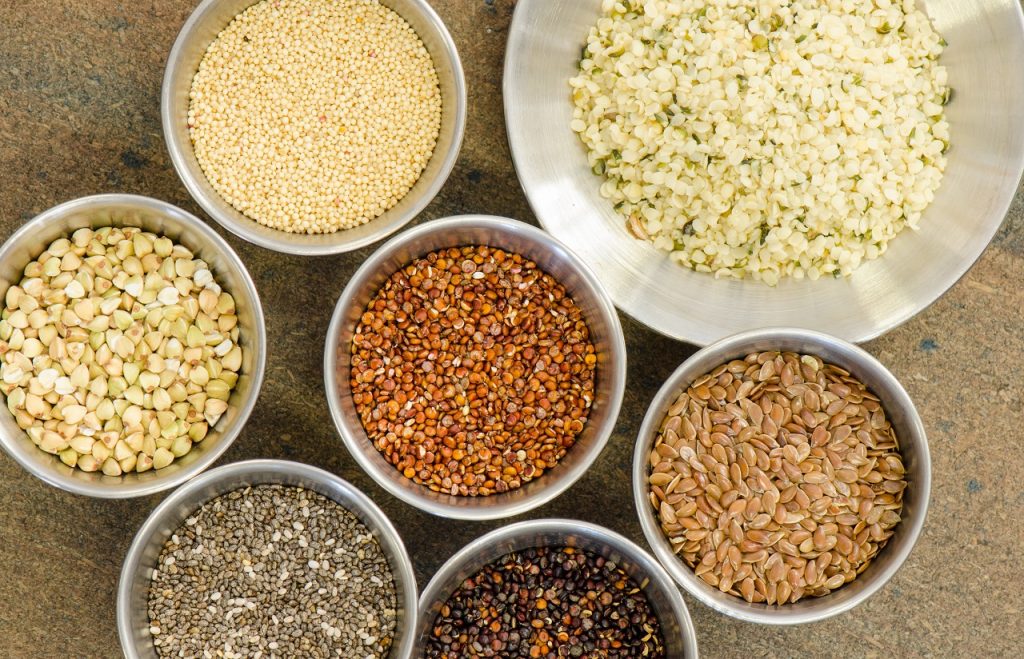
  1. Chia Seeds: These tiny seeds are packed with nutrients. They are a good source of Omega -3 fatty acids, protein, iron, calcium and fiber. They are an excellent source of antioxidants. When soaked in water, they absorb water and expand 10x their size and help us feel full for a longer time. We can add it to smoothies, shakes or have it with water.
  2. Fruits: such as Watermelon contain 90% of water, have vitamins, minerals and antioxidants that combat dehydration – one of the reasons for tiredness. It also has amino acid L-citrulline which can help reduce muscle soreness. Bananas are a good source of potassium, magnesium, vitamin B, vitamin C, fiber, antioxidants and phytonutrients. They provide ample amounts of energy. Avocado as well, is a powerhouse of energy with vitamins such as B, C and E, minerals like folate and potassium, monounsaturated fats and help keep a control on blood sugar spikes as well. 
  3. Kale: This leafy vegetable is a storehouse of vitamins, minerals and antioxidants. It is a good source of iron which carries oxygen to our tissues and cells – much needed for us to thrive. It is an amazing source of calcium, folate and vitamin B. Kale is a low density food which aids weight loss and obesity that are linked to tiredness.
  4. Almonds: are a good source of protein, fiber and healthy fats. Almonds have vitamin B, which helps convert food into energy. It also contains magnesium which helps us fight muscle fatigue. A handful of almonds are a good mid-meal.
  5. Dates: are excellent sources of energy. They are high in carbs which provide instant energy. It is packed with fiber, calcium, phosphorus, potassium, magnesium, zinc and iron. It’s an amazing source of antioxidants like flavonoids, carotenoids and phenolic acid. It’s sweet in nature so can be used as a sweetener.
  6. Spinach: is a powerhouse of nutrients, It contains vitamins like C, K B6, B9 and E, minerals like potassium, magnesium, folic acid, iron and calcium. Adequate amounts of vitamins and minerals are essential for energy production. Low levels of iron can cause fatigue.
  7. Egg: Do you remember the slogan “Sunday ho ya Monday Roj khao ande”? It’s actually true, as an egg is an excellent source of high biological value protein and healthy fats which can keep us energized. It is a good source of vitamins and minerals which are vitamin D and B12, iron and choline. 
  8. Dark chocolate: is a great source of iron, copper, magnesium, zinc, phosphorus and flavanols. Is a rich source of theobromine which is a stimulant that works the same as caffeine. Polyphenols in dark chocolate have positive effects on serotonin levels which helps us to lift up the mood and energy levels. 
  9. Quinoa: It’s a grain crop which is high in carbs, protein, fiber, manganese, magnesium, phosphorus, potassium, copper, iron, zinc and folate. It is also a good source of vitamin B and E, and various antioxidants. Although quinoa is high in carbs, it has a low glycaemic index, so it releases energy slowly and sustains for a longer time.
  10. Sattu: It is generally made by Bengal gram (Chana), which means it is high in protein. It is a low cost, so-called poor man’s protein. It Is rich in fiber, calcium, iron, manganese, magnesium and low in sodium. It provides instant energy with a cooling effect. So it’s best consumed during summer. 

Try these foods in your diet especially in morning hours to boost your energy levels and fight tiredness. With these we need to focus on 20 to 30 min regular exercise, balanced meals, adequate sleep, proper hydration and stress management. Do consult your doctor before trying any of these superfoods. 

For more on nutrition, check out Healthy Reads. If you want to know more about superfoods, nutrition or get a meal plan for a health goal, speak to an expert by subscribing for personalized health coaching here: https://goqiiapp.page.link/bsr

#BeTheForce 

  • « Previous Page
  • 1
  • …
  • 59
  • 60
  • 61
  • 62
  • 63
  • …
  • 100
  • Next Page »

Search

Recent Posts

  • How to Improve Sleep Quality Naturally: 12 Science-Backed Tips for Better Sleep
  • Immunity-Boosting Kadhas: Why Natural Defense Matters During the Monsoon
  • Healthy Eating: Crispy Monsoon Corn Tikkis
  • Antenatal Exercises: Your Guide to a Fit and Healthy Pregnancy
  • Managing Type 2 Diabetes: Dietary Choices and Lifestyle Adjustments for Better Blood Sugar Control

Stay Updated

Archives

  • July 2026 (23)
  • June 2026 (22)
  • May 2026 (20)
  • April 2026 (24)
  • March 2026 (18)
  • February 2026 (14)
  • January 2026 (14)
  • December 2025 (19)
  • November 2025 (15)
  • October 2025 (20)
  • September 2025 (6)
  • August 2025 (6)
  • July 2025 (10)
  • June 2025 (18)
  • May 2025 (16)
  • April 2025 (22)
  • March 2025 (26)
  • February 2025 (21)
  • January 2025 (25)
  • December 2024 (22)
  • November 2024 (22)
  • October 2024 (20)
  • September 2024 (22)
  • August 2024 (28)
  • July 2024 (16)
  • June 2024 (23)
  • May 2024 (26)
  • April 2024 (27)
  • March 2024 (27)
  • February 2024 (23)
  • January 2024 (21)
  • December 2023 (14)
  • November 2023 (10)
  • October 2023 (19)
  • September 2023 (22)
  • August 2023 (16)
  • July 2023 (18)
  • June 2023 (21)
  • May 2023 (20)
  • April 2023 (19)
  • March 2023 (23)
  • February 2023 (19)
  • January 2023 (15)
  • December 2022 (11)
  • November 2022 (15)
  • October 2022 (15)
  • September 2022 (12)
  • August 2022 (9)
  • July 2022 (17)
  • June 2022 (11)
  • May 2022 (10)
  • April 2022 (6)
  • March 2022 (6)
  • February 2022 (13)
  • January 2022 (11)
  • December 2021 (7)
  • November 2021 (3)
  • October 2021 (6)
  • September 2021 (3)
  • August 2021 (8)
  • July 2021 (7)
  • June 2021 (15)
  • May 2021 (16)
  • April 2021 (10)
  • March 2021 (7)
  • February 2021 (4)
  • January 2021 (4)
  • December 2020 (3)
  • November 2020 (4)
  • October 2020 (10)
  • September 2020 (3)
  • August 2020 (3)
  • July 2020 (2)
  • June 2020 (4)
  • May 2020 (10)
  • April 2020 (12)
  • March 2020 (10)
  • February 2020 (4)
  • January 2020 (4)
  • December 2019 (3)
  • November 2019 (7)
  • October 2019 (5)
  • September 2019 (4)
  • August 2019 (9)
  • July 2019 (9)
  • June 2019 (11)
  • May 2019 (4)
  • April 2019 (8)
  • March 2019 (8)
  • February 2019 (9)
  • January 2019 (8)
  • December 2018 (9)
  • November 2018 (3)
  • October 2018 (3)
  • September 2018 (5)
  • August 2018 (10)
  • July 2018 (6)
  • June 2018 (13)
  • May 2018 (8)
  • April 2018 (18)
  • March 2018 (9)
  • February 2018 (8)
  • January 2018 (15)
  • December 2017 (12)
  • November 2017 (19)
  • October 2017 (13)
  • September 2017 (15)
  • August 2017 (4)
  • July 2017 (8)
  • June 2017 (7)
  • May 2017 (6)
  • April 2017 (8)
  • March 2017 (6)
  • February 2017 (7)
  • January 2017 (9)
  • December 2016 (10)
  • November 2016 (7)
  • October 2016 (7)
  • September 2016 (7)
  • August 2016 (11)
  • July 2016 (9)
  • June 2016 (9)
  • May 2016 (12)
  • April 2016 (17)
  • March 2016 (17)
  • February 2016 (8)
  • January 2016 (6)
  • December 2015 (2)
  • November 2015 (9)
  • October 2015 (7)
  • September 2015 (9)
  • August 2015 (11)
  • July 2015 (9)
  • June 2015 (11)
  • May 2015 (9)
  • April 2015 (13)
  • March 2015 (8)
  • February 2015 (5)
  • January 2015 (12)
  • December 2014 (14)
  • November 2014 (11)
  • October 2014 (6)
  • September 2014 (13)
  • August 2014 (12)
  • July 2014 (6)
  • June 2014 (2)
  • May 2014 (7)
  • April 2014 (4)

From Burnout to Balance: How Dr. Ranjit Reclaimed His Health

Dr Ranjit Bhatt has spent years tending to others. A practising doctor in Odisha, his days were packed with patients, surgeries, and emergencies. From the outside, it looked like a life lived in service. But on the inside, something wasn’t right. “I had no … [Read More...]

From Shimla’s Slopes to Chandigarh’s Sidewalks: Surinder Kaur Bhalla’s Journey from Chaos to Control

Some journeys start with a plan. Others begin with a stumble literally. Surinder Bhalla, a government professional, born and raised in the scenic hill town of Shimla, had always lived a life of movement. “In Shimla, you walked everywhere,” she reflects. “Walking was never an exercise. It was just life.” But after shifting to Chandigarh, […]

“I’ve Challenged Myself to Live 100 Years” – The Story of Chandubhai Savani’s Second Chance at Life

At 67, most people start slowing down. Not Chandubhai Savani. A resident of Surat, Chandubhai, thought life was on track. “My life was going well till I had my bypass surgery,” he says. That surgery, back in 2021, was a wake-up call.  Medication was routine, but exercise wasn’t. His diet? What he calls ‘normal.’ “I […]

Ananda Mukherjee Health Story

From Terminal Illness To Complete Wellness! Ananda Mukherjee Health Story

As we observe World Cancer Day under the powerful theme ‘United by Unique’ (2025-2027)**, we are reminded that every individual’s journey with cancer is distinct, yet united by shared resilience, hope, and the collective fight against this disease. This theme places people at the centre of care and their stories at the heart of the […]

  • HOME
  • HEALTHY LIVING
  • FITNESS
  • HEALTHY RECIPES
  • USER STORIES
  • KARMA
  • BUY GOQii

Copyright ©2016 GOQii