GOQii

Blog

  • HOME
  • HEALTHY LIVING
  • FITNESS
  • HEALTHY RECIPES
  • USER STORIES
  • KARMA
  • BUY GOQii

May 26, 2024 By Geetika Patni 8 Comments

Mindful Eating: The best habit ever!

Mindful-eating

Most humans eat more than their bodies require. Especially with the massive choice of culinary delights available, the eye appealing desserts, the way food is plated etc…it works on our minds to a level that we crave it. And that’s OK. Everyone loves good food too, who doesn’t.

The problem is, we eat too much of it and there reaches a point when the body does not know what to do with the crazy amounts of food we eat, so when you see your belly/tummy, mid riff, waist starting to expand, that’s your body telling you, ‘you are eating too much’. 

What next? Fad Diets? Time and again it has been proved that fad diets don’t work. With a fad diet plan, you will lose weight – and gain it back eventually, and in between you may end up even damaging your metabolism, digestion and your wonderful relationship with food.

But then isn’t it true? that ‘Abs are made in the Kitchen’ and that ‘Weight Management is 70% nutrition’. Indeed it is! The hidden answer to this dilemma lies in – Mindful Eating.

mindful-eating

Technical definition says, “Mindful eating is allowing yourself to become aware of the positive and nurturing opportunities that are available through food selection and preparation by respecting your own inner wisdom”. 

In easier terms – It is an art of staying aware of, not only-what you are eating, but also how you are eating. In this article, I’ll help you understand the broad prospects of nurturing yourself with the art of mindful eating. And to do so, let’s first understand the contradiction – Mindless eating.

You are eating mindless when you are –

1) Overeating (Unable to practice portion control) –

Over eating is the most common act of mindless eating and in my experience, 90% of the players who want to lose weight – overeat during one or the other meal.

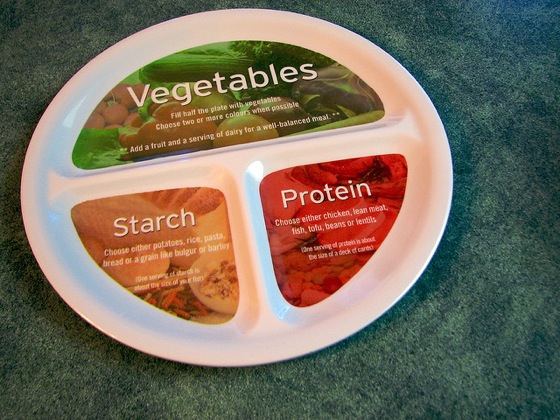
Portion control is very important but why is practicing portion control so difficult? That’s because we miss recognizing the internal cues our body provides (and yes it does send those signals!) to make us stop eating when it’s time. And why does this happen? That’s because we fail to pay attention to the task we are doing, in this context it is – eating. Implementing simple habits like keeping away gadgets while eating, using smaller plates, and taking a deep breath before you start your meal, can help you to practice portion control effectively.

2) Eating Fast

This one doesn’t need an example. If you are a fast eater you know it. Eating at your best speed to win a 1 minute food challenge is entirely different than doing it every day for every meal. Eating fast can also lead to weight gain and metabolic disorders like insulin resistance and arthritis. Small discomforts such as teeth bites and ulcers in the mouth, dental cavities, and acne outbursts can also be traced back to the habit of eating fast. And you may be blaming your gassy gut to your food choices, but do ponder upon if it’s related to your speed of eating too. Ideally you must aim to finish every meal in 20 minutes. This is the time range for our fullness hormones – Leptin, Ghrelin and some neuropeptides – to reach our brain and signal the satiety centre to feel full and stop eating.

Tricks like taking an intermission break after every few bites, using your non dominant hand to eat, chewing every bite thoroughly (32 times is dramatic, I know, 20 will do), using chopsticks for a change and/or using baby forks/spoons to finish your meal, can help you learn the art of eating slow and mindfully.

3) Emotional Eating

Emotional eating is as simple as the term sounds – eating to fulfil an emotion and not the stomach. It is also termed as ‘Head hunger’. If your hunger feels sudden and urgent and you have a craving for only fries or sugary treats, you can’t stop yourself to eat and then feel guilty afterwards, it is Head hunger – caused by emotions like boredom, anger, frustration, anxiety etc.

On the other hand if you are ‘Stomach Hungry’ you will know it easily for it will come gradually and you can still postpone it. There will be a stomach growl and it will get satisfied with any food (yes even salads!) You won’t feel guilty even after eating it heartily. And best part is you’ll know when to stop when you are feeding your body (but cannot- when fuelling your emotions).

Staying mindful of your hunger triggers and enjoying the meals to nourish your system, rather than feelings, is important, as this can make or break your relationship with food. Emotional eating whereas can cultivate poor self-esteem, unwanted weight gain and the plethora of troubles related to Obesity. Overcoming emotional eating requires a good amount of practice, patience and discipline and some tricks like distraction through work to pass off the emotional storm.

4) Disconnecting 

Eating each and every food that you can lay your hands on, without making a choice is what I call as ‘Disconnecting’. That’s odd! This doesn’t correlate.

Let me explain – If you belong to a club excelling in eating each and every ‘thing’ without knowing what it can do to you, where it came from and without acknowledging the feelings it produces in you (whether good or bad) you are disconnected from your foods, your meals and your nourishment – the very thing which helps you run your day and which prevents you from sufferings and sicknesses.

Disconnecting is a very subtle mindless eating practice but has profound effect on your weight and most importantly on your vital organs and their metabolic functioning. (Like a seemingly harmless can of diet-coke can wreak havoc on your pancreas and production of Insulin!)

Moreover, as we age, the mindless habit of Disconnecting does rapid harm to our system, to the extent of jeopardizing our longevity!

Hence, it is extremely important to make the ‘connect’ with your food choices. Attempt to learn or acknowledge the ingredients of the dish you are eating, which food group it belongs to, combining it in ways you can enhance (or deplete) it’s nutritional quotient, and most importantly how you truly feel having it.

In this 5 part series on ‘Mindful Eating’, I will take you through all the aspects of Mindful eating. In the second part tomorrow I will talk about slowing down while eating, how helpful can it be and some tips to help you eat slowly.

In essence, food is meant to be enjoyed and to nourish you. Adding the seasoning of Mindful eating to it, will pique up your health and wellness quotient.

To be Continued…………………

#BeTheForce 

May 19, 2024 By Jyoti Kumawat 6 Comments

Yogurt: The miracle food

It is middle of summer and the temperature is rising day by day. It is during this season that you need foods that keep you cool. The one such miraculous food is ‘Yogurt’. It’s miraculous only because it does miracles to our health. Yogurt is one of the Functional foods which posses’ special functions to human health. Let’s understand why it is a miracle food?

Let us understand the nutritional benefits and contents of yogurt. Yogurt is made from milk and therefore one can get a dose of animal protein (about 9 grams per 6-ounce serving), plus several other nutrients found in dairy foods, like Calcium, Vitamin B-2, Vitamin B-12, Potassium, and Magnesium are in Yoghurt.

Yogurt is also a “probiotic.” Probiotics are “friendly bacteria” that are naturally present in the digestive system. Live strains of these “good bacteria” are also found in many yogurt products.

Potential benefits of Yoghurt:-

1: Yogurt May Help in the Gut Health –

Yoghurt helps in controlling certain gastrointestinal conditions, including lactose intolerance, constipation, diarrheal diseases, colon cancer, inflammatory bowel disease, Helicobacter pylori infection, and allergies. Yogurt is a boon to patients with these conditions and have benefitted because of innate immunity response created by yogurt and improvement of healthy bacteria in GI tract.

2: Yogurt Boosts the Immune System (including gastrointestinal and respiratory infections) –

Yogurt makes us strong by providing immunity. Given the right circumstances, eating yogurt may help protect the intestinal tract. As a result, yogurt has great potential as a protective, anti-infection agent. Increased yogurt consumption might help increase one’s resistance to immune-related diseases such as cancer and infection, particularly gastrointestinal infection. So we have the power to increase the immunity in such conditions. Why not opt for one cup everyday during your snacks time to stay away from these conditions.

3: Yogurt may help Prevent Osteoporosis – 

If you’re suffering from postmenopausal osteoporosis, consuming a little cup of yogurt each day can make a big difference! As I said earlier, this healthy snack is packed with calcium and several other nutrients that help postmenopausal women maintain strong and healthy bones. Those who are concerned about developing osteoporosis or are looking for a way to help manage the disease should incorporate more of this tasty and powerful food into their diets.

4: Yogurt may reduce the risk of High Blood Pressure – 

In today’s time there are lots of people who suffer from high blood pressure. We generally do control over our diet to control that condition, but do you know we don’t need to watch calories while having Yogurt…..Why?

Eating yogurt is more satisfying, so we are less likely to reach for higher-calorie sources of calcium and protein. Being lower in fat, it is less likely to stick to the insides of our blood vessels. The potassium in yogurt, almost 600 milligrams per eight ounces, may help flush some of the excess sodium out of your body.

Well that’s Good news for all.

5: Yogurt helps in weight management –

Weight loss and weight gain, these two are the major points of concern for most people. Yogurt is the right answer for both those who want to lose weight and for those who want to gain weight. It has proven to help in weight loss as well as healthy weight gain, which shows that it stimulates happy hormones to reduce visceral fat hence reducing belly fat. In weight gain also it has shown to improve weight without disturbing the waist circumference…..isn’t it a magic ?

Some other benefits are………………….

6: Yogurt Lowers the Risk of Metabolic Syndrome

7: Yogurt helps in Lactose Absorption in Lactose-Deficient Patients

8: Yogurt leads to Healthy Ageing

9: Yogurt May Help You Feel Fuller

10: Yogurt lowers the risk of Colon Cancer 

11: A cup of yogurt a day can help you recover faster after a workout

This single food provides us with lots of benefits and hence it is recommended that Yogurt is included in your regular diet in a balanced amount.

With its numerous health benefits ranging from improving gut health to aiding weight management, yogurt truly deserves its title as a miracle food. Incorporate this nutritious snack into your daily diet to reap its full potential and support your overall health and well-being. We hope this article helps you. For further information or guidance, reach out to our certified experts by subscribing to GOQii’s Personalised Health Coaching here.

#BeTheForce 

May 3, 2024 By Saba Mirza 1 Comment

Top 5 Vegetables and their Hidden Benefits

top vegetablesWhile discussing vegetables, a whole bunch of vibrant plant food comes to mind, each unique with different shapes and sizes. Many times, we stand confused in front of a grocery store or feel lost in a vegetable market, thinking which vegetables to pick! Each vegetable has its own benefits and more the variety you add to your diet, the greater the benefits!

I have chosen 5 vegetables which we can call the “first among equals” and I will also talk about their hidden benefits!

1. Spinach

Do you remember what happened every time Popeye the Sailor Man consumed a can of spinach? He got pumped! Well, in reality, you won’t get iron fists as instantly as Popeye, but the whole thought is just indicative of the hidden reservoir of iron present in this dark green leafy vegetable. It’s not just iron, spinach is also a powerhouse of essential vitamins like Vitamin C, K, minerals such as Magnesium, Calcium and is loaded with fiber.

One cup of raw spinach (30g) provides 56% of your daily Vitamin A requirement plus your entire day’s Vitamin K requirement, all for just 7 calories. It is also very effective in optimising sugar levels in diabetics because of its high fiber and richness in antioxidants like alpha-lipoic acid which is found to increase insulin sensitivity in the body.

Spinach is also heart friendly and lowers blood pressure in hypertensive individuals because of its good potassium content. The micronutrients present in it also strengthens your bones and joints, improve digestion and make your skin and hair healthy and glowing.

Tips to consume:

  • You can cook it in Indian style curry with paneer, peas or add in non-veg curries like chicken saag.
  • Make parathas stuffed with spinach.
  • Grill and toss them into salads or sandwiches.
  • Blend them with some citrus fruit to make a smoothie.
  • Add a dash of lemon to spinach curries or have spinach with citrus fruits to get the Vitamin C for better absorption of iron – especially if you are consuming it with a purpose to increase haemoglobin levels!

2. Carrot

We were always told that carrots are good for the eyes! This is not a myth. It is absolutely true. 100g of carrots can fulfil more than 100% (around 334%) of daily Vitamin A requirement, which is essential for eyesight. But their benefits branch out to more! It has the antioxidant beta-carotene (which gives carrots their vibrant orange color) is found to be very effective in preventing a variety of cancers

The sodium content of carrot is quite low (69g per 100g) while potassium content is superb (320mg). This makes it an ideal choice for hypertensive individuals to reduce blood pressure.

Tips to consume:

  • Add shredded carrots to salad, wraps, cutlets, cakes, muffins
  • Munch on carrot sticks as snacks with healthy dips like hung curd, hummus
  • Juice it with a fruit and another vegetable to make a detox drink

3. Broccoli

Broccoli, which comes from the cruciferous vegetables family is considered as one of the world’s healthiest vegetables. The antioxidant sulforaphane, which is responsible for its bitter taste is found to be very effective in protecting or delaying the growth of cancerous cells.

When it comes to Vitamin C rich food, most people think about citrus fruits only but 100g of these green florets also fulfils 148% of your total day’s Vitamin C requirement. Isn’t that amazing?

Apart from boosting your immunity levels, natural Vitamin C helps regenerate the damaged skin cells, reduce the progress of wrinkles formation by promoting collagen formation and detoxifies the skin cells, making the skin look healthier and lustrous. And all these benefits come with very few calories.

Tips to consume:

  • Keep it simple. Overcooking Broccoli destroys its flavour and also the antioxidants. Simply sauté it with vegetable oils like olive oil, add a dash of lemon and pepper and have it with hummus or tahini sauce.
  • You can also roast it and add it to your wrap or top it on wheat bread based pizza.

4. Bitter Gourd

Popular among diabetics, Bitter Gourd is known for its insulin regulating effect. Almost every diabetic person has the habit of consuming bitter gourd juice in the morning or include it in cooked form regularly. Its glycemia controlling property has been proven by several scientific studies. Apart from that, it also carries a variety of hidden benefits.

These benefits include protection from cancerous growth and regeneration of healthy cells in the body. Its richness in dietary fibers (one cup provides around 8% of total day’s dietary fiber intake), with very less calories makes it a strong contender in weight loss diet plans. The folate and fibers present in it are found to be very effective in reducing LDL (bad cholesterol) and Triglyceride levels in the blood.

Tips to consume:

  • Juice Bitter Gourd along with sweet flavoured fruits such as apples, add a dash of lemon and have a power-packed drink.
  • Stir fry bitter gourd alongside other fiber-rich vegetables like bell peppers, babycorn, shredded paneer, etc. for a low carbohydrate, nutrient filled meal.
  • Stuff with ground meat or vegetables and steam it until tender.

5. Ginger

It is one of the most common spices present in almost every Indian kitchen! Apart from its distinctive flavour and aroma, ginger has been used for medicinal purposes for centuries! Its potent anti-inflammatory action acts as a protective shield for the body cells from the damage due to dust, pollutants and germs. With this anti-inflammatory action, ginger is helpful in reducing osteoarthritis pain and exercise induced muscle soreness. Apart from preventing and curing various infections, ginger is quite effective in improving digestion. Several studies have found that intake of ginger has reduced nausea and bloating as ginger works in improving the gastric emptying time!

Tips to consume: Apart from adding it in different curries, ginger can be used in the form of ginger tea, ginger powder or added to sesame oil for topical use.

We hope this article helps you choosing your veggies from the grocer! If you have any allergies or medical condition, consult your doctor or nutritionist before consuming these. You can also reach out to your GOQii Doctor via the GOQii app. For further guidance speak to a certified expert by subscribing to GOQii’s Personalised Health Coaching here.

What’s your favorite vegetable? Let us know in the comments below.

#BeTheForce

April 6, 2024 By Farida Gohil Leave a Comment

Dark Chocolate: A Delicious Path to Better Health

Who does not love chocolates? Everybody does but, chocolate and especially (75% and above) dark only a few of them. One needs to cultivate a taste for it. And, believe me, once you have developed that eating dark chocolate can be super beneficial.

How? Well, let me take you through the benefits ….

(1) Dark Chocolate Cuts Stroke, Heart Disease Risk

I recently read an article in an English Tabloid that said mentioned that dark chocolate is good for the heart.. Quoting from the article, according to one of the researchers Simin Liu, “The analysis found that Cocoa flavanol intake may reduce dyslipidemia insulin resistance and systematic inflammation, which are all major subclinical risk factors for cardiometabolic diseases”.

As per another new study published in the journal Molecular Nutrition & Food Research, eating flavanol-rich dark chocolate has been found to protect against the risk of heart disease and stroke by improving platelet function within two hours of consumption.

Researchers at the University of Aberdeen Rowett Institute of Nutrition and Health examined the effects of consumption of dark chocolate that was enriched with cocoa extract in the blood of 42 healthy volunteers, 26 women and 16 men. They compared platelet function of the participants who ate enriched dark chocolate with those who ate dark chocolate that contained a lower cocoa and flavanol content, and white chocolate.They found the dark chocolate enriched with flavan-3-ols significantly decreased platelet activation and aggregation in men, but only decreased platelet aggregation in women.

“Taken together, these findings support the notion that flavanol-rich foods, including cocoa products, may help to promote cardiovascular health,” Dr.Kelm said.

(2) Dark Chocolate helps in increasing endothelial function of SMOKERS…

The researchers studied smokers because their blood vessels tend to respond poorly to changes in blood flow, possibly related to impairments in how nitric oxide sends signals to the inner lining, the endothelium, of blood vessels. This impaired endothelial function is a marker for increased risk of cardiovascular disease.

A dozen smokers (six men and six women) in their early 30s, who did not have any known health problems, were enrolled in the double-blind crossover study to compare the effects of a cocoa drink rich in flavanols to a cocoa drink that tasted the same but contained very low levels of flavanols. Circulating nitric oxide levels and blood vessel responses (flow-mediated dilation) were measured before drinking the cocoa and again two hours later. Each participant drank flavanol-rich and flavanol-poor cocoa drinks during different testing sessions.There were significant increases in circulating nitric oxide and flow-mediated dilation after ingestion of drinks. These changes correlated with increases in flavanol metabolites. In addition, the improvements were reversed when the participants were given a drug (L-NMMA) that interferes with nitric oxide signalling, thus supporting the idea that the flavanol-rich cocoa drink produced its effects by influencing the nitric oxide system.

The researchers pointed out that the cocoa drink they used was specially processed to retain much higher levels of flavanols than are typically found in commercially-available cocoa drinks; so it is unlikely that drinking more hot chocolate would produce a similar effect. Nevertheless, the conclusion drawn from these results have to be interpreted with caution, because it is not known whether or not the chronic consumption of flavanol-rich foods leads to sustained increases in endothelial function and the prevention of future cardiovascular events. In particular, in smokers, it is unlikely that cocoa can completely attenuate the deleterious effects of continued smoking, the study says.

(3) Dark Chocolate helps in preventing the development of Atherosclerosis

A flavanol-rich drink is capable of increasing nitric oxide levels in the blood and reversing the detrimental effect of smoking on vascular adaptation. It remains to be seen whether the acute beneficial effect of a flavanol-rich drink translates into a long-term benefit, in terms of attenuating or preventing the development of atherosclerosis.

(4) Dark Chocolate helps in improved thinking, decreased appetite, obesity, as well as type-2 diabetes.

Cocoa, the basic ingredient of chocolate, is one of the most flavanol-rich foods around. That’s good for chocolate lovers because previous research has shown that flavanols in other foods such as grapes and tea can help fight weight gain and type-2 diabetes. But, not all flavanols, which are a type of antioxidant, are created equal. Cocoa has several different kinds of these compounds. Researchers found that adding one particular set of compounds, known as oligomeric procyanidins (PCs), to the food made the biggest difference in keeping the weight down if on high-fat diets. They also improved glucose tolerance, which could potentially help prevent type-2 diabetes. Oligomeric PCs appear to possess the greatest antiobesity and antidiabetic bioactivities of the flavanols in cocoa, particularly at the low doses.

5.Dark Chocolate helps in Lowering blood pressure

In particular dark chocolate which contains higher levels of flavanols than milk chocolate, may protect against the risk of cardiovascular disease by lowering blood pressure, blood flow, and improving blood lipid levels. The link between cocoa and blood pressure stems from the discovery that the indigenous people of San Blas Island in Central American, who drink flavanol-rich cocoa drinks every day, have normal blood pressure regardless of age. However, flavanol concentrations in cocoa and chocolate products vary according to cocoa processing procedures and types of chocolate, so it is difficult to establish the optimal dosage for an effect.

Satisfy your sweet cravings guilt-free with dark chocolate, a delectable treat packed with health-boosting properties. From enhancing cardiovascular health to supporting weight management and improving endothelial function, dark chocolate offers a myriad of benefits. Embrace the power of dark chocolate and indulge in its delicious goodness for a healthier, happier you!

So go ahead and be a Chocoholic!!!! For further information or guidance, reach out to our certified experts by subscribing to GOQii’s Personalised Health Coaching here.

#BeTheForce

  • « Previous Page
  • 1
  • …
  • 12
  • 13
  • 14
  • 15
  • 16
  • Next Page »

Search

Recent Posts

  • Embracing Tears: The Healing Power of Sadness
  • Unmasking the Label: What Hidden Additives May Be Doing to Your Gut
  • 5 Healthy Smoothies to Support Weight Loss: The Power of Fiber
  • Inspired By Nature: How the Environment Shapes Your Biological Age
  • Does Sugar Really Make Kids Hyperactive? The Facts Every Parent Should Know

Stay Updated

Archives

  • June 2026 (7)
  • May 2026 (20)
  • April 2026 (24)
  • March 2026 (18)
  • February 2026 (14)
  • January 2026 (14)
  • December 2025 (19)
  • November 2025 (15)
  • October 2025 (20)
  • September 2025 (6)
  • August 2025 (6)
  • July 2025 (12)
  • June 2025 (18)
  • May 2025 (16)
  • April 2025 (22)
  • March 2025 (27)
  • February 2025 (21)
  • January 2025 (25)
  • December 2024 (22)
  • November 2024 (23)
  • October 2024 (21)
  • September 2024 (23)
  • August 2024 (30)
  • July 2024 (20)
  • June 2024 (25)
  • May 2024 (28)
  • April 2024 (27)
  • March 2024 (27)
  • February 2024 (23)
  • January 2024 (21)
  • December 2023 (14)
  • November 2023 (10)
  • October 2023 (19)
  • September 2023 (22)
  • August 2023 (18)
  • July 2023 (22)
  • June 2023 (23)
  • May 2023 (20)
  • April 2023 (19)
  • March 2023 (23)
  • February 2023 (19)
  • January 2023 (15)
  • December 2022 (11)
  • November 2022 (15)
  • October 2022 (15)
  • September 2022 (12)
  • August 2022 (10)
  • July 2022 (17)
  • June 2022 (11)
  • May 2022 (10)
  • April 2022 (6)
  • March 2022 (6)
  • February 2022 (13)
  • January 2022 (11)
  • December 2021 (7)
  • November 2021 (3)
  • October 2021 (6)
  • September 2021 (3)
  • August 2021 (8)
  • July 2021 (7)
  • June 2021 (15)
  • May 2021 (16)
  • April 2021 (10)
  • March 2021 (7)
  • February 2021 (4)
  • January 2021 (4)
  • December 2020 (3)
  • November 2020 (4)
  • October 2020 (10)
  • September 2020 (3)
  • August 2020 (3)
  • July 2020 (2)
  • June 2020 (4)
  • May 2020 (10)
  • April 2020 (12)
  • March 2020 (10)
  • February 2020 (4)
  • January 2020 (4)
  • December 2019 (3)
  • November 2019 (7)
  • October 2019 (5)
  • September 2019 (4)
  • August 2019 (9)
  • July 2019 (9)
  • June 2019 (11)
  • May 2019 (4)
  • April 2019 (8)
  • March 2019 (8)
  • February 2019 (9)
  • January 2019 (8)
  • December 2018 (9)
  • November 2018 (3)
  • October 2018 (3)
  • September 2018 (5)
  • August 2018 (10)
  • July 2018 (6)
  • June 2018 (13)
  • May 2018 (8)
  • April 2018 (18)
  • March 2018 (9)
  • February 2018 (8)
  • January 2018 (15)
  • December 2017 (12)
  • November 2017 (19)
  • October 2017 (13)
  • September 2017 (15)
  • August 2017 (4)
  • July 2017 (8)
  • June 2017 (7)
  • May 2017 (6)
  • April 2017 (8)
  • March 2017 (6)
  • February 2017 (7)
  • January 2017 (9)
  • December 2016 (10)
  • November 2016 (7)
  • October 2016 (7)
  • September 2016 (7)
  • August 2016 (11)
  • July 2016 (9)
  • June 2016 (9)
  • May 2016 (12)
  • April 2016 (17)
  • March 2016 (17)
  • February 2016 (8)
  • January 2016 (6)
  • December 2015 (2)
  • November 2015 (9)
  • October 2015 (7)
  • September 2015 (9)
  • August 2015 (11)
  • July 2015 (9)
  • June 2015 (11)
  • May 2015 (9)
  • April 2015 (13)
  • March 2015 (8)
  • February 2015 (5)
  • January 2015 (12)
  • December 2014 (14)
  • November 2014 (11)
  • October 2014 (6)
  • September 2014 (13)
  • August 2014 (12)
  • July 2014 (6)
  • June 2014 (2)
  • May 2014 (7)
  • April 2014 (4)

From “Laddu Nawin” to Fit and Fierce: How a 25-Year-Old Insurance Advisor Shed 20 Kilos and Gained His Life Back

When 25-year-old Nawin Yadav from Hyderabad walked into his office every morning, he carried more than just his files and policy papers. He had the weight of fatigue, sluggish energy, and an ever-growing belly that was becoming the butt of jokes. “People … [Read More...]

“I’ve Challenged Myself to Live 100 Years” – The Story of Chandubhai Savani’s Second Chance at Life

At 67, most people start slowing down. Not Chandubhai Savani. A resident of Surat, Chandubhai, thought life was on track. “My life was going well till I had my bypass surgery,” he says. That surgery, back in 2021, was a wake-up call.  Medication was routine, but exercise wasn’t. His diet? What he calls ‘normal.’ “I […]

From Shimla’s Slopes to Chandigarh’s Sidewalks: Surinder Kaur Bhalla’s Journey from Chaos to Control

Some journeys start with a plan. Others begin with a stumble literally. Surinder Bhalla, a government professional, born and raised in the scenic hill town of Shimla, had always lived a life of movement. “In Shimla, you walked everywhere,” she reflects. “Walking was never an exercise. It was just life.” But after shifting to Chandigarh, […]

Ananda Mukherjee Health Story

From Terminal Illness To Complete Wellness! Ananda Mukherjee Health Story

As we observe World Cancer Day under the powerful theme ‘United by Unique’ (2025-2027)**, we are reminded that every individual’s journey with cancer is distinct, yet united by shared resilience, hope, and the collective fight against this disease. This theme places people at the centre of care and their stories at the heart of the […]

  • HOME
  • HEALTHY LIVING
  • FITNESS
  • HEALTHY RECIPES
  • USER STORIES
  • KARMA
  • BUY GOQii

Copyright ©2016 GOQii