GOQii

Blog

  • HOME
  • HEALTHY LIVING
  • FITNESS
  • HEALTHY RECIPES
  • USER STORIES
  • KARMA
  • BUY GOQii

June 5, 2026 By GOQii Leave a Comment

Inspired By Nature: How the Environment Shapes Your Biological Age

The Big Question: How does our environment impact our biological age and long-term health?
The World Environment Day 2026 theme, “Inspired by Nature. For Climate. For Our Future.”, reminds us that the health of the planet and the health of people are deeply connected. Environmental factors such as air pollution, extreme heat, and poor environmental quality don’t just affect ecosystems they actively influence inflammation, oxidative stress, and the rate at which our bodies age. The good news is that nature-inspired habits, such as eating nutrient-rich foods, moving regularly, and spending more time outdoors, can help build cellular resilience and support healthy ageing.

The planet doesn’t communicate through words. It communicates through signals: rising temperatures, heatwaves, poor air quality, and rapidly changing weather patterns.

Observed every year on June 5th, World Environment Day is the United Nations’ largest platform for environmental awareness and action. The 2026 theme, “Inspired by Nature. For Climate. For Our Future.”, encourages us to look towards nature not only for macro environmental solutions but also for micro lessons in building healthier lives.

What many people don’t realise is that the exact same environment shaping the future of our planet is also shaping the future of our health. The air we breathe, the spaces we live in, and the lifestyle choices we make all directly influence how our bodies function, recover, and age over time.

The Environment Shapes Your Biological Age

Most people know their chronological age the exact number of years they have lived. But your biological age reflects how efficiently your body’s cells, tissues, and organs are actually functioning.

While genetics certainly play a role, lifestyle and environmental factors such as air quality, nutrition, daily movement, sleep hygiene, and stress can significantly influence how well your body ages. This growing understanding has led scientists to heavily explore the impact of what some experts describe as cellular pollution—the biological stress caused directly by environmental exposures and modern, urban lifestyles.

Air Pollution, Oxidative Stress & Healthy Ageing

Air pollution remains one of the most significant environmental health challenges worldwide. Tiny, microscopic particles known as PM2.5 can enter the lungs, cross into the bloodstream, and contribute heavily to systemic inflammation and oxidative stress.

Oxidative stress occurs when harmful free radicals accumulate faster than your body can naturally neutralise them. Over time, this damages cellular health and increases the wear and tear associated with premature ageing. Long-term oxidative stress is directly linked to chronic inflammation, cardiovascular strain, and severely reduced cellular efficiency.

Understanding and managing oxidative stress is a vital part of maintaining long-term health and resilience. Environmental stressors can also heavily affect the body’s energy-producing systems. To build a defense, it is crucial to support your mitochondrial health, as cellular energy plays a foundational role in healthy ageing.

Nature May Be Part of the Solution

The encouraging news is that nature doesn’t only influence our health it can also help restore it. Research increasingly suggests that spending time in natural, green environments actively supports stress reduction, mental wellbeing, and cardiovascular health.

Whether it is walking through a local park, spending time near trees, gardening, or simply getting outdoors more often, small interactions with nature yield incredibly meaningful benefits. Nature isn’t just something we protect; it is also something that protects us.

3 Ways to Build Cellular Resilience

Rather than focusing on extreme detoxes or quick fixes, you should focus on building your body’s natural resilience to environmental stressors.

Resilience Strategy The Action The Biological Benefit
1. Nutrient-Dense Diet Eat colourful plant foods (berries, spinach, turmeric) Neutralises oxidative stress & supports gut health
2. Daily Movement Walk, cycle, or do strength training Boosts metabolic flexibility & cardiovascular circulation
3. Outdoor Time Spend time in green spaces Lowers cortisol, reduces stress & supports mental wellbeing
  1. Eat More Colourful Plant Foods

Brightly coloured fruits and vegetables contain powerful antioxidants that help protect your cells from oxidative stress. Include foods such as berries, spinach, beetroot, carrots, tomatoes, turmeric, and leafy greens. A healthy, antioxidant-rich diet also supports overall wellbeing and good gut health, which plays a massive role in maintaining strong immunity.

  1. Move Your Body Daily

Regular movement supports cardiovascular health, circulation, metabolic function, and recovery. Walking, swimming, strength training, or cycling can all help build resilience over time. Supporting your metabolic flexibility helps the body adapt much more efficiently to both physical and environmental stressors.

  1. Spend More Time Outdoors

One of the simplest ways to reconnect with nature is to consciously spend more time outside. Whether it is a morning walk, an outdoor exercise session, or simply sitting in a green space away from screens, regular exposure to natural environments supports both physical and mental recovery.

The future of environmental health and human health are deeply, irreversibly connected. The exact same habits that support a healthier planet often support healthier people: walking instead of driving short distances, reducing unnecessary waste, eating more whole foods, and spending time outdoors.

This World Environment Day, remember that climate action is not only about protecting ecosystems. It is also about protecting the environment within. Because when we care for nature, we end up caring for ourselves, too.

Pro Tip: Use the GOQii App to track your daily activity, hydration, sleep, and nutrition habits. Small, consistent lifestyle choices can help build the resilience your body needs to thrive in an increasingly complex environment!

Frequently Asked Questions (FAQs)

  1. Can environmental pollution affect biological ageing?

Yes. Research suggests that long-term exposure to pollution contributes to systemic inflammation and oxidative stress, both of which actively accelerate biological ageing and cellular wear and tear.

  1. What is oxidative stress?

Oxidative stress occurs when harmful free radicals (unstable molecules) accumulate in the body faster than your natural antioxidants can neutralise them, potentially damaging healthy cells, DNA, and tissues.

  1. Does spending time in nature improve health?

Absolutely. Studies show that access to green spaces and nature supports mental wellbeing, drastically reduces cortisol (stress) levels, improves cardiovascular health, and boosts overall quality of life.

  1. What are simple ways to reduce environmental stress on the body?

Eating a nutrient-rich and antioxidant-heavy diet, staying physically active, spending time outdoors in clean air, prioritising sleep, and reducing unnecessary exposure to urban pollutants can all help support long-term health and resilience.

#BeTheForce

Disclaimer: This article is intended for educational purposes only. If you suffer from chronic respiratory conditions or environmental allergies, please consult your physician regarding the safest ways to manage physical activity outdoors.
June 3, 2026 By GOQii Leave a Comment

Cycling for a Greener Future: One Habit That Benefits Both You and the Planet

The Big Question: How does cycling benefit both the environment and human longevity?
The World Bicycle Day 2026 theme, “Cycling for a Greener Future,” highlights one of the simplest ways to improve both environmental and personal health. Every time you choose a bicycle over a fuel-powered vehicle, you reduce carbon emissions, support cleaner air, and add more movement to your day. Beyond its environmental benefits, cycling is also one of the most joint-friendly forms of exercise, helping improve cardiovascular fitness, metabolic health, endurance, and healthy ageing.

When most people think about cycling, they think about childhood memories, weekend rides, or professional athletes racing through mountain roads. But the bicycle may be one of the few inventions that improves both human health and environmental health at the exact same time.

Observed globally tomorrow, June 3rd, World Bicycle Day celebrates the bicycle as a simple, affordable, sustainable, and reliable means of transportation. The 2026 theme, “Cycling for a Greener Future,” reminds us that small choices made every day can collectively create a healthier planet.

What’s often overlooked, however, is that the same habit helping reduce pollution and traffic congestion may also be one of the most powerful tools for improving long-term health and longevity.

Why Cycling Matters Beyond Fitness

Unlike many forms of exercise, cycling serves two purposes simultaneously: it acts as transportation, recreation, exercise, and a sustainable lifestyle choice all at once.

A bicycle doesn’t require fuel, produces no emissions, creates minimal noise pollution, and takes up far less urban space than motor vehicles. Replacing even a few short weekly car trips with cycling can contribute to cleaner neighbourhoods, improved air quality, and more active communities. And while you’re helping the environment, you’re also helping your cellular biology.

The Health Benefits Begin With Everyday Movement

One of the biggest barriers to exercise is finding extra time for it. Cycling solves that problem. A ride to work, the grocery store, or a nearby café can become meaningful physical activity without requiring a dedicated, scheduled workout session.

This integration of movement into daily life is one reason cycling is heavily associated with better cardiovascular health, improved fitness levels, and healthy ageing. Unlike intense exercise programmes that are difficult to maintain, cycling is often easier to sustain because it naturally fits into your everyday routines.

The Longevity Secret: Zone 2 Training

In recent years, longevity researchers have increasingly focused on the benefits of Zone 2 cardio. Zone 2 refers to moderate-intensity exercise where your breathing becomes slightly heavier and your heart rate rises steadily, but you can still comfortably hold a conversation.

This specific level of effort helps improve aerobic fitness, endurance, fat metabolism, and mitochondrial efficiency. Mitochondria are the energy-producing structures inside your cells, and maintaining their function is closely linked to healthy ageing.

What makes cycling unique is how easy it is to stay within this ideal training zone. By adjusting your speed, gears, or resistance, you can maintain a steady effort level for extended periods without the stop-start intensity common in many other activities. Supporting your mitochondrial health is one of the absolute key pillars of long-term vitality and resilience.

Cycling vs Running: The Joint-Friendly Advantage

Running is an excellent form of exercise, but it also places significant impact forces on the knees, hips, and ankles. Cycling offers a completely different approach. Because it is a low-impact, non-weight-bearing activity, it allows people to improve cardiovascular fitness while placing far less stress on their cartilage.

Feature Cycling Running
Joint Impact Low Moderate to High
Cardiovascular Benefits Excellent Excellent
Zone 2 Control Easy Moderate
Accessibility High High
Long-Term Joint Comfort     Often Better Tolerated Depends on Individual

This makes cycling particularly appealing for older adults, individuals returning to exercise, people carrying excess weight, or anyone actively managing joint discomfort.

3 Hidden Benefits of Cycling

  1. Improved Metabolic Health

Regular cycling helps improve the body’s ability to use both carbohydrates and fats efficiently for energy. This adaptability, often referred to as metabolic flexibility, supports better energy regulation and insulin sensitivity throughout the day.

  1. Better Stress Management

The rhythmic motion of cycling, particularly outdoors, can help reduce stress and improve mental wellbeing. Spending time in natural environments while moving supports emotional resilience, nervous system recovery, and acts as excellent stress management from daily pressures.

  1. Stronger Legs and Better Balance

Age-related muscle loss (sarcopenia) often affects the lower body first. Pushing against the resistance of the pedals strengthens the quadriceps, glutes, calves, and hamstrings, helping maintain mobility, stability, and physical independence as we age.

Small Rides Can Create Big Change

Many people assume they need expensive equipment or long-distance rides to benefit from cycling. In reality, consistency matters far more than distance. Even short rides can contribute to better cardiovascular fitness, improved energy levels, lower environmental impact, and healthier daily habits.

The bicycle is far more than a recreational tool. It is a practical solution to some of the biggest challenges facing modern society: physical inactivity, urban congestion, environmental pollution, and declining metabolic health. This World Bicycle Day, consider viewing cycling not just as exercise, but as an investment in both your personal wellbeing and a more sustainable future.

Pro Tip: Use your GOQii Smart Vital Tracker and GOQii App to monitor your heart rate during cycling sessions. Tracking your effort levels can help you identify your ideal Zone 2 range and build a sustainable fitness routine that supports cardiovascular health, endurance, and longevity!

Frequently Asked Questions (FAQs)

  1. How does cycling contribute to a greener future?
    Cycling is a zero-emission mode of transport that helps reduce traffic congestion, fuel consumption, and air pollution, directly combating climate change.
  2. How much cycling is needed for health benefits?
    Aim for at least 150 minutes of moderate-intensity cycling per week, spread across multiple days.
  3. Is cycling suitable for older adults?
    Yes. Because cycling is low-impact and non-weight-bearing, it is often perfectly suited for older adults looking to improve cardiovascular fitness while minimising joint stress.
  4. Is cycling better than walking?
    Both are excellent forms of exercise. However, cycling generally allows individuals to sustain a higher cardiovascular intensity (burning more visceral fat) while remaining gentle on the joints.

#BeTheForce

Disclaimer: This article is intended for educational purposes only. If you have a history of severe cardiovascular disease, chronic back pain, or recent joint replacements, please consult your physician or physical therapist before beginning a new exercise regimen.

March 12, 2026 By GOQii Leave a Comment

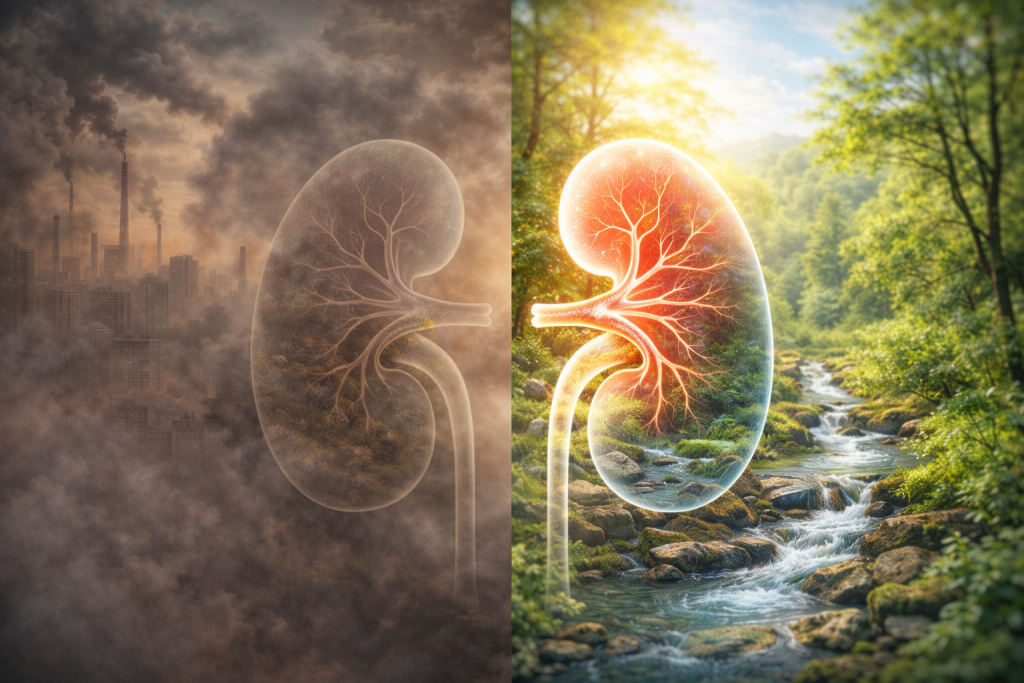
Our Kidneys, Our Planet: How Environmental Health Impacts Your Body

Did you know that the health of your kidneys is closely linked to the health of the environment around you?


As we mark the 20th anniversary of World Kidney Day on March 12, 2026, the global health conversation is expanding beyond traditional lifestyle factors. This year’s theme “Kidney Health for All – Caring for People, Protecting the Planet” highlights a powerful truth: protecting the environment is also an essential part of protecting our health.

For years, kidney health discussions have focused on diet, exercise, hydration and genetics. While these remain critical, emerging research now shows that climate change, pollution and environmental degradation are placing increasing stress on the kidneys, one of the body’s most vital organs.

Understanding this connection helps us take better care of both our personal health and our planet.

The Environment–Kidney Connection: How Climate Affects Renal Health

Your kidneys function as the body’s natural filtration system. Every day, they filter around 50 gallons of blood, removing toxins, balancing fluids and regulating essential minerals.

However, modern environmental stressors are making this job more difficult.

Here are three ways environmental conditions can impact kidney health.

1. Extreme Heat and Dehydration

As global temperatures rise, heatwaves are becoming more frequent and intense. Excessive heat increases sweating and fluid loss, which can quickly lead to dehydration.

Chronic dehydration places significant stress on the kidneys because the body must concentrate urine to conserve water. Over time, this can increase the risk of:

  • kidney stones
  • urinary tract complications
  • heat-related kidney injury, sometimes referred to as heat stress nephropathy

Staying adequately hydrated becomes even more important in hotter climates and during prolonged outdoor activity. 

2. Air Pollution and Systemic Inflammation

Air pollution is often associated with respiratory diseases, but its impact goes far beyond the lungs.

Fine particulate matter (PM2.5) from vehicle emissions, industrial pollution and urban smog can enter the bloodstream through the lungs. Once inside the circulatory system, these particles can trigger chronic inflammation and damage the tiny blood vessels that help the kidneys filter toxins.

Over time, prolonged exposure to polluted air may contribute to reduced kidney function.

3. Unsafe or Contaminated Water

Access to clean drinking water is essential for maintaining healthy kidney function.

When water sources contain heavy metals, industrial chemicals or environmental toxins, the kidneys must work harder to filter these harmful substances. Continuous exposure to contaminated water may increase the risk of kidney damage or acute kidney injury.

Ensuring access to safe water is therefore both an environmental and a public health priority.

Controlling the Controllables: Your Personal Health Plan

While addressing environmental challenges requires global and policy-level action, individuals can still take steps to protect their kidney health.

One of the key messages of this year’s World Kidney Day campaign is the importance of screening for the two biggest risk factors for kidney disease:

  • High Blood Pressure
  • Diabetes

Both conditions damage the small blood vessels in the kidneys. Over time, uncontrolled blood sugar and high blood pressure can significantly impair the kidneys’ ability to filter waste.

If you have not checked your blood pressure or undergone a routine blood test recently, consider scheduling one. Early detection is one of the most effective ways to prevent kidney damage.

4 Sustainable Habits to Protect Your Kidneys

Taking care of your kidneys and caring for the environment can go hand in hand. Here are four simple habits that support both.

1. Hydrate Sustainably

Adequate hydration helps the kidneys flush toxins efficiently.

Instead of relying on single-use plastic bottles, carry a reusable water bottle made from stainless steel, copper or glass. This supports both hydration and environmental sustainability.

2. Embrace More Plant-Based Meals

Heavy animal proteins can generate more metabolic waste for the kidneys to filter.

Including more plant-based protein sources such as lentils, beans, chickpeas, tofu and nuts can be easier on the kidneys while also reducing your environmental footprint.

3. Choose Active Transport

Whenever possible, consider walking or cycling for short distances.

Physical activity supports cardiovascular health, which helps regulate blood pressure and blood sugar — two major risk factors for kidney disease. At the same time, active commuting reduces air pollution.

4. Dispose of Medicines Responsibly

Improper disposal of medications can contaminate water systems and harm ecosystems.

Never flush unused medicines down the toilet or sink. Instead, return them to pharmacies or authorised disposal centres where they can be handled safely.

Protecting Your Internal Ecosystem

The theme of World Kidney Day 2026 reminds us that human health and environmental health are deeply interconnected.

By protecting the planet, we also protect the systems inside our own bodies.

Small everyday choices drinking enough water, managing blood pressure, choosing sustainable habits and staying physically active can go a long way toward preserving kidney health.

If you are managing conditions like diabetes, hypertension or metabolic health, personalised lifestyle guidance can make a significant difference.

Speak to your GOQii Coach for tailored advice on nutrition, activity and preventive health strategies designed to support your long-term well-being.

Stay proactive, stay healthy and #BeTheForce.

Disclaimer: The information provided in this blog is for general awareness and educational purposes only. It is not intended to replace professional medical advice, diagnosis, or treatment. Always consult a qualified healthcare provider for personalised medical guidance or concerns related to your health. Images shown are for representation purposes only and may not depict the exact recommendations or outcomes.

June 14, 2025 By Alfana Khatri 5 Comments

Unable to Lose Weight? 7 Secrets for Sustainable Weight Loss

lose weightHave you ever found yourself doubting whether you’ll ever reach your weight loss goal? How many times have you been tempted to give up? Despite your best efforts—following exercise routines, eating right, controlling cravings—the results just don’t seem to show.

If that sounds familiar, you’re not alone. Many people struggle with weight loss even when they feel they’re doing everything right. But here’s the truth: there’s more to it than just diet and exercise.

Let’s uncover 7 powerful yet practical secrets to sustainable weight loss.

1. Focusing on a Single Number

Do you check your weight often and feel disappointed?

Weight loss isn’t only about the number on the scale – it’s about fat loss and muscle gain. Your body composition, ethnic background, and muscle mass all affect the number you see. That’s why tools like Body Composition Analysis (BCA) give a more accurate picture. Aim to do one every month, and track waist and hip measurements every 15 days for better insights.

 2. Setting Unrealistic Goals

Aim for slow and steady weight loss – about 1.5 to 2 kg per month. It’s easier to achieve and maintain. Crash diets and short-term fixes may give quick results, but they’re rarely sustainable.

Set tangible, measurable goals, and back them with a clear plan. If you’re unsure, seek guidance from a certified coach to help you track progress effectively.

 3. Sitting for Too Long

Exercising for an hour daily but not seeing results? The culprit might be your sitting time.

Research suggests that sitting continuously for long periods can slow metabolism, stiffen joints, and lead to back pain—similar in risk to smoking! Break the cycle: stand, stretch, or walk every 30 minutes. It adds up over the day.

 4. Poor Sleep Habits

Adults need 7-9 hours of sleep per night. It’s when your body repairs tissues, processes information, and balances hormones.

Inadequate sleep not only makes you crave junk food, but it also disrupts your circadian rhythm, leading to weight gain. For best results, try to sleep between 10 pm and 6 am – your body responds best during these “golden hours”.

 5. Stress Management

Are you stressed about not losing weight? Ironically, that stress might be the reason.

Stress raises cortisol levels, which promotes fat storage – especially around the belly. It also interferes with sleep and triggers ghrelin, the hormone that increases hunger even when you’re not truly hungry.

Chronic stress can also lead to emotional eating, fatigue, and even anxiety or depression. Managing it through meditation, breathing exercises, or time outdoors can do wonders.

 6. Low Water Intake

Many people mistake thirst for hunger. A simple glass of water may be all you need instead of a snack.

Set a habit: drink one glass of water before every meal. Stay well hydrated throughout the day, especially before, during, and after workouts.

7. Nutrient Deficiencies

Deficiencies in Vitamin B12 and Vitamin D3 can hinder fat loss.

  • Vitamin B12 helps convert fat, protein, and carbohydrates into usable energy.
  • Vitamin D3 plays a role in limiting fat storage and improving mood and muscle function by increasing serotonin and testosterone.

Shockingly, up to 50% of the global population may be deficient in Vitamin D. It’s worth testing and supplementing if needed.

Still searching for that “magic pill”? The truth is, there’s no quick fix – but combining these 7 steps can create real, lasting change. Stay consistent, stay patient, and stay kind to your body.

For more tips, visit our Healthy Reads section or get expert guidance by subscribing to GOQii’s Personalised Health Coaching here.

#BeTheForce

Disclaimer: The information provided in this blog is for general awareness and educational purposes only. It is not intended to replace professional medical advice, diagnosis, or treatment. Always consult a qualified healthcare provider for personalised medical guidance or concerns related to your health. Images shown are for representation purposes only and may not depict the exact recommendations or outcomes.

Search

Recent Posts

  • Cortisol and Chronic Stress: What Your Body Is Trying to Tell You
  • Menopause and Bone Health: How to Prevent Osteoporosis Before It’s Too Late
  • Embracing Tears: The Healing Power of Sadness
  • Unmasking the Label: What Hidden Additives May Be Doing to Your Gut
  • 5 Healthy Smoothies to Support Weight Loss: The Power of Fiber

Stay Updated

Archives

  • June 2026 (9)
  • May 2026 (20)
  • April 2026 (24)
  • March 2026 (18)
  • February 2026 (14)
  • January 2026 (14)
  • December 2025 (19)
  • November 2025 (15)
  • October 2025 (20)
  • September 2025 (6)
  • August 2025 (6)
  • July 2025 (12)
  • June 2025 (18)
  • May 2025 (16)
  • April 2025 (22)
  • March 2025 (27)
  • February 2025 (21)
  • January 2025 (25)
  • December 2024 (22)
  • November 2024 (23)
  • October 2024 (21)
  • September 2024 (23)
  • August 2024 (30)
  • July 2024 (20)
  • June 2024 (25)
  • May 2024 (28)
  • April 2024 (27)
  • March 2024 (27)
  • February 2024 (23)
  • January 2024 (21)
  • December 2023 (14)
  • November 2023 (10)
  • October 2023 (19)
  • September 2023 (22)
  • August 2023 (18)
  • July 2023 (22)
  • June 2023 (23)
  • May 2023 (20)
  • April 2023 (19)
  • March 2023 (23)
  • February 2023 (19)
  • January 2023 (15)
  • December 2022 (11)
  • November 2022 (15)
  • October 2022 (15)
  • September 2022 (12)
  • August 2022 (10)
  • July 2022 (17)
  • June 2022 (11)
  • May 2022 (10)
  • April 2022 (6)
  • March 2022 (6)
  • February 2022 (13)
  • January 2022 (11)
  • December 2021 (7)
  • November 2021 (3)
  • October 2021 (6)
  • September 2021 (3)
  • August 2021 (8)
  • July 2021 (7)
  • June 2021 (15)
  • May 2021 (16)
  • April 2021 (10)
  • March 2021 (7)
  • February 2021 (4)
  • January 2021 (4)
  • December 2020 (3)
  • November 2020 (4)
  • October 2020 (10)
  • September 2020 (3)
  • August 2020 (3)
  • July 2020 (2)
  • June 2020 (4)
  • May 2020 (10)
  • April 2020 (12)
  • March 2020 (10)
  • February 2020 (4)
  • January 2020 (4)
  • December 2019 (3)
  • November 2019 (7)
  • October 2019 (5)
  • September 2019 (4)
  • August 2019 (9)
  • July 2019 (9)
  • June 2019 (11)
  • May 2019 (4)
  • April 2019 (8)
  • March 2019 (8)
  • February 2019 (9)
  • January 2019 (8)
  • December 2018 (9)
  • November 2018 (3)
  • October 2018 (3)
  • September 2018 (5)
  • August 2018 (10)
  • July 2018 (6)
  • June 2018 (13)
  • May 2018 (8)
  • April 2018 (18)
  • March 2018 (9)
  • February 2018 (8)
  • January 2018 (15)
  • December 2017 (12)
  • November 2017 (19)
  • October 2017 (13)
  • September 2017 (15)
  • August 2017 (4)
  • July 2017 (8)
  • June 2017 (7)
  • May 2017 (6)
  • April 2017 (8)
  • March 2017 (6)
  • February 2017 (7)
  • January 2017 (9)
  • December 2016 (10)
  • November 2016 (7)
  • October 2016 (7)
  • September 2016 (7)
  • August 2016 (11)
  • July 2016 (9)
  • June 2016 (9)
  • May 2016 (12)
  • April 2016 (17)
  • March 2016 (17)
  • February 2016 (8)
  • January 2016 (6)
  • December 2015 (2)
  • November 2015 (9)
  • October 2015 (7)
  • September 2015 (9)
  • August 2015 (11)
  • July 2015 (9)
  • June 2015 (11)
  • May 2015 (9)
  • April 2015 (13)
  • March 2015 (8)
  • February 2015 (5)
  • January 2015 (12)
  • December 2014 (14)
  • November 2014 (11)
  • October 2014 (6)
  • September 2014 (13)
  • August 2014 (12)
  • July 2014 (6)
  • June 2014 (2)
  • May 2014 (7)
  • April 2014 (4)

From “Laddu Nawin” to Fit and Fierce: How a 25-Year-Old Insurance Advisor Shed 20 Kilos and Gained His Life Back

When 25-year-old Nawin Yadav from Hyderabad walked into his office every morning, he carried more than just his files and policy papers. He had the weight of fatigue, sluggish energy, and an ever-growing belly that was becoming the butt of jokes. “People … [Read More...]

“I’ve Challenged Myself to Live 100 Years” – The Story of Chandubhai Savani’s Second Chance at Life

At 67, most people start slowing down. Not Chandubhai Savani. A resident of Surat, Chandubhai, thought life was on track. “My life was going well till I had my bypass surgery,” he says. That surgery, back in 2021, was a wake-up call.  Medication was routine, but exercise wasn’t. His diet? What he calls ‘normal.’ “I […]

From Shimla’s Slopes to Chandigarh’s Sidewalks: Surinder Kaur Bhalla’s Journey from Chaos to Control

Some journeys start with a plan. Others begin with a stumble literally. Surinder Bhalla, a government professional, born and raised in the scenic hill town of Shimla, had always lived a life of movement. “In Shimla, you walked everywhere,” she reflects. “Walking was never an exercise. It was just life.” But after shifting to Chandigarh, […]

Ananda Mukherjee Health Story

From Terminal Illness To Complete Wellness! Ananda Mukherjee Health Story

As we observe World Cancer Day under the powerful theme ‘United by Unique’ (2025-2027)**, we are reminded that every individual’s journey with cancer is distinct, yet united by shared resilience, hope, and the collective fight against this disease. This theme places people at the centre of care and their stories at the heart of the […]

  • HOME
  • HEALTHY LIVING
  • FITNESS
  • HEALTHY RECIPES
  • USER STORIES
  • KARMA
  • BUY GOQii

Copyright ©2016 GOQii

