GOQii

Blog

  • HOME
  • HEALTHY LIVING
  • FITNESS
  • HEALTHY RECIPES
  • USER STORIES
  • KARMA
  • BUY GOQii

Search Results for: tea

July 5, 2021 By Madhu Soni Leave a Comment

How To Fight Junk Food Cravings While Working From Home

Fight Junk Food cravings

While working from home, it’s quite easy to get swayed by all the delivery options we have around home. That favorite fast food chain, greasy burgers at the corner of the road and pizzas with extra cheese! Sounds breathtakingly delicious but gorging on all this junk food can be detrimental to your health. When we indulge in junk food, especially at home where we get little to no physical activity, our body gets a sense of pleasure, often due to the salty or sweet nature of these foods. The neurotransmitters of our brain make us want to keep coming back for more. So how can you fight junk food cravings? 

Simple Tips To Fight Junk Food Cravings 

Whether you’re working from home or you’re back at the office, here are some simple tricks to help you avoid these cravings. 

  • No skipping meals: The work from home scenario has led to irregular eating habits. When the stomach growls with hunger, we automatically reach out for our phones and end up ordering for food. Sticking to preparing and eating food at the same time every day can help you manage these cravings effectively. 
  • Stock healthy food: like fruits and dry fruits. Have dates and anjeer if you have a sweet craving and popcorn and makhana for salty cravings. When healthy food is available , you will eat healthy. In fact, try this Ultimate Healthy Chivda recipe! 
  • Soups: Soup is a perfect blend of health and taste. Since it contains a good amount of stock, it helps to bring satiety. A hot cup of soup in the evening is a good way to curb hunger and avoid junk food. You can try some of these Healthy Soup Recipes! 
  • Protein rich food: One of the lesser known reasons for that unsatisfied hunger pangs is lack of protein in the diet. Most junk food is made up of simple carbs which fills as well as empties the stomach quickly. Protein on the other hand, provides fullness and as a result, we can easily ride over that wave of junk food craving. Cottage cheese, Greek yogurt and eggs are protein rich snacks.
  • Hydration: There’s a difference between hunger and thirst. Majority of the time when hunger strikes, it could just be thirst.
  • Stress: can be a major underlying factor for faulty eating habits. If we fix the stress part first, junk food cravings will be easy to manage.
  • Sleep: When we are deprived of sleep, the craving for junk food increases. So catching up with 6-7 hours of sleep on a daily basis, and not just weekends, can go a long way in controlling these unwanted urges to eat and overeat.

Try these tips to fight junk food cravings and we’re sure you will see visible changes to your health and lifestyle. Small, consistent efforts go a long way. Do let us know if this helped in the comments below! 

For more tips on living healthy, check out Healthy Reads or join our team of experts on GOQii Play. To get these tips and tricks directly from a certified expert, subscribe to get your own GOQii Coach here: https://goqiiapp.page.link/bsr

Eat Healthy & #BeTheForce 

June 22, 2021 By Shikha Singh 13 Comments

How To Build Immunity To Safeguard Against COVID & Other Monsoon Illnesses

monsoon illnessesCOVID-19 should not be considered as the only disease that will attack our body during monsoon. You can be susceptible to other monsoon illnesses such as vector borne ones like dengue, malaria, seasonal influenza (H1N1) and Chikungunya. You need to understand that not all fever is COVID-related. It could also be Typhoid, Jaundice, Malaria or Common Cold. While these deadly diseases are all around us, the only best measure to safeguard ourselves is “Immunity”. 

Tips To Build Immunity & Safeguard Against COVID & Other Monsoon Illnesses

We are well aware of the symptoms of common diseases and everything should not be related to COVID-19. This constant fear will not let us differentiate between other diseases. Here are some points you can look at to manage monsoon illnesses.

  1. Wash your hands frequently and avoid touching your face. Any infection, be it viral, bacterial or fungal, might be contagious. Maintaining self-hygiene is important.
  2. Take enough morning sunlight: Between 7am to 11am suits the best as UV rays are not very harsh at this time.
  3. Avoid oily and greasy food: We tend to eat stuff like pakodas and fried items during monsoon. Instead, choose healthy options like hot soup, green tea, ginger tea with popcorn and roasted lotus seeds.
  4. Good sleep: At least 7-8 hours of undisturbed sleep to rejuvenate our body.
  5. Exercise regularly: Minimum of 15 mins of exercise and daily walks to be incorporated in routine.
  6. Load up on antioxidants: Eat well washed bright coloured yellow and orange fruits and green leafy vegetables, as they are rich in antioxidants.
  7. Flush your system well with water: A minimum of 2.5-3L of water is a must. Be it in any form like coconut, lime, infused with fruits or spices, green tea and concoctions.
  8. Strengthen your gut: With pre and probiotics, like curd, pickles, fermented foods and kimchi.
  9. Increase protein intake: To prepare your body and avoid weaknesses.
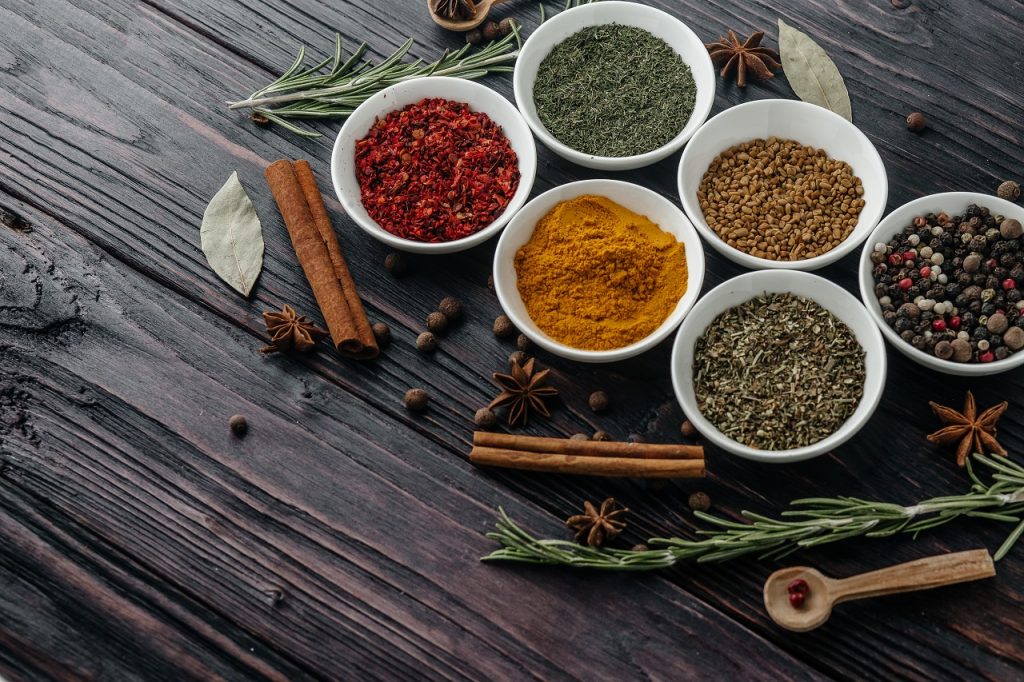
  10. Respect Indian spices: Spices are rich in minerals and antioxidant properties. They help flush sinus infections too! 
  11. Detox your body: With fasting, which gives rest to our digestive system to improve the performance of other organs. This should be under supervision if diabetic or indicative of other comorbidities.

You should be fine as long as you follow the above 11 pointers. If you show any symptoms, it’s best to consult with your doctor before panicking. Certain illnesses like cold, fever and diarrhoea are common during the monsoon. Check with an expert and avoid self-medication. It would be wise to check your blood oxygen levels (SpO2) from time to time as well. You can use the GOQii Smart Vital that has sensors to detect body temperature, SpO2, blood pressure and heart rate. 

We hope this article helps you. If you find these tips useful, let us know in the comments below! For more on managing COVID, you can check out Healthy Reads or tune in to classes by experts on GOQii Play. 

To get these tips directly from your GOQii Coach, subscribe to personalized coaching now: https://goqiiapp.page.link/wssu  

#BeTheForce 

June 19, 2021 By Sudrita Choudhury 11 Comments

Recovering From An Infection? Try This Recovery Diet Routine

COVID Recovery DietThe rainy season is here and along with it, so are the seasonal viral infections. To top it off, we’re also amid the second wave of the COVID-19 pandemic. Recovering from illness is a long and arduous journey. Along with medication, you also need to focus on a well balanced, nutritious diet for healthy recovery. According to the National Health Service (NHS) those recovering from COVID-19 need more proteins, vitamins and minerals to speed up the recovery process and rebuild their immunity. Keeping this in mind, here’s a recovery diet routine you can follow.

COVID-19 Recovery Diet Routine

  • Take Adequate Rest: Taking rest after the infection is very essential for your recovery. Good sleep of 7-8 hours improves the recovery rate. Try to avoid going back to your old routine just after recovery as stress or work anxiety might lead to weakness again
  • Eat Small Frequent Meals: Small quantities of food at intervals of 2-3 hours will permit adequate nutrition without overtaxing the digestive system. As the gut microbe gets affected, one needs to eat easily digestible foods so that the stomach can easily absorb nutrients and provide energy as well
  • Protein: It is the foremost concern as wear and tear of muscle, catabolism occurs at the time of infection. So an adequate amount of protein is needed. According to the Confederation of Medical Associations, Asia and Oceania about 75 grams is needed for the first few weeks. Good quality of protein builds up the immunity, it helps in muscle recovery as well for respiratory muscle strengthening. Include lentils, legumes, milk and milk products, soy, nuts, seeds, meat, chicken, fish and eggs in your diet
  • Probiotics: There is a change in healthy gut bacteria because of the treatment with antibiotics, which can lead to inflammation and loss of taste. Probiotics will enhance digestion and help in restoring immunity. Include curd, yogurt, kefir, kombucha or sauerkraut to your meals
  • Fluids: This is very essential as it will flush out toxins from the body. During fever, we are in a catabolism state, which leads to dehydration. Try to drink at least 2-3 litres of water every day. One can include other fluids like coconut water as it may help replace electrolytes that the body loses, lemon water which is rich in potassium, herbal concoction and fresh juices.  Avoid packaged juices, caffeine and fizzy drinks. For cardiac and kidney patients, the volume of fluid and sodium, along with other electrolytes may have to be restricted.
  • Foods high in Vitamin C: Vitamin C boosts our immune system. Most of the vitamin C rich foods are rich in flavonoids. According to The National Institutes of Health flavonoids might help in recovery of the upper respiratory tract infections. Include foods such as lemons, berries, grape, broccoli, raw, dark leafy greens, oranges, capsicum, Guava and amla daily
  • Omega 3 fatty acids: Studies have shown that Omega-3 fatty acids present an anti-inflammatory effect that also helps in recovery after viral infections, specifically eicosapentaenoic acid (EPA) and docosahexaenoic acid (DHA) as this reduces inflammation. Sources of Omega 3 fatty acids include Salmon, cod liver oil, walnuts, flaxseeds, chia seeds and hemp seeds. Other green leafy vegetables and beans also contain small amounts.
  • Garlic: It has been used for centuries for medical ailment. Studies have shown garlic enhances immunity and reduces the severity of the symptoms of viral infections. Garlic can be crushed, sliced, chewed as it produces allicin which has immunity boosting properties

However, recovery also depends on the rate of infection as well. Take adequate bed rest with home cooked food and avoid alcohol, smoking, hard and processed foods which might lower the immunity system and delay recovery. 

We hope these recovery diet recommendations help you! Do let us know your thoughts in the comments below. For more on COVID-19 recovery, check out Healthy Reads or tune in to sessions by experts on GOQii Play. 

To get these nutritional tips or recipes directly from your GOQii Coach, subscribe to personalized coaching now: https://goqiiapp.page.link/wssu  

#BeTheForce 

June 7, 2021 By Roopa Tandur Leave a Comment

Critical Signs & Symptoms of Low Blood Oxygen Levels

low blood oxygen levelsBlood Oxygen levels, also known as oxygen saturation or SpO2, is the amount of oxygenated haemoglobin circulating in the blood i.e it indicates how well the body carries oxygen to all parts of the body. Most of the oxygen in the body is carried by the red blood cells, which collect oxygen from the lungs and deliver it to different parts of the body. Oxygen levels above 95-100 are considered normal and a value between 91-94 requires regular monitoring (prone breathing helps improve levels in this situation), values below 91 indicates hypoxemia, low blood oxygen levels. 

The second wave of COVID-19 is affecting the youth more than the elderly. Reports suggest that the younger generation is taking time to realize the infection in their bodies which is spreading the virus more rapidly. In spite of low blood oxygen levels, a person shows no signs – a condition known as happy hypoxia (low levels of oxygen at tissue levels). 

The most efficient way to measure blood oxygen level is through an ABG test, which requires a blood sample of a person and is done in a laboratory. So, an alternative test can be done using a small device known as a pulse oximeter – a small device which is clipped on a person’s finger. It measures the blood oxygen by light absorption through a person’s pulse. This is not very accurate compared to the ABG test as it depends on many factors like dirty fingers, nail polish and poor circulation to the extremities. 

Symptoms of Low Oxygen Levels 

  • Shortness of breath or breathlessness is an uncomfortable condition which makes it difficult to get air fully into the lungs
  • Throbbing headache: lack of oxygen in the brain causes sudden and rapid increase in blood pressure in the brain, leading to throbbing headache
  • Restlessness is a feeling to constantly move, not being able to calm the mind or a combination of both.
  • Dizziness and confusion is a feeling of lightheadedness or a feeling of fainting while confusion is a situation when a person is not able to think straight. Dizziness is a temporary feeling which might come and go while confusion affects a person’s thinking capacity. Extremely low levels of oxygen can also lead to loss of consciousness or inability to stay awake or even get up.
  • Rapid breathing: Low oxygen levels in the blood causes shortness of breath and a hunger for air. Because of incomplete exhalation, carbon-di-oxide concentration increases in the body causing rapid breathing
  • Chest pain: Not getting enough oxygen into the lungs creates an urge to breathe deep and this repeated action causes pain and discomfort in the chest.
  • High blood pressure: Low levels of oxygen in the blood narrows down the pulmonary arteries which squeezes the blood into a narrow space, leading to increased blood pressure. 
  • Changes in colour of skin, lips or the extremities to blue or cherry red or shades varying between the two known as cyanosis usually happens when oxygen levels are extremely low and the person feels too cold to touch. 
  • Lack of coordination also called coordination impairment happens when there is disruption in communication between the brain and the rest of the body. Walking does not require much effort on a regular basis but when a person has low oxygen levels, they might wobble or have difficulty in lifting their legs. This usually happens when there is less oxygen supply to the brain.
  • Visual disorders: Lack of oxygen supply to the eyes causes blurred vision, burning, excessive tearing and scratching. Excessive tear production is due to inflammation of the glands in the eyes or blockage of tear ducts. There could also be redness of the eyes due to inflammation of the conjunctiva. 
  • Sense of euphoria is a feeling of excitement and happiness. Some people show symptoms of a high, which you usually have when taking drugs or side effects of any medicine. This is due to the lack of oxygen which creates confusion and people fail to realize their oxygen levels are low.
  • Rapid heartbeat: The heart sends electrical signals which make it beat and pump blood. This signal begins in the upper right chamber of the heart called the Sino Atrial Node, also the pacemaker which controls heartbeat. These electrical signals are controlled by the Autonomic Nervous System and low oxygen levels make the ANS transmit these signals at a faster rate and increase the demand for more oxygen causing rapid heart rate

The above-mentioned symptoms and the complications can easily be prevented when a person is alert and knows the symptom and measures their blood oxygen levels or SpO2 on a regular basis. SpO2, along with other symptoms of COVID-19 such as high body temperature can be easily monitored through the GOQii Smart Vital. As the new wave of COVID is said to affect children, you might also consider getting the GOQii Smart Vital Junior for your kids and imbibe healthy habits in them from a young age! 

We hope this article helps. For more on COVID-19, check out Healthy Reads or tune in to LIVE sessions by experts on GOQii Play. To get these tips and support directly from your GOQii Coach, subscribe to personalized coaching now: https://goqiiapp.page.link/wssu 

Stay home, stay safe and #BeTheForce 

  • « Previous Page
  • 1
  • …
  • 120
  • 121
  • 122
  • 123
  • 124
  • …
  • 206
  • Next Page »

Search

Recent Posts

  • Why Mitochondrial Health Determines How Well You Age
  • World IBD Day 2026: Why IBD Is More Than Just a Gut Problem
  • World Hypertension Day 2026: The Silent Killer & 5 Natural Ways to Lower Your Blood Pressure
  • Eat Healthy At Work: Quick & Easy Snacks You Can Eat In The Office
  • The Great Summer Mango Debate: Can You Eat Mangoes While Trying to Lose Weight?

Stay Updated

Archives

  • May 2026 (16)
  • April 2026 (24)
  • March 2026 (18)
  • February 2026 (14)
  • January 2026 (14)
  • December 2025 (19)
  • November 2025 (15)
  • October 2025 (20)
  • September 2025 (6)
  • August 2025 (6)
  • July 2025 (12)
  • June 2025 (18)
  • May 2025 (16)
  • April 2025 (22)
  • March 2025 (27)
  • February 2025 (21)
  • January 2025 (25)
  • December 2024 (22)
  • November 2024 (23)
  • October 2024 (21)
  • September 2024 (23)
  • August 2024 (30)
  • July 2024 (21)
  • June 2024 (25)
  • May 2024 (28)
  • April 2024 (27)
  • March 2024 (27)
  • February 2024 (24)
  • January 2024 (21)
  • December 2023 (14)
  • November 2023 (10)
  • October 2023 (19)
  • September 2023 (22)
  • August 2023 (18)
  • July 2023 (22)
  • June 2023 (23)
  • May 2023 (22)
  • April 2023 (19)
  • March 2023 (23)
  • February 2023 (19)
  • January 2023 (15)
  • December 2022 (11)
  • November 2022 (15)
  • October 2022 (15)
  • September 2022 (12)
  • August 2022 (10)
  • July 2022 (17)
  • June 2022 (11)
  • May 2022 (10)
  • April 2022 (6)
  • March 2022 (6)
  • February 2022 (13)
  • January 2022 (11)
  • December 2021 (7)
  • November 2021 (3)
  • October 2021 (6)
  • September 2021 (3)
  • August 2021 (8)
  • July 2021 (7)
  • June 2021 (15)
  • May 2021 (16)
  • April 2021 (10)
  • March 2021 (7)
  • February 2021 (4)
  • January 2021 (4)
  • December 2020 (3)
  • November 2020 (4)
  • October 2020 (10)
  • September 2020 (3)
  • August 2020 (3)
  • July 2020 (2)
  • June 2020 (4)
  • May 2020 (10)
  • April 2020 (12)
  • March 2020 (10)
  • February 2020 (4)
  • January 2020 (4)
  • December 2019 (3)
  • November 2019 (7)
  • October 2019 (5)
  • September 2019 (4)
  • August 2019 (9)
  • July 2019 (9)
  • June 2019 (11)
  • May 2019 (4)
  • April 2019 (8)
  • March 2019 (8)
  • February 2019 (9)
  • January 2019 (8)
  • December 2018 (9)
  • November 2018 (3)
  • October 2018 (3)
  • September 2018 (5)
  • August 2018 (10)
  • July 2018 (6)
  • June 2018 (13)
  • May 2018 (8)
  • April 2018 (18)
  • March 2018 (9)
  • February 2018 (8)
  • January 2018 (15)
  • December 2017 (12)
  • November 2017 (19)
  • October 2017 (13)
  • September 2017 (15)
  • August 2017 (4)
  • July 2017 (8)
  • June 2017 (7)
  • May 2017 (6)
  • April 2017 (8)
  • March 2017 (6)
  • February 2017 (7)
  • January 2017 (9)
  • December 2016 (10)
  • November 2016 (7)
  • October 2016 (7)
  • September 2016 (7)
  • August 2016 (11)
  • July 2016 (9)
  • June 2016 (9)
  • May 2016 (12)
  • April 2016 (17)
  • March 2016 (17)
  • February 2016 (8)
  • January 2016 (6)
  • December 2015 (2)
  • November 2015 (9)
  • October 2015 (7)
  • September 2015 (9)
  • August 2015 (11)
  • July 2015 (9)
  • June 2015 (11)
  • May 2015 (9)
  • April 2015 (13)
  • March 2015 (8)
  • February 2015 (5)
  • January 2015 (12)
  • December 2014 (14)
  • November 2014 (11)
  • October 2014 (6)
  • September 2014 (13)
  • August 2014 (12)
  • July 2014 (6)
  • June 2014 (2)
  • May 2014 (7)
  • April 2014 (4)

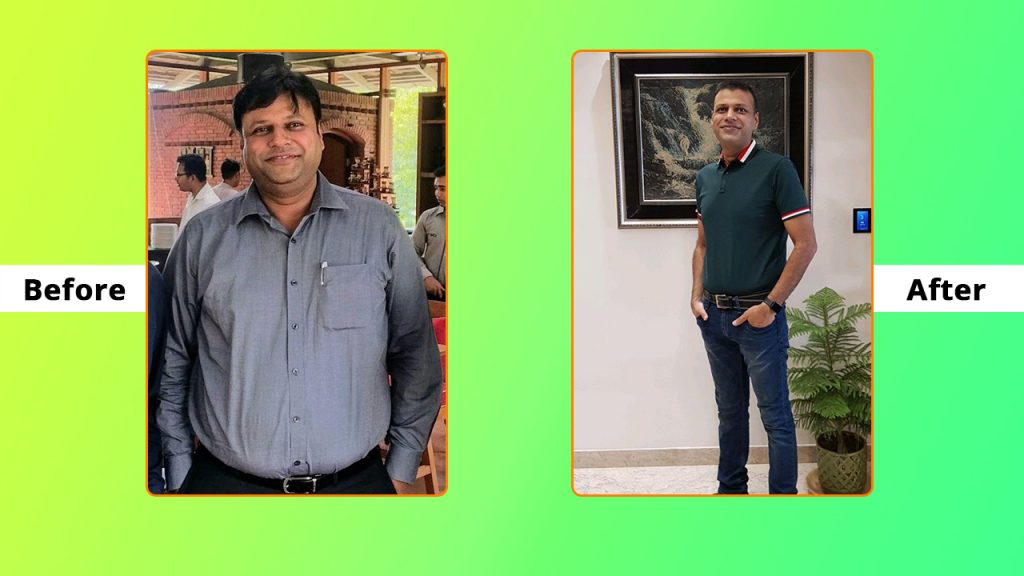
From “Laddu Nawin” to Fit and Fierce: How a 25-Year-Old Insurance Advisor Shed 20 Kilos and Gained His Life Back

When 25-year-old Nawin Yadav from Hyderabad walked into his office every morning, he carried more than just his files and policy papers. He had the weight of fatigue, sluggish energy, and an ever-growing belly that was becoming the butt of jokes. “People … [Read More...]

“I’ve Challenged Myself to Live 100 Years” – The Story of Chandubhai Savani’s Second Chance at Life

At 67, most people start slowing down. Not Chandubhai Savani. A resident of Surat, Chandubhai, thought life was on track. “My life was going well till I had my bypass surgery,” he says. That surgery, back in 2021, was a wake-up call.  Medication was routine, but exercise wasn’t. His diet? What he calls ‘normal.’ “I […]

From Shimla’s Slopes to Chandigarh’s Sidewalks: Surinder Kaur Bhalla’s Journey from Chaos to Control

Some journeys start with a plan. Others begin with a stumble literally. Surinder Bhalla, a government professional, born and raised in the scenic hill town of Shimla, had always lived a life of movement. “In Shimla, you walked everywhere,” she reflects. “Walking was never an exercise. It was just life.” But after shifting to Chandigarh, […]

Ananda Mukherjee Health Story

From Terminal Illness To Complete Wellness! Ananda Mukherjee Health Story

As we observe World Cancer Day under the powerful theme ‘United by Unique’ (2025-2027)**, we are reminded that every individual’s journey with cancer is distinct, yet united by shared resilience, hope, and the collective fight against this disease. This theme places people at the centre of care and their stories at the heart of the […]

  • HOME
  • HEALTHY LIVING
  • FITNESS
  • HEALTHY RECIPES
  • USER STORIES
  • KARMA
  • BUY GOQii

Copyright ©2016 GOQii