GOQii

Blog

  • HOME
  • HEALTHY LIVING
  • FITNESS
  • HEALTHY RECIPES
  • USER STORIES
  • KARMA
  • BUY GOQii

Search Results for: soup

January 9, 2026 By Karishma Khot 2 Comments

7 Nutrition Tips For A Healthy Winter

Nutrition Tips

Everyone loves the drop in temperature the hill station vacations, sitting around a bonfire, and barbecuing delicious food. But do we really enjoy the cold and flu that often follows?

From dry skin and viral infections to the never-ending consumption of cough syrups, winter brings its own set of health challenges. While it is a season of cool breezes, it is also the peak season for the flu. Hence, it is crucial to take proactive care of your body to avoid viral fevers and congestion.

To help you navigate this season with vitality, here are 7 essential nutrition tips for a healthy winter.

  1. Keep a Check on Your Water IntakeThe most common mistake we make in winter is forgetting to drink enough water. Because the temperature is low, we don’t feel thirsty, often drinking water only to gulp down food.Why it matters: Reduced intake leads to dehydration, which damages skin health and impacts bowel movements, often leading to constipation.The Fix: Make a conscious effort to drink at least 2.5 to 3 liters of water per day, even if you aren’t thirsty. Warm water is excellent for digestion and keeping the throat clear.
  2. Build Your Immunity with Saunth (Dry Ginger)
    Common cold and flu are frequent visitors in winter. The best defense is a consistent immunity-boosting routine.The Fix: Try drinking Saunth (dry ginger) water every alternate day, preferably just before you sleep. Dry ginger contains a bioactive compound called Gingerol, which is anti-inflammatory and has potent medicinal properties to keep infections at bay.
  3. Avoid Mindless Overeating:
    As the temperature drops, the body works harder to stay warm, which often triggers cravings for hot, spicy, and fried foods. While winter makes us hungry, giving in to every craving leads to weight gain, bloating, and gastric issues.The Fix: Don’t just indulge—eat smart.

    • Swap fried snacks for steamed muthiyas, sprout poha, or idlis.
    • Replace heavy meals with hot soups, warm khichdi, and seasonal green leafy vegetables.
  4. Restrict Caffeine Intake
    Reaching for a hot cup of tea or coffee every two hours to stay warm is a bad idea. This habit spikes your sugar intake and overloads your system with caffeine.Why it matters: Caffeine is a diuretic, meaning it leads to fluid loss. Since we already struggle with hydration in winter, caffeine worsens the dehydration.The Fix: Switch to antioxidant-rich, caffeine-free options like Green Tea, Turmeric Water, Cinnamon Water, or traditional herbal teas (Kahwa).
  5. Go Seasonal
    Nature provides exactly what we need for the season. Winter produce is abundant in vitamins and minerals that boost immunity and bioavailability.The Fix: Fill your plate with the season’s best:

    • Fruits: Strawberries, Mulberries, Oranges, Chiku, Plums, and Guava.
    • Vegetables: Sarson (Mustard greens), Palak (Spinach), and root vegetables like Carrots and Sweet Potatoes.
    • Tip: A roasted sweet potato makes for a perfect, nutrient-dense evening snack!
  6. Consume Superfoods to Stay Warm
    You don’t just need a sweater to stay warm; you need internal heat (thermogenesis). Certain dried foods and spices naturally raise your body temperature.The Fix: Include these warming ingredients in your daily cooking:

    • Dry Fruits/Seeds: Anjeer (Figs), Dates, and Sesame seeds (Til).
    • Spices: Cinnamon, Peppercorn, Garlic, Cloves, Ginger, and Star Anise.
  7. Say No to Processed Soups
    In our fast-paced lives, tearing open a packet of instant soup seems easier than chopping veggies. However, packaged soups are loaded with sodium, preservatives, and thickeners that are detrimental to your health.The Fix: Blend fresh vegetables (like pumpkin, tomato, or bottle gourd) to make a fresh, preservative-free bowl of soup. It takes a few extra minutes but adds years to your health.

Winter should be about enjoying the weather, not fighting the flu. We hope these nutrition tips help you stay warm, healthy, and energized this season!

Do leave your thoughts in the comments below. For more advice on staying healthy during Winter, check out Healthy Reads or ask a GOQii Coach by subscribing for personalised health coaching here.

#BeTheForce 

Disclaimer: The information provided in this blog is for general awareness and educational purposes only. It is not intended to replace professional medical advice, diagnosis, or treatment. Always consult a qualified healthcare provider for personalised medical guidance or concerns related to your health. Images shown are for representation purposes only and may not depict the exact recommendations or outcomes.
November 3, 2025 By Urvi Gohil 4 Comments

5 Simple Lifestyle Changes To Manage Hypertension

manage hypertensionBy now, anyone conscious about their health is aware of hypertension. In case you’re unfamiliar, hypertension is simply another name for high blood pressure. Blood pressure is the force exerted by blood against the walls of the blood vessels. This force depends on vascular resistance and how hard the heart has to work. Hypertension is a major risk factor for cardiovascular diseases, including stroke, heart attack, heart failure, and aneurysm.
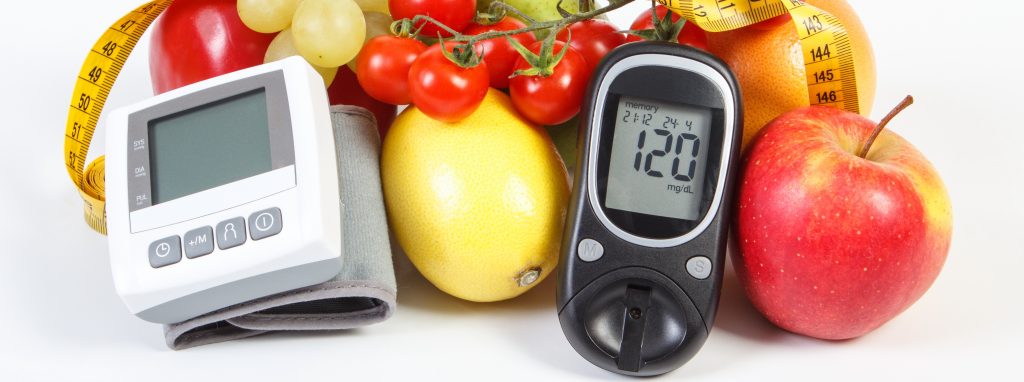
An optimal blood pressure level is a reading under 120/80 mmHg, while a reading over 140/90 mmHg is generally considered high. It is crucial to keep blood pressure under control, and lifestyle management is the first-line treatment for hypertension.

5 Lifestyle Changes to Manage Hypertension

1. Cut Down on Alcohol & Quit Smoking
Drinking too much alcohol can raise blood pressure to unhealthy levels. Having more than three drinks in one sitting temporarily spikes blood pressure, and frequent drinking can lead to long-term increases. Heavy drinkers should gradually reduce their alcohol intake over 1-2 weeks to prevent sudden blood pressure surges.
Similarly, smoking can raise blood pressure immediately after each cigarette. Quitting smoking helps to normalise BP, reduces the risk of heart disease, and significantly improves overall health.

2. Managing Stress Effectively
Your body produces stress hormones when faced with pressure or anxiety, causing your heart to beat faster and blood vessels to narrow—leading to temporary blood pressure spikes. While these return to normal once stress subsides, frequent episodes of high stress can damage blood vessels, the heart, and kidneys.

          How to manage stress:

    • Exercise regularly—30 minutes, 3-5 times a week, helps reduce stress.
    • Try yoga & meditation—Deep breathing and mindfulness can help regulate stress levels.
    • Get enough sleep—Quality rest is essential for keeping BP under control.
    • Maintain social connections—Engaging in enjoyable activities and staying socially active reduces stress.

3. Reduce Sodium Intake:
Even a small reduction in sodium can significantly improve heart health and lower blood pressure by 5-6 mmHg in hypertensive individuals.

          Recommended Daily Sodium Intake:

    • Limit sodium to 2300 mg per day (ideal for general adults)
    • 1500 mg per day is ideal for those with high BP (less than one teaspoon of salt)

          How to reduce sodium:

    • Read food labels and choose low-sodium options
    • Avoid processed & packaged foods (e.g., noodles, soups, crisps, biscuits)
    • Use herbs & spices instead of salt to add flavour
    • Gradually reduce salt intake so your palate adjusts over time

4. Increase Fruit & Vegetable Intake
A diet rich in whole grains, fruit, vegetables, and low-fat dairy—while avoiding saturated fats and cholesterol—can lower blood pressure by 11 mmHg.

This approach is called the DASH (Dietary Approaches to Stop Hypertension) Diet, which emphasises:

  • Fruits & vegetables—Great sources of potassium, which counteracts sodium.
  • Whole grains—Support heart health and lower BP naturally.
  • Low-fat dairy—Helps regulate blood pressure.
  • Beetroot—A powerhouse for reducing BP (add it to smoothies!).

⚠ If you have blood sugar concerns, consult your doctor before consuming beetroot.

5. Exercise Regularly
Making exercise a habit is one of the best ways to naturally lower BP. You don’t need to hit the gym—just ensuring regular movement is enough.

Engage in moderate exercise (e.g., brisk walking, jogging, cycling, swimming) for 30 minutes a day, at least 5 days a week. Even small activities—taking the stairs, stretching, or walking short distances—help maintain heart health. Always consult a doctor or health coach before starting a new fitness routine if you have high BP.

By incorporating these five simple lifestyle changes, you can effectively manage hypertension while improving overall health. Making small but consistent changes in your diet, exercise, and stress management will lead to long-term benefits for your heart and well-being.

Which lifestyle change has worked best for you? Share your experience in the comments below!

#BeTheForce

Disclaimer: The information provided in this blog is for general awareness and educational purposes only. It is not intended to replace professional medical advice, diagnosis, or treatment. Always consult a qualified healthcare provider for personalised medical guidance or concerns related to your health.

October 17, 2025 By GOQii 2 Comments

Tips To Eat Smart During Diwali & Avoid Weight Gain

Eat Healthy During DiwaliWith the long Diwali holidays ahead of us, there are sure to be outings, guests visit and dinner parties among other celebrations. More often than not, we end up indulging in sweets and other sinful foods and then feel guilty, which in turn makes us look for easy and quick ways to shed off those extra kilos. But, the unfortunate part is that we end up resorting to all the wrong ways of shedding that extra weight which again has a YO-YO effect. But don’t worry! We got a few health tips that will help you eat smart during Diwali!

Tips To Eat Smart During Diwali 

  • If you plan to go out, don’t go on an empty stomach. Eat a small snack before you head out. Choose snacks like boiled corn, mix veggie salad, a fruit bowl, sprouts, veggie soup, yogurt with crushed nuts, whole wheat bread sandwich, etc. This will keep you full and prevent binging/overeating when you are out.
  • If one meal goes for a toss, make sure the rest of the meals are absolutely on track. For instance, if you have a dinner party, make sure your meals through the day such as breakfast, lunch and mid meals are balanced and healthier.
  • Sip water frequently throughout the day. It will keep you hydrated and will also satiate false hunger.
  • Pick healthier desserts. Choose dry fruits, fruits, kheer, phirni, shrikhand (you can make it using hung curd), dark chocolates, til or peanut chikkis, dink laddoos (gum arabic), etc. over any other sugar-loaded sweets. Sweets made out of jaggery or organic honey are good to go. Remember, we need to take care of the portions too.
  • Choose baked food items over deep fried ones.
  • Compensate: It’s true that saying “NO” when you are offered sweets by your loved ones, especially during this festive season, is going to be difficult. Don’t worry! Pick one, eat it mindfully and enjoy the eating experience. Now you know what to do next. Compensate for your extra caloric intake in your following meals. More fibre (salads, veggies), good amount of proteins and lesser carbs.
  • Go easy on the alcohol. It’s a major dehydrator and contains empty calories. Choose red wine over any other hard drinks. Sangria would be the best option here (cut fruits in red wine).
  • Be a health-conscious host. Serve snacks like dhokla, masala peanuts, unsalted nuts and dry fruits, sprout-chaat, fruit salad, idlis, baked chaklis, etc. Avoid serving soft drinks or artificial juices. Lemon water, jal jeera, flavoured milk, spiced buttermilk, fresh fruit juices, etc. would be some better options here.
  • Firecrackers are going to pollute the air. The pollutants (free radicals) have an easy access to our body as we breathe. Neutralize the free radicals by consuming adequate antioxidants through colourful fruits, berries and vegetables.
  • Last but not the least, don’t forget to work out! Workouts would kick your body’s metabolism in high gear, helping you burn calories faster. It’s best to get your workout done before going out for a party. The spiked metabolism would help you burn better when you eat at a party.

We hope you have a great Diwali and these tips help you celebrate a happier, healthier and guilt-free one! If these tips help, do let us know in the comments below.

For more on healthy living, check out Healthy Reads or get some more tips directly from a GOQii Coach by subscribing for Personalised Health Coaching here.

#BeTheForce 

Disclaimer: The information provided in this blog is for general awareness and educational purposes only. It is not intended to replace professional medical advice, diagnosis, or treatment. Always consult a qualified healthcare provider for personalised medical guidance or concerns related to your health. Images shown are for representation purposes only and may not depict the exact recommendations or outcomes.

May 7, 2025 By GOQii Leave a Comment

A Guide to Managing Diabetes with Everyday Foods

Diabetes is becoming an increasingly common health condition across Saudi Arabia. Many individuals and families are learning to manage this lifestyle challenge, which is marked by high blood sugar levels.



While medication and regular medical check-ups are essential, one of the most powerful tools for managing diabetes lies in your hands your food choices.

The Carbohydrate Challenge

For those living with diabetes, carbohydrates are a major concern. When we eat them, our body breaks them down into sugar. Simple carbs — like white bread, sugary drinks, juices, and sweets — are digested too quickly, leading to sharp spikes in blood sugar levels.

The Solution: Slow-Release, High-Fibre Foods

To manage blood sugar effectively, focus on foods that are digested slowly — often referred to as low glycaemic index (GI) foods.

These are typically high in fibre, which helps the body absorb sugar more gradually, offering major benefits:

✅ Improves insulin sensitivity, allowing your body to manage sugar better

✅ Lowers bad cholesterol (LDL), protecting your heart

✅ Reduces risk of cardiovascular disease

Everyday Foods That Support Diabetes Management

The good news? Many slow-release, diabetes-friendly foods are already part of Saudi kitchens and traditions. You don’t need expensive or foreign superfoods — just a few smart swaps and mindful portions.

Here’s what to add to your daily meals:

Food Why It’s Good Portion Tip
Foul Medames High in fibre and protein; keeps blood sugar stable and supports fullness for hours ~1 cup per serving
Hummus & Chickpeas Slow-digesting legume that’s great as a dip or in salads 2–4 tbsp hummus or ½ cup chickpeas
Lentil Soup Nourishing and gentle on blood sugar; packed with plant protein and iron 1 medium bowl
Jareesh & Harees Traditional wheat-based dishes rich in fibre and slow carbs — but watch preparation Avoid excess ghee/oil or fatty meat; keep portions moderate
Whole-Wheat Bread Higher fibre than white bread; helps prevent sugar spikes 1-2 small pieces (e.g. khubz or pita size)
Barley (Sha’ir) Known for stabilising blood sugar; try in soups or as Talbina Use unsweetened Talbina; ~½–1 cup

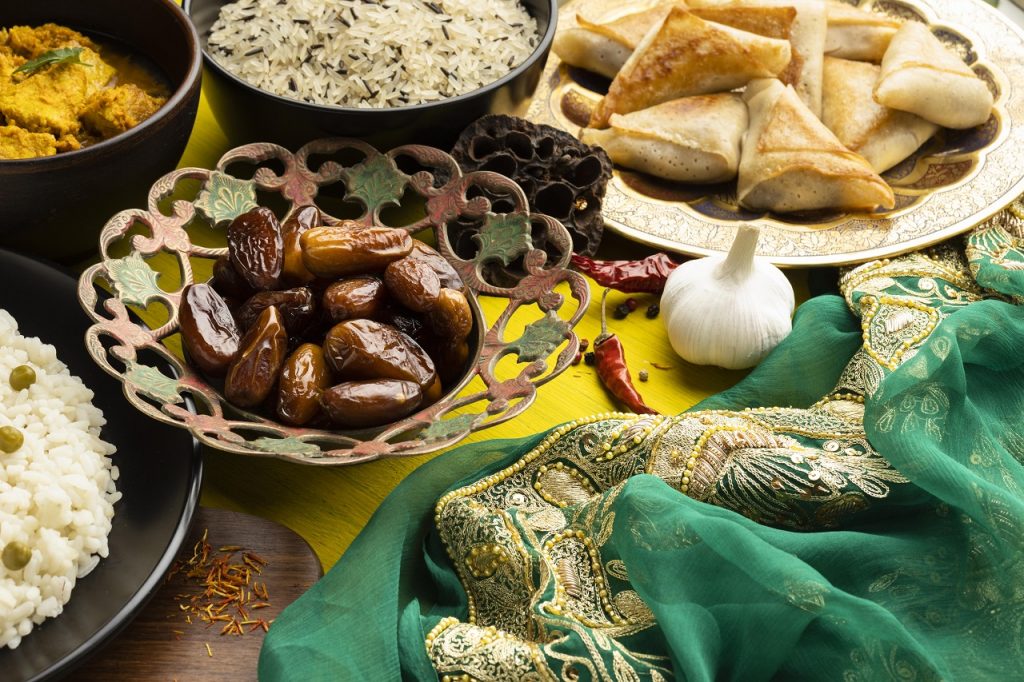
A Special Note on Dates (Tamr)

Dates are a cultural symbol of generosity and tradition in Saudi Arabia — and you don’t need to give them up.

However, they do contain natural sugars, so moderation is key:

  • Eat 1 to 3 dates at a time
  • Pair them with a handful of nuts (like almonds or walnuts) or a spoon of yoghurt — this slows down sugar absorption

Don’t Forget Fruits & Veggies

Non-starchy vegetables and low-GI fruits (like cucumbers, lettuce, spinach, apples, and berries) are your best friends. Include a variety in your meals to support overall health, digestion, and blood sugar control.

Your Health Starts at Home

With a few mindful swaps and a return to traditional whole foods, you can take charge of your health — right from your kitchen.

🟢 Choose wisely
🟢 Eat mindfully
🟢 Stay consistent

And always work closely with your doctor or registered dietitian for personalised care.

Disclaimer: This information is for educational purposes only. Always consult your doctor or a licensed dietitian before making changes to your diet.

  • « Previous Page
  • 1
  • …
  • 3
  • 4
  • 5
  • 6
  • 7
  • …
  • 32
  • Next Page »

Search

Recent Posts

  • Foods to Manage Blood Sugar Naturally: A Complete Guide to Better Blood Sugar Control
  • The Lazy Person’s Guide to Staying Healthy: 5 Micro-Habits That Take Less Than 2 Minutes
  • Healthy Eating: Comforting Chilli Bean Soup Recipe for the Monsoon
  • The Truth About the ‘Beer Belly’: What Alcohol Really Does to Your Metabolism
  • Benefits of Meditation: How One Daily Habit Can Transform Your Mental Wellbeing

Stay Updated

Archives

  • August 2026 (7)
  • July 2026 (25)
  • June 2026 (22)
  • May 2026 (20)
  • April 2026 (24)
  • March 2026 (18)
  • February 2026 (14)
  • January 2026 (14)
  • December 2025 (19)
  • November 2025 (15)
  • October 2025 (20)
  • September 2025 (6)
  • August 2025 (6)
  • July 2025 (9)
  • June 2025 (18)
  • May 2025 (16)
  • April 2025 (22)
  • March 2025 (26)
  • February 2025 (21)
  • January 2025 (25)
  • December 2024 (22)
  • November 2024 (22)
  • October 2024 (20)
  • September 2024 (22)
  • August 2024 (28)
  • July 2024 (15)
  • June 2024 (23)
  • May 2024 (26)
  • April 2024 (27)
  • March 2024 (27)
  • February 2024 (23)
  • January 2024 (21)
  • December 2023 (14)
  • November 2023 (10)
  • October 2023 (19)
  • September 2023 (21)
  • August 2023 (16)
  • July 2023 (16)
  • June 2023 (21)
  • May 2023 (20)
  • April 2023 (19)
  • March 2023 (23)
  • February 2023 (19)
  • January 2023 (15)
  • December 2022 (11)
  • November 2022 (15)
  • October 2022 (15)
  • September 2022 (12)
  • August 2022 (9)
  • July 2022 (17)
  • June 2022 (11)
  • May 2022 (10)
  • April 2022 (6)
  • March 2022 (6)
  • February 2022 (13)
  • January 2022 (11)
  • December 2021 (7)
  • November 2021 (3)
  • October 2021 (6)
  • September 2021 (3)
  • August 2021 (8)
  • July 2021 (7)
  • June 2021 (15)
  • May 2021 (16)
  • April 2021 (10)
  • March 2021 (7)
  • February 2021 (4)
  • January 2021 (4)
  • December 2020 (3)
  • November 2020 (4)
  • October 2020 (10)
  • September 2020 (3)
  • August 2020 (3)
  • July 2020 (2)
  • June 2020 (4)
  • May 2020 (10)
  • April 2020 (12)
  • March 2020 (10)
  • February 2020 (4)
  • January 2020 (4)
  • December 2019 (3)
  • November 2019 (7)
  • October 2019 (5)
  • September 2019 (4)
  • August 2019 (9)
  • July 2019 (9)
  • June 2019 (11)
  • May 2019 (4)
  • April 2019 (8)
  • March 2019 (8)
  • February 2019 (9)
  • January 2019 (8)
  • December 2018 (9)
  • November 2018 (3)
  • October 2018 (3)
  • September 2018 (5)
  • August 2018 (10)
  • July 2018 (6)
  • June 2018 (13)
  • May 2018 (8)
  • April 2018 (18)
  • March 2018 (9)
  • February 2018 (8)
  • January 2018 (15)
  • December 2017 (12)
  • November 2017 (19)
  • October 2017 (13)
  • September 2017 (15)
  • August 2017 (4)
  • July 2017 (8)
  • June 2017 (7)
  • May 2017 (6)
  • April 2017 (8)
  • March 2017 (6)
  • February 2017 (7)
  • January 2017 (9)
  • December 2016 (10)
  • November 2016 (7)
  • October 2016 (7)
  • September 2016 (7)
  • August 2016 (11)
  • July 2016 (9)
  • June 2016 (9)
  • May 2016 (12)
  • April 2016 (17)
  • March 2016 (17)
  • February 2016 (8)
  • January 2016 (6)
  • December 2015 (2)
  • November 2015 (9)
  • October 2015 (7)
  • September 2015 (9)
  • August 2015 (11)
  • July 2015 (9)
  • June 2015 (11)
  • May 2015 (9)
  • April 2015 (13)
  • March 2015 (8)
  • February 2015 (5)
  • January 2015 (12)
  • December 2014 (14)
  • November 2014 (11)
  • October 2014 (6)
  • September 2014 (13)
  • August 2014 (12)
  • July 2014 (6)
  • June 2014 (2)
  • May 2014 (7)
  • April 2014 (4)

From Burnout to Balance: How Dr. Ranjit Reclaimed His Health

Dr Ranjit Bhatt has spent years tending to others. A practising doctor in Odisha, his days were packed with patients, surgeries, and emergencies. From the outside, it looked like a life lived in service. But on the inside, something wasn’t right. “I had no … [Read More...]

From Shimla’s Slopes to Chandigarh’s Sidewalks: Surinder Kaur Bhalla’s Journey from Chaos to Control

Some journeys start with a plan. Others begin with a stumble literally. Surinder Bhalla, a government professional, born and raised in the scenic hill town of Shimla, had always lived a life of movement. “In Shimla, you walked everywhere,” she reflects. “Walking was never an exercise. It was just life.” But after shifting to Chandigarh, […]

“I’ve Challenged Myself to Live 100 Years” – The Story of Chandubhai Savani’s Second Chance at Life

At 67, most people start slowing down. Not Chandubhai Savani. A resident of Surat, Chandubhai, thought life was on track. “My life was going well till I had my bypass surgery,” he says. That surgery, back in 2021, was a wake-up call.  Medication was routine, but exercise wasn’t. His diet? What he calls ‘normal.’ “I […]

Ananda Mukherjee Health Story

From Terminal Illness To Complete Wellness! Ananda Mukherjee Health Story

As we observe World Cancer Day under the powerful theme ‘United by Unique’ (2025-2027)**, we are reminded that every individual’s journey with cancer is distinct, yet united by shared resilience, hope, and the collective fight against this disease. This theme places people at the centre of care and their stories at the heart of the […]

  • HOME
  • HEALTHY LIVING
  • FITNESS
  • HEALTHY RECIPES
  • USER STORIES
  • KARMA
  • BUY GOQii

Copyright ©2016 GOQii
