 When faced with even a minor headache, muscle tension or other pains, popping a pill seems like the easiest way out. It has almost become a habit to such an extent that we don’t even think twice before gulping down a painkiller or an antibiotic. What we fail to realize is how toxic such dependence can become! “Let food be thy medicine and medicine be thy food,” said Hippocrates. On that note, I will be listing down some foods that act as natural painkillers. The good news is that they do not have any side effects!
6 Natural Painkillers & Their Uses
1. Ginger & Turmeric
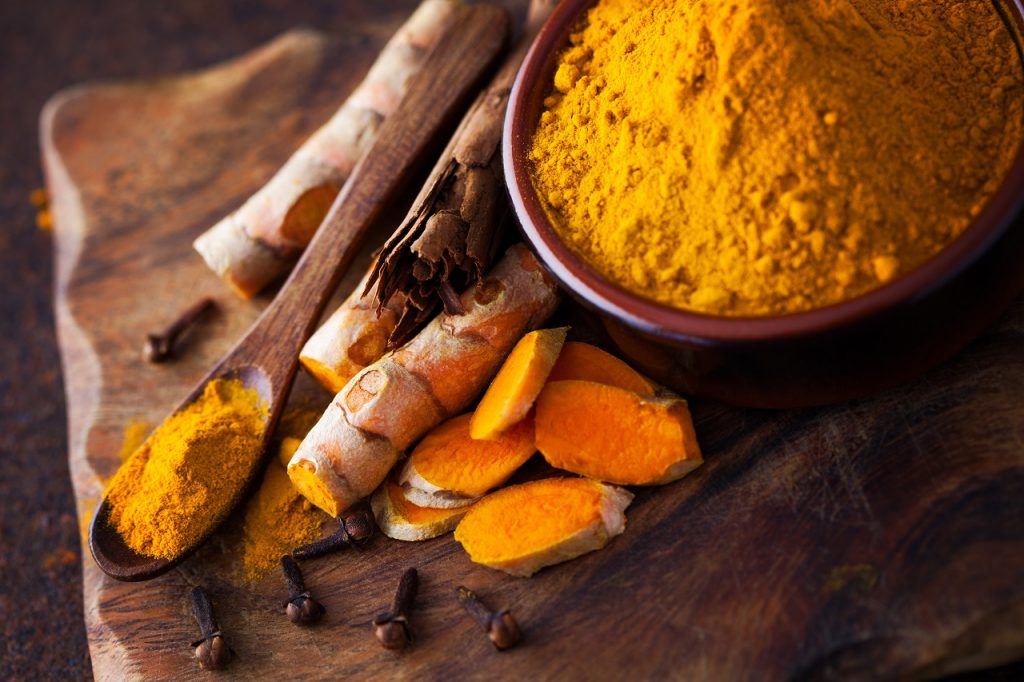
Ginger and Turmeric have powerful anti-inflammatory and anti-cancer properties. They are far more effective than drugs like ibuprofen for pain relief. Ginger helps block the formation of inflammatory compounds and also has antioxidant effects. Both the herbs can be added in tea, milk, hot water and smoothies.
Turmeric also improves blood circulation and prevents blood clotting. Turmeric’s active ingredient curcumin is responsible for lowering inflammation in our body, acts as a pain reliever for headache, menstrual cramps and even normal body aches. Gulp down a glass of turmeric milk or ginger + turmeric water before sleeping and say hello to a super relaxed body the next day!
2. Cloves
Cloves have been long used since ancient times to treat toothaches. Cloves may also help ease nausea and treat cold. They may also help relieve the pain associated with headaches, arthritic inflammation and toothaches. A compound called Eugenol is responsible for the pain relieving properties of cloves. Rub a small amount of clove oil on gums for battling gum issues or dip a small pulse size cotton ball in clove oil and keep on aching tooth to get immediate relief.
3. Plain Yoghurt
Plain yoghurt has been long used to ease the symptoms of bloating and inflammation. The healthy bacteria in yoghurt improves digestion and helps in relieving abdominal pain. Try having a bowl of curd with some black salt, asafoetida and roasted cumin powder for long term good gut health. Buttermilk made from low fat milk is also a good way to treat indigestion.
4. Green tea
Green tea is emerging as the new age miracle food. It is packed with polyphenols, antioxidants and helps reduce inflammation and muscle damage. The miracle compound present is an antioxidant called epigallocatechin-3-gallate (EGCG) which helps blocks pain signals and provides relief in body ache, menstrual cramps, headache and even arthritis.
5. Peppermint
Most of us have heard of and even used a small green mint pill, popularly sold as a capsule to relieve stomach ache! It actually contains extracts of Peppermint which is known for its therapeutic properties. Mint has a cooling nature and can help in relieving indigestion, nausea and headache. Menthol, peppermint’s main active ingredient, is found in the leaves and flowering tops of the plant. So next time before you pop a pill for stomach ache or indigestion, try a cup of mint tea.
6. Asafoetida
Asafoetida, commonly known as ‘Hing’ in Indian households is a common ingredient used in curries and vegetables. It is known to reduce bloating, stomach ache and gastric issues. To effectively relieve abdominal pain, try applying Hing paste on the naval area. A powder consisting of roasted Asafoetida, cumin seeds and carom seeds works wonders for digestion and reducing bloating. It has antioxidant and anti- inflammatory properties which make it a very useful common kitchen ingredient.
Hopefully, this article on natural painkillers will help you rely less on pills and more on natural ingredients which can help you relieve common ailments. Do share your thoughts in the comments below!
For more tips and articles like this one, check out Healthy Reads or ask an expert by subscribing for personalised health coaching here: https://goqiiapp.page.link/bsr
#BeTheForce