
GOQii

Blog

  • HOME
  • HEALTHY LIVING
  • FITNESS
  • HEALTHY RECIPES
  • USER STORIES
  • KARMA
  • BUY GOQii

Search Results for: sleep series

January 12, 2022 By Mohammed Tufail Qureshi 1 Comment

Manage Stress By Managing Your Cortisol Levels!

Manage Stress By Managing Cortisol LevelsHow often do we hear people say, “I am so stressed”? Given the current pandemic scenario, the lockdown and the threat of new variants, we’re sure you might have heard a lot of people say this. While the stress is reasonable, do you know what causes it? Is it the pressure of working from home thwarting your work-life balance, is it the news or could it be the excessive release of stress hormones? If you weren’t aware, just as there are hormones that make you feel good, there’s a stress hormone called Cortisol but it’s not all bad.

The cortisol stress hormone management system is released by the adrenal cortex glands in order to regulate blood sugar, blood pressure and the immune system. While it does regulate blood sugar, blood pressure and the immune system, if it is released at a wrong time, it can be harmful. What triggers the rise of this crucial hormone is mental and physical stress, insulin spikes, too many stimulants, overindulgence of processed food and toxicity build up.

Sources Of Chronic Stress Include: 

  • Lack of sleep and insomnia
  • Negative thoughts and emotions
  • Sugar cravings and low serotonin levels
  • Caffeine and stimulant abuse (more than 2 coffees per day)
  • Acidity and Toxicity
  • Lethargy and lack of energy

Burning stubborn belly fat has to be one of the most popular stresses that people have and most have a problem dealing with this issue. What we fail to identify is that losing body fat, especially on the lower abdomen, is a hormonal issue.

It’s NOT overeating!

It’s NOT sugar or carbohydrates!

It’s NOT lack of exercise!

The one culprit that can quash your fat burning efforts and leave you with stubborn belly fat is your cortisol and adrenaline hormones. Stress leads to adrenals burning out, and excess cortisol and adrenalin lead to a number of health problems. If prolonged, it can lead to:

  • Excess abdomen fat
  • A serious drop in testosterone, and rise in estrogen
  • Hypertension and anxiety
  • Bone, mineral and muscle loss (cortisol is a catabolic hormone and is often elevated)
  • High blood sugar and insulin resistance

How Can You Bring Cortisol Levels Under Control? 

stress managementGiven how high stress levels have been lately due to the pandemic, it is important to manage stress by managing spiking cortisol levels. Dealing with Cortisol can be tricky. If dealt with proper techniques and supplements, one can get the Cortisol levels under control. Here are a few tips to help you out:

  • Reduce physical and mental stress by becoming more calm and relaxed. Meditation and pranayama are your allies.
  • Exclude sugar and processed foods from your regular diet and replace them with whole organic foods that will help improve digestion and in turn, reward you with a healthier GUT!
  • Lower toxicity and acidity which adds stress to the body internally by making the simple shifts in the food choices, thoughts and emotions.
  • To take control of Cortisol levels, one needs to learn how to unwind and relax every single day for at least 20 – 30 minutes and learn to take deep breaths and clear the mind. You can also indulge in a hobby you like!
  • Meditation and yoga are some excellent ways to relax and bring down cortisol levels effectively.
  • Exercise is a true savior and has been shown to reduce cortisol effectively. But a word of caution – don’t overdo it and do it correctly or else it could have the opposite effect.
  • Cortisol is at its lowest during sleep. So, make sure you get adequate and good quality sleep. This Sleep Series could help you understand your sleep better.

Additionally, it’s best to steer clear of news and social media updates that stress you out. You can check it once a day to just get an update but there’s no point in indulging in every news article that comes your way, especially if it paints a grim picture. So zone out, take care of your health, keep calm and be stress-free!

We hope this article helps you during these precarious times. For more on stress management, check out Healthy Reads. To learn how to manage stress effectively, ask a GOQii Coach by subscribing for personalized health coaching here: https://goqiiapp.page.link/bsr

Stay home, keep calm and #BeTheForce! 
July 6, 2021 By Premlata Sharma Leave a Comment

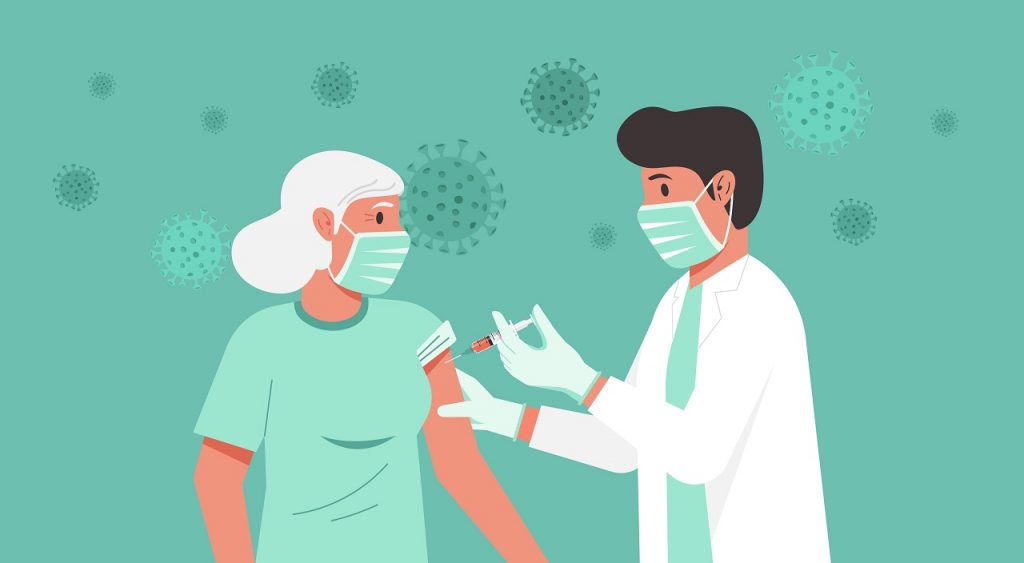
Coronavirus Prevention Tips For Older Adults

Prevention Tips For Older Adults We are well aware of how contagious COVID-19 is. Research has found that the coronavirus creates inflammation in the body. Inflammation has been connected to most of the major diseases of our time and over half of us are living with chronic inflammation driven by diet, stress and lack of sleep. According to the National Foundation of Infectious Diseases, older adults are considered to be at high risk as compared to others because their immunity weakens as they age. The risk increases with 50+ and those who are 85+ are more vulnerable to severe infection. WHO has provided guidelines and coronavirus prevention tips for older adults to manage themselves during this pandemic. 

Coronavirus Prevention Tips For Older Adults 

Some of the basic guidelines suggested by WHO include: 

  • Washing hands frequently with proper hand wash
  • Avoid touching eyes, nose and ears with unwashed hands
  • Wear a mask when going out
  • Clean frequently touched surfaces with disinfectants
  • Avoid going out if you are sick
  • Cough or sneeze into your flexed elbow to avoid spread of the virus
  • Maintain social-distancing of about 6feet (1meter)
  • Do not go out in public places even if you feel healthy, if important follow all the instructions given by local authorities
  • Socialize over the phone with friends and relatives
  • Avoid unnecessary traveling

For Adults With Health Conditions 

  • Older adults with underlying health conditions such as diabetes, BP, cholesterol, thyroid, kidney problems, asthma etc. should avoid going out. Do not visit the hospital unless necessary. 
  • Take precautions if you suffer from respiratory disorders 
  • Monitor your health via devices to avoid panic. You can use the GOQii Smart Vital to measure your blood oxygen levels (SpO2), body temperature, heart rate and blood pressure. You can also use the GOQii Vital ECG to check and detect issues such as arrhythmia and other abnormalities in heart rhythm.  
  • Prefer online consultation and purchase medicines online too.
  • Plan 2 weeks in advance and purchase daily requirements online
  • Get vaccinated as soon as you can. For now, this is the best preventive measure you can take.
  • Forego vices such as smoking, alcohol and consuming tobacco products as they may deteriorate or worsen health conditions. 

Some Health Tips You Can Follow 

  1. Switch to a healthy diet: Include whole grains, cereals, pulses, fruits, vegetables, seeds and nuts.
  2. Maintain healthy weight: If overweight, try to reduce your weight gradually in a healthy way. Your GOQii Coach can help you with this!
  3. Reduce stress: Don’t panic in critical situations and don’t over stress as this can lead to low immunity levels.
  4. Sleep well: Proper and timely sleep is very crucial in maintaining health. The quality of your sleep also matters. Read more about sleep in our Sleep Series: https://goqii.com/blog/?s=sleep+series 
  5. Keep yourself hydrated: Have at least 3 liters of water everyday. Should be adjusted according to individual needs.
  6. Exercise regularly: Even mild exercise such as walking or yoga accompanied by pranayama can go a long way in keeping you healthy!
  7. Boost your immunity: Immunity of a person can be boosted in many ways through nutrition, exercise, etc. It is believed that acquired immunity can be made strong by following a healthy lifestyle. Get some immunity boosting tips here: https://goqii.com/blog/?s=immunity 
  8. Avoid processed and packaged foods: They are high in fats, sugar and salt. Preservatives present in these items lower our immunity.

Foods That You Can Eat 

  • Dark green leafy vegetables: Such as spinach, methi etc. are rich in vitamins and minerals. 
  • Fruits: Especially citrus fruits like orange, strawberry, sweet lime, lemon etc.
  • Unsalted nuts and seeds: Flax seeds, sunflower seeds, pumpkin seeds etc. provides good fats.
  • Fatty fish: Salmon, sardines are rich sources of beneficial fatty acids and omega 3.
  • Olive oil and coconut oil: Prefer cold pressed, virgin, double filtered and filtered ones.
  • Millets and whole grains: Ragi, oats, barnyard, little millet etc. as they provide more fibers compared to refined products.
  • Green tea: Rich in antioxidants and flavonoids, green tea helps in boosting immunity.
  • Herbs: such as ginger, garlic, turmeric pepper corns, cinnamon, giloy, tulsi, etc. helps in boosting immunity.
  • Probiotics like curds, ACV etc. keep the gut healthy! 

We hope these immunity boosting coronavirus prevention tips for older adults help you stay healthy and active! Let us know your thoughts in the comments below! For more on the health and wellness of senior citizens, check out Healthy Reads or tune in to classes on GOQii Play. 

To get more tips directly from your GOQii Coach, sign up for personalized coaching now: https://goqiiapp.page.link/bsr 

#BeTheForce 

June 10, 2026 By GOQii Leave a Comment

Cortisol and Chronic Stress: What Your Body Is Trying to Tell You

The Big Question: What happens to your body when your biological stress response refuses to switch off?

Cortisol is often called the “stress hormone,” but it plays an essential role in helping your body function properly. It helps regulate energy, supports your natural circadian rhythm, manages blood pressure, and enables you to respond to immediate daily challenges. Problems arise when psychological or physical stress becomes chronic, causing the body’s stress response to remain switched on for too long. Over time, this persistent hormonal elevation can severely affect sleep architecture, mood stability, daily energy levels, food cravings, tissue recovery, and weight management.

Have you ever felt completely exhausted despite getting what felt like enough sleep? Found yourself reaching for sugary snacks or highly processed comfort foods during a chaotic day at work? Or perhaps you have struggled to switch off your mind at night, staring at the ceiling even when your body feels physically tired?

If any of these scenarios sound familiar, cortisol is likely playing a major role beneath the surface. In today’s fast-paced world, stress has become so common that many people simply accept it as a normal part of life. While occasional acute stress is unavoidable, chronic stress can have a massive impact on both physical and mental wellbeing. Understanding how cortisol works inside your body is the first step towards managing stress more effectively and supporting your long-term health.

What Is Cortisol?

Cortisol is a vital glucocorticoid hormone produced and released by the adrenal glands, which sit right on top of your kidneys. It is frequently referred to as the body’s primary stress hormone because it orchestrates your “fight-or-flight” survival mechanisms during physical and emotional challenges.

However, cortisol is not inherently harmful. In a balanced state, it performs several critical housekeeping functions, including regulating daily energy levels, supporting macronutrient metabolism, maintaining healthy blood pressure, and managing your baseline immune response and inflammation.

Cortisol follows a natural daily rhythm tied to light exposure. Levels are typically highest in the morning to help you wake up and feel alert, then gradually decline throughout the day, reaching their lowest point at night to support deep, cellular recovery. This natural curve is essential for keeping the body functioning efficiently.

[Morning: Cortisol Peaks] ──► Sharp Awakening Alertness

│

▼

[Mid-Day: Steady Decline] ──► Sustained Energy & Focus

│

▼

[Night: Cortisol Drops]    ──► Deep Rest, Sleep & Cellular Recovery

When Stress Becomes Chronic

Stress is not always a bad thing. In short bursts, an acute stress response helps us meet tough deadlines, perform well under pressure, and navigate difficult environments safely. The biological problem begins when that stress becomes constant.

Unlike our ancestors, who experienced short-lived, immediate physical threats, modern stressors often linger for weeks, months, or even years. Common culprits include:

  • Non-stop workplace pressure and professional burnout
  • Prolonged financial concerns and family caregiving responsibilities
  • Chronic sleep deprivation and a lack of downtime
  • Constant digital connectivity and information overload

When these factors dominate your life, the brain keeps the body’s stress response activated far longer than intended, which can negatively impact almost every major organ system.

Subtle Signs Your Body Is Under Chronic Adrenal Strain

Chronic stress rarely announces itself loudly; instead, it whispers through a series of progressive, interconnected physical symptoms:

  • Poor Sleep Quality: You may experience difficulty falling asleep due to an overactive mind, frequent nighttime waking, or waking up feeling completely unrefreshed because your body was blocked from entering deep-stage recovery. This makes understanding why quality sleep matters an absolute priority.
  • Increased Food Cravings: High cortisol levels trigger a strong desire for quick-energy foods. This manifests as intense, unmanageable cravings for sugary treats, salty snacks, and highly processed items.
  • Persistent Fatigue: You are left feeling physically and mentally drained, experiencing chronic brain fog that a cup of coffee can no longer fix.
  • Mood Fluctuations: Chronic cortisol elevation heavily impacts your neurotransmitters, contributing to constant irritability, generalized anxiety, difficulty concentrating, and a feeling of being completely overwhelmed.
  • Reduced Tissue Recovery: Your body struggles to recover efficiently from exercise, minor illnesses, or the everyday physical demands of daily life.

Can Stress Affect Weight Management?

One of the most common questions people ask is whether chronic stress makes it harder to lose weight. The answer is a definitive yes—but the mechanisms are much more complex than just a simple calorie equation. Weight management is a multifaceted process influenced by nutrition, physical activity, genetics, and hormone behavior. Chronic stress complicates this puzzle by skewing your baseline habits.

First, elevated cortisol alters your appetite hormones, increasing the emotional desire for calorie-dense foods that provide a temporary dopamine reward. Second, poor sleep directly disrupts ghrelin and leptin (your hunger and fullness hormones), leading to increased calorie intake the next day. Third, feeling chronically exhausted severely reduces your physical motivation for daily movement and healthy meal preparation.

Over time, elevated cortisol can also be associated with increased abdominal fat accumulation in certain individuals. However, stress is only one piece of the puzzle. Rather than fearing a single hormone, it is far more effective to look at the overall lifestyle factors that dictate your health outcomes.

6 Science-Backed Ways to Support Healthy Cortisol Levels

To help your nervous system switch off, focus on deploying practical, daily habits that promote physical and mental de-escalation.

  1. Prioritize Restorative Sleep

Quality sleep is the single most powerful tool for resetting your adrenal rhythm. Aim for 7 to 9 hours of uninterrupted sleep per night by maintaining a consistent sleep schedule and keeping your environment cool and dark.

  1. Move Your Body Mindfully Every Day

Regular movement is exceptional for lowering stress hormones, but you do not need exhausting, high-intensity workouts to reap the benefits. Gentle, low-impact activities like swimming, cycling, strength training, or walking: the most underrated exercise can drastically lower your baseline tension.

  1. Practice Dedicated Mindfulness and Relaxation

Consciously calming your nervous system can fundamentally re-train your biological response to daily triggers. Dedicate at least 10 minutes a day to structured meditation, deep diaphragmatic breathing exercises, or journaling to help reduce internal stress. Mastering these stress management techniques is essential for long-term emotional resilience.

  1. Focus on Well-Balanced Nutrition

What you eat directly impacts how your brain perceives stress. Avoid heavy sugar spikes by focusing your meals around whole grains, fresh fruits, vegetables, lean proteins, and healthy fats. Keeping your blood sugar stable directly supports your overall energy levels, which plays a massive role in improving your metabolic flexibility explained.

Furthermore, a balanced diet directly supports your microbiome. The enteric nervous system is intimately tied to your brain, meaning that taking care of the gut-brain connection can radically improve how your body handles emotional anxiety.

  1. Establish Firm Digital Boundaries

Constant exposure to work emails, social media feeds, and breaking news keeps your brain in a state of continuous, unnatural stimulation. Practice turning off non-essential notifications, limiting daily doomscrolling, and scheduling dedicated screen-free blocks every evening so your mind has a genuine opportunity to recharge.

  1. Foster Meaningful Human Connections

Human connection is an incredibly potent, evolutionary tool for stress reduction. Spending quality time interacting with family, friends, support groups, or community networks releases oxytocin, which acts as a natural buffer against the damaging cellular effects of cortisol.

The Bottom Line

Cortisol is not a chemical you need to fear or fight. It is a completely normal, essential hormone designed to help your body adapt to the challenges of living. The ultimate goal is not to eliminate cortisol, but to build a supportive lifestyle that allows your stress response to switch off smoothly when it is no longer needed.

By prioritizing quality sleep, daily movement, proper nutrition, and intentional digital downtime, you allow your body to naturally find its balance again securing your physical vitality, mental wellbeing, and long-term healthy ageing through lifestyle habits. Stress management is not a luxury; it is a fundamental investment in your future health.

Pro Tip: Managing your stress response requires consistent lifestyle tracking. Use the GOQii App to log your daily nutritional choices, active movement minutes, and sleep logs. You can share this comprehensive data overview directly with your GOQii Personalised Health Coach to identify hidden lifestyle triggers, build healthier daily routines, and create a highly practical plan to support your long-term wellness goals!

Frequently Asked Questions (FAQs)

  1. Is cortisol a bad hormone?

No. Cortisol is an absolutely essential hormone required for human survival. It helps regulate your morning energy levels, macronutrient metabolism, blood pressure, and immune function. Biological problems only occur when psychological or physical stress becomes chronic, causing cortisol to remain elevated for prolonged periods without a break.

  1. Can stress make it harder to lose weight?

Yes. Chronic stress can alter your baseline appetite and intensify cravings for calorie-dense foods. Additionally, poor sleep quality and high fatigue levels can disrupt your hunger-regulating hormones and sap your daily motivation for physical activity, making long-term weight management more difficult.

  1. What are the most common signs of chronic stress?

Chronic stress commonly manifests as poor sleep quality, daytime fatigue, heightened sugar or processed food cravings, increased irritability, generalized anxiety, difficulty concentrating, and a frequent feeling of being emotionally overwhelmed.

  1. What is the fastest way to lower stress levels?

While there is no instant fix for chronic strain, taking slow, deep diaphragmatic breaths for 5 minutes is the fastest way to manually stimulate your vagus nerve and shift your body from a sympathetic (“fight-or-flight”) to a parasympathetic (“rest-and-digest”) state. Regular physical movement, spending time outdoors in nature, and prioritizing sleep are also highly effective long-term strategies.

#BeTheForce

Disclaimer: This article is intended for educational and informational purposes only. It is not intended to replace professional medical advice, diagnosis, or treatment. Always consult a qualified endocrinologist or healthcare provider for any concerns regarding your hormonal health.

March 17, 2026 By GOQii Leave a Comment

Sustaining the “GLP-1 Glow”: Nutrition for Skin and Tissue Elasticity

One of the biggest concerns discussed in global wellness circles today is the impact of rapid weight loss on the skin. Whether it’s the face or the body, losing weight quickly can sometimes leave the skin struggling to “snap back.” While genetics certainly play a role, your lifestyle and nutrition are the primary drivers of how your skin adapts during this transformation.

With the growing use of GLP-1 therapies for weight management, many people are experiencing significant weight loss in a relatively short period. While this is beneficial for metabolic health, it also raises an important question: how can we support skin elasticity and maintain a healthy glow during this journey?

The answer lies in supporting your skin from the inside out through nutrient-dense foods and healthy lifestyle habits.

The Science of Skin Elasticity

Your skin relies on two important structural proteins:

Collagen – provides strength and structure to the skin
Elastin – allows the skin to stretch and bounce back

When you lose weight, the fat layer beneath the skin shrinks. If the body does not have enough nutrients to rebuild and maintain collagen and elastin, the skin may appear loose or less firm.

This is why some people experience what social media often refers to as “Ozempic face” or loose skin following rapid weight loss.

However, this outcome is not inevitable. With the right nutritional support, the body can continue to repair and maintain healthy skin tissue even as weight decreases.

Your Skin-Support Protocol

Supporting skin elasticity during weight loss involves focusing on nutrients that promote collagen production, reduce oxidative stress, and maintain hydration.

1. Hydration Beyond Water

Skin elasticity depends heavily on internal hydration.

While drinking enough water is essential, hydrating foods also play an important role. Fruits and vegetables such as:

  • cucumbers
  • watermelon
  • oranges
  • strawberries

provide both hydration and vitamin C, a crucial nutrient required for collagen synthesis.

Vitamin C acts as a co-factor that helps the body build and stabilise collagen fibres, which support skin structure and elasticity.

2. Amino Acid Loading

Collagen itself is made from amino acids, particularly:

  • glycine
  • proline
  • hydroxyproline

This means adequate protein intake becomes critical during weight loss.

If your diet consistently meets your protein needs, you are providing the body with the building blocks needed to maintain healthy skin tissue.

Good sources include:

  • eggs
  • fish
  • tofu
  • Greek yogurt
  • legumes
  • lean poultry

Protein supports not only muscle maintenance but also the structural integrity of the skin.

3. The Power of Omega-3 Fats

Healthy fats are often overlooked when discussing skin health.

Omega-3 fatty acids help maintain the skin’s protective barrier and improve cell membrane function. This supports moisture retention and prevents the dull or “sallow” appearance that sometimes accompanies rapid weight loss.

Excellent omega-3 sources include:

  • salmon
  • walnuts
  • flaxseeds
  • chia seeds

Including these foods regularly can help maintain skin hydration and elasticity.

4. Vitamin C and Antioxidants

Rapid weight loss can increase oxidative stress in the body. Free radicals generated during this process may damage collagen and accelerate skin ageing.

Antioxidant-rich foods help neutralise these harmful compounds and protect skin structure.

Add a variety of colourful foods to your plate such as:

  • berries
  • leafy greens
  • citrus fruits
  • tomatoes
  • carrots

These provide vitamins, polyphenols and antioxidants that support healthy skin repair.

Nutrition and Skin Elasticity: Quick Guide

 Nutrient  Role in Skin Health  Food Sources
 Protein  Provides amino acids for collagen production  Eggs, fish, tofu, legumes
 Vitamin C  Supports collagen synthesis  Citrus fruits, berries, bell peppers
 Omega-3 Fats  Maintains skin barrier and hydration  Salmon, walnuts, flaxseeds
 Antioxidants  Protect collagen from oxidative damage  Leafy greens, berries

Supporting Your Skin During Weight Loss

While topical skincare can help maintain moisture, the foundation of skin health comes from nutrition, hydration and lifestyle habits.

Some simple habits that support skin elasticity include:

  • meeting your daily protein intake
  • eating a variety of colourful fruits and vegetables
  • including healthy fats regularly
  • staying well hydrated
  • maintaining gradual, sustainable weight loss

These habits allow the body to adapt more effectively to physical changes.

The Real Secret to the “GLP-1 Glow”

Many people talk about the “GLP-1 glow” the improved skin tone and overall appearance that often accompanies healthier habits during weight loss.

But this glow does not come from medication alone.

It comes from:

  • improved nutrition
  • better metabolic health
  • reduced inflammation
  • healthier lifestyle patterns

When the body receives the nutrients it needs, the skin becomes a visible reflection of internal health.

Rapid weight loss does not have to come at the expense of skin health. By prioritising nutrient-dense foods, adequate protein intake, healthy fats and antioxidants, you can support collagen production and maintain skin elasticity throughout your weight-loss journey.

Remember, skincare products can help on the surface but true skin health begins from within.

Frequently Asked Questions

Can GLP-1 medications cause loose skin?
Rapid weight loss can sometimes reduce skin firmness because the body needs time to rebuild collagen and elastin fibres. Proper nutrition and gradual weight loss can help support skin elasticity.

What nutrients support skin during weight loss?
Protein, vitamin C, omega-3 fats and antioxidants are essential nutrients that help maintain collagen production and skin health.

Does hydration affect skin elasticity?
Yes. Adequate hydration supports skin structure and helps maintain elasticity, especially during weight loss.

The Bigger Picture: Your GLP-1 Health Journey

This article is part of our GLP-1 lifestyle series, which explores how nutrition, recovery and lifestyle habits support long-term metabolic health.

You may also find these helpful:

  • Protein intake and muscle preservation during GLP-1 therapy

  • Navigating taste changes and appetite shifts

  • Supporting gut health during weight loss

  • Sleep and metabolic recovery during GLP-1 therapy

Together, these habits help build a sustainable and balanced health journey.

#BeTheForce

Taking control of your nutrition and lifestyle habits is one of the most powerful ways to support both metabolic health and skin vitality.

If you would like personalised guidance on nutrition, weight management and overall wellness, connect with your GOQii Coach and begin your journey toward sustainable health.

Disclaimer: GOQii is committed to providing accurate, up-to-date and comprehensive health information. This article is intended for informational purposes only and should not be used as a substitute for professional medical advice, diagnosis or treatment. Always consult a qualified healthcare professional before starting or changing any medication. Individual responses to treatment may vary.

  • « Previous Page
  • 1
  • 2
  • 3
  • 4
  • 5
  • Next Page »

Search

Recent Posts

  • 10 Everyday Habits That Could Be Hurting Your Health
  • Why Good Nutrition Matters: Benefits of Healthy Eating for a Healthy Life
  • Monsoon Health Tips: How to Boost Your Immunity During Seasonal Changes
  • Yoga for Healthy Ageing: Simple Practices to Add Life to Your Years
  • Calming Your Mind: Breathing Techniques for ADHD

Stay Updated

Archives

  • June 2026 (22)
  • May 2026 (20)
  • April 2026 (24)
  • March 2026 (18)
  • February 2026 (14)
  • January 2026 (14)
  • December 2025 (19)
  • November 2025 (15)
  • October 2025 (20)
  • September 2025 (6)
  • August 2025 (6)
  • July 2025 (11)
  • June 2025 (18)
  • May 2025 (16)
  • April 2025 (22)
  • March 2025 (27)
  • February 2025 (21)
  • January 2025 (25)
  • December 2024 (22)
  • November 2024 (23)
  • October 2024 (20)
  • September 2024 (23)
  • August 2024 (29)
  • July 2024 (20)
  • June 2024 (25)
  • May 2024 (26)
  • April 2024 (27)
  • March 2024 (27)
  • February 2024 (23)
  • January 2024 (21)
  • December 2023 (14)
  • November 2023 (10)
  • October 2023 (19)
  • September 2023 (22)
  • August 2023 (18)
  • July 2023 (21)
  • June 2023 (23)
  • May 2023 (20)
  • April 2023 (19)
  • March 2023 (23)
  • February 2023 (19)
  • January 2023 (15)
  • December 2022 (11)
  • November 2022 (15)
  • October 2022 (15)
  • September 2022 (12)
  • August 2022 (10)
  • July 2022 (17)
  • June 2022 (11)
  • May 2022 (10)
  • April 2022 (6)
  • March 2022 (6)
  • February 2022 (13)
  • January 2022 (11)
  • December 2021 (7)
  • November 2021 (3)
  • October 2021 (6)
  • September 2021 (3)
  • August 2021 (8)
  • July 2021 (7)
  • June 2021 (15)
  • May 2021 (16)
  • April 2021 (10)
  • March 2021 (7)
  • February 2021 (4)
  • January 2021 (4)
  • December 2020 (3)
  • November 2020 (4)
  • October 2020 (10)
  • September 2020 (3)
  • August 2020 (3)
  • July 2020 (2)
  • June 2020 (4)
  • May 2020 (10)
  • April 2020 (12)
  • March 2020 (10)
  • February 2020 (4)
  • January 2020 (4)
  • December 2019 (3)
  • November 2019 (7)
  • October 2019 (5)
  • September 2019 (4)
  • August 2019 (9)
  • July 2019 (9)
  • June 2019 (11)
  • May 2019 (4)
  • April 2019 (8)
  • March 2019 (8)
  • February 2019 (9)
  • January 2019 (8)
  • December 2018 (9)
  • November 2018 (3)
  • October 2018 (3)
  • September 2018 (5)
  • August 2018 (10)
  • July 2018 (6)
  • June 2018 (13)
  • May 2018 (8)
  • April 2018 (18)
  • March 2018 (9)
  • February 2018 (8)
  • January 2018 (15)
  • December 2017 (12)
  • November 2017 (19)
  • October 2017 (13)
  • September 2017 (15)
  • August 2017 (4)
  • July 2017 (8)
  • June 2017 (7)
  • May 2017 (6)
  • April 2017 (8)
  • March 2017 (6)
  • February 2017 (7)
  • January 2017 (9)
  • December 2016 (10)
  • November 2016 (7)
  • October 2016 (7)
  • September 2016 (7)
  • August 2016 (11)
  • July 2016 (9)
  • June 2016 (9)
  • May 2016 (12)
  • April 2016 (17)
  • March 2016 (17)
  • February 2016 (8)
  • January 2016 (6)
  • December 2015 (2)
  • November 2015 (9)
  • October 2015 (7)
  • September 2015 (9)
  • August 2015 (11)
  • July 2015 (9)
  • June 2015 (11)
  • May 2015 (9)
  • April 2015 (13)
  • March 2015 (8)
  • February 2015 (5)
  • January 2015 (12)
  • December 2014 (14)
  • November 2014 (11)
  • October 2014 (6)
  • September 2014 (13)
  • August 2014 (12)
  • July 2014 (6)
  • June 2014 (2)
  • May 2014 (7)
  • April 2014 (4)

From Shimla’s Slopes to Chandigarh’s Sidewalks: Surinder Kaur Bhalla’s Journey from Chaos to Control

Some journeys start with a plan. Others begin with a stumble literally. Surinder Bhalla, a government professional, born and raised in the scenic hill town of Shimla, had always lived a life of movement. “In Shimla, you walked everywhere,” she reflects. … [Read More...]

From “Laddu Nawin” to Fit and Fierce: How a 25-Year-Old Insurance Advisor Shed 20 Kilos and Gained His Life Back

When 25-year-old Nawin Yadav from Hyderabad walked into his office every morning, he carried more than just his files and policy papers. He had the weight of fatigue, sluggish energy, and an ever-growing belly that was becoming the butt of jokes. “People had even started calling me Laddu Nawin,” he says with a laugh, but […]

From Burnout to Balance: How Dr. Ranjit Reclaimed His Health

Dr Ranjit Bhatt has spent years tending to others. A practising doctor in Odisha, his days were packed with patients, surgeries, and emergencies. From the outside, it looked like a life lived in service. But on the inside, something wasn’t right. “I had no control over my schedule. I’d sleep late, eat at odd hours, […]

Ananda Mukherjee Health Story

From Terminal Illness To Complete Wellness! Ananda Mukherjee Health Story

As we observe World Cancer Day under the powerful theme ‘United by Unique’ (2025-2027)**, we are reminded that every individual’s journey with cancer is distinct, yet united by shared resilience, hope, and the collective fight against this disease. This theme places people at the centre of care and their stories at the heart of the […]

  • HOME
  • HEALTHY LIVING
  • FITNESS
  • HEALTHY RECIPES
  • USER STORIES
  • KARMA
  • BUY GOQii

Copyright ©2016 GOQii