GOQii

Blog

  • HOME
  • HEALTHY LIVING
  • FITNESS
  • HEALTHY RECIPES
  • USER STORIES
  • KARMA
  • BUY GOQii

Search Results for: portion control

August 20, 2014 By Luke Coutinho Leave a Comment

Use this tool to eat Right and Lose Weight

portion-control
The concept of weight gain and weight loss will always remain the same, irrespective of any new theories on molecular science and diet, blood group diets, fad exercise programs, restrictive diets etc.

‘ Your body will only use how much it needs of the food you eat, for it’s functions Anything extra will get stored away, leading to possible fat gain’.

If you are very hungry, and your only option is a slice of pizza, you should eat it. Your body will break it down for the energy it needs.

What it may not be able to do is break down a couple of slices of pizza, with a portion of pasta and a tiramisu. It may if you’ve just burnt like 1500 cals and your body is craving replenishment of energy.

It is all about controlling your food portions. How much is enough for your body?

Only you can tell by being aware. Eating 2-3 rotis at night or at lunch is probably out of habit. It’s what you have done since you were growing up. But the situations are different. You ate more when you were probably more active and younger with a quicker metabolism.

Things change. Everything changes, including the way your body works and breaks down food, year on year.

What if your body really can do with just 1 roti instead of 3?

What if your body can do with a small scoop of ice cream instead of a large or super-sized portion?

What if you really don’t need 6 small meals in a day?

What if you could still enjoy your dessert or piece of cake, but share it, so you don’t get into a deprivation mode?

Most humans eat more than their bodies require. Especially with the massive choice of culinary delights available, the eye appealing desserts, the way food is plated etc…it works on our minds to a level that we crave it. And that’s OK. I love good food too, who doesn’t.

The problem is, we eat too much of it and there reaches a point when the body does not know what to do with the crazy amounts of food we eat, so when you see your belly/tummy, mid riff, waist starting to expand, that’s your body telling you, ‘ you are eating too much’  OR

‘ Your not exercising sufficiently, your not using all this excess energy that you are feeding me ‘

And what takes months or even years to develop into abdominal fat, as humans we always want things to happen for us quickly. Instant gratification, Instant results, and then we get crazy and desperate to lose that tummy, choosing options that can create more harm than good for the other parts of our body.

We get into intensive exercises, and damage our knees and backs..we get on crazy diets and lose a little weight along with bone density, and key nutrients.

PORTION CONTROL is difficult, yet the easiest way to lose weight, keep it off and moreover, it’s a lifestyle change, something that can change this whole obesity epidemic. We all struggle with food. This may be the solution to eating our favorite food, yet controlling the portions and being fair to our bodies.

When my friend Vishal Gondal brought back a portion control plate from the U.S  to show the entire GOQii team, I had a look at it and realized, this is what India needs.

Such a simple tool that will teach people how to eat, How much to eat without feeling deprived.

It can teach children all about the right portions that they should serve themselves, and I envision families using this portion control plate to serve themselves and build a culture of eating clean and right.

I used one for a month, serving myself everyday using this portion plate and at first I thought the quantity was too less, but quickly figured I was eating more than I needed.  I used a 1 cup portion serving for a few days and then cut back to a half cup serving at dinner.

Like all habits, it took a few days getting used to, but all I can say now is, I am eating lesser for sure and I don’t feel hungry after doing this.

It beats all fat loss pills, which anyway never work. This teaches you to eat the right way and anything that works towards making a shift in your lifestyle, is worth it, is sustainable and is the right way to go.

Once you get into the habit of controlling your portions and knowing how much your body really needs, you then begin to automatically apply the same when you eat out.

You can try this simple yet effective tool to change the way you eat and control or lose weight.

Moreover, using this will ensure you eat a balanced meal of carbs, protein, fats and veggies.

Get it at: http://purenutrition.co.in/meal-measure.html

May 4, 2026 By GOQii Leave a Comment

5 Smart Ways to Avoid Weight Gain on Vacation

You have been looking forward to your trip for months. The flights are booked, the itinerary is set, and it is finally time to unwind.

However, for many individuals on a health journey, travel brings a lingering concern: How do I enjoy my vacation without undoing my fitness progress?

The truth is, maintaining your health on holiday does not require extreme restriction. You do not need to pack a food scale, nor do you need to spend hours in a hotel gym while your family explores the city. Health is about consistency, not perfection.

By adopting a practical, mindful travel strategy, you can enjoy local cuisines and relax fully without bringing home unwanted weight. Here are five professional strategies to help you stay balanced on your next trip.

  1. Make Mindful Choices at the Buffet

Hotel breakfast buffets offer incredible variety, but they are often filled with refined carbohydrates that can spike your blood sugar early in the day, leading to mid-morning crashes and cravings.

The Strategy: Adopt a “protein-first” approach. Start your breakfast with eggs, paneer, Greek yogurt, or lean meats to ensure you get high-quality nutrients, because protein is not just about quantity, it is also about quality. Protein acts as a biological anchor; it stabilizes your blood sugar and promotes satiety. By eating your protein and fiber first, you can still enjoy a pastry or waffle afterward, but you will naturally consume a more controlled portion.

  1. Incorporate Active Sightseeing

You do not need a formal workout routine to burn calories on vacation. Instead, take advantage of NEAT (Non-Exercise Activity Thermogenesis), which accounts for the energy expended during daily movements.

The Strategy: Make physical activity a natural part of your itinerary.

  • Rent bicycles to navigate the city instead of relying on taxis.
  • Book a walking tour to learn about local history.
  • Choose the stairs when visiting monuments or museums.
  • Swim a few laps in the ocean or hotel pool.

By prioritizing movement and walking after your meals, you will easily hit your daily step goals without feeling like you are forcing a workout.

  1. Plan Ahead for Transit Days

Travel days are often the biggest hurdle for healthy eating. Airports and train stations primarily offer highly processed, high-sodium foods that leave you feeling bloated and lethargic before you even reach your destination.

The Strategy: Eat a nutrient-dense, balanced meal at home before heading to the airport. Additionally, pack a personalized kit of healthy travel snacks in your carry-on luggage. Options like roasted makhana, a handful of almonds, or a high-quality protein bar will keep you satiated and prevent impulse purchases during unexpected flight delays.

  1. Balance Your Beverages

Vacations often include relaxing by the pool with a cocktail or enjoying wine with dinner. While you should absolutely enjoy yourself, alcohol can lead to dehydration and lowered inhibitions, which often trigger late-night overeating.

The Strategy: Practice mindful consumption by alternating your beverages. For every alcoholic drink you consume, follow it immediately with a full glass of water. This simple habit paces your drinking, mitigates severe dehydration, and ensures you are hydrating the right way so you can wake up feeling refreshed the next morning.

  1. Prioritize Restorative Sleep

It is easy to let your sleep schedule slip while traveling due to late dinners and changing time zones. However, poor sleep disrupts your metabolism and elevates cortisol levels, making your body more prone to storing fat and craving sugar the following day.

The Strategy: Treat your hotel room as a restorative environment to maintain your healthy sleep rituals. Keep the room temperature cool, use blackout curtains to block street lights, and aim to wake up reasonably close to your normal routine. A well-rested body digests food efficiently and regulates appetite hormones effectively.

A truly successful vacation leaves you feeling rejuvenated, not restricted. By prioritizing high-quality protein, integrating active movement into your sightseeing, and managing your sleep and hydration, you can fully embrace the travel experience without compromising your health goals.

Need guidance resetting your routine once you return home? Subscribe for Personalised Health Coaching directly from a GOQii Coach in the GOQii App for expert, one-on-one support.

Frequently Asked Questions (FAQs)

  1. How can I eat healthy at a hotel buffet?
    The most effective method is the “protein-first” approach. Fill your plate with eggs, paneer, or Greek yogurt and consume those before moving on to carbohydrates like breads, cereals, or pastries. This helps keep your blood sugar stable, prevents energy crashes, and promotes early satiety so you naturally eat smaller portions.
  2. How do I stay active on vacation without a gym?
    You can easily stay active by incorporating Non-Exercise Activity Thermogenesis (NEAT) through active sightseeing. Rent bicycles, book walking tours, swim in the ocean, or take the stairs at historical monuments to burn calories naturally without needing formal exercise equipment.
  1. What are the best healthy snacks for airplane travel?
    To avoid highly processed and overpriced airport food, pack nutrient-dense, non-perishable items in your carry-on bag. Excellent options include roasted makhana (fox nuts), almonds, walnuts, homemade trail mix, or a high-quality protein bar.

#BeTheForce

Disclaimer: This article is intended for educational and informational purposes only and should not be considered a substitute for professional medical advice, diagnosis, or treatment. Always consult with your doctor, nutritionist, or a qualified healthcare provider before making any significant changes to your diet, exercise routine, or lifestyle, especially if you have pre-existing metabolic or medical conditions.

March 21, 2026 By GOQii Leave a Comment

The Future of Longevity in India: Why Healthspan is the New Lifespan

For decades, the ultimate goal of modern medicine was simple: help people live longer. And by most metrics, we have succeeded. Thanks to advancements in medical science and technology, the average life expectancy in India has surged over the past few decades. But as we celebrate these extra years on our calendars, a new, more urgent question has emerged: Are we actually living better, or are we just taking longer to die?

This question is actively reshaping the landscape of Longevity in India. The conversation is no longer just about adding years to our lives; it is about adding life to our years. Welcome to the era where Healthspan is the new Lifespan.

The Lifespan Paradox in India

Lifespan refers to the total number of years a person is alive. Healthspan, on the other hand, refers to the period of life spent in good health, free from chronic diseases and debilitating age-related conditions.

Currently, India is facing a “Lifespan Paradox.” While we are living longer, a significant portion of our later years is often spent battling lifestyle conditions like Type 2 diabetes, cardiovascular diseases, and declining mobility. If a person lives to be 85 but spends the last 15 years managing severe chronic illnesses, their lifespan is long, but their healthspan is critically compromised.

Why Healthspan is the New Focus

The future of healthcare is shifting from reactive (treating you when you get sick) to preventive (optimizing your health so you don’t get sick in the first place). Here is why focusing on healthspan is the ultimate longevity strategy:

  • Quality over Quantity: A high healthspan means you retain your independence, cognitive function, and physical mobility well into your 70s, 80s, and beyond. It means playing with your grandchildren, traveling, and living actively, rather than being confined to hospital visits.
  • Economic Impact: Chronic disease management takes a massive financial toll on families. Maximizing healthspan reduces long-term medical costs and reliance on the healthcare system.
  • Mental and Emotional Wellbeing: Physical decline takes a heavy toll on mental health. Maintaining vitality protects against age-related depression and cognitive decline.

The Future of Longevity in India: Proactive, Not Reactive

The longevity landscape in India is undergoing a massive transformation, driven by technology and a growing awareness of preventive wellness:

  • Wearable Technology & Data: Devices like GOQii smart trackers are putting the power of continuous monitoring into the hands of the consumer. Tracking your sleep architecture, resting heart rate, and daily movement is the first step in extending your healthspan.
  • Personalised Nutrition: The one-size-fits-all diet is dead. The future is about understanding how your unique biology responds to food, focusing on blood sugar management, and preventing metabolic syndrome.
  • Focus on Muscle Mass: Sarcopenia (the age-related loss of muscle mass) is a silent healthspan killer. The fitness narrative in India is successfully shifting from just “losing weight” to building lean muscle and improving bone density through strength training.

4 Ways to Maximize Your Healthspan Today

You do not need to wait for futuristic anti-aging pills to start increasing your healthspan. The foundation is built on daily habits:

  1. Prioritize Metabolic Health: Limit refined sugars and processed foods. A stable blood sugar level is one of the strongest predictors of a long, disease-free life.
  2. Move for Mobility, Not Just Calorie Burn: Incorporate strength training to protect your joints and maintain muscle mass, alongside daily steps for cardiovascular health.
  3. Protect Your Sleep: Deep sleep is when your brain clears out toxins and your cells repair themselves. Chronic sleep deprivation directly accelerates biological aging.
  4. Manage Chronic Stress: Prolonged cortisol exposure creates systemic inflammation in the body, which is the root cause of almost all age-related diseases. Daily meditation or mindfulness is a non-negotiable longevity tool.

Frequently Asked Questions (FAQs)

What is the difference between lifespan and healthspan?
Lifespan is the total number of years you live, regardless of your health condition. Healthspan is the number of years you live in optimal health, free from chronic disease and physical decline.

Can you increase your healthspan at any age?
Yes. Whether you are 30 or 60, adopting preventive lifestyle habits such as strength training, a nutrient-dense diet, and stress managementcan immediately begin to improve your metabolic health and increase your functional years.

How is longevity tracking changing in India?
With the rise of preventive healthcare ecosystems and smart wearables, Indians can now track their biological age, heart health, and sleep quality in real-time, allowing for early interventions long before chronic diseases develop.

Are you ready to optimize your healthspan and take control of your future? For personalized guidance on nutrition, fitness, and healthy aging, consult a certified expert by subscribing to GOQii’s Personalised Health Coaching here.

#BeTheForce

Disclaimer: The information provided in this blog is for general awareness and educational purposes only. It is not intended to replace professional medical advice, diagnosis, or treatment. Always consult a qualified healthcare provider for personalised medical guidance or concerns related to your health. Images shown are for representation purposes only and may not depict the exact recommendations or outcomes.

February 2, 2026 By GOQii Leave a Comment

The Longevity Plate: A Guide to Assembling a Functional Diet at 80 Years Old

Most dietary advice seems to be fixated on labels: “keto”, “vegan”, “paleo”, “low fat”, “high protein”, “clean eating.”

But let’s be honest. If your actual aim in eating better is to be 80 years old and still be able to climb stairs, carry groceries, get up from the floor, and travel with confidence, then you must look at food through another filter.

Longevity food isn’t about looking like you’re following a strict plan on Instagram. It is about defending two things that ageing takes first: Muscle Mass and Metabolic Flexibility.

The meal that helps you accomplish that objective is not deserving of a name. It is deserving of a structure.

Here are the 5 Non-Negotiables for a longevity plate. These can be incorporated into an everyday Indian diet without turning your kitchen into a laboratory.

  1. Protein Target: Your “Retirement Fund”

Past middle age, muscle tissue has a purpose that reaches beyond strength. It is your glycogen storehouse, your stabiliser, and your protector against frailty. Older people actually need more protein than the standard recommendations.

While studies suggest at least 1.0 to 1.2 g/kg/day for those over 65, it should be higher if you are physically active.

Make It Practical:

  • Target a protein intake of 25 to 35 grams in a major meal most days.
  • Do not flood the dinner plate. Distribute protein throughout the day to send your body the repeated signal to build muscle.

Indian Plate Examples:

  • Dal + Curd: Add a bowl of sabzi and top with a tsp of roasted seeds or peanuts.
  • Paneer or Tofu Bhurji: Mix with veggies and have with one roti.
  • Eggs: Scrambled with sautéed greens and a serving of sprouts.
  • Non-Veg: Fish or chicken with plenty of curry veggies; go easy on the rice/roti.
  1. Colour Variety: Micronutrients Run the System

To make a longevity plate look like it’s had a life, you must include greens, reds, oranges, and purple foods. Colour is a shortcut for diversity in nutrients—polyphenols, carotenoids, and folate—that support your heart, brain, and immune system.

Make It Practical:

  • Aim for 3 colours in a single meal (not just in a week).
  • Use what is local and seasonal. It is less expensive and more nutritious.

Indian Plate Examples:

  • Palak or methi, tomato, and carrots in one mixed sabzi.
  • Beetroot raita with cucumber and sautéed capsicum.
  • Vegetable sambar with drumstick, pumpkin, and brinjal.
  • Fruits: Berries are great, but so are Guava, Amla, Jamun, and Pomegranate.
  1. Slow Carbs: Stable Sugar Protects Your Future Self

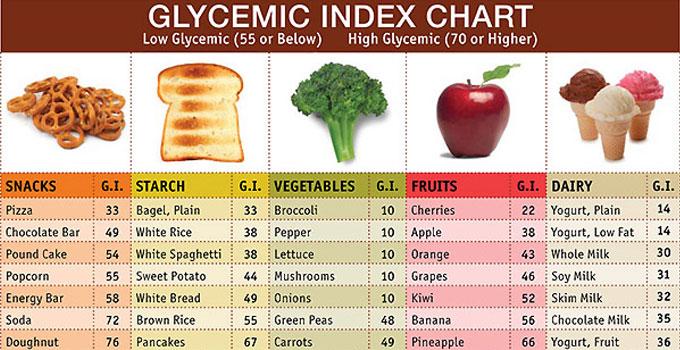
Carbs don’t make you fat. Fast, refined carbs are the problem. They act like sugar in your system, forcing insulin levels on a rollercoaster ride. Harvard guidelines specifically recommend whole grains over refined ones to prevent rapid blood sugar spikes.

Make It Practical:

  • Choose one slow carb per meal, NOT five sources of carbs in one sitting.
  • This is not calorie counting. This is glycaemic common sense.

Better Slow Carb Choices:

  • Millets (Jowar, Bajra, Ragi), Brown Rice, Quinoa, or Oats.
  • Legumes: Chana, Rajma, Lobia, and Lentils (these count as both protein and slow carbs!).
  • Sweet potato instead of white bread/aloo when you can.
  1. Anti-Inflammatory Spices: Managing the “Background Noise”

Low-grade chronic inflammation is associated with almost every age-related disease. Spices won’t replace medical treatment, but they are the simplest, most powerful daily “input” you can make.

Curcumin (in Turmeric) has been clinically proven to fight oxidative stress.

Make It Practical:

  • Consume Turmeric + Black Pepper + Fat (ghee/oil) regularly. The pepper helps absorption by 2000%.
  • Think of spices as everyday protective maintenance, not just flavour.

Easy Additions:

  • Ginger-Garlic paste in generous amounts for curries.
  • Cinnamon in your morning oats or curd bowl.
  • Jeera, Ajwain, Hing for digestion.
  1. Fermented Foods: Train Your Gut

If you wish to age well, you must have a gut that is resilient to stress, antibiotics, and travel. A Stanford Medicine study revealed that a high-fermented-food diet increased microbiome diversity and reduced inflammation.

Make It Practical:

  • Add a little bit a day. You don’t need a massive “cleanse.”
  • “Fermented food is not about a trend. It is about resilience.”

Indian Friendly Options:

  • Curd, Chaas, Lassi (without added sugar).
  • Idli & Dosa batter (properly fermented).
  • Kanji: The traditional tangy probiotic drink made from black carrots/beetroot and mustard seeds.

Putting It All Together: The Check-In

Do this quick check at each main meal:

  1. Where is my Protein?
  2. Where are my Colours?
  3. What is my Slow Carb (and is it portioned)?
  4. Did I add Spices?
  5. Where is the Fermented part?

You will notice something: This method crowds out ultra-processed foods without you having to fight yourself.

Eat For Capability, Not Control

The biggest nutrition myth is that ageing is controlled by willpower. It is controlled by systems.

The Longevity Plate is a system you can replicate in any city, any cuisine, and at any price range. Put that plate together most days of the week, and you’re not just eating for the next weigh-in. You’re eating for the “You” at 80 who still has a life to live.

Need help building a diet plan that fits your lifestyle? Reach out to our certified experts by subscribing to GOQii’s Personalised Health Coaching here.

#BeTheForce

Disclaimer: The information provided in this blog is for general awareness and educational purposes only. It is not intended to replace professional medical advice, diagnosis, or treatment. Always consult a qualified healthcare provider for personalised medical guidance or concerns related to your health.

  • « Previous Page
  • 1
  • …
  • 16
  • 17
  • 18
  • 19
  • 20
  • …
  • 35
  • Next Page »

Search

Recent Posts

  • The Hidden Biological Cost of Vaping
  • Healthy & Refreshing Summer Coolers!
  • The Science of Staying Healthy During Extreme Summer Heat
  • Why Movement Is the Closest Thing We Have to Anti-Ageing Medicine
  • Why Mitochondrial Health Determines How Well You Age

Stay Updated

Archives

  • May 2026 (20)
  • April 2026 (24)
  • March 2026 (18)
  • February 2026 (14)
  • January 2026 (14)
  • December 2025 (19)
  • November 2025 (15)
  • October 2025 (20)
  • September 2025 (6)
  • August 2025 (6)
  • July 2025 (12)
  • June 2025 (18)
  • May 2025 (16)
  • April 2025 (22)
  • March 2025 (27)
  • February 2025 (21)
  • January 2025 (25)
  • December 2024 (22)
  • November 2024 (23)
  • October 2024 (21)
  • September 2024 (23)
  • August 2024 (30)
  • July 2024 (21)
  • June 2024 (25)
  • May 2024 (28)
  • April 2024 (27)
  • March 2024 (27)
  • February 2024 (24)
  • January 2024 (21)
  • December 2023 (14)
  • November 2023 (10)
  • October 2023 (19)
  • September 2023 (22)
  • August 2023 (18)
  • July 2023 (22)
  • June 2023 (23)
  • May 2023 (21)
  • April 2023 (19)
  • March 2023 (23)
  • February 2023 (19)
  • January 2023 (15)
  • December 2022 (11)
  • November 2022 (15)
  • October 2022 (15)
  • September 2022 (12)
  • August 2022 (10)
  • July 2022 (17)
  • June 2022 (11)
  • May 2022 (10)
  • April 2022 (6)
  • March 2022 (6)
  • February 2022 (13)
  • January 2022 (11)
  • December 2021 (7)
  • November 2021 (3)
  • October 2021 (6)
  • September 2021 (3)
  • August 2021 (8)
  • July 2021 (7)
  • June 2021 (15)
  • May 2021 (16)
  • April 2021 (10)
  • March 2021 (7)
  • February 2021 (4)
  • January 2021 (4)
  • December 2020 (3)
  • November 2020 (4)
  • October 2020 (10)
  • September 2020 (3)
  • August 2020 (3)
  • July 2020 (2)
  • June 2020 (4)
  • May 2020 (10)
  • April 2020 (12)
  • March 2020 (10)
  • February 2020 (4)
  • January 2020 (4)
  • December 2019 (3)
  • November 2019 (7)
  • October 2019 (5)
  • September 2019 (4)
  • August 2019 (9)
  • July 2019 (9)
  • June 2019 (11)
  • May 2019 (4)
  • April 2019 (8)
  • March 2019 (8)
  • February 2019 (9)
  • January 2019 (8)
  • December 2018 (9)
  • November 2018 (3)
  • October 2018 (3)
  • September 2018 (5)
  • August 2018 (10)
  • July 2018 (6)
  • June 2018 (13)
  • May 2018 (8)
  • April 2018 (18)
  • March 2018 (9)
  • February 2018 (8)
  • January 2018 (15)
  • December 2017 (12)
  • November 2017 (19)
  • October 2017 (13)
  • September 2017 (15)
  • August 2017 (4)
  • July 2017 (8)
  • June 2017 (7)
  • May 2017 (6)
  • April 2017 (8)
  • March 2017 (6)
  • February 2017 (7)
  • January 2017 (9)
  • December 2016 (10)
  • November 2016 (7)
  • October 2016 (7)
  • September 2016 (7)
  • August 2016 (11)
  • July 2016 (9)
  • June 2016 (9)
  • May 2016 (12)
  • April 2016 (17)
  • March 2016 (17)
  • February 2016 (8)
  • January 2016 (6)
  • December 2015 (2)
  • November 2015 (9)
  • October 2015 (7)
  • September 2015 (9)
  • August 2015 (11)
  • July 2015 (9)
  • June 2015 (11)
  • May 2015 (9)
  • April 2015 (13)
  • March 2015 (8)
  • February 2015 (5)
  • January 2015 (12)
  • December 2014 (14)
  • November 2014 (11)
  • October 2014 (6)
  • September 2014 (13)
  • August 2014 (12)
  • July 2014 (6)
  • June 2014 (2)
  • May 2014 (7)
  • April 2014 (4)

From “Laddu Nawin” to Fit and Fierce: How a 25-Year-Old Insurance Advisor Shed 20 Kilos and Gained His Life Back

When 25-year-old Nawin Yadav from Hyderabad walked into his office every morning, he carried more than just his files and policy papers. He had the weight of fatigue, sluggish energy, and an ever-growing belly that was becoming the butt of jokes. “People … [Read More...]

“I’ve Challenged Myself to Live 100 Years” – The Story of Chandubhai Savani’s Second Chance at Life

At 67, most people start slowing down. Not Chandubhai Savani. A resident of Surat, Chandubhai, thought life was on track. “My life was going well till I had my bypass surgery,” he says. That surgery, back in 2021, was a wake-up call.  Medication was routine, but exercise wasn’t. His diet? What he calls ‘normal.’ “I […]

From Shimla’s Slopes to Chandigarh’s Sidewalks: Surinder Kaur Bhalla’s Journey from Chaos to Control

Some journeys start with a plan. Others begin with a stumble literally. Surinder Bhalla, a government professional, born and raised in the scenic hill town of Shimla, had always lived a life of movement. “In Shimla, you walked everywhere,” she reflects. “Walking was never an exercise. It was just life.” But after shifting to Chandigarh, […]

Ananda Mukherjee Health Story

From Terminal Illness To Complete Wellness! Ananda Mukherjee Health Story

As we observe World Cancer Day under the powerful theme ‘United by Unique’ (2025-2027)**, we are reminded that every individual’s journey with cancer is distinct, yet united by shared resilience, hope, and the collective fight against this disease. This theme places people at the centre of care and their stories at the heart of the […]

  • HOME
  • HEALTHY LIVING
  • FITNESS
  • HEALTHY RECIPES
  • USER STORIES
  • KARMA
  • BUY GOQii

Copyright ©2016 GOQii