GOQii

Blog

  • HOME
  • HEALTHY LIVING
  • FITNESS
  • HEALTHY RECIPES
  • USER STORIES
  • KARMA
  • BUY GOQii

Search Results for: nutrition

November 28, 2022 By Komal Baxi 4 Comments

What Is Carb Loading & How To Do It

What is Carb Loading and how to do it

If you’ve just begun trekking, training for long distance running, cycling, mountain climbing or even if you have been doing it for a while, you have definitely come across the term ‘Carb Loading’. You might have a lot of questions pertaining to who, what, why, when, where and how you should be doing  carb loading, also known as ‘Super Compensation’.

What Is Carb Loading?

Carb Loading is a strategy (yes you may call it a strategy) that involves changes to training and nutrition which can maximize muscle glycogen stores prior to an endurance competition like the GOQii Trail Challenge. It also means reducing training load and resting the muscles to allow them to become completely loaded with glycogen. Let me highlight resting, which means involving in low to moderate intensity exercise which is as important as eating.

Who Should Do It?

Carbohydrates are considered the primary fuel for any physical activity. Our body usually has enough carb stores to utilize for short term exercises. So for short term exercises or workout sessions, you don’t need to carb load as the body’s usual carbohydrate stores are adequate.

However, when it comes to engaging in long, intense athletic events, your body needs extra energy to keep going. So basically, anyone exercising continuously for 90 minutes or longer, is likely to benefit from Carb Loading. Sports such as cycling, marathon running, longer distance triathlon, endurance swimming and so on, require carb loading so that the athletes can pull through the event with sustained energy and minimal fatigue.

Normal muscle glycogen stores are usually in the range of 100-120 mmol/kg ww (wet weight) and it is expected to reach up to 150-200 mmol/kg/ww with proper carb loading. This extra supply of carbohydrate dramatically improves endurance of athletes. So yes it’s quite a fact that it works!

How Should You Do It?

Trust me it’s simple, since it’s all about carbs and rest!

  • 3-4 days prior to the event, shoot up your carbohydrate intake to about 10-12 grams per kilogram of your body weight
  • Reduce your training sessions
  • And most importantly, rest completely the day before your big event

Basically, 3-4 days of exercise taper while following a high carb diet, means you have successfully managed to elevate muscle glycogen levels.

What Should You Eat? 

You should opt for simple carb-rich foods like white rice, oatmeal, bread, pancakes, bagels, whole wheat bread and pastas, rotis, broken wheat like daliya, potatoes,  peanut butter, dosas, idlis, fish, chicken, rajma, and chickpeas. You can also opt for hummus as it is a super power food. Yoghurt is a great option too. Try to drink fruit juices instead of whole fruit during carb loading for best results.

Choose foods that are low in fiber and easily digestible

Also, avoid high fat foods like cheese, butter, ghee, fried food or processed food to compensate for the extra carbohydrate-rich foods. Since your body requires more oxygen to your cells, too much of fat, like cheese, may actually slow u down as it makes the body acidic which hinders the oxygen supply to your cells.

Common Mistakes Made While Carb Loading

Carb loading requires an exercise taper. If u don’t rest, then it won’t turn out well. In order to consume the necessary amount of carbohydrate, it is necessary to cut back on fiber and make use of compact sources of carbohydrate, such as sugar, cordial, jam, honey, jelly, and tinned fruit. High fiber foods may be too bulky to consume at times.

Carb loading will most likely cause body mass to increase by approximately 2 kg. This extra weight is due to extra muscle glycogen and water. For some athletes, a fear of weight gain may prevent them from carb loading adequately.

Consuming too much high fat foods will make it difficult to consume sufficient carbohydrate. It may result in gaining body fat. The bottom line is to eat to high-carb, low fat foods while carbohydrate loading!

We hope this article helps you practice carb loading effectively for your next athletic or endurance event. Do let us know your thoughts in the comments below.

If you want to know more about carb loading, need guidance or if you wish to train for an athletic or endurance event, speak to an expert by subscribing for GOQii’s Personalised Health Coaching here: https://goqiiapp.page.link/bsr

For more articles on fitness and nutrition, check out Healthy Reads.

#BeTheForce

November 23, 2022 By CHARMI GOGRI 1 Comment

Top 5 Habits You Need To Avoid After a Meal

avoid after a meal

There are a lot of myths regarding nutrition and food floating around on the internet. Some of them include things we should do and should avoid after a meal. When it finally comes down to facts, what’s the right way to go? We have briefly listed down the top 5 habits you need to avoid after a meal. You might know some of them but you might not be familiar with the reasoning.

What Should You Avoid After a Meal?

  1. Smoking: It is the most important habit that people should avoid after a meal. Smoking 1 cigarette after eating food is equivalent to the ill-effects of smoking 10 cigarettes. The chances of cancer are more in such cases. This is primarily because the body’s absorption rate increases after eating, which means that the harmful effects of tobacco (nicotine) are amplified as well. You could be risking damage to your intestines, heart, lungs and other internal organs.
  2. Fruits: It is advised that you should not eat fruits along with your meal and immediately after it as well. Fruits that are eaten after a meal cannot be digested easily in the intestine which causes air bloating in the stomach. Fruits are best absorbed when consumed as a meal in itself. You can have them either before or after a meal with a gap of at least 2–3 hours.
  3. Tea: Whenever you eat a heavy meal, keep yourself away from tea for a while. Tea leaves contains acids in it. When this acid enters the digestive system along with food, it makes the process of digestion (particularly proteins) process slow and difficult by hardening them.
  4. Bathing: Whenever we bathe, the blood-flow towards extremities increases and this is how you feel fresh after a bath. But, after eating, blood-flow towards the digestive system should be high, and not the extremities, so as to maintain the normal digestive system. That is why people are advised not to take a bath immediately after eating.
  5. Sleep: There always has to be gap of 1-2 hours between your meals and the time you sleep. Sleeping immediately after eating will result in improper digestion as efficiency of the digestive system decreases. Also, sleeping immediately may lead to gastric problems and infection in the intestines. Habitually sleeping immediately after eating will also increase the chances of obesity.

We hope these facts help you make better choices, bust myths with reason and eat healthy. Have you ever been told to avoid something before or after a meal? Let us know in the comments below!

For more articles like this, check out Healthy Reads. To know more about eating habits you should avoid or to introduce new habits to help you get healthier, speak to an expert by subscribing for GOQii’s Personalised Health Coaching here.

#BeTheForce

November 22, 2022 By Priyanka Mangla 3 Comments

8 Diet and Lifestyle Tips For The Winter Season

lifestyle tips winter

By now, we are all experiencing the cool winter breeze. While the weather is quite pleasant, it also causes several issues like dry and itchy skin, cold and cough, etc. To help you stay healthy during this season, we’ve got some effective diet and lifestyle tips that will keep these issues at bay.

Diet & Lifestyle Tips for a Healthier You

  1. Healthy Diet: Sir Robert McCarrison, one of the best known nutritionists says, “The right kind of food is the most important single factor in the promotion of health; and the wrong kind of food is the most important single factor in the promotion of disease.” There is an elaborate healing mechanism within the body, but it can perform its function only if it is abundantly supplied with all the essential nutritional factors. There are certain dishes which are winter specific in our country. We all relish them and besides being delicious, they serve a special purpose to keep us warm. Let’s start with our favorite, Gajar ka halwa which we all love. It is winter specific because we get the best seasonal carrots during this time. Next comes sarson ka saag. The saag is not just a flavoursome package but also a whole bunch of nutrition. Then we have gond ka ladoo (made from gum resin). This contains nuts and seeds too. It will keep you super warm. We have our own snack this time with nuts and jaggery chikki. A chikki a day is sure to keep the winter chills away! While we enjoy these, let’s not forget portion size. 
  2. Regular exercise: will keep you warm with a good circulation of blood. During winter, due to contraction of muscles to preserve energy, which is a natural phenomenon, many elderly folks suffer from joint pains and stiffness. To avoid that, it is best to continue doing light exercises. One can start off with a brisk walk for 15-20 minutes. People with a heart ailment or high blood pressure should avoid going out very early in the morning because of low oxygen levels. 
  3. Water: We tend to forget drinking water in winters as we don’t feel thirsty. But you know, water is the carrier of nutrients in our body and helps in detoxification. So make sure you load up on at least 2-3liters of water a day.
  4. Hygiene: Next comes the hygiene! Regular bathing is essential to keep the skin healthy and nourished. Wash your hands after coming back from somewhere, before cooking or eating food.
  5. Skin: Most of us suffer from dry, cracked skin during winter and we get tired applying lotions and oils throughout the day. I have a very useful tip for you to avoid this. Apply coconut oil or any other moisturizer immediately after bathing as during this time your skin is moist enough to absorb the oil and you will feel the softness throughout the day. You can also try these simple winter skincare tips: https://goqii.com/blog/8-simple-and-effective-winter-skincare-tips/ 
  6. Sleep: Good, restful, quality sleep helps in boosting our immunity by repairing the wear and tear of the body and mind. For an adult, 6-9 hours of sleep is required and for the aged ones, 5-7 hours. 
  7. Vitamin D: Vitamin D deficiency is on a rise in Indians despite the fact that we are blessed with the sunshine throughout the year. People prefer to stay indoors. Vitamin D not only keeps the bones healthy but also regulates our mood. You would have heard about Seasonal Affective Disorder, more prevalent in the western countries as they are devoid of sunlight. So, what are you waiting for? Go and get some sunshine! 
  8. Clothing: Wear warm, woollen clothing to protect yourself from the cold. 

And that’s it! These lifestyle tips are simple to follow and will keep you warm during this cold season. We hope this article helps you. Do leave your thoughts in the comments below! For more winter tips, check out Healthy Reads or speak to an expert by subscribing for GOQii’s Personalised Health Coaching here: https://goqiiapp.page.link/bsr 

#BeTheForce 

November 17, 2022 By Smruti Bhat 1 Comment

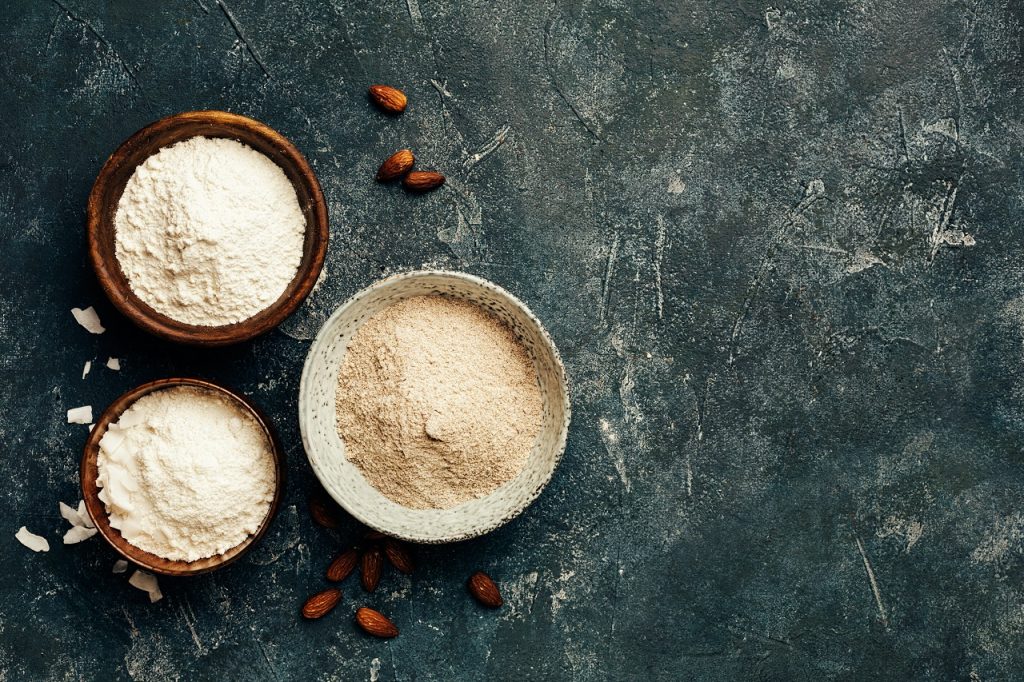
What’s Healthier: Coconut, Wheat or Almond Flour?

coconut, wheat or almond flourIf you’ve been taking a closer look at your pantry, then we’re sure you’re reconsidering your flour choices. When we talk about flour, most of us think about “wheat flour” as it is a kitchen staple. It is the flour that we have been having since ages to make chapatis. But, there could be plenty of other reasons why you’re considering switching from wheat flour to coconut or almond flour. Maybe you have celiac disease or gluten intolerance or just want to switch to a healthier alternative. So, we have listed a few differences between these three flours to make it easier for you to choose between coconut, wheat or almond flour!  

Nutritional Take On Coconut, Wheat & Almond Flour

Nutrition Coconut Almond Wheat
Calories 480 580 366
Carbs 59g 20g 76g
Protein 18g 21g 9.7g
Fat 15g 12g 1.5g
Fiber 38g 12g 12g

Coconut Flour

  • Health benefits of coconut flour: Coconut flour is gluten-free. It has a good moisture absorbing capacity and helps to give a good crumbly and dry texture to the baked goods. But, it has a higher content of phytic acid which leads to low nutrient absorption. Also, it has antioxidants and antimicrobial properties that support a healthy metabolism.
  • Cooking with coconut flour: Coconut flour is a versatile flour used in gluten-free and paleo baking. It can be used to prepare bread, muffins, cookies and cake. As it has a drying effect, it can be counteracted by using eggs while baking. The egg yolk provides moisture, whereas egg white offers structure to the baked goods.

Almond Flour

  • Health benefits of almond flour: Almond flour is incredibly healthy but contains more fat and calories. This makes this nutrient dense flour the best choice for a keto diet. It provides good vitamin E content which is a powerful antioxidant and magnesium that helps improve blood sugar levels.
  • Cooking with almond flour: Almond flour is commonly used in the preparation of pancakes, cakes, muffins and cookies. Other than baking, this flour combined with egg can be used to coat vegetables or meat and thereafter, bake or fry them. As it is free of gluten, it can be mixed with wheat flour to make pizza dough, pasta or bread.

Wheat Flour

  • Health benefits of wheat flour: Wheat flour is rich in fiber, minerals and protein. But it has gluten that makes it inappropriate for people who have gluten intolerance or celiac disease. Phytic acid in wheat flour is higher which reduces the nutrient absorption.
  • Cooking with wheat flour: Wheat flour can be used in making rotis, puris, ladoos and even quick breads, cookies and cakes.

Summing It Up 

Although as Indians, wheat flour is functional in our regular diet, we can definitely opt for almond and coconut flour as well. All the above-mentioned flours are healthy in their own ways and can be used together to reap nutritional benefits. So the choice between coconut, wheat or almond flour is solely based on what you want to prepare and what you’re looking for. 

If you’re still unable to come to a decision on whether you should opt for coconut, wheat or almond flour, you can speak to an expert for further guidance by subscribing for GOQii’s Personalised Health Coaching here: https://goqiiapp.page.link/bsr. Your GOQii Coach can take a look at your habits, goals and let you know what would work best for you!

For more articles on nutrition, check out Healthy Reads! 

#BeTheForce! 

  • « Previous Page
  • 1
  • …
  • 91
  • 92
  • 93
  • 94
  • 95
  • …
  • 166
  • Next Page »

Search

Recent Posts

  • World AMR Awareness Week 2026: when you need antibiotics, and simple steps to prevent AMR
  • PCOS: diet, exercise and the myths to stop believing
  • Cholesterol numbers explained: LDL, HDL and triglycerides
  • International Men’s Day 2026: why men’s health is everyone’s business
  • World COPD Day 2026: Short of Breath? Think COPD – Why Early Diagnosis Matters

Stay Updated

Archives

  • November 2026 (21)
  • October 2026 (23)
  • September 2026 (5)
  • August 2026 (8)
  • July 2026 (24)
  • June 2026 (22)
  • May 2026 (20)
  • April 2026 (24)
  • March 2026 (18)
  • February 2026 (14)
  • January 2026 (14)
  • December 2025 (19)
  • November 2025 (14)
  • October 2025 (17)
  • September 2025 (6)
  • August 2025 (5)
  • July 2025 (9)
  • June 2025 (18)
  • May 2025 (16)
  • April 2025 (22)
  • March 2025 (25)
  • February 2025 (21)
  • January 2025 (25)
  • December 2024 (21)
  • November 2024 (21)
  • October 2024 (15)
  • September 2024 (22)
  • August 2024 (27)
  • July 2024 (14)
  • June 2024 (23)
  • May 2024 (26)
  • April 2024 (27)
  • March 2024 (27)
  • February 2024 (23)
  • January 2024 (21)
  • December 2023 (14)
  • November 2023 (10)
  • October 2023 (18)
  • September 2023 (20)
  • August 2023 (16)
  • July 2023 (16)
  • June 2023 (21)
  • May 2023 (20)
  • April 2023 (19)
  • March 2023 (23)
  • February 2023 (19)
  • January 2023 (15)
  • December 2022 (11)
  • November 2022 (15)
  • October 2022 (15)
  • September 2022 (12)
  • August 2022 (9)
  • July 2022 (17)
  • June 2022 (11)
  • May 2022 (10)
  • April 2022 (6)
  • March 2022 (6)
  • February 2022 (13)
  • January 2022 (11)
  • December 2021 (7)
  • November 2021 (3)
  • October 2021 (6)
  • September 2021 (3)
  • August 2021 (8)
  • July 2021 (7)
  • June 2021 (15)
  • May 2021 (16)
  • April 2021 (10)
  • March 2021 (7)
  • February 2021 (4)
  • January 2021 (4)
  • December 2020 (3)
  • November 2020 (4)
  • October 2020 (10)
  • September 2020 (3)
  • August 2020 (3)
  • July 2020 (2)
  • June 2020 (4)
  • May 2020 (10)
  • April 2020 (12)
  • March 2020 (10)
  • February 2020 (4)
  • January 2020 (4)
  • December 2019 (3)
  • November 2019 (7)
  • October 2019 (5)
  • September 2019 (4)
  • August 2019 (9)
  • July 2019 (9)
  • June 2019 (11)
  • May 2019 (4)
  • April 2019 (8)
  • March 2019 (8)
  • February 2019 (9)
  • January 2019 (8)
  • December 2018 (9)
  • November 2018 (3)
  • October 2018 (3)
  • September 2018 (5)
  • August 2018 (10)
  • July 2018 (6)
  • June 2018 (13)
  • May 2018 (8)
  • April 2018 (17)
  • March 2018 (9)
  • February 2018 (8)
  • January 2018 (15)
  • December 2017 (12)
  • November 2017 (19)
  • October 2017 (13)
  • September 2017 (15)
  • August 2017 (4)
  • July 2017 (8)
  • June 2017 (7)
  • May 2017 (6)
  • April 2017 (8)
  • March 2017 (6)
  • February 2017 (7)
  • January 2017 (9)
  • December 2016 (10)
  • November 2016 (7)
  • October 2016 (7)
  • September 2016 (7)
  • August 2016 (11)
  • July 2016 (9)
  • June 2016 (9)
  • May 2016 (12)
  • April 2016 (17)
  • March 2016 (17)
  • February 2016 (8)
  • January 2016 (6)
  • December 2015 (2)
  • November 2015 (9)
  • October 2015 (7)
  • September 2015 (9)
  • August 2015 (11)
  • July 2015 (9)
  • June 2015 (11)
  • May 2015 (9)
  • April 2015 (13)
  • March 2015 (8)
  • February 2015 (5)
  • January 2015 (12)
  • December 2014 (14)
  • November 2014 (11)
  • October 2014 (6)
  • September 2014 (13)
  • August 2014 (12)
  • July 2014 (6)
  • June 2014 (2)
  • May 2014 (7)
  • April 2014 (4)

From Burnout to Balance: How Dr. Ranjit Reclaimed His Health

Dr Ranjit Bhatt has spent years tending to others. A practising doctor in Odisha, his days were packed with patients, surgeries, and emergencies. From the outside, it looked like a life lived in service. But on the inside, something wasn’t right. “I had no … [Read More...]

From Shimla’s Slopes to Chandigarh’s Sidewalks: Surinder Kaur Bhalla’s Journey from Chaos to Control

Some journeys start with a plan. Others begin with a stumble literally. Surinder Bhalla, a government professional, born and raised in the scenic hill town of Shimla, had always lived a life of movement. “In Shimla, you walked everywhere,” she reflects. “Walking was never an exercise. It was just life.” But after shifting to Chandigarh, […]

“I’ve Challenged Myself to Live 100 Years” – The Story of Chandubhai Savani’s Second Chance at Life

At 67, most people start slowing down. Not Chandubhai Savani. A resident of Surat, Chandubhai, thought life was on track. “My life was going well till I had my bypass surgery,” he says. That surgery, back in 2021, was a wake-up call.  Medication was routine, but exercise wasn’t. His diet? What he calls ‘normal.’ “I […]

Ananda Mukherjee Health Story

From Terminal Illness To Complete Wellness! Ananda Mukherjee Health Story

As we observe World Cancer Day under the powerful theme ‘United by Unique’ (2025-2027)**, we are reminded that every individual’s journey with cancer is distinct, yet united by shared resilience, hope, and the collective fight against this disease. This theme places people at the centre of care and their stories at the heart of the […]

  • HOME
  • HEALTHY LIVING
  • FITNESS
  • HEALTHY RECIPES
  • USER STORIES
  • KARMA
  • BUY GOQii

Copyright ©2016 GOQii