GOQii

Blog

  • HOME
  • HEALTHY LIVING
  • FITNESS
  • HEALTHY RECIPES
  • USER STORIES
  • KARMA
  • BUY GOQii

Search Results for: metabolism

December 5, 2018 By Komilla Pareek 132 Comments

Are you eating your beans right?

kidney-beans

My friend Neetu, recalls an incident from her childhood when she went to receive her aunt at the railway station who was arriving from Lucknow. On seeing Neetu, her aunt spontaneously asked her, “Guess your favourite thing that I’ve brought for you” and Neetu spontaneously replied “Rajma Chawal”! (Of Course, it was not Rajma Chawal that her aunt was referring too !!)

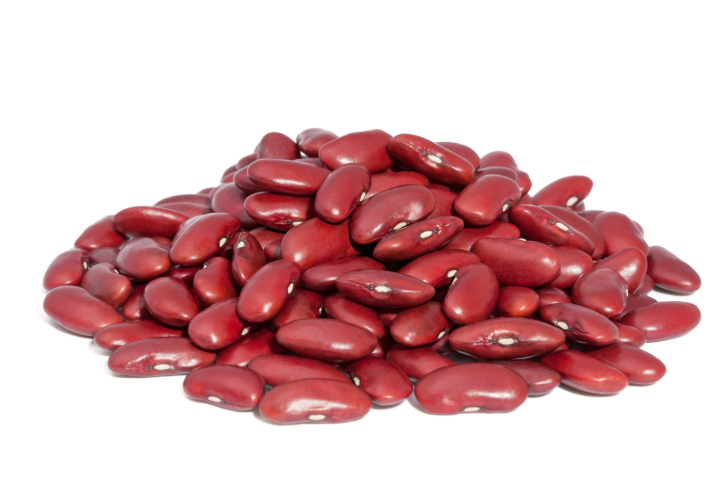
Kidney beans or Rajma is liked by kids and adults alike. It’s not just the taste but, the nutritional profile which makes it my favourite too. While it’s a rich source of protein and fibre, it’s also packed with several micronutrients, especially molybdenum, folate, copper, manganese, phosphorus, vitamin B1, iron, potassium, and magnesium. Dietary fibre in these beans helps in lowering cholesterol and prevents the rapid rise in blood glucose levels after consuming a meal.

However, in kidney beans, these nutrients exist with certain anti-nutrients or natural substances that can be harmful to our health.

1)   Phytohaemagglutinin (PHA):  This substance is classified as a lectin-glycoprotein. Lectins are known for their ability to agglutinate red blood cell types, alter cell membrane transport systems, alter cell permeability to proteins, and generally interfere with cellular metabolism. Even a small amount of PHA can have a negative effect on health. You may not consume enough to become noticeably sick, but continued exposure can result in poor growth, malnutrition, or liver damage.  White kidney beans contain about one-third the amount of toxin as the red variety.

2)   Raffinose and Stachyose: These are carbohydrates that are not digested in the small intestine by human gastrointestinal enzymes. They are passed into the large intestine where they are fermented by intestinal microflora with the production of gas. It is this behaviour which is responsible for flatulence, bloating that many of us experience after consuming these beans.

Central Public Health Laboratory (PHLS, UK ) and FDA (US) recommends this procedure to render kidney, and other beans safe for consumption:

  • Soak in water for at least 5 hours.
  • Pour away the water.
  •   Boil briskly in fresh water, with occasional stirring, for at least 10 minutes.
  • Undercooked beans may be more toxic than raw beans.

Tips for cooking –

1)     Add salt to the soaking water and cooking water as it helps remove raffinose and stachyose and thus reduces gas producing tendency of beans. Also, salt improves water absorption so beans are evenly softened and cooked.

Isn’t this what we have been watching our grandma and mum doing – Soaking overnight in salt water! Now we know the scientific basis for that.

1)     Acids, including tomatoes, lemon etc; prevent beans from absorbing water efficiently and thus may result in uneven or partial cooking, thereby retaining anti-nutrients. Always add tomato/tomato puree after boiling the beans.

2)     Microwave cooking is not recommended. Microwaves do not heat food evenly. This can cause parts of beans to remain undercooked. Boiling /pressure cooking is best. Cook for 15-20 minutes.

Next time when you enjoy beans, make sure they are safe as well!

 

December 4, 2018 By Trupti Vyas (Pandya) 4 Comments

Healthy version of Green Coffee


GREEN-COFFEE

After Water, the most preferred drink is either tea or coffee for most of us. Many usually begin their day with a cup of a bed tea or coffee. And, some even complaint of dullness or a headache without that first cup of tea or coffee.

A cup of black coffee provides almost no nutritional value. Some even prefer it with loaded Sugar. Coffee provides caffeine, a stimulant that boosts metabolism and gets people energetic But, Caffeine consumed in larger amount has many side effects such as dehydration, increase body stress levels, ,upsets stomach, hampering digestion and increases anxiety levels for the body.

Is there a healthier version of Coffee just as we have Green Tea? Yes there is Green Coffee

Before that let’s understand some basics of Coffee

  • There are three types of Normal coffee beans varieties:
  • Coffee Arabica.
  • Coffee Robusta
  • And the blended types.
  • How to differentiate from normal Coffee from Organic Green Coffee Beans?

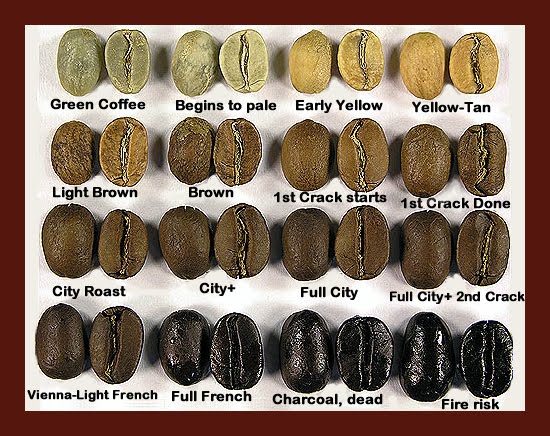
Normal Coffee beans are light to dark in color as it depends upon region, temperature and roasting conditions. See Image given below-

img1

Arabica coffee beans differ from Robusta coffee beans at many levels.  See the following image –

img2

Un-roasted bean color: In its un-roasted form, Arabica will be a darker shade of green, where Robusta tends to be more straw colored.

Arabica beans tend to have a sweeter, softer taste, with tones of sugar, fruit, and berries. Their acidity is higher, with that winey taste that characterizes coffee with excess while Robusta beans yield a harsher, bitter tasting cup often described as grain-like, oatmeal and woody. lint acidity.

  • Advantages of Green Coffee-

The  Green Coffee that we get is derived from dried green coffee beans (Coffee Robusta) and has an active ingredient called Chlorogenic acid. (CGA).Latest research has confirmed that organic green coffee contains high concentrations of antioxidants in the range of 200 to 550mg per cup (6oz) – a level far exceeding that of green tea. But, although both green coffee and green tea contain high levels of antioxidants, green coffee tends to contain higher levels of the simple phenolicsand tea contains larger levels of catechin.

  • Other Variety of green coffee-
  1. Organic Coffee:This Organic Coffee is grown on fertile volcanic soil, without pesticides and grown domestically without chemical fertilizers.
  2. Organic Gourmet Coffee-Organic Gourmet Coffee is premium quality coffee (predominantly some of the best varieties of Coffee Arabica) that is grown organically. Based on content of caffeine it can be divided into two types, namely caffeinated and decaffeinated. From the point of view of health, the decaffeinated one will be the best but, you may have to compromise with the taste and flavor slightly.
  1. Decaffeinated coffee– In this method of decaffeination the beans are steamed for about 30 minutes in order to open their pores. Once the coffee beans are receptive to a solvent, they are repeatedly rinsed with either methylene chloride or ethyl acetate for about 10 hours to remove the caffeine, which reduces harmful effect of caffeine.

How To Select And Store Organic Coffee?

1) If you bought whole beans, try to grind them just before you want to brew it to get the best flavor and aroma out of them. Buy only the fresh beans and if possible roast them at home.

2) Always buy “100% Organic Coffee”/ Decaffeinated beans. Do not compromise with   “Contains Organic” type of coffee.

  • Benefit Of Green Coffee are many
  1. Rich in anti-oxidants: Green Coffee beans are rich in antioxidants, which reduce the damaging effects of free radicals in our body and take care of our overall health. A number of studies have confirmed that raw and unprocessed green coffee beans possess 100% pure Chlorogenic Acid (CGA), which is basically an ester of caffeic acid having strong antioxidant properties. It can put a check on the levels of glucose in our bloodstream and prevent our skin cells from getting dented.
  2. Good for skin, hair, reduces effect of free radical: Chlorogenic Acid present in green coffee beans can reduce the effects of free radicals in our body up to 10 times than regular green tea. As the beans are not roasted, there are some other anti-oxidative agents from the polyphenol family, ferulicacid, etc., which decelerate the ageing procedure and give us youthful skin, hair, prevent hair fall.
  3. Boost metabolic rate – The Chlorogenic Acid present ingreen coffee beans is also known as a metabolism booster. It increases the Basal Metabolic Rate (BMR) of our body to a great extent, which minimizes excessive release of glucose from the liver into the blood. Due to the lack of glucose, our body starts burning the stored fat cells in order to fulfill its glucose requirement. Thus, pure green coffee beans raise our fat burning capability and eventually help us shed off excess weight.
  4. Normal Recommendation – 2 cups Of Green Coffee in a day. You can have it either in hot form-(add pinch of Cinnamon Powder ) or Cold form-(by adding  Ice + Mint )
  • Please Note – Many a times Green Coffee is a bean. There is also Green Coffee Bean Extract supplement with GarciniaCambogia but, it has many side effect because of high toxicity levels present in Such supplements are hazardous for the body. Try Avoid Using Them. The Food and Drug Administration (FDA) recommends not to use such products and be cautious when it comes to such supplements. If you take any medicines regularly, talk to your doctor before you start using green coffeesupplement. It interferes with many medicines.

Let’s Grab a Cup Of Green Coffee now and kick start you’re day with a healthy version of coffee.

October 30, 2018 By Richa Athavale 22 Comments

How to include proteins to your Breakfast?

179739-curd

All of us are well aware that breakfast is the first important meal of the day. The second most important thing is to have frequent meals to keep our metabolism high. Our body goes into the rest mode for almost 8 to 10 hours after dinner when we are sleeping through the night. Hence, it becomes essential to eat a good, balanced meal which has the right proportion of carbohydrates, protein, fats, vitamins, minerals, fibres, anti- oxidants etc.in the morning. More often than not it is a difficult task to incorporate all these nutrients in the morning breakfast due to our rush to get to work.But, one can always try to incorporate as many nutrients as we can out of the above if not all.

It is advised to include proteins in every meal. The inclusion of proteins to your breakfast becomes a challenging task especially if you are a vegetarian. Lacto- Ovo vegetarian breakfast can easily get proteins through the milk and eggs. The tough task is for vegetarians and vegans (those who limit dairy products).

Common Indian breakfast items are Poha (cooked Puffed Rice with some veggies), flat breadsUpma, Idli and Dosa (steamed Rice pancakes), flatbreads(Chaapti), Rice, Porridgeetc. Today, I am going to tell you how we add proteins in our 1st meal of the day – breakfast.

Whenever we have options like steamed rice pancakes (Idlisambhar) or bread omelette we’re obviously getting proteins from the dish.  When we have options like Cooked Puff Rice, Upma, rice, cooked Wheat Flat breads (Chappati)  etc. without any side dish we need to add some proteins to it.

Here are few items which you can add:

  1. Peanuts/ Groundnuts: A humble source of proteins and MUFA (mono unsaturated fatty acids) will add to proteins in breakfast. We can use in different forms as peanut butter, chutney etc. spread it on your bread or chapatti. Excellent to be added in pre workout meal.
  • 100 g of Dry roasted peanuts will give 24-26 g of proteins.
  1. Roasted Chana: Simple, easily available and can be stored. Just add a handful of black (Kabuli)or brown Chana to your plate or have it on the go post breakfast. If you couple it up with peanuts it will be even better.
  1. Mixed Sprouts: This one will need some preparation. Soak the sprouts for 6-8 hours, then drain the water and tie in the cloth for sprouts to come. Add handful of it either raw or steamed. Raw will give you good enzymes as compared to cooked ones. Whereas steamed will be easier to digest. Following are the rough values for sprouted and steamed sprouts.
  • Moong/ Green gram 2-3 g
  • Matki/ Moth bean 8 g
  • Chana/ Chick peas 9 g
  1. Green peas: It is very to incorporate peas in any dish. Add it to your upma, poha, rice liberally. They will taste good as well as increase the protein value. Its green colour also add to the visual effect.
  • 100 g of fresh green peas contain 5 g of protein
  1. Nuts like (almond, walnut, cashew nut): Again a very handy option. Just adding them to your bowl of breakfast is very easy. They are rich in minerals like calcium, good fats like MUFA, omega 3 fatty acids. Don’t forget to soak and peel almond to avoid anti nutritional factors in the peel.
  • Almond 21.2 g
  • Walnut 15.2 g
  1. Sesame, flax, sunflower, pumpkin seeds: Dry roasted seeds can serve as a protein quotient of the meal. You can easily stock it in cool and dry place. You can have them as it is or grind to make into chutney. Dips like tahini can be made from sesame seeds.
  1. Milk: You can just add a glass of milk to complete the protein quota of the meal. It goes well with roti, chapati, bread, cereals etc. It is better to go for low fat milk. If having cow’s milk make sure it is Desi cow’s milk. Make sure you’re not having it with salty or savoury as milk and salt is not recommended to have together.1 cup of milk gives you 8 g protein on an average.
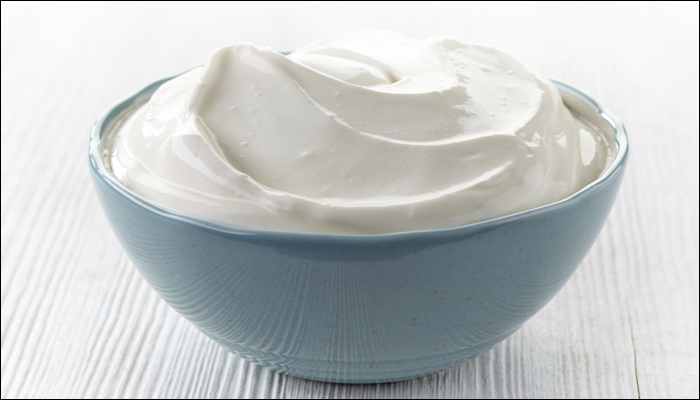
  1. Curds/ Yogurt: Add a bowl of curds or yogurt to make your breakfast not only protein rich but yummy. We can mix poha, rice with it to give a better texture and taste. Fruits with yogurt can be another hit option and light still complete meal. 1 cup gives you 10-11 g proteins on an average.
  1. Buttermilk: It is the best bet in summer. Having it post breakfast will help in digestion. It has good water content and therefore it will not be a concentrated source. Unlike milk it can be coupled with salty and savoury options as well.
  1. Cheese: I am yet to come across a person who doesn’t like cheese unless of course you are a vegan. We can add it with breads, chapatti, pancakes etc. You can use different varieties like cheese spread, cubes, and slices or just grate some cheese on your dish. People who are targeting weight gain can have it on regular basis. Those who are trying to lose weight should limit it once or twice in a week. 100 g will give approx. 20 g of proteins.

September 15, 2018 By Neha Morche Leave a Comment

The Biological clock- Is it ticking?

18wzhzqjnqvpyjpg

You must have heard many say ‘biological clock is ticking’. Did you ever know what is the phenomenon behind biological clock is? Biological clock is nothing but an internal mechanism which controls the rhythm of the activities and rest within 24 hours.

Why do we sleep, eat, and wake up, clear bowels at the same time daily? We call it a routine. Basically, it is a Biological clock that has been set to our body over the years. That’s how our body reacts or starts giving us signal at a specific time. A “master clock” in the brain coordinates all the body clocks so that they are in synch. It is nothing but a group of   nerve cells in the brain located in the hypothalamus.

Two internal systems interact to regulate when we sleep and when we are awake. These systems monitor our need for sleep based on how long we have been awake that’s how it counterbalances with each other. However, because they operate independently, they can become misaligned by external factors as light and temperature, suggesting that they are somehow caused by the external changes. Disruption to daily rhythms usually has a negative effect in the short term.

Studies have also shown that light has a direct effect on human health because of the way it influences the circadian rhythms. Research has been finding that the body’s clock is responsible for more than just sleep and wakefulness. Other systems, like hunger, mental alertness, and mood, stress, heart function, and immunity also operate on a daily rhythm.

Why the biological clock becomes disrupted in certain people, or naturally with age, is not completely clear. There are many reasons for our body clocks to go out of sync, which probably involves a combination of genetic predisposition and lifestyle choices, such as alcohol consumption.

Environmental disruptions to the body’s clock

Jet Lag

‘Living out of your suitcase’ is a phrase we often use for people who travel a lot.  Constant travelling outside of the country is a prime example of how we can disrupt our own body clock. When jet lag sets in, we feel disoriented, foggy, and sleepy at the wrong times of the day because, after changing time zones, our body clock tells us it’s one time and the outside environment tells us it’s another. In fact, jet lag can be considered one type of circadian rhythm disorder. It can be treated simply by allowing the body to adjust to the new time, although it may take several days for external cues (light) to help the internal clock catch up or fall back with its new cycle.

Working in Shifts

Working in shifts is another example of how we can get ourselves off-routine, and this too can develop into a circadian rhythm disorder over the long term. People who work the night shift not only have a hard time with their sleep patterns (feeling sleepy at work or experiencing insomnia during the day), but other systems in their bodies can also feel the effects and they can be chronic. It’s not clear exactly why this connection exists, but weight gain or metabolic changes may be involved.

Biological and genetic disruptions and their implications on health

The Rhythm of the Heart

The heart is one organ that, although it can keep time by itself to some degree, it relies a lot on the brain’s biological clock for cues. For years doctors and researchers have noticed that heart problems like fatal arrhythmias are more likely to occur at certain times of the day. It can occur wither in the early morning and to a lesser degree or in the evening hours. Taking blood pressure medication in the evening seems to improve its effectiveness because it works with the body’s circadian rhythms.

Immunity and Vaccinations

Most of us have experienced being more susceptible to getting sick when sleep-deprived. The reason for this appears to be that certain chemicals responsible for immune function, like cytokines, wax and wane throughout the day and sleep deprivation deprives us of their best effects. Body rhythms don’t just enhance vaccine’s ability to provide immunity; they can affect the body’s ability to battle infection on its own.

Rhythm and Moods

Our internal clocks controls whether we feel up or down emotionally. People with mood disorders like depression, bipolar disorder, and seasonal affective disorder (SAD) have altered circadian rhythms. In fact, sleep disturbances, both sleeping too much and too little, are one of the key symptoms of depression and other mood disorders.

The relationship between body rhythms and mood is an intricate one, and it has to do with how the brain chemical serotonin fluctuates in relation to the light-dark cycle and throughout the year as the days become longer and shorter.

The circadian rhythm-mental health connection has also been linked to disease states like Alzheimer’s, Parkinson’s, and Huntington’s, and even autism spectrum disorder. Researchers are finding that disrupted daily rhythms can be good predictors for the development of mild cognitive impairment that comes with age, and even for dementia.

Keeping Time

Paying attention to the body’s natural rhythms is probably more important to our health than we realize. It’s not just sleep deprivation that affects our well-being, but it’s also the alteration of our biological rhythms that can interfere with so many body functions, making us more prone to health problems like infection, mood problems, and even heart disease. But keeping your schedule on track as much as possible is probably the best advice.

Avoid disruptions to your eat-sleep cycles. Practice good sleep hygiene, and stick to a sleep schedule that works well for your body to keep the system in its natural rhythm. Turning in a little earlier, cutting back on caffeine late in the day, and saving that last bit of work for the morning rather than staying late up to finish it, can make a big difference in how your internal clock functions and in how you feel.

Our clocks influence alertness, hunger, metabolism, fertility, mood and other physiological conditions. For this reason, clock dysfunction is associated with various disorders, including insomnia, diabetes and depression. There’s only so much we can do until our body and its clock are in equilibrium again.

So, watch your clock and maintain the rhythm!!


  • « Previous Page
  • 1
  • …
  • 48
  • 49
  • 50
  • 51
  • 52
  • …
  • 65
  • Next Page »

Search

Recent Posts

  • Healthy Eating: Vegetable and Paneer Kathi Roll
  • The Science of Power Naps: How Long is Too Long?
  • 7 Reasons Why Pulses Are Good For You!
  • How Exercise Impacts Mental Health
  • Dussehra 2026: 10 Unhealthy Habits to Leave Behind

Stay Updated

Archives

  • October 2026 (17)
  • September 2026 (5)
  • August 2026 (8)
  • July 2026 (25)
  • June 2026 (22)
  • May 2026 (20)
  • April 2026 (24)
  • March 2026 (18)
  • February 2026 (14)
  • January 2026 (14)
  • December 2025 (19)
  • November 2025 (15)
  • October 2025 (20)
  • September 2025 (6)
  • August 2025 (5)
  • July 2025 (9)
  • June 2025 (18)
  • May 2025 (16)
  • April 2025 (22)
  • March 2025 (25)
  • February 2025 (21)
  • January 2025 (25)
  • December 2024 (21)
  • November 2024 (21)
  • October 2024 (15)
  • September 2024 (22)
  • August 2024 (27)
  • July 2024 (15)
  • June 2024 (23)
  • May 2024 (26)
  • April 2024 (27)
  • March 2024 (27)
  • February 2024 (23)
  • January 2024 (21)
  • December 2023 (14)
  • November 2023 (10)
  • October 2023 (18)
  • September 2023 (20)
  • August 2023 (16)
  • July 2023 (16)
  • June 2023 (21)
  • May 2023 (20)
  • April 2023 (19)
  • March 2023 (23)
  • February 2023 (19)
  • January 2023 (15)
  • December 2022 (11)
  • November 2022 (15)
  • October 2022 (15)
  • September 2022 (12)
  • August 2022 (9)
  • July 2022 (17)
  • June 2022 (11)
  • May 2022 (10)
  • April 2022 (6)
  • March 2022 (6)
  • February 2022 (13)
  • January 2022 (11)
  • December 2021 (7)
  • November 2021 (3)
  • October 2021 (6)
  • September 2021 (3)
  • August 2021 (8)
  • July 2021 (7)
  • June 2021 (15)
  • May 2021 (16)
  • April 2021 (10)
  • March 2021 (7)
  • February 2021 (4)
  • January 2021 (4)
  • December 2020 (3)
  • November 2020 (4)
  • October 2020 (10)
  • September 2020 (3)
  • August 2020 (3)
  • July 2020 (2)
  • June 2020 (4)
  • May 2020 (10)
  • April 2020 (12)
  • March 2020 (10)
  • February 2020 (4)
  • January 2020 (4)
  • December 2019 (3)
  • November 2019 (7)
  • October 2019 (5)
  • September 2019 (4)
  • August 2019 (9)
  • July 2019 (9)
  • June 2019 (11)
  • May 2019 (4)
  • April 2019 (8)
  • March 2019 (8)
  • February 2019 (9)
  • January 2019 (8)
  • December 2018 (9)
  • November 2018 (3)
  • October 2018 (3)
  • September 2018 (5)
  • August 2018 (10)
  • July 2018 (6)
  • June 2018 (13)
  • May 2018 (8)
  • April 2018 (17)
  • March 2018 (9)
  • February 2018 (8)
  • January 2018 (15)
  • December 2017 (12)
  • November 2017 (19)
  • October 2017 (13)
  • September 2017 (15)
  • August 2017 (4)
  • July 2017 (8)
  • June 2017 (7)
  • May 2017 (6)
  • April 2017 (8)
  • March 2017 (6)
  • February 2017 (7)
  • January 2017 (9)
  • December 2016 (10)
  • November 2016 (7)
  • October 2016 (7)
  • September 2016 (7)
  • August 2016 (11)
  • July 2016 (9)
  • June 2016 (9)
  • May 2016 (12)
  • April 2016 (17)
  • March 2016 (17)
  • February 2016 (8)
  • January 2016 (6)
  • December 2015 (2)
  • November 2015 (9)
  • October 2015 (7)
  • September 2015 (9)
  • August 2015 (11)
  • July 2015 (9)
  • June 2015 (11)
  • May 2015 (9)
  • April 2015 (13)
  • March 2015 (8)
  • February 2015 (5)
  • January 2015 (12)
  • December 2014 (14)
  • November 2014 (11)
  • October 2014 (6)
  • September 2014 (13)
  • August 2014 (12)
  • July 2014 (6)
  • June 2014 (2)
  • May 2014 (7)
  • April 2014 (4)

From Burnout to Balance: How Dr. Ranjit Reclaimed His Health

Dr Ranjit Bhatt has spent years tending to others. A practising doctor in Odisha, his days were packed with patients, surgeries, and emergencies. From the outside, it looked like a life lived in service. But on the inside, something wasn’t right. “I had no … [Read More...]

From Shimla’s Slopes to Chandigarh’s Sidewalks: Surinder Kaur Bhalla’s Journey from Chaos to Control

Some journeys start with a plan. Others begin with a stumble literally. Surinder Bhalla, a government professional, born and raised in the scenic hill town of Shimla, had always lived a life of movement. “In Shimla, you walked everywhere,” she reflects. “Walking was never an exercise. It was just life.” But after shifting to Chandigarh, […]

“I’ve Challenged Myself to Live 100 Years” – The Story of Chandubhai Savani’s Second Chance at Life

At 67, most people start slowing down. Not Chandubhai Savani. A resident of Surat, Chandubhai, thought life was on track. “My life was going well till I had my bypass surgery,” he says. That surgery, back in 2021, was a wake-up call.  Medication was routine, but exercise wasn’t. His diet? What he calls ‘normal.’ “I […]

Ananda Mukherjee Health Story

From Terminal Illness To Complete Wellness! Ananda Mukherjee Health Story

As we observe World Cancer Day under the powerful theme ‘United by Unique’ (2025-2027)**, we are reminded that every individual’s journey with cancer is distinct, yet united by shared resilience, hope, and the collective fight against this disease. This theme places people at the centre of care and their stories at the heart of the […]

  • HOME
  • HEALTHY LIVING
  • FITNESS
  • HEALTHY RECIPES
  • USER STORIES
  • KARMA
  • BUY GOQii

Copyright ©2016 GOQii