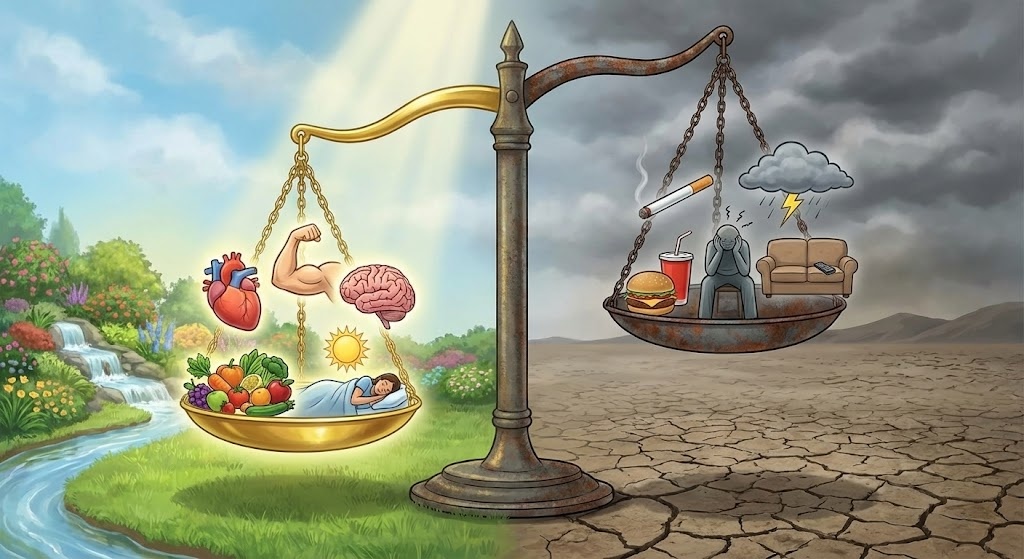
 Think about your healthspan the years of your life when you are actually healthy as a bank account.
Every single day, you are making deposits or withdrawals. These aren’t financial transactions; they are biological transactions. Every choice you make influences your balance. The goal should always be to keep the account in the green and, ideally, build enough reserves so that when life gets hard, your body and mind can draw from a well-nourished, resilient foundation.
Visualising Your Longevity Bank
Your body is like a lifetime savings account. Just as early and consistent financial investments create wealth over time, your daily health habits build up (or drain) your vitality.
The beauty of this metaphor is its simplicity. Instead of chasing complex routines or fleeting wellness trends, it brings your focus back to the basics: consistency, awareness, and balance.
You don’t have to get it all right 100% of the time. But you do need to keep checking in with your account and adjusting your inputs.
Daily Deposits: What Adds to Your Longevity Bank
Here are the habits that build your resilience and energy over time. Think of these as small, consistent investments:
- Sleep: Quality sleep is non-negotiable. It’s when your body heals, your brain resets, and your hormones rebalance. It is the most underrated superpower for health.
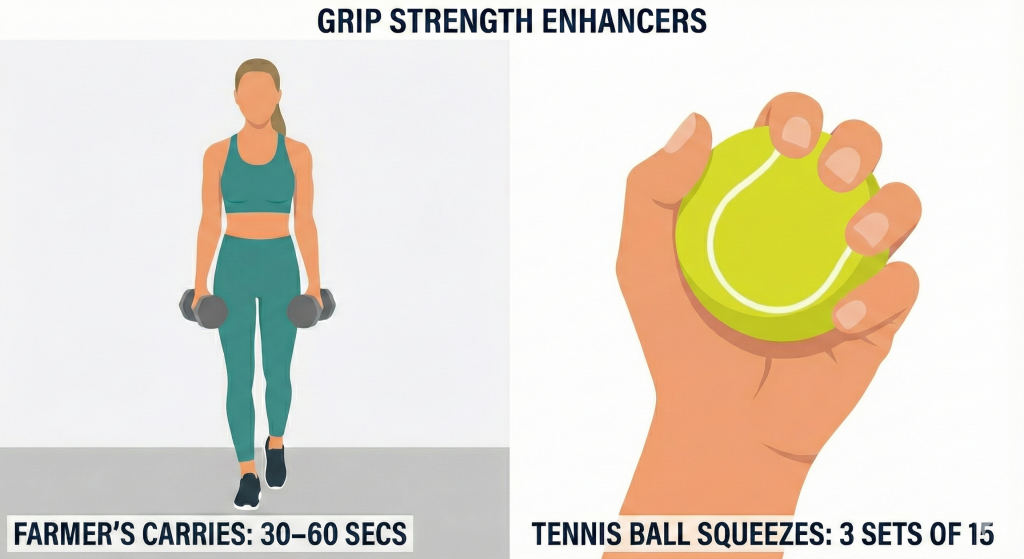
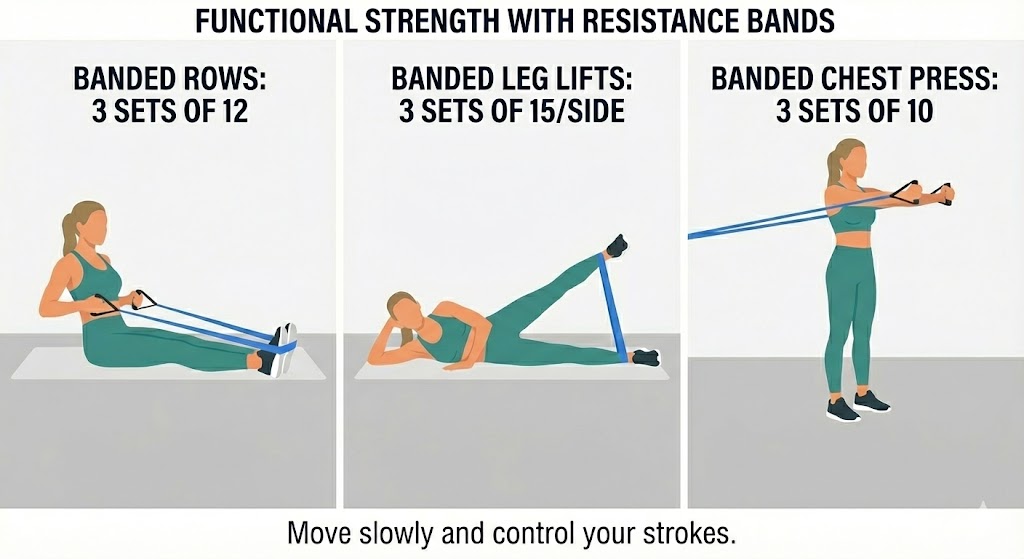
- Strength Training: Muscle is your retirement fund for health. It supports balance, metabolism, bone density, and mobility—all of which are crucial as you age.
- Fibre-Rich Foods: Colourful vegetables, legumes, and whole grains fuel your gut microbiome, reduce inflammation, and stabilise your metabolism.
- Sunlight: A few minutes of natural morning light helps set your circadian rhythm, boost mood, and top up your vitamin D stores.
- Community & Connection: Meaningful relationships are essential. Loneliness is now seen as a health risk comparable to smoking.
Daily Withdrawals: What Drains Your Account
These are the habits that chip away at your resilience and increase the risk of chronic issues. Not all can be avoided, but they can be managed.
- Ultra-Processed Foods: Foods that come in packages, full of additives and low in nutrients, disrupt your gut, promote inflammation, and leave you nutritionally bankrupt.
- Chronic Stress Spikes: Stress isn’t inherently bad, but when it becomes your baseline, it accelerates cellular ageing and hormonal imbalances.
- Sitting for Hours: Prolonged inactivity impacts everything from heart health to mental well-being. Movement isn’t optional; it’s essential.
- Sleep Debt: Skipping sleep may seem harmless in the short term, but the interest compounds quickly in the form of fatigue, brain fog, and immune dysfunction.
The Real Challenge: Modern Life
The world we live in makes it easy to overspend. Fast food is more accessible than fresh food. Digital life replaces face-to-face connection. Work bleeds into rest.
The trick isn’t perfection; it’s awareness. Start by identifying your biggest daily withdrawals. Then, gently balance the ledger with deposits that feel sustainable.
Balancing the Ledger: Simple Shifts
These are not grand gestures. They are small, steady contributions to your future self:
- Replace one processed meal a day with real, whole food.
- Get 15–20 minutes of natural morning light.
- Add two strength-training sessions a week.
- Treat rest like an appointment, and keep it.
- Reach out to someone you care about once a week.
Your Body Is a Lifetime Investment
The Longevity Bank Account isn’t just a metaphor; it’s a mindset. Every laugh, every step, every nutrient-rich meal, and every restful night of sleep is a deposit toward a richer, fuller life.
Yes, there will be withdrawals. That’s part of being human. But when your deposits are consistent and intentional, you build a buffer of health and resilience that carries you through.
Treat your body like your most valuable savings account, because that’s exactly what it is. Daily deposits. Mindful withdrawals. That’s the real secret to a life well lived.
We hope this article helps you. For further information or guidance, reach out to our certified experts by subscribing to GOQii’s Personalised Health Coaching here.
#BeTheForce
Disclaimer: The information provided in this blog is for general awareness and educational purposes only. It is not intended to replace professional medical advice, diagnosis, or treatment. Always consult a qualified healthcare provider for personalised medical guidance or concerns related to your health. Images shown are for representation purposes only and may not depict the exact recommendations or outcomes.
 Usually, when we talk about muscles, it is with a mindset akin to how we think about biceps or abdominals. However, let me share with you a reality that most people do not realise: muscles are among the most potent factors in ensuring healthy ageing and longevity.
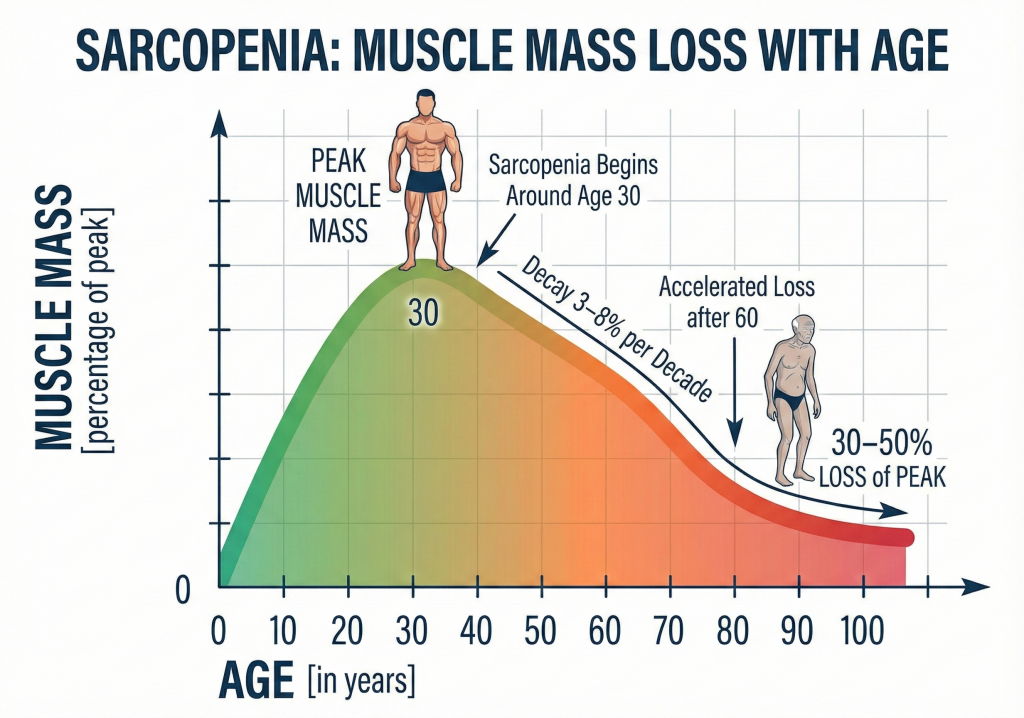 After your early 30s, your muscle mass will decay at a rate of 3–8% each decade, accelerating after you reach 60 years of age. So, when you reach your 70s and 80s, you may have lost a staggering 30–50% of your muscular peak.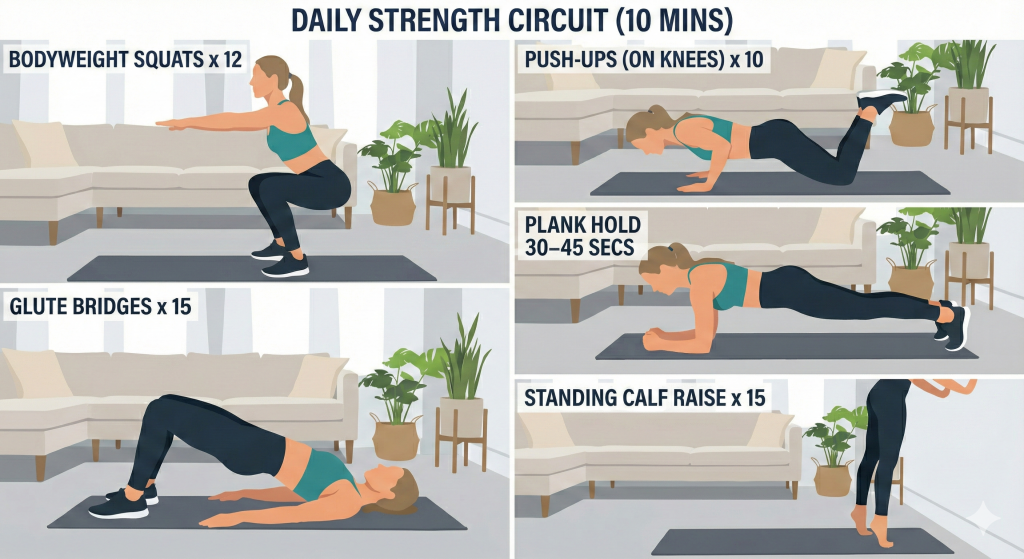
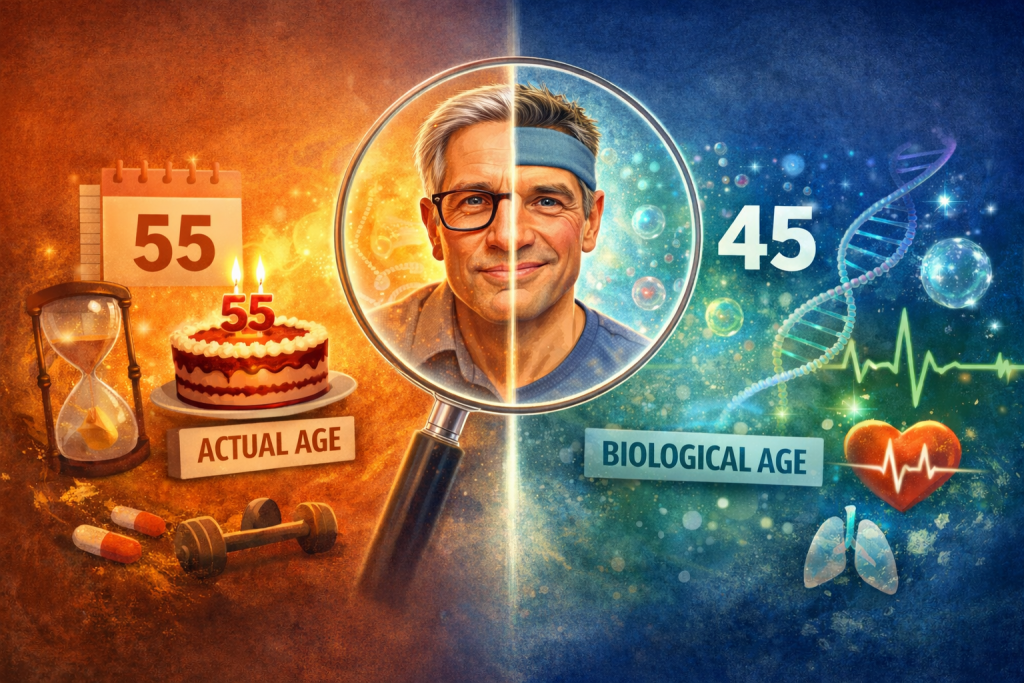 Most of us are pretty familiar with our age, which we celebrate every year on our special day. Here’s an interesting thought, though: this number does not necessarily indicate how well our bodies are ageing. Two people, both aged 50, can have vastly different health profiles.
 Starting a GLP-1 medication can feel like turning a new page in your health journey. For many people, hunger feels more manageable, weight loss becomes possible, and the risk of long-term health conditions may begin to shift. But the benefits don’t come from the injection or pill alone.


