GOQii

Blog

  • HOME
  • HEALTHY LIVING
  • FITNESS
  • HEALTHY RECIPES
  • USER STORIES
  • KARMA
  • BUY GOQii

Search Results for: kidney

October 24, 2024 By Dr Ashwin Nanda 5 Comments

Organ Donation – Gift of Life

Lead -organ-donationA decade ago as a medical student, I had come across a blind man selling torches in the local trains. I asked him just out of curiosity the reason for his blindness to which he replied that he lost his sight in childhood after an accident which permanently damaged the blood supply to the retinas. He then went on to ask why I brought up the question and when I told him I was studying to be a doctor, he smiled and said, “I have a question for you”? I anticipated, he would want to know about recent advances in medicine that could probably restore his sight. But, I was wrong, instead, his question was different. His question was whether he could still donate his eyes. I was absolutely overwhelmed when he asked this. That is the day when I realized one can lose his eyesight but, still have a vision. With a sense of respect for him, I explained to him that his corneas could indeed be donated after his demise.

Organ transplantation is a marvelous procedure of modern medicine which helps the recipient gets a new lease of life. The only issue is, untimely demise of a loved one plunges the family and friends in so much grief that donating the deceased person’s organ doesn’t come to mind most times. It takes a mighty heart to brush aside the sorrow and take the step of organ donation, to give the gift of life to someone when you have lost a loved one.
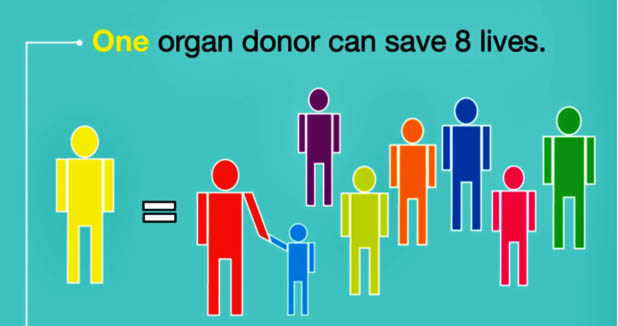
one-organ-donor-eight-lives

Organ donation is permitted by law after a person is declared brain dead. A brain dead person has no chance of revival as all his brain activity has stopped permanently and completely. The medical fraternity follows very strict standards laid down by the Transplantation of Human Organs Act, 1994 to determine if someone is brain dead or not.

In India, it takes 4 well qualified doctors to declare brain death before a person’s organs can be harvested. The biggest hesitation in organ donation is that the body will be disfigured. The surgeon makes a single neat incision from top of the chest to the navel and after organ harvesting, it is stitched professionally and the body is handed back in the most dignified state. The organ/organs are stored in cooled containers with special preservative fluid.

Organ donation from brain dead individuals in India is very less compared to Europe and US. Live donor numbers are increasing steadily since it is possible for a relative to survive on a single kidney and even the left lobe of liver can be donated by a live donor as the liver regenerates.

2 lakh corneas are needed annually in India but only 50,000 donations happen. 5 lakh people die annually waiting for a lifesaving organ. Presumed consent for organ donation is used to increase the pool of potential donors in countries such as Austria, Belgium, Czech Republic, Finland, France, Greece, Hungary, Israel, Italy, Luxembourg, Norway, Poland, Slovenia, Spain, Sweden, Singapore and Turkey. After the death of the individuals the state becomes the custodian of the dead body, who take out the organs for transplant. Spain has the highest rate of organ donation at 36 / million. India is at 0.26/million only.
organ-donation-Image 1 (1)

Who, What and How Can you donate?

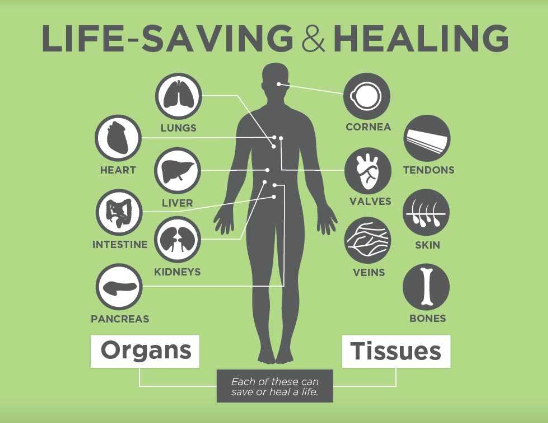
1) Kidneys, Heart, Lungs, Liver, Small Bowel and Pancreas can be donated for transplant. Tissues that can be donated include eyes, heart valves, bone, skin, veins and tendons.

2) Every healthy person can donate. Old age is not a deterrent to donation. Person’s physical condition, not age, which is the deciding factor. Organs and tissue from people in their 70s and 80s have also been transplanted successfully.

3) Specialist health care professionals decide in each case which tissue and organs are suitable.

4) Your near and dear ones should be aware of your will to donate your organs. In case of your untimely demise they can inform concerned authorities to harvest your viable organs.

5) Kidneys, liver, heart need to be harvested within 6 hours of death whereas corneas within 12 hrs.

organ donation

“Green corridor” is the term used when a lane from the airport to the hospital where the organ recipient is waiting is kept totally vacant for speedy transport of the organ by the doctor who has retrieved it from a donor in another city. The city traffic police officers go all out to ensure a smooth transit with zero stoppage. The nobleness of organ donation is highlighted by the efforts put in by them to help the cause.

Organ donation is easier said than done. This article is an attempt to increase awareness about this cause so that we all can create the mindset to be willing to donate organs. All religions promote this practice since extending life is considered an act of God.

So let’s pledge our organs and live even after we are gone.

Here are a few websites through which you can register and pledge your organs

www.mohanfoundation.org/

http://www.transplantindia.com/

http://www.organindia.org/

#BeTheForce

October 16, 2024 By Soni Thakur 11 Comments

7 Reasons Why Pulses Are Good For You!

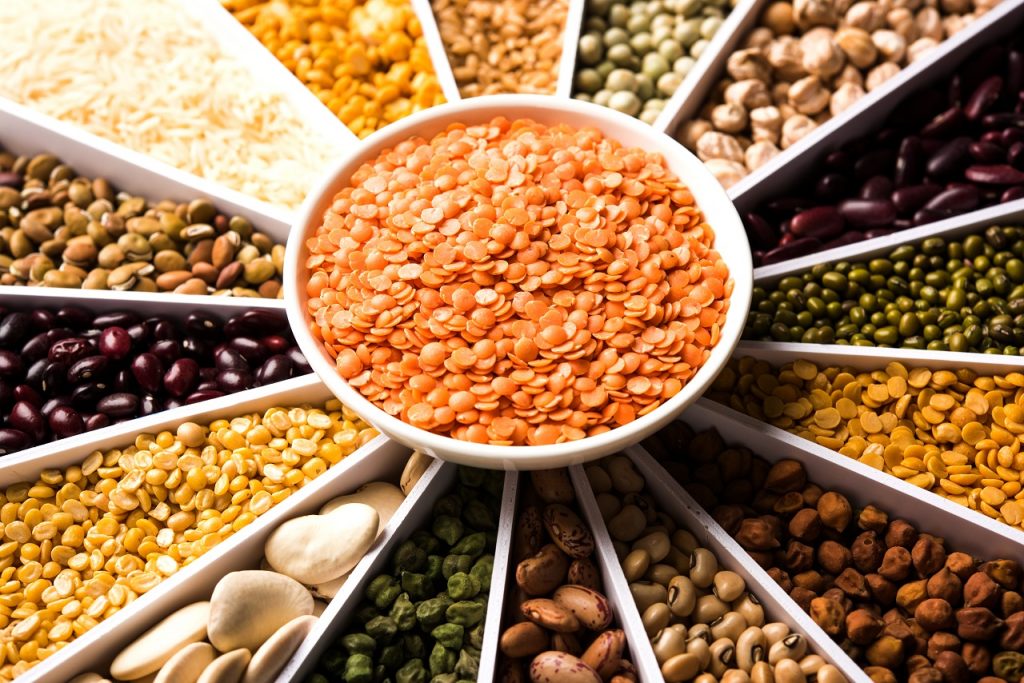
pulses As we celebrate World Food Day this year, focusing on the theme of “Right to Food for a Better Life and a Better Future,” it’s important to highlight the crucial role that pulses can play in achieving food security and promoting better health. Pulses have always been a significant part of the Indian diet, valued for their rich nutritional content, affordability, and availability. They are an excellent source of plant-based protein, fiber, vitamins, and minerals, making them a vital tool in nourishing populations globally.

There are hundreds of varieties of pulses grown worldwide—like Lentils, Dry Beans (Common Beans), Black eyed peas (Cowpeas), Chickpeas, Pigeon peas (Toor Dal), and Kidney Beans—that are not only nutritious but also sustainable and accessible to all. This makes pulses a key to ensuring the right to food and building a better future for everyone.

If “Pulses” was an abbreviation, it could easily stand for:

P – Protein Rich

U – Universally Distributed

L – Low Cost

S – Source of Dietary Fiber

E – Easily Available

Despite being seen as a “poor man’s food” due to their low cost, pulses are a nutritional powerhouse that shouldn’t be ignored. Here’s why pulses are essential for a healthier life and a sustainable future:

7 Reasons to Include Pulses in Your Diet:

  1. Good for all age groups: From infants to the elderly, pulses provide essential nutrients that promote growth, development, and tissue repair, supporting a better quality of life for all.
  2. Affordable and Accessible: Pulses are widely available and affordable for all income groups. This makes them a vital food for ensuring the right to nutritious food, aligning perfectly with the theme of World Food Day.
  3. Heart-Healthy: Low in saturated and trans fat, pulses can help lower cholesterol levels, reduce blood pressure, and maintain a healthy weight. Their heart-healthy benefits contribute to a better life for millions globally.
  4. Reduce Risk of Chronic Illness: Regular consumption of pulses may reduce the risk of chronic diseases such as Diabetes, Cancer, and Heart disease, making them a powerful ally in promoting long-term health.
  5. Long Shelf Life: Pulses, being dried seeds, can be stored for long periods, reducing food waste and loss. This supports global efforts toward food security and sustainability, a core focus of World Food Day.
  6. Rich in Antioxidants: Pulses like Red Kidney Beans are packed with antioxidants that help fight inflammation and boost metabolism, ensuring a healthy body and mind.
  7. Improves Protein Quality When Paired with Cereals: Pulses improve the protein quality of meals when combined with cereals, making them an excellent source of balanced nutrition, especially for those who rely on plant-based diets.

Pulses: A Path to a Better Future

Pulses are not just nutritious and affordable—they also play a significant role in sustainable agriculture. They require fewer resources like water and fertilizers, making them eco-friendly and vital in reducing our environmental footprint. By embracing pulses, we support a sustainable food system that helps ensure everyone’s right to food, paving the way for a better future.

This World Food Day, let’s recognize the value of pulses as a versatile, nutritious, and sustainable food source for all. These reasons should inspire you to stock your kitchen with a variety of pulses and embrace their benefits!

We hope this article helps you! Do leave your thoughts in the comments below! For more articles on nutrition, explore Healthy Reads or speak to a GOQii Coach by subscribing for Personalised Health Coaching here.

#BeTheForce 

Disclaimer: The information provided in this blog is for general awareness and educational purposes only. It is not intended to replace professional medical advice, diagnosis, or treatment. Always consult a qualified healthcare provider for personalised medical guidance or concerns related to your health.

September 23, 2024 By Hardika Vira 180 Comments

Uric acid and seven ways to reduce it

uric acid

You may have heard people mention they suffer from ‘Gout.’ Gout is a condition marked by abnormal metabolism of uric acid, leading to excessive amounts of uric acid in the tissues and blood.

Uric acid is a byproduct of the metabolic breakdown of purine nucleotides. High levels of uric acid in the bloodstream can result in gout. It is also linked to other health issues, such as kidney stones and diabetes.

Normal uric acid levels range between 3.5 and 7.2 milligrams per deciliter of blood (mg/dL).

Here are seven tips to help reduce uric acid levels:

  1. Increase Water Intake – Staying hydrated is key to flushing out uric acid. When your body is well-hydrated, uric acid crystals are less likely to form. Drink at least 3-4 liters of water daily to help eliminate uric acid from your system. You can also include buttermilk, coconut water, lemon water, and green tea to boost your overall fluid intake.
  2. Reduce Purine-Rich Foods – Uric acid is formed by the breakdown of purines, a type of protein. While purines are naturally produced by the body, they are also found in foods like red meat, mushrooms, baked goods containing yeast, and fermented products. Opt for foods like lentils, split dals, milk, and egg whites to maintain healthy protein intake.
  3. Eat High Fiber Food – Fiber helps absorb uric acid in the bloodstream, allowing it to be easily eliminated through the kidneys. Good sources of fiber include fruits, vegetables, whole grains, and whole grain products, which should be chosen over refined products.
  4. Avoid Caffeine and Alcohol – Caffeine (found in coffee, tea, and certain soft drinks) and alcohol hinder the excretion of uric acid by binding to it. Reducing your intake of these can improve uric acid removal from your system.
  5. Consume Vitamin C-Rich Foods – Vitamin C aids in the excretion of uric acid. Citrus fruits, bell peppers, cabbage, amla (Indian gooseberry), and guava are excellent sources of Vitamin C and can help lower uric acid levels.
  6. Limit Sugar Intake – Excess sugar can interfere with the excretion of uric acid. Studies have shown that drinking 300 ml of sweetened beverages daily can increase the risk of gout by 13%.
  7. Try Apple Cider Vinegar – Apple cider vinegar contains acetic acid, which turns alkaline in the body, helping to dissolve uric acid crystals and preventing them from recurring. It also reduces joint inflammation and swelling, improving joint flexibility.

Reducing uric acid levels is crucial for managing gout and preventing associated health issues like kidney stones and diabetes. By making these simple lifestyle adjustments, you can lower your uric acid naturally and maintain better overall health. Do try these tips and share your thoughts in the comments below! For more health tips, speak to a certified expert by subscribing to GOQii’s Personalised Health Coaching here.

#BeTheForce

Disclaimer: The information provided in this blog is for general awareness and educational purposes only. It is not intended to replace professional medical advice, diagnosis, or treatment. Always consult a qualified healthcare provider for personalised medical guidance or concerns related to your health.

September 14, 2024 By Sunita Arora Leave a Comment

Top 10 Foods For Diabetics

Foods For DiabeticsYour food choices matter a lot when you’re facing Diabetes. While it is difficult to find foods which prevent diabetes complications like heart disease, kidney disease, spiking blood sugar levels, etc. there are some foods for diabetics which can help reduce carbohydrate intake, which in turn keeps blood sugar in check. Let’s take a look at these foods for diabetes. 

Top 10 Foods For Diabetics 

  1. Cinnamon: This fragrant golden spice helps in controlling sugar, cholesterol and triglyceride levels in Type 2 Diabetes. It adds flavour to food, can be sprinkled on tea, coffee, oatmeal and smoothies, etc. Studies have shown just ¼ teaspoon of cinnamon daily can improve fasting blood sugar and improve insulin sensitivity.
  2. Extra Virgin Olive Oil: Extra-virgin olive oil contains antioxidants called polyphenols which are extremely beneficial for heart health. Olive oil is the best option for  MUFA source when it comes to managing diabetes. Several studies have shown that MUFA helps to keep blood sugar in check by lowering insulin resistance and it keeps you full, minimizes blood sugar spikes, and helps in good absorption of nutrients. Daily healthy intake for a Diabetic person can be 1-2 tsp (5ml-10 ml) to manage sugar levels.
  3. Nuts: are the best snacking foods for diabetics as they are delicious and nutritious. Nuts like walnuts, almonds, cashews, pistachios are a boon for diabetics as they are low in carbohydrates and high in protein and fat, which makes them good for stabilizing blood sugar. Due to high in protein and low in digestible carbs they help to reduce blood sugar and LDL levels. A Diabetic person can have a small handful of approx. 20-30 gm daily. But be sure to avoid salted varieties of nuts.
  4. Beans: are complex carbs loaded with fiber and rich in protein which gives a feeling of satiety. Beans are not expensive at all, easily available and they are incredibly versatile. Having beans in the diet regularly can control blood sugar and lower blood pressure. You can add beans in your salads, soups, veggies and sandwiches or use soaked/boiled beans in various recipes. Include one bowl daily which is approximately  25-30 gm of beans to regulate blood sugar levels.
  5. Quinoa: is considered as a complete protein because it contains all nine essential amino acids needed to build muscle and it is rich in minerals such as iron and magnesium. This protein-rich whole grain is a great substitute for white rice. It is rich in fiber and gets digested slowly, which keeps the stomach full and prevents blood sugar spikes. It is a healthy option for breakfast, snacks and effective in weight loss too. Daily  20-30 gm of Quinoa can be taken in different ways like salad, or mixed with vegetables, etc.
  6. Fenugreek Seeds: are very effective in treating people with diabetes. It is rich in soluble fiber which lowers the sugar levels by slowing down the digestion and absorption of carbohydrates. Studies have shown a daily dose of 10 gm of fenugreek seeds soaked in water helps to control Type 2 Diabetes.
  7. Oatmeal: is one of the best foods for diabetics as they can fit into any healthy meal plan. They are high in fiber and low in glycemic index. It does the miraculous job in regulating blood sugar levels and increases energy levels. Steel-cut oats approx. 20 gm-30 gm daily with low-fat milk or vegetables are best for Type 2 Diabetes because they are least processed.
  8. Garlic: is a herb which reduces inflammation, blood sugar, LDL Cholesterol in people who have Type 2 Diabetes. It also reduces blood pressure and boosts immunity. 1-2 cloves of Garlic can be crushed and taken raw with water early morning or can be used while cooking.
  9. Turmeric is a very powerful spice with numerous health benefits. It helps to lower inflammation, reduce blood sugar and boost immunity. It has curcumin which benefits kidney and heart health in diabetics. It is an important ingredient in Indian cuisines, around ½ to ¼ tsp can be added in water or milk to reduce inflammation, boost immunity and regulate blood sugar levels.
  10. Chia seeds: are the powerhouse of nutrients and are one of the wonderful foods for Diabetics. They are high in fiber which lowers blood sugar in diabetics and helps maintain healthy weight. It also decreases blood pressure and inflammation in the body. Take 10gm of soaked chia seeds daily, can be also added in a smoothie, shake, curd etc.

We hope these 10 foods for diabetics helps you make a wonderful and positive shift to a healthier life but before you try them out, do consult with your doctor, nutritionist or dietitian. 

For more help to manage diabetes, and get the right guidance and motivation by certified experts, join the GOQii Diabetes Care program. It’s India’s only diabetes program that is driven by Smart Science and Personal Coaching to improve Fasting Blood Sugar (FBS), Postprandial Blood Sugar (PP), reduce HbA1c levels and let you win gold! You can subscribe here: https://store.goqii.com/diabetescare.

#BeTheForce 

  • « Previous Page
  • 1
  • …
  • 7
  • 8
  • 9
  • 10
  • 11
  • …
  • 37
  • Next Page »

Search

Recent Posts

  • 4 Reasons Why Affirmations Are Not Working For You
  • The Social Side of GLP-1: Navigating “Food Culture” and Peer Pressure
  • Leaky Gut: Symptoms and Causes
  • Muscle Is Your Insurance Policy: Why Strength Predicts Lifespan More Than Cardio
  • The Fiber Gap: Managing Digestion on GLP-1 Therapy

Stay Updated

Archives

  • March 2026 (1)
  • February 2026 (14)
  • January 2026 (14)
  • December 2025 (19)
  • November 2025 (15)
  • October 2025 (20)
  • September 2025 (6)
  • August 2025 (6)
  • July 2025 (12)
  • June 2025 (18)
  • May 2025 (16)
  • April 2025 (22)
  • March 2025 (23)
  • February 2025 (22)
  • January 2025 (25)
  • December 2024 (22)
  • November 2024 (23)
  • October 2024 (21)
  • September 2024 (24)
  • August 2024 (30)
  • July 2024 (21)
  • June 2024 (26)
  • May 2024 (31)
  • April 2024 (27)
  • March 2024 (29)
  • February 2024 (25)
  • January 2024 (21)
  • December 2023 (15)
  • November 2023 (11)
  • October 2023 (19)
  • September 2023 (22)
  • August 2023 (18)
  • July 2023 (22)
  • June 2023 (24)
  • May 2023 (24)
  • April 2023 (23)
  • March 2023 (23)
  • February 2023 (19)
  • January 2023 (15)
  • December 2022 (11)
  • November 2022 (15)
  • October 2022 (15)
  • September 2022 (12)
  • August 2022 (10)
  • July 2022 (17)
  • June 2022 (11)
  • May 2022 (10)
  • April 2022 (6)
  • March 2022 (6)
  • February 2022 (13)
  • January 2022 (11)
  • December 2021 (7)
  • November 2021 (3)
  • October 2021 (6)
  • September 2021 (3)
  • August 2021 (8)
  • July 2021 (7)
  • June 2021 (15)
  • May 2021 (16)
  • April 2021 (10)
  • March 2021 (7)
  • February 2021 (4)
  • January 2021 (4)
  • December 2020 (3)
  • November 2020 (4)
  • October 2020 (10)
  • September 2020 (3)
  • August 2020 (3)
  • July 2020 (2)
  • June 2020 (4)
  • May 2020 (10)
  • April 2020 (12)
  • March 2020 (10)
  • February 2020 (4)
  • January 2020 (4)
  • December 2019 (3)
  • November 2019 (7)
  • October 2019 (5)
  • September 2019 (4)
  • August 2019 (9)
  • July 2019 (9)
  • June 2019 (11)
  • May 2019 (4)
  • April 2019 (8)
  • March 2019 (8)
  • February 2019 (9)
  • January 2019 (8)
  • December 2018 (9)
  • November 2018 (3)
  • October 2018 (3)
  • September 2018 (5)
  • August 2018 (10)
  • July 2018 (6)
  • June 2018 (13)
  • May 2018 (8)
  • April 2018 (18)
  • March 2018 (9)
  • February 2018 (8)
  • January 2018 (15)
  • December 2017 (12)
  • November 2017 (19)
  • October 2017 (13)
  • September 2017 (15)
  • August 2017 (4)
  • July 2017 (8)
  • June 2017 (7)
  • May 2017 (6)
  • April 2017 (8)
  • March 2017 (6)
  • February 2017 (7)
  • January 2017 (9)
  • December 2016 (10)
  • November 2016 (7)
  • October 2016 (7)
  • September 2016 (7)
  • August 2016 (11)
  • July 2016 (9)
  • June 2016 (9)
  • May 2016 (12)
  • April 2016 (17)
  • March 2016 (17)
  • February 2016 (8)
  • January 2016 (6)
  • December 2015 (2)
  • November 2015 (9)
  • October 2015 (7)
  • September 2015 (9)
  • August 2015 (11)
  • July 2015 (9)
  • June 2015 (12)
  • May 2015 (9)
  • April 2015 (13)
  • March 2015 (8)
  • February 2015 (5)
  • January 2015 (12)
  • December 2014 (14)
  • November 2014 (11)
  • October 2014 (6)
  • September 2014 (13)
  • August 2014 (12)
  • July 2014 (6)
  • June 2014 (2)
  • May 2014 (7)
  • April 2014 (5)

From “Laddu Nawin” to Fit and Fierce: How a 25-Year-Old Insurance Advisor Shed 20 Kilos and Gained His Life Back

When 25-year-old Nawin Yadav from Hyderabad walked into his office every morning, he carried more than just his files and policy papers. He had the weight of fatigue, sluggish energy, and an ever-growing belly that was becoming the butt of jokes. “People … [Read More...]

“I’ve Challenged Myself to Live 100 Years” – The Story of Chandubhai Savani’s Second Chance at Life

At 67, most people start slowing down. Not Chandubhai Savani. A resident of Surat, Chandubhai, thought life was on track. “My life was going well till I had my bypass surgery,” he says. That surgery, back in 2021, was a wake-up call.  Medication was routine, but exercise wasn’t. His diet? What he calls ‘normal.’ “I […]

From Shimla’s Slopes to Chandigarh’s Sidewalks: Surinder Kaur Bhalla’s Journey from Chaos to Control

Some journeys start with a plan. Others begin with a stumble literally. Surinder Bhalla, a government professional, born and raised in the scenic hill town of Shimla, had always lived a life of movement. “In Shimla, you walked everywhere,” she reflects. “Walking was never an exercise. It was just life.” But after shifting to Chandigarh, […]

Ananda Mukherjee Health Story

From Terminal Illness To Complete Wellness! Ananda Mukherjee Health Story

As we observe World Cancer Day under the powerful theme ‘United by Unique’ (2025-2027)**, we are reminded that every individual’s journey with cancer is distinct, yet united by shared resilience, hope, and the collective fight against this disease. This theme places people at the centre of care and their stories at the heart of the […]

  • HOME
  • HEALTHY LIVING
  • FITNESS
  • HEALTHY RECIPES
  • USER STORIES
  • KARMA
  • BUY GOQii

Copyright ©2016 GOQii