GOQii

Blog

  • HOME
  • HEALTHY LIVING
  • FITNESS
  • HEALTHY RECIPES
  • USER STORIES
  • KARMA
  • BUY GOQii

Search Results for: immunity

December 28, 2018 By Arooshi Garg 1 Comment

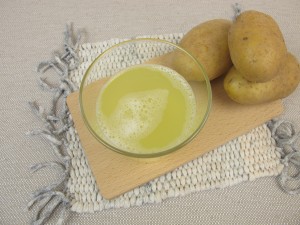
Potato juice- The Ancient Elixir

potato juice

For the longest time potatoes have been listed in the high carb fattening food category and all we keep hearing is to avoid potatoes if you want to be healthy. Well, there exists another unexplored side of the story! Potatoes are loaded with essential micronutrients like Vitamin A, C, B, and iron and phosphorous. These starchy tubers have amazing health benefits! For those who believe in the power of nature read on!

From our Desi Aloo Parathas (Wheat Flat Breads) to the world famous fries, Potatoes are loved widely by all cultures across the globe. Apart from being a star in the kitchen space, there are several other uses one is unaware of. Did you know that Potato juice can be used for hair, skin care, tackling joint pains & immunity related issues?

Potato Juice for Skin Care: Skin related issues such as skin darkening, scars, spots, blemishes, hard skin and tan reduction can be tackled with Potato juice. It removes excess oil, acne, clears pores and makes the skin look radiant. With skin bleaching properties that help to clear blemishes and correct uneven skin tone, Potato juice reduces appearances of fine lines, tightened skin and reduces wrinkles. So much from a simple juice!

How to USE: Potato juice can easily be combined with a range of skin-benefiting ingredients like Cucumber juice, Fuller’s Earth (Multani Mitti), Gram Flour (Besan), Aloe Vera and even Olive oil.

A scrub can be made by combining Gram flour (Besan)/ Wheat Bran/ Ground Oats with equal quantities of Lemon juice and Potato juice. Mix well and gently rub it on the affected area.

Potato juice can also be mixed with curd/ honey/ lemon juice/orange juice to be used as a face pack. It will help tighten the skin and give a clearer, brighter glow.

Potato Juice for Haircare: Potato juice overall improves hair health and treats conditions like dandruff, dryness, redness, flaking and itching of the scalp. It can help improve hair texture by making it softer, delaying early grey hair and helps hair fall conditions too It helps in persisting eczema or reduces oozing of the sebum from scalp pores.

How to USE: Take the juice of 2 raw potatoes and add 1 tablespoon of honey, 1 egg yolk. If you want to avoid egg you can add 2 tsp of Aloe Vera gel. If you find honey sticky- you can use 1 tsp of virgin coconut or olive oil instead. Apply this mixture to the roots and shampoo as usual, after one hour. You will notice good results after applying this every once or twice in a week.

Eye care: Potato juice comes to the rescue of people facing under eye issues. It helps reduce under eye circles speedily and effectively. It helps the eyes to relax and reduces strain after a long day at work. Since the skin under the eyes is very thin, it tends to wrinkle very fast. Regular application of potato juice on the affected area can lead to positive results.

How to USE: Soak eye size cotton pads in cold potato juice and apply on eyes for 20 minutes. Remove and gently wash eyes. You can use a moisturizer if your skin feels dry.

Immune system: Potatoes contain a significant amount of vitamin C -the nutrient that fights colds and infection and helps to strengthen the immune system. Drinking a glass of potato juice regularly wards off diseases and helps improve one’s immunity. It also increases circulation in the human system, thereby improving overall health.

Joint related issues: Potato juice has wonderful anti-inflammatory properties that help to relieve all most all kinds of pain related to swelling, inflammation, or redness. It helps in neutralising and flushing out Uric acid which is the major cause of joint relates issues. Applying compressed potatoes to the joints directly or wrapping a sliced potato to the joint with the help of fabric bandages is helpful in eliminating the soreness and pain. This makes potato juice one of the best natural treatments for gout and pain associated with arthritis.

How to USE: To extract maximum benefit drink raw potato juice, 1 glass in the morning and 1 glass in the night.

GI tract benefits: Potato juice works as an excellent antibacterial probiotic drink.  It helps reduce acidity, heartburn, constipation, bloating and flatulence. Potatoes contain a significant amount of fibre, with unique antibacterial molecules which help in treating constipation and cleansing our digestive system. Drinking 1 glass of potato juice every day can help in preventing and treating many gastric and digestion related issues.

Heart-healthy ingredient: Potatoes contain essential nutrients like fibre and vitamins A, B-complex and Vitamin C fibre. These nutrients help lower the cholesterol levels in the body. Potato juice can help prevent strokes by reducing deposition of fats in arteries as it contains antioxidant and anti-inflammatory compounds.

Simple ways to prepare & use potato juice:

  1. Wash the potatoes thoroughly and clean out any sprouts and green spots.
  2. Peel the potatoes and grate them. Or you can also chop the potato and grind them in a mixer.
  3. Put the grated potatoes on a linen cloth/ sieve and squeeze out the juice.
  4. Since potatoes are 80% water one can get around 1/2 cup juice from 2 medium sized potatoes. Which is safe to be consumed.
  5. Drink the juice immediately or you could let it cool in the refrigerator for a while and then drink it.

Side effects: All good things if taken in the wrong way or quantity can cause harm:

  1. If you have any health-related issue and are advised to stay low on potassium then check with your doctor before consuming potato juice as it has high potassium levels.
  2. Pregnant and breastfeeding women and diabetic patients should consult their physician before drinking potato juice as it is high in sugar content.
  3. Also, this juice can cause an upset stomach, or cause diarrhoea and vomiting if consumed in excess.


December 24, 2018 By Harpreet Kaur 4 Comments

7 Healthy Indian Drinks

There are only so many times you can say, “Just water for me, thanks,” Water is a healthy and safe bet, sure. In fact, it can’t be beaten. No drink can match water, isn’t it? Water is a panacea for many health problems

70 % body is comprised of water. There are innumerable benefits of having water. It promotes weight loss, boosts immunity, increases brain power, prevents hair fall, renders glowing skin, helps in clearing the gut, removes toxins from the body and many more.

So what do you do when you want more options but don’t want to stray from the healthy side of things? Luckily, there are actually several beverages that can do you one favour or another while spicing up your waterlogged palette. 

In this blog, I am going to talk about the healthiest drinks in India. Some of them are my absolute favourites and I include them in my diet throughout the year. Not only these drinks are tasty and easy to make but also offer numerous health benefits

From digestion related problems to skin issues, hair fall issues to serious problems of kidney, liver and heart, these drinks serve as pure nectar for the body.

There are sometimes when we feel like drinking something hot and cool, sweet and salty, morning and evening, summer and winters. I have chosen some most versatile health drinks

The SEVEN health drinks you must try are:

Starting with # 7 RAGI MALT

Ragi Malt Drink

If you are looking for a quick and healthy breakfast, try this one. Considering the nutritional and therapeutic value of Finger millet or Ragi for the human body, it is quite surprising and unfortunate that it is totally absent in most people’s diets today. 2 years ago, I read about it and even heard about the benefits and started having it regularly, since then this drink has been a part of my routine.

Quick Recipe:

  1. Ragi flour 3-4 tsp in a bowl with a little bit water poured in it which should be enough to make a paste of it.
  2. Then boil 1 cup of water and rock salt according to the taste and add ragi paste
  3. Keep stirring it for 2-3 mins, once it cools down to add some lemon juice 1/2 and some curd (50 gms) in it.
  4. Mix it well and your drink is ready, you can even have this in your breakfast when you are running late for work or it is a rescuer for people who have excuses to skip breakfast especially for the weight watchers.

Benefits:

Gluten free

Rich in Fibre

High in Calcium

Amino acids

Minerals

Vitamin D

# 6 Turmeric Milk

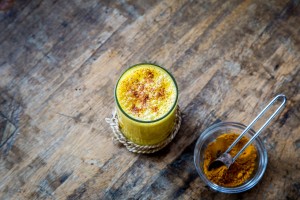
Turmeric Milk

We all must have tried it in our childhood or otherwise due to its anti-inflammatory properties but this turmeric milk recipe is quite different especially in winters.

Recipe:

  1. 1 glass of milk to boil (200gms)
  2. On boiling it add ½ tsp of turmeric
  3. Add a pinch of black pepper and ¼ tsp of Cow Ghee
  4. Let it boil with all these ingredients

Turmeric has antibacterial and viral properties and is considered a super herb since ancient times. The purpose of adding Black pepper helps in absorbing the turmeric in the body. The combination of ghee+ milk= pre nectar (acts as a panacea for many health problems) keep infections at bay this winter. Have it before 1 hour of going to bed.

Benefits

*Excellent Body detoxifier

*Blood purifier

*Cleanses Blood vessels

*Flushes out the toxins

*Kills Cancer cells

*Anti-ageing

*Improves Skin Tone

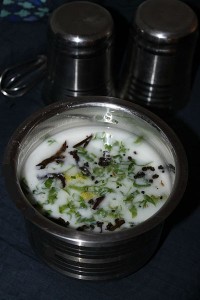
# 5 Buttermilk or Chaas

ButterMilk

Do you feel bloated after having heavy or spicy meals or feel thirsty through the day? Then it’s a must-have for people with weak digestion made in a traditional way. It helps you getting relief from all digestive and stomach related issues

Authentic recipe:

  1. In a blender add coriander leaves, mint leaves some ginger, curd, a pinch of asafoetida, rock salt, black salt and water.
  2. Blend them all
  3. Next step is flame 1tsp of ghee and add few cumin seeds in it and 1-2 curry leaves
  4. Let them splutter and later pour it on buttermilk and enjoy!

Benefits

* Rich in Vit B and Calcium

* Probiotics

* Try having this buttermilk post lunch for maximum benefit

#4 Lemon Honey Water

lemonhoneywater

One of the most popular drinks amongst the weight watchers and an excellent detoxifier. Some people complain that it causes a sore throat and acidity and is not that effective too. Which can be due to some common mistakes that people make while preparing it

Mistake 1> putting too much water and just 1 lemon to avoid acidity and increase water intake

Mistake 2 >Putting honey in hot water which may act against your body

To reap the maximum results out of it drink it early morning on empty stomach to see the miraculous results

Recipe:

  1. 200 ml lukewarm water, mix the juice of 1 lemon and 1tbsp honey
  2. Do not gulp it, gradually sip it down and finish it

Benefits

  • The citric acid in Lemon flushes out the toxins
  • Clears skin
  • Shrinks fat cells
  • Aids digestion
  • Detoxifies the body
  • Cleanses the blood
  • Boosts immunity

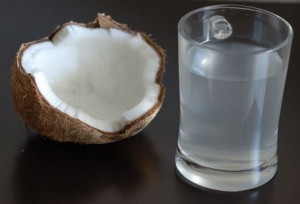
#3 Coconut water

Fresh_coconut_water

This is a natural energy drink detoxifies the body. Ideally, the right time to drink it before 12 noon for max benefit. And, even after an intensive workout session to hydrate our body. As it is a great mother nature’s Sports drink

Benefits:

  • Biologically pure
  • Has potassium equal to 4 bananas
  • Perfect electrolyte balance
  • Prevents hypertension

# 2 Sugarcane juice

Sugarcane Juice

It is an answer to people who have sweet tooth and crave for something sweet to drink especially in summers. It is the tastiest and healthiest of many juices, not only low in Glycaemic index is recommended to diabetics as well. It is a super juice among all other fruit juices. It is rich in nutrients as well. Adding ginger and mint to it will even more improve your digestion!

Benefits

  • Rich in iron, calcium, phosphorus, antioxidants
  • It cures a Common cold and boosts immunity
  • Fights fever and other infections too
  • Boosts energy
  • Strengthens liver
  • Relieves constipation
  • Removes Bad breath and Tooth Decay

#1 Carrot Milk

carrot milkIt’s a number one drink to try especially in winters and it’s already around. It works as a natural health supplement which can be taken from children to adults to old age


Recipe:

  1. 1 Medium sized grated carrot
  2. Half boil the carrot in a half cup of water
  3. Post that adds 200ml of milk in it
  4. Let the water evaporate and we would have a powerful health supplement ready

Benefits

  • Improves eyesight especially for people who work in front of gadgets for long hours
  • Relief from dark circles
  • For glowing skin
  • Increases strength
  • Clears vitamin deficiencies

Have it at least 2-3 times a week, if you want you can have it every day, anytime

If you wish to sweeten it, you can some jaggery powder or some honey

Honourable Mention:

Whenever you feel like drinking something Drink water! The best way is to keep it in a copper vessel on a wooden surface and keep it overnight and drink first thing in the morning and don’t pour it in other utensil and drink it straight from the copper vessel to multiply the nutrients in it.

I believe all the above drinks are very convenient and can be added in our fast-paced busy lives, as looking good is not enough- feeling good is what matters.


November 13, 2018 By Samar Hafeez 9 Comments

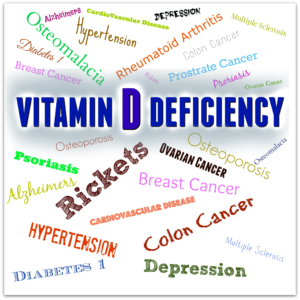
Link between Vitamin D Deficiency & Depression

Vitamin-D- deficiency

Depression has been called the world’s number one public health problem. The American psychological association states that it is the most commonly occurring mental disorder. In India statistics show a shocking rise in the number of depression cases every single year and it affects almost every age group irrespective of gender.

Most of us know depression is a heterogeneous illness and has many different triggers. Let’s try to identify if VITAMIN D deficiency is one among them.

Vitamin D also was known as the “Sunshine” vitamin is a steroid hormone precursor. It was originally thought to play a role in mineralization of bones for keeping them strong and healthy, but over time research has linked low levels of Vitamin D levels to obesity, heart disease, diabetes, cancer, anxiety and DEPRESSION!

Limited sun exposure, darker skin tone, higher altitudes, poor diet, liver and kidney diseases, age etc., are few risk factors for Vitamin D deficiency.

Diagnosis:  The most accurate way to measure how much Vitamin D is in your body is the 25- hydroxylated blood test (25(OH)D). In my practice, I have observed not many have enough or optimal Vitamin D levels which should be over 35 ng/ml

I personally feel that it’s the most underrated and undervalued vitamin of all

Symptomology:  If you have a Vit D deficiency you may experience following physical symptoms

  • Aching bones, joint pains
  • Poor muscle endurance
  • Muscle cramps and weakness
  • Fatigue and generalized weakness
  • DIFFICULTY LOSING WEIGHT
  • Low immunity
  • Decreased stamina and endurance

You may also experience symptoms of Depression that include:

  • Overwhelming sadness, hopelessness, feeling empty
  • Diminished interest or pleasure in activities
  • Loss of appetite
  • Significant weight loss(when not on diet) or weight gain
  • Insomnia or Hypersomnia(excessive sleep) nearly every day
  • Lethargy
  • Problems concentrating
  • Headaches, back and neck pains
  • Psychomotor agitation/retardation(restlessness or sluggishness)
  • Recurrent suicidal ideations.

A link between Vitamin D deficiency and Depression

Many research studies have concluded that Vitamin D receptors have been found in the areas of brain that are linked to the onset of depression, It has also been found that Vitamin D affects the number of chemicals called Monoamines such as serotonin, dopamine (also known as ‘happy hormones’) and how they work in brain. Many anti-depressants medications work by increasing the number of monoamines in the brain.

A review of an international research shows Over 31,000 people participated in 13 studies that efficiently studied this area and the results showed a significant relationship between low levels of Vitamin D and depression.

According to a study in the Netherlands involving 1,702 people found that significant low levels of Vitamin D cause the developing of depressive symptoms in individuals. A 2 year follow up suggested that Vitamin D could be a cost-effective part of prevention and treatment interventions for depression.

One type of depression that appears to be even more strongly associated with Vitamin D is Seasonal Affective Disorder (SAD), a mood disorder characterized by depressive symptoms during times of year when there is relatively less sunshine. It occurs majorly during winter seasons. Symptoms of SAD coincide with a reduction in Vitamin D which in turn effects serotonin levels in the brain, thereby causing depressive symptoms.

Food sources of Vitamin D:

  • Fatty fish like tuna, mackerel, salmon, sardines and herring
  • Cod liver oil contains 450 IU of Vitamin D per teaspoon(5ml)
  • Oysters, shrimp
  • Egg yolks
  • Mushrooms: Like humans, mushrooms synthesize D when exposed to UV light
  • Vitamin D fortified cereals, milk, orange juice or soy milk.

Other helpful options are to get enough sun (at the least for around 15 mints daily) around midday which can be between 11 am to 1 pm. At this time sunlight is at its highest point and your body may manufacture it more efficiently in less time.

Also, get Vitamin D supplements if your D levels are at extremely low levels, recommended daily allowance (RDA) would be of 600 IU daily, plus a 60,000 IU Vitamin D sachet in milk/curd once every month for 4-6 months(see your physician for more information)

Of course, Vitamin D supplementation is only a part of a comprehensive treatment plan. A plan whether based on pharmaceuticals or natural methods should include psychotherapy. However, low levels of Vitamin D can impair and prolong recovery from depression. Hence, it’s always best to treat a problem holistically!

NOTE:

  • Healing properties of natural sunlight cannot penetrate glass, you cannot sit inside your home or car and reap its benefits
  • If you have darker skin, you will need about 25 times more exposure than a light-skinned individual to produce the same amount of D
  • You are looking at months of sunlight/supplements before levels return to normal
  • Kidneys and liver activates Vitamin D, having a kidney disease or damaged liver will hinder the activation of Vitamin D
  • SUNSCREENS- From strongest to weakest prohibit the body from making vitamin D by 95%. Your body needs sunlight without sunscreens to produce vitamin D. Even SPF 8 creams can prevent the production of vitamin D

September 15, 2018 By Neha Morche Leave a Comment

The Biological clock- Is it ticking?

18wzhzqjnqvpyjpg

You must have heard many say ‘biological clock is ticking’. Did you ever know what is the phenomenon behind biological clock is? Biological clock is nothing but an internal mechanism which controls the rhythm of the activities and rest within 24 hours.

Why do we sleep, eat, and wake up, clear bowels at the same time daily? We call it a routine. Basically, it is a Biological clock that has been set to our body over the years. That’s how our body reacts or starts giving us signal at a specific time. A “master clock” in the brain coordinates all the body clocks so that they are in synch. It is nothing but a group of   nerve cells in the brain located in the hypothalamus.

Two internal systems interact to regulate when we sleep and when we are awake. These systems monitor our need for sleep based on how long we have been awake that’s how it counterbalances with each other. However, because they operate independently, they can become misaligned by external factors as light and temperature, suggesting that they are somehow caused by the external changes. Disruption to daily rhythms usually has a negative effect in the short term.

Studies have also shown that light has a direct effect on human health because of the way it influences the circadian rhythms. Research has been finding that the body’s clock is responsible for more than just sleep and wakefulness. Other systems, like hunger, mental alertness, and mood, stress, heart function, and immunity also operate on a daily rhythm.

Why the biological clock becomes disrupted in certain people, or naturally with age, is not completely clear. There are many reasons for our body clocks to go out of sync, which probably involves a combination of genetic predisposition and lifestyle choices, such as alcohol consumption.

Environmental disruptions to the body’s clock

Jet Lag

‘Living out of your suitcase’ is a phrase we often use for people who travel a lot.  Constant travelling outside of the country is a prime example of how we can disrupt our own body clock. When jet lag sets in, we feel disoriented, foggy, and sleepy at the wrong times of the day because, after changing time zones, our body clock tells us it’s one time and the outside environment tells us it’s another. In fact, jet lag can be considered one type of circadian rhythm disorder. It can be treated simply by allowing the body to adjust to the new time, although it may take several days for external cues (light) to help the internal clock catch up or fall back with its new cycle.

Working in Shifts

Working in shifts is another example of how we can get ourselves off-routine, and this too can develop into a circadian rhythm disorder over the long term. People who work the night shift not only have a hard time with their sleep patterns (feeling sleepy at work or experiencing insomnia during the day), but other systems in their bodies can also feel the effects and they can be chronic. It’s not clear exactly why this connection exists, but weight gain or metabolic changes may be involved.

Biological and genetic disruptions and their implications on health

The Rhythm of the Heart

The heart is one organ that, although it can keep time by itself to some degree, it relies a lot on the brain’s biological clock for cues. For years doctors and researchers have noticed that heart problems like fatal arrhythmias are more likely to occur at certain times of the day. It can occur wither in the early morning and to a lesser degree or in the evening hours. Taking blood pressure medication in the evening seems to improve its effectiveness because it works with the body’s circadian rhythms.

Immunity and Vaccinations

Most of us have experienced being more susceptible to getting sick when sleep-deprived. The reason for this appears to be that certain chemicals responsible for immune function, like cytokines, wax and wane throughout the day and sleep deprivation deprives us of their best effects. Body rhythms don’t just enhance vaccine’s ability to provide immunity; they can affect the body’s ability to battle infection on its own.

Rhythm and Moods

Our internal clocks controls whether we feel up or down emotionally. People with mood disorders like depression, bipolar disorder, and seasonal affective disorder (SAD) have altered circadian rhythms. In fact, sleep disturbances, both sleeping too much and too little, are one of the key symptoms of depression and other mood disorders.

The relationship between body rhythms and mood is an intricate one, and it has to do with how the brain chemical serotonin fluctuates in relation to the light-dark cycle and throughout the year as the days become longer and shorter.

The circadian rhythm-mental health connection has also been linked to disease states like Alzheimer’s, Parkinson’s, and Huntington’s, and even autism spectrum disorder. Researchers are finding that disrupted daily rhythms can be good predictors for the development of mild cognitive impairment that comes with age, and even for dementia.

Keeping Time

Paying attention to the body’s natural rhythms is probably more important to our health than we realize. It’s not just sleep deprivation that affects our well-being, but it’s also the alteration of our biological rhythms that can interfere with so many body functions, making us more prone to health problems like infection, mood problems, and even heart disease. But keeping your schedule on track as much as possible is probably the best advice.

Avoid disruptions to your eat-sleep cycles. Practice good sleep hygiene, and stick to a sleep schedule that works well for your body to keep the system in its natural rhythm. Turning in a little earlier, cutting back on caffeine late in the day, and saving that last bit of work for the morning rather than staying late up to finish it, can make a big difference in how your internal clock functions and in how you feel.

Our clocks influence alertness, hunger, metabolism, fertility, mood and other physiological conditions. For this reason, clock dysfunction is associated with various disorders, including insomnia, diabetes and depression. There’s only so much we can do until our body and its clock are in equilibrium again.

So, watch your clock and maintain the rhythm!!


  • « Previous Page
  • 1
  • …
  • 56
  • 57
  • 58
  • 59
  • 60
  • …
  • 72
  • Next Page »

Search

Recent Posts

  • Foods to Manage Blood Sugar Naturally: A Complete Guide to Better Blood Sugar Control
  • The Lazy Person’s Guide to Staying Healthy: 5 Micro-Habits That Take Less Than 2 Minutes
  • Healthy Eating: Comforting Chilli Bean Soup Recipe for the Monsoon
  • The Truth About the ‘Beer Belly’: What Alcohol Really Does to Your Metabolism
  • Benefits of Meditation: How One Daily Habit Can Transform Your Mental Wellbeing

Stay Updated

Archives

  • August 2026 (7)
  • July 2026 (25)
  • June 2026 (22)
  • May 2026 (20)
  • April 2026 (24)
  • March 2026 (18)
  • February 2026 (14)
  • January 2026 (14)
  • December 2025 (19)
  • November 2025 (15)
  • October 2025 (20)
  • September 2025 (6)
  • August 2025 (6)
  • July 2025 (9)
  • June 2025 (18)
  • May 2025 (16)
  • April 2025 (22)
  • March 2025 (26)
  • February 2025 (21)
  • January 2025 (25)
  • December 2024 (22)
  • November 2024 (22)
  • October 2024 (20)
  • September 2024 (22)
  • August 2024 (28)
  • July 2024 (15)
  • June 2024 (23)
  • May 2024 (26)
  • April 2024 (27)
  • March 2024 (27)
  • February 2024 (23)
  • January 2024 (21)
  • December 2023 (14)
  • November 2023 (10)
  • October 2023 (19)
  • September 2023 (21)
  • August 2023 (16)
  • July 2023 (16)
  • June 2023 (21)
  • May 2023 (20)
  • April 2023 (19)
  • March 2023 (23)
  • February 2023 (19)
  • January 2023 (15)
  • December 2022 (11)
  • November 2022 (15)
  • October 2022 (15)
  • September 2022 (12)
  • August 2022 (9)
  • July 2022 (17)
  • June 2022 (11)
  • May 2022 (10)
  • April 2022 (6)
  • March 2022 (6)
  • February 2022 (13)
  • January 2022 (11)
  • December 2021 (7)
  • November 2021 (3)
  • October 2021 (6)
  • September 2021 (3)
  • August 2021 (8)
  • July 2021 (7)
  • June 2021 (15)
  • May 2021 (16)
  • April 2021 (10)
  • March 2021 (7)
  • February 2021 (4)
  • January 2021 (4)
  • December 2020 (3)
  • November 2020 (4)
  • October 2020 (10)
  • September 2020 (3)
  • August 2020 (3)
  • July 2020 (2)
  • June 2020 (4)
  • May 2020 (10)
  • April 2020 (12)
  • March 2020 (10)
  • February 2020 (4)
  • January 2020 (4)
  • December 2019 (3)
  • November 2019 (7)
  • October 2019 (5)
  • September 2019 (4)
  • August 2019 (9)
  • July 2019 (9)
  • June 2019 (11)
  • May 2019 (4)
  • April 2019 (8)
  • March 2019 (8)
  • February 2019 (9)
  • January 2019 (8)
  • December 2018 (9)
  • November 2018 (3)
  • October 2018 (3)
  • September 2018 (5)
  • August 2018 (10)
  • July 2018 (6)
  • June 2018 (13)
  • May 2018 (8)
  • April 2018 (18)
  • March 2018 (9)
  • February 2018 (8)
  • January 2018 (15)
  • December 2017 (12)
  • November 2017 (19)
  • October 2017 (13)
  • September 2017 (15)
  • August 2017 (4)
  • July 2017 (8)
  • June 2017 (7)
  • May 2017 (6)
  • April 2017 (8)
  • March 2017 (6)
  • February 2017 (7)
  • January 2017 (9)
  • December 2016 (10)
  • November 2016 (7)
  • October 2016 (7)
  • September 2016 (7)
  • August 2016 (11)
  • July 2016 (9)
  • June 2016 (9)
  • May 2016 (12)
  • April 2016 (17)
  • March 2016 (17)
  • February 2016 (8)
  • January 2016 (6)
  • December 2015 (2)
  • November 2015 (9)
  • October 2015 (7)
  • September 2015 (9)
  • August 2015 (11)
  • July 2015 (9)
  • June 2015 (11)
  • May 2015 (9)
  • April 2015 (13)
  • March 2015 (8)
  • February 2015 (5)
  • January 2015 (12)
  • December 2014 (14)
  • November 2014 (11)
  • October 2014 (6)
  • September 2014 (13)
  • August 2014 (12)
  • July 2014 (6)
  • June 2014 (2)
  • May 2014 (7)
  • April 2014 (4)

From Burnout to Balance: How Dr. Ranjit Reclaimed His Health

Dr Ranjit Bhatt has spent years tending to others. A practising doctor in Odisha, his days were packed with patients, surgeries, and emergencies. From the outside, it looked like a life lived in service. But on the inside, something wasn’t right. “I had no … [Read More...]

From Shimla’s Slopes to Chandigarh’s Sidewalks: Surinder Kaur Bhalla’s Journey from Chaos to Control

Some journeys start with a plan. Others begin with a stumble literally. Surinder Bhalla, a government professional, born and raised in the scenic hill town of Shimla, had always lived a life of movement. “In Shimla, you walked everywhere,” she reflects. “Walking was never an exercise. It was just life.” But after shifting to Chandigarh, […]

“I’ve Challenged Myself to Live 100 Years” – The Story of Chandubhai Savani’s Second Chance at Life

At 67, most people start slowing down. Not Chandubhai Savani. A resident of Surat, Chandubhai, thought life was on track. “My life was going well till I had my bypass surgery,” he says. That surgery, back in 2021, was a wake-up call.  Medication was routine, but exercise wasn’t. His diet? What he calls ‘normal.’ “I […]

Ananda Mukherjee Health Story

From Terminal Illness To Complete Wellness! Ananda Mukherjee Health Story

As we observe World Cancer Day under the powerful theme ‘United by Unique’ (2025-2027)**, we are reminded that every individual’s journey with cancer is distinct, yet united by shared resilience, hope, and the collective fight against this disease. This theme places people at the centre of care and their stories at the heart of the […]

  • HOME
  • HEALTHY LIVING
  • FITNESS
  • HEALTHY RECIPES
  • USER STORIES
  • KARMA
  • BUY GOQii

Copyright ©2016 GOQii