GOQii

Blog

  • HOME
  • HEALTHY LIVING
  • FITNESS
  • HEALTHY RECIPES
  • USER STORIES
  • KARMA
  • BUY GOQii

Search Results for: hormone

December 29, 2025 By GOQii Leave a Comment

Beyond the Injection: Building Healthy Habits That Work with GLP-1

A calm walking path symbolising everyday habits that support long-term health.Starting a GLP-1 medication can feel like turning a new page in your health journey. For many people, hunger feels more manageable, weight loss becomes possible, and the risk of long-term health conditions may begin to shift. But the benefits don’t come from the injection or pill alone.

Lasting health is built through the habits that surround treatment. The way you eat, move, rest, and respond to stress all shape whether early progress turns into long-term change.

GLP-1 can support the journey — but habits are what help it last.

Nourish, Don’t Just Eat

GLP-1 medications slow digestion and influence appetite, which means food choices matter even more. Heavy or greasy meals may feel uncomfortable, especially in the early weeks.

Lighter, balanced meals tend to work better. Including protein at every meal such as lentils, eggs, paneer, fish, or lean meats can help you feel fuller for longer and support muscle health. Fibre from vegetables, fruits, and whole grains supports digestion and helps keep energy levels steadier.

Staying well hydrated is equally important. Drinking enough water can support digestion and may help reduce side effects such as constipation as your body adjusts.

Move in Ways You Enjoy

While GLP-1 may support weight loss, strength, stamina, and resilience come from movement.

The most effective activity is the one you’ll return to consistently, whether that’s a brisk morning walk, yoga, cycling, swimming, or strength training at home. Movement supports metabolism, heart health, and muscle mass, and it plays an important role in how the body adapts to weight change.

It’s not about intensity or perfection. Even 30 minutes of movement most days can make a meaningful difference.

Respect Sleep

Sleep is often underestimated, yet it plays a critical role in appetite regulation, recovery, and emotional balance.

Aim for 7–8 hours of quality sleep each night. Creating simple routines, going to bed at similar times, keeping the room dark and quiet, and limiting screen use before sleep can support deeper rest.

When sleep improves, hunger hormones tend to stabilise, and the body is better able to repair and reset.

Mindfulness and Stress

Stress can quietly undermine progress, often driving emotional or mindless eating.

Simple practices such as deep breathing, journaling, or short moments of guided meditation can help bring awareness back into daily routines. Even pausing briefly before meals to check in with hunger and fullness cues can begin to change your relationship with food.

Mindfulness isn’t about control; it’s about awareness.

Where GOQii Fits In

Habits tend to stick better when there’s support.

GOQii brings personalised coaching into the picture not just to track steps or meals, but to help you understand how your body responds and how habits evolve over time. Coaches provide encouragement during slow phases, celebrate progress, and offer practical guidance when motivation dips.

Many members share that it’s not just the app it’s the presence of a real human who understands their journey that makes the difference.

The GOQii ecosystem brings together movement, nutrition, mindfulness, and preventive health, tailoring habits to individual lives and goals rather than offering one-size-fits-all advice.

The Bigger Picture

GLP-1 medication can be a powerful ally, but it’s not the whole story. Daily choices shape how far and how well the journey goes.

When nourishment, movement, rest, and mindfulness come together, medication has the best chance to support lasting change. And with the right guidance, you don’t have to navigate that journey alone.

Health isn’t just about reducing risk it’s about rebuilding energy, balance, and trust in your body. Beyond the injection lies the opportunity to create a life that feels healthier, steadier, and more sustainable.

#BeTheForce

Disclaimer: GOQii is committed to providing accurate, up-to-date, and comprehensive health information. This article is intended for informational purposes only and should not be used as a substitute for professional medical advice, diagnosis, or treatment. Always consult a qualified healthcare professional before starting or changing any medication. Individual responses to treatment may vary.

December 28, 2025 By GOQii Leave a Comment

Navigating Your Journey: A Guide to GLP-1 Medication Safety

The conversation around health and weight management has evolved. GLP-1 medications are now widely discussed often positioned as transformative tools that can support meaningful change for people struggling with weight and metabolic health.

For many, these treatments represent renewed optimism. But it’s important to remember that GLP-1 medications are powerful prescription therapies. Like any medical intervention that influences how the body functions, they require awareness, informed decision-making, and a strong partnership with a qualified healthcare professional.

Understanding what to expect can make the journey feel more grounded and manageable.

What to Be Aware Of

GLP-1 medications work by mimicking a natural hormone involved in appetite regulation and digestion. This mechanism supports reduced appetite and improved blood sugar control, but it can also explain why some side effects occur.

Being informed from the outset helps reduce uncertainty and allows you to respond appropriately if symptoms arise.

Commonly Reported Effects

Some people experience digestive symptoms, particularly when starting treatment or increasing their dose. These may include:

  • Nausea
  • Vomiting
  • Diarrhoea
  • Constipation

For many, these effects are temporary and ease as the body adjusts. Simple measures such as eating smaller meals, staying well hydrated, and ensuring adequate fibre intake may help improve comfort.

If symptoms persist, worsen, or interfere with daily life, it’s important to speak with your doctor rather than trying to manage them alone.

Less Common but Important Considerations

More serious side effects such as pancreatitis, gallbladder-related issues or in very rare cases, certain thyroid conditions have been reported. While uncommon, these risks highlight why a thorough review of your personal and family medical history is essential before starting treatment.

Your doctor will assess whether GLP-1 therapy is appropriate for you and will continue to monitor your progress over time.

Staying Safe: A Practical Approach

Think of GLP-1 treatment as a collaborative effort. Your role is to stay informed and attentive to your body, while your healthcare provider offers clinical oversight and guidance.

Key principles to keep in mind:

  • Work closely with a healthcare professional
    GLP-1 medications should only be taken under medical supervision. Your doctor will determine suitability, prescribe the appropriate dose, and monitor how your body responds. Always obtain medication from a legitimate, reliable source.
  • Allow your body time to adjust
    Treatment typically begins at a lower dose and increases gradually. This measured approach helps minimise side effects and supports better tolerance.
  • Support treatment with lifestyle choices
    GLP-1 medication is most effective when paired with balanced nutrition, adequate protein and fibre intake, regular hydration, and consistent routines. It is a support tool not a standalone solution.
  • Pay attention to warning signs
    Persistent abdominal pain, unusual chest discomfort, or a racing heartbeat should never be ignored. Seeking timely medical advice can prevent complications and ensure appropriate care.

The Bigger Picture

GLP-1 medications have helped many people make meaningful progress in their health journeys. But they are not a shortcut, nor are they risk-free.

When approached thoughtfully with medical guidance, realistic expectations, and supportive lifestyle habits GLP-1 therapy can be a valuable and effective part of long-term health management.

Staying informed, respecting the treatment, and maintaining open communication with your healthcare team are key to ensuring that this powerful tool works with you, not against you.

#BeTheForce

Disclaimer: GOQii provides health and wellness information for educational purposes only. This content does not replace professional medical advice, diagnosis, or treatment. Always consult a qualified healthcare professional before starting or changing any medication. Individual responses to treatment may vary.

December 6, 2025 By Sweta Jaiswal Leave a Comment

PCOS and Anxiety: Discover Relief with the 54321 Technique

PCOS and Anxiety: Discover Relief with the 54321 TechniqueA huge section, which is 70% of women and girls of reproductive age, remains undiagnosed in the primary (stage 1) care of PCOS globally. The recent WHO (World Health Organization) data suggests that 116 million women (3.4%) are affected globally. In India itself, the range is 3.7-22.5% of the female population. Though there is a rapid rise in cases, not much is given or taken in terms of awareness.
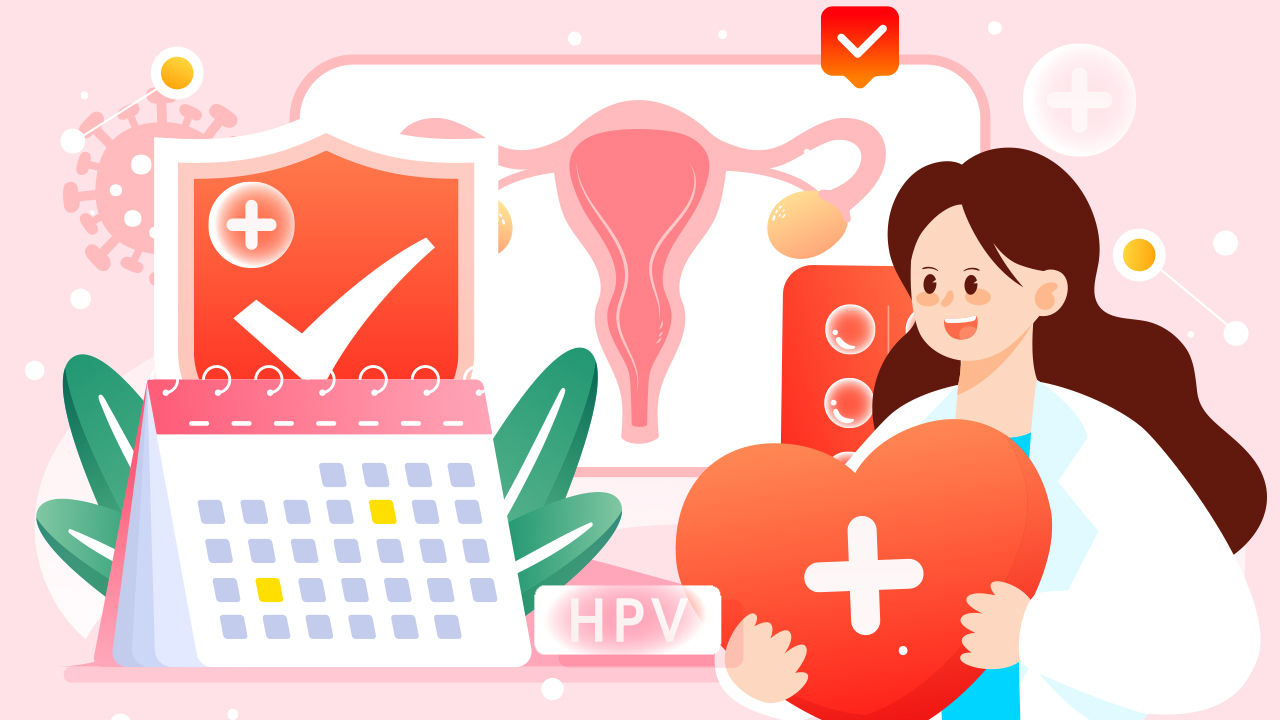

PCOS (Polycystic Ovary/Ovarian Syndrome) is the most prevalent female endocrine disorder and the preeminent cause of infertility. It is not only characterized by a cystic ovary but also by ovarian dysfunction and androgen excess. It is a combination of signs and symptoms related to an imbalance of hormones. This imbalance leads to hirsutism (hair growing in areas where men typically grow hair, e.g.- face, abdomen, chest, and back), balding, acne, and oily skin. Ovarian dysfunction looks like a complete absence of menstruation (amenorrhea) to menstruation delayed to 35 days or more (oligomenorrhea) to heavy bleeding (menorrhagia).

Due to all these dermatological, metabolic, and reproductive disturbances, PCOS affects the psychological and sleep areas in a woman’s life, leading to acute anxiety, depression, sleep apnea, disturbed sleep, and obesity. Women with PCOS are four times more likely to be at risk for depression compared with women without PCOS.

If you’ve been told you have PCOS, you may feel frustrated and sad as well, but then there will be relief that there are reasons and possible treatments for the symptoms that you have been having such a hard time dealing with— e.g., keeping a healthy weight, managing stress related to it, hirsutism, acne, or irregular periods. It can be difficult to have a diagnosis without an exact cure. However, it’s important for women with PCOS to know they are not alone.

Finding a support network and a healthcare provider who knows a lot about PCOS and is someone you feel comfortable talking with is very important. Even though the results may take a long time, it is important to keep working on a healthy lifestyle and not let PCOS get you down. Many PCOS sufferers claim that discussing their worries with a counsellor can be beneficial because it lowers their burden.

Along with diet and lifestyle modifications to maintain a healthy weight, the 54321 technique can really help battle the high levels of anxiety and depression in women facing PCOS. This technique is the best form of self-care for females who find it hard to focus on other important issues apart from the everyday mental struggles that PCOS offer.

PCOS and Anxiety: Discover Relief with the 54321 Technique

The 54321 technique is a fun and easy way to practice mindfulness. It is so much more than the counts of breathing which we use to calm anger and nervousness. It keeps the 5 senses in play like the eyes, nose, ears, skin and tongue. It is Simple, Practical and Therapeutic.

Let’s understand it. You need to Focus on –

  1. 5 things you see – From the 1000 things that you see, zero it down to five which relate well to your present situation and how it does wonders to the environment/surroundings.
  2. 4 things you can touch – Give priority to touches that give you comfort like massaging your ears, your water bottle, a plant, or a pen. Feel its texture, weight and shape.
  3. 3 things you Hear – This can be a challenge as you will tend to listen to the loudest sounds /noise first. Listen to quieter and soft sounds or music/songs that you enjoy.
  4. 2 things you Smell – Differentiate between pleasant and unpleasant smells. Smell the only 2 things that will make you feel relaxed, like perfume in your napkin, your favourite hand lotion or an odour that you want to move away from.
  5. 1 thing you can taste – This is just as easy as popping a mint or gum in your mouth or drinking your plain/flavoured water.

Being able to apply this natural, easy-to-remember remedy for anxiety and being grounded will help interrupt the nervousness and make you feel instantly re-energised and supported.

In conclusion, the 54321 technique is a powerful mindfulness practice that offers significant relief from the anxiety and depression often experienced by women with PCOS. It provides a simple yet effective way to reconnect with the present moment, using our senses to ground ourselves and break free from the grip of anxiety.

Living with PCOS can be challenging, but it’s crucial to remember that you’re not alone in this journey. Finding a support network and seeking guidance from healthcare providers who specialise in PCOS can make a world of difference. While there may not be a definitive cure, there are ways to manage and alleviate the symptoms, allowing you to lead a fulfilling and healthy life.

At GOQii, we believe in holistic well-being, and that includes mental health. If you’ve found this information helpful, we’d love to hear your thoughts in the comments below. Remember, you can explore more articles on topics like these in our Healthy Reads section. For personalised guidance and support on managing PCOS, consider subscribing to GOQii’s Personalised Health Coaching here.

#BeTheForce 

Disclaimer: The information provided in this blog is for general awareness and educational purposes only. It is not intended to replace professional medical advice, diagnosis, or treatment. Always consult a qualified healthcare provider for personalised medical guidance or concerns related to your health. Images shown are for representation purposes only and may not depict the exact recommendations or outcomes.

December 2, 2025 By Parveen Nake 3 Comments

What Gestational Diabetes Can Do To You & Your Unborn Child

Gestational DiabetesWe all know about Diabetes Mellitus to some extent as Diabetes Mellitus is a chronic metabolic disorder that prevents the body from utilising glucose completely or partially. It is characterised by raised glucose concentration in the blood and alterations in carbohydrate, protein and fat metabolism. But have you ever heard of Gestational Diabetes or Pregnancy Diabetes?

Gestational Diabetes is a high blood sugar (glucose) condition that develops during pregnancy and usually disappears after giving birth. It can happen at any stage of pregnancy, but is more common in the second or third trimester. Insulin requirements goes up one to three times in pregnancy. During normal pregnancy the level of plasma insulin is raised by the action of placental hormones thus placing a burden on the insulin secreting cells of the pancreatic islets. The pancreas may be unable to meet these demands in women genetically predisposed to develop both types of diabetes. Long term studies show that some 80% of women with gestational diabetes ultimately develop permanent clinical diabetes requiring treatment.

What Causes Gestational Diabetes?

The causes of Gestational Diabetes is not known clearly yet. Some, but not all women with gestational diabetes are found to be overweight before getting pregnant or have a family history of diabetes. It is more common in Native American, Alaskan Native, Asian and Black women, but white women may develop it due to poor lifestyle.

Are There Tests to Determine it?

Oral glucose tolerance test (OGTT) is a confirmatory test. The OGTT measures blood glucose after you fast for at least 8 hours. Firstly, the blood sample is drawn in fasting state. Then, 75g of glucose dissolved in 250-300 ml of water is given, Lemon juice may be added for flavour and to prevent nausea. Then the blood specimens are collected every 30 mins for 2-3 hours after the administration of glucose.

High blood glucose levels at any two or more blood test times – Fasting, 1 hour, 2 hours or 3 hours – mean you have Gestational diabetes.

Complications During Pregnancy

If blood sugar is not controlled, it can lead to problems for both maternal and foetal health. Uncontrolled diabetes during the first trimester of pregnancy increases the risk of abortions and congenital malfunctions in the foetus. Some of the major consequences are:

  • High Blood Pressure (Preeclampsia): Preeclampsia is a potentially dangerous pregnancy complication characterised by high blood pressure. Due to the high blood pressure levels of the mother, the protein in urine spikes up and swelling in fingers and toes and lower body persists. High blood pressure can be harmful to both – the mother and the unborn baby. It might lead to the baby being born early and also could cause seizures or a stroke (a blood clot or a bleed in the brain that can lead to brain damage) in the woman during labour or delivery.
  • An Extra Large Baby: Uncontrolled Diabetes in the mother causes the baby’s blood sugar to be high. The baby tends to “overfeed” and grows extra-large. Besides, causing discomfort to the mother, it can lead to problems during delivery causing prolonged labour pain which might need a C-section to deliver the baby. The baby can be born with nerve damage due to pressure on the shoulder during delivery.
  • Low Blood Sugar (Hypoglycaemia): People with diabetes who take insulin or other medications can develop blood sugar that is too low or hypoglycaemia. Low blood sugar can be very serious and even fatal if not treated quickly.

How to Manage Gestational Diabetes

The main modes of treatment of Gestational Diabetes include:

1. Eating a Healthy Diet: Dietary measures are an essential part of the treatment of diabetic patients whether they are on diet alone or on metformin drug or insulin. Carbohydrate restriction impairs insulin sensitivity and reversed by high carbohydrate diet but it needs to be maintained between 60-65% of total calories. So include more complex carbohydrates or polysaccharides like Multi-grain flour, Oats, Muesli, Granola, Amaranth, Pearl Millet (Bajra), Finger Millet (Ragi), Quinoa, etc. Studies have shown that raising carbohydrates does not adversely affect the fasting blood glucose levels, glucose tolerance or insulin requirements provided that total calories are not increased.

Along with carbs, include more protein-rich foods like pulses and lentils, Kidney beans (Rajma), Soya Bean, peas, beans, peanuts, milk and dairy products like yogurt, buttermilk, cottage cheese (paneer), eggs, chicken, etc. to ensure weight gain and prevent osteomalacia during pregnancy. Inclusion of fibre like fruits and green leafy vegetables are must as it improves glucose metabolism without increasing insulin secretion. It increases the intestinal transit-time, delay gastric emptying slow glucose absorption.

2. Drugs or Insulin Treatment: Metformin or Insulin therapy is the accepted medical management of gestational diabetes. Insulin is the first drug of choice and metformin can be considered after 20 weeks of gestation. Insulin must be taken without delay if it is suggested by the doctor.

3. Exercise: Stay Active to help keep your blood sugar under control. Exercise regularly – before, during and after pregnancy. Moderate exercise such as brisk walking for 30mins a day for 5 times a week is a good goal to set.

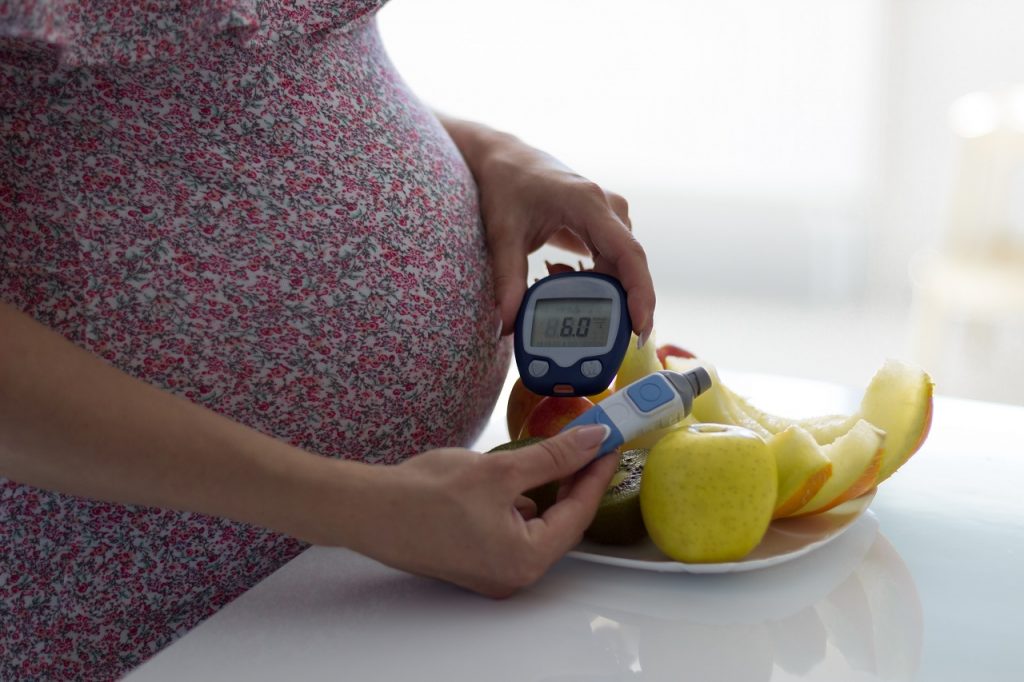
4. Monitoring Blood Sugar Often: Be aware that your blood sugar can change very quickly, becoming too high or too low depending on what you eat and how much you exercise and your growing baby’s blood sugar also varies several times during the day. Check your blood sugar level as often as directed by the doctor and any time you have symptoms.

By adopting these measures one can enjoy a healthy Antenatal period. For more articles on managing Diabetes, check out Healthy Reads or for further information or guidance, reach out to our certified experts by subscribing to GOQii’s Personalised Health Coaching here.

#BeTheForce

Disclaimer: The information provided in this blog is for general awareness and educational purposes only. It is not intended to replace professional medical advice, diagnosis, or treatment. Always consult a qualified healthcare provider for personalised medical guidance or concerns related to your health. Images shown are for representation purposes only and may not depict the exact recommendations or outcomes.

  • « Previous Page
  • 1
  • …
  • 11
  • 12
  • 13
  • 14
  • 15
  • …
  • 72
  • Next Page »

Search

Recent Posts

  • Foods to Manage Blood Sugar Naturally: A Complete Guide to Better Blood Sugar Control
  • The Lazy Person’s Guide to Staying Healthy: 5 Micro-Habits That Take Less Than 2 Minutes
  • Healthy Eating: Comforting Chilli Bean Soup Recipe for the Monsoon
  • The Truth About the ‘Beer Belly’: What Alcohol Really Does to Your Metabolism
  • Benefits of Meditation: How One Daily Habit Can Transform Your Mental Wellbeing

Stay Updated

Archives

  • August 2026 (7)
  • July 2026 (25)
  • June 2026 (22)
  • May 2026 (20)
  • April 2026 (24)
  • March 2026 (18)
  • February 2026 (14)
  • January 2026 (14)
  • December 2025 (19)
  • November 2025 (15)
  • October 2025 (20)
  • September 2025 (6)
  • August 2025 (6)
  • July 2025 (9)
  • June 2025 (18)
  • May 2025 (16)
  • April 2025 (22)
  • March 2025 (26)
  • February 2025 (21)
  • January 2025 (25)
  • December 2024 (22)
  • November 2024 (22)
  • October 2024 (20)
  • September 2024 (22)
  • August 2024 (28)
  • July 2024 (15)
  • June 2024 (23)
  • May 2024 (26)
  • April 2024 (27)
  • March 2024 (27)
  • February 2024 (23)
  • January 2024 (21)
  • December 2023 (14)
  • November 2023 (10)
  • October 2023 (19)
  • September 2023 (21)
  • August 2023 (16)
  • July 2023 (16)
  • June 2023 (21)
  • May 2023 (20)
  • April 2023 (19)
  • March 2023 (23)
  • February 2023 (19)
  • January 2023 (15)
  • December 2022 (11)
  • November 2022 (15)
  • October 2022 (15)
  • September 2022 (12)
  • August 2022 (9)
  • July 2022 (17)
  • June 2022 (11)
  • May 2022 (10)
  • April 2022 (6)
  • March 2022 (6)
  • February 2022 (13)
  • January 2022 (11)
  • December 2021 (7)
  • November 2021 (3)
  • October 2021 (6)
  • September 2021 (3)
  • August 2021 (8)
  • July 2021 (7)
  • June 2021 (15)
  • May 2021 (16)
  • April 2021 (10)
  • March 2021 (7)
  • February 2021 (4)
  • January 2021 (4)
  • December 2020 (3)
  • November 2020 (4)
  • October 2020 (10)
  • September 2020 (3)
  • August 2020 (3)
  • July 2020 (2)
  • June 2020 (4)
  • May 2020 (10)
  • April 2020 (12)
  • March 2020 (10)
  • February 2020 (4)
  • January 2020 (4)
  • December 2019 (3)
  • November 2019 (7)
  • October 2019 (5)
  • September 2019 (4)
  • August 2019 (9)
  • July 2019 (9)
  • June 2019 (11)
  • May 2019 (4)
  • April 2019 (8)
  • March 2019 (8)
  • February 2019 (9)
  • January 2019 (8)
  • December 2018 (9)
  • November 2018 (3)
  • October 2018 (3)
  • September 2018 (5)
  • August 2018 (10)
  • July 2018 (6)
  • June 2018 (13)
  • May 2018 (8)
  • April 2018 (18)
  • March 2018 (9)
  • February 2018 (8)
  • January 2018 (15)
  • December 2017 (12)
  • November 2017 (19)
  • October 2017 (13)
  • September 2017 (15)
  • August 2017 (4)
  • July 2017 (8)
  • June 2017 (7)
  • May 2017 (6)
  • April 2017 (8)
  • March 2017 (6)
  • February 2017 (7)
  • January 2017 (9)
  • December 2016 (10)
  • November 2016 (7)
  • October 2016 (7)
  • September 2016 (7)
  • August 2016 (11)
  • July 2016 (9)
  • June 2016 (9)
  • May 2016 (12)
  • April 2016 (17)
  • March 2016 (17)
  • February 2016 (8)
  • January 2016 (6)
  • December 2015 (2)
  • November 2015 (9)
  • October 2015 (7)
  • September 2015 (9)
  • August 2015 (11)
  • July 2015 (9)
  • June 2015 (11)
  • May 2015 (9)
  • April 2015 (13)
  • March 2015 (8)
  • February 2015 (5)
  • January 2015 (12)
  • December 2014 (14)
  • November 2014 (11)
  • October 2014 (6)
  • September 2014 (13)
  • August 2014 (12)
  • July 2014 (6)
  • June 2014 (2)
  • May 2014 (7)
  • April 2014 (4)

From Burnout to Balance: How Dr. Ranjit Reclaimed His Health

Dr Ranjit Bhatt has spent years tending to others. A practising doctor in Odisha, his days were packed with patients, surgeries, and emergencies. From the outside, it looked like a life lived in service. But on the inside, something wasn’t right. “I had no … [Read More...]

From Shimla’s Slopes to Chandigarh’s Sidewalks: Surinder Kaur Bhalla’s Journey from Chaos to Control

Some journeys start with a plan. Others begin with a stumble literally. Surinder Bhalla, a government professional, born and raised in the scenic hill town of Shimla, had always lived a life of movement. “In Shimla, you walked everywhere,” she reflects. “Walking was never an exercise. It was just life.” But after shifting to Chandigarh, […]

“I’ve Challenged Myself to Live 100 Years” – The Story of Chandubhai Savani’s Second Chance at Life

At 67, most people start slowing down. Not Chandubhai Savani. A resident of Surat, Chandubhai, thought life was on track. “My life was going well till I had my bypass surgery,” he says. That surgery, back in 2021, was a wake-up call.  Medication was routine, but exercise wasn’t. His diet? What he calls ‘normal.’ “I […]

Ananda Mukherjee Health Story

From Terminal Illness To Complete Wellness! Ananda Mukherjee Health Story

As we observe World Cancer Day under the powerful theme ‘United by Unique’ (2025-2027)**, we are reminded that every individual’s journey with cancer is distinct, yet united by shared resilience, hope, and the collective fight against this disease. This theme places people at the centre of care and their stories at the heart of the […]

  • HOME
  • HEALTHY LIVING
  • FITNESS
  • HEALTHY RECIPES
  • USER STORIES
  • KARMA
  • BUY GOQii

Copyright ©2016 GOQii


