GOQii

Blog

  • HOME
  • HEALTHY LIVING
  • FITNESS
  • HEALTHY RECIPES
  • USER STORIES
  • KARMA
  • BUY GOQii

Search Results for: green tea

January 9, 2024 By Neha Kapoor 5 Comments

6 Magical Herbs That Can Help You Sleep

6 Magical Herbs To Help You Sleep There are many people who face severe issues of sleep disorder and it is difficult for them to fall asleep. Sleep is a key component of good health. They say humans need at least 8 hours of sleep a night to rejuvenate and restore their bodies. Unfortunately, in the days of stress, chaos, constant electronic bombardment, adrenal fatigue, and hormonal craziness, we are seeing people generally getting less sleep, and the sleep they do get, tends to be interrupted in some way. This means the sleep quality and quantity have a lot to be desired. Thankfully, we have these 6 magical herbs which can help you relax, rejuvenate, and come to a quiet place of rest and relaxation.

6 Magical Herbs To Help You Sleep

1. Ashwagandha (Winter Cherry)

It is an adaptogen with strong affinities towards the nervous system. It helps the body deal with stress and hormone fluctuations caused by stress, especially helping regulate cortisol levels at night time. Cortisol is what wakes you up at 2 am thinking about a million things at once and not being able to fall back asleep. Taking 500mg of Ashwagandha daily can help your body even out stress hormone levels which can help you get a good night sleep. It has also been shown to ease anxiety and depression.

2. Chamomile

It is a wonderful calming herb. It relaxes both the body (muscles) and the mind. It is also a wonderful, gentle sedative. It is safe and effective for children. Chamomile tea sipped by a breastfeeding mother can soothe the baby after breastfeeding. Toddlers can sip chamomile tea with a little bit of honey before bedtime to calm them down. Adults can drink 1-2 cups of chamomile tea at the end of the day to help calm down before bedtime. Steep chamomile in hot water for 10 minutes in a tightly capped jar, strain and enjoy.

Chamomile oil can also be put in bath water (5-6 drops) to soothe overwrought nerves, diluted to 2% to make an excellent massage oil, or used as an inhalant.

Dose: Tea, 1 cup 2-3x daily; Tincture, 30 drops 3 x daily.

3. Lavender

Everyone knows that Lavender is great for relaxing and calming the mind and body. The essential oil can be diffused in the evenings alone or combined with other relaxing essential oils to bring on a state of peace and relaxation. The leaves can be drunk as a tea, or added to food. It is great for insomnia, agitation and restlessness. Lavender is a gentle strengthening tonic for the nervous system as well. A few drops of lavender oil added to a bath before bedtime are recommended for persons with sleep disorders. Additionally, the oil may be used as a compressor massage oil or simply inhaled to alleviate insomnia.

Dose: Tea, 1 cup 2-3 x daily; Essential oil may be inhaled, massaged into the skin (use 10 drops essential oil per ounce of vegetable oil), or added to baths (3-10 drops).

4. Passionflower

It’s a great herb for people who wake frequently throughout the night. It is a safe herb for most (excluding excessive use in pregnancy, especially in the first trimester), including children and can be taken in large doses frequently. It is used to promote a deep restful sleep and ease anxiety. Take 30-60 drops of passionflower tincture an hour before hitting the bed, and again at bedtime if you are not yet tired. The herb can be combined with others to make a wonderful night time tea as well. Passionflower is used for minor sleep problems in both children and adults (Bruneton, 1995). It is an excellent sedative with no side effects even when used in large doses (Spaick, 1978).

Dose: Tea, 1 cup 3x daily; Tincture, 30-60 drops 3-4x daily.

5. Lemon balm

It is used primarily to lift the mood and promote calmness and relaxation. Since depression is often related to insomnia, probably because of a lack of serotonin, lemon balm can help you achieve sleep by promoting mental and physical health. Several studies have confirmed its sedative effects, however, it should be noted that too high of a dosage (1800 milligrams) increases anxiety.

To make it into a mild, uplifting, and relaxing tea. You will need:

  • 2 tablespoons of dried lemon balm, or 8-10 tablespoons of fresh lemon balm
  • 2 teaspoons dried chamomile
  • Honey to taste (optional)
  • 8 ounces of fresh water

Directions: Place the loose herbs in a mug and cover with 8 ounces of boiling water. Steep for 5 minutes, strain, and drink 30-45 minutes before bed.

6. California Poppy

This is a great herb for insomnia due to restlessness and anxiety (and it’s safe and gentle enough for children). This herb not only helps you to fall asleep, it improves the quality of your sleep as well. A tincture is the most powerful way to take this. Try 30-40 drops twice daily (the second dose close to bedtime).

These herbs can be combined to make a lovely relaxing night time tea that works for your specific needs. That is the great thing about herbs, some speak to you more than others. Those are typically the herbs that you should do some more work with to see if they suit you!

Before you try any of these herbs, have a word with your doctor, dietitian or nutritionist. You can also speak to our Coaches and Experts by subscribing for GOQii’s Personalised Health Coaching here.

For more articles on sleep and sleep tips, check out Healthy Reads.

#BeTheForce

January 7, 2024 By Unnati Chheda 2 Comments

Are Cruciferous Vegetables Bad For Thyroid?

cruciferous vegetables

Vegetables have always been considered healthy and they can be consumed by everyone. As vegetables are loaded with vitamins, minerals, antioxidants, fiber and the best part is they are low in calories as well, we assume that we can eat liberal amounts of this food group. But, have we ever thought that any of these vegetables can interfere or play around with our hormones as well? Yes, they do! Let’s talk about Cruciferous vegetables and how it impacts thyroid function. 

What Is Thyroid & How Does It Affect Our Health?

Thyroid hormones carry out a large number of functions in our body, like maintaining body temperature, regulating other body organs like the brain, heart and muscles as well as body metabolism which in turn regulates our body weight. The most common disorders related to the thyroid gland are hypothyroidism and hyperthyroidism.

  • Hypothyroidism: is a condition in which the thyroid gland is unable to produce a sufficient amount of thyroid hormones. One of the reasons for hypothyroidism is iodine deficiency. Iodine is required for synthesis of thyroid hormones, thus its deficiency can cause hypothyroidism. Lack of thyroid hormones leads to weight gain, feeling lethargic, constipation, hair loss, impaired memory and sensitivity to cold.
  • Hyperthyroidism: is a condition in which there is increased production and release of thyroid hormones. Excess of thyroid hormones leads to weight loss, restlessness, irritability, hair fall, muscle weakness and intolerance to heat.

How Do Cruciferous Vegetables Affect Thyroid? 

Cruciferous, also known as Brassica vegetables, come from the plant family known as Cruciferae or Brassicaceae. Most commonly consumed cruciferous vegetables include  broccoli, brussel sprouts, cabbage, cauliflower, collard greens, kale, mustard greens, turnips, bok choy, Chinese cabbage, radish, watercress, rutabagas, spinach and lettuce. These nutrient packed vegetables are loaded with Vitamin A, Vitamin C, Vitamin K and they are also good sources of antioxidants and fiber. These vegetables are beneficial for weight loss, fighting cancers and reducing inflammation. But, when we talk about thyroid, it has a negative role to play with respect to hypothyroidism.

Goitrogens are naturally occurring chemicals found in cruciferous vegetables when consumed in raw form. They are healthy and vitamin rich. But, if you have a thyroid condition, you should be aware of it. Goitrogens in cruciferous vegetables interfere with thyroid function by reducing the body’s ability to use iodine. As discussed earlier, our body needs iodine for production of thyroid hormones, hence, iodine deficiency can lead to hypothyroidism. Consumption of cruciferous vegetables increases the symptoms of hypothyroidism and people suffering from this condition should  avoid consuming cruciferous vegetables.

But, in the case of hyperthyroidism, they have a positive role to play by inhibiting the production of thyroid hormone and keeping it in check. So people suffering from hyperthyroidism can consume cruciferous vegetables without restrictions.

You Can Still Enjoy Them With Small Adjustments 

Or we can say we can minimise the negative effects of cruciferous vegetables and even people suffering from hypothyroidism can consume them in moderation. Just follow these simple tips:

  • Cooking cruciferous vegetables, instead of consuming them raw, helps in reducing the levels of goitrogens. Cooking methods like steaming, blanching and fermenting can be used.
  • Increasing iodine intake by adding iodine-rich sources like seafood, eggs, dairy products and iodized salt (less than half a teaspoon of iodized salt can fulfill our daily iodine requirement).
  • Increasing selenium intake as selenium helps in removing free radicals generated in the thyroid gland, preventing any damage to the thyroid gland. Some of the selenium-rich sources include brazil nuts, fish, meat, sunflower seeds, tofu, baked beans, portobello mushrooms, whole grain pasta and cheese.

Please Note: Even after having cooked goitrogens in the diet, if it gets difficult to balance your thyroid condition, you may have to cut out cruciferous vegetables from your diet. It is  better to consult your doctor, nutritionist or dietitian to make sure your diet is well balanced. Apart from avoiding cruciferous vegetables, maintaining an active lifestyle, a protein and fiber rich diet will help us boost metabolism and shed down extra weight gained due to hypothyroidism.

We hope this article was informative and helps you. To know more about how to manage thyroid issues with lifestyle changes, speak to an expert by subscribing for GOQii’s Personalised Health Coaching here.

#BeTheForce 
Disclaimer: The information provided in this blog is for general awareness and educational purposes only. It is not intended to replace professional medical advice, diagnosis, or treatment. Always consult a qualified healthcare provider for personalised medical guidance or concerns related to your health.

December 10, 2023 By Trupti Vyas (Pandya) 6 Comments

Winter Wellness Recipes: Boost Immunity with Nutrient-Packed Delights!

Millet Vegetable pan bread

Winter has set in and it is that time of the year when our body experiences tremendous changes in energy levels, metabolism and our food preference also changes. Winter is also the season which is full of colorful veggies and fruits in market. Our body needs extra vitamins and minerals to help combat cold weather, illness and to maintain your good health.

Let me share with you some nutritious food ideas that will help boost immunity and maintain energy levels through the day.

Here are 5 healthy dishes which will help you to keep warm on cold days-

  1. Millet Vegetable Pan Bread (Bajra Dudhi Thepla)

Millet Vegetable pan bread

Ingredients–

  • (Bajra) Millet flour – 1 cup
  • Wheat flour – 1 cup
  • Bottle gourd (Dudhi)- 1 cup (grated)
  • Curd – ¹⁄₃ cup
  • Oil – ½ cup (to add in flour and roast theplas)
  • Green coriander – 2 tbsp (finely chopped)
  • Green chilly – 1-2 (finely chopped)
  • Ginger paste – 1 tsp
  • Asafoetida – 1 pinch
  • Cumin seeds – ½ tsp
  • Red chilly powder – ¼ tsp
  • Turmeric powder – ¼ tsp
  • Sesame seeds – 1 tsp (optional)
  • Salt – ½ tsp (as per taste)

Preparation

Take out millet flour in any big utensil. Mix wheat flour in the same bowl. Also add bottle gourd, ginger, green chilly, green coriander, Asafoetida, cumin seeds, red chilly powder, turmeric powder, sesame seeds, salt, 1 tbsp oil and curd. Add 1-2 tbsp water or as per requirement and knead soft dough. Keep aside the dough for 10-15 minutes so that it gets set.

Grease your hand with some oil and knead the dough. Pre-heat the pan (tawa). Take little amount of dough (lemon size) and make a round ball. Take one ball, dust it with dry flour and place it on rolling plate and roll into 6-7 inch diameter bread (thepla).

Place the rolled bread (thepla) on pre-heated pan (tawa) and when color of the bread (thepla) turns darker from surface then flip the side. Spread 1 tsp oil on the upper surface. Flip the side and spread some oil on this side as well. Roast the bread (thepla) on medium flame until it gets brown spots on both sides. Take it of the pan and place it in a plate.

Serve the Millet Vegetable pan bread (Bajra Lauki Theplas) with curd (yogurt), coriander paste or pickle or with any vegetables of your choice.

 Suggestion: Mix finely chopped spinach in the flour for making Millet Spinach Breads (Bajra spinach thepla) and add finely chopped fresh fenugreek leaves for making millet fenugreek breads (bajra methi theplas).

  1. Winter special Fenugreek seeds and edible gum sweet balls

Fenugreek seeds and edible gum sweet balls

Fenugreek seeds gum balls is a traditional recipe which can also be used as an Ayurveda treatment for various ailments, especially during winters. These sweet gum balls are not only known for their medicinal properties but also taste delicious.

These are prepared with Fenugreek seeds mixed with wheat flour and Jaggery. New mothers can have these sweet balls as dietary supplement or to overcome any post-delivery problems. People suffering from joints pain, especially in winters, can have this sweet.

Ingredients-

  • Fenugreek (methi) seeds – 100gms.
  • Milk – ½ litre (2 ½ cup)
  • Wheat flour – 300gm (1 ½cup)
  • Ghee – 250gm (1 ½ cup)
  • Edible gum (Gond) – 100gms (½ cup)
  • Almonds – 30 to 35
  • Black Pepper – 8 to 10
  • Cumin powder – 2tsp
  • Dry ginger – 2tsp
  • Green Cardamom – 10 to 12
  • Cinnamon – 4 pieces
  • Nutmeg – 2
  • Jageery – 1 ½ cup

Preparation:

Clean Fenugreek (Methi) seeds properly (wash seeds then put them in a thick cotton cloth and leave it in the sun to dry, cloth can be washed and used again). Put clean seeds in a mixer and make a thick paste somewhat similar to flour. Boil milk.

Put the grounded Fenugreek (Methi) in milk and let it soak for 8-10 hours.

Cut almonds into small pieces. Gently crush black pepper (break 1 pepper into 4-5 pieces), crush cinnamon and nutmeg into fine powder. Peel Cardamom (Elaichi) and crush it as well. Pour 1/2 cup clarified butter (Ghee) in a pan, fry soaked (Fenugreek) on a medium flame till it turns light brown and smells good. Remove the mixture in a plate.

Put the remaining clarified butter (Ghee) in the pan and heat, fry Edible gum (Gond) and take it out on a plate (fry Gond on a law flame). Fry flour in leftover Ghee in the pan till it becomes light brown then take it out.

Put 1 tsp clarified butter in the pan followed by the pieces of Jaggery (Gur), melt Jageery (Gur) into liquid form (Chashni) on a low flame. Add Cumin (Jeera) powder, Dry Ginger (Sauntth) powder, cut almonds, black pepper, cinnamon, nutmeg, Cardamom in the Liquid syrup of Jageery and mix well.

Take little amounts of the mixture, shape it into small balls similar to a lemon and put it on a plate. Keep Fenugreek seeds and edible gum sweet balls (Methi Ladoos) in open air for 4-5 hours.

The sweet is ready, keep them in an air tight container and eat one sweet ball every morning or evening with warm milk. This prevents pain in joints, back and pain due to the cold.

  1. CARROT CAKE SNACKS BITE

high-protein-snacks-by-Green-Blender-carrot-cake-bites-600x404

Ingredients-

  • 2 ¼ cups shreddedcarrots
  • ¾ cup dates (about 10 large dates)
  • ²⁄₃ cup coconut (shredded or flaked)
  • ½ cup walnuts
  • ½ cup sunflower seeds
  • 1 teaspoon cinnamon
  • ¼ teaspoon ground ginger
  • ¹⁄₈ cup toasted sesame seeds
  • ¹⁄₈ cup shredded coconut
  • ¹⁄₈ cup chopped almonds

Preparation

In a food processor, blend all the snack bite ingredients together. Scoop out full grinded mixture in a bowl and roll it into a ball.

Roll the balls in sesame seeds, coconut, or chopped almonds for additional crunch. Use the listed optional ingredients to determine the amount of sesame seeds, coconut, or almonds you need.

Store refrigerated or in an air tight container.

  1. Spinach with Chickpeas Green Salad

Spinach-Salad

Ingredient–

  • 1 tablespoon extra-virgin olive oil
  • 4 cloves garlic, minced
  • ½ onion, diced
  • 300g frozen spinach, thawed and drained well
  • 400g tin chickpeas and green peas, drained and boiled.
  • ½ teaspoon cumin
  • ½ teaspoon salt

Preparation: Take 400 gm of chickpeas and green peas in a pressure cooker. Add half a litre water to it and cook till 4 whistle blow. Let it cool for some time. Heat the olive oil in a frying pan over medium-low heat. Add and cook the garlic and onion in the oil until they turn translucent, for about 5 minutes. Add and stir in the spinach, chickpeas, green peas, cumin and salt. Use your stirring spoon to lightly mash the beans as the mixture cooks. Allow to cook until it gets thoroughly heated. Serve it hot. 

  1. Green Greek Smoothies

Green Greek Smoothies

Ingredients-

  • Cup freshly cut pieces of kiwi
  • A bowl of Greek yogurt
  • ½ cup of milk
  • Pinch of grounded cardamom
  • 1 tsp of (water) soaked chia seeds
  • Fresh Mint Leaves

In a blender, place kiwi, yogurt and milk and blend it for about 1 minute or until smooth. Pour it into a glass, and sprinkle with cardamom. Garnish with mint leaves and add 1 tsp of soaked chia seed on it. Serve immediately.

Tip – You can also try other winter fruits and veggies – like oranges, apple, spinach, Beets instead of Kiwi.

Try these healthy and delicious winter warming recipes. And, don’t let the cold weather keep you from enjoying fresh homemade foods. Let’s Enjoy! For more healthy recipes, check out Healthy Reads or ask a GOQii Coach by subscribing for Personalised Health Coaching here.

#BeTheForce 

October 20, 2023 By Farida Gohil 7 Comments

10 foods with super qualities that will help in healthy living

image of fruits and brocolli

All foods are unique in their calorie count, and unique in the way they are digested. Those foods with negative calories burn more calories than they contain. These foods are usually plant-derived foods that are high in water content and rich in fiber: grains, legumes, vegetables, and fruits, except for fatty fruits like avocados and olives. Since your body takes a longer time to burn off fibrous foods, your metabolism continues to stay revved up, giving you a jump start to your weight loss.

While these foods may be an important source of micronutrients, they are not sources of fat packing calories.That works because your stomach senses when it is physically full, and it will trigger your brain to stop eating when you can’t handle more food.

This is why, believe it or not, the simple act of drinking a glass of water before each meal is a proven weight loss strategy. It fills your belly with water, thereby reducing the amount of space left for other foods.

This is the common property among all: They all contain a lot of water locked in a fibrous matrix. Apples are essentially “water fruits,” as are grapes and watermelons (hence the name). Many vegetables are also “water vegetables,” meaning that they’re loaded with water. Celery, for example, is the classic example of a water-rich negative-calorie food. I am providing you with the examples of negative calorie foods:

  1. Apple:Apple contain amazingly powerful nutrients that improve your quality of life. Studies have also shown some evidence that the quercetin found in apples could lower the risk of Alzheimer’s disease by protecting your body from the damage that can be caused by dangerous free radicals.
  2. Lettuce and leafy Veggies:Lettuce and other leafy greens, including kale and spinach, are extremely low in calories. These contain 50% water to 50% fiber. As a result, leafy greens are an excellent source of energy, and definitely help to reduce the urge to eat sweet treats.Dark greens are packed with Vitamins and nutrients as well.
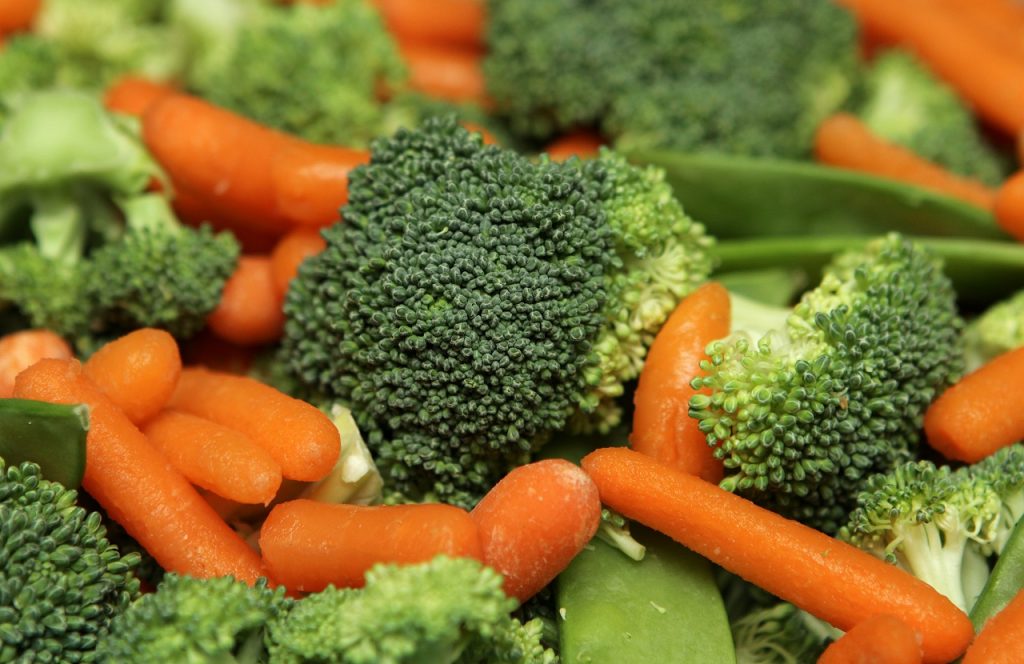
  3. Broccoli:Broccoli has a couple of different properties that make it an ally of those who are trying to lose weight. The fibre content is huge, helping to keep you feeling full and satisfied after you eat broccoli, and the protein is equal to that found in rice (while it contains just a fraction of the calorie content of rice). You should either steam the Broccoli or consume it raw if you want to make sure that you preserve all of the nutrients that make this vegetable a superfood.
  4. Papaya:Papaya’s also like Oranges are just as rich as oranges in vitamin C and contain 15 times more of the antioxidant beta-cryptoxanthin. Papaya’s fibre is also good for combating constipation and keeping cholesterol in check.
  5. Celery: About 75% of a celery stick is actually water; the other 25% is fibre and other roughage. The high water content of celery means that you will burn more calories eating it than it actually contains.
  6. Cucumber:Cucumbers are mostly made up of water. The cucumber is one of the best vegetables when it comes to providing vitamin C, and there is plenty of evidence suggesting that a high intake of vitamin C is linked to an improved ability to resist invasion by bacteria and viruses.
  7. Tomato:This veggie is more than 90 percent water. t has small amounts of carbohydrate, protein and fat, and it is rich in vitamin C, B, E and K, carotenoids and lycopene.The chromium that they contain might help your body to regulate blood sugar levels, keeping them within healthy limits by controlling the amount of sugar that gets absorbed in your blood.
  8. Radish: Radish has an extremely low calorific value. It has good amount of of vitamin C, B and A. It is interesting that in the same amount of radishes there is 2 mg of iron and other minerals.
  9. Watermelon: This fruit is extremely low in calories and contains no fat. It is a rich source of B vitamins, which increase your energy levels and reduce your need to eat extra foods.
  10. Orange: Oranges are wonderful for heart health in a couple of different ways. Firstly, they contain magnesium and potassium, which naturally regulate blood pressure. They are also a source of something called herperidin, which lowers levels of bad cholesterol. .

Having talked about negative calorie foods, please understand that eating negative calories will not replace exercise.In GOQii, we do not believe in Calorie intake and we do not cunt calories, what we encourage is to eat a balanced diet and exercise to live a healthy life.

To sum up, these super foods with negative calorie qualities can significantly benefit your journey to healthy living. If you’ve found this information helpful or have any thoughts to share on these foods, please feel free to do so in the comments below. Remember, embracing a balanced diet and regular exercise is the key to achieving and maintaining a healthy lifestyle. For more articles and guidance on holistic well-being, explore our Healthy Reads or speak to a certified expert by subscribing to GOQii’s Personalised Health Coaching here.

#BeTheForce

  • « Previous Page
  • 1
  • …
  • 38
  • 39
  • 40
  • 41
  • 42
  • …
  • 61
  • Next Page »

Search

Recent Posts

  • Immunity-Boosting Kadhas: Why Natural Defense Matters During the Monsoon
  • Healthy Eating: Crispy Monsoon Corn Tikkis
  • Antenatal Exercises: Your Guide to a Fit and Healthy Pregnancy
  • Managing Type 2 Diabetes: Dietary Choices and Lifestyle Adjustments for Better Blood Sugar Control
  • Hormones and Longevity: Why Midlife Health Depends on Hormonal Balance

Stay Updated

Archives

  • July 2026 (22)
  • June 2026 (22)
  • May 2026 (20)
  • April 2026 (24)
  • March 2026 (18)
  • February 2026 (14)
  • January 2026 (14)
  • December 2025 (19)
  • November 2025 (15)
  • October 2025 (20)
  • September 2025 (6)
  • August 2025 (6)
  • July 2025 (10)
  • June 2025 (18)
  • May 2025 (16)
  • April 2025 (22)
  • March 2025 (26)
  • February 2025 (21)
  • January 2025 (25)
  • December 2024 (22)
  • November 2024 (22)
  • October 2024 (20)
  • September 2024 (22)
  • August 2024 (28)
  • July 2024 (16)
  • June 2024 (23)
  • May 2024 (26)
  • April 2024 (27)
  • March 2024 (27)
  • February 2024 (23)
  • January 2024 (21)
  • December 2023 (14)
  • November 2023 (10)
  • October 2023 (19)
  • September 2023 (22)
  • August 2023 (16)
  • July 2023 (18)
  • June 2023 (21)
  • May 2023 (20)
  • April 2023 (19)
  • March 2023 (23)
  • February 2023 (19)
  • January 2023 (15)
  • December 2022 (11)
  • November 2022 (15)
  • October 2022 (15)
  • September 2022 (12)
  • August 2022 (9)
  • July 2022 (17)
  • June 2022 (11)
  • May 2022 (10)
  • April 2022 (6)
  • March 2022 (6)
  • February 2022 (13)
  • January 2022 (11)
  • December 2021 (7)
  • November 2021 (3)
  • October 2021 (6)
  • September 2021 (3)
  • August 2021 (8)
  • July 2021 (7)
  • June 2021 (15)
  • May 2021 (16)
  • April 2021 (10)
  • March 2021 (7)
  • February 2021 (4)
  • January 2021 (4)
  • December 2020 (3)
  • November 2020 (4)
  • October 2020 (10)
  • September 2020 (3)
  • August 2020 (3)
  • July 2020 (2)
  • June 2020 (4)
  • May 2020 (10)
  • April 2020 (12)
  • March 2020 (10)
  • February 2020 (4)
  • January 2020 (4)
  • December 2019 (3)
  • November 2019 (7)
  • October 2019 (5)
  • September 2019 (4)
  • August 2019 (9)
  • July 2019 (9)
  • June 2019 (11)
  • May 2019 (4)
  • April 2019 (8)
  • March 2019 (8)
  • February 2019 (9)
  • January 2019 (8)
  • December 2018 (9)
  • November 2018 (3)
  • October 2018 (3)
  • September 2018 (5)
  • August 2018 (10)
  • July 2018 (6)
  • June 2018 (13)
  • May 2018 (8)
  • April 2018 (18)
  • March 2018 (9)
  • February 2018 (8)
  • January 2018 (15)
  • December 2017 (12)
  • November 2017 (19)
  • October 2017 (13)
  • September 2017 (15)
  • August 2017 (4)
  • July 2017 (8)
  • June 2017 (7)
  • May 2017 (6)
  • April 2017 (8)
  • March 2017 (6)
  • February 2017 (7)
  • January 2017 (9)
  • December 2016 (10)
  • November 2016 (7)
  • October 2016 (7)
  • September 2016 (7)
  • August 2016 (11)
  • July 2016 (9)
  • June 2016 (9)
  • May 2016 (12)
  • April 2016 (17)
  • March 2016 (17)
  • February 2016 (8)
  • January 2016 (6)
  • December 2015 (2)
  • November 2015 (9)
  • October 2015 (7)
  • September 2015 (9)
  • August 2015 (11)
  • July 2015 (9)
  • June 2015 (11)
  • May 2015 (9)
  • April 2015 (13)
  • March 2015 (8)
  • February 2015 (5)
  • January 2015 (12)
  • December 2014 (14)
  • November 2014 (11)
  • October 2014 (6)
  • September 2014 (13)
  • August 2014 (12)
  • July 2014 (6)
  • June 2014 (2)
  • May 2014 (7)
  • April 2014 (4)

From Burnout to Balance: How Dr. Ranjit Reclaimed His Health

Dr Ranjit Bhatt has spent years tending to others. A practising doctor in Odisha, his days were packed with patients, surgeries, and emergencies. From the outside, it looked like a life lived in service. But on the inside, something wasn’t right. “I had no … [Read More...]

From Shimla’s Slopes to Chandigarh’s Sidewalks: Surinder Kaur Bhalla’s Journey from Chaos to Control

Some journeys start with a plan. Others begin with a stumble literally. Surinder Bhalla, a government professional, born and raised in the scenic hill town of Shimla, had always lived a life of movement. “In Shimla, you walked everywhere,” she reflects. “Walking was never an exercise. It was just life.” But after shifting to Chandigarh, […]

“I’ve Challenged Myself to Live 100 Years” – The Story of Chandubhai Savani’s Second Chance at Life

At 67, most people start slowing down. Not Chandubhai Savani. A resident of Surat, Chandubhai, thought life was on track. “My life was going well till I had my bypass surgery,” he says. That surgery, back in 2021, was a wake-up call.  Medication was routine, but exercise wasn’t. His diet? What he calls ‘normal.’ “I […]

Ananda Mukherjee Health Story

From Terminal Illness To Complete Wellness! Ananda Mukherjee Health Story

As we observe World Cancer Day under the powerful theme ‘United by Unique’ (2025-2027)**, we are reminded that every individual’s journey with cancer is distinct, yet united by shared resilience, hope, and the collective fight against this disease. This theme places people at the centre of care and their stories at the heart of the […]

  • HOME
  • HEALTHY LIVING
  • FITNESS
  • HEALTHY RECIPES
  • USER STORIES
  • KARMA
  • BUY GOQii

Copyright ©2016 GOQii