GOQii

Blog

  • HOME
  • HEALTHY LIVING
  • FITNESS
  • HEALTHY RECIPES
  • USER STORIES
  • KARMA
  • BUY GOQii

Search Results for: green tea

July 18, 2023 By GOQii 4 Comments

Top 10 Basic Trekking Tips For Beginners

basic trekking tips for beginnersMonsoons = treks! There’s no other way to look at it. Most hiking trails and trekking landscapes light up with luscious greenery during this season. Maybe that’s why avid trekkers and nature lovers venture out to explore spaces when it rains. Now while trekking seems like a fun activity, a few bruises and muscle aches will be the least of your worries if you’re not prepared. So to ensure that you have a good trip to enjoy that beautiful scenery only trekking can bring, here are some basic trekking tips to help you out!

Basic Trekking Tips For Beginners 

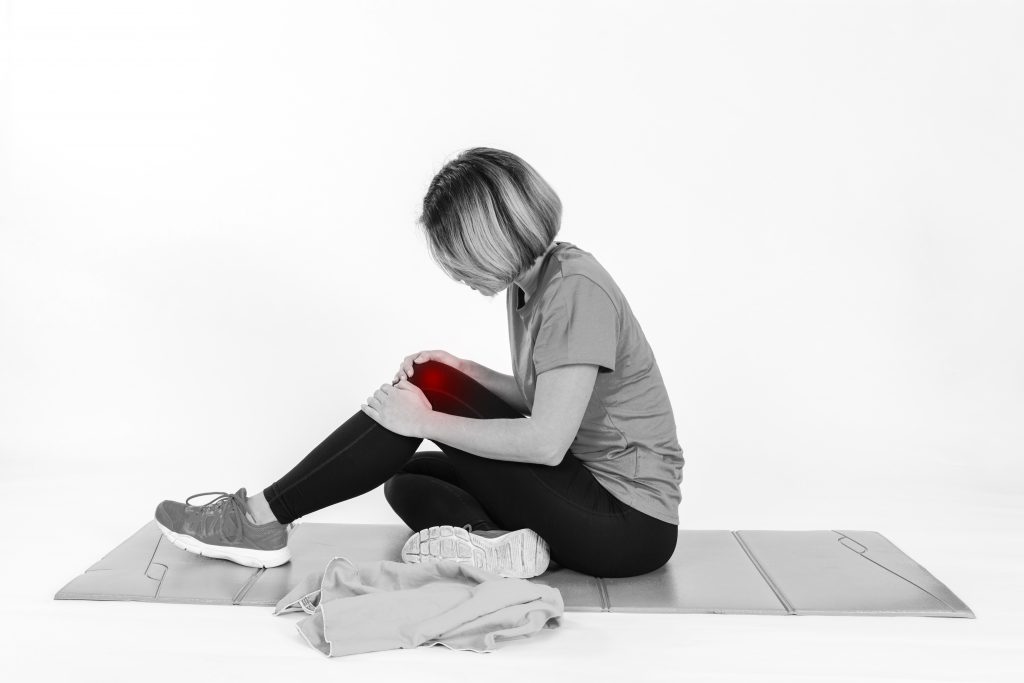
1. Walk Straight: Whether you’re climbing up or making your way down, slopes can seem to be a challenge. While surmounting this challenge, make sure that you walk upright and don’t slouch or sit and climb as it can put pressure on your knees which could make the rest of the trek difficult. 

2. Stay Hydrated: When making your way to the great outdoors, make sure you carry at least 2L of water with you. Avoid gulping the water down in one go. Instead, you should sip slowly. Carrying a sipper will help!

3. Carry An Electrolyte Mix: Sweating is only natural when you perform a strenuous activity but when you sweat, you also lose some essential electrolytes. To replenish lost electrolytes, carry some salt and sugar mixed with water. An easier option is to carry Electral or Glucose which you can mix with water. Alternatively, you can also opt for this electrolyte drink available on the GOQii Health Store. You need to be careful that you sip this and do not gulp. Remember to take 2 sips of water for every 1 sip of this energy drink.

walking poles - trekking tips4. Use Walking Poles: A walking pole can easily become your best friend on a trek. It really takes the pressure off your knees when you’re climbing down and supports you well when you’re going uphill. While it might take some time to get used to it, it’s definitely worth it!

5. Avoid Sitting Immediately: If you’ve been climbing for a while, it’s only natural to take a break. But when you do take a break, avoid sitting down immediately. It may make it difficult for you to get back up. Stand and rest for a while before you make your way again. Be mindful of the number of breaks you take as well as frequent breaks will increase tiredness.

6. Fuel Your Body: Your body needs fuel to keep going. Carrying heavy meals doesn’t make sense as you want to travel light, you can opt to carry some nuts, a nutritious trail mix or a protein bar with you. These will give you the energy to keep going. Eat them in small portions when you take a break.

footwear trekking7. Watch Your Footwear: Even if you’re keen on doing just two treks this monsoon, it’s a good idea to invest in a good pair of shoes. Some terrains can be tricky and slippery, especially during monsoons. You need shoes that offer good grip and support you well.

8. Dress Well: A trekking trail might be the worst place you would want to show off your new dress or those awesome, trendy shorts you picked from a fancy outlet. You need to cover up! Wear a Dri Fit, full sleeve shirt and pants that cover your legs. This will protect you from insects, mosquitoes and getting scraped by thorns when you move along a dense trail. You can get some amazing Dri Fit t-shirts and Joggers from the GOQii Health Store!

9. Waterproof Yourself: If you’re planning to carry an umbrella, don’t. During a monsoon trek, leaving your belongings and yourself unprotected from a sudden rain shower would not bode well for you. Try carrying a poncho which will cover most of your body as well as your backpack.

10. Communicate: If you’re with a trekking group or you’re trekking with a group of friends, if at any point you feel uneasy, make it a point to tell your trek leader or organizer. You could put your life in danger if you continue and could ruin the experience for everyone else. It’s best to mitigate issues before they get worse. Remember that communication is key in the outdoors.

Few Things To Bear In Mind Before You Begin 

  • If it is your first time trekking, start walking now! Prepare a little by taking small hikes around your vicinity. Practice on uneven trails instead of footpaths or a park because trek trails won’t be that flat. Additionally, also work on some leg based cardio and try taking the stairs as often as you can. It will help you build some stamina and endurance before your climb.
  • Travel light. Do not carry things you do not need. Fewer the electronics the better. A trek is not a place where you will find any need for a laptop or a tab. Your cellphone, a power bank and a torch, along with other essentials mentioned above will be enough. 
  • Additionally, avoid wearing your earphones when you begin your climb. You might miss out on instruction, a cry for help or any unforeseen circumstance. Keep your eyes and ears wide open and enjoy the natural sounds and vistas you’ll only get in the midst of nature.
  • If you would like to document your adventure, it’s always nice to keep a small notepad with you to jot down your experiences and also to keep a track of the details of the place like how to get there or certain markers which will help you when you visit again. 

We hope these trekking tips help you make the most of your trek! Do let us know your thoughts in the comments below! 

Find more articles on staying healthy and fit during monsoons here. If you need any help to train or build your stamina for a trek, reach out to a GOQii Coach by subscribing for Personalised Health Coaching here.

#BeTheForce 
July 16, 2023 By Neha Kapoor 6 Comments

The Right Way To Include Superfoods In Your Soup

soupWhether you’re a confident cook or a kitchen newbie, a little advice is always helpful. So, here I am with these need-to-know soup-making tips and techniques to make your soup healthy and nutritious. Soups make an excellent choice for snacking, a light dinner recipe or post workout meal. You can easily fit it in your meals in various ways.

Homemade Soup vs Packed Soups

Canned or dried instant soups contain lots of salt, hidden sugars, fillers, and preservatives to increase shelf life of the product. As with almost anything, home-made is better. Making your own soup takes time, but it gives you complete control over the ingredients and how you prepare them.

Know Your “Superfoods”

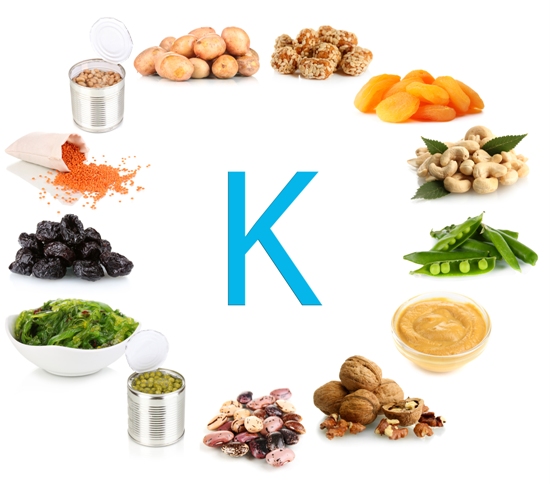
Superfoods are all around us but we seldom take note of them. Incorporating superfoods into your bowl of soup can load your meals with nutrition, antioxidant properties and low amount of calories. Some of the popular choices of super foods to consider are Moringa, Drumstick, Pumpkin, Barley, Bell pepper, Sprouted legumes and pulses, Broccoli, Mushroom, Spinach, Sweet Potato and all herbs and spices. Cinnamon, Cayenne peppers, Pepper, Rosemary, Oregano, Lemon grass, Basil, Thyme, Parsley are a boon for our digestive and Immune system.

How Do You Use Superfoods? 

  • Garlic is used widely as a flavouring in cooking soups, but also has been used as a medicine to treat various ailments. Add 5-6 peeled, cracked garlic cloves and cook, tossing them around occasionally, until they are golden brown.
  • Basil is well known for its medicinal properties. The most commonly known pairing of basil is with tomato, broccoli, parsley, oregano, rosemary and thyme. The best way is to puree it into the soup.
  • Oregano is an effective natural antibiotic and antifungal. It may also help you lose weight and lower your cholesterol levels. Half teaspoon is good to go.
  • Rosemary/Thyme is traditionally used to help alleviate muscle pain, improve memory, boost the immune and circulatory system, and promote digestive health. 1 teaspoon is enough to avail its benefits.
  • Cinnamon is one of the most delicious and healthiest spices on the planet. It can lower blood sugar levels, reduce heart disease risk factors and has a plethora of other impressive health benefits. Add ½ teaspoon depending on the quantity of soup. Ceylon cinnamon is better quality.
  • Vegetables are packed with fibre, vitamins, minerals and antioxidants. The recommended daily amount of vegetables for men is at least 3 cups a day and for women at least 2 1/2 cups.  Adding them to soups increases the serving of vegetables in a diet. Steaming and boiling caused a 22% to 34 % loss of vitamin C. Pressure-cooked vegetables retain 90% of their vitamin C.

 NOTE: Add fresh herbs towards the end as the flavour diminishes with heat.

Tips To Choose Your Ingredients

  1. Include seasonal Superfoods that are readily available in the market and your own kitchen. Refer to the above list.
  2. Good Fats: Choose fats that your body needs such as Virgin Coconut oil, homemade pure ghee and olive oil are preferable options to add taste and enhance absorption of fat soluble Vitamins from your vegetables.
  3. Right Base: In order to cut saturated fats like cream, you can replace your creamy base with vegetable broth, tomato puree, coconut milk, tomato puree or vegetable puree.
  4. Pick Seasonal Veggies: Pumpkin, tomato, spinach, onion, beetroot, moringa, mushroom, sweet potato, or mixing three or four vegetables not only enhances the taste but also increases the nutritive value. Garlic is common. Use whatever you like from what is available.
  5. Herbs & Spices: Sea salt and black peppers are your two most basic spices. You can experiment with various herbs as all are beneficial for your gut health. Popular flavour combinations are Basil and oregano pair well with tomato-based soups, Parsley, and rosemary go well with potato-based soups, Parsley and thyme are a nice addition to cream soups.
  6. New Age Superfoods: Handful of boiled barley, quinoa, oats, microgreens, boiled sprouts, Tofu, cooked lentils and legumes adds proteins as well as increases the satiety value and health quotient of the soup. They are perfect because it thickens the soup as it cooks; creating an irresistible, slightly sticky broth that coats your spoon beautifully.

Simple Technique To Cook Any Type Of Soup 

  1. Take vegetables of your choice. Wash it and chop in big pieces.
  2. Take a pressure cooker and add 1 teaspoon of extra virgin or unrefined coconut oil/ olive oil. Add chopped vegetables and mix well.
  3. Add 1 glass of water and give a whistle.
  4. After cooling, separate vegetables from water (vegetable broth) and grind them with a handful of boiled quinoa/ sprouted dal or any other protein source to get a thick paste.
  5. Mix it again in the same vegetable broth and give it a boil adding sea salt and herbs at the end. 
  6. Optional: add coconut milk to give a nice colour, pieces of tofu or beans/ bell peppers for crunchiness.
  7. Serve it hot! Your healthy protein rich, immunity boosting soup is ready!

That’s it!  You can make any soup using the ingredients you have at hand with the flavours you prefer, without any recipe. Some examples of healthy soups are tomato basil soup, bell pepper soup, red pumpkin soup, broccoli soup, moringa soup and sprouted soup.

Do try your own variation and let us know your recipe in the comments below. You can find more articles on nutrition and superfoods here. You can also get these tips or recipes directly from a GOQii Coach by subscribing to Personalised Health Coaching here.

#BeTheForce 
June 18, 2023 By Neha Kapoor 5 Comments

Rise From Calorie Counting To Be Your Own Dietitian

food pyramidDo you know the long kept “Secret of Diet”? Have you heard about it? In this article I would like to share it with you. It is a mantra to facilitate weight loss, regulate diabetes, hypertension and many such diseases taking good care of your immune system as well as vital organs. I am sure you must be familiar with these idioms i.e. “Food Pyramid” and “My plate”. If you are, I will be representing it from a different perspective. These are our main tools to plan a daily diet.

The Importance of Food Pyramid & My plate

The main idea behind the design of the food pyramid is to make our healthy eating experience much easier. When starting a new healthy diet, people need to know if they are consuming the right amount of the basic nutrients such as protein, fat, and carbohydrate, which is where the importance of the food pyramid and my plate comes in.

The food pyramid contains several sections of foods which are usually grouped according to their nutrient’s similarity. This actually helps you with a larger option to choose from. This way, you are not stuck to one particular food when there’s a whole world of options out there.

How To Use It? 

  1. Keeping this picture in front of you can help in making healthier choices with the number of servings you should ideally take in a day.
  2. Now next step is to understand My Plate which makes things pretty clear.

My Plate

The beauty of My Plate is in using a plate icon to “measure” the relative portion sizes of what you’re eating.

  • My Plate is a food icon that serves as a powerful reminder to make healthy food choices and to build a healthy plate at mealtimes.
  • It is a visual cue that identifies the five basic food groups that are: Fruits-20%, Vegetables-30%, Protein group-20%, and grains 30% and a bowl of dairy products.

What to Put on Your Plate?

  • Eating the My Plate way means filling half your plate with vegetables and fruits, adding slightly more veggies than fruits (Due to sugar content).
  • Go for a colourful mix. You’ll get plenty of nutrients that way.
  • You should fill the other half of your plate with lean protein and grains, using slightly more grain than protein. For instance, lean cuts of chicken and other meat, fish, beans and peas, tofu, eggs, nuts and seeds (use sparingly).
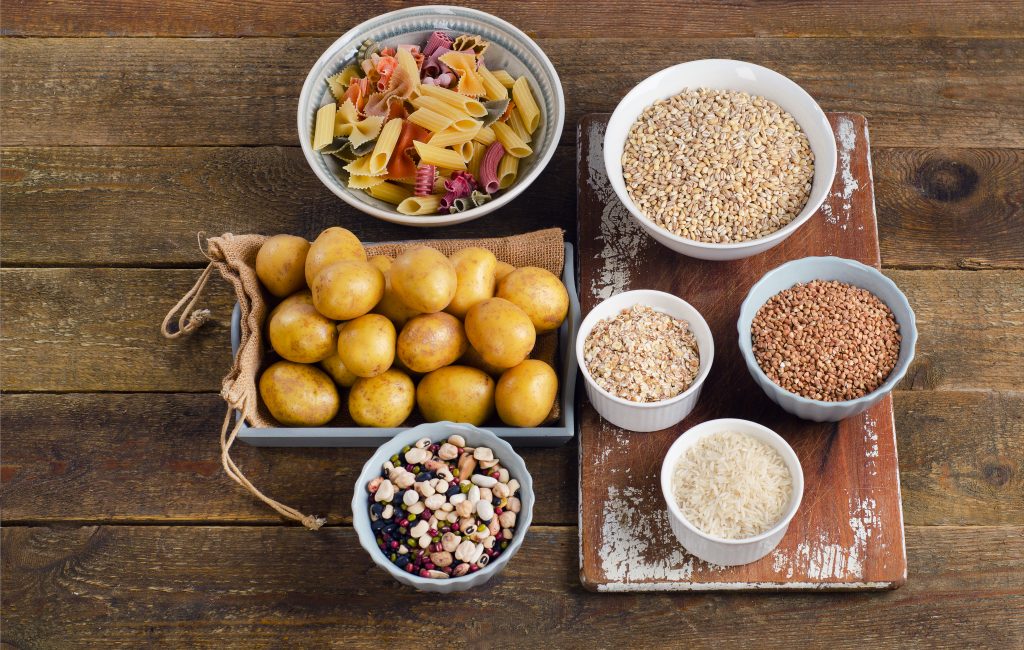
  • Whole grains should make up at least half of your grains. That means choosing brown rice instead of white rice, whole wheat flour or multigrain or millets instead refined flours for instance. If weight loss is a goal make grains 20%.
  • The My Plate icon also shows a glass of milk/ buttermilk near your “plate.” It’s a reminder to include dairy (mostly fat-free or low-fat) in your diet. A2 or organic milk is essentially chemical-free and healthier as the cows are fed grass or organically cultivated fodder. Calcium-fortified soy milk also counts.

Dietary Guidelines of My Plate

Making food choices for a healthy lifestyle can be as simple as using these tips. Use the ideas in this list to balance your calories (energy coming from food), to choose foods to eat more often, and to cut back on foods to eat less often.

  1. Enjoy your food, but eat less: Take the time to fully enjoy your food as you eat it. Eating too fast or when your attention is elsewhere may lead to eating too many calories (overeating). Pay attention to hunger and fullness cues before, during, and after meals. Use them to recognize when to eat and when you’ve had enough.
  2. Avoid oversized portions: Use a smaller plate, bowl, and glass. Portion out foods before you eat. When eating out, choose a smaller size option, share a dish, or take a part of your meal home.
  3. Foods to eat more often: Eat more vegetables, fruits, whole grains, and fat-free or 1% milk and dairy products. These foods have the nutrients you need for health – including potassium, calcium, vitamin D, and fiber. Make them the basis for meals and snacks.
  4. Make half your plate salad and vegetables: Choose red, orange, and dark-green vegetables like tomatoes, sweet potatoes, and broccoli, along with other vegetables for your meals. Add salad to meals.
  5. Switch to fat-free or low-fat (1%) milk: They have the same amount of calcium and other essential nutrients as whole milk, but fewer calories and less saturated fat.
  6. Make half your grains whole grains: To eat more whole grains, substitute a whole-grain product for a refined product-such as eating whole wheat bread instead of white bread or brown rice instead of white rice, whole wheat flour or millets instead refined ones.
  7. Foods to eat less often: Cut back on foods high in solid fats, added sugars, and salt. They include cakes, cookies, ice cream, candies, sweetened drinks, pizza, and fatty meats like ribs, sausages, bacon, and hot dogs. Use these foods as occasional treats, not everyday foods. Natural sugars like jaggery, honey, pure maple syrup are better choices.
  8. Compare sodium in foods: Use the Nutrition Facts label to choose lower sodium versions of foods like soup, bread, and frozen meals. Select canned foods labelled “low sodium,” ”reduced sodium,” or “no salt added.”
  9. Drink water instead of sugary drinks: Cut calories by drinking water or unsweetened beverages. Soda, energy drinks, and sports drinks are a major source of added sugar, and calories, in American diets.

Do give it a try and share your experience in the comments below. After getting familiar with this tool, we really don’t need any diet charts. Stick the pictures in your kitchen and plan any day meal without any hassle.

You can find more useful information on nutrition here. You can also get this information directly from an expert by subscribing to GOQii’s Personalised Health Coaching here.

#BeTheForce 

May 11, 2023 By Hajra Mithani Leave a Comment

5 Eating Habits To Avoid Before You Sleep

eating habits

Did the lockdown, work from home and everything in between during the pandemic, affect our sleep schedule? The GOQii IndiaFit Report found that there was a drop in the overall sleeping hours we experienced. From an average of 7.6 hours of sleep in 2019, we dropped to 6.8 hours in 2022. This change has led to lots of disturbed sleep or even worse – insomnia.

Lack of quality sleep can contribute to issues such as indigestion, acidity and even mental health issues such as anxiety and depression. Apart from practices like meditation, mindfulness, exercise and deep breathing techniques, even what you eat can impact your sleep. So if you’re aiming for a good night’s rest but are unable to achieve it, here are some eating habits you should avoid for a good night’s rest! 

Avoid These 5 Eating Habits Before You Sleep 

  1. Junk Food: Pizza, burgers and fries, etc. have refined flours and simple sugars which take longer to digest, disturbing your digestive system at night causing disrupted sleep. Because of their high sodium count, they can leave you feeling bloated, causing sleep-stealing discomfort. Also, you might feel thirstier after consuming junk food. Foods high in calories are digested slowly and may cause stomach upset, cramping, bloating or heartburn if eaten before bed.
  2. Sugars: Sugary food gives you an extra dose of unwanted energy, which is not needed at night. When you eat a lot of sugar before bed, your blood sugar climbs high and then falls rapidly as your body releases hormones to bring the levels under control. This swing in hormones and blood sugar levels impairs sleep. The other reason to avoid starchy or sugary food is it gives you immense energy in a very short period making the body highly active.
  3. Spicy food: Eating items like chillies before bedtime can cause indigestion which makes it difficult to sleep well. It is speculated that this may be due to capsaicin, an active ingredient in chili peppers, affecting sleep via changes in body temperature. Eating spicy food too close to bed causes acidity and worsen symptoms of gastroesophageal reflux disease (GERD). Some studies have claimed that spicy food can trigger brain waves that cause nightmares and you end up tossing and turning all night. So it might not be a good idea to gorge on to those peri-peri fries for dinner.
  4. Caffeine: It is a stimulant that increases your heart rate and alertness – the opposite effect you want when you’re trying to sleep. The role of caffeine (found in coffee, tea, chocolate, cocoa) is to make a drowsy soul active and attentive. Caffeine delays and shortens the sleeping duration of individuals. Dark chocolate has polyphenol, but it’s also a surprising source of caffeine. 20gm dark chocolate has about a quarter of the caffeine as a cup of coffee, and about half the caffeine as a cup of green or black tea. It takes 6-10 hours to eliminate caffeine, which means enjoy a dark chocolate treat at around 4 pm if you plan to sleep at 10 pm. 
  5. Alcohol: It suppresses melatonin – the hormone that regulates your internal clock and thus disrupts the circadian rhythm of the body negatively, the reason you wake up in the middle of your sleep. Alcohol also makes you dehydrated and often thirsty in the middle of the night with frequent washroom trips. It interferes with the body’s other sleep-wake regulator – its internal sleep drive. Alcohol increases levels of adenosine, a chemical that regulates sleep by rising naturally in the body. It’s adenosine-boosting effects make you sleep at times other than your natural timings, thus disturbing your natural sleep-wake cycle. 

If this article helped you catch up on your much needed hours of rest, let us know in the comments below! You can learn more about sleep here or you can discuss this topic further with a GOQii Coach by subscribing for Personalised Health Coaching here. 

#BeTheForce 

  • « Previous Page
  • 1
  • …
  • 39
  • 40
  • 41
  • 42
  • 43
  • …
  • 59
  • Next Page »

Search

Recent Posts

  • Top 10 Foods For Diabetics: What to Eat to Manage Blood Sugar
  • Why Good Nutrition Before Conception Is Crucial For Your Baby’s Health
  • 6 Tricks To Help You Make Exercise A Habit
  • World Parkinson’s Day 2026: Bridging the Care Gap & Supporting Caregivers
  • Inflammation: The Hidden Fire Behind Most Chronic Disease

Stay Updated

Archives

  • April 2026 (11)
  • March 2026 (18)
  • February 2026 (14)
  • January 2026 (14)
  • December 2025 (19)
  • November 2025 (15)
  • October 2025 (20)
  • September 2025 (6)
  • August 2025 (6)
  • July 2025 (12)
  • June 2025 (18)
  • May 2025 (16)
  • April 2025 (22)
  • March 2025 (28)
  • February 2025 (22)
  • January 2025 (25)
  • December 2024 (22)
  • November 2024 (23)
  • October 2024 (21)
  • September 2024 (23)
  • August 2024 (30)
  • July 2024 (21)
  • June 2024 (25)
  • May 2024 (30)
  • April 2024 (27)
  • March 2024 (27)
  • February 2024 (24)
  • January 2024 (21)
  • December 2023 (14)
  • November 2023 (11)
  • October 2023 (19)
  • September 2023 (22)
  • August 2023 (18)
  • July 2023 (22)
  • June 2023 (23)
  • May 2023 (24)
  • April 2023 (22)
  • March 2023 (23)
  • February 2023 (19)
  • January 2023 (15)
  • December 2022 (11)
  • November 2022 (15)
  • October 2022 (15)
  • September 2022 (12)
  • August 2022 (10)
  • July 2022 (17)
  • June 2022 (11)
  • May 2022 (10)
  • April 2022 (6)
  • March 2022 (6)
  • February 2022 (13)
  • January 2022 (11)
  • December 2021 (7)
  • November 2021 (3)
  • October 2021 (6)
  • September 2021 (3)
  • August 2021 (8)
  • July 2021 (7)
  • June 2021 (15)
  • May 2021 (16)
  • April 2021 (10)
  • March 2021 (7)
  • February 2021 (4)
  • January 2021 (4)
  • December 2020 (3)
  • November 2020 (4)
  • October 2020 (10)
  • September 2020 (3)
  • August 2020 (3)
  • July 2020 (2)
  • June 2020 (4)
  • May 2020 (10)
  • April 2020 (12)
  • March 2020 (10)
  • February 2020 (4)
  • January 2020 (4)
  • December 2019 (3)
  • November 2019 (7)
  • October 2019 (5)
  • September 2019 (4)
  • August 2019 (9)
  • July 2019 (9)
  • June 2019 (11)
  • May 2019 (4)
  • April 2019 (8)
  • March 2019 (8)
  • February 2019 (9)
  • January 2019 (8)
  • December 2018 (9)
  • November 2018 (3)
  • October 2018 (3)
  • September 2018 (5)
  • August 2018 (10)
  • July 2018 (6)
  • June 2018 (13)
  • May 2018 (8)
  • April 2018 (18)
  • March 2018 (9)
  • February 2018 (8)
  • January 2018 (15)
  • December 2017 (12)
  • November 2017 (19)
  • October 2017 (13)
  • September 2017 (15)
  • August 2017 (4)
  • July 2017 (8)
  • June 2017 (7)
  • May 2017 (6)
  • April 2017 (8)
  • March 2017 (6)
  • February 2017 (7)
  • January 2017 (9)
  • December 2016 (10)
  • November 2016 (7)
  • October 2016 (7)
  • September 2016 (7)
  • August 2016 (11)
  • July 2016 (9)
  • June 2016 (9)
  • May 2016 (12)
  • April 2016 (17)
  • March 2016 (17)
  • February 2016 (8)
  • January 2016 (6)
  • December 2015 (2)
  • November 2015 (9)
  • October 2015 (7)
  • September 2015 (9)
  • August 2015 (11)
  • July 2015 (9)
  • June 2015 (11)
  • May 2015 (9)
  • April 2015 (13)
  • March 2015 (8)
  • February 2015 (5)
  • January 2015 (12)
  • December 2014 (14)
  • November 2014 (11)
  • October 2014 (6)
  • September 2014 (13)
  • August 2014 (12)
  • July 2014 (6)
  • June 2014 (2)
  • May 2014 (7)
  • April 2014 (4)

From “Laddu Nawin” to Fit and Fierce: How a 25-Year-Old Insurance Advisor Shed 20 Kilos and Gained His Life Back

When 25-year-old Nawin Yadav from Hyderabad walked into his office every morning, he carried more than just his files and policy papers. He had the weight of fatigue, sluggish energy, and an ever-growing belly that was becoming the butt of jokes. “People … [Read More...]

“I’ve Challenged Myself to Live 100 Years” – The Story of Chandubhai Savani’s Second Chance at Life

At 67, most people start slowing down. Not Chandubhai Savani. A resident of Surat, Chandubhai, thought life was on track. “My life was going well till I had my bypass surgery,” he says. That surgery, back in 2021, was a wake-up call.  Medication was routine, but exercise wasn’t. His diet? What he calls ‘normal.’ “I […]

From Shimla’s Slopes to Chandigarh’s Sidewalks: Surinder Kaur Bhalla’s Journey from Chaos to Control

Some journeys start with a plan. Others begin with a stumble literally. Surinder Bhalla, a government professional, born and raised in the scenic hill town of Shimla, had always lived a life of movement. “In Shimla, you walked everywhere,” she reflects. “Walking was never an exercise. It was just life.” But after shifting to Chandigarh, […]

Ananda Mukherjee Health Story

From Terminal Illness To Complete Wellness! Ananda Mukherjee Health Story

As we observe World Cancer Day under the powerful theme ‘United by Unique’ (2025-2027)**, we are reminded that every individual’s journey with cancer is distinct, yet united by shared resilience, hope, and the collective fight against this disease. This theme places people at the centre of care and their stories at the heart of the […]

  • HOME
  • HEALTHY LIVING
  • FITNESS
  • HEALTHY RECIPES
  • USER STORIES
  • KARMA
  • BUY GOQii

Copyright ©2016 GOQii