GOQii

Blog

  • HOME
  • HEALTHY LIVING
  • FITNESS
  • HEALTHY RECIPES
  • USER STORIES
  • KARMA
  • BUY GOQii

Search Results for: green tea

October 12, 2024 By Nisha Rashmi 2 Comments

Osteoarthritis: Causes, Symptoms & Tips For Prevention

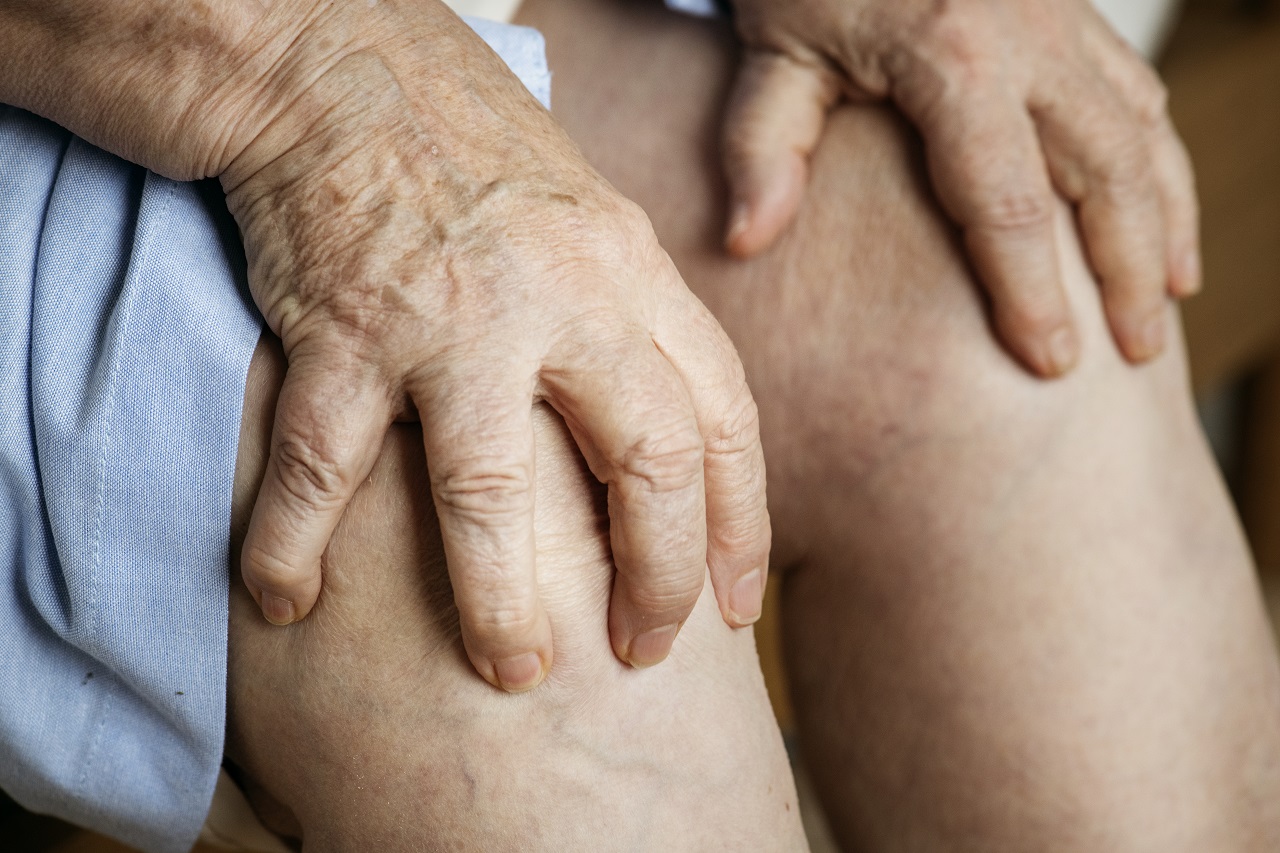
Osteoarthritis Arthritis is common and most people are aware of this medical condition. Among all types of Arthritis, Osteoarthritis is the most common form. It is a non-inflammatory degenerative condition of joints, characterized by degeneration of articular cartilage and formation of new bone that is called Osteophytes.

Osteoarthritis can affect any joint in the body, though it most commonly affects joints in the hands, hips, knees and spine. It typically affects just one joint, though in some cases, such as with finger arthritis, several joints can be affected. Osteoarthritis gradually worsens with time, and no cure exists. But osteoarthritis treatments can relieve pain and help you to remain active. Taking steps to actively manage this condition may help patients gain control over the pain.

Symptoms of Osteoarthritis  

Osteoarthritis symptoms often develop slowly and worsen over time. Signs and symptoms include:

  • Pain in a joint during or after use, or after a period of inactivity
  • Tenderness in the joint when you apply light pressure
  • Stiffness in a joint that may be most noticeable when a patient wakes up in the morning or after a period of inactivity
  • Loss of flexibility may make it difficult to use the joint
  • Grating sensation when moving the joint
  • Bone spurs, which appear as hard lumps, may form around the affected joint
  • Swelling in some cases

Unless one has been injured or has placed unusual stress on a joint, it’s uncommon for Osteoarthritis symptoms to affect jaw, shoulder, elbows, wrists or ankles.

What Cause This Condition?

Osteoarthritis occurs when the cartilage that cushions the ends of bones in the joints deteriorates over time. The smooth surface of the cartilage becomes rough, causing irritation. Eventually, if the cartilage wears down completely, patient may be left with bone rubbing on bone — causing the ends of the bones to become damaged and the joints to become painful. It isn’t clear what causes osteoarthritis in most cases. Researchers suspect that it’s a combination of factors, including being overweight, the aging process, joint injury or stress, heredity, and muscle weakness.

Risk Factors that increase risk of osteoarthritis include:

  • Old age: This condition typically occurs in older adults. People under 40 rarely experience it
  • Sex: Women are more likely to develop this condition, though it isn’t clear why
  • Bone deformities: Some people are born with malformed joints or defective cartilage, which can increase the risk of this condition
  • Joint injuries: Injuries, such as those that occur when playing sports or from an accident, may increase the risk
  • Obesity: Carrying more body weight places more stress on weight-bearing joints, such as knees. But obesity has also been linked to an increased risk of osteoarthritis in the hands, as well.

How Can You Prevent It? 

Osteo Arthritis 2

1. Diet

Avoid processed and sugary foods and drinks, eat more fruits and vegetables. Foods rich in antioxidants help in decreasing pain and inflammation. Also include food rich in Omega-3 Fatty Acids. Olive Oil helps in preventing inflammation. Eating fruits rich in Vitamin C helps in building collagen and connective tissue. Examples are citrus fruits, strawberries, red peppers and cabbage. Try some of these foods:

  1. Bananas and Plantains are high in magnesium and potassium which increases your bone density. Magnesium is also known to alleviate symptoms of arthritis. So peel a banana or fry up some plantains!
  2. Blueberries also pack a walloping antioxidant punch! Antioxidants protect your body against inflammation and free radicals – molecules that can damage cells and organs. Pay special attention to blueberries. USDA researcher Ronald Prior, Ph.D., showed that a one-cup serving of Wild Blueberries had more antioxidant capacity than a serving of cranberries, strawberries, plums and raspberries.
  3. Salmon: Not only can Omega-3 found in fish significantly reduce joint pain and shorten the duration of morning stiffness, but studies, such as those reported in the American Journal of Clinical Nutrition, show that increased levels of Omega-3 fatty acids also have enabled people taking Non-Steroidal Anti-Inflammatory Drugs (NSAIDs) to reduce their dosage or discontinue use.
  4. Green Tea: Many studies have shown that green tea possesses anti-inflammatory properties. One study showed that mice predisposed to a condition similar to human osteoarthritis had mild arthritis and little evidence of cartilage damage and bone erosion when green tea polyphenols were added to their drinking water. Another study showed that when added to human cartilage cell cultures, the active ingredients in green tea inhibited chemicals and enzymes that lead to cartilage damage and breakdown.
  5. Vitamin C is important in the development of normal cartilage. A deficiency of Vitamin C might lead to the development of weak cartilage. In 2010, The Arthritis Research Institute of America, Inc. published an important article in the Journal Public Health Nutrition which suggested that Vitamin C supplementation may indeed be beneficial in preventing new cases of knee osteoarthritis.
  6. Soy protein, found in tofu, has been shown to reduce pain and swelling in chronic knee joint pain, not attributed to injury or rheumatoid arthritis. Results were found to be more beneficial for men than women. Tofu can be cubed and fried with noodles, or bought prepackaged as tofu pups or tofu burgers. There are even recipes that call for it in fruit smoothies!
  7. Peanut Butter: Vitamin B3, found in peanut butter, is a supplement that may help people with Osteoarthritis. One 1996 study (National Institutes of Health) showed that taking Vitamin B3 was more effective than a placebo in improving flexibility and reducing inflammation.
  8. Whole Grain Breads and Cereals: In one placebo controlled trial, those with rheumatoid arthritis (and by extension osteoarthritis) had less disability, morning stiffness, and pain when they took high doses of pantothenic acid (Brewer’s Yeast) daily.
  9. Lobster is an excellent source of Vitamin E. Vitamin E may be the key to fighting arthritis-like damage. According to a study from the University of North Carolina at Chapel Hill School of Medicine, Vitamin E (also known as alpha tocopherol) and other naturally occurring antioxidants in the diet appear to protect against knee Osteoarthritis.
  10. Pineapple: For years, professional coaches have recommended pineapple to athletes to help heal sports injuries. That’s because a key enzyme in pineapple called bromelain, which helps reduce inflammation.

Apart from the food recommendations above, ensure that you maintain an active lifestyle. To understand what workouts or exercises you can implement in your daily routine, speak to a certified expert from GOQii by subscribing for Personalised Health Coaching here.

Though Osteoarthritis is a chronic disorder, you can prevent it or if you have it already, you can live in a better way by managing it with proper lifestyle habits. Prevention is always better than cure. So let’s concentrate on exercises as well as healthier food options. Ultimately, eating right, exercise and living a healthy life style can prevent most ailments.

You can explore some healthy habits by checking out Healthy Reads for more articles such as these. Do leave your thoughts in the comments below!

#BeTheForce

Disclaimer: The information provided in this blog is for general awareness and educational purposes only. It is not intended to replace professional medical advice, diagnosis, or treatment. Always consult a qualified healthcare provider for personalised medical guidance or concerns related to your health.
September 25, 2024 By Sunita Arora Leave a Comment

5 Ways To Keep Your Lungs Healthy

keep your lungs healthyWhile the heart often gets much attention, healthy lungs are equally important for overall well-being. Lung infections can arise as complications of other chronic conditions, and maintaining lung health is critical. According to the World Health Organization (WHO), exposure to air pollution contributes to 4.2 million deaths worldwide each year. Additionally, cigarette smoking is responsible for one in every five deaths in the United States. Although the body has natural defenses to protect the lungs, there are additional steps we can take to keep them functioning optimally.

How To Keep Your Lungs Healthy 

1. Practice Deep Breathing
Lung capacity tends to diminish as we age, but specific deep breathing exercises can help maintain lung function. Breathing exercises benefit both healthy individuals and those with respiratory issues. Two effective techniques include:

  • Diaphragmatic breathing: This technique helps build lung capacity and is particularly beneficial for individuals with COPD. Inhale through your nose for two seconds, allowing air to fill the abdomen, and exhale for two seconds.
  • Pursed-lip breathing: Inhale through your nose and exhale slowly through pursed lips. This technique can help improve air exchange.

2. Detox Your Lungs
Though our lungs are self-cleaning organs, a few simple practices can enhance lung function:

  • Garlic and honey: Start your day with 1-2 crushed cloves of garlic with a tsp of raw honey to help break down mucus.
  • Lemon water and cayenne pepper: Drink 250ml of lemon water with a pinch of cayenne pepper in the morning to loosen mucus. 
  • Fenugreek seed water: Drinking fenugreek seed water and chewing the soaked seeds can aid in clearing mucus. 
  • Steam inhalation: Inhale steam with peppermint and eucalyptus oil for 5 minutes twice daily.
  • Castor oil massage: Massaging your chest with warm castor oil can help alleviate congestion and clear mucus.

3. Get Fit & Stay Active
Regular exercise strengthens the muscles and increases the body’s need for oxygen, leading to an increased breathing rate. This process improves circulation and helps the body eliminate excess carbon dioxide produced during exercise. Staying active keeps your lungs healthy and enhances overall respiratory function.

4. Stay Hydrated
Keeping your airways moist is essential for optimal lung function, especially for those with breathing problems. Staying well-hydrated ensures the mucosal lining in the lungs remains thin, allowing them to function more effectively.

5. Prevent Infection & Avoid Exposure To Pollutants
Sometimes respiratory infections become very serious. To safeguard your lungs from various infections you should: 

  • Wash your hands often with soap and water or use alcohol-based sanitizer
  • Maintain good oral hygiene, brush your teeth twice a day and see your dentist every six months
  • Avoid crowded places during cold and flu season. Get yourself vaccinated against influenza and pneumonia every year
  • Minimize exposure to outdoor air if the quality is not good and avoid exercising outdoors on bad air days
  • Don’t exercise near heavy traffic to avoid inhaling polluted air
  • Avoid exposure to indoor pollutants which worsen lung disease. Make your home and car smoke-free
  • Dust the furniture at least twice a week. Keep your home clean as much you can, use natural cleaning products and make sure you have adequate air ventilation at home.
  • Instead of using synthetic air fresheners and candles, you can use an aromatherapy diffuser, essential oils like lavender oil, peppermint oil, rosemary oil, etc.
  • Stop smoking as soon as possible because it causes chronic inflammation in the lungs and destroys lung tissues which can lead to chronic bronchitis and lung cancer.

In addition to these practices, incorporating anti-inflammatory and antioxidant-rich foods into your diet can further support lung health. Include foods like turmeric, green tea, cherries, blueberries, olives, walnuts, beans, and lentils to help reduce lung inflammation.

We hope this article helps you. To know more ways to keep your lungs healthy, check out Healthy Reads or speak to a certified expert by subscribing to GOQii’s Personalised Health Coaching here.

#BeTheForce 

Disclaimer: The information provided in this blog is for general awareness and educational purposes only. It is not intended to replace professional medical advice, diagnosis, or treatment. Always consult a qualified healthcare provider for personalised medical guidance or concerns related to your health.

September 23, 2024 By Hardika Vira 180 Comments

Uric acid and seven ways to reduce it

uric acid

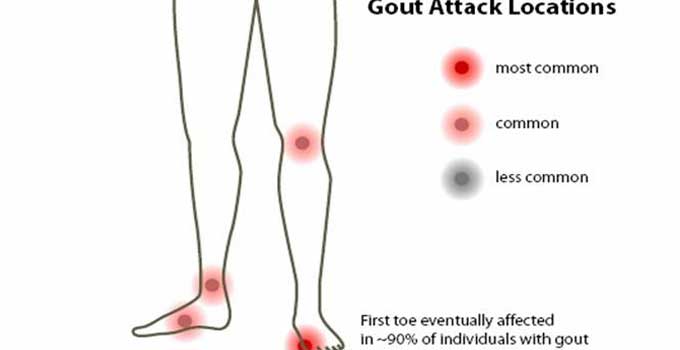
You may have heard people mention they suffer from ‘Gout.’ Gout is a condition marked by abnormal metabolism of uric acid, leading to excessive amounts of uric acid in the tissues and blood.

Uric acid is a byproduct of the metabolic breakdown of purine nucleotides. High levels of uric acid in the bloodstream can result in gout. It is also linked to other health issues, such as kidney stones and diabetes.

Normal uric acid levels range between 3.5 and 7.2 milligrams per deciliter of blood (mg/dL).

Here are seven tips to help reduce uric acid levels:

  1. Increase Water Intake – Staying hydrated is key to flushing out uric acid. When your body is well-hydrated, uric acid crystals are less likely to form. Drink at least 3-4 liters of water daily to help eliminate uric acid from your system. You can also include buttermilk, coconut water, lemon water, and green tea to boost your overall fluid intake.
  2. Reduce Purine-Rich Foods – Uric acid is formed by the breakdown of purines, a type of protein. While purines are naturally produced by the body, they are also found in foods like red meat, mushrooms, baked goods containing yeast, and fermented products. Opt for foods like lentils, split dals, milk, and egg whites to maintain healthy protein intake.
  3. Eat High Fiber Food – Fiber helps absorb uric acid in the bloodstream, allowing it to be easily eliminated through the kidneys. Good sources of fiber include fruits, vegetables, whole grains, and whole grain products, which should be chosen over refined products.
  4. Avoid Caffeine and Alcohol – Caffeine (found in coffee, tea, and certain soft drinks) and alcohol hinder the excretion of uric acid by binding to it. Reducing your intake of these can improve uric acid removal from your system.
  5. Consume Vitamin C-Rich Foods – Vitamin C aids in the excretion of uric acid. Citrus fruits, bell peppers, cabbage, amla (Indian gooseberry), and guava are excellent sources of Vitamin C and can help lower uric acid levels.
  6. Limit Sugar Intake – Excess sugar can interfere with the excretion of uric acid. Studies have shown that drinking 300 ml of sweetened beverages daily can increase the risk of gout by 13%.
  7. Try Apple Cider Vinegar – Apple cider vinegar contains acetic acid, which turns alkaline in the body, helping to dissolve uric acid crystals and preventing them from recurring. It also reduces joint inflammation and swelling, improving joint flexibility.

Reducing uric acid levels is crucial for managing gout and preventing associated health issues like kidney stones and diabetes. By making these simple lifestyle adjustments, you can lower your uric acid naturally and maintain better overall health. Do try these tips and share your thoughts in the comments below! For more health tips, speak to a certified expert by subscribing to GOQii’s Personalised Health Coaching here.

#BeTheForce

Disclaimer: The information provided in this blog is for general awareness and educational purposes only. It is not intended to replace professional medical advice, diagnosis, or treatment. Always consult a qualified healthcare provider for personalised medical guidance or concerns related to your health.

June 17, 2024 By Hajra Mithani Leave a Comment

How To Control And Fight Hunger Cravings

hunger cravingsFor many of us, our lifestyle has become sedentary, leading to increased mental and emotional stress which often results in binge eating. When we are stressed, we find outlets to overcome it, and the first thing that comes to mind is eating! A sedentary lifestyle coupled with irregular sleep leads to hunger cravings which ultimately results in gorging on unhealthy food such as junk food, chocolates, refined foods, bakery products, juices, soft drinks, pizza, etc., leading to weight gain. Let’s take a deeper look. 
How Much Time Does It Take Food To Get Digested? 

  • After having a meal, our GI tract slowly empties by pushing food through the stomach. From there, it goes to the small intestine where it gets absorbed and then it reaches the large intestine. It takes approximately 2 hours for this entire process.
  • Hunger cravings occur 2 hours after having a meal when the food gets digested. So, our brain picks up messages from the stomach and tells us that it’s time for our next meal.
  • This entire system is regulated by two hormones in our body known as hunger hormones – Ghrelin and Leptin.
  • Ghrelin stimulates appetite and is produced in the stomach when it’s empty, promoting fat storage.
  • Leptin controls appetite and signals the brain to stop eating.
  • If we eat after every 2 hours, ghrelin will not be released, and there won’t be any overeating.

Tip To Control Hunger Cravings 

  1. Eat before you feel hungry at an interval of 2 hours.
  2. Have 6 meals in a day: 3 main meals and 3 mid-meals. Eat slowly and have a fruit as a mid-meal, avoiding fruits with the main meals.
  3. Snack on nuts like foxnuts, almonds, walnuts, peanuts, and a mixture of various seeds to help you stay full.
  4. Add spices and chillies to your food as they increase satiety.
  5. Avoid fasting: Skipping meals can cause your body to go into a fat-storing starvation mode, making it harder to burn calories.
  6. Have jaggery, jaggery powder, stevia leaves and honey to curb sugar cravings. 
  7. Include proteins in all your meals. Proteins are the building blocks of our body. They take longer to digest than carbohydrates and are considered to be more satiating than carbs and fats. They keep your energy levels up and appetite down.
  8. Eat fiber-rich foods since they help regulate bowel movements and make you feel fuller for a longer duration. They don’t add calories to your diet and cannot be converted to glucose. Include leafy green vegetables, fruits with the peel like apple, pear, plum and even berries, sweet potatoes with skin, potatoes, oatmeal, fenugreek seeds, chia seeds, flax seeds, cinnamon powder, drumstick, garden cress seeds, sesame seeds, peanuts, figs, raisins and prunes.
  9. Quench your thirst to control your appetite by drinking plenty of water. Drink 12-15 glasses of water throughout the day. Have 1 glass of water before and 1 after a meal, as water is a no calorie quencher. You’ll be able to decrease your hunger before you start eating so you aren’t starving at the table. In case you don’t like the taste of plain water, have green tea, cinnamon tea, buttermilk, coconut water, lemon water or detox water.
  10. Exercise for 30 mins every day: It lowers the level of ghrelin. It increases the feeling of fullness, boosts your metabolism, and helps in burning more calories. Indulge in yoga, pilates, cardio, stretching, skipping, dancing, etc. 
  11. Maintain a regular wake up and sleep schedule: To avoid midnight hunger pangs, don’t stay awake for a long time post-dinner. Have soups, salads and protein-rich meals for dinner to avoid eating junk food. Make a habit of having 1 tsp flax seeds post-dinner since they have fibers that will make you feel satiated.

We hope this article helps you understand your hunger cravings and how to curb them. For more tips on controlling hunger cravings, check out Healthy Reads or ask a GOQii Coach by subscribing for Personalised Health Coaching here.

#BeTheForce 

  • « Previous Page
  • 1
  • …
  • 8
  • 9
  • 10
  • 11
  • 12
  • …
  • 65
  • Next Page »

Search

Recent Posts

  • PCOS: diet, exercise and the myths to stop believing
  • Cholesterol numbers explained: LDL, HDL and triglycerides
  • International Men’s Day 2026: why men’s health is everyone’s business
  • World COPD Day 2026: Short of Breath? Think COPD – Why Early Diagnosis Matters
  • National Epilepsy Day 2026: Seizure First Aid – What to Do (and Not Do) When Someone Has a Seizure

Stay Updated

Archives

  • November 2026 (20)
  • October 2026 (23)
  • September 2026 (5)
  • August 2026 (8)
  • July 2026 (24)
  • June 2026 (22)
  • May 2026 (20)
  • April 2026 (24)
  • March 2026 (18)
  • February 2026 (14)
  • January 2026 (14)
  • December 2025 (19)
  • November 2025 (14)
  • October 2025 (17)
  • September 2025 (6)
  • August 2025 (5)
  • July 2025 (9)
  • June 2025 (18)
  • May 2025 (16)
  • April 2025 (22)
  • March 2025 (25)
  • February 2025 (21)
  • January 2025 (25)
  • December 2024 (21)
  • November 2024 (21)
  • October 2024 (15)
  • September 2024 (22)
  • August 2024 (27)
  • July 2024 (14)
  • June 2024 (23)
  • May 2024 (26)
  • April 2024 (27)
  • March 2024 (27)
  • February 2024 (23)
  • January 2024 (21)
  • December 2023 (14)
  • November 2023 (10)
  • October 2023 (18)
  • September 2023 (20)
  • August 2023 (16)
  • July 2023 (16)
  • June 2023 (21)
  • May 2023 (20)
  • April 2023 (19)
  • March 2023 (23)
  • February 2023 (19)
  • January 2023 (15)
  • December 2022 (11)
  • November 2022 (15)
  • October 2022 (15)
  • September 2022 (12)
  • August 2022 (9)
  • July 2022 (17)
  • June 2022 (11)
  • May 2022 (10)
  • April 2022 (6)
  • March 2022 (6)
  • February 2022 (13)
  • January 2022 (11)
  • December 2021 (7)
  • November 2021 (3)
  • October 2021 (6)
  • September 2021 (3)
  • August 2021 (8)
  • July 2021 (7)
  • June 2021 (15)
  • May 2021 (16)
  • April 2021 (10)
  • March 2021 (7)
  • February 2021 (4)
  • January 2021 (4)
  • December 2020 (3)
  • November 2020 (4)
  • October 2020 (10)
  • September 2020 (3)
  • August 2020 (3)
  • July 2020 (2)
  • June 2020 (4)
  • May 2020 (10)
  • April 2020 (12)
  • March 2020 (10)
  • February 2020 (4)
  • January 2020 (4)
  • December 2019 (3)
  • November 2019 (7)
  • October 2019 (5)
  • September 2019 (4)
  • August 2019 (9)
  • July 2019 (9)
  • June 2019 (11)
  • May 2019 (4)
  • April 2019 (8)
  • March 2019 (8)
  • February 2019 (9)
  • January 2019 (8)
  • December 2018 (9)
  • November 2018 (3)
  • October 2018 (3)
  • September 2018 (5)
  • August 2018 (10)
  • July 2018 (6)
  • June 2018 (13)
  • May 2018 (8)
  • April 2018 (17)
  • March 2018 (9)
  • February 2018 (8)
  • January 2018 (15)
  • December 2017 (12)
  • November 2017 (19)
  • October 2017 (13)
  • September 2017 (15)
  • August 2017 (4)
  • July 2017 (8)
  • June 2017 (7)
  • May 2017 (6)
  • April 2017 (8)
  • March 2017 (6)
  • February 2017 (7)
  • January 2017 (9)
  • December 2016 (10)
  • November 2016 (7)
  • October 2016 (7)
  • September 2016 (7)
  • August 2016 (11)
  • July 2016 (9)
  • June 2016 (9)
  • May 2016 (12)
  • April 2016 (17)
  • March 2016 (17)
  • February 2016 (8)
  • January 2016 (6)
  • December 2015 (2)
  • November 2015 (9)
  • October 2015 (7)
  • September 2015 (9)
  • August 2015 (11)
  • July 2015 (9)
  • June 2015 (11)
  • May 2015 (9)
  • April 2015 (13)
  • March 2015 (8)
  • February 2015 (5)
  • January 2015 (12)
  • December 2014 (14)
  • November 2014 (11)
  • October 2014 (6)
  • September 2014 (13)
  • August 2014 (12)
  • July 2014 (6)
  • June 2014 (2)
  • May 2014 (7)
  • April 2014 (4)

From Burnout to Balance: How Dr. Ranjit Reclaimed His Health

Dr Ranjit Bhatt has spent years tending to others. A practising doctor in Odisha, his days were packed with patients, surgeries, and emergencies. From the outside, it looked like a life lived in service. But on the inside, something wasn’t right. “I had no … [Read More...]

From Shimla’s Slopes to Chandigarh’s Sidewalks: Surinder Kaur Bhalla’s Journey from Chaos to Control

Some journeys start with a plan. Others begin with a stumble literally. Surinder Bhalla, a government professional, born and raised in the scenic hill town of Shimla, had always lived a life of movement. “In Shimla, you walked everywhere,” she reflects. “Walking was never an exercise. It was just life.” But after shifting to Chandigarh, […]

“I’ve Challenged Myself to Live 100 Years” – The Story of Chandubhai Savani’s Second Chance at Life

At 67, most people start slowing down. Not Chandubhai Savani. A resident of Surat, Chandubhai, thought life was on track. “My life was going well till I had my bypass surgery,” he says. That surgery, back in 2021, was a wake-up call.  Medication was routine, but exercise wasn’t. His diet? What he calls ‘normal.’ “I […]

Ananda Mukherjee Health Story

From Terminal Illness To Complete Wellness! Ananda Mukherjee Health Story

As we observe World Cancer Day under the powerful theme ‘United by Unique’ (2025-2027)**, we are reminded that every individual’s journey with cancer is distinct, yet united by shared resilience, hope, and the collective fight against this disease. This theme places people at the centre of care and their stories at the heart of the […]

  • HOME
  • HEALTHY LIVING
  • FITNESS
  • HEALTHY RECIPES
  • USER STORIES
  • KARMA
  • BUY GOQii

Copyright ©2016 GOQii