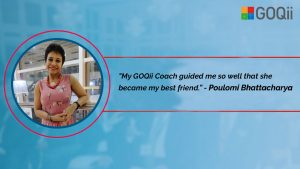
 Imagine having a good work-life balance and then a sudden change at work derails your otherwise active lifestyle. You begin gaining weight and that invites a host of other complications you would have not imagined! Our Player Poulomi Bhattacharya faced something similar. Here’s how her Health Story unfolded.
All Work and No Play
Based in Delhi, Poulomi Bhattacharya is a high flying senior hospitality professional. For the longest time she worked in the operations side of the Hotels business where she had a hectic but active life. Then, around 2005, she moved to the HR front in the Learning & Development side. This took a toll on her health in terms of gaining weight. “In Learning & Development, there is not much scope to be active,” she said. She led an inactive lifestyle and to further add to the already inactive lifestyle, was a slip disc that she suffered from.
This kind of inactive lifestyle was coupled with bad eating habits. Due to her hectic schedule, she was eating 3 meals a day at odd hours. During these years, she also traveled a lot and moved between different locations such as Goa and Bengaluru. In 2014, she began gaining weight and also developed Blood Pressure issues. She was on medication to control her BP. She suffered from menstrual issues.
In 2019, she moved back to Delhi for a new job and here, she used to travel approximately 20 days. This kind of fast-paced, on-the-go work environment gave her little scope to rectify her health issues or even be active. Her stress levels were high and thanks to the lack of a work-life balance, she decided to introduce some changes and lead a healthy lifestyle.
In Feb 2020, when she checked her weight, she weighed 71kg. She said that it’s the highest she’s hit in her life. “I realised that I had to find time to do something about it,” she said. Initially she started going to the gym and walking on the treadmill but in March 2020 when COVID struck, she was homebound.
While she indulged in all household chores, she had developed a terrible pain in her arms. The pain was due to lack of calcium. She says her calcium absorption was less and hence, she had to take injections. Her BP was also low and her doctor suggested that she walk for 20 minutes daily.
Making A Lifestyle Change With GOQii
After going through all these issues, her husband began looking for a fitness tracker that could also measure BP on a continuous basis. He came across GOQii and Poulomi decided to try it out. When subscribing for personalised health coaching, her goals were simple – to lose weight, be fit and active.
Initially, she was assigned Dr Naina Sudharshan. Poulomi Bhattarcharya says, “She guided me so well that she became my best friend.” Slowly and steadily, Poulomi started following all the habits set by the coach. Getting active was one of those habits coupled with a nutritarian diet that places emphasis on fruits, vegetables, grains and nuts. Poulomi was also asked not to skip any meals.
She didn’t have a regular exercise routine but she began following live coaches on GOQii Play and GOQii Pro, and now, it has become a part of her daily life. She follows Coach Neha and Coach Anushka’s Yoga classes and they have helped her improve her mental health and strength. She also follows Coach Arooshi’s classes for tips on Nutrition.
For her pre-workout nutrition, she consumes lemon juice with chia seeds in it – as this has the ability to promote a feeling of fullness and also has great antioxidant properties. For the remainder of the day, she consumes a balanced diet that provides energy and nutrients to her body.
Meditation is something that she has introduced to her routine as well. This has helped her with her anger issues as well as helped her normalise her sleep. For meditation, she follows Coach Rounak on GOQii Play.
Some Changes Poulomi Bhattarcharya Experienced…
Since joining GOQii, Poulomi has reduced her weight to 56.4kg and her target weight now is 55kg. She said that she feels much lighter, has more energy and is more positive than she was before. She has completely stopped her Blood Pressure medication as well.
She recently spoke to our Founder & CEO Vishal Gondal on an episode of GOQii Health Stories. You can hear her speak about her entire journey in detail here:
Her current Coach Sheena Nambiar says, “Poulomi Bhattacharya is a very committed person who really wanted to develop her health and fitness levels day by day!”
Did this story inspire you? Do you want to manage a medical condition or simply lose weight? Let our Coaches and Experts help you make a lifestyle change. To write your own Health Story, subscribe for GOQii’s Personalised Health Coaching here: https://goqiiapp.page.link/bsr
For more inspiring Health Stories, check out Healthy Reads and let us know your thoughts in the comments below!
#BeTheForce
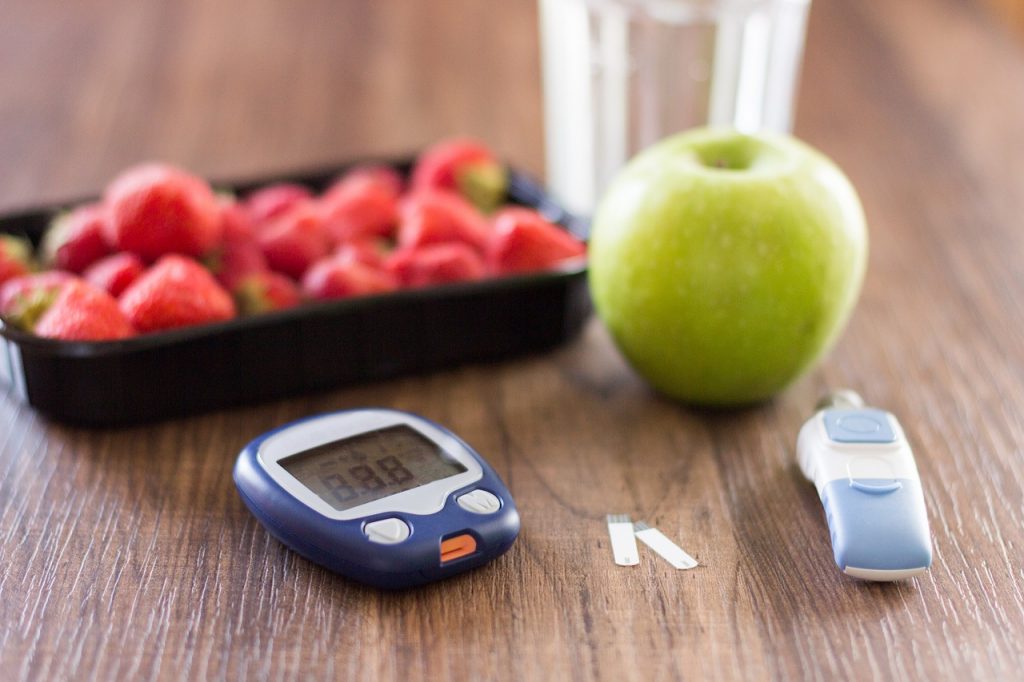 Moderation is key – this holds true for everybody and everything, especially if you are suffering from or trying to manage diabetes. There is no specific diet plan or pattern for Diabetes. It’s the small changes that you make with foods which help you manage your blood sugar better.
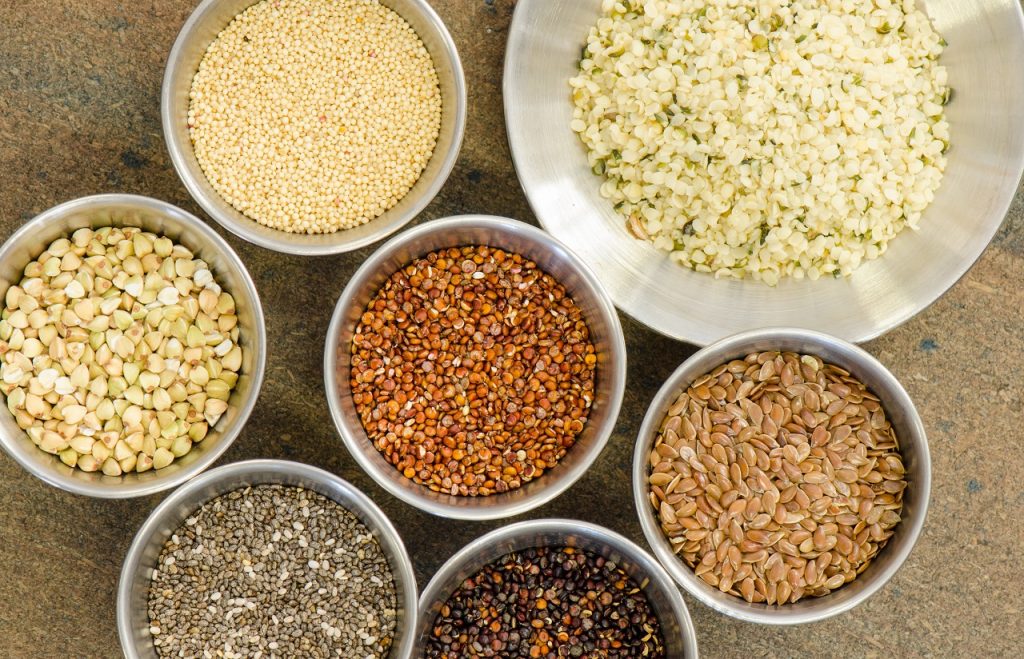 Rice and pasta play a big role in building our body weight. They are known to cause a sudden increase in our blood sugar levels, which may trigger insulin resistance in the future leading to diabetes. To help you out, we’re suggesting some rice and pasta substitutes. These substitutes can help us get healthier and provide added nutrients which is the need of the hour given the current pandemic situation where immunity and maintaining good health is everything!
  Being healthy is not a race, it’s a marathon. It requires constant effort, patience, dedication and determination. Paired with the right guidance, you can become an unstoppable force of good health. Now, if you’re thinking you’re too busy, too old or if “this isn’t for you” then you need to read about our Elite GOQii Players who have turned their life around with simple lifestyle changes.


