GOQii

Blog

  • HOME
  • HEALTHY LIVING
  • FITNESS
  • HEALTHY RECIPES
  • USER STORIES
  • KARMA
  • BUY GOQii

Search Results for: fat

March 19, 2025 By GOQii Leave a Comment

Fatty Liver: Causes, Symptoms & How to Reverse It Naturally

Understanding Fatty Liver

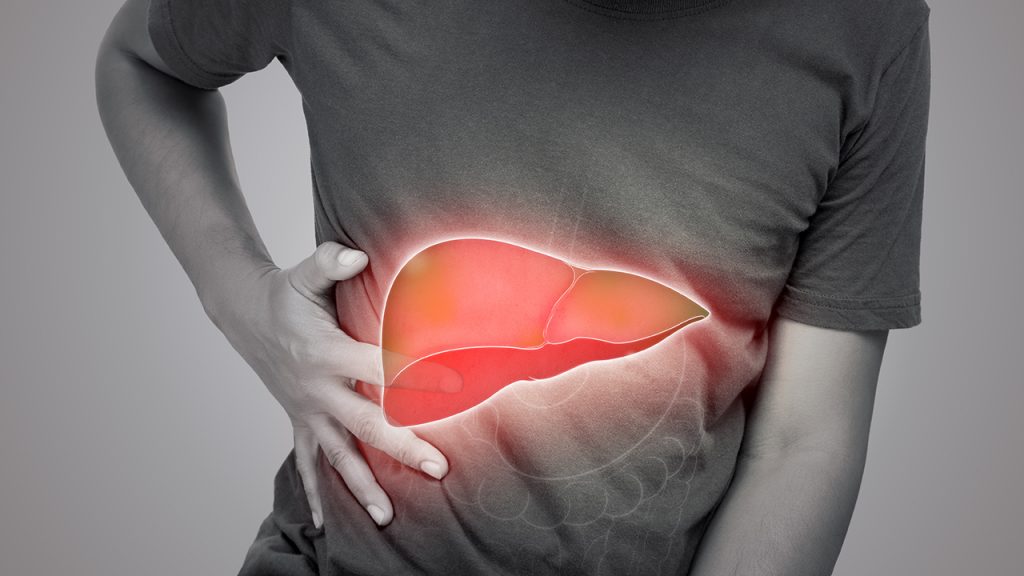
Your liver is a powerhouse—processing nutrients, filtering toxins, and keeping your metabolism running smoothly. But when too much fat builds up in liver cells, it can disrupt its function and lead to fatty liver disease.

Fatty liver is one of the most common liver conditions globally, affecting millions of people. The good news? It’s reversible in its early stages! But left unchecked, it can progress to more serious liver damage.

Let’s break down the causes, symptoms, and best ways to treat and prevent fatty liver disease—so you can take charge of your health before it’s too late.

Types of Fatty Liver Disease

There are two main types of fatty liver disease:

  1. Non-Alcoholic Fatty Liver Disease (NAFLD)
  • Occurs without excessive alcohol consumption.
  • Linked to obesity, diabetes, high cholesterol, and poor diet.
  • Can progress to non-alcoholic steatohepatitis (NASH)—a more severe form causing liver inflammation and scarring.
  1. Alcohol-Related Fatty Liver Disease (AFLD)
  • Caused by excessive alcohol consumption, which damages liver cells.
  • If drinking continues, it can lead to cirrhosis and liver failure.

Both conditions increase the risk of serious liver complications, but lifestyle changes can help prevent or even reverse them in the early stages.

What Causes Fatty Liver?

Several lifestyle and health factors contribute to fatty liver disease:

  • High Sugar & Processed Foods – Sugary drinks, sweets, and refined carbs promote fat accumulation in the liver.
  • Obesity & Insulin Resistance – Excess weight, especially around the abdomen, increases fatty deposits in the liver.
  • Sedentary Lifestyle – Lack of exercise slows metabolism and contributes to fat storage.
  • Excess Alcohol Intake – Alcohol is metabolised in the liver, and excessive intake can lead to fat buildup and inflammation.
  • High Cholesterol & Triglycerides – Poor cholesterol levels contribute to fat accumulation in the liver.
  • Underlying Health Conditions – Diabetes, metabolic syndrome, and PCOS are all linked to fatty liver.
  • Certain Medications – Some steroids, chemotherapy drugs, and painkillers can contribute to liver fat buildup.

Signs & Symptoms of Fatty Liver

In its early stages, fatty liver doesn’t usually cause noticeable symptoms. However, as it progresses, you may experience:

⚠️ Constant fatigue or sluggishness
⚠️ Discomfort or pain in the upper right abdomen
⚠️ Unexplained weight gain or difficulty losing weight
⚠️ Nausea or loss of appetite
⚠️ Jaundice (yellowing of skin/eyes) in severe cases

If left untreated, fatty liver can progress to fibrosis, cirrhosis, or even liver failure.

How to Treat & Reverse Fatty Liver

The best approach to managing and reversing fatty liver is lifestyle modification. Here’s how to take charge of your liver health:

  1. Improve Your Diet
  • Prioritise whole, unprocessed foods—vegetables, lean proteins, and whole grains.
  • Reduce sugar intake—avoid fizzy drinks, sweets, and refined carbs.
  • Eat liver-friendly foods:
    • Leafy greens (spinach, kale) – Detoxifying properties.
    • Berries – Packed with antioxidants to reduce inflammation.
    • Turmeric – Contains curcumin, which helps protect liver cells.
  • Oats & Whole Grains – Rich in fibre to support digestion.

Avoid trans fats, fried foods, and processed snacks—they increase liver inflammation.

  1. Stay Active
  • Regular exercise helps burn excess liver fat—aim for at least 150 minutes per week.
  • Include strength training to improve metabolism and fat-burning capacity.
  • Even small changes—like walking after meals—can significantly improve liver function.
  1. Maintain a Healthy Weight
  • Losing just 5-10% of body weight can reduce liver fat and inflammation.
  • Focus on sustainable, healthy weight loss—crash diets can do more harm than good!
  1. Cut Back on Alcohol
  • Alcohol is one of the leading causes of liver damage—reducing intake can prevent fatty deposits from worsening.
  • If you drink, stick to recommended guidelines—no more than 14 units per week (UK guidelines).
  1. Stay Hydrated
  • Water helps flush out toxins and supports liver function.
  • Aim for at least 2-3 litres per day.
  1. Manage Stress & Sleep
  • Chronic stress can lead to overeating & poor lifestyle habits—practise relaxation techniques like deep breathing and meditation.
  • Prioritise sleep—poor sleep quality is linked to metabolic disorders affecting the liver.
  1. Get Regular Check-ups
  • Monitor liver function through blood tests if you have risk factors like obesity, diabetes, or a history of high alcohol consumption.
  • Consult your doctor if you experience persistent symptoms.

Can Fatty Liver Be Reversed?

Yes! With consistent lifestyle changes, fatty liver can be reversed in its early stages. However, if it progresses to fibrosis or cirrhosis, the damage becomes permanent.

Taking action now can protect your liver and overall well-being.

Fatty liver disease is increasingly common, but the good news is that it can be prevented and even reversed with the right lifestyle choices.

By making simple yet powerful changes to your diet, exercise routine, and daily habits, you can protect your liver and improve overall health.

💬 Have you made lifestyle changes to improve liver health? Share your experience in the comments!

#BeTheForce

Disclaimer: The information provided in this blog is for general awareness and educational purposes only. It is not intended to replace professional medical advice, diagnosis, or treatment. Always consult a qualified healthcare provider for personalised medical guidance or concerns related to your health.

March 9, 2025 By GOQii Leave a Comment

Best Foods to Support Liver Health & Reduce Fatty Liver Risk

Your liver is one of the most hardworking organs in your body, performing over 500 essential functions, from detoxifying harmful substances to aiding digestion and metabolism. But with today’s lifestyle—highly processed diets, excessive alcohol, and sedentary habits—the liver often bears the brunt, leading to issues like fatty liver disease.
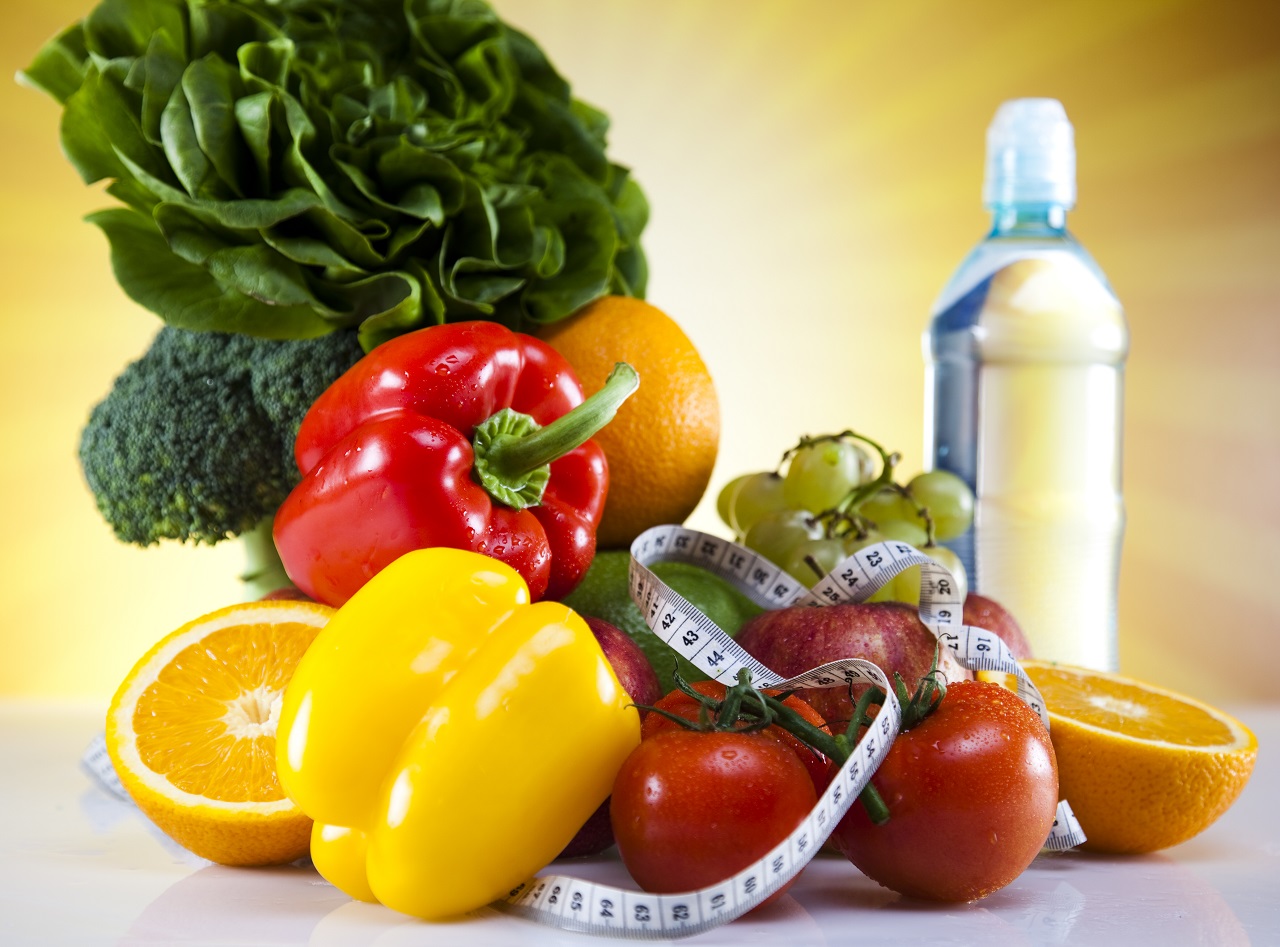
The good news? Your diet plays a huge role in keeping your liver healthy! By making the right food choices, you can protect your liver, reduce fat accumulation, and support overall detoxification. Here’s a guide to the best foods that will help you maintain a healthy liver and reduce fatty liver risk naturally.

1. Leafy Greens 🥬

Spinach, kale, and collard greens are powerhouses of antioxidants and chlorophyll, which help flush toxins from the liver. They also contain nitrate compounds that can improve liver function and prevent fat accumulation.

💡 How to Add: Toss greens into salads, blend them into smoothies, or sauté them with garlic for a nutritious side dish.

2. Cruciferous Vegetables 🥦

Broccoli, cauliflower, Brussels sprouts, and cabbage are loaded with sulphur compounds, which enhance liver detoxification and reduce inflammation. These veggies also boost glutathione levels, an antioxidant critical for liver health.

💡 How to Add: Lightly steam them or stir-fry with olive oil for a delicious and liver-friendly meal.

3. Fatty Fish 🐟

Salmon, sardines, and mackerel are rich in omega-3 fatty acids, which help reduce liver inflammation and prevent excess fat buildup. Omega-3s also support overall heart health, reducing the risk of metabolic issues that impact liver function.

💡 How to Add: Grill or bake fatty fish with lemon and herbs for a tasty, nutritious meal.

4. Turmeric 🫚

This golden spice contains curcumin, a powerful anti-inflammatory and antioxidant compound that supports liver detoxification and improves bile production.

💡 How to Add: Mix turmeric into warm milk, sprinkle it over roasted vegetables, or add it to soups and curries.

5. Nuts & Seeds 🌰

Almonds, walnuts, chia seeds, and flaxseeds are packed with healthy fats, vitamin E, and antioxidants, all of which protect liver cells and reduce fat accumulation.

💡 How to Add: Snack on a handful of nuts or sprinkle seeds over yoghurt, oatmeal, or smoothies.

6. Green Tea 🍵

Rich in catechins and polyphenols, green tea helps reduce oxidative stress on the liver and supports fat metabolism. Studies suggest that regular green tea consumption can help prevent liver disease.

💡 How to Add: Enjoy 1-2 cups daily for the best benefits, but avoid excessive intake, as too much can strain the liver.

7. Garlic 🧄

Garlic contains allicin, a compound that activates liver detox enzymes and helps flush out toxins. It also has anti-inflammatory properties that support liver function.

💡 How to Add: Add minced garlic to stir-fries, soups, or roasted veggies.

8. Berries 🍓

Blueberries, strawberries, and raspberries are loaded with anthocyanins, which help protect the liver from damage and reduce fat buildup.

💡 How to Add: Toss berries into your breakfast bowls, smoothies, or eat them fresh as a snack.

9. Oats & Whole Grains 🌾

High in fibre and complex carbohydrates, oats and whole grains help regulate blood sugar levels, reducing the risk of non-alcoholic fatty liver disease (NAFLD).

💡 How to Add: Have oat porridge, whole grain bread, or quinoa-based meals for a fibre boost.

10. Beetroot Juice 🥤

Beetroot is high in nitrates and antioxidants, which help reduce liver inflammation and support natural detox processes.

💡 How to Add: Drink fresh beetroot juice or add it to salads for extra nutrition.

Foods to Avoid for Liver Health

❌ Processed foods – High in unhealthy fats and preservatives that stress the liver.
❌ Excessive alcohol – A major cause of liver damage and fatty liver disease.
❌ Refined sugars – Can contribute to insulin resistance and liver fat accumulation.
❌ Fried foods – High in trans fats that promote inflammation and liver dysfunction.

Your liver works tirelessly to keep you healthy—so why not return the favour? Making small dietary changes can go a long way in improving liver function, preventing fatty liver disease, and boosting overall well-being.

💡 Start incorporating these liver-friendly foods into your diet today!

💬 Have you tried any of these foods for liver health? Share your thoughts in the comments!

#BeTheForce

Disclaimer: The information provided in this blog is for general awareness and educational purposes only. It is not intended to replace professional medical advice, diagnosis, or treatment. Always consult a qualified healthcare provider for personalised medical guidance or concerns related to your health.

January 3, 2025 By Tabassum Parveen 1 Comment

How to Burn Body Fat & Keep it Off!

body fatHow many times have we pushed ourselves to our physical limits in order to get rid of excess body fat, only to end up gaining it all over again? Keeping body fat off is a difficult task, but it is not impossible. All you need is the right knowledge and this article has it!


Need to Burn Body Fat

Many articles explain the need to burn body fat. However, they often overlook the fact that muscle behavior changes when body fat is burned. When you’re on a journey to lose weight, it is important to burn body fat as well as restore body muscles to gain control over important body functions.

How to Burn Body Fat

1. Increase Protein Intake:

The theory behind increasing protein intake is that more muscles result in more fat burning. It’s best to start your day with good carbs and proteins, as adding protein to breakfast works on hunger hormones, making you feel fuller for longer.

This is why including protein helps in losing weight and keeping it off. If you don’t have a good protein source, add it. But remember, only consuming protein without good carbs, fiber, vitamins, and minerals may result in weight gain, as extra protein will get deposited.

Sources of protein that can be included in your daily lifestyle are quinoa, moringa, peanut butter, almond butter, nuts, seeds, legumes, beans, lean meat, fish, eggs, and dairy products like curd, yogurt, cottage cheese, paneer, and soy products like tofu.

2. Water Intake:

The average water intake of a person is 2.17 liters. Water intake can be increased to 3 liters per day to prevent sunstroke and dehydration, especially in hot weather. Hydration is crucial because your body will not burn fat when it is dehydrated.

Drinking a glass of water before meals acts as an appetite suppressant, helping you keep extra fats from food at bay. Avoid sugary drinks like colas or other carbonated beverages. Instead, carry a chilled bottle of water containing chia seeds or basil seeds, mint leaves, a little salt, and a piece of jaggery to stay hydrated and refreshed!

3. Foods with Fiber:

Gut health is the key to maintaining body weight and shedding extra fat. Fiber helps in maintaining a healthy weight and reducing cholesterol and diabetes levels.

If you’re looking for low-calorie foods, try broccoli, lettuce, cabbage, cauliflower, mushrooms, green beans, zucchini, apples, popcorn, cucumber, spinach, oats, and brown rice. These are good sources of fiber and keep you full for longer.

Psyllium husk (Isapgol) is great for detoxing the system. It also helps eliminate cholesterol and fat globules from the body. However, it needs to be consumed in moderation—half a teaspoon or 2 grams per day is sufficient.

4. Cut down on Salt, Sugar and Refined Carbs:

Everything in excess is harmful. Salt and sugar are basic needs of our lifestyle as they help maintain the pH level of blood. Excess salt results in water retention and can make it difficult to lose weight. Similarly, excess sugar affects your metabolism and can cause joint pain and fatty liver problems.

This doesn’t mean you need to go tasteless! Moderation is the key to a healthier lifestyle. Avoid extra salts and sugars from processed food, junk food, and refined carbs like white bread, white flour, sweetened beverages, and bakery products. Instead, carry healthy snacks like fox nuts, goji berries, dry fruits, mixed seeds, and popcorn. Also, cut off any additional salt in your curds or salads.

Foods That Help in Burning Body Fat Faster

  • Apple Cider Vinegar: Mix 1 or 2 tsp of apple cider vinegar in lukewarm water for a healthy morning drink. It helps burn extra fats.
  • Extra Virgin Coconut Oil: Reducing normal oil intake while consuming extra virgin cold-pressed coconut oil benefits thyroid functioning and increases the body’s metabolic rate due to medium-chain triglycerides. This helps burn fat faster. Add it to your salads or cooked curry (avoid heating it to retain its nutrients).
  • Beverages: Green coffee, black coffee, oolong tea, green tea, chamomile tea, and goji berry tea all improve metabolism and help burn fat faster. However, 2-3 cups a day is advised, as anything in excess is harmful.

Stress and Lack of Sleep Can Result in Weight Gain

Stress and sleep are often neglected during fat-burning journeys. Overindulging in workouts can lead to stress and weight gain. Working out 3-4 times a week is sufficient. Jumping jacks, HIIT, planks, crunches, lunges with stretching, and yoga help maintain body shape without stress while promoting good-quality sleep.

If mediation or deep breathing dosen’t help you relax, try stress-busting foods like dark chocolate, nuts, seeds, bananas, and avocados. Ensure you get enough sleep. Lack of sleep and stress can slow down metabolism and cause weight gain. To sleep peacefully, keep your room dark, avoid heavy workouts before bedtime and stay off screens at least an hour before sleeping.

By working on these small lifestyle changes, you can effectively lose body fat and keep it off!

We hope this article helps you. For more information or tips on weight loss, check out Healthy Reads or speak to an expert by subscribing for GOQii’s Personalised Health Coaching here.

#BeTheForce

Disclaimer: The information provided in this blog is for general awareness and educational purposes only. It is not intended to replace professional medical advice, diagnosis, or treatment. Always consult a qualified healthcare provider for personalised medical guidance or concerns related to your health.

November 21, 2024 By Sohini Chakraborty Leave a Comment

Fat Facts That Are Easy to Digest

fat factsIt’s a shame that the word “Fat” has developed such a notorious reputation over the years with every health-conscious individual hellbent on removing that word from their dictionary. Before we condemn the word, we need to understand that the quality of fat is just as important as the quantity of it. So let’s bust some myths with these fat facts! 

Fat is one of the macro nutrients which provides 9kcal per gram and it is also essential for many functions of the body like solubilizing fat-soluble vitamins, secreting hormones, protecting our vital organs, etc. It is imperative to classify fats into broad categories. Now, let’s delve a little deeper into fat facts.  

1. Fats Which Are Bad For You

Here are the types of fats which are bad for your health.

  • Saturated Fat: Saturated fats are usually found in animal fats like beef, pork, lard, dark chocolate, full-fat dairy products like cheese, etc. They are usually solid at room temperature. Saturated fats were previously thought to cause cardiac problems but saturated fats are known to increase the amount of both HDL (good cholesterol) and LDL (bad cholesterol), hence it is safe to have saturated fats in lower amounts.
  • Trans-Fat: are produced during hydrogenation of fat when the oil is hardened to increase its shelf life. Apart from the natural Trans-fat present to some extent in dairies and meats, the artificial trans fat produced as a result of hydrogenation of fat is very harmful to health. It is found to increase the level of LDL cholesterol, thus increasing the risk of artery blockage and heart disease. It is also known to cause free radical damage to the body resulting in cancer. Trans-Fat is found in fried foods such as French fries, fried chicken, crackers, microwave popcorn, pizza, doughnut, cakes, muffins, pies, nuggets, sausages, non-dairy creamers, margarines, etc. Avoid this type of fat to stay healthy and free from diseases. Not more than 2% in a 2000kcal diet is permissible.
  • Cholesterol: is one of the most misunderstood subjects of this decade. Cholesterol is a wax like substance present in our body and can be obtained from many dietary sources like egg, meats and dairy products. It is necessary for bile formation and many other important functions of our body. According to recent studies, our total cholesterol level is not affected by entirely dietary intake as the body itself maintains the cholesterol balance. Then again, we should be careful about choosing the type of cholesterol to be consumed. There are 2 types of cholesterol: 
  1. HDL (High Density Lipoprotein): is very beneficial for the body as it removes plaques from the arteries and makes blood circulation smooth, preventing arterial block or damage. Its sources include olive oil, beans and legumes, high fiber fruits like avocado, chia seeds, nuts and fatty fish like salmon, trout, etc. These must be present in our diet.
  2. LDL (Low Density Lipoprotein), VLDL (Very Low Density Lipoprotein): are considered to be very harmful to the body. They create atherosclerotic plaque in the arteries, constricting proper blood circulation and cause the narrowing of blood vessels and heart blockage. Most of its sources include pork, beef, lamb meat, milk, butter, cream and cocoa butter. These should be present sparingly in our diet.

2. Fats Which Are Good For You

Let’s take a look at fats which are actually good for you!

  • Unsaturated Fats: contain double bonds in their structure and are known to be most beneficial among all. It may be of 2 types:
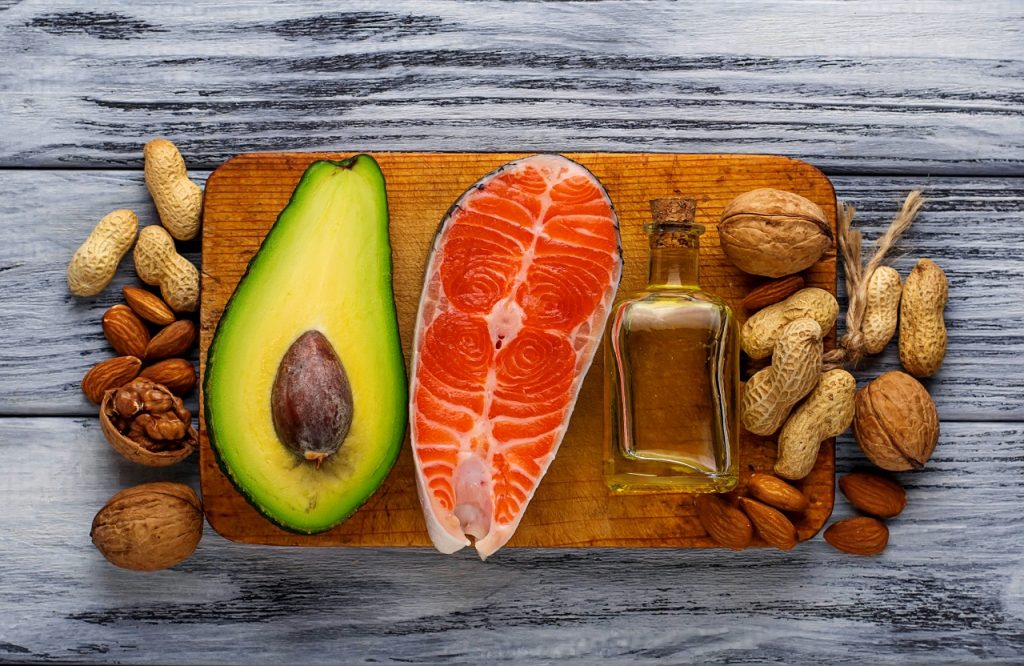
  • Monounsaturated Fats: These contain a single double bond and are known to be helpful in many ways. Evidently, they aid weight loss, reduce cardiac problems and decrease inflammation. Its major sources are avocado, nuts like almond, pistachios, vegetable oils like safflower oil, sesame oil, olive oil, canola oil, etc.
  • Polyunsaturated Fats: are considered as the most beneficial among the fat family. These fats are mainly of 2 types:
    1. Omega 3 Fatty Acids: are known to improve heart health, protect the nervous system, increase brain function, reduce anxiety and stress, improve eye function, reduce inflammation and help fight cancer as well. Sources include soya beans, chia seeds, walnuts, canola oil, salmon, sardine, etc. It’s good to have them as a part of daily diet.
    2. Omega 6 Fatty Acids: This type of fat helps balance good and bad cholesterol, it helps reduce asthma or respiratory problems especially in children, relieves diarrhea in children and is essential for improving brain function. Sources of Omega 6 Fatty Acids include hemp seed or hemp seed oil, flaxseed or flaxseed oil, walnuts, almond, avocado oil, eggs, tofu etc.

These fatty acids are called “essential” because they are not produced in the body and that is why they have to be present in our diet.

Considering all the fat facts listed above, we must focus more on the types of fat we are consuming. In a typical Indian diet, about 15-20% of total calories should come from fat and the most desirable proportion of Saturated Fat (SFA), Monounsaturated Fatty Acid (MUFA) and Polyunsaturated Fatty Acid (PUFA) must be 1:1.3:1.

We hope this article helps you make the best food choices. To know more about fat facts, bust more myths about food and nutrition, ask a GOQii Coach by subscribing for Personalised Health Coaching here.

Do leave your thoughts in the comments below! 

#BeTheForce 

  • « Previous Page
  • 1
  • 2
  • 3
  • 4
  • 5
  • 6
  • …
  • 212
  • Next Page »

Search

Recent Posts

  • 10 Everyday Habits That Could Be Hurting Your Health
  • Why Good Nutrition Matters: Benefits of Healthy Eating for a Healthy Life
  • Monsoon Health Tips: How to Boost Your Immunity During Seasonal Changes
  • Yoga for Healthy Ageing: Simple Practices to Add Life to Your Years
  • Calming Your Mind: Breathing Techniques for ADHD

Stay Updated

Archives

  • June 2026 (22)
  • May 2026 (20)
  • April 2026 (24)
  • March 2026 (18)
  • February 2026 (14)
  • January 2026 (14)
  • December 2025 (19)
  • November 2025 (15)
  • October 2025 (20)
  • September 2025 (6)
  • August 2025 (6)
  • July 2025 (11)
  • June 2025 (18)
  • May 2025 (16)
  • April 2025 (22)
  • March 2025 (27)
  • February 2025 (21)
  • January 2025 (25)
  • December 2024 (22)
  • November 2024 (23)
  • October 2024 (20)
  • September 2024 (23)
  • August 2024 (29)
  • July 2024 (20)
  • June 2024 (25)
  • May 2024 (26)
  • April 2024 (27)
  • March 2024 (27)
  • February 2024 (23)
  • January 2024 (21)
  • December 2023 (14)
  • November 2023 (10)
  • October 2023 (19)
  • September 2023 (22)
  • August 2023 (18)
  • July 2023 (21)
  • June 2023 (23)
  • May 2023 (20)
  • April 2023 (19)
  • March 2023 (23)
  • February 2023 (19)
  • January 2023 (15)
  • December 2022 (11)
  • November 2022 (15)
  • October 2022 (15)
  • September 2022 (12)
  • August 2022 (10)
  • July 2022 (17)
  • June 2022 (11)
  • May 2022 (10)
  • April 2022 (6)
  • March 2022 (6)
  • February 2022 (13)
  • January 2022 (11)
  • December 2021 (7)
  • November 2021 (3)
  • October 2021 (6)
  • September 2021 (3)
  • August 2021 (8)
  • July 2021 (7)
  • June 2021 (15)
  • May 2021 (16)
  • April 2021 (10)
  • March 2021 (7)
  • February 2021 (4)
  • January 2021 (4)
  • December 2020 (3)
  • November 2020 (4)
  • October 2020 (10)
  • September 2020 (3)
  • August 2020 (3)
  • July 2020 (2)
  • June 2020 (4)
  • May 2020 (10)
  • April 2020 (12)
  • March 2020 (10)
  • February 2020 (4)
  • January 2020 (4)
  • December 2019 (3)
  • November 2019 (7)
  • October 2019 (5)
  • September 2019 (4)
  • August 2019 (9)
  • July 2019 (9)
  • June 2019 (11)
  • May 2019 (4)
  • April 2019 (8)
  • March 2019 (8)
  • February 2019 (9)
  • January 2019 (8)
  • December 2018 (9)
  • November 2018 (3)
  • October 2018 (3)
  • September 2018 (5)
  • August 2018 (10)
  • July 2018 (6)
  • June 2018 (13)
  • May 2018 (8)
  • April 2018 (18)
  • March 2018 (9)
  • February 2018 (8)
  • January 2018 (15)
  • December 2017 (12)
  • November 2017 (19)
  • October 2017 (13)
  • September 2017 (15)
  • August 2017 (4)
  • July 2017 (8)
  • June 2017 (7)
  • May 2017 (6)
  • April 2017 (8)
  • March 2017 (6)
  • February 2017 (7)
  • January 2017 (9)
  • December 2016 (10)
  • November 2016 (7)
  • October 2016 (7)
  • September 2016 (7)
  • August 2016 (11)
  • July 2016 (9)
  • June 2016 (9)
  • May 2016 (12)
  • April 2016 (17)
  • March 2016 (17)
  • February 2016 (8)
  • January 2016 (6)
  • December 2015 (2)
  • November 2015 (9)
  • October 2015 (7)
  • September 2015 (9)
  • August 2015 (11)
  • July 2015 (9)
  • June 2015 (11)
  • May 2015 (9)
  • April 2015 (13)
  • March 2015 (8)
  • February 2015 (5)
  • January 2015 (12)
  • December 2014 (14)
  • November 2014 (11)
  • October 2014 (6)
  • September 2014 (13)
  • August 2014 (12)
  • July 2014 (6)
  • June 2014 (2)
  • May 2014 (7)
  • April 2014 (4)

From Shimla’s Slopes to Chandigarh’s Sidewalks: Surinder Kaur Bhalla’s Journey from Chaos to Control

Some journeys start with a plan. Others begin with a stumble literally. Surinder Bhalla, a government professional, born and raised in the scenic hill town of Shimla, had always lived a life of movement. “In Shimla, you walked everywhere,” she reflects. … [Read More...]

From “Laddu Nawin” to Fit and Fierce: How a 25-Year-Old Insurance Advisor Shed 20 Kilos and Gained His Life Back

When 25-year-old Nawin Yadav from Hyderabad walked into his office every morning, he carried more than just his files and policy papers. He had the weight of fatigue, sluggish energy, and an ever-growing belly that was becoming the butt of jokes. “People had even started calling me Laddu Nawin,” he says with a laugh, but […]

From Burnout to Balance: How Dr. Ranjit Reclaimed His Health

Dr Ranjit Bhatt has spent years tending to others. A practising doctor in Odisha, his days were packed with patients, surgeries, and emergencies. From the outside, it looked like a life lived in service. But on the inside, something wasn’t right. “I had no control over my schedule. I’d sleep late, eat at odd hours, […]

Ananda Mukherjee Health Story

From Terminal Illness To Complete Wellness! Ananda Mukherjee Health Story

As we observe World Cancer Day under the powerful theme ‘United by Unique’ (2025-2027)**, we are reminded that every individual’s journey with cancer is distinct, yet united by shared resilience, hope, and the collective fight against this disease. This theme places people at the centre of care and their stories at the heart of the […]

  • HOME
  • HEALTHY LIVING
  • FITNESS
  • HEALTHY RECIPES
  • USER STORIES
  • KARMA
  • BUY GOQii

Copyright ©2016 GOQii

