 Chronic Kidney Disease (CKD) affects millions globally and is one of the leading contributors to long-term health complications and premature deaths. CKD is marked by a gradual loss of kidney function, and in advanced stages, it can result in the build-up of fluids, toxins, and electrolytes—putting immense strain on the body.
While medication and medical monitoring are essential, diet plays a pivotal role in preventing and managing the progression of CKD. Emerging research points to the power of a plant-based diet, especially plant-based proteins, in helping slow down kidney damage and supporting overall well-being. Here’s how making some intentional dietary shifts can positively impact kidney health.
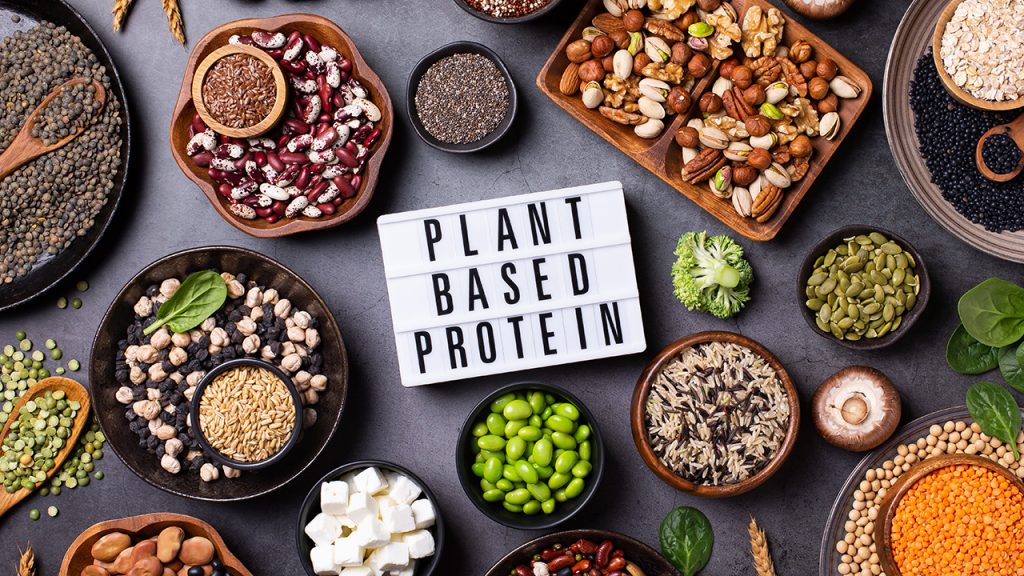
What Counts as Plant-Based Protein?
When most people think of protein, their minds go straight to animal sources like meat, fish, or eggs. But there’s a wide variety of plant-based foods rich in protein that offer just as much (if not more) benefit—without the downsides of saturated fat and cholesterol.
Common Plant-Based Protein Sources:
- Lentils, chickpeas, green peas
- Quinoa, oats, barley, rice with beans
- Almonds, walnuts, peanuts
- Chia seeds, pumpkin seeds
- Potatoes
These foods are not only nutrient-dense but are also packed with fibre, antioxidants, vitamins and minerals.
Why Consider Plant-Based Proteins for CKD?
Proteins are essential for everything from muscle repair and hormone production to immune function. However, the source of your protein matters a great deal, especially for those with kidney conditions.
Animal proteins—particularly processed meats and red meats—are associated with:
- Increased inflammation
- Higher acid load
- Elevated risk of heart disease and CKD progression
Plant-based proteins, on the other hand:
- Are low in saturated fat
- Contain natural antioxidants
- Provide fibre, which supports gut health and blood sugar regulation
- May improve blood pressure and cholesterol levels
Contribute to lowering the risk of diabetes—a major contributor to CKD
Pros and Cons of a Plant-Based Diet for CKD
Pros:
- Reduces inflammation and acid load on kidneys
- Helps manage blood pressure, blood sugar, and cholesterol
- Supports gut health and overall digestive function
- Associated with lower risk of CKD-related mortality
- High in beneficial nutrients like magnesium, calcium, and vitamin C
Cons:
- Many plant proteins are incomplete (they may lack one or more essential amino acids)
- Risk of Vitamin B12 deficiency, which can lead to anaemia or neurological issues
- Lower absorption rates than animal proteins—so quantity and variety matter
- Some individuals may need supplementation or careful meal planning to meet protein needs
Kidneys work silently in the background—filtering blood, regulating blood pressure, and supporting vital body functions. With CKD, even small lifestyle shifts like embracing more plant-based proteins can delay progression, reduce complications, and improve quality of life.
If you’re exploring plant-based eating:
- Diversify your sources (e.g., combine legumes with whole grains to get complete proteins)
- Be mindful of any deficiencies, especially B12
- Monitor portion sizes and nutrients—not all plant-based options are equally kidney-friendly
You don’t have to go fully vegan—but a gradual move towards plant-forward meals can make a real difference.
#BeTheForce
Disclaimer: The information provided in this blog is for general awareness and educational purposes only. It is not intended to replace professional medical advice, diagnosis, or treatment. Always consult a qualified healthcare provider for personalised medical guidance or concerns related to your health.
 Mishita, 55 years old, had been feeling low and depressed for a few months. For the past 2 days, she began experiencing slight restlessness, palpitations, and a suffocating feeling followed by mild chest pain radiating to her left shoulder. Being alone, she called her daughter to share these symptoms. Her daughter immediately alerted a neighbour who had basic knowledge about heart symptoms and helped save Mishita from a major heart attack. Early signs of arteriosclerosis were detected, and with lifestyle changes, Mishita is now happy, healthy, and almost off medication!
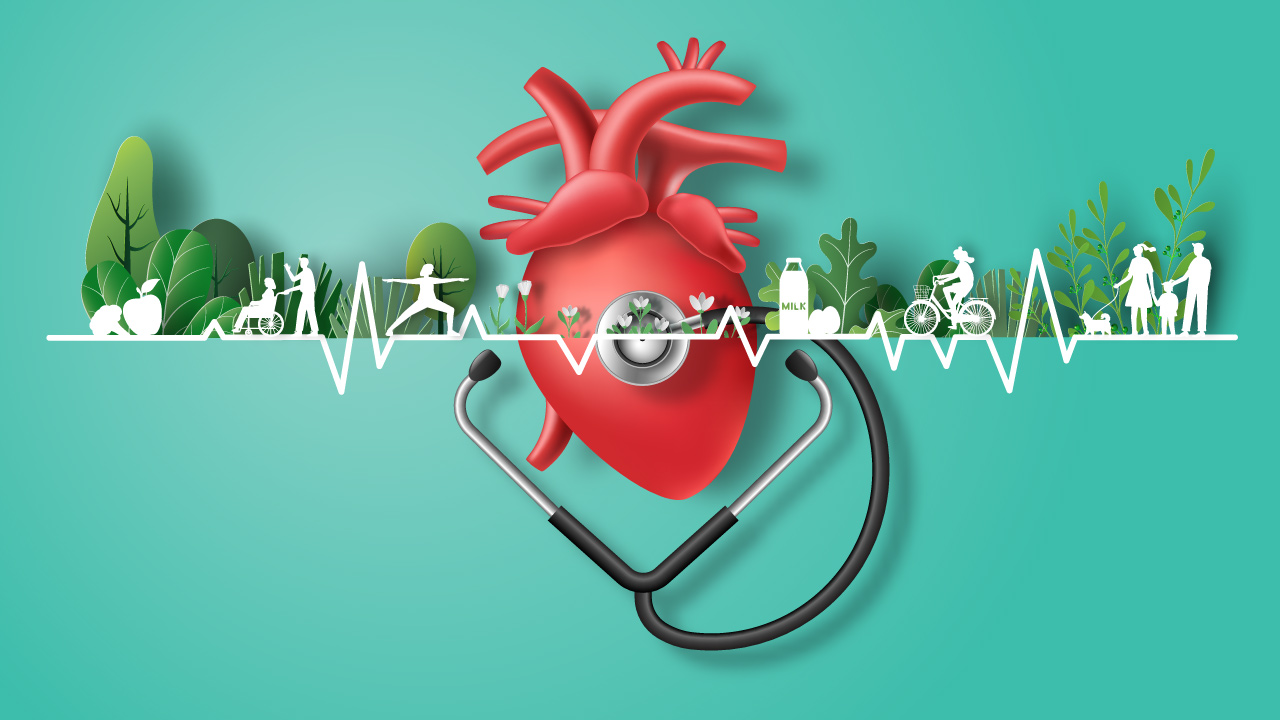
 The heart plays a very vital role in the well-being of an individual. It supplies oxygenated blood to all organs of the body and also carries nutrients, fuel, hormones, and other components.
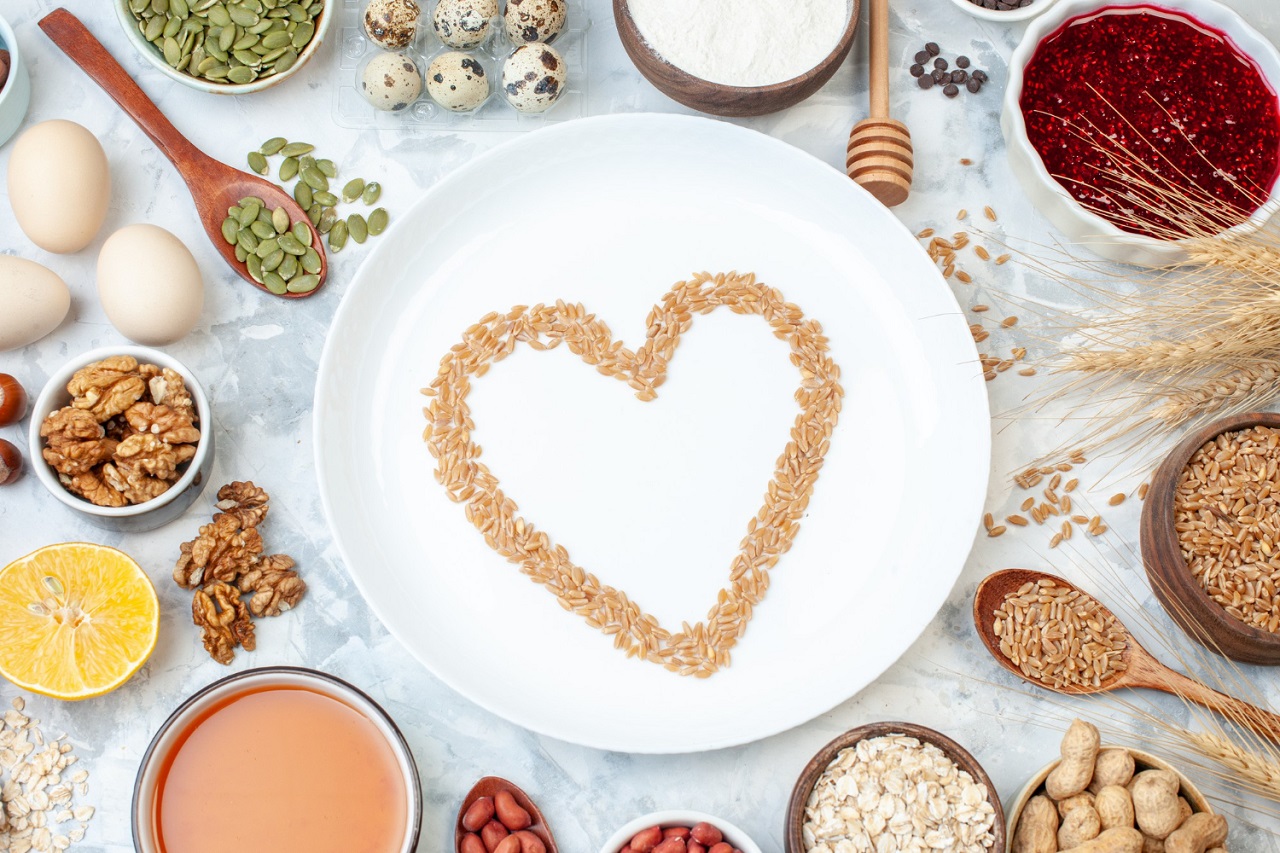
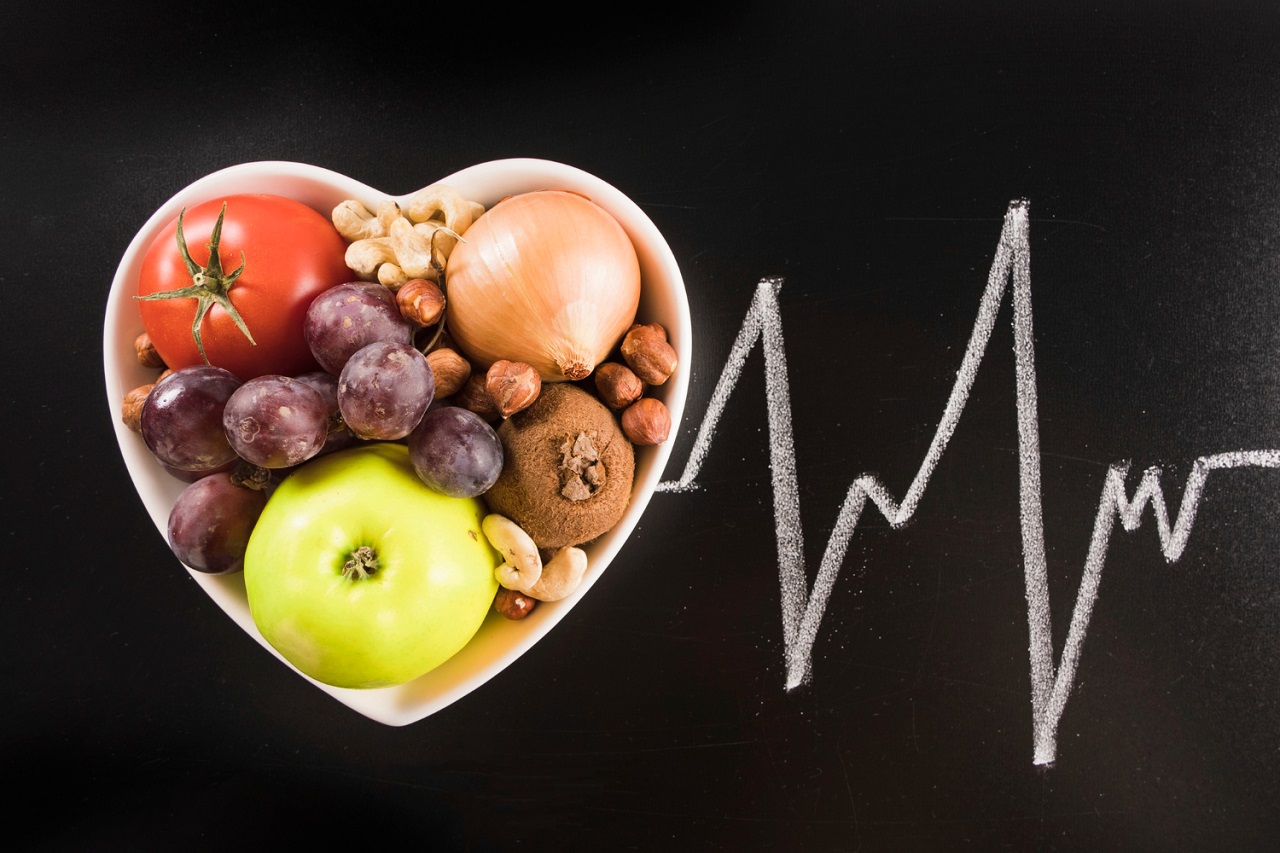 Fruits & vegetables are rich in vitamins & minerals and low in calories. They also keep a check on cholesterol levels as they are very rich in dietary fiber. A diet rich in dietary fiber maintains weight as well as the gut. You need to select whole grains over refined grains as whole grains are rich in complex carbohydrates and control blood pressure and are good for the heart. Include quinoa, broken wheat, barley, oats, and whole wheat flour.
 Quality and quantity both are important while having meals. Portion control is very important as it maintains and controls calories and weight. Utensils are selected for portion control and all food groups should be included to make it a balanced diet.



