GOQii

Blog

  • HOME
  • HEALTHY LIVING
  • FITNESS
  • HEALTHY RECIPES
  • USER STORIES
  • KARMA
  • BUY GOQii

Search Results for: disease

July 12, 2016 By Luke Coutinho 1 Comment

This Molecule – ‘Nitric Oxide’ can change your health

Did you know there is a molecule our Body produces which is called ‘Nitric oxide’ (NO)?

Well then let me enlighten you about NO. This is a molecule that our body produces to help its 50 trillion cells communicate with each other by transmitting signals throughout the entire body. This molecule is also the ‘fountain of youth’ secret. The more nitric oxide your body produces naturally, the younger you stay, mentally and physically.

  • help memory and behavior by transmitting information between nerve cells in the brain
    • assist the immune system at fighting off bacteria and defending against tumors
    • regulate blood pressure by dilating arteries
    • reduce inflammation
    • improve sleep quality
    • increase your recognition of sense (i.e. smell)
    • increase endurance and strength
    • assist in gastric motility

Nitric oxide is one of the main ‘ingredients’ behind erections, and without the molecule, you simply couldn’t’ have a healthy one.

Simply put, nitric oxide makes the body run more smoothly, as oxygen, nutrients, and red blood cells can reach their target tissue and cells faster. This to me is what makes nitric oxide extremely important, when it comes to immunity, prevention and cure of diseases and maintenance of well-being.

The most common way to increase nitric oxide is through exercise. When you run or lift weights, your muscles need more oxygen which is supplied by the blood. As the heart pumps with more pressure to supply the muscles with blood, the lining in your arteries releases nitric oxide into the blood, which relaxes and widens the vessel wall, allowing for more blood to pass though.

As we age, our blood vessels and nitric oxide system become less efficient due to free radical damage, inactivity, and poor diet, causing our veins and arteries to deteriorate. Think of a fire hose as water rushes through it to put out a fire – it needs to expand enough to handle the pressure, still keeping enough force to put out the fire. Athletes and youth have the most optimal nitric oxide systems, reflecting their energy and resilience.

When you eat foods that contain natural nitrates, the bacteria in your tongue converts them into nitritines… …And once you swallow the food, the bacteria in your gut converts the nitritines into nitric oxide. And fortunately, nitrate rich foods are easy to obtain and they’re also quite cheap.

Here’s a list of few great foods packed with natural nitrates:

Spinach, beets, celery, aragula lettuce, iceberg lettuce, carrots, parsley, cabbage, radishes, collard greens, etc. It’s a well-known medical fact that vitamin C increases nitric oxide production in the body, and that it also protects the molecules. Garlic on the other hand is filled with nitrates, and it also contains a compound called quercetin, which is linked to increased NO levels.
eat plenty of grapes, red wine, onions, and garlic.

Get plenty of safe sunlight

CQ10 from food sources, such as from: salmon, grassfed red meat, animal organs, egg yolks, Brazil nuts, and spinach.

Remember in the tip number #1 how I said that the bacteria in your tongue converts nitrates into nitritines, and then your gut continues the process by converting the nitritines into NO? Well, that process never occurs if you’re a ‘heavy user’ of mouthwashes. Listerine and the likes, tend to destroy all of the bacteria in your mouth (remember not all bacteria is bad) so that the nitrates can’t convert into nitritines.

Exercising and staying active is amazingly awesome for pretty much everything. After all, we were never meant to sit around all day.

We should be constantly on the move, walking, climbing, etc. And pretty much all kinds of exercise (all the way from walking into furious strength training) has been shown to increase nitric oxide levels, both, temporarily and the baseline. Something as simple as increasing nitrix oxide in your body can make you feel healthy, strong and fit.
 

July 12, 2016 By Neha Kapoor 1 Comment

Can we replace white rice?

Millet-literacy-head

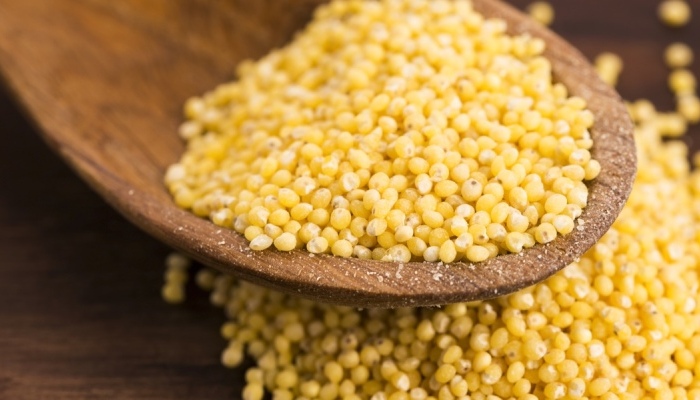
Are you a white rice eater and looking to cut your rice intake but, findings it hard to do so? The best way to cut down on rice is to replace it with millets. Millets are also called wonder or magical grains. However, these wonder grains are not much recognized and used in today’s world of junk food and where refined flour has captured the whole market. Millet is full of nutrients your body needs, such as: Magnesium, Calcium, Manganese, Tryptophan, Phosphorus, Fiber, B vitamins, Antioxidants.

Most people have not even heard of millet forget knowing the benefits of millet nutrition. And yet, millet is one of the best-kept secrets of our ancient ancestors. Traced back to its origin, millet has been used throughout the ages and across many countries.

For centuries millet has been a prized crop in China, India, Greece, Egypt and Africa, used in everything from bread to couscous, and as cereal grain.

Some of the key reasons millet is part of your healthy Body Ecology diet is because it is:

*Highly nutritious – ideal for children

*Acts as a prebiotic to feed important micro-flora in your inner ecosystem

*Provides serotonin to calm and soothe your moods.

*Helps hydrate your colon to keep you regular.

*Great energy source – ideal for athletes

*Complete protein source when combined with legumes – ideal for a vegetarian diet

*Is alkaline.

*High amounts of fiber

*Rich in photochemicals including phytic acid, which is believed to lower cholesterol, and phytate, which is associated with reducing cancer risks.

*All Millet varieties show high antioxidant activity.

*Millet helps to control Blood sugar and Cholesterol.

*Digests easily.

*Millet Consumption decreases Triglycerides and C-Reactive Protein.

VARAGU/KODU MILLET The fiber content of this whole grain is very high. Varagu rice has around 11% protein, and the nutritional value of the protein has been found to be slightly better than that of Thinai but, comparable to that of other small millets. As with other food grains, the nutritive value of Varagu rice protein could be improved by supplementation with legume protein. It has high source of Protein, Calcium, fiber and Minerals. It can reduce body weight. Varagu increases Liver functionality and good for lympatic disorder. 

THINNAI RICE/ FOXTAIL MILLET: Thinai is fairly tolerant of drought; it can escape some droughts because of early maturity. Due to its quick growth, it can be grown as a short-term cash crop. It is adapted to a wide range of elevations, soils and temperatures. Its grain is used for human consumption. Rich in protein and minerals, increases kidney functionality. Best for muscle strength and hormonal imbalances.

FINGER MILLET/RAGI- Foxtail millets are ideal for reducing the cholesterol of the body, controlling blood sugar and aiding metabolism rate. It is highly rich in anti-oxidation, which removes all the acidic elements away from the body. Foxtail millets are also high in dietary fiber, which aids in proper breakdown of food and complete digestion. Ragi flour can be used in many different ways to make Roti, porridge and dosa or idli (steamed panckaes). It has thirty times as much calcium as rice, more than ten times as much fiber.

KUTHIRAIVALI RICE/PEARL MILLET: This particular variety is 6 times more nutritious than wheat. Rich in Protein, fiber, minerals and iron compared to all other grains. Good for Heart related problems, Anemic, Menstural Disorder and Diabetics.

SAAMAI RICE/LITTLE MILLET Samai is another reliable cash crop in view of its earliness and resistance to adverse agro-climatic conditions. Samai is suitable for all ages. Samai trend constipation. Stomach related diseases and improves Men’s sperm production. Diabetic patients and in women it could be a good idea for all periods and imaginary problems. Samai is rich in fiber, helps reducing fat, good for bones and muscles. 

Millets can be used to make many simple and easy recipes to replace white rice and has many healthy nutrients that makes the dishes more yummy by adding new flavor to them.

June 9, 2016 By Prachi More 30 Comments

All you want to know about Green Tea and its Benefits

japanese-green-tea

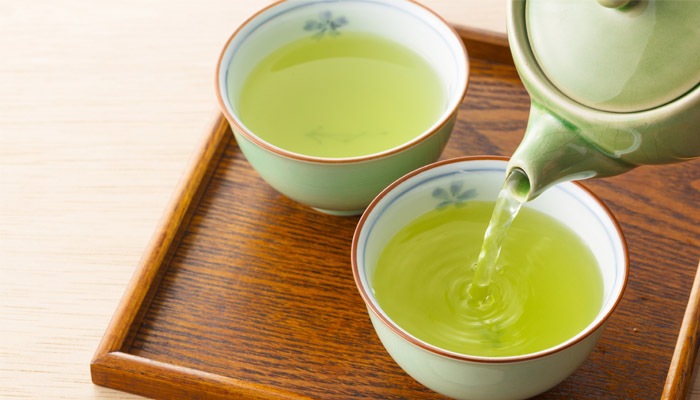
Although tea drinking has been associated with health benefits for centuries, only in recent years have its medicinal properties been investigated scientifically. One must recognize the healthy power of tea while getting the most out of their cups.

Tea’s health benefits are largely due to its high content of flavonoids — plant-derived compounds that are antioxidants. Green tea is one of the healthiest beverages and the best food source of a group called ‘Catechins’. Catechins are more powerful than vitamins C and E in halting oxidative damage to cells and appear to have other disease-fighting properties.

Of course, there is no single super food which can protect you from disease, how healthy are your eating habits and how active you are makes a big difference.

Here are some pointers giving information on various aspects of green tea varying from how to select a particular brand to its health benefits.

  • While looking for a Green Tea, look for brands that use all-natural ingredients and have no artificial preservatives. Also, try and opt for these 2 varieties of green tea whenever possible:

(I) Matcha: The green tea leaves are ground into a fine powder, which you can whisk into water for tea. Since  you consume the actual leaves, you get more antioxidants than from other green teas.

(II) Hojicha: Made from green tea leaves that are roasted until they’re dark brown. Because it’s picked at the  end of the season and roasted at a higher heat than other teas, hojicha contains lower levels of caffeine.

  • Ideally, skip the tea bag and opt for fresh leaves. That’s because, with green tea, you want to pour hot water directly over the leaves to extract their essence. Using a tea bag reduces the potency of the chemical reaction. If bagged tea is the only option, cut open the bag and pour water over the contents directly. As for the brewing bit itself, don’t let the water come to a full boil. Instead, pour the water over the tea right before it boils and then let the tea steep for 3-4 minutes.
  • One can take 3-5 cups of green tea in a day. It is advisable to drink green tea in between meals i.e. more than one hour after breakfast and lunch because it contain tannin which may decrease the absorption of iron and folic acid.
  • Green tea apparently helps regulate glucose levels slowing the rise of blood sugar after eating. This can prevent high insulin spikes and resulting fat storage.
  • Green tea contains less caffeine than Coffee but enough to produce an effect. It also contains the amino acid L-Theanine, which can work synergistically with Caffeine to improve brain function.
  • Green tea has the properties to lower total and LDL Cholesterol, as well as protects the LDL particles from oxidation. Observational studies show that green tea drinkers have a lower risk of cardiovascular disease.
  • Green tea also boosts the metabolic rate and increase fat burning. This in turn helps in reducing weight.
  • Green tea has power anti-oxidants that may protect against cancer. Multiple studies have indicated that green tea drinkers have a lower risk of various types of cancer. Tea catechins are strong antibacterial and antiviral agents which make them effective for treating everything from influenza to cancer. In some studies green tea has been shown to inhibit the spread of many diseases.
  • The bioactive compounds in green tea can have various protective effects on nervous system and may reduce the risk of both Alzheimer’s and Parkinson’s, the two most common neuro degenerative disorders.
  • Green tea gives a feeling of satiety thus reducing the quantity of food one eats.

April 7, 2016 By GOQii Editor 4 Comments

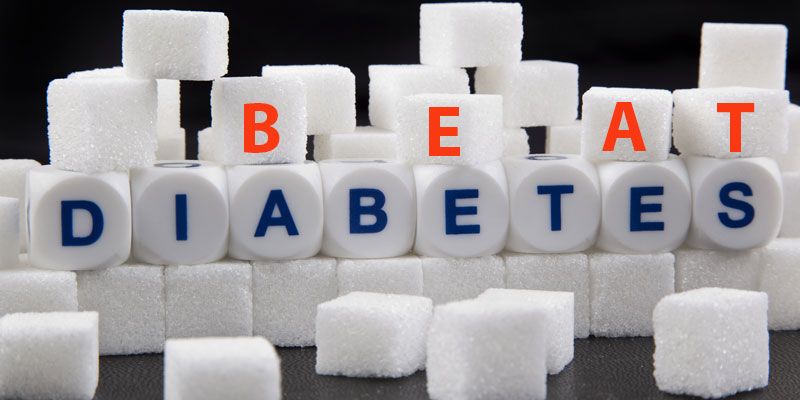
India becoming a ‘Sweet Nation’: Let’s beat Diabetes

diabetes
India is becoming a sweeter nation by the day. Wondering what I mean by a sweeter nation. Today , on this day of World Diabetes day we would like to take you through some facts about diabetes. According to the World Health Organisation, India has been declared as the Diabetic capital of the world.

The statistics are alarming. In 2000 there were 32 million diabetics in India, in 2013, the figure doubled to 63 million and by 2030 it has been projected to touch 101.2 million. India ranks second, between China with 90 million and the USA with 24 million diabetics. The factors largely driving this dramatic rise include overweight and obesity. The annual spend on diabetes is Rs 1.5 lakh crore, 4 times the central Government’s allocation of Rs 32000 crore.

The Prime Minster of India Narendra Modi on World health day said on twitter that a healthy lifestyle is a key to overcoming diabetes. “Our lifestyle is the biggest cause for diabetes. If every citizen of my country is healthy, then my country will be healthy. I call upon you to defeat diabetes, which plays host to so many diseases,” said Modi in his message to Indians on World health day.

Some Facts

  • 422 Million adults globally suffer from diabetes
  • 5 million deaths are directly attributed to diabetes each year
  • 1 in 3 adults aged over 18 years is overweight and 1 in 10 is obese

Source: WHO

Diabetes can be controlled however with exercise. Here are some excerpts from a blog written by one of the GOQii coaches Disti Shah. According to Disti, the facts and myths about diabetes are plenty especially on the kind of foods one should have or not have, whether one should exercise to control diabetes etc. But diet is not all that one needs to focus on. Exercise is equally important.

However, when diabetes exercises one should keep in mind the following at what sugar levels should we allow or not allow a diabetic person to exercise? What should be the intensity and frequency of exercise and What type of exercise should a Diabetic do?

Here are some information on about how regular exercise can control your Diabetes.

How does Exercise Help in Diabetes?

  1. Lowers blood sugar levels.
  2. Helps you feel better.
  3. Help maintain proper body weight.
  4. Help keep the heart rate and blood pressure lower.
  5. Helps keep blood fats levels normal.
  6. Improves insulin sensitivity.
  7. Help maintain normal blood circulation in the feet.

Now that we know seven of the many reasons why exercise is important for a person with diabetes, let’s know which exercise benefits diabetics.

Which kinds of Exercise are Best?

Expert agrees you need either

  1. 30 minutes of “moderate intensity” aerobic activity – 5 days a week.
  2. “Vigorous intense” aerobic activity 20 minutes or more a day – 3-5 days a week.

In addition, you should add flexibility and strength training to your routine.

  1. Flexibility activities 5-7 days a week.
  2. Strength training 8-10 exercise, 10-15 repetitions of each exercise, 2-3 days a week.

Calories Per hour and the types of moderate and vigorous exercises

Moderate physical activity for one hour Calorie burnt per hour
Hiking 370
Light gardening / Yard work 330
Dancing 330
Golf(walking and carrying clubs) 330
Bicycling (<10mph) 290
Walking   (3.5mph) 280
Weight lifting (light workout) 220
Stretching 180
Vigorous physical activity for one hour


Running / Jogging (5mph) 590
Bicycling (>10mph) 590
Swimming (Slow freestyle laps) 510
Aerobics 480
Walking (4-5 mph) 460
Heavy Yard work (chopping wood) 440
Weight lifting (vigorous effort) 440
Basket ball (vigorous) 440

Source – Dietary guidelines for Americans – 2005 *(These values are not specifically for Indians as they are taken from American journals)

Remember that Diabetes cannot take your hope, faith, attitude, courage, happiness, and happy life away from you. We are the author of our own health and disease. Let’s overcome it, no matter what type or what level of disease it is. Let’s help others and ourselves to be active most of the time. Exercise can permanently remove or reduce medication.

To read it at length go to http://goqii.com/blog/regular-exercise-can-control-diabetes/

  • « Previous Page
  • 1
  • …
  • 124
  • 125
  • 126
  • 127
  • 128
  • …
  • 139
  • Next Page »

Search

Recent Posts

  • Foods to Manage Blood Sugar Naturally: A Complete Guide to Better Blood Sugar Control
  • The Lazy Person’s Guide to Staying Healthy: 5 Micro-Habits That Take Less Than 2 Minutes
  • Healthy Eating: Comforting Chilli Bean Soup Recipe for the Monsoon
  • The Truth About the ‘Beer Belly’: What Alcohol Really Does to Your Metabolism
  • Benefits of Meditation: How One Daily Habit Can Transform Your Mental Wellbeing

Stay Updated

Archives

  • August 2026 (7)
  • July 2026 (25)
  • June 2026 (22)
  • May 2026 (20)
  • April 2026 (24)
  • March 2026 (18)
  • February 2026 (14)
  • January 2026 (14)
  • December 2025 (19)
  • November 2025 (15)
  • October 2025 (20)
  • September 2025 (6)
  • August 2025 (6)
  • July 2025 (9)
  • June 2025 (18)
  • May 2025 (16)
  • April 2025 (22)
  • March 2025 (26)
  • February 2025 (21)
  • January 2025 (25)
  • December 2024 (22)
  • November 2024 (22)
  • October 2024 (20)
  • September 2024 (22)
  • August 2024 (28)
  • July 2024 (15)
  • June 2024 (23)
  • May 2024 (26)
  • April 2024 (27)
  • March 2024 (27)
  • February 2024 (23)
  • January 2024 (21)
  • December 2023 (14)
  • November 2023 (10)
  • October 2023 (19)
  • September 2023 (21)
  • August 2023 (16)
  • July 2023 (16)
  • June 2023 (21)
  • May 2023 (20)
  • April 2023 (19)
  • March 2023 (23)
  • February 2023 (19)
  • January 2023 (15)
  • December 2022 (11)
  • November 2022 (15)
  • October 2022 (15)
  • September 2022 (12)
  • August 2022 (9)
  • July 2022 (17)
  • June 2022 (11)
  • May 2022 (10)
  • April 2022 (6)
  • March 2022 (6)
  • February 2022 (13)
  • January 2022 (11)
  • December 2021 (7)
  • November 2021 (3)
  • October 2021 (6)
  • September 2021 (3)
  • August 2021 (8)
  • July 2021 (7)
  • June 2021 (15)
  • May 2021 (16)
  • April 2021 (10)
  • March 2021 (7)
  • February 2021 (4)
  • January 2021 (4)
  • December 2020 (3)
  • November 2020 (4)
  • October 2020 (10)
  • September 2020 (3)
  • August 2020 (3)
  • July 2020 (2)
  • June 2020 (4)
  • May 2020 (10)
  • April 2020 (12)
  • March 2020 (10)
  • February 2020 (4)
  • January 2020 (4)
  • December 2019 (3)
  • November 2019 (7)
  • October 2019 (5)
  • September 2019 (4)
  • August 2019 (9)
  • July 2019 (9)
  • June 2019 (11)
  • May 2019 (4)
  • April 2019 (8)
  • March 2019 (8)
  • February 2019 (9)
  • January 2019 (8)
  • December 2018 (9)
  • November 2018 (3)
  • October 2018 (3)
  • September 2018 (5)
  • August 2018 (10)
  • July 2018 (6)
  • June 2018 (13)
  • May 2018 (8)
  • April 2018 (18)
  • March 2018 (9)
  • February 2018 (8)
  • January 2018 (15)
  • December 2017 (12)
  • November 2017 (19)
  • October 2017 (13)
  • September 2017 (15)
  • August 2017 (4)
  • July 2017 (8)
  • June 2017 (7)
  • May 2017 (6)
  • April 2017 (8)
  • March 2017 (6)
  • February 2017 (7)
  • January 2017 (9)
  • December 2016 (10)
  • November 2016 (7)
  • October 2016 (7)
  • September 2016 (7)
  • August 2016 (11)
  • July 2016 (9)
  • June 2016 (9)
  • May 2016 (12)
  • April 2016 (17)
  • March 2016 (17)
  • February 2016 (8)
  • January 2016 (6)
  • December 2015 (2)
  • November 2015 (9)
  • October 2015 (7)
  • September 2015 (9)
  • August 2015 (11)
  • July 2015 (9)
  • June 2015 (11)
  • May 2015 (9)
  • April 2015 (13)
  • March 2015 (8)
  • February 2015 (5)
  • January 2015 (12)
  • December 2014 (14)
  • November 2014 (11)
  • October 2014 (6)
  • September 2014 (13)
  • August 2014 (12)
  • July 2014 (6)
  • June 2014 (2)
  • May 2014 (7)
  • April 2014 (4)

From Burnout to Balance: How Dr. Ranjit Reclaimed His Health

Dr Ranjit Bhatt has spent years tending to others. A practising doctor in Odisha, his days were packed with patients, surgeries, and emergencies. From the outside, it looked like a life lived in service. But on the inside, something wasn’t right. “I had no … [Read More...]

From Shimla’s Slopes to Chandigarh’s Sidewalks: Surinder Kaur Bhalla’s Journey from Chaos to Control

Some journeys start with a plan. Others begin with a stumble literally. Surinder Bhalla, a government professional, born and raised in the scenic hill town of Shimla, had always lived a life of movement. “In Shimla, you walked everywhere,” she reflects. “Walking was never an exercise. It was just life.” But after shifting to Chandigarh, […]

“I’ve Challenged Myself to Live 100 Years” – The Story of Chandubhai Savani’s Second Chance at Life

At 67, most people start slowing down. Not Chandubhai Savani. A resident of Surat, Chandubhai, thought life was on track. “My life was going well till I had my bypass surgery,” he says. That surgery, back in 2021, was a wake-up call.  Medication was routine, but exercise wasn’t. His diet? What he calls ‘normal.’ “I […]

Ananda Mukherjee Health Story

From Terminal Illness To Complete Wellness! Ananda Mukherjee Health Story

As we observe World Cancer Day under the powerful theme ‘United by Unique’ (2025-2027)**, we are reminded that every individual’s journey with cancer is distinct, yet united by shared resilience, hope, and the collective fight against this disease. This theme places people at the centre of care and their stories at the heart of the […]

  • HOME
  • HEALTHY LIVING
  • FITNESS
  • HEALTHY RECIPES
  • USER STORIES
  • KARMA
  • BUY GOQii

Copyright ©2016 GOQii