GOQii

Blog

  • HOME
  • HEALTHY LIVING
  • FITNESS
  • HEALTHY RECIPES
  • USER STORIES
  • KARMA
  • BUY GOQii

Search Results for: diabetes

August 12, 2022 By Tahurah Muqeem 1 Comment

Food is Your Fountain of Youth! Healthy Eating Tips for the Elderly

Healthy Eating Tips for the ElderlyAs we mentioned in our IndiaFit Report 2020: India’s Ikigai – The Secret to Longevity, there are some folks who manage to live long and healthy lives thanks to their discipline, but most people usually find their health crumbling. In old age, a human either becomes disinterested in eating or can’t manage their meals due to medical conditions which make eating difficult. There is a loss of appetite as anxiety, depression, irritability or gastric trouble become commonplace.

The body of the elderly needs to be cared for and fed with good food so that it helps in combating stress, depression, fight inflammation and pain. With the growing rate of diabetes in the mid-40s, by the time a person reaches 70-80 years of age, the damage done to the organs by diabetes or any other lifestyle disease is unpredictable.

Healthy Eating Tips for the Elderly

It is important that the elderly eat small meals at frequent intervals. The diet should be a balance of carbohydrates, proteins, fats, vitamins and minerals. In fact, the food should be appealing. Let’s see how we can incorporate all of this:

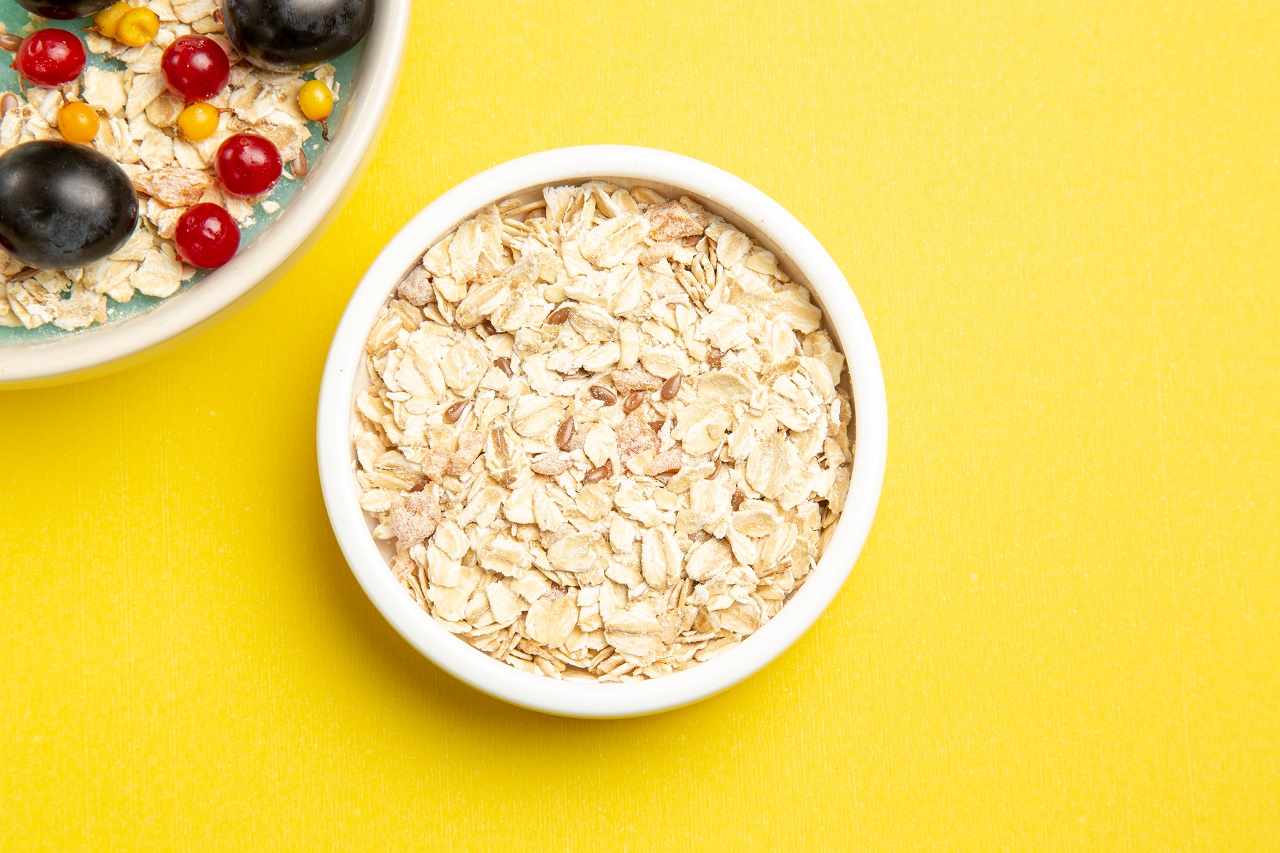
  • The diet of the elderly should contain complex carbohydrates like Wheat, Oats, Ragi, Jowar, Brown rice and should avoid refined cereals like white bread and maida.
  • Protein is a very important nutrient because there is a lot of muscle wastage that occurs in old age. Loss of skin tone, loss of skin elasticity is profound. The diet should include good sources of proteins such as lentils, dals, soybean, milk and milk products. For non-vegetarians, boiled egg whites every day is recommended. Opt for skinless chicken which can be grilled, roasted or used in soups. 
  • Healthy fats are essential to protect the heart and provide essential vitamins such as vitamin E which protects the body organs and nourishes the skin. Include soaked almonds, walnuts, dates, dried figs in the diet in the form of morning snacks. Fish like Salmon provides Omega 3 fatty acids which help fight against cancers. 
  • As we age our digestive system slows down. Many face a problem digesting fiber. While it is easy to consume salads or raw veggies, for some, it is difficult and leads to constipating, bloating or gassiness. In this case, it is better to consume vegetables which are boiled or steamed. Unstrained vegetable soups and vegetable smoothies are good options as well. 
  • Including 1-2 servings of fruits every day is crucial. Fruits not only regulate blood sugar but also provide essential minerals and vitamins to the body. 
  • The most important thing is to hydrate, hydrate, hydrate and hydrate! Especially at old age, it is more important to consume 2-3 liters of water every day. Having 1 glass of warm water immediately after waking up stimulates the body cells. For improving digestion, consuming 1 glass of warm water half an hour before and half and hour after meals is a must. 
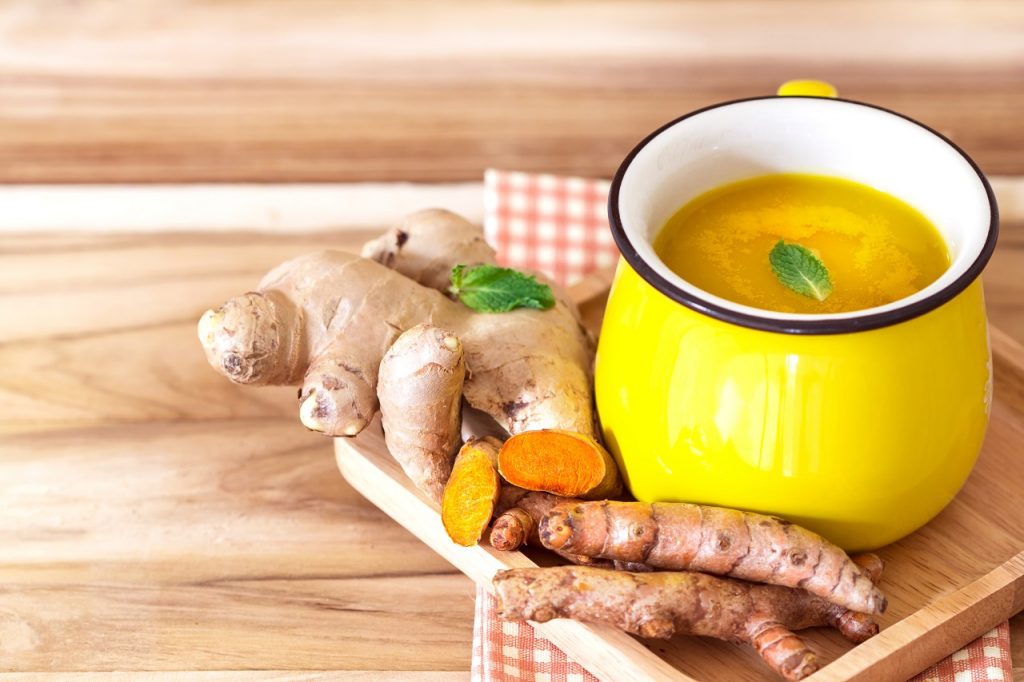
  • Don’t forget to include anti-inflammatory foods like turmeric, ginger and cinnamon. They will help protect against bone disease and reduce joint pains while protecting the heart. Consuming ginger water in the day helps treat various digestion related issues as well. 

What’s an Ideal Meal Plan? 

If you need a roadmap or an ideal plan, here it is: 

  1. Start the day with a glass of warm water, lemon water or ginger water with half tsp of honey. 
  2. Eat a healthy breakfast consisting of oats porridge, khichdi, vegetable idli, paneer dosa or poha with a glass of milk or boiled egg white. 
  3. Mid morning should contain a fruit which can be an apple, guava, watermelon, pears, banana, papaya or you can have a mixed fruit bowl as well.
  4. Lunch should include roti or rice with 1 bowl dal, a bowl of vegetable curry, 1 salad and 1 bowl of curd. 
  5. Dinner should be the same as lunch, although, it should be lighter. Cut down the quantity of rice/roti. Eat dinner at least 2-3 hours before bed to ensure proper digestion. 
  6. Before bed, drink low fat milk to ensure good sleep and provide your body with calcium for strong bones. You can also add turmeric to it for extra benefits! 

Before you undertake this meal plan or decide to follow it religiously, you need to consult your doctor or nutritionist to check how it may affect any existing medical condition you may have. Along with all kinds of fruits, veggies and healthy foods, don’t forget to stay active! 

We hope these healthy eating tips for the elderly help you. Do share your thoughts in the comments below. To subscribe for GOQii’s personalised health coaching and get more of these tips from a GOQii Coach, click here: https://goqiiapp.page.link/bsr 

#BeTheForce 

July 20, 2022 By Komal Mehta 9 Comments

What You Can Eat To Beat High Blood Sugar Levels

eat right to beat high blood sugar levelsModeration is key – this holds true for everybody and everything, especially if you are suffering from or trying to manage diabetes. There is no specific diet plan or pattern for Diabetes. It’s the small changes that you make with foods which help you manage your blood sugar better.

The Right Eating Habits To Beat High Blood Sugar Levels

  • Have small but frequent meals: Having small meals will control the sugar spikes. Long gaps between meals can increase as well as drop blood sugar levels. Long gaps also leach out energy and makes you feel tired. Having 4-5 small meals with balanced carbohydrates helps managing blood sugar well.
  • Choose the right carbs: All the grains have carb, be it potato or oats, it’s the quality which matters. Opting for carbs allowing slow release of sugar are best to choose. Carbs with high fiber content like whole wheat flour, Sorghum (Jowar), Finger Millet (Ragi), and Oats can help control blood sugar as it will release the sugar slowly and help you control those spikes.
  • Avoid processed foods: We all know refined foods and packaged foods are not that great for our health. With diabetes, it affects blood sugar directly. Refined foods get absorbed very easily as they lack fiber – which can easily increase sugar. Always add lots of vegetables if packaged food is the only option. Rely on portion control for best results!
  • Add more proteins: Protein-rich foods are not readily available to raise blood sugar. You will see the positive impact on blood sugar once you add protein foods with every meal. Having more sprouts salad, cottage cheese (paneer) bites, or curd raita fills you up as well as stabilizes sugar.
  • Include Fiber: Fiber plays an important role in the digestion of food. Fiber not only delays sugar absorption but also binds cholesterol and reduces the risk of obesity as well as heart ailments. Don’t think twice before adding some raw salads or veggie soups to major meals.
  • Cut down fat: There is nothing wrong if the fat is coming from right sources. All vegetable fats from avocado, seeds, nuts like peanuts, almonds, home-made clarified butter (ghee), etc. are good to go. Just make sure it is in moderation. Good fat helps you manage weight, which has a direct relation with sugar control and in a way, also helps release sugar slowly as fat takes time to digest.
  • Exercise: Even if you control your food habits well, if your muscles aren’t moving, you might not get to see the results you want. Just a 40-minute brisk walk can help increase blood circulation, manage weight and fat metabolism. Every 5% reduction in weight can provide a positive result with diabetes, heart health and overall well being.
  • Cut out the refined sugar: Aim to have as little sugar as possible. Direct form of sugar results in major spikes. Refined sugar, candies, cakes, and pastries, etc. stay for 3 months as the blood RBC is made every 3 months. High HbA1c is associated with long term complication. It is best to try and keep your HbA1c in control by having a good portion control with right choice of food. Cut out on these sweets and go for healthier alternatives like jaggery.

Don’t fall for “diabetes friendly, sugar free products”. Just choose from the natural food to beat high blood sugar levels. It’s not too difficult! Just follow the tips above and you will feel better!

We hope this article helps you beat high blood sugar levels and manage Diabetes effectively. For more articles on managing diabetes, check out Healthy Reads.

For further guidance and motivation by certified experts, join the GOQii Diabetes Care program. It’s India’s only diabetes program that is driven by Smart Science and Personal Coaching to improve Fasting Blood Sugar (FBS), Postprandial Blood Sugar (PP), reduce HbA1c levels and let you win gold! You can subscribe here: https://store.goqii.com/diabetescare.

Let’s #DefeatDiabetes and #BeTheForce 

July 11, 2022 By Tarannum Khan Leave a Comment

How Regular Exercise Can Help You Fight Against Infections

regular exerciseRegular exercise has a major effect on the immune system. Staying active supports our immune system in a variety of ways such as reducing inflammation, increasing the presence of innate immune cells and positively affecting our gut microbes – all of which support our body’s defense mechanisms.

The Science Behind Exercise

  • Exercise stimulates the sympathetic nervous system and induces an integrated response from the body.
  • This response works to maintain an appropriate level of homeostasis for the increased demand in physical, metabolic, respiratory, and cardiovascular efforts.

YOU DON’T HAVE TO RUN A MARATHON! 

  • Exercise doesn’t need to be long, intense or unpleasant to be effective.
  • Engagement in moderate activities such as walking, jogging, cycling, dancing for less than an hour can provide a range of immune benefits.
  • In contrast, a substantial sudden increase in physical activity can have adverse effects on our body’s defenses and increase the risk of tissue injury.
  • Moving the body in a way you enjoy can provide a much-needed positive boost

Health Benefits of Regular Exercise 

  • Reduces health risk
  • Strengthens bones and muscles
  • Improves sleep
  • Better endurance
  • Improves mood and provides stress relief
  • Increase in energy and stamina
  • Weight management

Few Important Exercises & Their Uses 

  1. Aerobic Exercises: speed up your heart rate and breathing, which is important for many body functions. They help reduce the risk of many conditions including obesity, heart disease, high blood pressure, type- 2 diabetes, metabolic syndrome, stroke and certain types of cancers. Weight-bearing aerobic exercises, such as walking, help decrease the risk of osteoporosis as well as assist in weight management and/or weight loss.
  2. Strength Training: No secret that strength training makes you stronger and fitter! It protects bone health and muscle mass while helping you keep weight off for good. It also helps you develop better body mechanics and helps keep chronic diseases at bay. 
  3. Stretching: This is a must if you sit for long hours as stretching for a few minutes can help you improve your performance while working out or doing other physical activities. A good warm up and cool down stretch can help you prevent injuries. It also helps your joints move through their full range of motion and maintain flexibility. 
  4. Balance Exercise: This form of exercise helps you feel steadier on your feet. It helps prevent falls and reduces the risk of lower–extremity injuries such as knee and ankle injuries as well as improves proprioception.

We hope this article helps you get into the habit of regular exercise! Do you already engage in some activity? Let us know your favorite in the comments below. 

If you’re a beginner and want to start exercising or if you want to take your exercise routine to the next level, book a live, online session with an expert on GOQii PRO within the GOQii App now! 

For more on health and fitness, explore Healthy Reads or ask a GOQii Coach by subscribing for personalized health coaching here: https://goqiiapp.page.link/bsr

Get Active and #BeTheForce  

July 10, 2022 By GOQii 4 Comments

Nigella Seeds- A Remedy For Everything But Death

Nigella SeedsThere are innumerable seeds that can do wonders for our health due to their unique properties. We hear of a few of these on a day-to-day basis and there are some which we’re not aware of. One of these ‘least heard of’ seeds are Nigella Seeds!

Nigella Seeds are obtained from an annual flowering plant called ‘Nigella Sativus’. Speaking of origins, the oil of Nigella Seeds was found in the Egyptian tomb of Tutankhamun, dating back to approximately 3,300 years ago. It is believed that the Islamic prophet Mohammed declared these seeds as ‘a remedy for all diseases except death’. Isn’t that incredible?

Nigella Seeds are also known as kalonji, black caraway, black cumin, black seeds, fennel flower, nutmeg flower, roman coriander, and wild onion seed. They are loaded with phenomenal benefits, offering protection against several health conditions.

What Health Benefits Do Nigella Seeds Provide? 

These seeds provide massive health benefits. They have been known for their healing properties since time immemorial. From simple conditions to deadly diseases, these seeds can help alleviate several conditions. Here are some of their benefits:

  • Type 2 Diabetes: Nigella seeds can trigger the regeneration of the dying beta cells within the diabetic’s pancreas. Scientific studies have shown that 2g of nigella seeds everyday could result in reduced fasting blood sugar levels, along with decreased insulin resistance, increased beta-cell functioning and reduced glycosylated hemoglobin (HbA1c).
  • Hypertension: These seeds can help lower blood pressure significantly and can also help reduce bad cholesterol (LDL).
  • Infections: Being anti-bacterial, anti-inflammatory, anti-fungal, antioxidant and antiviral in nature, they are known to smack down various deadly infections including MRSA (which is an antibiotic-resistant bacterial infection), H. Pylori infection, psoriasis, etc.
  • Cancer: These seeds have shown to have miraculous effects in various types of cancer including colon, breast, brain, oral, leukemia and cervical cancer. A chemical compound extracted from nigella seeds, called thymoquinone, has an ability to stimulate apoptosis (cell death). Thus, slowing down cancer progression and arresting the spread of the cancer.
  • Brain conditions: Nigella seeds are known to possess anticonvulsive properties and can thereby reduce the seizure activity.
  • Glioblastoma: It is one of the most aggressive brain tumors of all and thymoquinone can induce cell death in the glioblastoma cells.
  • Brain lead toxicity: These seeds can reverse the damage caused to the brain due to lead toxicity and also radiation-induced damage.
  • Parkinson’s disease: Thymoquinone from these seeds has been shown to protect the neurons from toxicity associated with Parkinson’s disease and dementia.
  • Asthma: Being anti-inflammatory and bronchodilator in nature, these seeds play a huge role in improving asthmatic symptoms. Apparently, thymoquinone is considered superior to the drugs used for asthma.
  • Digestive issues: The seeds are extremely effective for indigestion and bowel issues. They can prevent formation of gas or facilitate the expulsion of gas, thereby combating flatulence.
  • Sore throat: The seeds can reduce throat pain and soreness and are also used in the treatment of acute tonsil inflammation. They literally reduce our dependence on painkillers.

Apart from the above, these seeds are also used to induce post-natal uterine contraction and are also useful in promoting lactation. They are one of the effective galactagogues that can help the mothers produce greater amount of milk. Furthermore, they have the power to reduce the indications of morphine intoxication, tolerance, and addiction. It could be an effective therapy in long-term treatment of opioid dependence.

How Can You Use Them In Your Diet? 

They are slightly bitter and peppery with a crunchy texture. You can powder these and add them to juices/smoothies, or roast them lightly to release the essential oils and then grind them with grated coconut, roasted garlic and other spices to make a delicious chutney. You can also throw them whole in your curries, gravies, dals and soups.

Nigella Seeds are indeed a powerful healer and one of the best gifts to mankind! It’s something that you must fill up your jars with and use them regularly in your meal preparations.

We hope this article helps you get healthier. For more on nutrition, check out Healthy Reads or you can ask a GOQii Coach directly by subscribing for personalized health coaching here: https://goqiiapp.page.link/bsr

#BeTheForce

  • « Previous Page
  • 1
  • …
  • 54
  • 55
  • 56
  • 57
  • 58
  • …
  • 89
  • Next Page »

Search

Recent Posts

  • Healthy Oats & Besan Pancake Recipe for a Nutritious Breakfast
  • Why Small Misunderstandings Become Big Fights – And How Couples Can Handle Them Better
  • The Benefits of Micro-Workouts: Why Small Exercise Snacks Lower Sedentary Risk
  • Train Hard, Sleep Well: The Recovery Secret Most People Ignore
  • World Blood Donor Day: The Lifesaving Gift That Science Still Cannot Create

Stay Updated

Archives

  • June 2026 (17)
  • May 2026 (20)
  • April 2026 (24)
  • March 2026 (18)
  • February 2026 (14)
  • January 2026 (14)
  • December 2025 (19)
  • November 2025 (15)
  • October 2025 (20)
  • September 2025 (6)
  • August 2025 (6)
  • July 2025 (11)
  • June 2025 (18)
  • May 2025 (16)
  • April 2025 (22)
  • March 2025 (27)
  • February 2025 (21)
  • January 2025 (25)
  • December 2024 (22)
  • November 2024 (23)
  • October 2024 (20)
  • September 2024 (23)
  • August 2024 (29)
  • July 2024 (20)
  • June 2024 (25)
  • May 2024 (27)
  • April 2024 (27)
  • March 2024 (27)
  • February 2024 (23)
  • January 2024 (21)
  • December 2023 (14)
  • November 2023 (10)
  • October 2023 (19)
  • September 2023 (22)
  • August 2023 (18)
  • July 2023 (22)
  • June 2023 (23)
  • May 2023 (20)
  • April 2023 (19)
  • March 2023 (23)
  • February 2023 (19)
  • January 2023 (15)
  • December 2022 (11)
  • November 2022 (15)
  • October 2022 (15)
  • September 2022 (12)
  • August 2022 (10)
  • July 2022 (17)
  • June 2022 (11)
  • May 2022 (10)
  • April 2022 (6)
  • March 2022 (6)
  • February 2022 (13)
  • January 2022 (11)
  • December 2021 (7)
  • November 2021 (3)
  • October 2021 (6)
  • September 2021 (3)
  • August 2021 (8)
  • July 2021 (7)
  • June 2021 (15)
  • May 2021 (16)
  • April 2021 (10)
  • March 2021 (7)
  • February 2021 (4)
  • January 2021 (4)
  • December 2020 (3)
  • November 2020 (4)
  • October 2020 (10)
  • September 2020 (3)
  • August 2020 (3)
  • July 2020 (2)
  • June 2020 (4)
  • May 2020 (10)
  • April 2020 (12)
  • March 2020 (10)
  • February 2020 (4)
  • January 2020 (4)
  • December 2019 (3)
  • November 2019 (7)
  • October 2019 (5)
  • September 2019 (4)
  • August 2019 (9)
  • July 2019 (9)
  • June 2019 (11)
  • May 2019 (4)
  • April 2019 (8)
  • March 2019 (8)
  • February 2019 (9)
  • January 2019 (8)
  • December 2018 (9)
  • November 2018 (3)
  • October 2018 (3)
  • September 2018 (5)
  • August 2018 (10)
  • July 2018 (6)
  • June 2018 (13)
  • May 2018 (8)
  • April 2018 (18)
  • March 2018 (9)
  • February 2018 (8)
  • January 2018 (15)
  • December 2017 (12)
  • November 2017 (19)
  • October 2017 (13)
  • September 2017 (15)
  • August 2017 (4)
  • July 2017 (8)
  • June 2017 (7)
  • May 2017 (6)
  • April 2017 (8)
  • March 2017 (6)
  • February 2017 (7)
  • January 2017 (9)
  • December 2016 (10)
  • November 2016 (7)
  • October 2016 (7)
  • September 2016 (7)
  • August 2016 (11)
  • July 2016 (9)
  • June 2016 (9)
  • May 2016 (12)
  • April 2016 (17)
  • March 2016 (17)
  • February 2016 (8)
  • January 2016 (6)
  • December 2015 (2)
  • November 2015 (9)
  • October 2015 (7)
  • September 2015 (9)
  • August 2015 (11)
  • July 2015 (9)
  • June 2015 (11)
  • May 2015 (9)
  • April 2015 (13)
  • March 2015 (8)
  • February 2015 (5)
  • January 2015 (12)
  • December 2014 (14)
  • November 2014 (11)
  • October 2014 (6)
  • September 2014 (13)
  • August 2014 (12)
  • July 2014 (6)
  • June 2014 (2)
  • May 2014 (7)
  • April 2014 (4)

From Shimla’s Slopes to Chandigarh’s Sidewalks: Surinder Kaur Bhalla’s Journey from Chaos to Control

Some journeys start with a plan. Others begin with a stumble literally. Surinder Bhalla, a government professional, born and raised in the scenic hill town of Shimla, had always lived a life of movement. “In Shimla, you walked everywhere,” she reflects. … [Read More...]

From “Laddu Nawin” to Fit and Fierce: How a 25-Year-Old Insurance Advisor Shed 20 Kilos and Gained His Life Back

When 25-year-old Nawin Yadav from Hyderabad walked into his office every morning, he carried more than just his files and policy papers. He had the weight of fatigue, sluggish energy, and an ever-growing belly that was becoming the butt of jokes. “People had even started calling me Laddu Nawin,” he says with a laugh, but […]

From Burnout to Balance: How Dr. Ranjit Reclaimed His Health

Dr Ranjit Bhatt has spent years tending to others. A practising doctor in Odisha, his days were packed with patients, surgeries, and emergencies. From the outside, it looked like a life lived in service. But on the inside, something wasn’t right. “I had no control over my schedule. I’d sleep late, eat at odd hours, […]

Ananda Mukherjee Health Story

From Terminal Illness To Complete Wellness! Ananda Mukherjee Health Story

As we observe World Cancer Day under the powerful theme ‘United by Unique’ (2025-2027)**, we are reminded that every individual’s journey with cancer is distinct, yet united by shared resilience, hope, and the collective fight against this disease. This theme places people at the centre of care and their stories at the heart of the […]

  • HOME
  • HEALTHY LIVING
  • FITNESS
  • HEALTHY RECIPES
  • USER STORIES
  • KARMA
  • BUY GOQii

Copyright ©2016 GOQii