GOQii

Blog

  • HOME
  • HEALTHY LIVING
  • FITNESS
  • HEALTHY RECIPES
  • USER STORIES
  • KARMA
  • BUY GOQii

Search Results for: chocolate

June 4, 2026 By GOQii Leave a Comment

Does Sugar Really Make Kids Hyperactive? The Facts Every Parent Should Know

The Big Question: Does sugar actually cause hyperactivity in children?
Contrary to popular belief, extensive clinical research has shown that sugar does not directly cause ADHD-like hyperactivity. However, consuming large amounts of refined sugar triggers rapid spikes and subsequent crashes in blood sugar levels. This physiological “crash” often leads to extreme irritability, mood swings, poor concentration, and restlessness behaviors frequently mistaken for clinical hyperactivity. Furthermore, diets high in sugary and ultra-processed foods often displace the protein, healthy fats, vitamins, and minerals that growing brains desperately need for stable energy and emotional regulation.

When we think of childhood, sugary treats often come to mind chocolates, ice creams, cakes, candies, and colourful packaged snacks. For many families, sweets are also used as rewards, celebrations, or quick fixes for a difficult day.

It’s no surprise, then, that one of the most common parenting questions is: “Does sugar really make children hyperactive?”

The answer is more nuanced than a simple yes or no. While research has not found a direct link between sugar consumption and hyperactivity disorders (such as ADHD), what children eat can significantly influence their mood, energy levels, focus, and overall behaviour. Understanding this physiological relationship can help parents make better food choices without turning every sweet treat into a source of guilt.

The Real Connection Between Food and Behaviour

A child’s brain is developing rapidly and requires a steady, high-quality supply of nutrients to function optimally. When children regularly consume balanced meals containing complex carbohydrates, protein, healthy fats, vitamins, and minerals, their energy levels tend to remain stable throughout the day.

On the other hand, diets dominated by sugary snacks and ultra-processed foods create a cycle of rapid energy spikes and crashes that heavily affect both mood and concentration.

Balanced Eating Patterns High-Sugar Eating Patterns
Steady Energy Levels Frequent energy highs and lows
Better Focus and Concentration Brain fog and difficulty staying focused
More Stable Moods Severe irritability and mood swings
Better Satiety Frequent hunger and sugar cravings
Consistent Learning and Play Restlessness and easy frustration

What Actually Happens After a Sugar Rush?

Sugar is a simple carbohydrate that is absorbed very quickly into the bloodstream. When a child consumes a large amount of refined sugar especially through sweetened beverages, packaged snacks, or desserts blood glucose levels rise rapidly.

In response, the body releases a massive surge of insulin to bring that blood sugar back down. This sudden rise followed by a rapid, severe drop can leave children feeling tired, irritable, hungry, emotionally reactive, or unable to concentrate.

These reactive behaviours are often mistaken for hyperactivity, when they may actually just be the physical signs of fluctuating energy levels and adrenaline release. The goal isn’t to eliminate sugar completely; it is to avoid repeated cycles of sharp spikes and severe crashes.

Why Sugar Isn’t the Only Issue

One of the biggest misconceptions is that sugar alone determines a child’s behaviour. In reality, behaviour is influenced by multiple factors working together, including sleep quality, physical activity, screen time, stress levels, family routines, and overall dietary quality.

For example, a child who skips breakfast, spends long hours on screens, sleeps poorly, and consumes sugary snacks throughout the day is far more likely to struggle with focus and emotional regulation than a child who follows balanced daily habits. Looking at the bigger picture is often more helpful than hyper-focusing on sugar alone.

The Hidden Sugar Problem

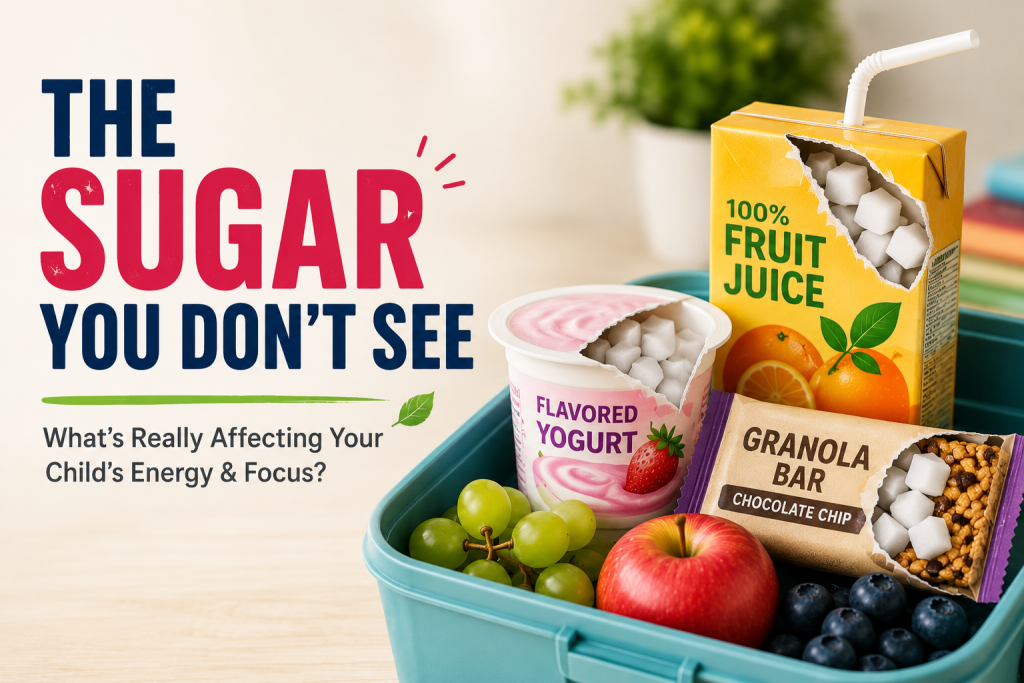
Many parents successfully limit chocolates and sweets but completely overlook hidden sugars in everyday foods. Sugar can be found in packaged fruit juices, breakfast cereals, flavoured yogurts, energy drinks, health drinks, granola bars, biscuits, and processed savory snacks.

Food manufacturers often use different names for sugar to hide them on the ingredient list, including:

  • Dextrose
  • Maltodextrin
  • Glucose syrup
  • Fructose
  • Barley malt
  • High-Fructose Corn Syrup (HFCS)

Reading ingredient labels can reveal surprising amounts of added sugar in foods aggressively marketed as “healthy.”

The Fruit Juice Trap

Whole fruits naturally contain sugar, but they also provide fibre, water, antioxidants, and micronutrients. These nutrients slow digestion and help children feel full.

Packaged fruit juices, however, have all the fiber stripped away. They contain concentrated sugars that hit the bloodstream instantly. As a result, children may consume far more sugar than they realise while feeling hungry again soon afterwards. Whenever possible, choose whole fruits over packaged juices.

Building Stable Energy Throughout the Day

Instead of focusing only on what to remove from your child’s diet, focus on what to add. Small changes can make a significant difference in their mood and behavior.

  • Start With a Protein-Rich Breakfast: Including foods such as eggs, paneer, milk, curd, nuts, or sprouts can help provide longer-lasting energy and improve satiety right at the start of the school day.
  • Pair Carbohydrates With Protein or Healthy Fats: For example, serving fruit with nuts, whole-grain toast with peanut butter, or yogurt with seeds can help slow sugar absorption and reduce energy crashes.
  • Encourage Regular Meal Timings: Long gaps between meals often increase severe cravings for sugary foods and quick energy sources.
  • Prioritise Sleep and Physical Activity: A well-rested, physically active child is generally much better equipped to regulate their mood, focus, and appetite.

Practical Ways to Reduce Sugar Dependence

Healthy habits are built gradually. Trying to eliminate all sugary foods overnight often leads to intense frustration for both parents and children. Instead:

  • Create a Treat Routine: Allow occasional treats (like on the weekend) instead of making sweets a daily expectation or reward.
  • Swap Sugary Drinks: Replace soft drinks, packaged juices, and sweetened beverages with water, buttermilk, coconut water, or homemade smoothies.
  • Offer Better Snack Options: Try roasted makhana (fox nuts), fruit with nuts, hummus with vegetables, plain yogurt, or homemade sandwiches instead of packaged biscuits.
  • Make Desserts at Home: Using naturally sweet ingredients like fruits or dates allows you much greater control over the added sugar going into their bodies.

Sugar is not the direct cause of hyperactivity that many people believe it to be. However, excessive sugar consumption absolutely contributes to energy crashes, mood fluctuations, poor concentration, and unhealthy eating habits that affect a child’s overall wellbeing.

Rather than fearing sugar, parents should focus on creating balanced eating patterns that support stable energy, healthy physical growth, and emotional resilience. Small, consistent improvements often have a far greater impact than strict food rules.

Pro Tip: Use the GOQii App to track your child’s meals, activity levels, sleep, and daily habits. Over time, these patterns can reveal valuable insights into how nutrition influences their mood, focus, and energy levels. Your GOQii Personalised Health Coach can help you build practical, family-friendly strategies that support healthier eating habits without unnecessary restrictions!

Frequently Asked Questions (FAQs)

  1. Does sugar really make kids hyperactive?

Research does not support a direct link between sugar and clinical hyperactivity (like ADHD). However, rapid blood sugar fluctuations and crashes heavily affect mood, focus, and behaviour, often mimicking hyperactivity.

  1. Are honey and jaggery healthier than sugar?

While they contain small amounts of trace minerals, they are still simple forms of sugar and the body metabolizes them the same way as white sugar. They should still be consumed in strict moderation.

  1. Why does my child constantly crave sweets?

Sugar activates reward pathways (dopamine) in the brain. Furthermore, inadequate protein, poor sleep, irregular meals, and habitual snacking may increase physiological cravings for quick energy.

  1. Is fruit better than fruit juice?

Yes. Whole fruits contain natural dietary fibre and nutrients that slow sugar absorption, prevent blood sugar spikes, and improve long-term satiety.

#BeTheForce

Disclaimer: This article is intended for educational purposes only. If you notice significant behavioural changes, persistent fatigue, severe food sensitivities, or concerns about your child’s growth and development, consult a qualified paediatrician or nutrition professional.
May 15, 2026 By Jyoti Sawant 4 Comments

Eat Healthy At Work: Quick & Easy Snacks You Can Eat In The Office

eat healthy at workSnacking is an important part of a balanced diet. However, when it comes to snacking at work, many of us find ourselves staring at a vending machine or scrolling through food delivery apps, unsure of what to eat. One of the main reasons people struggle to maintain healthy eating habits in the office is a lack of time. In today’s fast-paced world, fast food seems like the easiest solution. Fortunately, there are plenty of quick, easy, and affordable healthy snacks that can keep you on track.
How to Eat Healthy At Work 

Swap fast food and unhealthy snacks with these healthier alternatives while at work:

1. Fat-Free Yogurt

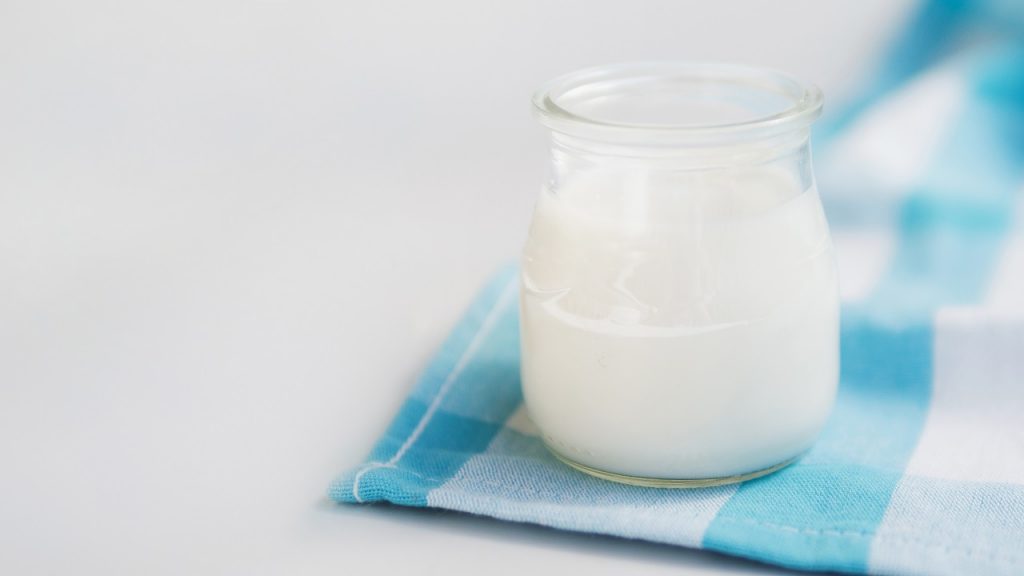
Greek yoghurt is a nutritious and satisfying option. Opt for low-fat or skimmed milk versions for a healthier choice. You can enhance the flavour with a drizzle of honey or a sprinkle of jaggery. Adding fresh berries, apple slices, or bananas makes it even more nutritious!
2. Wholewheat Crackers & Peanut Butter

Pair multigrain wheat crackers with natural peanut butter for a filling and nutrient-dense snack. This combination provides complex carbohydrates and protein, keeping you energised and full for longer.

3. Nuts and Seeds

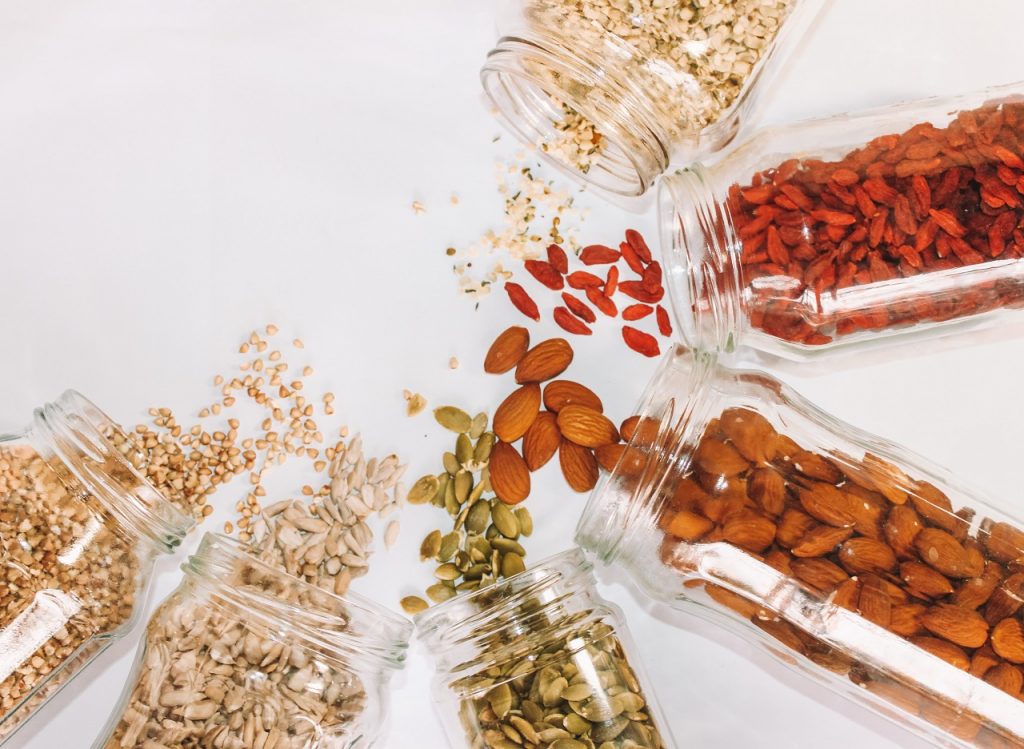
Instead of reaching for crisps or chocolate bars, opt for nuts and seeds. These are packed with protein, fibre, and healthy fats, making them a far better choice than snacks high in refined sugars and empty calories.
4. Fresh Fruits

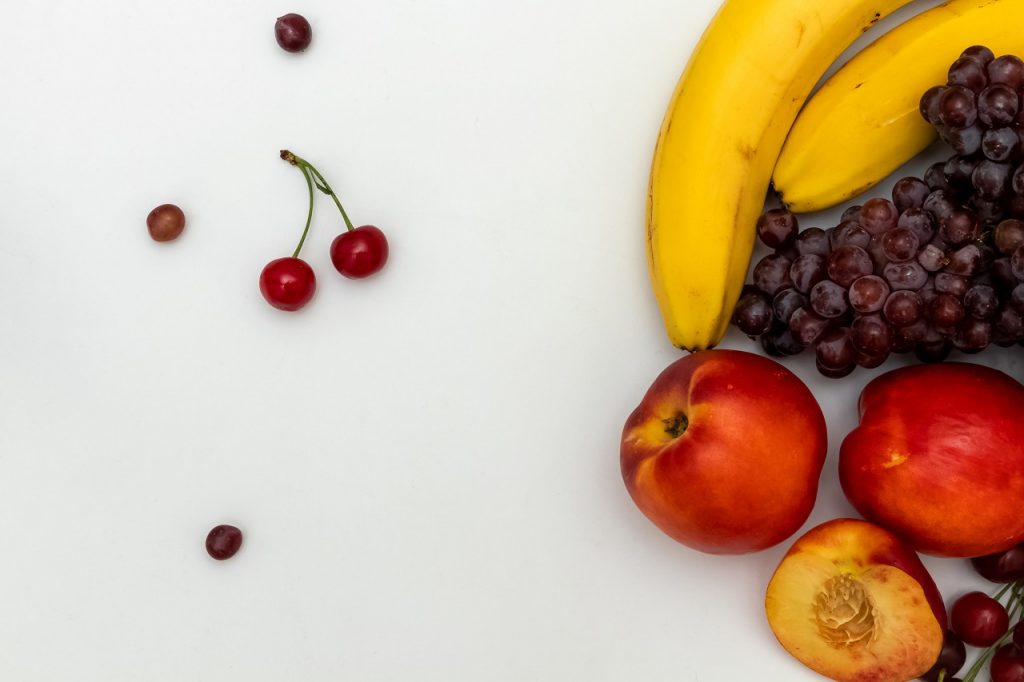
Fruits offer natural sugars that provide a quick energy boost. Options like strawberries, oranges, apples, bananas, and melons are packed with antioxidants, vitamins, and fibre—perfect for keeping you refreshed and focused.
5. Instant Oatmeal

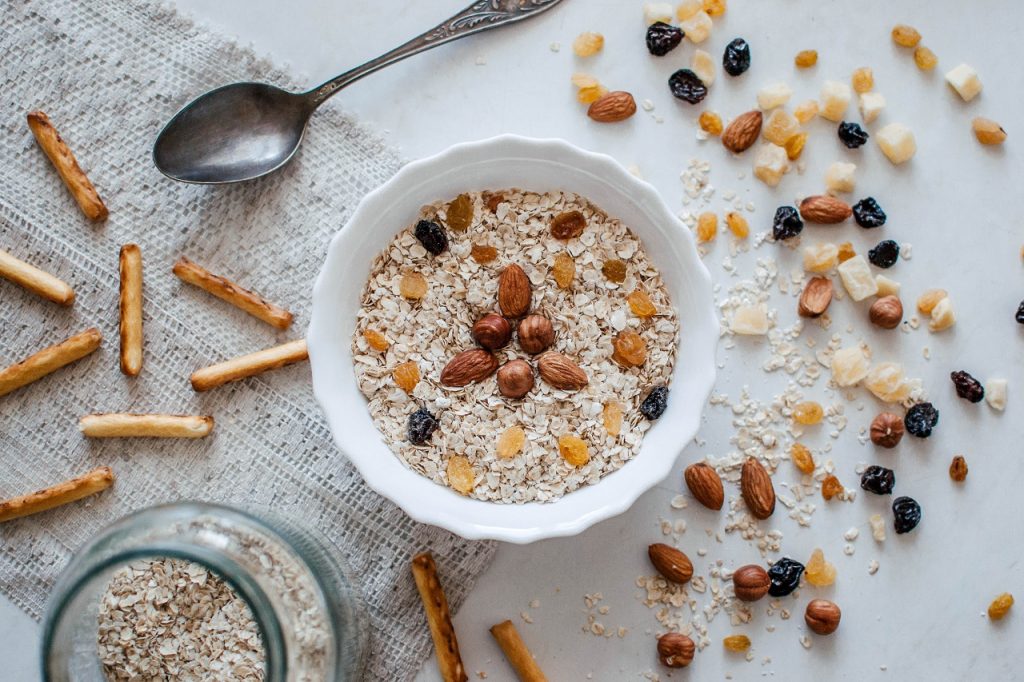
A plain instant oatmeal packet makes for a comforting yet healthy snack. Add your own raisins, cinnamon, or nutmeg to enhance the flavour while keeping sugar levels in check. Oats are known to reduce the risk of heart disease and provide long-lasting energy.
6. Stir-Fried Veggies

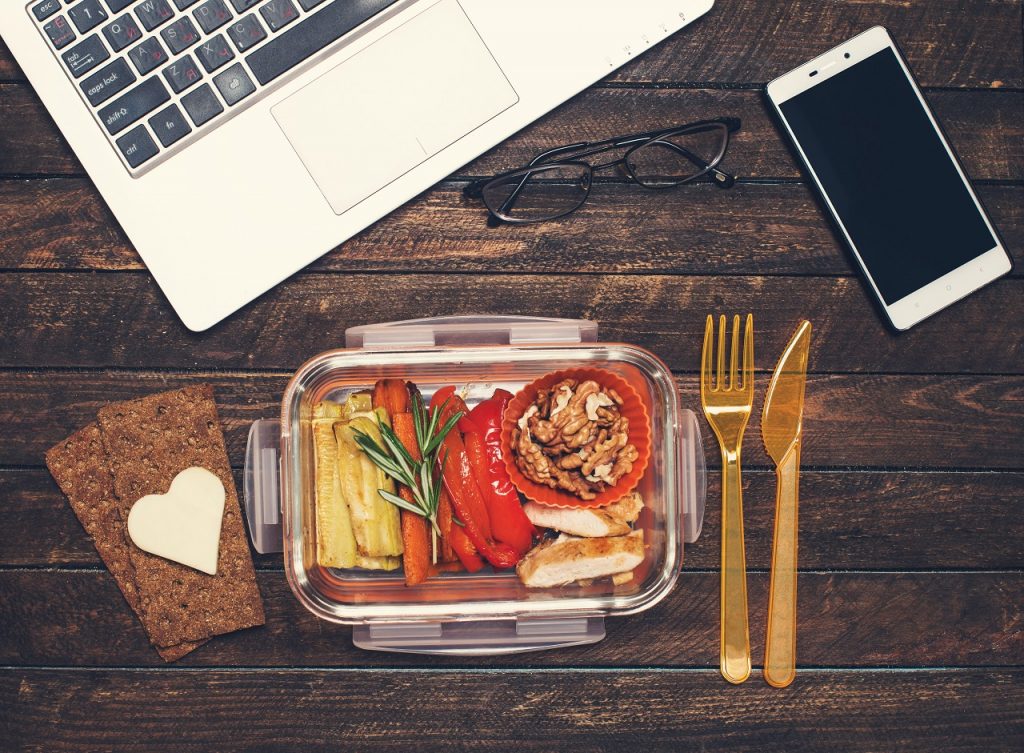
Pack a portion of stir-fried fresh vegetables like cherry tomatoes, celery, carrots, and green beans. These are rich in vitamins, minerals, and fibre, keeping you full and nourished throughout the day.

7. Boiled Egg With Seasoning

Hard-boiled eggs are an excellent source of protein and help stabilise blood sugar levels. Simply slice a boiled egg in half, sprinkle some salt, pepper, or a pinch of smoked paprika, and enjoy a flavourful, protein-rich snack.

8. Low-Fat Popcorn

Popcorn isn’t just for movies! This low-calorie, high-fibre snack can satisfy cravings for something crunchy and salty—just be sure to choose a low-fat version without excessive butter or salt.

9. Protein Bars

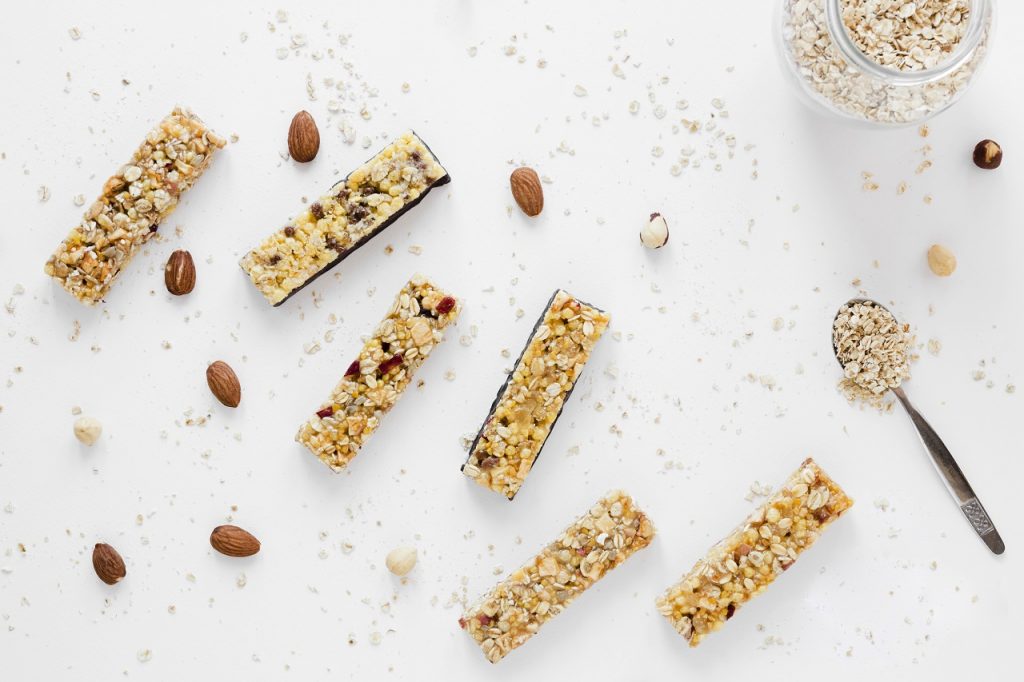
Not all protein bars are created equal—some are packed with sugar and calories. Look for bars that contain fruit, nuts, and fewer than 200 calories. You can also make homemade protein bars using healthy ingredients like oats, nuts, and seeds.

It’s time to ditch vending machines and food delivery apps in favour of healthier choices. By preparing quick, easy, and nutritious snacks, you can stay energised, focused, and productive at work.

Which healthy office snack is your favourite? Let us know in the comments!

#BeTheForce

May 10, 2026 By GOQii Leave a Comment

Mother’s Day 2026: 5 Meaningful Ways to Give the Gift of Health

Mothers are the ultimate caregivers. From the moment we are born, they spend their lives prioritizing our needs, our schedules, and our well-being often putting their own health on the back burner in the process.
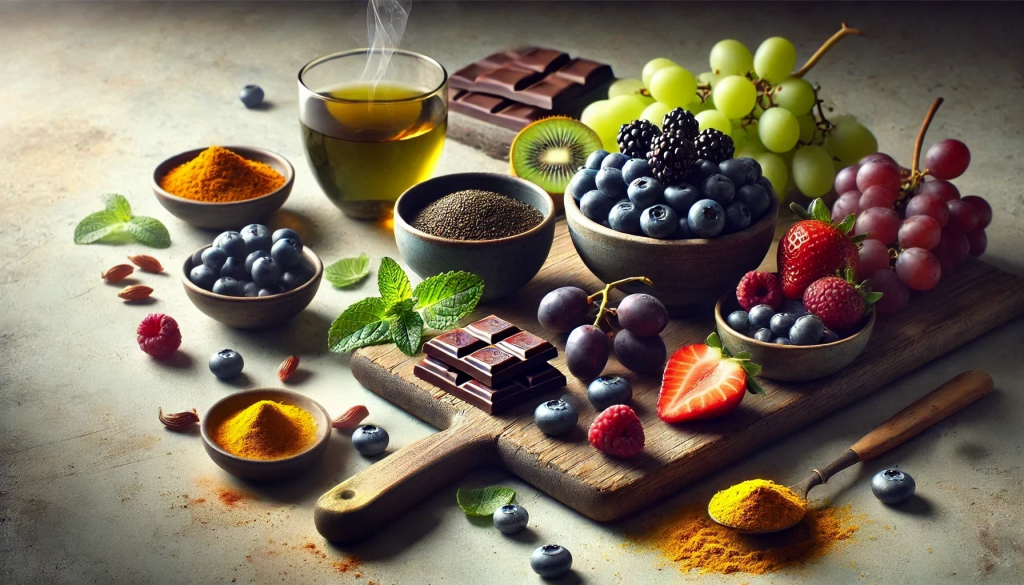
Every year, we celebrate Mother’s Day with beautiful bouquets, greeting cards, and boxes of chocolate. While these gestures are sweet, flowers fade and chocolates disappear. What if, this year, you gave her something that truly lasts? What if you gave her the gift of health?

This Mother’s Day, let’s shift the focus toward empowering the women we love to take care of themselves. Here are 5 practical, meaningful ways to help your mom prioritize her physical and mental well-being.

  1. Schedule a Comprehensive Health Check-Up

As women age, their bodies undergo significant hormonal and metabolic changes, particularly during and after menopause. Unfortunately, many mothers skip their routine doctor visits because they are too busy taking care of everyone else.

The Gift: Take the initiative to book a comprehensive health screening for her. Depending on her age, this should include a lipid profile, thyroid panel, blood sugar tests, a mammogram, and a bone mineral density (BMD) test to check for osteoporosis. Offer to drive her to the appointment and take her out for a healthy lunch afterward!

  1. Upgrade Her Daily Nutrition (By Helping Out!)

Mothers often spend hours in the kitchen cooking meals that cater to the family’s preferences, sometimes neglecting their own nutritional needs. As they age, women need higher amounts of high-quality protein, calcium, and Vitamin D to maintain muscle mass and bone health.

The Gift: Take over the kitchen duties a few times a week, or subscribe her to a healthy meal delivery service. You can also work together to stock the pantry with nutrient-dense superfoods like roasted makhana, mixed nuts, and seeds so she always has healthy snacking options on hand.

  1. Create a Shared Fitness Routine

Telling someone to “exercise more” rarely works, but inviting them to spend quality time with you while being active is highly effective. Regular movement helps improve cardiovascular health, boosts mood, and prevents age-related mobility issues.

The Gift: Instead of buying her a gym membership she might not use, create a shared routine.

  • Schedule a 30-minute evening walk together after dinner.
  • Enroll in a local beginner’s yoga or water aerobics class together.
  • Plan weekend nature hikes. By making fitness a bonding activity, she is much more likely to stay consistent and enjoy the process.
  1. Prioritize Her ‘Me-Time’ and Mental Health

The mental load of motherhood is heavy, and chronic stress severely impacts physical health, leading to poor sleep, weight gain, and high blood pressure. Real wellness is not just about moving the body; it is about resting the mind.

The Gift: Give her the gift of uninterrupted time. Take over her weekend chores so she can sleep in. Set up a relaxing corner in the house with her favorite books, or treat her to a professional massage or spa day. Encourage her to engage in hobbies that have nothing to do with managing the household.

  1. Introduce Smart Health Tracking

Sometimes, the best way to motivate someone is to give them the tools to see their own progress. Wearable technology makes health tracking fun, interactive, and highly insightful.

The Gift: Equip her with a smart fitness tracker (like the GOQii Smart Vital) so she can effortlessly monitor her daily step count, heart rate, blood oxygen levels, and sleep quality. It is a fantastic way for her to stay mindful of her daily habits and take control of her fitness journey.

The greatest way to say “I love you” this Mother’s Day is to ensure your mom has the support, resources, and encouragement she needs to live a long, healthy, and vibrant life.

If you want to give her the ultimate health upgrade, consider gifting her a subscription for Personalised Health Coaching directly in the GOQii App. A dedicated coach can guide her through fitness, nutrition, and stress management at her own pace!

Frequently Asked Questions (FAQs)

  1. What are the most important health check-ups for women over 50?

Women over 50 should prioritize regular blood pressure checks, comprehensive cholesterol panels, blood glucose tests, mammograms (for breast cancer screening), bone density scans (to check for osteoporosis), and routine eye and dental exams.

  1. How can I motivate my mom to start exercising if she has never been active?

Start small and focus on activities she enjoys. Do not push for intense gym sessions. Instead, suggest light walking, gardening, or gentle stretching. The key is to join her having a workout buddy makes the process feel less intimidating and more like quality time.

  1. What dietary changes are most beneficial for older women?

Older women should focus on increasing their calcium and Vitamin D intake for bone health, consuming adequate lean protein to prevent muscle loss, and eating plenty of fiber-rich fruits and vegetables to support digestion and heart health.

#BeTheForce #MothersDay2026

Disclaimer: This article is intended for educational and informational purposes only and should not be considered a substitute for professional medical advice, diagnosis, or treatment. Always consult with a qualified healthcare provider before starting any new fitness routine, diet plan, or undergoing medical screenings.

February 4, 2026 By Shazia Sadruddin Leave a Comment

Unleashing the Power of Polyphenols: A Vital Ally for Cancer Survivors

Imagine if the foods you love could shield you from cancer and aid in your recovery. Enter polyphenols, a family of over 8,000 plant compounds found in fruits, green and black tea, coffee, red wine, chocolate, and seeds. These natural substances have demonstrated remarkable potential in cancer treatment, especially after conventional therapies, by minimizing side effects and enhancing their effectiveness.


Polyphenols: Nature’s Cancer Combatants

Polyphenols exhibit both chemo preventive and chemotherapeutic effects, helping to prevent and potentially treat cancer. Here’s how:

  1. Suppressing Tumor Formation and Angiogenesis: Polyphenols can inhibit the growth of new blood vessels that feed tumors.
  2. Preventing Metastasis: They can reduce the spread of cancer cells.
  3. Triggering Apoptosis: Polyphenols can induce programmed cell death in cancer cells.
  4. Regulating Immune Responses: They can enhance the body’s natural defense mechanisms.
  5. Protecting Healthy Cells: Polyphenols safeguard cells from harmful free radicals.

Key Polyphenols in Cancer Treatment

Most studies focus on individual substances within the polyphenol family, each with unique anticancer properties:

  • Resveratrol: Found in grapes and red wine, resveratrol is linked to the suppression of glucose uptake, metastasis, and the induction of apoptosis in cancer cells.
  • EGCG (Epigallocatechin Gallate): Found in green tea, EGCG can regulate cancer cell growth, metastasis, and angiogenesis by altering various biological processes.
  • Curcumin: Found in turmeric, curcumin suppresses cell growth and angiogenesis, halts cell cycle progression in tumor cells, and triggers apoptosis across different cancer models.

The Role of Polyphenols in Cancer Survivors

Polyphenols play several crucial roles in supporting cancer survivors:

  1. Antioxidant Properties: By neutralizing free radicals, polyphenols reduce oxidative stress, protecting cellular integrity and supporting overall health in cancer survivors.
  2. Anti-inflammatory Benefits: Chronic inflammation is a risk factor for cancer progression and recurrence. Polyphenols’ anti-inflammatory properties help mitigate this risk, improving overall health.
  3. Modulation of Cell Signaling Pathways: Polyphenols influence cell signaling pathways involved in cancer progression, inhibiting those that lead to cell proliferation and metastasis while promoting those that induce apoptosis.
  4. Immune System Support: Some polyphenols enhance the immune system’s ability to fight off cancer cells, maintaining a robust defense against potential cancer cells and other diseases.
  5. Improved Gut Health: Polyphenols promote beneficial bacteria growth and inhibit harmful bacteria, crucial for a healthy gut microbiome and a strong immune system, especially important for those with compromised immune systems due to cancer treatments.

Incorporating Polyphenols into Your Diet

While the benefits of polyphenols are promising, they should be part of a balanced diet and healthy lifestyle. Cancer survivors should aim to consume a variety of polyphenol-rich foods, as whole foods provide a complex mix of nutrients and bioactive compounds that work synergistically.

Practical Tips

  • Enjoy a cup of green tea daily: Packed with EGCG (epigallocatechin-3-gallate, a major catechin found in green tea) it’s a delicious and healthy way to support your health.
  • Add berries to your meals: Rich in various polyphenols, they’re a versatile and tasty addition to breakfast, smoothies, or desserts.
  • Incorporate turmeric into your cooking: Spice up your dishes while reaping the benefits of curcumin.

A balanced and varied diet, along with a healthy lifestyle, is key to maximizing the benefits of polyphenols and supporting long-term health and well-being. Have you noticed any benefits from including polyphenol-rich foods in your diet? Share your story in the comments below!

We hope this article helps you. For further information or guidance, reach out to our certified experts by subscribing to GOQii’s Personalised Health Coaching here.

#BeTheForce

Disclaimer: The information provided in this blog is for general awareness and educational purposes only. It is not intended to replace professional medical advice, diagnosis, or treatment. Always consult a qualified healthcare provider for personalised medical guidance or concerns related to your health.

  • « Previous Page
  • 1
  • 2
  • 3
  • 4
  • 5
  • …
  • 29
  • Next Page »

Search

Recent Posts

  • World AMR Awareness Week 2026: when you need antibiotics, and simple steps to prevent AMR
  • PCOS: diet, exercise and the myths to stop believing
  • Cholesterol numbers explained: LDL, HDL and triglycerides
  • International Men’s Day 2026: why men’s health is everyone’s business
  • World COPD Day 2026: Short of Breath? Think COPD – Why Early Diagnosis Matters

Stay Updated

Archives

  • November 2026 (21)
  • October 2026 (23)
  • September 2026 (5)
  • August 2026 (8)
  • July 2026 (24)
  • June 2026 (22)
  • May 2026 (20)
  • April 2026 (24)
  • March 2026 (18)
  • February 2026 (14)
  • January 2026 (14)
  • December 2025 (19)
  • November 2025 (14)
  • October 2025 (17)
  • September 2025 (6)
  • August 2025 (5)
  • July 2025 (9)
  • June 2025 (18)
  • May 2025 (16)
  • April 2025 (22)
  • March 2025 (25)
  • February 2025 (21)
  • January 2025 (25)
  • December 2024 (21)
  • November 2024 (21)
  • October 2024 (15)
  • September 2024 (22)
  • August 2024 (27)
  • July 2024 (14)
  • June 2024 (23)
  • May 2024 (26)
  • April 2024 (27)
  • March 2024 (27)
  • February 2024 (23)
  • January 2024 (21)
  • December 2023 (14)
  • November 2023 (10)
  • October 2023 (18)
  • September 2023 (20)
  • August 2023 (16)
  • July 2023 (16)
  • June 2023 (21)
  • May 2023 (20)
  • April 2023 (19)
  • March 2023 (23)
  • February 2023 (19)
  • January 2023 (15)
  • December 2022 (11)
  • November 2022 (15)
  • October 2022 (15)
  • September 2022 (12)
  • August 2022 (9)
  • July 2022 (17)
  • June 2022 (11)
  • May 2022 (10)
  • April 2022 (6)
  • March 2022 (6)
  • February 2022 (13)
  • January 2022 (11)
  • December 2021 (7)
  • November 2021 (3)
  • October 2021 (6)
  • September 2021 (3)
  • August 2021 (8)
  • July 2021 (7)
  • June 2021 (15)
  • May 2021 (16)
  • April 2021 (10)
  • March 2021 (7)
  • February 2021 (4)
  • January 2021 (4)
  • December 2020 (3)
  • November 2020 (4)
  • October 2020 (10)
  • September 2020 (3)
  • August 2020 (3)
  • July 2020 (2)
  • June 2020 (4)
  • May 2020 (10)
  • April 2020 (12)
  • March 2020 (10)
  • February 2020 (4)
  • January 2020 (4)
  • December 2019 (3)
  • November 2019 (7)
  • October 2019 (5)
  • September 2019 (4)
  • August 2019 (9)
  • July 2019 (9)
  • June 2019 (11)
  • May 2019 (4)
  • April 2019 (8)
  • March 2019 (8)
  • February 2019 (9)
  • January 2019 (8)
  • December 2018 (9)
  • November 2018 (3)
  • October 2018 (3)
  • September 2018 (5)
  • August 2018 (10)
  • July 2018 (6)
  • June 2018 (13)
  • May 2018 (8)
  • April 2018 (17)
  • March 2018 (9)
  • February 2018 (8)
  • January 2018 (15)
  • December 2017 (12)
  • November 2017 (19)
  • October 2017 (13)
  • September 2017 (15)
  • August 2017 (4)
  • July 2017 (8)
  • June 2017 (7)
  • May 2017 (6)
  • April 2017 (8)
  • March 2017 (6)
  • February 2017 (7)
  • January 2017 (9)
  • December 2016 (10)
  • November 2016 (7)
  • October 2016 (7)
  • September 2016 (7)
  • August 2016 (11)
  • July 2016 (9)
  • June 2016 (9)
  • May 2016 (12)
  • April 2016 (17)
  • March 2016 (17)
  • February 2016 (8)
  • January 2016 (6)
  • December 2015 (2)
  • November 2015 (9)
  • October 2015 (7)
  • September 2015 (9)
  • August 2015 (11)
  • July 2015 (9)
  • June 2015 (11)
  • May 2015 (9)
  • April 2015 (13)
  • March 2015 (8)
  • February 2015 (5)
  • January 2015 (12)
  • December 2014 (14)
  • November 2014 (11)
  • October 2014 (6)
  • September 2014 (13)
  • August 2014 (12)
  • July 2014 (6)
  • June 2014 (2)
  • May 2014 (7)
  • April 2014 (4)

From Burnout to Balance: How Dr. Ranjit Reclaimed His Health

Dr Ranjit Bhatt has spent years tending to others. A practising doctor in Odisha, his days were packed with patients, surgeries, and emergencies. From the outside, it looked like a life lived in service. But on the inside, something wasn’t right. “I had no … [Read More...]

From Shimla’s Slopes to Chandigarh’s Sidewalks: Surinder Kaur Bhalla’s Journey from Chaos to Control

Some journeys start with a plan. Others begin with a stumble literally. Surinder Bhalla, a government professional, born and raised in the scenic hill town of Shimla, had always lived a life of movement. “In Shimla, you walked everywhere,” she reflects. “Walking was never an exercise. It was just life.” But after shifting to Chandigarh, […]

“I’ve Challenged Myself to Live 100 Years” – The Story of Chandubhai Savani’s Second Chance at Life

At 67, most people start slowing down. Not Chandubhai Savani. A resident of Surat, Chandubhai, thought life was on track. “My life was going well till I had my bypass surgery,” he says. That surgery, back in 2021, was a wake-up call.  Medication was routine, but exercise wasn’t. His diet? What he calls ‘normal.’ “I […]

Ananda Mukherjee Health Story

From Terminal Illness To Complete Wellness! Ananda Mukherjee Health Story

As we observe World Cancer Day under the powerful theme ‘United by Unique’ (2025-2027)**, we are reminded that every individual’s journey with cancer is distinct, yet united by shared resilience, hope, and the collective fight against this disease. This theme places people at the centre of care and their stories at the heart of the […]

  • HOME
  • HEALTHY LIVING
  • FITNESS
  • HEALTHY RECIPES
  • USER STORIES
  • KARMA
  • BUY GOQii

Copyright ©2016 GOQii

