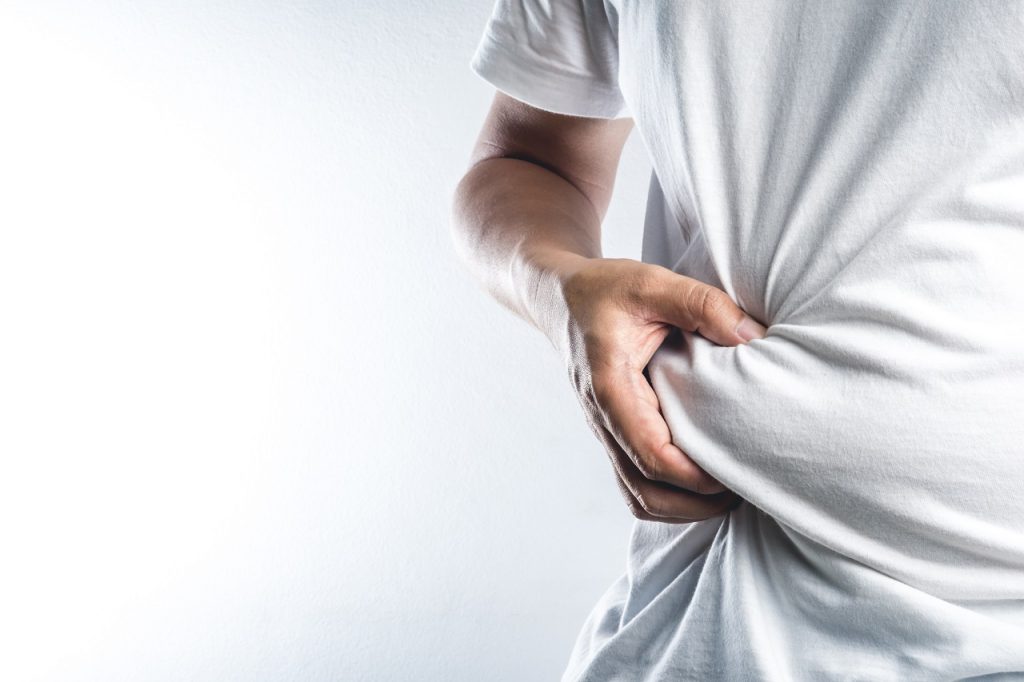
 In a previous article, we looked at some common mistakes people make when trying to lose belly fat. Here, we’ll explore some more reasons which can make it difficult for an individual to lose that stubborn fat. As mentioned before, losing belly fat that has built up over the years is no easy feat, and certain habits can make the journey even more challenging. Let’s look at them!
Reasons Why You’re Not Losing Belly Fat
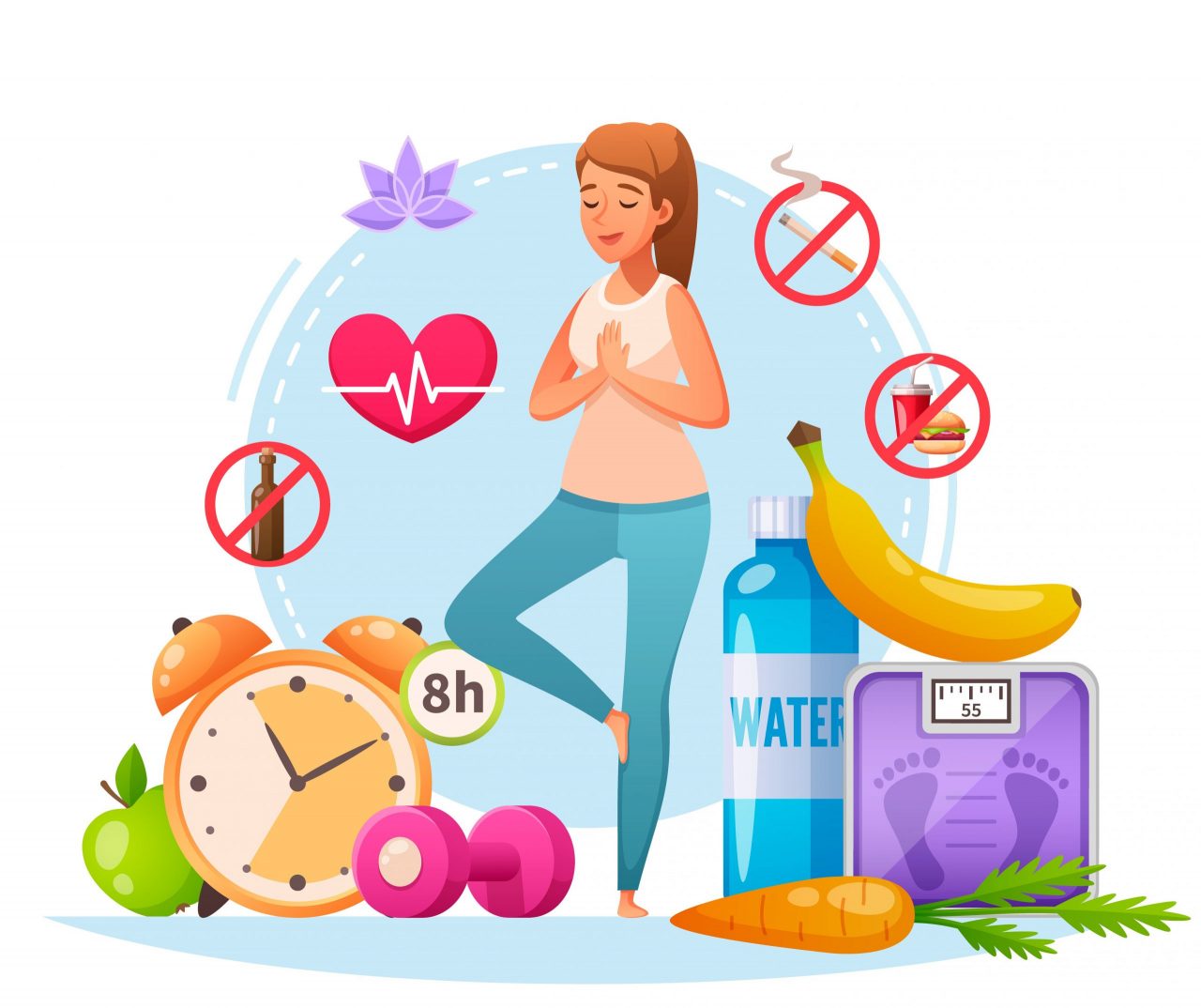
- Lack of Sleep: Sleep deprivation or disturbed sleep not only adds to physical and mental stress but also affects your food choices. For instance, you might end up reaching for junk food or simple carbs when you are unable to sleep well. Crucial processes for fat loss, muscle growth and recovery actually happen while you’re in a deep sleep. Now you can likely relate to why people with high-stress levels tend to gain weight over time, even when their portions are controlled. Aiming for 7-9 hours of quality sleep per night is very important.
- Extreme Calorie Restriction or Starvation: In my practice as a dietitian, I have come across many people who starve themselves to lose weight, especially belly fat. This is one of the worst things you can do to your body. When your body finally gets food after a long period of restriction, its first instinct is to store as many calories as possible in the form of fat, conserving energy instead of burning it. Eating small, frequent meals and avoiding long periods without food can help keep your metabolism active.
- Consuming Fruits at Night or Directly After Meals: Most people think that eating fruit at night is healthy and light on the stomach. However, fruits are a source of natural sugars (carbohydrates) that provide energy. At night, our bodies are typically less active and our metabolism naturally slows down. Thus, unused calories are more likely to get stored as fat. Similarly, having fruit immediately after a main meal increases the overall carbohydrate load of that meal and any excess carbs can be converted into fat. It’s better to enjoy fruit as a mid-meal snack, ideally before the evening, or as a great way to start your day and kick-start your metabolism.
- Sweets/Desserts Straight After Meals: Sweets such as ice cream, pudding, cake or chocolates are laden with sugar. Eating them right after a meal is a bad idea, as it can contribute to more fat deposition. That doesn’t mean you should not enjoy sweets and desserts. You can enjoy them as a mid-meal snack. If you can, it’s even better to enjoy these treats during the first half of the day. If you are a person who cannot do without a sweet treat after meals, opt for a small square of dark chocolate (over 70% cocoa) or other naturally sweetened options like a date or a small nut-and-seed bar.
- Dehydration: Consuming too little water or having an increased intake of diuretics like coffee, some teas and fizzy drinks can contribute to dehydration. In a state of dehydration, your cells and organs cannot function at their optimal level, and your metabolism can slow down. This results in the body using less energy and unused calories are more likely to be converted into fat, often stored around the midsection. When you drink less water, toxins are not flushed out of the system efficiently, which can affect organ function and further reduce your body’s metabolic rate. Aim to drink at least 2.5–3 litres (around 85–100 fl oz) of water daily. Choosing hydrating fluids like lemon water, vegetable juices, buttermilk and coconut water over sugary, caffeinated drinks will help you hydrate and rejuvenate your cells.
While you might be making these common mistakes without realising their impact, you now have a better idea of what needs to be done! By making these small changes to your lifestyle, you can make a significant difference and work towards your health goals.
We hope this article helps you on your journey to losing belly fat and maintaining healthy weight. Let us know your thoughts in the comments below!
For more articles on weight loss, check out Healthy Reads or get the right advice, tailored to your goals, from an expert, by subscribing for GOQii’s Personalised Health Coaching here.
#BeTheForce
Disclaimer: The information provided in this blog is for general awareness and educational purposes only. It is not intended to replace professional medical advice, diagnosis, or treatment. Always consult a qualified healthcare provider for personalised medical guidance or concerns related to your health. Images shown are for representation purposes only and may not depict the exact recommendations or outcomes.



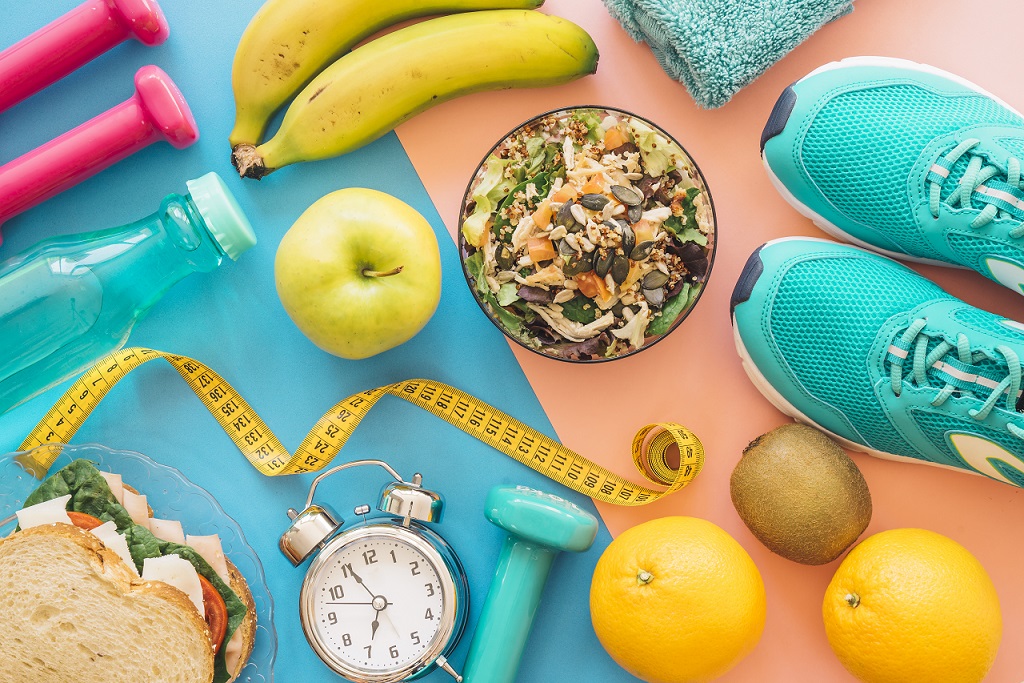 Are you struggling to lose weight? Have you tried everything from fad diets to exercise routines and health clubs but found no lasting results? Perhaps you’ve even regained the kilos as quickly as you lost them. So, when it comes to weight loss—what actually works?


