GOQii

Blog

  • HOME
  • HEALTHY LIVING
  • FITNESS
  • HEALTHY RECIPES
  • USER STORIES
  • KARMA
  • BUY GOQii

Search Results for: acid reflux

May 11, 2023 By Hajra Mithani Leave a Comment

5 Eating Habits To Avoid Before You Sleep

eating habits

Did the lockdown, work from home and everything in between during the pandemic, affect our sleep schedule? The GOQii IndiaFit Report found that there was a drop in the overall sleeping hours we experienced. From an average of 7.6 hours of sleep in 2019, we dropped to 6.8 hours in 2022. This change has led to lots of disturbed sleep or even worse – insomnia.

Lack of quality sleep can contribute to issues such as indigestion, acidity and even mental health issues such as anxiety and depression. Apart from practices like meditation, mindfulness, exercise and deep breathing techniques, even what you eat can impact your sleep. So if you’re aiming for a good night’s rest but are unable to achieve it, here are some eating habits you should avoid for a good night’s rest! 

Avoid These 5 Eating Habits Before You Sleep 

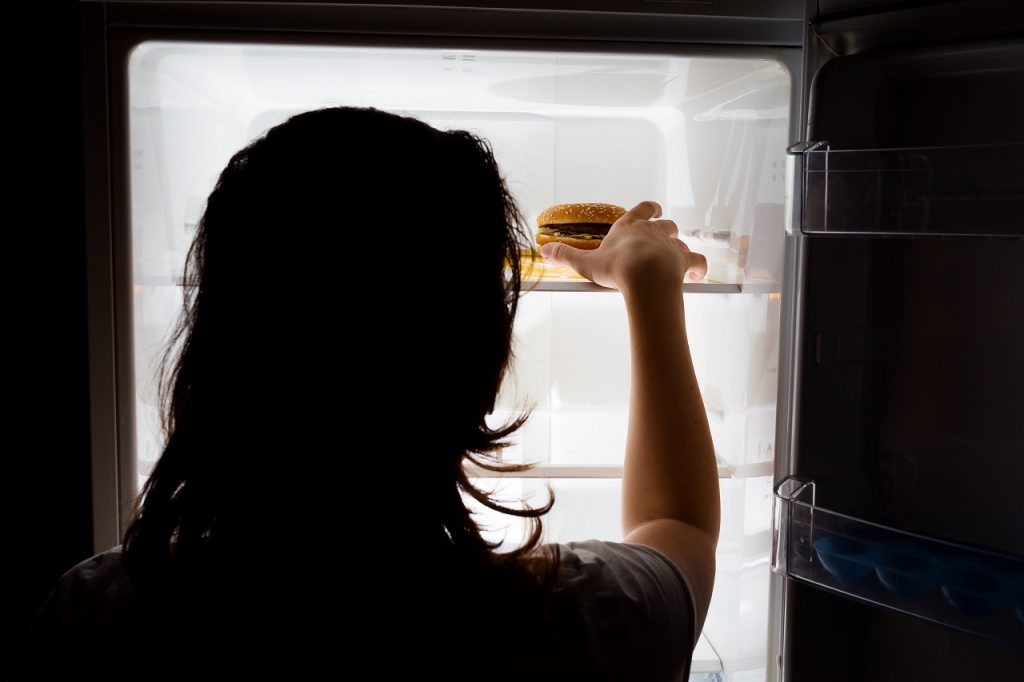
  1. Junk Food: Pizza, burgers and fries, etc. have refined flours and simple sugars which take longer to digest, disturbing your digestive system at night causing disrupted sleep. Because of their high sodium count, they can leave you feeling bloated, causing sleep-stealing discomfort. Also, you might feel thirstier after consuming junk food. Foods high in calories are digested slowly and may cause stomach upset, cramping, bloating or heartburn if eaten before bed.
  2. Sugars: Sugary food gives you an extra dose of unwanted energy, which is not needed at night. When you eat a lot of sugar before bed, your blood sugar climbs high and then falls rapidly as your body releases hormones to bring the levels under control. This swing in hormones and blood sugar levels impairs sleep. The other reason to avoid starchy or sugary food is it gives you immense energy in a very short period making the body highly active.
  3. Spicy food: Eating items like chillies before bedtime can cause indigestion which makes it difficult to sleep well. It is speculated that this may be due to capsaicin, an active ingredient in chili peppers, affecting sleep via changes in body temperature. Eating spicy food too close to bed causes acidity and worsen symptoms of gastroesophageal reflux disease (GERD). Some studies have claimed that spicy food can trigger brain waves that cause nightmares and you end up tossing and turning all night. So it might not be a good idea to gorge on to those peri-peri fries for dinner.
  4. Caffeine: It is a stimulant that increases your heart rate and alertness – the opposite effect you want when you’re trying to sleep. The role of caffeine (found in coffee, tea, chocolate, cocoa) is to make a drowsy soul active and attentive. Caffeine delays and shortens the sleeping duration of individuals. Dark chocolate has polyphenol, but it’s also a surprising source of caffeine. 20gm dark chocolate has about a quarter of the caffeine as a cup of coffee, and about half the caffeine as a cup of green or black tea. It takes 6-10 hours to eliminate caffeine, which means enjoy a dark chocolate treat at around 4 pm if you plan to sleep at 10 pm. 
  5. Alcohol: It suppresses melatonin – the hormone that regulates your internal clock and thus disrupts the circadian rhythm of the body negatively, the reason you wake up in the middle of your sleep. Alcohol also makes you dehydrated and often thirsty in the middle of the night with frequent washroom trips. It interferes with the body’s other sleep-wake regulator – its internal sleep drive. Alcohol increases levels of adenosine, a chemical that regulates sleep by rising naturally in the body. It’s adenosine-boosting effects make you sleep at times other than your natural timings, thus disturbing your natural sleep-wake cycle. 

If this article helped you catch up on your much needed hours of rest, let us know in the comments below! You can learn more about sleep here or you can discuss this topic further with a GOQii Coach by subscribing for Personalised Health Coaching here. 

#BeTheForce 
June 10, 2022 By Trupti Vyas (Pandya) 7 Comments

Causes of Bad Breath & How You Can Prevent It!

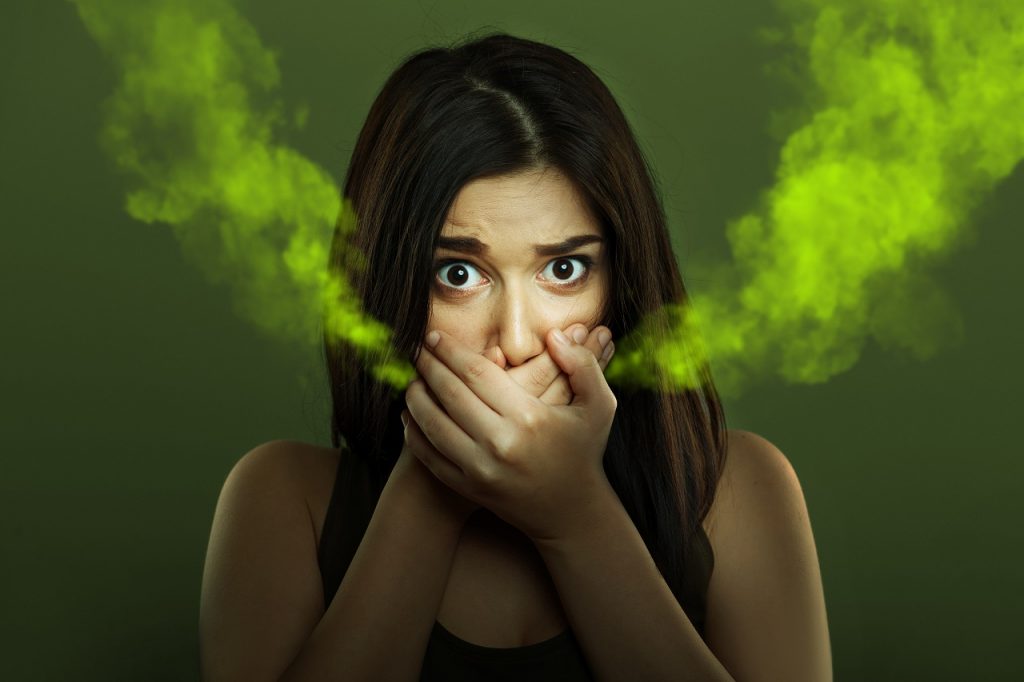
bad breathBad breath always turns people off. No amount of intelligence, beauty, or high fashion sense can make up for bad breath. It negatively affects all aspects of your life and turns you into a person who’s insecure with low self-esteem and no self-confidence at all. Imagine all the business deals and relationship opportunities you’ve missed because of your bad breath. Why suffer from this miserable condition? It’s time to take action and get rid of your bad breath. You can continue covering up those nasty odors or you can take action now to finally address your problem.
What is Morning Breath?

Morning breath is also called dragon breath or Halitosis. When food particles while eating, grind into small particles, it halts on the surface of the tongue, between the teeth or gum tissue. The bacteria in your mouth will break down those food particles which releases bad breath in the morning.

What Causes It?

  • Dryness in the mouth due to reduced saliva production at night or not drinking enough water through the day.
  • An unhealthy diet filled with salt, sugar, strong tasting foods like onion, garlic and fish, if the particles of food remain within the mouth in between your teeth.
  • Sugary diuretic drinks like tea or coffee or packed juice/soda or alcoholic beverages are additionally a standard reason for bad breath.
  • Nicotine products like cigarettes and tobacco also cause bad breath.
  • Medication like antacids, antibiotics leading to dryness in the mouth.

Serious health conditions which cause it include: 

  • Diabetes Mellitus (DM) also can contribute to bad morning breath.
  • Gut issues like IBS, Pylori infection, gastro-oesophageal reflux disease (GERD) due to regurgitation of undigested food which can cause bad breath.
  • Liver & Kidney Disorders provides you foul ammoniac breath.
  • Respiratory disorders –like Pneumonia & Bronchitis like the formation of pus.

How Can You Prevent Bad Breath?

  1. Hydration: Drink more water to moisten your mouth saliva before going to sleep at night. Keep a bottle on your nightstand just in case you wake up thirsty.
  2. Good oral hygiene: Brushing 30 min after a meal & before bedtime for a minimum of two minutes. It’s imperative to get rid of the food particles. 
  3. Tidy your tongue: Give your tongue a fast cleaning with a tongue scraper within the morning or evening after an extended day. Preferably used copper/tin scraper which has bacteria resistance properties.
  4. Oil Pulling: Every morning on an empty stomach put 1 tablespoon of cold-pressed oil within the mouth. You can use cold-pressed coconut oil/sesame oil for this purpose. Avoid using refined oil. Swish this oil within the mouth for 10 minutes then spit the oil out. This may assist you to scale back toxin not only from the mouth but also detoxify the body. Microorganism in our body is roofed with lipids (fat) so when spit the oil out the bacteria waste alongside the oil is pulled out from the digestion tract. It gives whiter teeth, fresh breath & overall healthiness. Check out other benefits of Oil Pulling here.
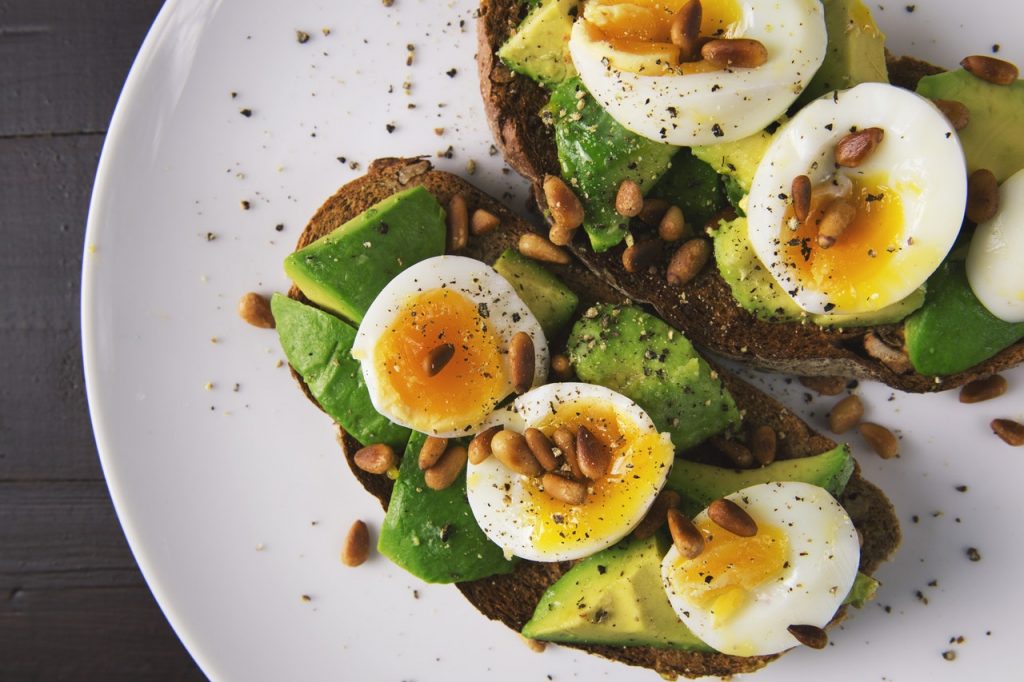
  5. Keep track of late evening/night meals: Avoid late-night snacks or sugar-rich desserts which promote bacterial growth and make your mouth acidic. Try to not eat at least 2-3 hours before bedtime. Minimize foods with strong-smell and high sulphur content like garlic, onions and boiled eggs that cause bad breath.
  6. Reduced smoking & tobacco use can improve your overall health. Chewing on fennel seeds cloves, chewing twigs like using the bark of Neem Datun are traditional practices. It helps your saliva pH+ by making more alkaline due to antibacterial properties, reducing dental cavities and bad breath.

If you suffer from bad breath, do try these suggestions. If the issue still persists, check with your dentist right away! For more useful information like this, check out Healthy Reads or ask a GOQii Coach by subscribing for personalized health coaching here: https://goqiiapp.page.link/bsr

#BeTheForce 

December 17, 2021 By Parveen Nake Leave a Comment

Should You Consider the Keto Diet?

keto diet

Lately, a lot of my patients have been asking me about the Keto Diet – if it is safe or if I would recommend it. Despite the recent hype, a Keto Diet isn’t something new. In medicine, we have been using it for around a 100 years to treat drug resistant epilepsy, especially in children.

The Keto Diet is a very low carbohydrate, high fat, adequate protein diet which had originally developed in the 1920s for managing intractable epilepsy. Later, it had been indicated in many other conditions such as obesity, diabetes, cancer, Parkinson’s disease. In recent days, Keto Diet has become increasingly popular among people trying to lose weight.

The diet primarily aims at depriving the body of glucose and putting it in a metabolic state (ketosis), in which fats are burned to produce ketone bodies. These ketones are utilized as fuel for energy production instead of glucose. In order to create this state, the dietary carbohydrates are restricted to as low as 20-25g per day and the fat to carbohydrate ratio is typically kept at 4:1 or 3:1 ratio by weight. Because it lacks carbohydrates, it is rich in protein and fats. It typically includes plenty of meats, eggs, processed meats, sausages, cheese, fish, nuts, butter, oils, seeds and fibrous vegetables.

What is Ketosis?

Glucose is the preferred fuel, especially for the brain. Glucose is also required for the complete oxidation of the fats in TCA Cycle. In conditions of starvation or drastic carbohydrates restriction (below 20g/day), i.e. when glucose is not available, fats are broken down in an alternate pathway to produce ketone bodies. These ketone bodies are utilized by the brain and other tissues for energy production instead of glucose. This condition is known as Ketosis.

What Are The Effects of a Keto Diet on Weight Loss?

The effect of Keto Diet on weight loss has been attributed to several possible factors:

  • The appetite suppressing the action of ketone bodies by modification of hormones.
  • Reduction in the accumulation of fat (lipogenesis) and breakdown of fat (lipolysis).
  • Increased metabolic cost of gluconeogenesis (breakdown of fat or protein for glucose) and thermic effect of protein.
  • High satiating effect of fats which provides the feeling of fullness for longer hours. 

Benefits of a Ketogenic Diet Beyond Weight Loss

Due to obesity, excess body fat is closely associated with insulin resistance. The metabolic disturbances associated with insulin resistance due to inefficient utilization of glucose are improved with low carbohydrate high-fat diets. These changes beneficially affect gene expression, improved resistant states, attenuate oxidative stress and inflammatory conditions.

Significant reductions in serum triglycerides, marked increase in HDL cholesterol and decrease in inflammatory markers have been observed with this diet.

Potential Risk of Following This Diet

Despite the metabolic benefits of Keto Diets, the severe carbohydrate restriction and huge fat content of the diet raises question regarding safety. The severe restriction in diet calls for inadequacies of several nutrients.

  • Selenium deficiency is noted which leads to abnormal cardiac rhythm and impaired myocardial functions.
  • Arterial stiffness, increase in LDL cholesterol occurs in about half the individuals on Keto Diet.
  • Although it might show improvements in certain cardiovascular parameters like increased HDL and lowered TGLs, this mostly in the short term. In the long term, it has been shown to cause Hepatic Steatosis (accumulation of fat in the liver), Dyslipidaemia and glucose intolerance in mice.
  • It affects calcium balance and bone health. Prolonged exposure to the acidic environment caused by the ketones in blood can lead to progressive loss of bone minerals.
  • In fact, Nephrolithiasis, a very commonly noted complication of the Keto Diet, can be attributed to increased urinary calcium which leads to stone formation.
  • High amount of fat in the diet gives rise to gastrointestinal tolerance issues which include nausea, diarrhoea, constipation and GERD(Gastro Esophageal Reflux Disease).
  • Other side effects include dehydration, Hypoglycaemia, Hyperuricemia, Pancreatitis, Ketoacidosis, low serum sodium and magnesium have been reported.

Practical Considerations To Be Taken

It is important to consider the total calorie intake, especially in context of weight loss. Reduction in total calorie intake is always important and not just replacing carbohydrate calories with fats.

With the above considerations, a modified Keto Diet can serve as an effective tool for weight loss with certain added metabolic advantage and can be advised to obese individuals having no other metabolic disorder for a limited period of time. This should, however, be followed up with a healthy and more balanced eating plan on the long term.

Please note that we do not advocate, advise or recommend fad diets to our players. Please reach out or consult your doctor, dietician or nutritionist before making changes to your diet.

For more topics on diets, nutrition and health, check out Healthy Reads or ask a GOQii Coach by subscribing for personalized coaching here: https://goqiiapp.page.link/bsr

#BeTheForce 

June 26, 2018 By Samar Hafeez 5 Comments

Know all about ‘Eating Disorders’

eating problms

DO YOU look in the mirror and pick yourself apart? Do you constantly worry about what and how you look?

Ask yourself, “What percentage of your time in a day you are preoccupied with thoughts regarding food, weight, and body image?”

If your answer is that you spend so much time with these concerns that it interferes with your happiness and daily functioning, then let me tell you that you may be having an Eating Disorder.!

What Is an Eating Disorder?

Eating Disorders are illnesses that cause serious disturbances in a person’s everyday diet. They are characterized by irregular eating habits which include inadequate or excessive food intake which can damage individual’s well-being.

In addition to abnormal eating patterns, there are severe distress or concern about body weight and shape. An Eating Disorder also includes your beliefs about food and how they impact your body.

Who Suffers From Eating Disorder?

Eating disorders can develop during any stage in life but typically it appears during teen years or young adulthood but, may also develop in childhood. It can affect both men and women, however, it’s more common in women.

Eating disorder when manifested at a young age can cause severe impairment in growth development, and overall mental and social well- being.

Let’s move on to knowing three most common types of Eating Disorders

ANOREXIA NERVOSA

The Term Anorexia Nervosa literally means “Lack of Appetite induced by Nervousness”

This is perhaps the best- known eating disorder. It causes its sufferers to excessively fear to be overweight and restrict their eating habits in an unhealthy, dangerous way which leads to a significantly low body weight.

Male and female suffering from Anorexia show following hallmarks

  • Extremely limited food intake
  • Obsessive intense fear of weight gain
  • Problems with body image (Unrealistic perception of the body) and a low self-esteem
  • Denial of low body weight

Overtime, the following symptoms may develop as the body goes into starvation

Physical symptoms

  • Menstrual cessation
  • Osteopenia or osteoporosis(Thinning of bones)
  • Anaemia
  • Fatigue
  • Brittle nail and hair
  • Skin dries and can take on a yellowish cast
  • Severe constipation, Low BP

Emotional and behavioural symptoms

  • Excessive/Compulsive exercising
  • Frequently skipping a meal or refusing to eat
  • Denial of hunger
  • Frequent checking in the mirror for ‘perceived’ flaws
  • Flat mood(Lack of emotion)
  • Low self-esteem
  • Irritability
  • Low sex drive

BULIMIA NERVOSA

The Greek word for Bulimia is BOULIMIA which means extreme hunger. Patients with bulimia nervosa eat frequently in a discrete period of time (example within any 2 hour period) they also have a sense of lack of control over eating during the episode.

They often consume thousands of calories that are high in sugars, carbohydrates and fats. They can eat rapidly, sometimes gulping food without even tasting it.

After a binge, they PURGE their bodies of food and calories they FEAR by using laxatives, enemas, diuretics, vomiting or by excessive exercise. People with Bulimia can be underweight, overweight or even obese.

Many people don’t know when a family member or friend has Bulimia nervosa because they almost always hide their binges but Bulimia nervosa does have symptoms that should raise red flags:-

Physical Symptoms

  • Chronically inflamed or a sore throat
  • Salivary glands in the neck and below jaw bone swollen; cheeks and face often become puffy
  • Tooth enamel wears off and begins to decay from exposure to stomach acids
  • Constant vomiting causes GERD (Gastro oesophagal reflux disease)
  • Laxative and Diuretic abuse cause kidney and intestinal problems
  • Frequent Severe dehydration from purging of fluids

Emotional and Behavioural symptoms

  • Negative/distorted self- image
  • Hoarding or hiding food
  • Social withdrawal
  • Extreme guilt and sadness
  • Excessive worry about body weight and shape

binge eating

BINGE EATING DISORDER

It is a form of compulsive OVEREATING. Sufferers feel a compulsion to eat large amounts of food and as though they cannot stop and UNLIKE PEOPLE WITH BULIMIA, THEY DO NOT TRY TO PURGE OR GET RID OF FOOD BY INDUCING VOMITING AND BY USING OTHER UNSAFE PRACTICES.

Symptoms are more or less similar to Bulimia nervosa except for purging and laxative abuse.

Binge eaters eat a large amount of food when not feeling physically hungry, binge eating episodes typically take place in private and can last for hours or a whole day. It is common for sufferers to feel distressed or guilty about their lack of control, it is this shame and guilt that can prevent a person from talking and seeking help.

CAUSES

Eating disorders are complex thus are influenced by a facet of factors. Though the exact cause is unknown, it is generally believed that a combination of biological, psychological, and/or environmental abnormalities contribute to the development.

Certain psychological, biological/genetic, and personality traits may predispose people to develop eating disorders.

However specific traits are linked to each of the disorders. People with Anorexia tend to be perfectionists and with bulimia and binge eating disorder impulsive nature is common. Hormonal irregularities and nutritional deficiencies can be among causes. As discussed earlier in this blog, negative body image, dissatisfaction with one’s body and low self-esteem can help build tendency towards abnormal eating patterns.

Among Socio-cultural factors, the media has the largest influence on people especially teens and young adults. The media pushes body image, clothes, fast food and weight loss with unrealistic results, the combination of all these lead teens and young adults down the road to eating disorders and a confusing self- image.

And on another side of continuum popular social media pages and videos with a variety of recipes and restaurants tempt people to eat more and more.

Other causes include disruptive thinking patterns and an inability to understand the healthy relationship between food and hunger, family dysfunctions and major life stressors/changes, negative emotions or traumas such as rape, childhood sexual abuse or death of loved ones can also trigger eating disorders.

Even a happy event, such as giving birth can lead to an eating disorder because of the stressful impact of the event on an individual’s new role and body image.

IMPORTANCE OF TREATMENT

Eating disorder untreated can have serious consequences like Malnutrition, stunted growth, osteoporosis, reduced metabolic rate, critically low blood pressure, serious heart, kidney and liver damages, obesity, diabetes (TYPE 1 AND 2), depression, anxiety, obsessive-compulsive disorder and substance abuse, cardiac arrests and even death!

Remember, the sooner the treatment starts, the better it is. The longer abnormal eating patterns continue the more deeply ingrained they become and more difficult to treat.

EFFECTIVE TREATMENT METHODS

  • PSYCHOTHERAPY
    • Cognitive Behaviour Therapy is a therapy focussing on the beliefs, values, maladaptive cognitive processes and negative emotions which are associated with meaning of weight, shape and appearance, it aims at reducing destructive eating patterns and restoring a healthy relationship with food. Psychologists identify important issues associated with causes of destructive eating habits and develop CBT plan respectively.
    • Dialectical Behavioural Therapy is a form of psychotherapy that helps to cope with painful emotions. The focus is on individuals who react to emotional circumstances with extreme behaviours. Weekly sessions help a person with Eating disorder practice mindful eating, distress tolerance and emotional regulation which focus on identifying barriers to changing emotions to constructive ones and to increase positive emotional events.
    • Incorporating Family, Group and Marital Therapy: This can be helpful in addressing the underlying causes of eating disorders and help prevent relapses by resolving interpersonal issues which are related to eating disorders.
  • Nutritional Counselling: This would involve a nutritionist’s guiding plan through weight restoration and stabilization, guidance for normal eating by keeping a food journal which includes type of food, amount, benefits, feelings thoughts associated with intake of food and drink, it also includes which binge foods are to be avoided. The inclusion of individualized meal plans for specific patients to improve nutritional intake is created.
  • Medication: Some patients with Bulimia Nervosa benefit from placebo or anti- depressants. But, medication should always be paired with psychotherapy and nutritional counselling.

A holistic approach involving all above methods/ways with an experienced team of caregivers and healthcare professionals can help patients suffering from eating disorder regain control of their eating behaviour and their lives!

Good Health is more than just being free from disease or injury. A healthy lifestyle helps you feel good, have a vibrant energy and maintain a positive outlook on life thereby contributing to your physical, mental, social well- being. Your mental health is as important as physical health and work hand-and-hand. Letting go of your eating disorder is one of many ways to move towards good health!


  • « Previous Page
  • 1
  • …
  • 5
  • 6
  • 7
  • 8
  • Next Page »

Search

Recent Posts

  • 10 Everyday Habits That Could Be Hurting Your Health
  • Why Good Nutrition Matters: Benefits of Healthy Eating for a Healthy Life
  • Monsoon Health Tips: How to Boost Your Immunity During Seasonal Changes
  • Yoga for Healthy Ageing: Simple Practices to Add Life to Your Years
  • Calming Your Mind: Breathing Techniques for ADHD

Stay Updated

Archives

  • June 2026 (22)
  • May 2026 (20)
  • April 2026 (24)
  • March 2026 (18)
  • February 2026 (14)
  • January 2026 (14)
  • December 2025 (19)
  • November 2025 (15)
  • October 2025 (20)
  • September 2025 (6)
  • August 2025 (6)
  • July 2025 (11)
  • June 2025 (18)
  • May 2025 (16)
  • April 2025 (22)
  • March 2025 (27)
  • February 2025 (21)
  • January 2025 (25)
  • December 2024 (22)
  • November 2024 (23)
  • October 2024 (20)
  • September 2024 (23)
  • August 2024 (29)
  • July 2024 (20)
  • June 2024 (25)
  • May 2024 (26)
  • April 2024 (27)
  • March 2024 (27)
  • February 2024 (23)
  • January 2024 (21)
  • December 2023 (14)
  • November 2023 (10)
  • October 2023 (19)
  • September 2023 (22)
  • August 2023 (18)
  • July 2023 (21)
  • June 2023 (23)
  • May 2023 (20)
  • April 2023 (19)
  • March 2023 (23)
  • February 2023 (19)
  • January 2023 (15)
  • December 2022 (11)
  • November 2022 (15)
  • October 2022 (15)
  • September 2022 (12)
  • August 2022 (10)
  • July 2022 (17)
  • June 2022 (11)
  • May 2022 (10)
  • April 2022 (6)
  • March 2022 (6)
  • February 2022 (13)
  • January 2022 (11)
  • December 2021 (7)
  • November 2021 (3)
  • October 2021 (6)
  • September 2021 (3)
  • August 2021 (8)
  • July 2021 (7)
  • June 2021 (15)
  • May 2021 (16)
  • April 2021 (10)
  • March 2021 (7)
  • February 2021 (4)
  • January 2021 (4)
  • December 2020 (3)
  • November 2020 (4)
  • October 2020 (10)
  • September 2020 (3)
  • August 2020 (3)
  • July 2020 (2)
  • June 2020 (4)
  • May 2020 (10)
  • April 2020 (12)
  • March 2020 (10)
  • February 2020 (4)
  • January 2020 (4)
  • December 2019 (3)
  • November 2019 (7)
  • October 2019 (5)
  • September 2019 (4)
  • August 2019 (9)
  • July 2019 (9)
  • June 2019 (11)
  • May 2019 (4)
  • April 2019 (8)
  • March 2019 (8)
  • February 2019 (9)
  • January 2019 (8)
  • December 2018 (9)
  • November 2018 (3)
  • October 2018 (3)
  • September 2018 (5)
  • August 2018 (10)
  • July 2018 (6)
  • June 2018 (13)
  • May 2018 (8)
  • April 2018 (18)
  • March 2018 (9)
  • February 2018 (8)
  • January 2018 (15)
  • December 2017 (12)
  • November 2017 (19)
  • October 2017 (13)
  • September 2017 (15)
  • August 2017 (4)
  • July 2017 (8)
  • June 2017 (7)
  • May 2017 (6)
  • April 2017 (8)
  • March 2017 (6)
  • February 2017 (7)
  • January 2017 (9)
  • December 2016 (10)
  • November 2016 (7)
  • October 2016 (7)
  • September 2016 (7)
  • August 2016 (11)
  • July 2016 (9)
  • June 2016 (9)
  • May 2016 (12)
  • April 2016 (17)
  • March 2016 (17)
  • February 2016 (8)
  • January 2016 (6)
  • December 2015 (2)
  • November 2015 (9)
  • October 2015 (7)
  • September 2015 (9)
  • August 2015 (11)
  • July 2015 (9)
  • June 2015 (11)
  • May 2015 (9)
  • April 2015 (13)
  • March 2015 (8)
  • February 2015 (5)
  • January 2015 (12)
  • December 2014 (14)
  • November 2014 (11)
  • October 2014 (6)
  • September 2014 (13)
  • August 2014 (12)
  • July 2014 (6)
  • June 2014 (2)
  • May 2014 (7)
  • April 2014 (4)

From Shimla’s Slopes to Chandigarh’s Sidewalks: Surinder Kaur Bhalla’s Journey from Chaos to Control

Some journeys start with a plan. Others begin with a stumble literally. Surinder Bhalla, a government professional, born and raised in the scenic hill town of Shimla, had always lived a life of movement. “In Shimla, you walked everywhere,” she reflects. … [Read More...]

From “Laddu Nawin” to Fit and Fierce: How a 25-Year-Old Insurance Advisor Shed 20 Kilos and Gained His Life Back

When 25-year-old Nawin Yadav from Hyderabad walked into his office every morning, he carried more than just his files and policy papers. He had the weight of fatigue, sluggish energy, and an ever-growing belly that was becoming the butt of jokes. “People had even started calling me Laddu Nawin,” he says with a laugh, but […]

From Burnout to Balance: How Dr. Ranjit Reclaimed His Health

Dr Ranjit Bhatt has spent years tending to others. A practising doctor in Odisha, his days were packed with patients, surgeries, and emergencies. From the outside, it looked like a life lived in service. But on the inside, something wasn’t right. “I had no control over my schedule. I’d sleep late, eat at odd hours, […]

Ananda Mukherjee Health Story

From Terminal Illness To Complete Wellness! Ananda Mukherjee Health Story

As we observe World Cancer Day under the powerful theme ‘United by Unique’ (2025-2027)**, we are reminded that every individual’s journey with cancer is distinct, yet united by shared resilience, hope, and the collective fight against this disease. This theme places people at the centre of care and their stories at the heart of the […]

  • HOME
  • HEALTHY LIVING
  • FITNESS
  • HEALTHY RECIPES
  • USER STORIES
  • KARMA
  • BUY GOQii

Copyright ©2016 GOQii



