GOQii

Blog

  • HOME
  • HEALTHY LIVING
  • FITNESS
  • HEALTHY RECIPES
  • USER STORIES
  • KARMA
  • BUY GOQii

Search Results for: acid reflux

April 26, 2017 By Harshita Dilawari 4 Comments

Ill effects of Midnight Snacking

2222

It’s 12 midnight… and are you craving for food?? Do you want to eat a Pizza?

In today’s busy world everyone is chasing their dreams and busy struggling for the survival of the fittest, working through day and night to get successful. But, have you ever wondered in the process of getting successful what we are doing to ourselves? Are we stressing ourselves which is indirectly hampering our lifestyle?

This is not a phenomenon only with the adults, Urban kids and teenagers are also falling prey to this unhealthy lifestyle. Today, they are more familiar with gadgets than playing in the outdoors. They are becoming such gadget freaks that during night hours they spend hours watching movies or playing games on their I-Pads or other tablet devices with a big bowl of chips or some rolls or chocolates and so on for company.

Adults are staying awake watching their favourite fick or they are all red cheering for the red devils of Manchester United or you are just about to finish watching the’ Game of Throne’ or it could just be office work which is making you a nocturnal creature.

Mid-Night is one time when most people feel a craving for good and healthy snacks. Even if you’ve had dinner at 8, you’ll again start feeling hungry if you are awake late. And when this happens, most end up eating junk. Especially for all the weight watchers this is one thing which is very unhealthy. Unhealthy, because this does not necessarily mean that one is hungry, it could be just boredom due to being awake or a habit that’s one has developed over the years.

Health hazards of such a behaviour are many – from weight gain to bloating to acid reflux to triggering stress hormones and much more. Taking each into account let’s see what people usually crave and what could be the alternative if one can’t control that ‘’hunger pang’’ at midnight.

  1. Ice Creams: When you open your fridge and find that a tub full of ice- cream, you would obviously eat it … so instead of the outside Ice Cream….how about making your own? take some ricotta cheese and blend some berries and nuts- your ice- cream is ready!
  1. Craving salt: It could be chips, nachos, fries anything – but do you know it is full of saturated fats with oodles of salt which can really increase the unwanted BP and metabolism resulting in strokes and weight gain respectively. So how about having some roasted makhanas or puffed rice or wheat with rock salt and black pepper. Having avocados with some yoghurt is something which is not only healthy but yummy too. 
  1. Cookies / BrowniesAre one of the many which people/children adore having. These can hamper your sugar levels, spiking it high with running the controlled metabolism. Instead,have some fruits / homemade brownies/ sponged squeezed Rasgulla ( a Benagli Sweet) or simply 2-3 pieces of dark chocolate to control that temptation.
  1. Nuts: Rich in trans fats, nuts can easily hamper our blood pressure levels, trigger that heart stroke and make anyone fatigued. Instead,have something sweet with a crunch, mix 1/2 cup of Crunch cereal with a small container of fat-free Greek yoghurt good to go with both fibre and protein. Even some fruits like dates, pomegranates can be had with some coating of nuts and dark chocolate emptying the temptations for both sweet and nuts.
  1. Simply Pizza:Everyone’s delight, having pizza with loads of cheese and bread can spike up that sugar level. Hence, one can always have their own multigrain toasted pizza at home with a good choice of veggies and some healthy cheese.

Hence here I have jotted down a list of healthy snack which you could binge on: These are snacks especially for teenagers or youngsters who seldom like eating fruits.

1/2 cup Roasted Peanuts
1/2 cup Roasted While gram (Channa)1/2 cup protein mix (a mixture that is easily available with nuts and seeds)
1/2 cup roasted wheat (it’s a snack that is available just like puffed rice.)
1/2 cup roasted Mung bean ( Moong)1 medium bowl popcorn (no butter)
1 glass milk (saffron, cardomon can be added. coffee too can be added once in a a while but in moderation so as to prevent functional disturbances like sleep issues, being irritable and nervousness)
1 bowl papaya, cucumber, pomegranate
2 boiled egg whites (sprinkle black pepper over it )
Boiled Cauliflower with Olive Oil and Sea Salt
Crunchy Muesli + milk
Wheat Rusk ( 2 )
Green Tea / Black Coffee / Black Tea with roasted 5-7 almonds
Sprouts salad ( with olive oil dressing )
Boiled Kalachana salad ( with olive oil dressing )
Homemade Snack Mix
1 veg multigrain bread sandwich ( 2 multigrain bread slices, coleslaw)Bottom Line: Take that last bite before 9pm to be fitter and healthier!

October 1, 2015 By Payal Choudhury 10 Comments

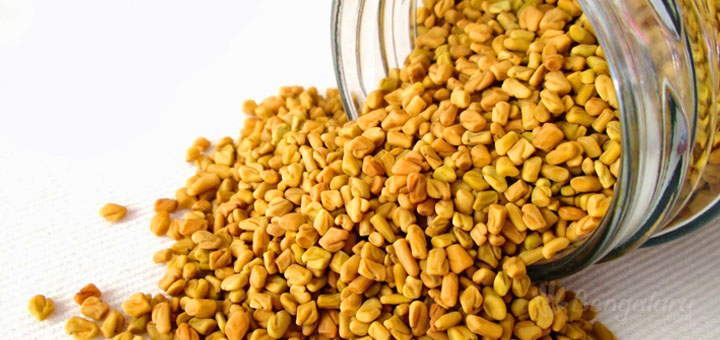
15 things you did not know about Fenugreek “Methi’

fenugreek

We are all aware Fenugreek right? Wondering what is Fenugreek? It’s nothing but, Methi in Hindi Fenugreek (Trigonella foenum graecum) is native to southern Europe and Asia and is an erect annual herb with white flowers and hard, yellowish brown and angular seeds.

Fenugreek seeds and leaves are strongly aromatic and flavourful. Seeds are bitter in taste but lose their bitterness if roasted slightly. They are rich in vitamins such as thiamine, folic acid, riboflavin, niacin, vitamins A, B6, and C, and are a storehouse of minerals such as copper, potassium, calcium, iron, selenium, zinc, manganese, and magnesium. Fenugreek leaves are a rich source of vitamin K as well.

Several human intervention trials have also shown that fenugreek seeds positively affect metabolic health. Fenugreek seeds have a slightly bitter taste when raw, but when they are sprouted, the flavour becomes pungently sweet, adding a unique taste to salads and other foods.

Methi or fenugreek seeds and leaves form an important ingredient in Indian households. It is used in almost every Indian preparation like dal, paratha or curry. But, what we might not know is that methi is a rich reservoir of medicinal properties that imparts many health benefits. Here are some ways which reflects the benefits of fenugreek.

  1. Lowers blood cholesterol

Fenugreek helps to reduce cholesterol level, especially that of low density lipoprotein (LDL). They are known to be rich source of steroidal saponins that prevent the absorption of cholesterol and triglycerides.

  1. Reduces risk of heart disease

Due to the presence of galactomannan, fenugreek plays a key role in maintaining a good heart. It also contains high amount of potassium that counters the action of sodium to help control heart rate and blood pressure.

  1. Controls blood sugar levels

A Diabetic must include methi (either in the form of seeds or leaves) in their diet. Because galactomannan, a natural soluble fibre present in fenugreek slows down the rate of sugar absorption into blood. It also contains amino acid responsible for inducing the production of insulin.

  1. Aids digestion

As fenugreek is rich in fibre and antioxidants, it helps in flushing out harmful toxins from the body and thus, aids digestion. In some cases, fenugreek tea is used to relieve indigestion and stomach pain.

  1. Helps counter acid reflux or heartburn

One teaspoon of fenugreek seeds in our food can be an effective remedy for acid reflux or heartburn. Mucilage of fenugreek seeds coat the lining of the stomach and intestine and soothe irritated gastrointestinal tissues. Before consuming, we can soak the methi seeds in water to make their outer coat mucilaginous.

  1. Helps you lose weight

Include fenugreek in our weight loss diet by chewing soaked methi seeds in the morning on an empty stomach. The natural soluble fibre in the fenugreek can swell and fill the stomach thereby suppressing our appetite and aiding in weight loss goals.

  1. Remedy for fever and sore throat

Fenugreek when taken with a teaspoon of lemon and honey can work wonders to reduce fever by nourishing the body. The soothing effect of mucilage in fenugreek also helps in relieving cough and pain from sore throat.

  1. Increases breast milk production in lactating women

Fenugreek ranks high among the ‘must haves’ for nursing mothers. This is due to the presence of diosgenin in the spice which increases milk production in lactating mothers. Fenugreek is used as a galactagogue by nursing mothers to increase inadequate breast milk supply.

9. Induces and eases child birth

Fenugreek has been known to be helpful in inducing childbirth by stimulating uterine contractions. It also reduces labour pain. But, here’s a word of caution. Excess intake of fenugreek seeds during pregnancy could be a reason of miscarriage or premature childbirth.

  1. Helps reduce menstrual discomfort

Fenugreek contains compounds like diosgenin and isoflavones with oestrogen-like properties which helps reduce symptoms like discomfort and menstrual cramps associated with PMS. These compounds also ease menopausal symptoms like hot flashes and mood fluctuations. Women are more prone to iron deficiency during adolescence (initiation of menstrual periods), during pregnancy and breastfeeding. Therefore including green leafy veggies like fenugreek (methi) in their diet can supply a good amount of iron. But, make sure to add tomatoes or potatoes to the preparations to enhance the iron absorption.

  1. Helps prevent colon cancer

The fibre content (saponins, mucilage, etc.) of fenugreek binds to toxins in the food and flush them out. This in turn helps to protect the mucus membrane of the colon from cancer.

  1. Helps soothe skin inflammation and reduce scars

While Vitamin C acts as a powerful antioxidant, fenugreek also contains anti-inflammatory compounds that aid in the treatment of various skin problems like burns, boils and eczema. The seeds are known to help in getting rid of scars.

14 Helps treat skin problems

Fenugreek or methi can be used in face packs to help prevent blackheads, pimples, wrinkles, etc. Washing your face with water boiled with fenugreek seeds or applying a paste of fresh fenugreek leaves for twenty minutes on your face can work wonders for your skin.

15 Can resolve hair problems

Using fenugreek as a part of your diet or as a paste to directly apply on your hair makes your hair shiny and black. Massaging your head everyday with boiled fenugreek seeds soaked overnight in coconut oil can be an excellent remedy for thinning of hair and hair fall.

To de-stress, here is a homemade remedy:

Fenugreek Seed Tea

1. Lightly crush a teaspoon of fenugreek seeds.

2. Soak them in a cup of freshly boiled water and steep it for 1 to 3 hours. (The longer you steep, higher the benefits).

3. Strain the tea, add honey and lemon to taste and drink it hot or cold. You can add tea leaves or other herbs too for different flavour.


April 27, 2015 By Shimpli Patil 38 Comments

Should we brisk walk before the meal or after?

people_walking

As an adolescent, I was a victim of this common misconception that brisk walking immediately post meal helps burn calories. It’s quite natural to think that once we eat a meal and walk it out quickly, it will burn the calories that we just consumed. But hey! For that food to get converted into calories it requires a long process, which is called nothing but digestion. Unless and until we don’t let the food to get digested thoroughly, are we going to burn the calories? Obviously not!

Brisk walking post meal is a not a very good idea. It may cause acid reflux, ingestion or stomach upset. The reason is very simple- after the meal, our digestion process is all ready to go. Digestive juices are released in the stomach and intestine. This is the time when the stomach and intestine need most blood supply to carry on this process smoothly. Hence, the blood flow needs to be directed to this area for better digestion. If we perform any vigorous activity as simple as brisk walking after the meal, the blood circulation gets directed to our extremities which compromises the blood flow to the core region of the body, thus hampering the digestive processes.

Working out especially post dinner not only affects our digestion but may also postpone our sleep time. Workouts are a stress buster. Our body experiences an endorphin rush (feel good factor) after a nice cardio/strengthening session. Once we are on an endorphin high, we feel extremely elated and energized which tends to delay our sleep.

So what’s best for us? It’s always best to go for a brisk walk or any other workout before the meal (30 minutes prior or so). It exhausts our body’s energy stores which is then all set to fill up the stores again with a good meal. This reduces the chances of fat conversion during the meal as whatever we consume is utilized by the body cells for energy which leaves least for fat storage. In short, a pre meal workout fires up our body’s metabolism which therefore ensures better burn up of calories after we consume and digest the meal.

A similar point was proven by a 2006 study published in “Applied Physiology, Nutrition and Metabolism,” which says that people who walked prior to putting any food in their stomach and who walked hard enough to perspire burnt more fat than those who walked after eating.

Thus, it’s quite clear that in order to reap most benefits of brisk walking or other workouts, we need to schedule it prior to our meal. However, we can certainly go for a leisurely walk post meal, but again, not immediately. We can go after a 45 minutes gap. That is just to get over the bloat of eating way too much or to give your muscles a good stretch and it’s anytime a better option than promoting fat deposition by lying on the sofa watching TV. But remember, this should be a short 10-15 minute walk and not a long one.

Now that we have blown away the misconceptions, let’s implement the right thing and experience the change! Let’s Rock the pre-meal walk!

August 4, 2023 By Dr Darshana Salve 2 Comments

Tired All The Time? Here’s What’s Causing It!

fatigueThe alarm is set for 6 am to go for a morning walk, filled with determination to start on a routine walk from the next morning, she went to sleep early. But, like any other day, the alarm went off, but as usual, she couldn’t get out of bed. With each passing day, it got difficult to even get up for work. This happened almost for 2-3 months when Ananya realized this was not just laziness but something beyond and decided to see a doctor. Ananya described that she had no energy to wake up in the morning and felt tired and exhausted by the end of the day. Sounds familiar? Yes! This happens to many around us or even to us. This syndrome is called Fatigue.


What is Fatigue?

Fatigue is generally defined as a feeling of lack of energy and motivation that can be physical, mental or both. Fatigue is very common. Fatigue can be caused by Physical (around 60%) as well as Mental causes (40%). Unfortunately, it can also occur in normal individuals who experience intense physical or mental activity (or both).

However, in contrast to fatigue that occurs with some diseases and syndromes, normal fatigue in healthy individuals is quickly relieved in few hours to about a day when the physical or mental activity is reduced and adequate rest is taken.

What Causes It?

  • Sleep Problems: Sleep Apnea, insomnia, working in shifts or work shift changes, pregnancy, extra night hours at “work”, gadget time, etc. can cause fatigue. For such problems, including foods like nuts or milk that are rich in tryptophan (sleep inducing hormone) can help get better sleep.
  • Dysglycemia: Skipping breakfast, long gaps between meals is known to cause irregular fluctuations in sugar levels. To avoid such irregularities one must have a healthy breakfast every day preferably within one hour of waking up. Always plan for a mid-meal snack especially when the gap exceeds 5 hours.
  • Nutritional Deficiency: Eating a healthy, balanced diet (proteins, carbohydrates, fats and fiber) is an important part of maintaining good health. It can help you feel your best. Include fruits, whole grains, and protein rich foods and avoid junk food, processed/packaged food.
  • Gut Disturbances: An acidic body doesn’t allow oxygen to be absorbed and in turn causes fatigue. Gastric issues such as bloating, constipation, food sensitivity/allergy, leaky gut (gastric reflux) all create havoc in our body resulting in physical and mental fatigue. Including adequate quantity of fiber, probiotics like curd and a good intake of water keep your gut happy and healthy.
  • Caffeine Overload: Limit tea/coffee/green tea to 2 cups/day. Avoid having it post sunset and near bed time.
  • Dehydration: When dehydrated, the fluid loss causes a drop in blood volume, which makes the heart work harder to push oxygen and nutrients through the bloodstream to the brain, skin, and muscles. Maintaining a water intake to 2.5-3 litre is adequate for the majority of the population.
  • Metabolic/Endocrine causes: Vitamin D deficiency, Hypothyroidism, Diabetes, Electrolyte abnormalities, kidney disease, Liver disease can all cause varying degrees of fatigue.
  • Anemia (Iron deficiency, Vitamin B12 deficiency): It is one of the most common reasons of fatigue or tiredness in India and especially common among women.
  • Infectious Diseases: Viral infections, Hepatitis, Tuberculosis, cytomegalovirus (CMV), HIV infection, Influenza (flu), Malaria and many other infectious diseases can cause fatigue.
  • Medications: It might come as a surprise to you but many drugs like antidepressants, anti-anxiety medications, sedatives, antihistamines, steroids and even some blood pressure medications can cause fatigue.
  • Mental Health: Stress, Depression, Anxiety, Drug abuse, Alcohol abuse, eating disorders, (for example bulimia/anorexia), Grief and Bereavement are all few of the most ignored causes of fatigue. Awareness and proactive management of mental disorders is a must for living healthy.

Depending on the above reasons, the right treatment must be decided as it is important that the root cause of fatigue be treated and not just the symptom.

In the case of Ananya, on taking a proper history and some blood tests, she was found to have nutritional and Vitamin D deficiency. Once these were corrected she felt strong and active enough to start with her healthy regime.

Fatigue is a natural part of our lives, because of which we tend to ignore it and instead learn to live with it. This causes more trouble in the long run. We must look out for tell-tale signs of things we could do earlier but can’t do anymore, unrelated aches and pains or headaches and if found positive we must seek the right help. Don’t let feeling tired today ruin your attempt to feel healthy tomorrow!

If you’re looking to relax, meditate or practice yoga to ward off fatigue, ask your GOQii Coach directly by subscribing for Personalised Health Coaching here.

#BeTheForce

  • « Previous Page
  • 1
  • …
  • 4
  • 5
  • 6
  • 7
  • 8
  • Next Page »

Search

Recent Posts

  • 10 Everyday Habits That Could Be Hurting Your Health
  • Why Good Nutrition Matters: Benefits of Healthy Eating for a Healthy Life
  • Monsoon Health Tips: How to Boost Your Immunity During Seasonal Changes
  • Yoga for Healthy Ageing: Simple Practices to Add Life to Your Years
  • Calming Your Mind: Breathing Techniques for ADHD

Stay Updated

Archives

  • June 2026 (22)
  • May 2026 (20)
  • April 2026 (24)
  • March 2026 (18)
  • February 2026 (14)
  • January 2026 (14)
  • December 2025 (19)
  • November 2025 (15)
  • October 2025 (20)
  • September 2025 (6)
  • August 2025 (6)
  • July 2025 (11)
  • June 2025 (18)
  • May 2025 (16)
  • April 2025 (22)
  • March 2025 (27)
  • February 2025 (21)
  • January 2025 (25)
  • December 2024 (22)
  • November 2024 (23)
  • October 2024 (20)
  • September 2024 (23)
  • August 2024 (29)
  • July 2024 (20)
  • June 2024 (25)
  • May 2024 (26)
  • April 2024 (27)
  • March 2024 (27)
  • February 2024 (23)
  • January 2024 (21)
  • December 2023 (14)
  • November 2023 (10)
  • October 2023 (19)
  • September 2023 (22)
  • August 2023 (18)
  • July 2023 (21)
  • June 2023 (23)
  • May 2023 (20)
  • April 2023 (19)
  • March 2023 (23)
  • February 2023 (19)
  • January 2023 (15)
  • December 2022 (11)
  • November 2022 (15)
  • October 2022 (15)
  • September 2022 (12)
  • August 2022 (10)
  • July 2022 (17)
  • June 2022 (11)
  • May 2022 (10)
  • April 2022 (6)
  • March 2022 (6)
  • February 2022 (13)
  • January 2022 (11)
  • December 2021 (7)
  • November 2021 (3)
  • October 2021 (6)
  • September 2021 (3)
  • August 2021 (8)
  • July 2021 (7)
  • June 2021 (15)
  • May 2021 (16)
  • April 2021 (10)
  • March 2021 (7)
  • February 2021 (4)
  • January 2021 (4)
  • December 2020 (3)
  • November 2020 (4)
  • October 2020 (10)
  • September 2020 (3)
  • August 2020 (3)
  • July 2020 (2)
  • June 2020 (4)
  • May 2020 (10)
  • April 2020 (12)
  • March 2020 (10)
  • February 2020 (4)
  • January 2020 (4)
  • December 2019 (3)
  • November 2019 (7)
  • October 2019 (5)
  • September 2019 (4)
  • August 2019 (9)
  • July 2019 (9)
  • June 2019 (11)
  • May 2019 (4)
  • April 2019 (8)
  • March 2019 (8)
  • February 2019 (9)
  • January 2019 (8)
  • December 2018 (9)
  • November 2018 (3)
  • October 2018 (3)
  • September 2018 (5)
  • August 2018 (10)
  • July 2018 (6)
  • June 2018 (13)
  • May 2018 (8)
  • April 2018 (18)
  • March 2018 (9)
  • February 2018 (8)
  • January 2018 (15)
  • December 2017 (12)
  • November 2017 (19)
  • October 2017 (13)
  • September 2017 (15)
  • August 2017 (4)
  • July 2017 (8)
  • June 2017 (7)
  • May 2017 (6)
  • April 2017 (8)
  • March 2017 (6)
  • February 2017 (7)
  • January 2017 (9)
  • December 2016 (10)
  • November 2016 (7)
  • October 2016 (7)
  • September 2016 (7)
  • August 2016 (11)
  • July 2016 (9)
  • June 2016 (9)
  • May 2016 (12)
  • April 2016 (17)
  • March 2016 (17)
  • February 2016 (8)
  • January 2016 (6)
  • December 2015 (2)
  • November 2015 (9)
  • October 2015 (7)
  • September 2015 (9)
  • August 2015 (11)
  • July 2015 (9)
  • June 2015 (11)
  • May 2015 (9)
  • April 2015 (13)
  • March 2015 (8)
  • February 2015 (5)
  • January 2015 (12)
  • December 2014 (14)
  • November 2014 (11)
  • October 2014 (6)
  • September 2014 (13)
  • August 2014 (12)
  • July 2014 (6)
  • June 2014 (2)
  • May 2014 (7)
  • April 2014 (4)

From Shimla’s Slopes to Chandigarh’s Sidewalks: Surinder Kaur Bhalla’s Journey from Chaos to Control

Some journeys start with a plan. Others begin with a stumble literally. Surinder Bhalla, a government professional, born and raised in the scenic hill town of Shimla, had always lived a life of movement. “In Shimla, you walked everywhere,” she reflects. … [Read More...]

From “Laddu Nawin” to Fit and Fierce: How a 25-Year-Old Insurance Advisor Shed 20 Kilos and Gained His Life Back

When 25-year-old Nawin Yadav from Hyderabad walked into his office every morning, he carried more than just his files and policy papers. He had the weight of fatigue, sluggish energy, and an ever-growing belly that was becoming the butt of jokes. “People had even started calling me Laddu Nawin,” he says with a laugh, but […]

From Burnout to Balance: How Dr. Ranjit Reclaimed His Health

Dr Ranjit Bhatt has spent years tending to others. A practising doctor in Odisha, his days were packed with patients, surgeries, and emergencies. From the outside, it looked like a life lived in service. But on the inside, something wasn’t right. “I had no control over my schedule. I’d sleep late, eat at odd hours, […]

Ananda Mukherjee Health Story

From Terminal Illness To Complete Wellness! Ananda Mukherjee Health Story

As we observe World Cancer Day under the powerful theme ‘United by Unique’ (2025-2027)**, we are reminded that every individual’s journey with cancer is distinct, yet united by shared resilience, hope, and the collective fight against this disease. This theme places people at the centre of care and their stories at the heart of the […]

  • HOME
  • HEALTHY LIVING
  • FITNESS
  • HEALTHY RECIPES
  • USER STORIES
  • KARMA
  • BUY GOQii

Copyright ©2016 GOQii