GOQii

Blog

  • HOME
  • HEALTHY LIVING
  • FITNESS
  • HEALTHY RECIPES
  • USER STORIES
  • KARMA
  • BUY GOQii

November 11, 2026 By Priyanka Mangla 3 Comments

The Early Signs & Symptoms of Diabetes

symptoms of diabetes

Diabetes rarely announces itself. Type 2 diabetes, which accounts for more than 90% of cases, usually develops slowly over years, and many people have no obvious symptoms at all. Worldwide, the International Diabetes Federation estimates that 589 million adults are living with diabetes, and about 4 in 10 of them don’t know it.

In India, the numbers are especially high. The ICMR-INDIAB study, published in The Lancet Diabetes & Endocrinology, estimated that 101 million Indians have diabetes and another 136 million have prediabetes, blood sugar that’s higher than normal but not yet in the diabetes range.

That’s why it’s worth knowing the early signs, and also knowing that you shouldn’t wait for them. Spotting raised blood sugar early, before it damages the eyes, kidneys, nerves, heart and blood vessels, gives you the best chance of keeping it under control or, in the prediabetes stage, of bringing it back to normal. This guide explains the symptoms to look out for, how they differ between types of diabetes, who should get tested even without symptoms, and what the test results mean.

At a glance

  • Many people have no symptoms, especially with type 2 diabetes and prediabetes. A blood test is the only way to know.
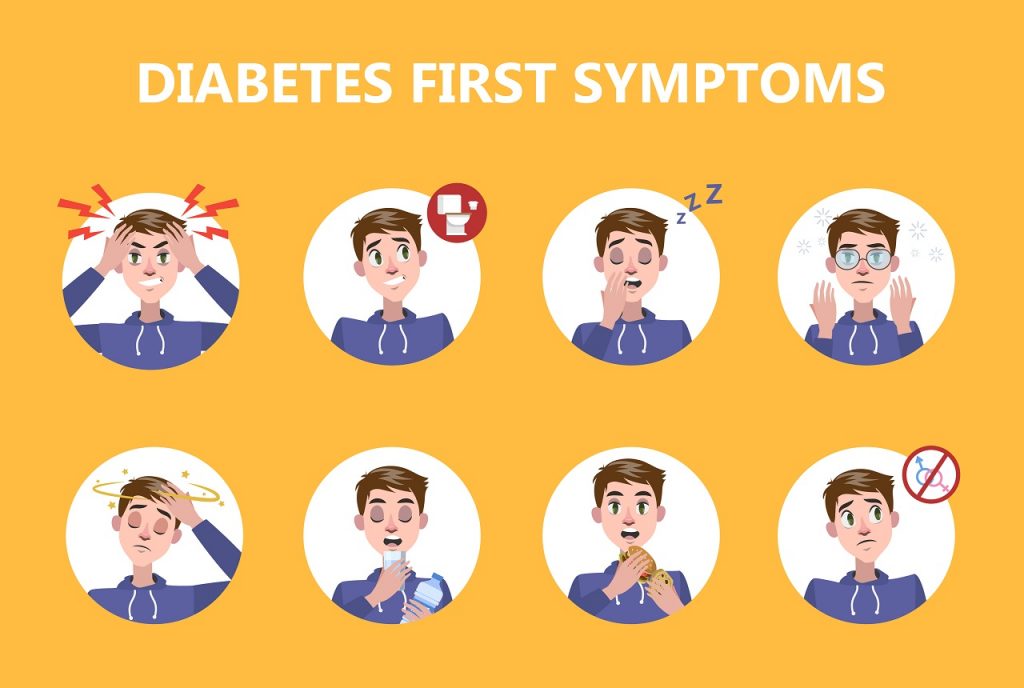
  • The classic signs are passing urine often (especially at night), feeling very thirsty, unexplained weight loss, tiredness and blurred vision.
  • Other clues include slow-healing cuts, frequent infections such as urinary or yeast infections, tingling or numbness in the hands or feet, and dark, velvety patches of skin on the neck or armpits.
  • Type 1 diabetes can appear quickly, over weeks, and can become an emergency. Vomiting, stomach pain, fast breathing, fruity-smelling breath or confusion need urgent care.
  • Get tested if you’re 30 or over, or younger with risk factors such as a family history, extra weight around the waist, a history of diabetes in pregnancy or PCOS. Indians tend to develop type 2 diabetes younger and at a lower weight.
  • The main tests are fasting blood glucose, HbA1c and the oral glucose tolerance test. An HbA1c of 6.5% or more suggests diabetes; 5.7–6.4% suggests prediabetes.
  • Prediabetes is a window to act. Healthy eating, regular activity and modest weight loss can lower your risk of it progressing.

The early signs of diabetes, and why they happen

When there’s too much glucose (sugar) in your blood, your body tries to get rid of it and can’t use it properly for energy. That explains most of the symptoms below. The US Centers for Disease Control and Prevention lists these as common symptoms of type 1 and type 2 diabetes. You might notice only one or two of them, and they can be mild enough to put down to stress, age or a busy schedule.

1. Passing urine more often

When blood sugar is high, your kidneys pass the extra glucose into your urine, and it takes water with it. You may need to urinate more often, particularly at night, and pass larger amounts.

2. Feeling very thirsty

Losing more water through urine leaves you dehydrated, so you feel thirsty and may have a dry mouth however much you drink. Thirst and frequent urination together are among the most common early clues.

3. Feeling hungry and tired

Insulin moves glucose from your blood into your cells for energy. When insulin isn’t working well or there isn’t enough, your cells are short of fuel even though there’s plenty of sugar in your blood. You may feel tired, low on energy, irritable or hungry soon after eating.

4. Losing weight without trying

If your body can’t use glucose for energy, it starts breaking down fat and muscle instead, and you lose calories as sugar in your urine. Unexplained weight loss is more typical of type 1 diabetes, but it can happen with type 2 too, and it always deserves a check-up.

5. Blurred vision

High blood sugar can change the fluid balance in the lens of the eye, making it swell and your vision blur. This often improves when blood sugar comes down, but it’s worth seeing a doctor. Over time, diabetes can damage the blood vessels at the back of the eye.

6. Slow-healing cuts and frequent infections

High blood sugar can affect circulation and the immune system, so cuts, sores and wounds may take longer to heal. Some people get repeated infections, such as urinary tract infections, thrush (yeast infections), skin or gum infections.

7. Tingling, numbness or burning in the hands or feet

Over time, raised blood sugar can damage nerves, particularly in the feet. This tends to happen when type 2 diabetes has been present for a while without being diagnosed, which is one reason testing early matters.

8. Dark, velvety skin patches

Darker, thicker, velvety skin in body folds, such as the back of the neck, armpits or groin, is called acanthosis nigricans. It’s often a sign of insulin resistance, the problem behind type 2 diabetes, and can appear years before diabetes develops. It’s common in South Asians and worth mentioning to your doctor, particularly in children and young adults.

Signs that are often blamed on something else

Tiredness, frequent urination at night, itchy skin, recurring infections and irritability are easy to put down to age, work or the weather. If you have several of these, or any of them along with risk factors for diabetes, ask for a blood test rather than waiting to see if they pass.

A note on what’s not a reliable sign: symptoms alone can’t confirm or rule out diabetes, and some that are often listed online, such as pale skin or a loss of libido, have many other causes. Only a blood test can tell you.

How symptoms differ: type 1, type 2, prediabetes and pregnancy

How it develops What you might notice
Type 1 diabetes An autoimmune condition in which the body stops making insulin. It can start at any age, but is most often diagnosed in children, teenagers and young adults. Symptoms can appear suddenly, over a few weeks or months, and can be severe: marked thirst, frequent urination, weight loss, tiredness, and sometimes nausea, vomiting and stomach pain.
Type 2 diabetes The body doesn’t respond well to insulin (insulin resistance) and gradually can’t make enough. Linked to genes, age, weight around the waist and lifestyle. Symptoms often take several years to develop, and some people have none. Slow-healing wounds, infections, tingling feet and dark skin patches may be the first clues.
Prediabetes Blood sugar is higher than normal but below the diabetes range. Usually no symptoms at all. It’s found only with a blood test.
Gestational diabetes High blood sugar that develops during pregnancy, usually in the second half. Usually no symptoms, which is why pregnant women are tested routinely. It raises the risk of type 2 diabetes later in life.

Type 1 diabetes isn’t present from birth, and type 2 is no longer only an adult disease: it’s increasingly seen in young adults and even teenagers. Our guide to type 1 vs type 2 diabetes explains the differences in more detail.

When high blood sugar is an emergency

In type 1 diabetes, and occasionally type 2, a severe lack of insulin can cause diabetic ketoacidosis (DKA), a life-threatening condition that can develop quickly. Get urgent medical help, or call 112, if someone has high blood sugar symptoms along with any of these warning signs of DKA:

  • stomach pain, feeling sick or being sick
  • breathing more deeply than usual
  • fruity-smelling breath (like pear drops or nail polish remover)
  • tiredness, sleepiness or confusion

This is especially important in children and young people who suddenly become very thirsty, are passing a lot of urine and losing weight. Don’t wait for a routine appointment.

Who should get tested, even without symptoms

Because type 2 diabetes and prediabetes are often silent, testing is based on risk rather than symptoms.

Risk factors

  • Age 30 or over. India’s national programme offers diabetes screening at Ayushman Arogya Mandirs and government health facilities for all adults aged 30 and over.
  • A parent, brother or sister with diabetes.
  • Extra weight, especially around the waist. For South Asian adults, a waist of more than about 90 cm (35.5 in) for men or 80 cm (31.5 in) for women is a common warning threshold.
  • South Asian heritage. At the same body weight, Asian Indians tend to have more body fat, more fat around the organs and less muscle than people of European descent, and diabetes often develops at a weight that would be considered healthy in Europeans. US screening guidance suggests considering testing in Asian adults from a BMI of 23.
  • Diabetes during pregnancy, or having had a baby weighing more than about 4 kg.
  • Polycystic ovary syndrome (PCOS).
  • High blood pressure, high cholesterol or triglycerides, or heart disease.
  • Little physical activity, smoking or regularly short sleep.
  • Dark, velvety skin patches (acanthosis nigricans).

How often to test

  • Adults aged 30 and over: get a blood sugar test, and repeat it at least every three years if it’s normal. Your doctor may suggest testing more often if you have other risk factors.
  • Younger adults with extra weight plus one or more risk factors: get tested now rather than waiting.
  • People with prediabetes: test every year.
  • Women who had gestational diabetes: get tested 6–12 weeks after the birth, then regularly for life.
  • Anyone with symptoms: don’t wait for a routine check. See a doctor soon.

If you’re due a check-up, our Dhanteras health guide lists the key tests by age and where to get them.

The tests, and what your numbers mean

Diabetes is diagnosed with a blood test, not a urine test or a symptom checklist. These are the ranges used by the American Diabetes Association, which are widely used in India too:

Test Normal Prediabetes Diabetes
Fasting blood glucose (after 8 hours without food) Below 100 mg/dL 100–125 mg/dL 126 mg/dL or higher
HbA1c (average blood sugar over 2–3 months; no fasting needed) Below 5.7% 5.7–6.4% 6.5% or higher
Oral glucose tolerance test (2 hours after a 75 g glucose drink) Below 140 mg/dL 140–199 mg/dL 200 mg/dL or higher

A random blood glucose of 200 mg/dL or more in someone with classic symptoms, such as thirst, frequent urination and weight loss, also points to diabetes.

A few things to know:

  • One high result usually needs confirming with a repeat test or a second type of test, unless your sugar is very high and you have clear symptoms.
  • HbA1c can be misleading in people with anaemia, some inherited haemoglobin conditions (such as thalassaemia trait), kidney disease or pregnancy. Your doctor may use fasting glucose or a glucose tolerance test instead.
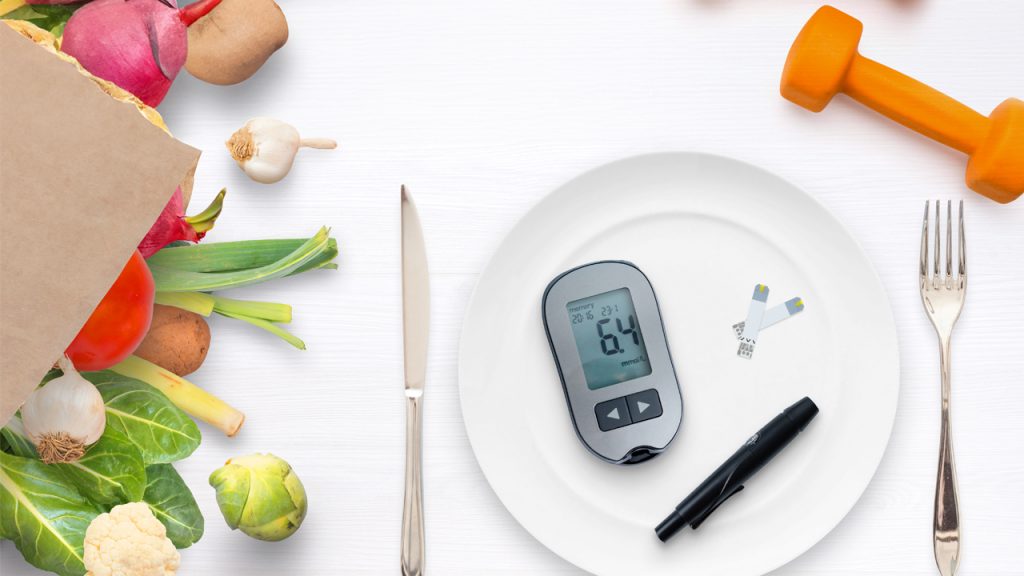
  • Home glucometers are useful for monitoring once you’re diagnosed, but a lab test is needed to diagnose diabetes.

What to do with your result

  • Normal: keep up healthy habits and retest at least every three years, or as your doctor advises.
  • Prediabetes: this is a window to act. Regular activity, healthier eating and losing even a modest amount of weight can lower your risk of developing type 2 diabetes. Retest every year. Our tips on managing diabetes with lifestyle and nutrition apply here too.
  • Diabetes: your doctor will talk to you about treatment, which may include lifestyle changes, medicines or both, and check your eyes, kidneys, feet, blood pressure and cholesterol. Diagnosed early and managed well, diabetes is far less likely to cause complications.

Be wary of “cures”. Foods and traditional remedies such as karela (bitter gourd), jamun seeds or methi are often promoted as natural treatments for diabetes. Some have shown small effects in early studies, but none replaces diagnosis and medical treatment. Don’t stop or change prescribed medicines without talking to your doctor. If you’re weighing up sweeteners, our guide to jaggery vs sugar explains why gur isn’t a healthier choice for blood sugar.

The bottom line

Diabetes often develops quietly. Thirst, frequent urination, tiredness, blurred vision, slow-healing wounds and unexplained weight loss are all reasons to get checked, but the absence of symptoms isn’t a reason to skip testing. If you’re 30 or over, or younger with a family history, extra weight around the waist, PCOS or a history of diabetes in pregnancy, a simple blood test can tell you where you stand. Finding high blood sugar early, especially at the prediabetes stage, gives you the most room to act.

Pro Tip: Book a fasting glucose or HbA1c test if you haven’t had one in the last year, and log the result in the GOQii App so you can track it over time alongside your steps, weight and sleep. If your numbers are in the prediabetes or diabetes range, your GOQii Personalised Health Coach can help you build realistic eating and activity habits, alongside your doctor’s advice.

Frequently asked questions

What are the first signs of diabetes?

The most common early signs are passing urine more often, especially at night, feeling very thirsty, tiredness, blurred vision and losing weight without trying. Many people with type 2 diabetes or prediabetes have no symptoms at all, so a blood test is the only way to know.

Can you have diabetes without any symptoms?

Yes. Type 2 diabetes often develops slowly over years without obvious symptoms, and prediabetes usually has none. The International Diabetes Federation estimates that about 4 in 10 adults with diabetes don’t know they have it.

What are the early signs of diabetes in women?

Women have the same main symptoms as men, but may also notice repeated vaginal yeast infections (thrush) or urinary tract infections. Women with PCOS or a history of diabetes in pregnancy have a higher risk and should be tested regularly.

What blood sugar level indicates diabetes?

A fasting blood glucose of 126 mg/dL or higher, an HbA1c of 6.5% or higher, or a 2-hour glucose tolerance test result of 200 mg/dL or higher indicates diabetes, usually confirmed with a repeat test. Fasting glucose of 100 to 125 mg/dL or HbA1c of 5.7 to 6.4% indicates prediabetes.

At what age should I get tested for diabetes?

In India, adults aged 30 and over are advised to be screened. Get tested earlier if you have extra weight plus a risk factor, such as a family history of diabetes, PCOS, high blood pressure or diabetes in a previous pregnancy.

How is type 1 different from type 2 diabetes in symptoms?

Type 1 symptoms often appear suddenly over weeks and can be severe, with marked thirst, frequent urination and weight loss. Type 2 symptoms usually develop slowly over years and may be mild or absent. Vomiting, stomach pain, fast breathing or fruity-smelling breath can signal diabetic ketoacidosis and need urgent care.

Can prediabetes be reversed?

Prediabetes can often return to normal blood sugar levels with regular physical activity, healthier eating and modest weight loss, which also lowers the risk of developing type 2 diabetes. Retest at least once a year.

#BeTheForce

Disclaimer: The information provided in this blog is for general awareness and educational purposes only. It is not intended to replace professional medical advice, diagnosis, or treatment. Always consult a qualified healthcare provider for personalised medical guidance or concerns related to your health.

September 28, 2026 By Gitanjali Bahl 2 Comments

Prevent Workplace Injuries: Simple Tips to Stay Pain-Free at Work

Prevent Workplace Injuries: Simple Tips to Stay Pain-Free at WorkThe Big Question – Spending long hours at your desk? You’re not alone.
Many office workers accept neck aches, lower back stiffness, and wrist pain as simply the cost of doing business. We sit in unsupportive chairs, hunch over laptops, and remain entirely static for hours on end while managing emails and deadlines.

But your desk job shouldn’t hurt.

The human body is designed for movement, not for holding a rigid, forward-leaning posture for eight hours a day. The good news is that preventing workplace discomfort doesn’t require a complete career change. With a few simple ergonomic adjustments and deliberate movement breaks, you can protect your physical well-being and stay injury-free.

Quick Answer: How can you prevent injuries at your desk?

Adjust your workstation so your screen is at eye level and your spine is supported, take movement breaks every 30-45 minutes, use hands-free devices to protect your neck, and stay hydrated to keep your muscles and joints resilient.

Why Does Desk Work Cause So Much Pain?

Static posture is surprisingly hard on the body. When you sit in one position for prolonged periods especially a poor one certain muscles become overstretched and weak, while others become tight and overworked.

If your monitor is too low, the weight of your head places immense strain on your neck and upper back. If your chair doesn’t support your lumbar spine, your lower back bears the brunt of your upper body’s weight. Over time, these micro-stresses compound, leading to tension headaches, repetitive strain injuries (RSIs) in the wrists, and chronic back pain.

Fortunately, small, proactive changes can drastically reduce this load.

4 Ways to Avoid Injuries at Work

  1. Adjust Your Workstation for Better Posture

Your physical setup dictates your posture. Make the environment work for you, rather than twisting yourself to fit the environment.

  • Screen Position: Your laptop or desktop screen should be at eye level to prevent slouching. If needed, use a stand or place your laptop on a sturdy stack of books.
  • Chair Support: Your seat should align with the natural curve of your spine. If your chair lacks built-in support, consider adding a lumbar cushion or rolled-up towel.
  • Arm & Shoulder Alignment: Arms should be fully supported and parallel to the desk. If your elbows sit higher or lower than your desk, it forces your shoulders to shrug and your wrists to bend unnaturally.
  • Foot Positioning: Keep your feet flat on the floor or on a footrest to maintain alignment and reduce pressure on your lower back.
  1. Give Your Body Regular Movement Breaks

Even with perfect posture, staying perfectly still for hours is detrimental. You need to introduce movement back into your day.

  • Set a Reminder: Every 30-45 minutes, stand up, stretch, or take a short walk.
  • Move Around: Walk to get water, use the printer, or take a quick lap around the office or your home.
  • Stretch Your Muscles: Simple neck rolls, wrist rotations, and seated back stretches help release built-up tension and improve circulation.
  1. Reduce Strain on Your Neck & Wrists

Repetitive movements and awkward angles are the primary drivers of office injuries.

  • Use a Hands-Free Device: If you take a lot of calls, a Bluetooth headset or speakerphone will stop you from cradling your phone between your ear and shoulder—a major cause of neck spasms.
  • Keyboard & Mouse Placement: Your keyboard and mouse should be within easy reach so you aren’t constantly overreaching or extending your arms.
  • Hand & Wrist Maintenance: Roll your wrists 10 times in each direction and stretch your fingers wide every few hours to prevent stiffness.
  1. Manage Workplace Fatigue

Physical pain is often exacerbated by general fatigue and stress.

  • Stay Hydrated: Dehydrated muscles and joints are less elastic and more prone to injury. Keep a water bottle at your desk and sip regularly.
  • Improve Air & Lighting: Ensure your workspace has good ventilation and natural light to reduce overall fatigue and eye strain, which often leads to leaning closer to the screen.
  • Manage Stress: We tend to tense our shoulders and clench our jaws under stress. Take deep breaths, do a quick desk meditation, or listen to calming music to keep your muscles relaxed.

Bonus: The 5-Minute Pain Relief Protocol

If you start feeling aches and pains halfway through the day, try this quick intervention to relieve discomfort before it worsens:

  • Minute 1: Step away from the workstation to break the static posture.
  • Minute 2: Stretch the opposing muscles (e.g., if you’ve been hunched forward, stretch your chest open and pull your shoulders back).
  • Minute 3: Apply an ice pack to any acute areas of inflammation, like a sore wrist.
  • Minute 4: Readjust your chair and lumbar support so you aren’t sinking into bad habits.
  • Minute 5: Drink a glass of water and take several slow, deep breaths.

Ergonomics is Also an Employer Issue

There is a broader point here for organizations. Corporate wellness cannot just rely on employees remembering to sit up straight. Workplaces must actively design safe environments:

  • Are employees provided with highly adjustable chairs and monitor stands?
  • Is there a culture that accepts walking meetings or standing up during video calls?
  • Are teams encouraged to take micro-breaks without being penalized for appearing “away”?

Preventing injuries is a shared responsibility between the employee’s habits and the employer’s infrastructure.

Your workstation setup and daily habits dictate how your body feels at 5:00 PM. By making small ergonomic adjustments and refusing to remain static all day, you can protect yourself from chronic discomfort. Work shouldn’t be a pain in the neck—literally.

Pro Tip: Your work habits can influence much more than productivity. Use the GOQii App to track your daily steps, hydration, and sleep. A GOQii Personalised Health Coach can help you build practical stretching routines and stress management habits that fit seamlessly into your working day.

Frequently Asked Questions (FAQs)

  1. What is the correct height for my computer monitor?

The top third of your computer screen should be at or slightly below eye level. You should be able to view the center of the screen without tilting your head down or up.

  1. Is a standing desk better for preventing injuries?

Standing desks are great for breaking up static sitting, but standing all day can cause its own issues (like foot and lower back pain). The best approach is to alternate between sitting and standing throughout the day.

  1. What should I do if my wrists hurt while typing?

Ensure your wrists are in a neutral, straight position—not bent up or down. Use a wrist rest only for resting between typing, not while actively typing. If pain persists, consult a healthcare provider.

  1. How often should I take a break from my desk?

Ergonomic experts generally recommend taking a micro-break (standing up, stretching, or looking away) every 30 to 45 minutes to prevent muscle fatigue and stiffness.

  1. Can stress really cause physical pain at work?

Yes. Psychological stress often manifests physically as muscle tension, particularly in the neck, shoulders, and jaw. Managing workplace stress can directly reduce your physical aches and pains.

#BeTheForce

Disclaimer: This article is intended for educational and informational purposes only and should not replace professional medical advice. Persistent fatigue, severe musculoskeletal pain, numbness, or tingling should be discussed with an appropriate healthcare professional or physical therapist.

July 22, 2026 By Swati Savla Leave a Comment

Managing Type 2 Diabetes: Dietary Choices and Lifestyle Adjustments for Better Blood Sugar Control

The Big Question: If you’ve been diagnosed with prediabetes or Type 2 diabetes, can lifestyle changes really improve your blood sugar or are medications your only option?
A diagnosis of Type 2 diabetes can feel overwhelming, but it doesn’t mean you’ve lost control of your health. While medications play an important role for many people, everyday choices around food, physical activity, sleep, and stress management can significantly improve blood sugar control and reduce the risk of long-term complications.

For some people particularly those diagnosed early who achieve meaningful weight loss under medical supervision Type 2 diabetes may even go into clinical remission. However, remission isn’t possible for everyone, and maintaining healthy habits remains essential regardless of medication use.

The goal isn’t perfection it’s building sustainable habits that help you live well with diabetes.

Understanding Type 2 Diabetes

Type 2 diabetes is a chronic metabolic condition in which the body becomes resistant to insulin or doesn’t produce enough insulin to maintain healthy blood sugar levels.

Over time, persistently elevated blood glucose can increase the risk of complications affecting the:

  • Heart
  • Kidneys
  • Eyes
  • Nerves
  • Blood vessels

The encouraging news is that many of these risks can be significantly reduced through good blood sugar management and proactive lifestyle choices.

Build Your Plate for Better Blood Sugar

Food remains one of the most powerful tools for managing diabetes. Rather than eliminating entire food groups, focus on choosing foods that provide steady energy, adequate nutrition, and sustained fullness.

Complex Carbohydrates – Choose carbohydrates that are naturally rich in fibre. Compared with refined grains, these foods generally produce a slower rise in blood glucose because they contain more fibre and digest more gradually:

  • Oats
  • Brown rice
  • Millets
  • Buckwheat
  • Quinoa
  • Whole wheat

Lean Protein- Protein helps increase satiety and supports muscle maintenance. Good choices include:

  • Eggs, fish, and skinless chicken
  • Lentils, beans, and chickpeas
  • Low-fat paneer and tofu
  • Unsweetened Greek yoghurt
  • Nuts and seeds (Fatty fish such as salmon, sardines, and mackerel also provide omega-3 fatty acids that support cardiovascular health.)

Non-Starchy Vegetables – Fill at least half your plate with vegetables such as:

  • Spinach, broccoli, and cauliflower
  • Capsicum, cucumber, and zucchini
  • Bottle gourd, ridge gourd, and mushrooms (These foods are naturally rich in fibre, vitamins, and minerals while being relatively low in carbohydrates. Starchy vegetables like potatoes, corn, and sweet potatoes can still be included but in appropriately controlled portions.)

Healthy Fats – Healthy fats support overall nutrition and make meals more satisfying. Although nutritious, these foods are calorie-dense, so portion size still matters. Include foods such as:

  • Avocados and olive oil
  • Walnuts, almonds, and pistachios
  • Flaxseeds and chia seeds

Fruits – People living with diabetes do not need to avoid fruit completely. Instead:

  • Choose: Apples, pears, berries, guava, and oranges.
  • Eat fruit whole rather than as juice to preserve its fibre.
  • Pair fruit with a protein source such as Greek yoghurt, cottage cheese, or unsalted nuts. This combination may help slow digestion and improve satiety.

The Diabetes Plate Method

One of the simplest ways to plan balanced meals is the Diabetes Plate Method. This approach naturally increases fibre intake while helping manage portion sizes. Fill your plate with:

  • 🥦 50% Non-starchy vegetables
  • 🍗 25% Lean protein
  • 🌾 25% Whole grains or other healthy carbohydrates
  • 🥜 Add a small serving of healthy fats

Portion Size Still Matters

Even nutritious foods can raise blood glucose when eaten in large quantities. Helpful strategies include:

  • Eat slowly.
  • Use smaller plates.
  • Avoid second servings unless genuinely hungry.
  • Stop eating when comfortably satisfied rather than overly full.

Is Meal Timing Important?

Consistency often matters more than rigid rules. Some people do well with three balanced meals each day, while others benefit from smaller meals depending on their medication schedule, activity levels, and individual preferences. Work with your healthcare provider or dietitian to find a meal pattern that supports stable blood sugar throughout the day.

Can Certain Spices Help?

Several commonly used spices are being studied for their potential role in metabolic health:

  • Cinnamon: Some studies suggest cinnamon may modestly improve insulin sensitivity in certain individuals, although results remain mixed. It should never replace prescribed diabetes treatment.
  • Garlic: Garlic contains bioactive compounds with antioxidant properties and can be an excellent part of an overall healthy eating pattern.
  • Turmeric: Curcumin, the active compound in turmeric, has anti-inflammatory properties that continue to be studied for their potential role in metabolic health.

Lifestyle Matters Just As Much As Diet

Managing diabetes goes far beyond food choices alone.

Stay Physically Active – Physical activity helps muscles use glucose more efficiently and supports insulin sensitivity. Aim for:

  • At least 150 minutes of moderate-intensity activity each week.
  • 2–3 sessions of strength training weekly.
  • Light movement or a 10–15 minute walk after meals whenever possible.

Prioritise Sleep – Poor sleep can make blood sugar management more difficult. Aim for:

  • 7–9 hours of quality sleep.
  • A consistent bedtime.
  • Reduced screen time before bed.

Manage Stress – Chronic stress may contribute to higher blood glucose in some people. Helpful strategies include:

  • Yoga and meditation.
  • Walking and spending time outdoors.
  • Deep breathing exercises.
  • Connecting with family and friends.

Monitor Your Numbers & Protect Your Feet

Regular Monitoring – Regular monitoring helps you understand how your lifestyle affects your diabetes. Tracking trends over time is often more useful than focusing on a single reading. Discuss these targets with your healthcare provider:

  • HbA1c and fasting blood glucose
  • Post-meal blood glucose
  • Blood pressure and cholesterol
  • Waist circumference and body weight

Don’t Forget Foot Care – High blood sugar can affect circulation and nerve function. Protect your feet by:

  • Checking them daily for cuts or blisters.
  • Wearing properly fitting footwear.
  • Keeping feet clean and dry.
  • Seeking prompt medical attention for wounds that don’t heal.

Managing Type 2 diabetes isn’t about following a perfect diet or eliminating every favourite food. It’s about creating sustainable habits that support healthy blood sugar, protect your organs, and improve your quality of life. Small, consistent improvements in nutrition, physical activity, sleep, and stress management can make a meaningful difference over time. Remember, diabetes management is a journey—and every healthy choice counts.

Pro Tip: Understanding how your meals, activity, and sleep affect your blood sugar is the first step towards better diabetes management. Use the GOQii App to track your nutrition, daily movement, and sleep patterns. Your GOQii Personalised Health Coach can help you interpret your progress, build balanced meal plans, and stay motivated with practical, personalised guidance.

#BeTheForce 

Frequently Asked Questions (FAQs)

  1. Can Type 2 diabetes be reversed?
    Type 2 diabetes may go into clinical remission for some people, particularly with significant weight loss and sustained lifestyle changes under medical supervision. However, remission isn’t guaranteed, and ongoing healthy habits remain essential.
  2. Can people with diabetes eat fruit?
    Yes. Whole fruits provide fibre, vitamins, and antioxidants. Choose whole fruits over fruit juice and enjoy them in appropriate portions.
  3. Can people with diabetes eat rice?
    Yes. Portion size matters more than completely avoiding rice. Brown rice, hand-pounded rice, and millets may provide more fibre than polished white rice. Pair rice with vegetables and protein for a more balanced meal.
  4. Why do sleep and stress affect blood sugar?
    Poor sleep and chronic stress can influence hormones that affect insulin sensitivity and glucose regulation, making blood sugar management more challenging.
  5. Are all vegetables equally good for diabetes?
    Most vegetables are nutritious. Non-starchy vegetables generally have less impact on blood glucose, while starchy vegetables such as potatoes and corn should be eaten in appropriate portions as part of a balanced meal.

Disclaimer: The information provided in this blog is for general awareness and educational purposes only. It is not intended to replace professional medical advice, diagnosis, or treatment. Always consult a qualified healthcare provider for personalised medical guidance or concerns related to your health.

July 15, 2026 By Asmita Maredia 4 Comments

Sitting for Hours? Try These Simple Office Workouts to Stay Active!

office workoutHow many hours do you spend sitting each day? If you work a desk job, the answer is probably too many! The average office worker sits for 6-10 hours daily, which can lead to back pain, fatigue, poor posture, and increased health risks such as obesity and heart disease. But don’t worry—staying active at your desk is easier than you think!


Even if you go to the gym, prolonged sitting can still take a toll on your body. These simple office workouts will help you keep your body moving and your mind refreshed without leaving your desk.

Office Workouts You Can Do at Your Desk

1.Walk & Move More

  • Set an alarm every 45 minutes to stand up and move. Aim for at least 1-2 minutes of movement during each break.
  • Walk to fill your water bottle, use the printer, or take a quick break.
  • Take the stairs instead of the lift – two at a time for extra burn!
  • If possible, pace around while on phone calls.

2. Neck & Shoulder Stretches

  • Neck Stretch: Tilt your head to one side and hold for 5 seconds. Repeat 5 times on each side.
  • Head Rotation: Slowly roll your head clockwise and anti-clockwise 5 times.
  • Shoulder Shrug: Raise your shoulders as high as possible, hold for 5 seconds, then relax.

3. Arm & Wrist Exercises

  • Arm Stretch: Cross one arm over your body and pull it towards you with the other hand.
  • Triceps Stretch: Place one hand behind your neck and pull your elbow with the other hand.
  • Wrist Rotations: Roll your wrists 10 times clockwise and anti-clockwise.
  • Finger Stretch: Extend fingers as far as possible, hold for 5 seconds, then make a tight fist and hold for another 5 seconds. Repeat 5 times.

4. Back & Posture Fixers

  • Seated Back Stretch: Place your hands on the edge of your desk and push your chair back until your head is between your arms, looking at the floor. Hold for 10 seconds and repeat 5 times.
  • Overhead Stretch: Interlock your fingers, stretch your arms towards the ceiling, and hold for 5 seconds. Repeat 5 times.

5.  Leg & Lower Body Movements

  • Seated Leg Raises: Straighten one leg, hold for 5 seconds, lower halfway and hold again, then relax. Repeat with the other leg 5 times each.
  • Thigh Stretch: Stand, grab your ankle and pull it towards your buttocks. Keep your back straight and hold for 10 seconds. Repeat 5 times on each leg.
  • Calf Stretch: Place one foot on a chair and bend forward until you feel the stretch. Hold for 5 seconds and switch legs.

More Office Workout Tips To Keep You Active! 

  • Use a standing desk if available to reduce prolonged sitting.
  • Maintain good posture—sit with your back straight and feet flat on the floor.
  • Consider an exercise ball instead of a chair for better core engagement.
  • Park further away from the office entrance to increase your walking time.
  • When you can—stand rather than sit, and walk rather than stand!

These simple office workouts help reduce muscular stress, improve posture, and keep you active throughout the day. Even small movements can make a big difference to your health and productivity.

💡 Try to avoid long sitting hours by taking short breaks and staying active! If you experience any pain, here’s what you can do to prevent further injuries.

💬 How do you stay active at work? Share your tips in the comments!

#BeTheForce 

Disclaimer: The information provided in this blog is for general awareness and educational purposes only. It is not intended to replace professional medical advice, diagnosis, or treatment. Always consult a qualified healthcare provider for personalised medical guidance or concerns related to your health. Images shown are for representation purposes only and may not depict the exact recommendations or outcomes.

  • 1
  • 2
  • 3
  • …
  • 7
  • Next Page »

Search

Recent Posts

  • Warming winter soups: 3 protein-rich recipes
  • World AMR Awareness Week 2026: when you need antibiotics, and simple steps to prevent AMR
  • PCOS: diet, exercise and the myths to stop believing
  • Cholesterol numbers explained: LDL, HDL and triglycerides
  • International Men’s Day 2026: why men’s health is everyone’s business

Stay Updated

Archives

  • November 2026 (22)
  • October 2026 (23)
  • September 2026 (5)
  • August 2026 (8)
  • July 2026 (24)
  • June 2026 (22)
  • May 2026 (20)
  • April 2026 (24)
  • March 2026 (18)
  • February 2026 (14)
  • January 2026 (14)
  • December 2025 (19)
  • November 2025 (14)
  • October 2025 (17)
  • September 2025 (6)
  • August 2025 (5)
  • July 2025 (9)
  • June 2025 (18)
  • May 2025 (16)
  • April 2025 (22)
  • March 2025 (25)
  • February 2025 (21)
  • January 2025 (25)
  • December 2024 (21)
  • November 2024 (21)
  • October 2024 (15)
  • September 2024 (22)
  • August 2024 (27)
  • July 2024 (14)
  • June 2024 (23)
  • May 2024 (26)
  • April 2024 (27)
  • March 2024 (27)
  • February 2024 (23)
  • January 2024 (21)
  • December 2023 (14)
  • November 2023 (10)
  • October 2023 (18)
  • September 2023 (20)
  • August 2023 (16)
  • July 2023 (16)
  • June 2023 (21)
  • May 2023 (20)
  • April 2023 (19)
  • March 2023 (23)
  • February 2023 (19)
  • January 2023 (15)
  • December 2022 (11)
  • November 2022 (15)
  • October 2022 (15)
  • September 2022 (12)
  • August 2022 (9)
  • July 2022 (17)
  • June 2022 (11)
  • May 2022 (10)
  • April 2022 (6)
  • March 2022 (6)
  • February 2022 (13)
  • January 2022 (11)
  • December 2021 (7)
  • November 2021 (3)
  • October 2021 (6)
  • September 2021 (3)
  • August 2021 (8)
  • July 2021 (7)
  • June 2021 (15)
  • May 2021 (16)
  • April 2021 (10)
  • March 2021 (7)
  • February 2021 (4)
  • January 2021 (4)
  • December 2020 (3)
  • November 2020 (4)
  • October 2020 (10)
  • September 2020 (3)
  • August 2020 (3)
  • July 2020 (2)
  • June 2020 (4)
  • May 2020 (10)
  • April 2020 (12)
  • March 2020 (10)
  • February 2020 (4)
  • January 2020 (4)
  • December 2019 (3)
  • November 2019 (7)
  • October 2019 (5)
  • September 2019 (4)
  • August 2019 (9)
  • July 2019 (9)
  • June 2019 (11)
  • May 2019 (4)
  • April 2019 (8)
  • March 2019 (8)
  • February 2019 (9)
  • January 2019 (8)
  • December 2018 (9)
  • November 2018 (3)
  • October 2018 (3)
  • September 2018 (5)
  • August 2018 (10)
  • July 2018 (6)
  • June 2018 (13)
  • May 2018 (8)
  • April 2018 (17)
  • March 2018 (9)
  • February 2018 (8)
  • January 2018 (15)
  • December 2017 (12)
  • November 2017 (19)
  • October 2017 (13)
  • September 2017 (15)
  • August 2017 (4)
  • July 2017 (8)
  • June 2017 (7)
  • May 2017 (6)
  • April 2017 (8)
  • March 2017 (6)
  • February 2017 (7)
  • January 2017 (9)
  • December 2016 (10)
  • November 2016 (7)
  • October 2016 (7)
  • September 2016 (7)
  • August 2016 (11)
  • July 2016 (9)
  • June 2016 (9)
  • May 2016 (12)
  • April 2016 (17)
  • March 2016 (17)
  • February 2016 (8)
  • January 2016 (6)
  • December 2015 (2)
  • November 2015 (9)
  • October 2015 (7)
  • September 2015 (9)
  • August 2015 (11)
  • July 2015 (9)
  • June 2015 (11)
  • May 2015 (9)
  • April 2015 (13)
  • March 2015 (8)
  • February 2015 (5)
  • January 2015 (12)
  • December 2014 (14)
  • November 2014 (11)
  • October 2014 (6)
  • September 2014 (13)
  • August 2014 (12)
  • July 2014 (6)
  • June 2014 (2)
  • May 2014 (7)
  • April 2014 (4)

From Burnout to Balance: How Dr. Ranjit Reclaimed His Health

Dr Ranjit Bhatt has spent years tending to others. A practising doctor in Odisha, his days were packed with patients, surgeries, and emergencies. From the outside, it looked like a life lived in service. But on the inside, something wasn’t right. “I had no … [Read More...]

From Shimla’s Slopes to Chandigarh’s Sidewalks: Surinder Kaur Bhalla’s Journey from Chaos to Control

Some journeys start with a plan. Others begin with a stumble literally. Surinder Bhalla, a government professional, born and raised in the scenic hill town of Shimla, had always lived a life of movement. “In Shimla, you walked everywhere,” she reflects. “Walking was never an exercise. It was just life.” But after shifting to Chandigarh, […]

“I’ve Challenged Myself to Live 100 Years” – The Story of Chandubhai Savani’s Second Chance at Life

At 67, most people start slowing down. Not Chandubhai Savani. A resident of Surat, Chandubhai, thought life was on track. “My life was going well till I had my bypass surgery,” he says. That surgery, back in 2021, was a wake-up call.  Medication was routine, but exercise wasn’t. His diet? What he calls ‘normal.’ “I […]

Ananda Mukherjee Health Story

From Terminal Illness To Complete Wellness! Ananda Mukherjee Health Story

As we observe World Cancer Day under the powerful theme ‘United by Unique’ (2025-2027)**, we are reminded that every individual’s journey with cancer is distinct, yet united by shared resilience, hope, and the collective fight against this disease. This theme places people at the centre of care and their stories at the heart of the […]

  • HOME
  • HEALTHY LIVING
  • FITNESS
  • HEALTHY RECIPES
  • USER STORIES
  • KARMA
  • BUY GOQii

Copyright ©2016 GOQii

